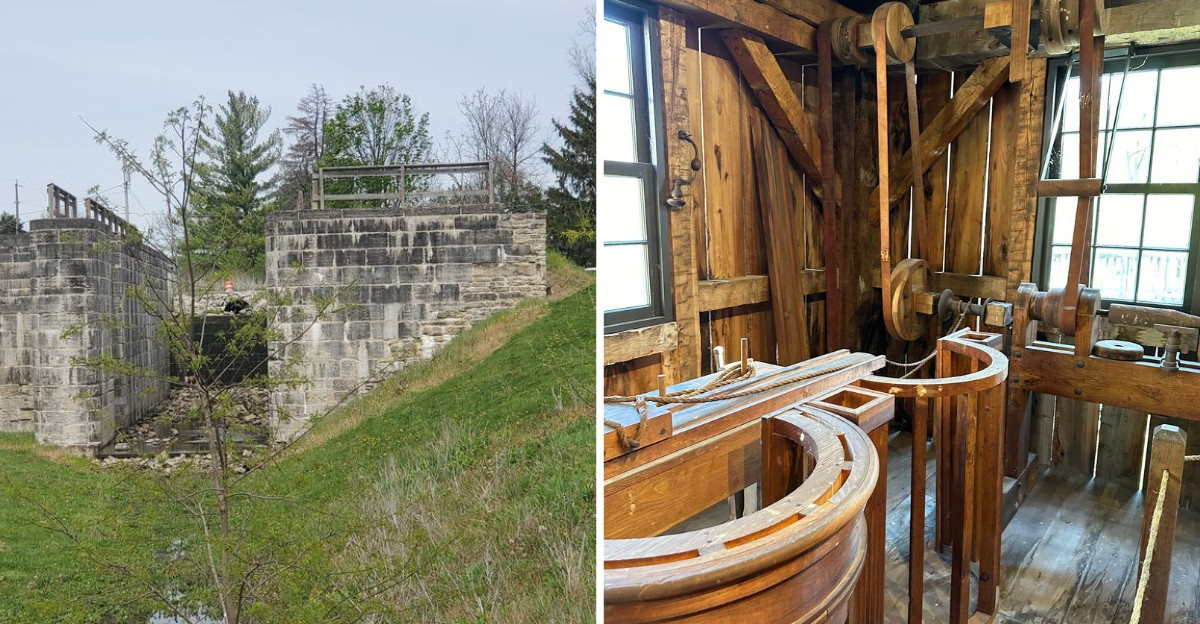
Bold experiments hide in plain sight at the end of county roads, and I have spent a lot of weekends chasing them across Ohio. Towns grew fast around a single mine, mill, canal, or belief, then shrank almost to nothing when that one thing disappeared.
Many left brick tunnels and stone locks in the woods, while others left restored villages where you can still walk into a bakery or an old company store.
What keeps pulling me back is how human these places feel, full of decisions people once made about work, faith, and community.
This route stitches together eleven of those stops, including communal utopias in the hills, iron furnaces, and canal ports.
Bring comfortable shoes and a full tank, because the best stories out here are rarely close to a highway.
1. Historic Zoar Village, Zoar
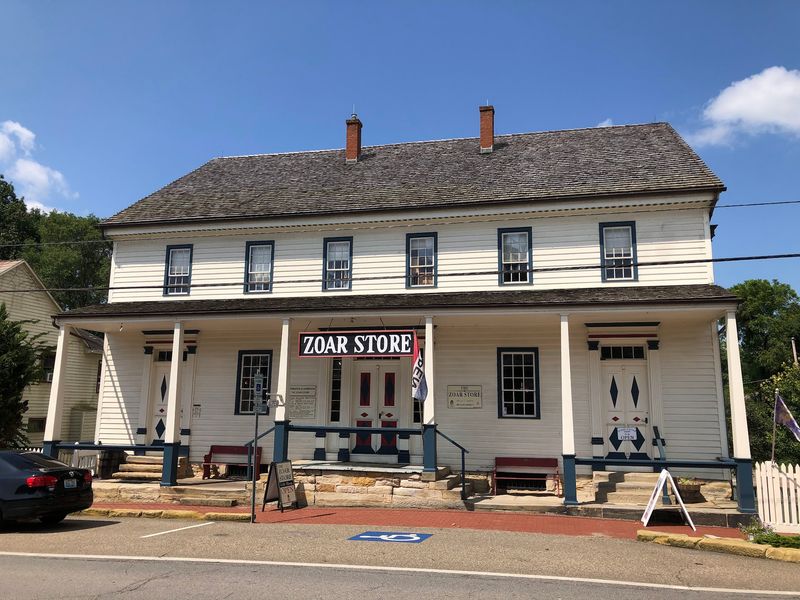
Few Ohio towns wear their beginnings so openly. Founded in 1817 by German Separatists who crossed an ocean to worship their own way, the community pooled everything it owned and built a village around shared labor.
I keep coming back for the details. Ten restored buildings sit along quiet streets, and the antique furniture inside actually belonged to the village rather than being hauled in from elsewhere.
Guided tours move through the Number One House, the bakery, the tin shop and the old store, with guides who happily field questions long past the script. A restored garden anchors the center of town, laid out with meaning rather than mere decoration.
What sticks with me is the ending. The society thrived for roughly eighty years, then members voted to dissolve it in 1898 and split the property among themselves, a rare peaceful close to a communal experiment.
Blacksmith demonstrations, live performances, a gift shop and free parking make an afternoon easy, and kids do fine here. Doors open Wednesday through Saturday and Sunday afternoons.
Restrooms and a place to eat sit within a short stroll, which helps when curiosity runs longer than expected.
Address: 198 Main Street, Zoar, Ohio
2. Historic Roscoe Village Visitor Center & Tours, Coshocton
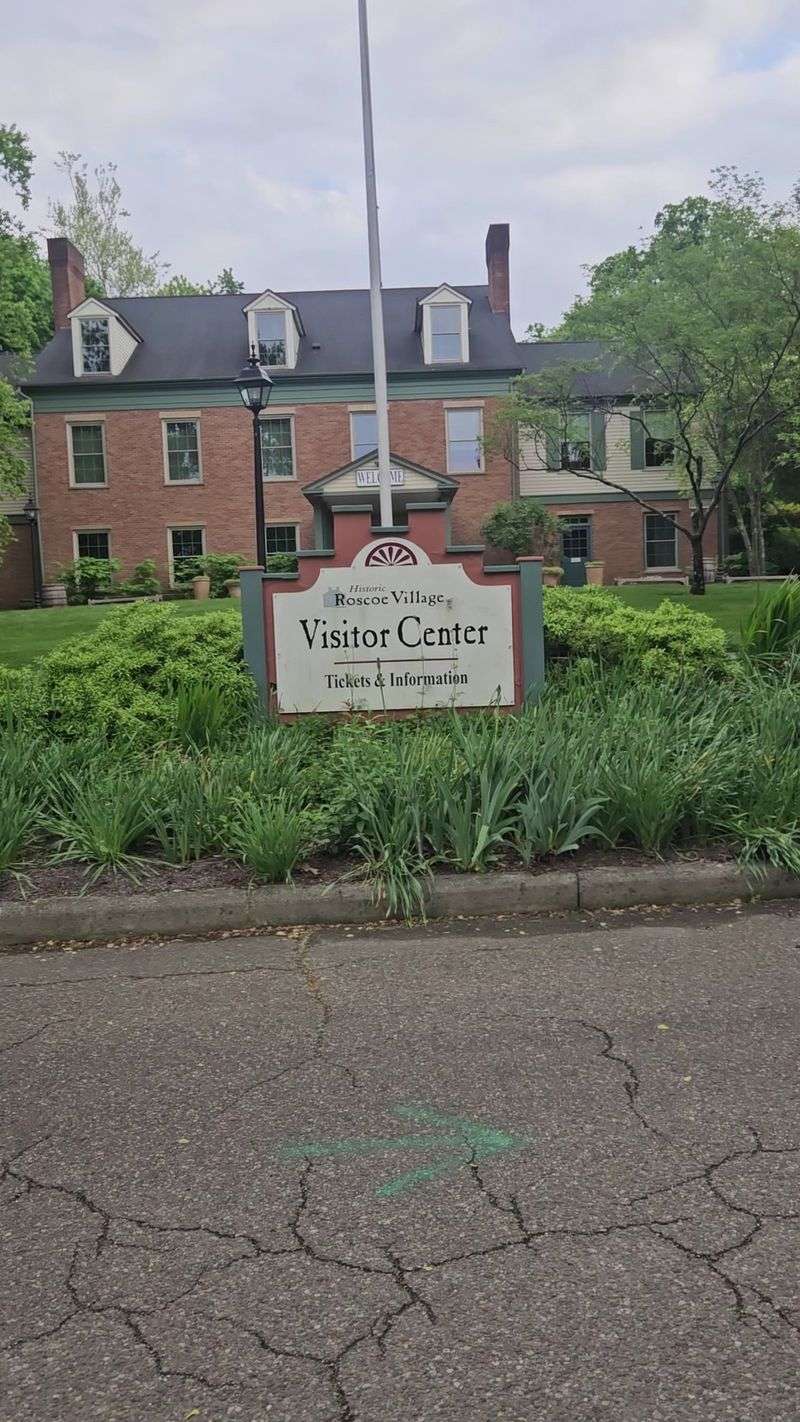
Canal towns had a rhythm, and you can still hear a version of it here in the clop of hooves pulling a boat along the water. The 1830s streetscape grew rich on Ohio and Erie Canal freight, then faded once railroads took the cargo and the 1913 flood wrecked what was left.
Costumed guides lead tours of restored buildings, and a working blacksmith and one-room schoolhouse fill in the daily details. Craft classes run alongside the exhibits, and a leather shop turns out goods on site.
Honestly, the layout surprised me. Much of the village works as a shopping street with a cafe, restaurants and small stores, with living history exhibits scattered between them.
A museum rounds out the visit, and two hours covers the highlights comfortably. Downtown Coshocton sits just a short drive away, so the stop folds neatly into a bigger day.
Free parking, restrooms and a gift shop keep logistics simple, and the canal boat ride is the piece kids talk about afterward. Hours run Tuesday through Sunday, with Mondays closed.
One caveat: a highway runs close by, so the soundtrack is not entirely nineteenth century.
Address: 600 North Whitewoman Street, Coshocton, Ohio
3. Buckeye Furnace State Memorial, Wellston
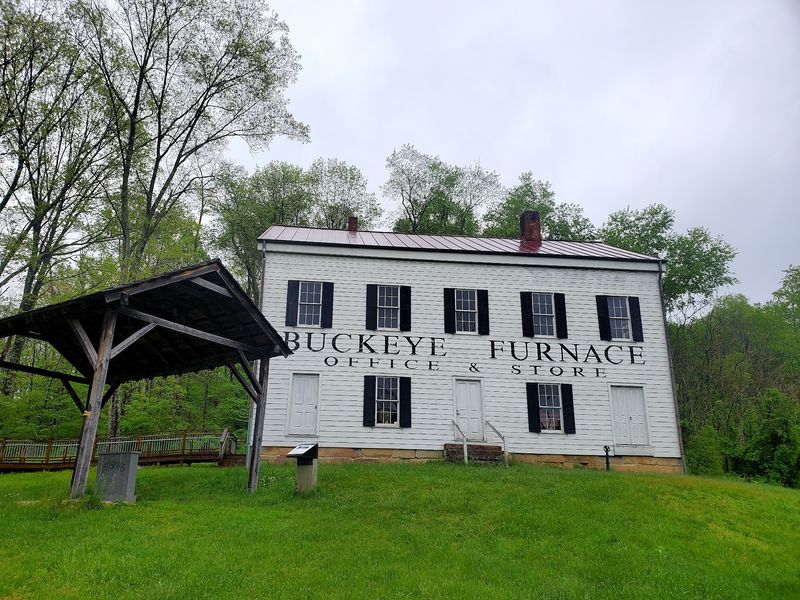
The scale of the stone stack is what gets people first. Charcoal iron built southeastern Ohio’s Hanging Rock region, and this restored blast furnace stands as an intact example of how it worked.
A company town once wrapped around it, complete with worker housing and a company store, all of it tied to a single fire that never went out. When charcoal iron production ended, the settlement dissolved and the woods took the rest.
Inside the museum and engine room, labels explain what each area handled, from charging the furnace to moving air through it. Staff in the store share regional background, and the grounds invite a slow loop on foot.
Nothing here is behind glass in a way that dulls the experience.
Short hikes suit families, dogs are welcome, and a gift shop covers souvenirs. Tuesday mornings tend to be the quietest stretch of the week.
Seasonal events sometimes bring craft fairs, food trucks, games for kids, contests and a petting zoo, which turns a quick stop into an afternoon. I did not expect an industrial ruin to feel this lively.
Rural Jackson County surroundings make the drive part of the appeal.
Address: 123 Buckeye Park Road, Wellston, Ohio
4. Historic Kirtland, Kirtland
A whole religious movement once pinned its hopes on this stretch of northeast Ohio. Members of The Church of Jesus Christ of Latter-day Saints gathered here in the 1830s, working to build what they called a Zion society.
Economic trouble and persecution eventually pushed most of them west, leaving the village behind.
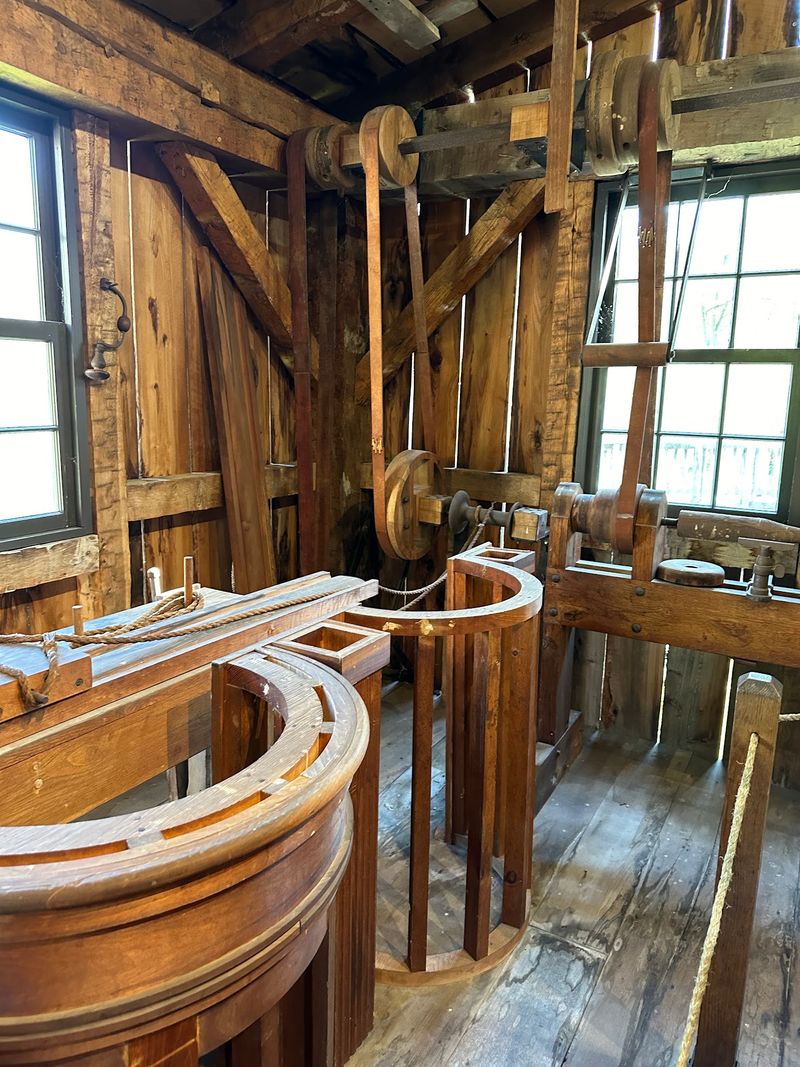
Six historic structures remain in the care of a visitors’ center: a schoolhouse, a sawmill, an ashery, the Newel K. Whitney and Company store, the Whitney home, and the Johnson Inn, now filled with exhibits.
The water-driven sawmill grabbed my attention more than I expected. Restoration went far enough that the machinery still reads as workable rather than ornamental.
Ashery work, store shelves and a period classroom together sketch out how a frontier settlement fed and clothed itself while chasing a much larger idea.
Doors stay open late for a historic site, running Monday through Saturday until evening and Sunday afternoons into the night. On-site parking makes arrival painless, and the pace works for kids.
Guides walk visitors through church history without rushing, which is half the value of stopping. Kirtland itself stays quiet and green around the site.
Address: 7800 Kirtland Chardon Road, Kirtland, Ohio
5. Friends of White Water Shaker Village Inc., Harrison
Twenty-four Shaker villages once dotted the United States, and one of them sits in rural western Hamilton County. Founded in 1823, the celibate community shared property, work and worship, growing through the nineteenth century before it finally disbanded.
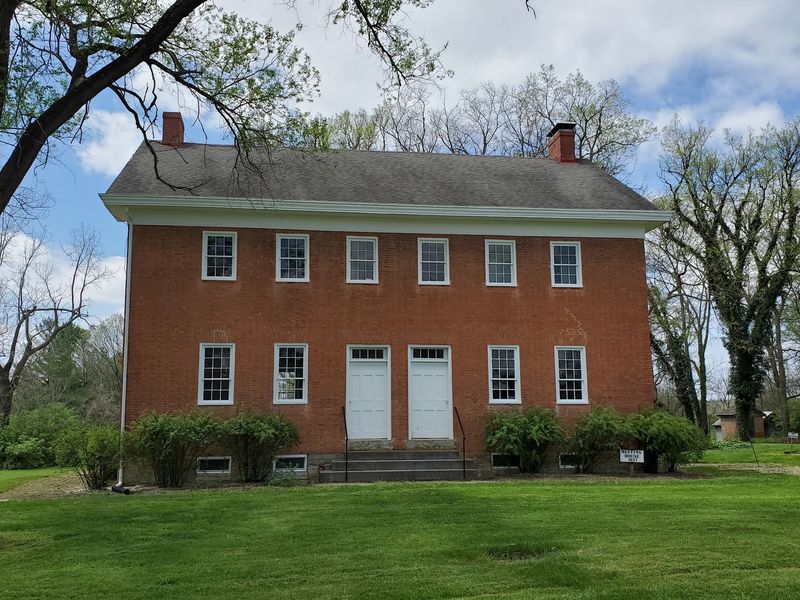
The standout survivor is the brick meeting house from 1827, the only remaining one of its kind in the country, built with an unusual suspended truss system that let the interior stay open and column free.
Access takes a little planning, since the site opens for designated open houses and small group tours arranged in advance. Checking the schedule before driving out saves disappointment.
When it is open, there is a gift shop, restrooms and on-site parking, though no restaurant, so pack snacks if the day runs long.
I like how understated the setting feels. Farmland and trees surround the buildings, and the Shaker preference for plain lines shows in every doorway and window frame.
Kids handle the visit well, mostly because the stories are strange in the best way: a group that believed in shared everything and separate living, quietly farming a corner of Ohio. Restoration work continues year to year.
Address: 11813 Oxford Road, Harrison, Ohio
6. Moonville Tunnel, McArthur
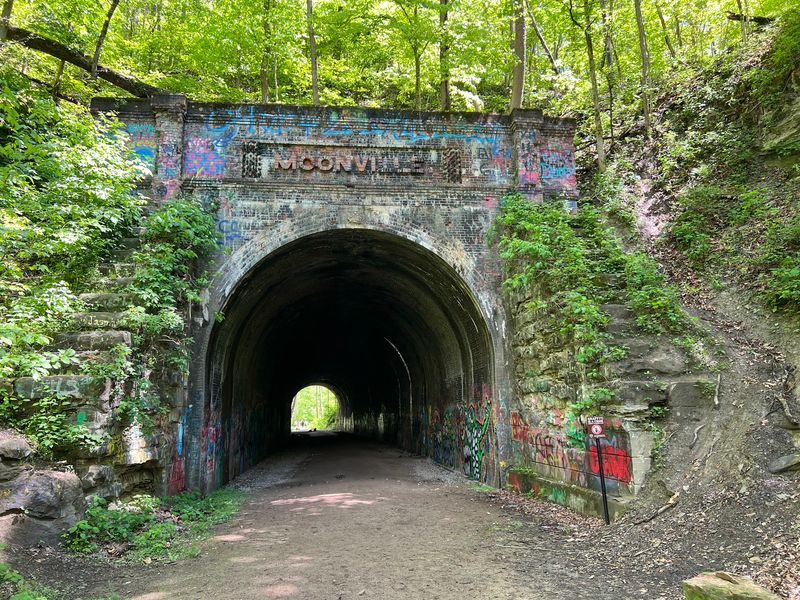
Coal built a village out here in the 1850s, and the railroad kept it alive. Once the mines ran dry and the trains stopped, the houses emptied and the forest closed in, leaving a tunnel as the main proof anyone ever lived here.
The brickwork is genuinely handsome, streaked now with layers of graffiti. Getting there means an easy walk on the old rail bed, over a bridge and through heavy woods.
A second tunnel further along the trail rewards anyone willing to keep going, and the stretch between the two is quietly beautiful in fall.
Ghost stories cling to the place, which is part of the draw, though I found the atmosphere more peaceful than spooky in daylight.
Practical notes matter here more than at most stops. Cell service disappears on the drive in, the access road turns rough, and there are no restrooms or food anywhere nearby.
Memorize your route, bring water, and park in the lot near the old rail bed. Kids do fine on the trail, and the Zaleski forest scenery around it is reason enough to come.
Searching for the tunnel by name, not the tracks, keeps navigation simple.
Address: Hope-Moonville Road, McArthur, Ohio
7. Lockington Locks Historical Area, Piqua
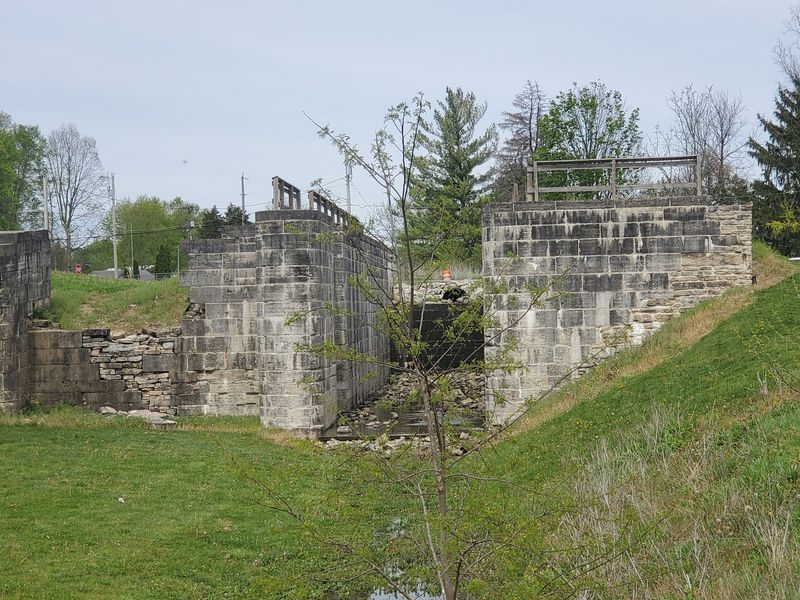
Six stone locks in a row do not sound thrilling until you learn what they did: lift canal boats sixty-five feet up to the Loramie plateau, one chamber at a time.
The Miami and Erie Canal made this a busy shipping point in the mid-1800s, and the settlement around it faded once canal navigation ended.
Repair work on the stonework has held up well, and seeing masonry this old still squared and stacked is oddly satisfying. Vegetation does creep in, so the full run of locks can be hard to take in at once.
Footing is the thing to watch. The path is mowed grass rather than gravel, it passes close to residential back yards, and the drop into the lock chambers deserves respect.
Open daily from early morning until nine at night, the site works as a short, free-form stop rather than a guided experience. There is no food on site, so plan meals around it.
Weekday mornings are almost empty, while Sunday brings the most visitors. Curious kids usually like counting the chambers and imagining boats climbing a hillside.
The rural village setting keeps the whole scene low-key.
Address: Museum Trail and Cross Trail, Piqua, Ohio
8. Boston Mill Visitor Center, Peninsula
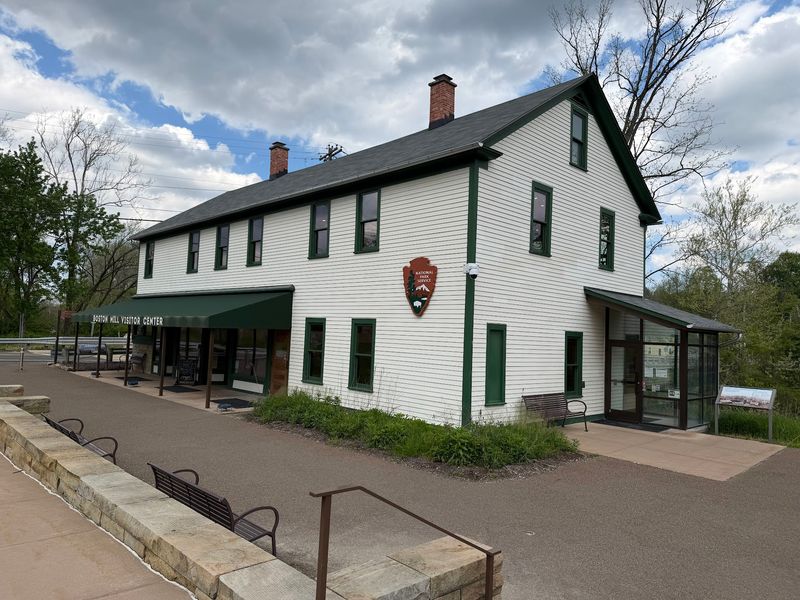
A circa-1836 company store now hands out trail maps, which tells you a lot about how this valley changed. Canal traffic came first, then a paper mill run by the Cleveland-Akron Bag Company drew workers into a tight little village along the river.
Mill closures and later federal land purchases emptied most of the houses, leaving the buildings standing inside a national park.
Inside, boat-building exhibits explain how canal craft were made, and the tactile displays keep younger visitors busy instead of restless. Staff share as much local history as you have patience for, and the gift shop is well stocked.
I treat this as the natural starting point for a valley day. Rivers, wooded trails, bridges, murals and railroad views all sit within easy reach, and restrooms here are a small mercy after a long hike.
Open every day from nine to five, with free lot and street parking plus a paid option nearby. Saturdays and Sunday afternoons get busy, while early weekdays stay calm.
The old store manages to feel like both a welcome desk and an artifact, which is a neat trick. Peninsula sits close by for anything else you need.
Address: 6947 Riverview Road, Peninsula, Ohio
9. Shaker Historical Museum, Cleveland
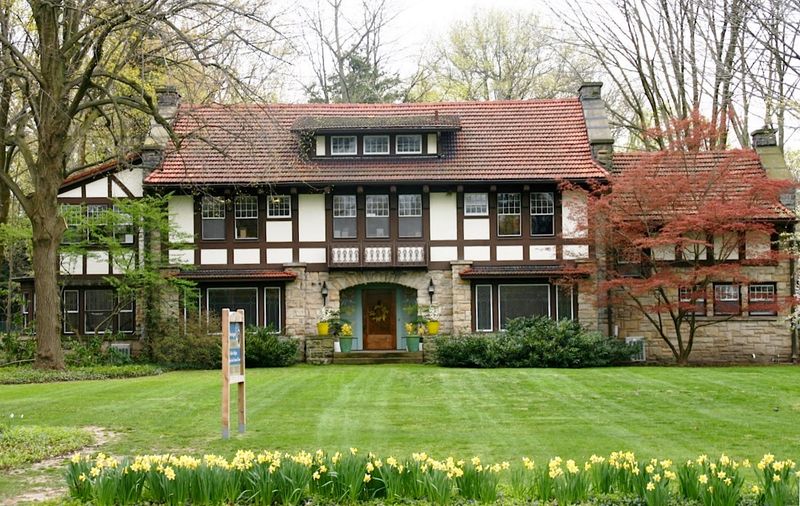
Suburban streets named Shaker owe their identity to a communal society that started in 1822 and shared everything it owned. The North Union colony farmed, built and worshipped here until members disbanded in 1889 and sold the land, which later became one of Cleveland’s most recognizable neighborhoods.
The museum lives inside a 1910 mansion, and two floors leave room for a lot of story. Collections trace both the Shakers and the development of the surrounding region, and a small art gallery shares the building.
Give it a couple of hours if you actually want to read things. Guided tours are available, live programs pop up on the calendar, and a compact gift shop sits near the entrance.
What I appreciate most is the density of information packed into a house museum this size.
Operated as part of the Ohio History Connection network, it opens Wednesday through Friday and Sunday afternoons, with restrooms on site and no cafe. Families are welcome, and the neighborhood itself makes a pleasant walk afterward.
Few places let you stand inside a grand old home and learn about people who rejected exactly that kind of display.
Address: 16740 South Park Boulevard, Cleveland, Ohio
10. Gnadenhutten Park & Museum, Gnadenhutten
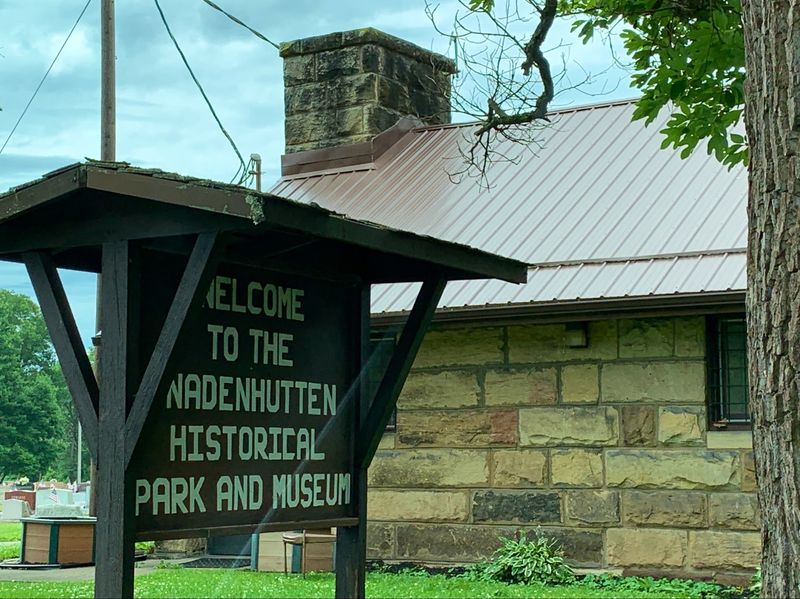
Some stops are heavier than others, and this one earns its quiet. A Moravian mission founded in 1772 gathered Delaware converts into a farming and worship community, one built on pacifism and shared purpose.
The 1782 massacre ended it, and the town that grew afterward has kept the memory in plain sight ever since.
A museum documents Revolutionary War era history in the region, and the grounds hold a historical cemetery along with a monument that anchors the site. Reading the interpretation before walking the burial ground changes how the space feels.
Trees and open lawn soften the setting, so history and scenery arrive together rather than competing. Benches and shade make it easy to sit with the story for a while.
Hours are limited, running Friday and Saturday plus Sunday afternoons, so timing matters. Restrooms and on-site parking cover the basics, though there is nowhere to eat on the grounds.
I would not call it a cheerful visit, but I would call it an important one. Older kids can handle the material, and the honesty of the presentation is what makes it worthwhile.
Small-town Tuscarawas County surrounds it, calm and unhurried.
Address: 182 Cherry Street, Gnadenhutten, Ohio
11. Schoenbrunn Village, New Philadelphia
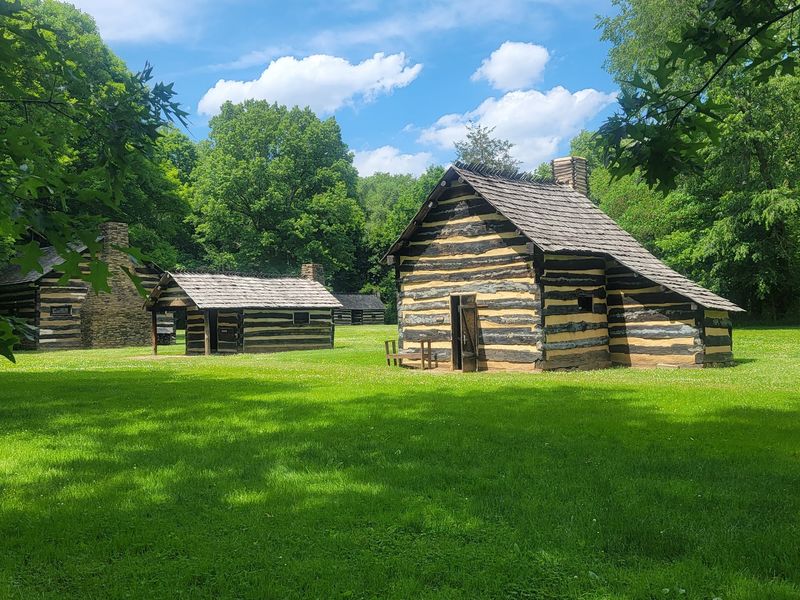
Ohio’s first organized Christian settlement started in 1772 as a planned town shared by Moravian missionaries and Delaware families. Streets, cabins, a school and a church went up quickly, and then the Revolution swept through and the place was abandoned and burned.
Reconstructed cabins now stand on the original site, furnished with period pieces that make the small rooms feel lived in rather than staged.
A short documentary sets up the history, gardens fill the spaces between buildings, and reenactments bring the routines of the 1770s into the open. Walking the layout gives you a sense of how deliberately the town was planned.
Guides here clearly care about the site, and tours stay conversational.
Doors open Wednesday through Saturday and Sunday afternoons, with a gift shop, restrooms and on-site parking. No food is served, so New Philadelphia nearby handles lunch.
Doorways barely taller than me made for a humbling reminder of how modest daily life was here. Kids take to the cabins easily, and the whole visit stays light on the feet.
Tuscarawas County history stacks up nicely if you pair this with other nearby stops. It is a fitting last stop on a route full of vanished communities.
Address: 1984 East High Avenue, New Philadelphia, Ohio
