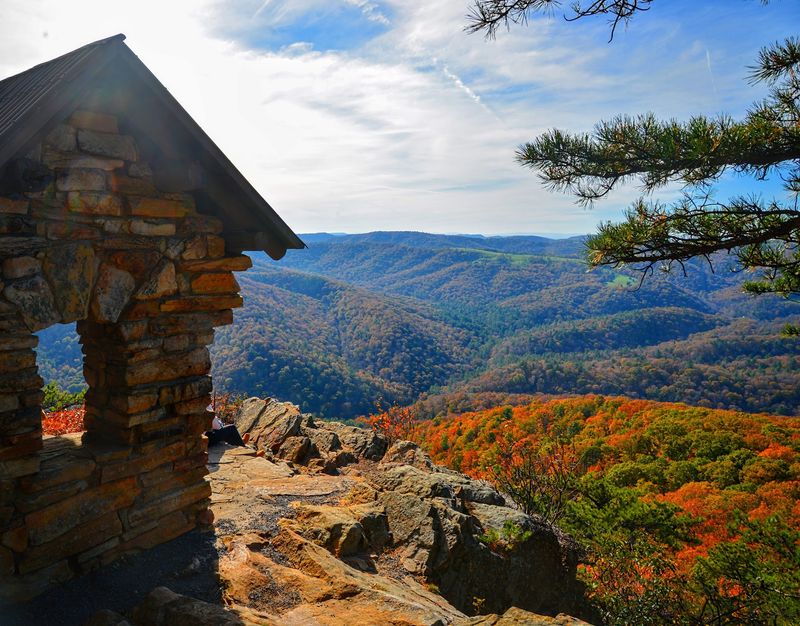
Some of the stone walls you lean on at a West Virginia overlook were stacked by young men earning about a dollar a day. Most of them were teenagers or barely out of their teens.
They had never laid a stone before they signed up.
The Civilian Conservation Corps put them to work in the 1930s. Camps sprang up in the mountains, and crews quarried rock, shaped logs, and built parks from scratch.
Several of those parks opened in 1937.
I love that their work is still doing its job. Walls still hold back hillsides.
Chimneys still draw smoke from cabin fireplaces.
You can stand on it, sleep beside it, or eat a picnic lunch under it. It costs nothing to admire a wall, and these ones come with a story.
So which piece of Depression-era handiwork will you touch first?
1. Coopers Rock State Forest
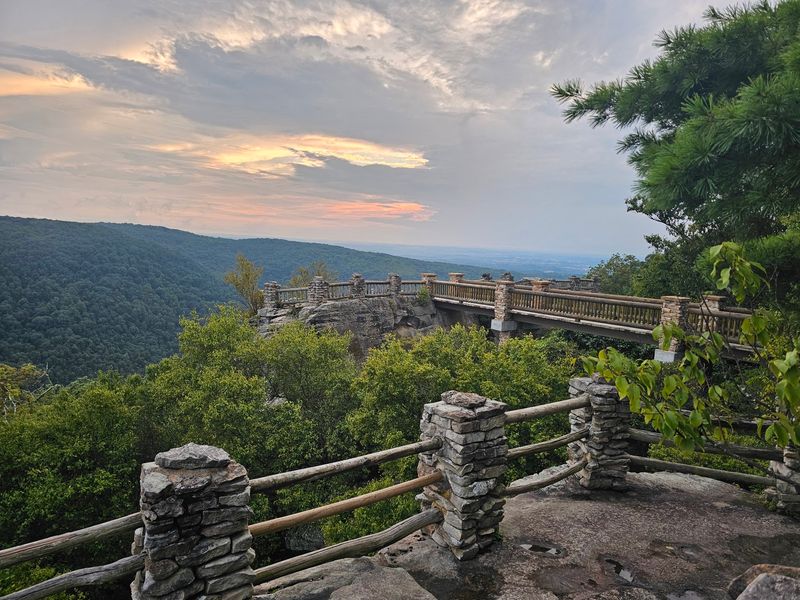
Plenty of folks come for the gorge view and never notice they’re leaning on history. The stone walls framing the overlooks here are Civilian Conservation Corps work.
According to West Virginia State Parks, CCC crews began building facilities at Coopers Rock in 1936. Permanent structures in the Main Overlook area took shape by spring 1937.
The main overlook gives you that sweeping look down into the Cheat River Gorge. Nervous about heights?
A smaller stone overlook offers a calmer perch.
Stroll past the CCC buildings scattered around the forest, and you’ll spot log and stone construction in several picnic shelters. The superintendent’s house and garage are listed on the National Register of Historic Places.
History isn’t the only draw, of course. Trails range from easy rambles to fast mountain biking routes, and there’s a campground and a historic stone iron furnace too.
Pack a lunch, grab a picnic table, and let the kids burn energy on the playground. Meanwhile, you can study how those old walls were fitted stone by stone.
Saturday afternoons tend to draw the biggest crowds. Midweek visits usually feel much quieter.
Address: 61 County Line Dr, Bruceton Mills, WV 26525
2. Cacapon Resort State Park
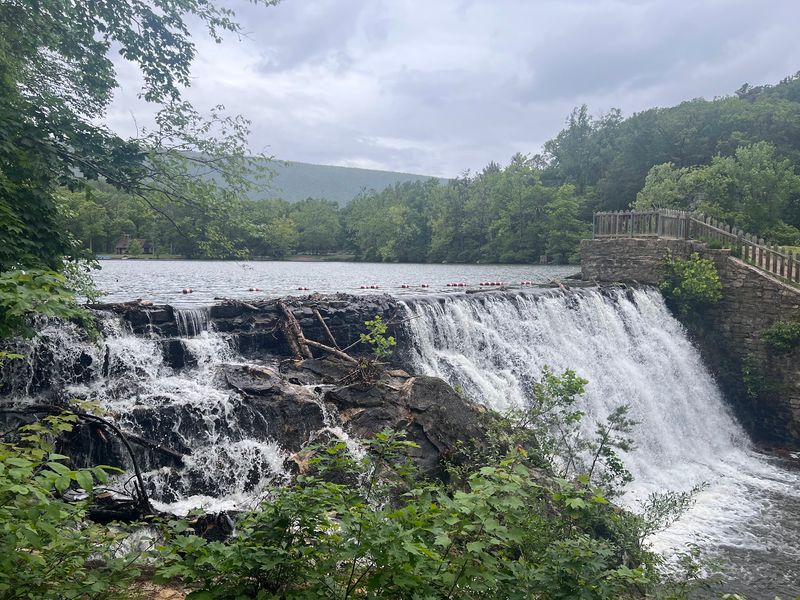
Golf, a beach, and a lodge restaurant sound pretty modern for a Depression project. Yet Cacapon’s roots run straight back to CCC work crews.
The Civilian Conservation Corps built cabins here in the 1930s. Many still stand on sturdy stone foundations beside chunky stone chimneys.
Those older cabins feel authentic in the best way. You get the rustic character without roughing it, and the setting is peaceful.
Near the beach area, look for CCC stonework around the bathhouse parking lot. A stone terrace with steps leads down toward Cacapon Lake.
The park spreads across a big chunk of the Eastern Panhandle near Berkeley Springs. That makes it an easy weekend run for many West Virginia families.
Once you’ve admired the masonry, there’s lots more to fill the day. Choose from hiking trails, kayaking, fishing, horseback riding, tennis, and a golf course.
Rainy afternoon? The lodge has a library and a game room, so nobody gets bored.
Groups love the space here, and the grounds rarely feel packed. Weeknights are especially calm if you want the lake mostly to yourself.
Address: 818 Cacapon Lodge Dr, Berkeley Springs, WV 25411
3. Watoga State Park
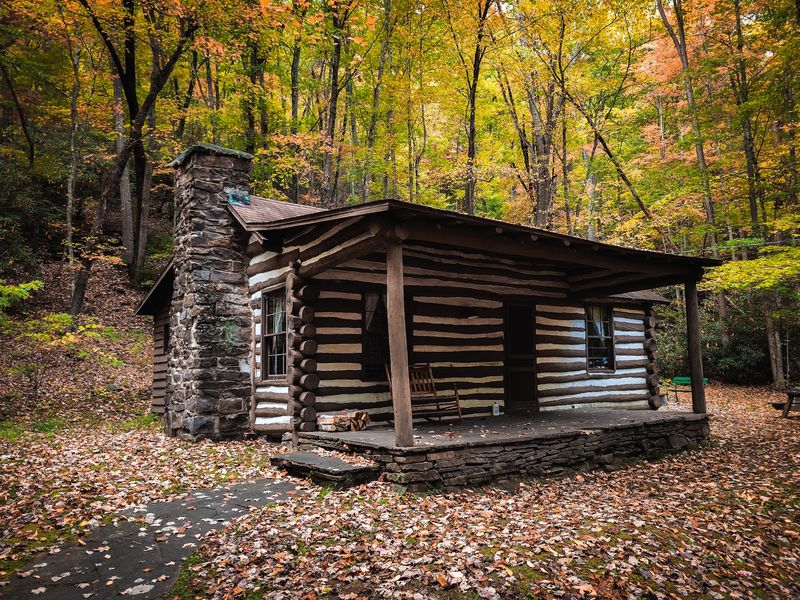
More than 10,000 acres is a lot of ground for a few hundred young men to shape. Watoga, the largest state park in West Virginia, shows they managed it anyway.
CCC crews from several camps built much of the park in the mid-1930s. Watoga opened to the public in 1937.
Today you can still rent CCC log cabins with stacked stone chimneys. Inside, you’ll find a modern kitchen, bath, heat, and air conditioning.
That’s rustic charm minus the hardship, which sounds like a fair trade. The old crews would probably laugh at the AC.
Out on the roads and trails, stone culverts and stream crossings reflect the same careful handiwork. The administration structures carry that stonework too.
Here’s a practical heads-up before you go. Cell service is basically missing, and internet is limited.
Honestly, that may be the best perk of all. You get a real excuse to unplug and simply do nothing for a while.
Campgrounds, picnic spots, tennis courts, and a playground round things out. The park office keeps daytime hours, so plan check-in accordingly.
Address: 4800 Watoga Park Rd, Marlinton, WV 24954
4. Lost River State Park
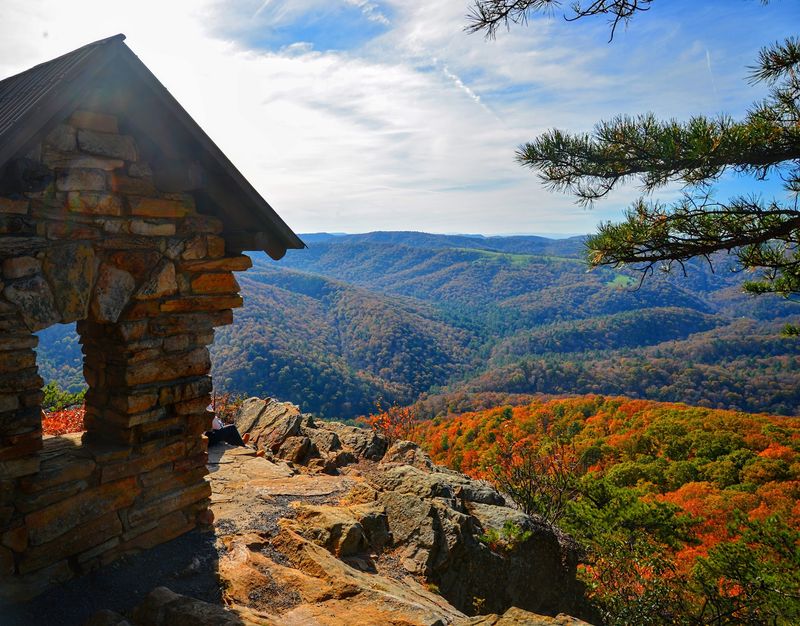
Hardy County hid this one well, and the CCC made the most of it. Crews from Camp Hardy built much of the park during the 1930s.
The park opened in 1937, and its Legacy cabins still carry that original character. These rustic log cabins sit on hand-built stone foundations.
Prefer something newer? Modern cabins are available too, and a few allow pets.
The star hike leads to Cranny Crow Overlook. A stone shelter perches up top, and the view stretches across rolling ridges.
It’s the most popular trail in the park for good reason. Bring a camera and maybe a snack for the summit.
Down below, the grounds stay neatly kept. The park offers a big pool, horseback riding, horse trails, and a challenging 18-hole disc golf course.
Families will find a playground, while parents can wander the gift shop. The staff there are friendly and helpful.
The park welcomes visitors year-round, so stonework fans can come in any season. Bare winter trees may even show off those old walls better.
Address: 321 Park Dr, Mathias, WV 26812
5. Babcock State Park
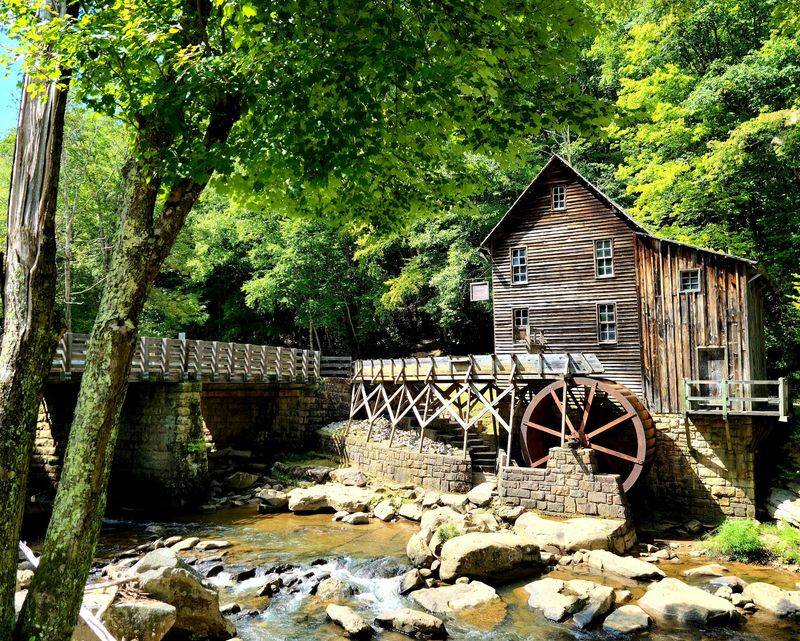
Yes, everyone photographs the mill. But the stonework around it came first, and it deserves your attention too.
The Glade Creek Grist Mill was actually assembled decades later. Long before that, CCC enrollees from Camp Lee and Camp Beaver built the park’s backbone.
Their stone-walled culverts and retaining walls still hold their ground. Cabin stone hearths show the same skill up close.
Park history notes much of this work happened between 1934 and 1937. Babcock opened to the public in 1937.
Hikers get extra rewards here. Trails deliver big views and swinging bridges, while a trout stream runs right through the park.
There’s also a lake for fishing and paddle boating. Campgrounds and picnic areas make it easy to stay longer.
Of course, you’ll want that mill photo before you leave. It’s water-powered and working, which makes the picture even sweeter.
Just remember that the old walls below the road and trail are part of the story. Pause, look closer, and see how neatly they fit.
Address: 486 Babcock Rd, Clifftop, WV 25831
6. Droop Mountain Battlefield State Park
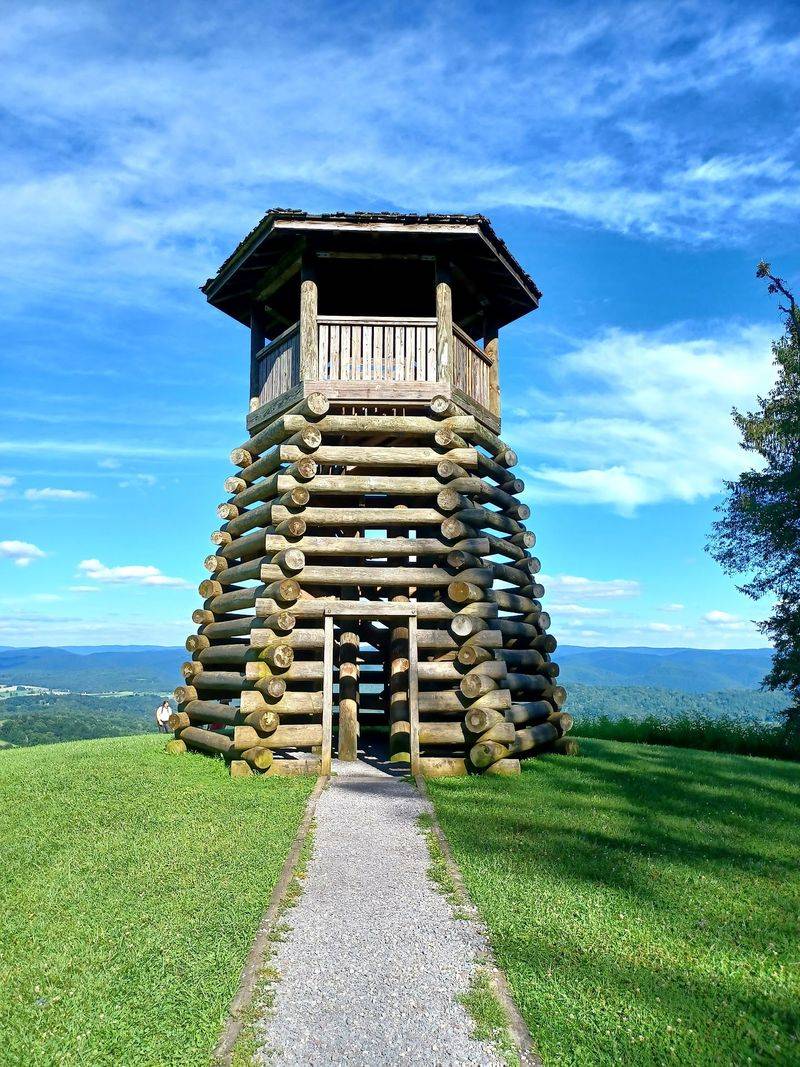
Two chapters of history share one mountaintop here. A Civil War battle came first, and the CCC came along decades later to build the park.
Enrollees from CCC Camp Droop Mountain developed the grounds in the 1930s. Their stone-and-timber construction still stands today.
The observation tower is the headline act. Climb it and the views roll out over the surrounding Greenbrier Valley countryside.
Two overlooks add even more scenery. You won’t need to hike far to earn them, either.
A small museum covers the battle and adds context to your walk. Several trails loop through the battlefield, so you can explore at your own pace.
For West Virginia history buffs, this stop offers a double helping. You get the battle story and the New Deal story in one trip.
The grounds stay open around the clock, and parking is free. Picnic tables and a playground make a lunch break simple.
Weekend afternoons draw the most visitors. Arrive on a weekday evening, and you may have that tower nearly to yourself.
Address: 683 Droop Park Road, Hillsboro, WV 24946
