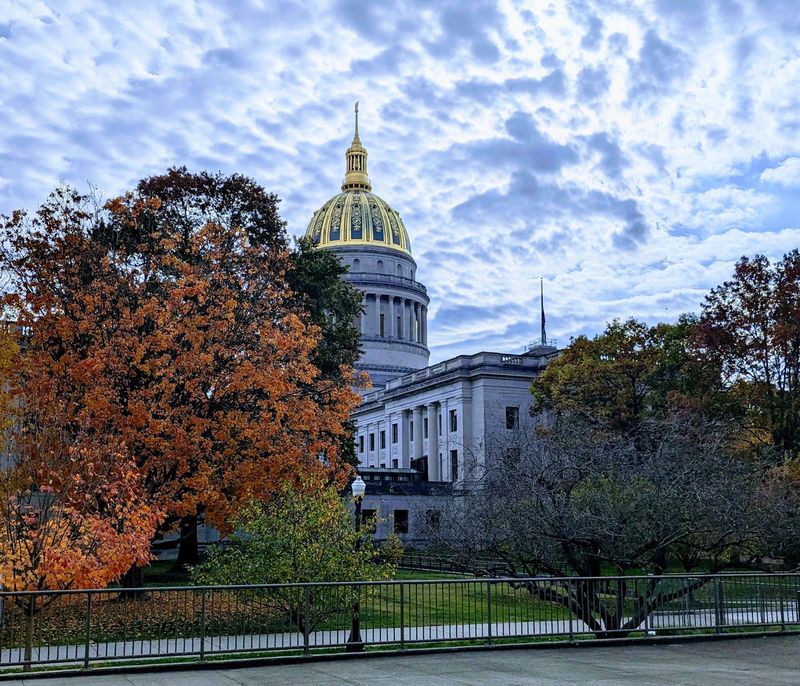
Everybody can hum along to that famous song about country roads, but real West Virginians carry a whole treasure chest of knowledge that outsiders never quite catch. From a lunch food born deep in the coal mines to a winged legend that still gives folks chills, this Mountain State hides stories, flavors, and quirks worth bragging about.
Grab a seat and get comfortable, because these seven things go far past any road map. You might just find yourself feeling proud all over again.
1. The True Story of the Pepperoni Roll
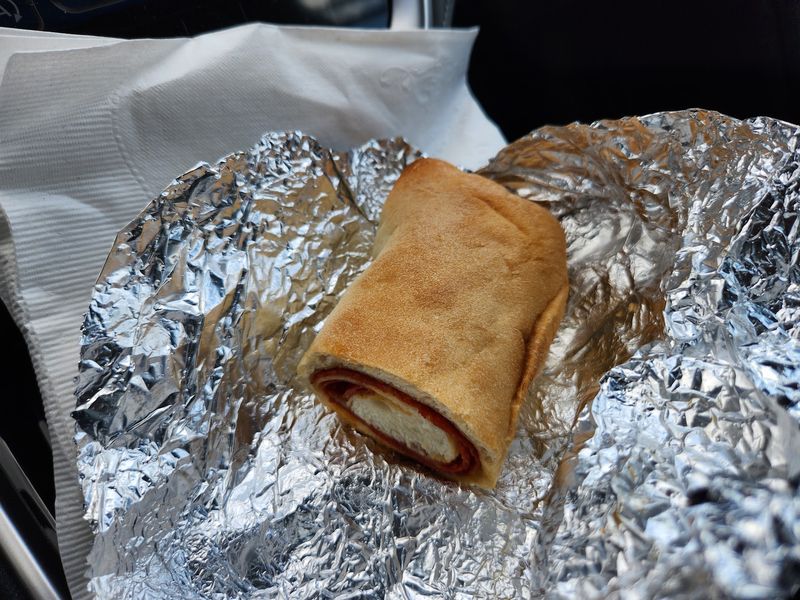
Ask any true West Virginian about the perfect lunch, and the pepperoni roll gets top billing every single time. Soft, yeasty white bread wrapped around savory pepperoni, baked until the fats melt right into the dough.
Its roots run straight into the coal mines of north-central West Virginia. Miners needed a filling meal that wouldn’t spoil underground, and this handheld wonder answered the call during the first half of the 20th century.
Giuseppe “Joseph” Argiro is credited with first selling them commercially at the Country Club Bakery in Fairmont back in 1927. From there, the humble roll spread everywhere.
You’ll find them today in gas stations, church suppers, school cafeterias, and packed into coolers at ball games. They’re nearly impossible to avoid, and nobody’s complaining.
Did you know the state tourism bureau often calls it West Virginia’s unofficial food? That’s a big honor for such a simple treat.
For folks who grew up here, biting into one brings back memories of grandma’s kitchen and Friday night football. It’s comfort, history, and hometown pride rolled into one warm bundle.
2. Bridge Day at the New River Gorge
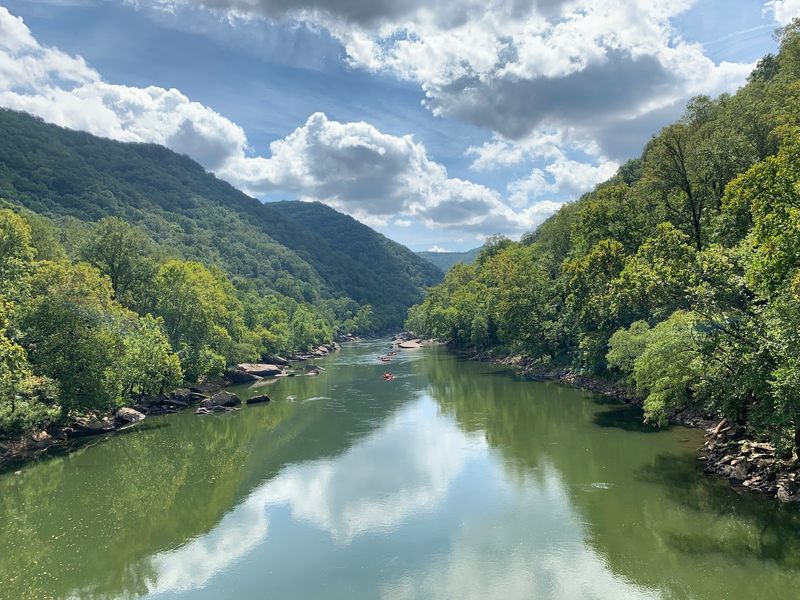
Once a year, one of the tallest bridges in the country turns into a giant party, and locals wouldn’t miss it for the world. Bridge Day happens every third Saturday of October at the New River Gorge in Fayetteville.
The celebration honors the completion of the New River Gorge Bridge back in 1977. On this single day, all four lanes shut down to cars and open up to walking crowds instead.
Standing 876 feet high and stretching 3,030 feet long, the bridge becomes a stage for daring feats. It’s the only day of the year folks are allowed to BASE jump from it into the gorge below, a rare exception across the entire National Park System.
Rappelling has been part of the fun since 1981, giving thrill-seekers even more ways to test their nerve.
The very first Bridge Day in 1980 pulled in around 40,000 people. Now the crowd swells to an estimated 100,000, filling the mountains with excitement, food stands, and gasps of amazement.
For West Virginians, it’s proof that beauty and boldness live side by side.
3. The Mysterious Mothman of Point Pleasant
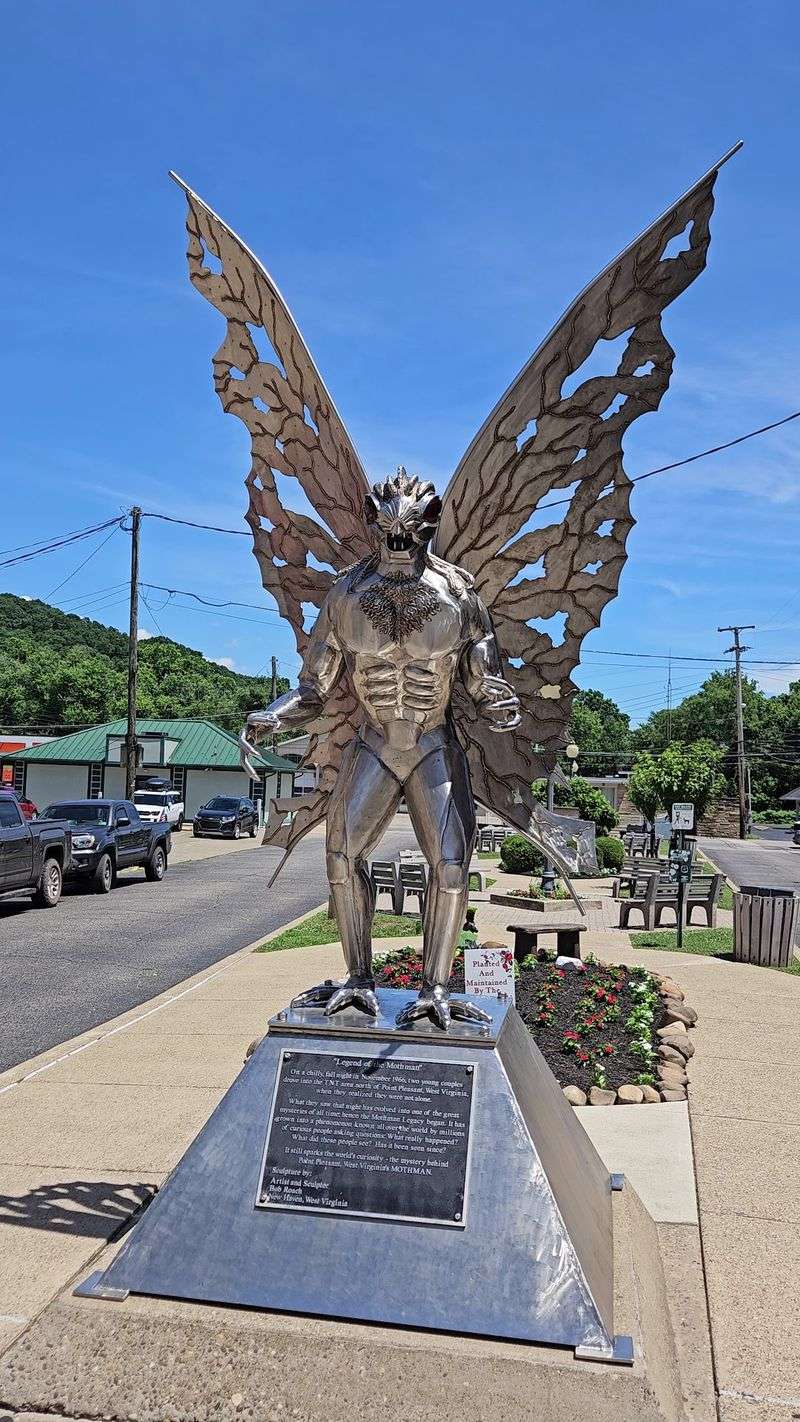
Nothing sparks a good porch conversation like the tale of the Mothman, West Virginia’s most famous winged mystery. Reports of a large creature with strange wings and glowing red eyes swept through the Point Pleasant area starting in November 1966.
Around 26 sightings piled up, many near a huge abandoned munitions site locals still call the TNT plant. Witnesses described a man-sized figure that seemed to appear from nowhere.
The most haunting piece of the legend ties the creature to the collapse of the Silver Bridge on December 15, 1967, a heartbreaking event that claimed 46 lives. Some residents swore they spotted the Mothman near the bridge that very day.
Whether you believe it or chalk it up to imagination, the story became woven into local identity forever.
Point Pleasant leans right into the legend today. The town hosts an annual Mothman Festival, usually the third weekend of September, drawing curious visitors from far and wide.
It’s also home to the world’s only Mothman Museum, plus a shiny statue folks love to photograph. For true West Virginians, the Mothman is spooky fun and hometown folklore all wrapped together.
4. West Virginia’s Deep Coal Heritage
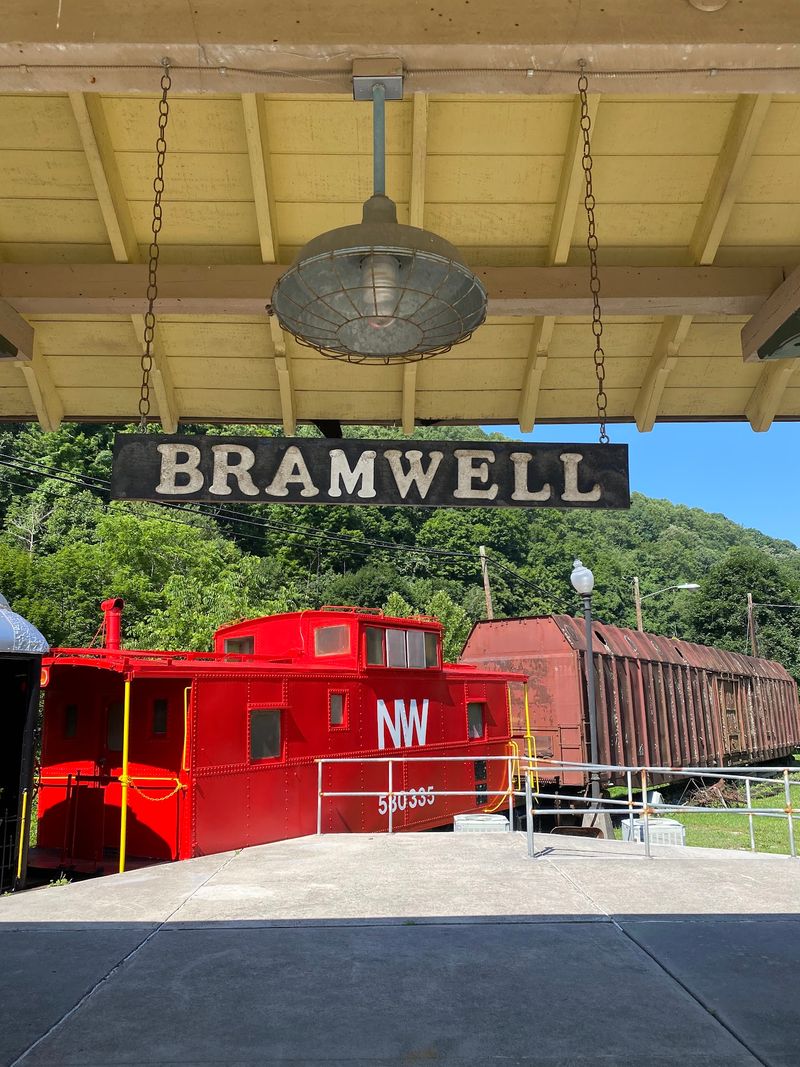
Long before highways crossed these hills, coal shaped nearly everything about West Virginia life. Shipments began rolling out in the 1830s, and by 1917 the state stood as the largest coal producer in the country.
The industry did more than power the nation. It powered whole communities, drawing waves of immigrants from Italy and other parts of Europe, along with African American families, all seeking work in the mines and along the railroads.
That mix gave the state a rich, layered heritage you can still feel today. Old company towns tell the story best.
Places like Bramwell once held mansions of wealthy coal barons standing not far from the modest homes of the miners themselves. The contrast is striking and unforgettable.
Travelers can follow the Coal Heritage Trail to walk through this history firsthand. At the Beckley Exhibition Coal Mine, retired miners lead tours that let visitors experience the underground world for themselves.
For West Virginians, coal is more than a chapter in a textbook. It’s family, sacrifice, and grit passed down through generations, and remembering it keeps that pride burning bright.
5. The Canadian Wilderness of Dolly Sods
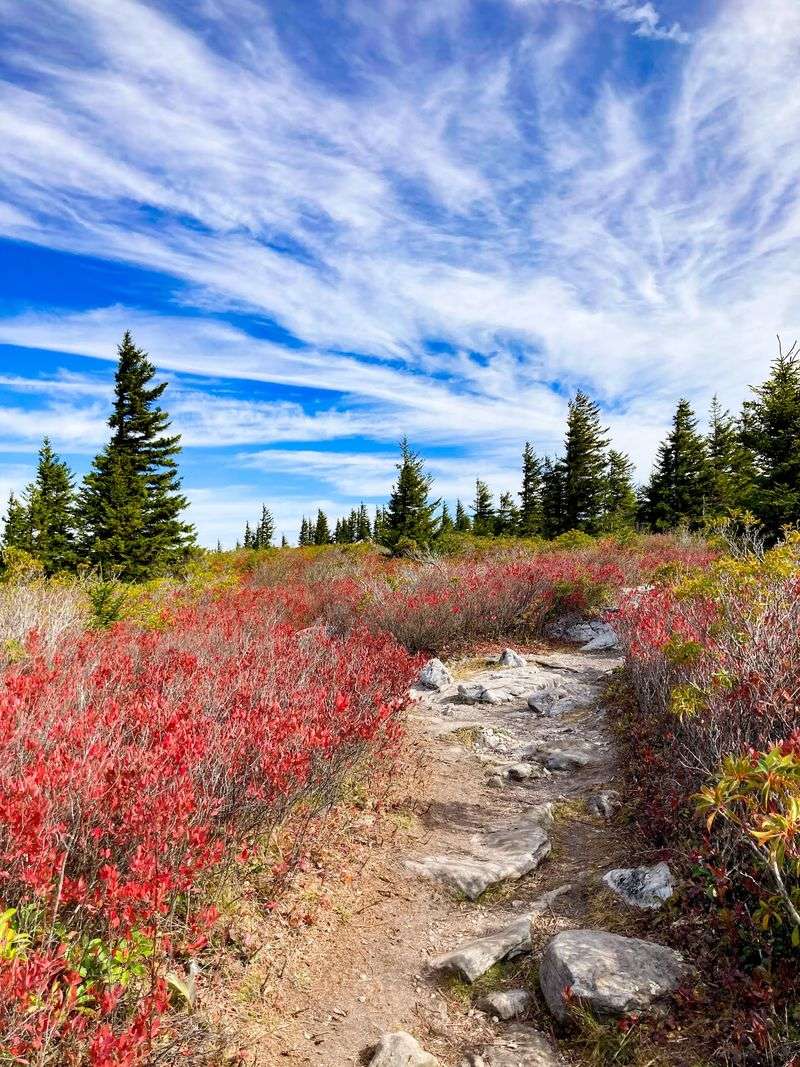
Imagine hiking a corner of West Virginia that feels more like northern Canada than Appalachia. That’s the magic of Dolly Sods Wilderness, tucked inside the Monongahela National Forest.
This high plateau climbs from 2,500 feet to over 4,700 feet, and the cool climate creates something truly rare. Wind-stunted red spruce, upland bogs, and wide rocky plains stretch out under big open skies.
Nature lovers get a real treat here. The ground holds sphagnum moss, wild cranberries, and even tiny insect-eating sundew plants that seem straight out of a science book.
There’s a bit of history buried in these hills too. During World War II, starting in August 1943, the military used the area for training, and a few unexploded shells may still remain, so visitors are wisely advised to stick to marked trails and report anything suspicious.
With nearly 50 miles of trails, some following old railroad grades, there’s plenty of room to wander. Spots like Lion’s Head Rock and Rohrbaugh Cliffs reward hikers with sweeping views.
True West Virginians treasure Dolly Sods as a wild, otherworldly escape hiding right in their own backyard.
6. Scaling Seneca Rocks
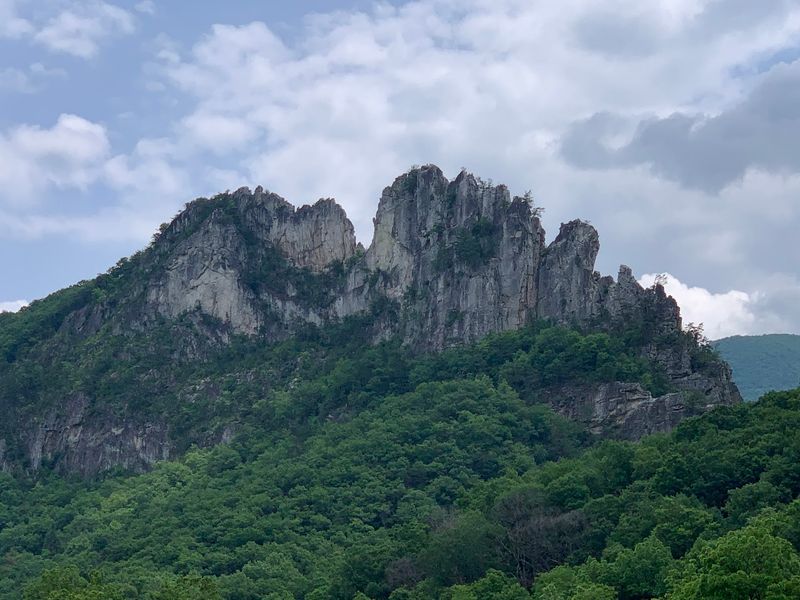
Few sights make a West Virginian’s chest swell like the towering fins of Seneca Rocks. These dramatic whitish quartzite cliffs rise roughly 900 to 1,000 feet from the forest floor in the Monongahela National Forest.
Their story stretches back an astonishing 440 million years, formed from ancient ocean floor sediments. Long ago they served as a landmark and gathering place for Indigenous peoples, including the Seneca and Shawnee.
History left its mark here in more recent times too. From 1943 to 1944, the U.S.
Army’s Mountain Training Group ran an assault climbing school on these very cliffs, teaching soldiers alpine skills for combat.
Recognition came in 1965, when Seneca Rocks and Spruce Knob together became the first National Recreation Area established by the U.S. Forest Service.
Today the rocks draw climbers from all over. More than 350 mapped routes challenge experts and beginners alike, making it a true climber’s paradise.
Not a climber? No problem.
Hiking trails lead to the summit, rewarding anyone with breathtaking panoramic views of the surrounding valleys. It’s the kind of place that reminds locals just how mighty their mountains really are.
7. Speaking Mountaineer: Unique West Virginia Slang
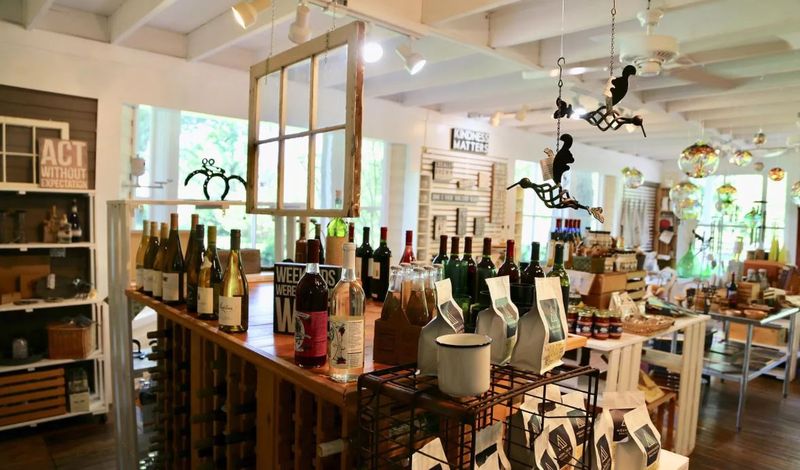
Drop a true West Virginian into a conversation and their words paint a picture all their own. The local way of talking, sometimes called speaking “Mountaineer,” can leave outsiders scratching their heads.
Take a “crick,” for instance. That’s a small stream or creek, and you’ll hear folks mention playing in one as kids.
A “holler” isn’t a shout at all. It’s a small valley tucked between the hills, often where families have lived for generations.
Then there’s a “poke,” which simply means a bag or sack, and “britches,” a homey word for pants. If someone’s “fixin’ to” head out, they’re just about to do it.
The whole state even has a loving nickname, “Mountain Mama,” made famous by a certain beloved song about country roads.
One of the trickiest terms is “direckly.” It means “in a while,” though that could mean an hour, a day, or honestly maybe next month.
These sayings aren’t just quirky words. They’re a warm handshake between neighbors and a badge of belonging.
For anyone raised in these mountains, that homegrown language feels like family, and it keeps the good old days alive with every friendly conversation.
