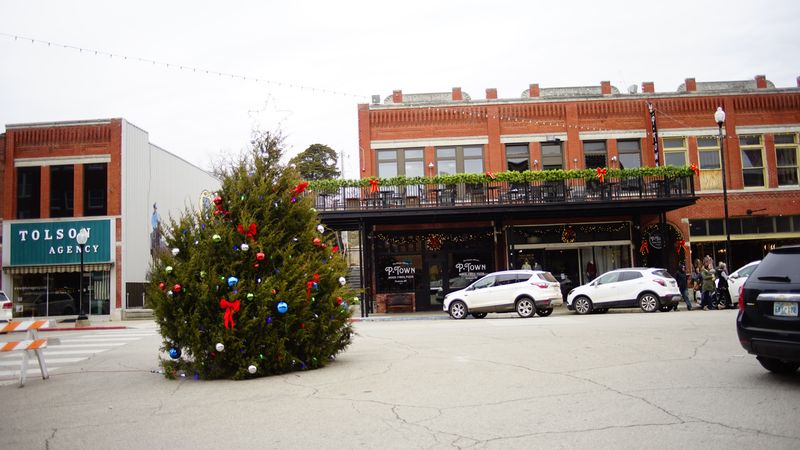
Some towns don’t look like much from the highway, just a water tower, a grain elevator and a cafe with a hand-painted sign out front. Then you sit down for breakfast, the coffee refills keep coming, the bill is smaller than you expected, and you start wondering what it would cost to actually live there.
Across Oklahoma, that daydream is more realistic than most people think, with rent, groceries and a hot plate of eggs still fitting inside about $1,800 a month. The eight towns below prove that a slower, cheaper life can also be a pretty tasty one.
1. Medicine Park
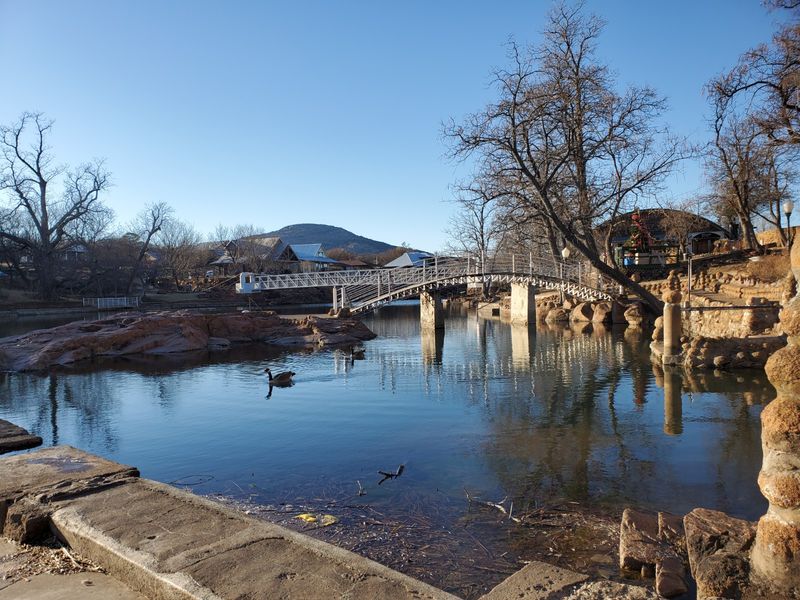
Red cobblestones are the first clue that Medicine Park plays by its own rules. Founded in 1908 as Oklahoma’s first resort town, the little community tucked beside Medicine Creek still looks like somebody built it by hand, one rounded granite rock at a time.
For a budget-minded household, the appeal is simple. Rentals here tend to be small cottages and apartments, and prices can swing with the seasons, so it pays to ask about year-round leases before summer crowds arrive.
Many residents shop for groceries in nearby Lawton, roughly 20 minutes south, where big stores help keep a monthly food bill in the $275 to $370 range for one person.
What really sells the place is the backyard. The Wichita Mountains Wildlife Refuge starts just west of town, with bison, longhorn cattle and prairie dogs roaming free and no entry fee.
The road to the top of Mount Scott offers one of the best free views in the state.
Weekend mornings bring a slow parade of locals to the creekside cafes, where eggs, biscuits and coffee usually land around $10 to $15. Summer heat can be intense, so the creek’s swimming spots fill quickly by July.
Oklahoma City is about 90 minutes away.
2. Pawhuska
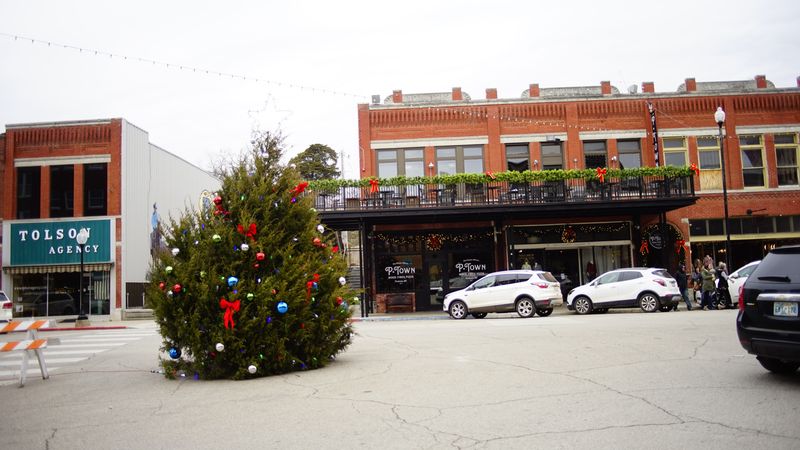
Talk to anyone in Osage County long enough and the conversation drifts back to Pawhuska. As the capital of the Osage Nation and the county seat, this town of roughly 3,000 people carries more history per block than places ten times its size.
Start with the Osage Nation Museum, opened in 1938 and widely known as the oldest tribally owned museum in the country. Exhibits share Osage art, photographs and stories in a way that feels personal rather than dusty, and admission has traditionally been free, though donations are welcome.
Downtown’s sandstone and brick storefronts got a second life after the Pioneer Woman Mercantile opened, drawing visitors from all over. Locals know the trick: go on a weekday morning to skip the line, then stroll over to the restored Constantine Theater.
Housing costs stay modest compared with Tulsa, about an hour southeast, with many older homes and small rentals often listed well under $900 a month. That leaves room in an $1,800 budget for groceries and a weekend breakfast of pancakes and bacon.
North of town, the Tallgrass Prairie Preserve protects a large bison herd across rolling grassland. The gravel drive through it is free, and autumn color on the prairie is worth planning a trip around.
3. Sulphur
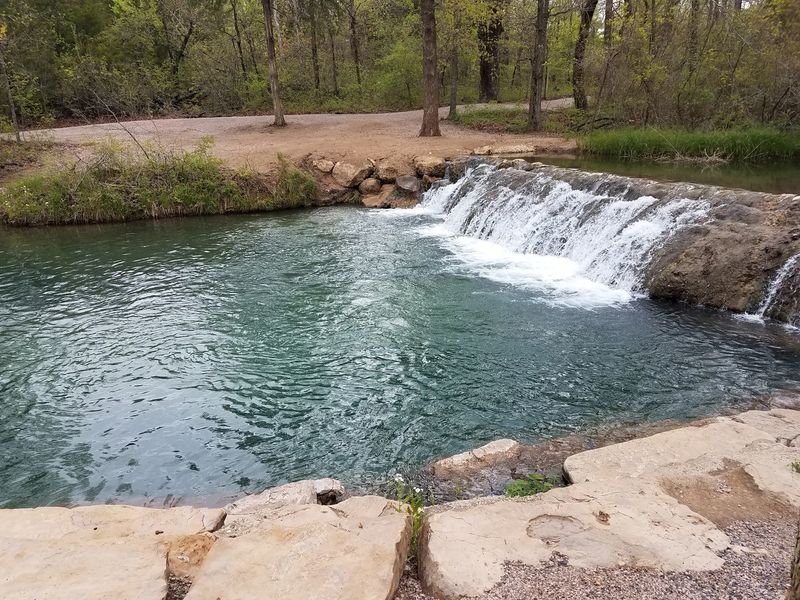
Few towns can claim that their best free entertainment bubbles straight out of the ground. Sulphur, the Murray County seat, sits right at the doorstep of the Chickasaw National Recreation Area, where mineral and freshwater springs feed creeks that families have enjoyed for more than a century.
Travertine Creek and the Little Niagara swimming area turn into the town’s shared backyard each summer. Entry to the recreation area is free, which makes a hot Saturday easy on the wallet for parents with kids who need somewhere to splash.
History runs deep here too. The Chickasaw Cultural Center, operated by the Chickasaw Nation, offers a traditional village, films and exhibits that present Chickasaw culture as something alive today.
Downtown, the restored Artesian Hotel anchors a walkable main street with small shops and cafes.
For people watching their budget, rent in town often runs from about $650 to $900 for a modest apartment or small house, though listings change quickly. Groceries can be found locally or in Ada, about 35 minutes east.
A diner breakfast of chicken-fried steak and eggs, the kind that holds you until supper, usually costs somewhere near $12. Oklahoma City is about 90 minutes north, and the Arbuckle Mountains make the drive scenic in spring.
4. Perry
Picture a line of hopeful settlers waiting for a signal on September 16, 1893. Perry sprang up almost overnight during the Cherokee Strip Land Run, and the town square still reflects that rushed, optimistic start.
The Cherokee Strip Museum on the west side of town tells that story with pioneer buildings, farm tools and a one-room schoolhouse. Kids tend to love the old equipment, and the grounds make an easy half-day outing.
Then there’s breakfast. The Kumback Lunch has served the courthouse square since the 1920s, and it’s often called one of the oldest continuously operating restaurants in Oklahoma.
A plate of eggs, hash browns and coffee there typically runs in the $10 to $14 range, which fits comfortably into a tight monthly plan.
Perry also happens to be the hometown of Ditch Witch, the trenching equipment maker, so the town keeps a steady stream of jobs that many small communities lack. Rents often sit between $600 and $850 for a one-bedroom, depending on age and location.
Right along Interstate 35, Perry puts Oklahoma City about an hour south and Stillwater around 30 minutes east. That makes a warehouse-store run or a doctor visit simple without paying city rent.
5. Alva
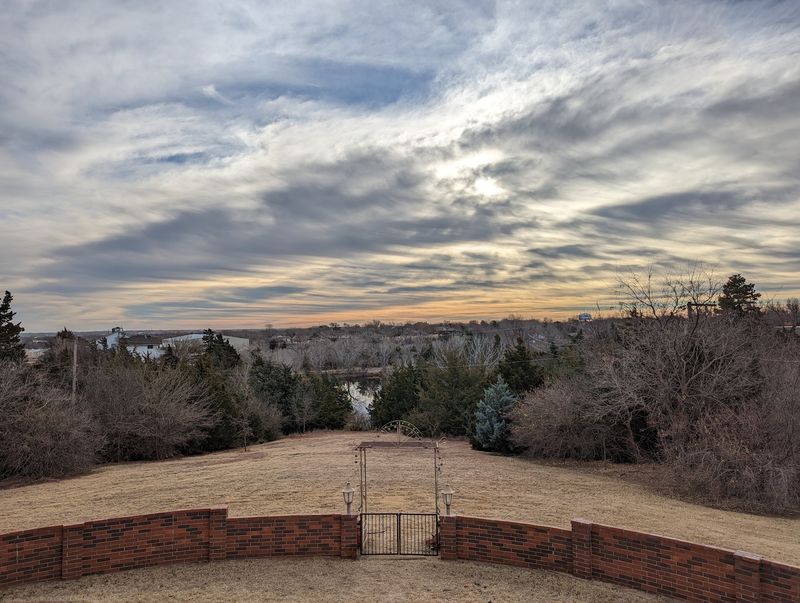
Northwest Oklahoma rewards people who like wide skies and short commutes, and Alva may be the region’s best bargain. With about 5,000 residents, the town ranks among the most affordable in the state, where one-bedroom rentals often fall between $500 and $800 and about half of listings come in under $700.
Do the math and it gets exciting. Pay $650 in rent, budget roughly $350 for groceries, and there’s still plenty left for utilities, gas and a weekly chicken-fried steak breakfast, a regional favorite served with homemade sides at Alva’s cozy diners.
Northwestern Oklahoma State University keeps the brick downtown lively with lectures, concerts and games throughout the school year. The Graceful Arts Center shows work by local painters and crafters, and it’s a pleasant stop between errands.
Nature lovers get a special treat about 30 miles east at the Salt Plains National Wildlife Refuge. Birdwatchers come for migrating cranes and pelicans, and in the warmer months visitors can dig for hourglass selenite crystals, said to be found nowhere else on Earth.
Fair warning: Alva sits nearly three hours from Oklahoma City. Wind is a constant companion out here, so pack a jacket even in April.
6. Eufaula
Water sets the rhythm of daily life in Eufaula. The town sits on the shore of Lake Eufaula, the largest lake entirely within Oklahoma, with roughly 600 miles of shoreline for fishing, boating and quiet sunset drives.
Despite the lake traffic, housing in town tends to stay reasonable. Small homes and apartments inside city limits often rent for $600 to $850 a month, while lakefront cabins cost more, so newcomers usually save by living a few blocks inland and driving to the water.
Eufaula’s Main Street has a genuinely old-fashioned feel, with antique shops, a historic district and cafes where plates of biscuits and gravy come out steaming. Expect to spend about $10 to $13, coffee included.
Catfish shows up on plenty of lunch menus, too, which feels right in a lake town.
The community also holds deep roots in the Muscogee (Creek) Nation, whose history is woven through the area. Eufaula ranks among the older towns in the region, established along the railroad in the 1870s.
Tulsa is about 90 minutes north, and McAlester sits roughly 30 minutes south for bigger shopping. Summer weekends get busy on the lake, so grocery runs go smoother on weekday mornings.
7. Broken Bow
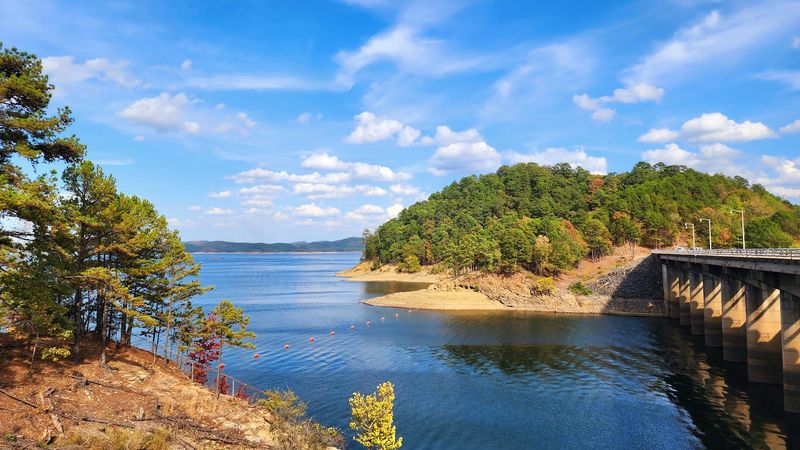
Tall pines and clear rivers make southeastern Oklahoma feel like a different state, and Broken Bow is the working town at the center of it all. While nearby cabin rentals have become a big weekend business, the town itself remains a practical, down-to-earth place to live.
That distinction matters for the budget. Vacation rental prices in the hills north of town can climb fast, but rentals inside Broken Bow proper often land between $650 and $900 a month.
A handful of local grocery stores help keep the food bill manageable.
Beavers Bend State Park, about 10 miles north, offers hiking trails, trout fishing on the Mountain Fork River and paddling on Broken Bow Lake. Day-use costs are modest, and Oklahoma residents often pay little or nothing to park.
For something indoors, the Forest Heritage Center inside the park explores the region’s long timber history through dioramas and artwork. The area also sits within the Choctaw Nation, and Choctaw heritage appears in local place names and community events.
Diners in town serve hearty breakfasts, from pancakes to sausage gravy, usually for around $10 to $14. Just know the drive: Broken Bow sits roughly three and a half hours from Tulsa or Oklahoma City, so people settle in here rather than pass through.
8. Tahlequah
Street signs in Tahlequah come in two languages, English and Cherokee syllabary, a small detail that says a lot. The town serves as the capital of the Cherokee Nation, and its heritage feels present at every turn.
The Cherokee National History Museum occupies the 1869 Cherokee National Capitol building on the downtown square. Nearby, the Cherokee National Prison Museum and Supreme Court Museum round out a walkable history tour, and the Cherokee Heritage Center in Park Hill sits just south of town.
Northeastern State University keeps the population young and rentals plentiful. One-bedroom apartments frequently run from about $600 to $850, and student turnover means options open up regularly around semester breaks.
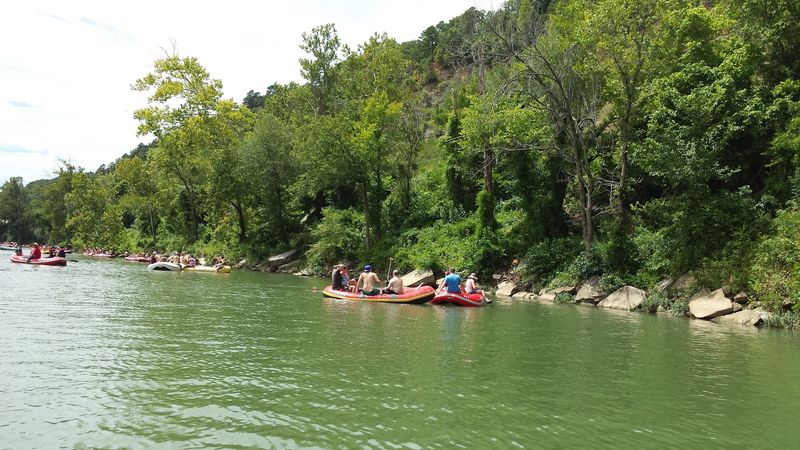
Summer changes the pace completely. Float trips on the Illinois River are a local tradition, and Lake Tenkiller lies a short drive south for swimming and fishing.
Weekdays tend to be calmer and sometimes cheaper for canoe rentals.
Downtown cafes serve breakfast at friendly prices, with omelets, biscuits and coffee often under $13. Tulsa is about 75 minutes northwest, close enough for a big shopping trip.
Set in the Ozark foothills, Tahlequah also puts on a pretty show of fall color each October.
