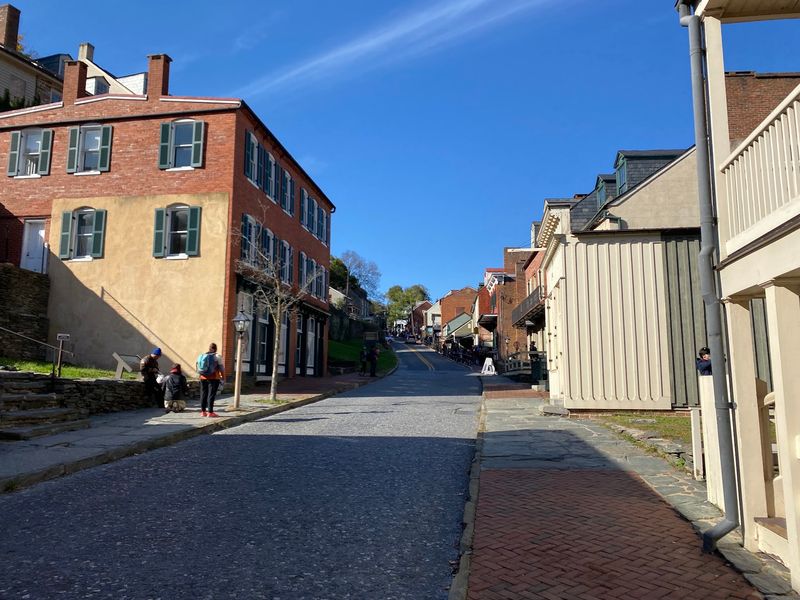
A covered bridge built in 1852 still carries cars on a U.S. highway in West Virginia. Drivers cross it on ordinary errands.
They roll through the same wooden tunnel that horse-drawn wagons once used.
That detail stopped me cold. Elsewhere in the state, people still soak in spring water that George Washington once enjoyed.
In an old logging town, steam locomotives still haul passengers up a mountain.
I love that history here isn’t locked behind glass. It sits on Main Street, right beside the post office and the corner shop.
People pass old brick and stone on the way to buy milk.
So I started digging into the places where that happens most naturally. The list includes a Swiss mountain village and a former coal baron enclave.
The rest might surprise you too. Which one do you remember from a family drive?
1. Philippi
Your morning commute probably doesn’t involve a bridge older than the Civil War. In Philippi, it might.
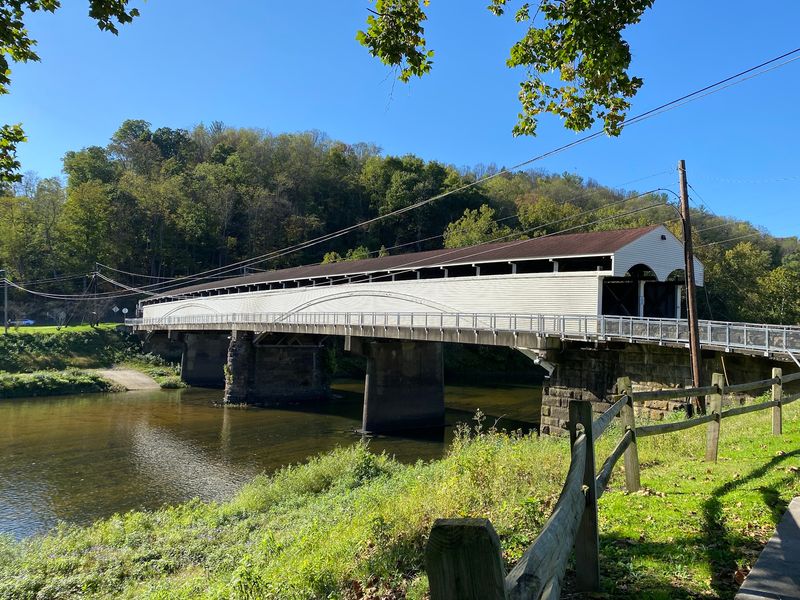
The Philippi Covered Bridge was built in 1852 by Lemuel Chenoweth, a self-taught bridge builder. It crosses the Tygart Valley River and still carries traffic on U.S.
Route 250.
That makes it a rare survivor. It is often described as the only covered bridge serving a federal highway in the country.
History rolled across these planks long before your tires did. Union and Confederate troops clashed here in 1861, in one of the earliest land battles of the Civil War.
The bridge took some hard knocks over the years, including a serious fire in 1989. Crews restored it, and it reopened to keep doing its everyday job.
So what does that mean for you? You can park nearby, walk the riverbank, and watch local drivers pass through without a second thought.
Bring a camera, because the white siding looks sharp against the water. Then drive across yourself and join a long line of travelers who used this same route.
Few landmarks in West Virginia are this easy to experience firsthand. You don’t need a ticket, just a full tank of gas.
Address: U.S. Route 250, Philippi, WV 26416
2. Harpers Ferry
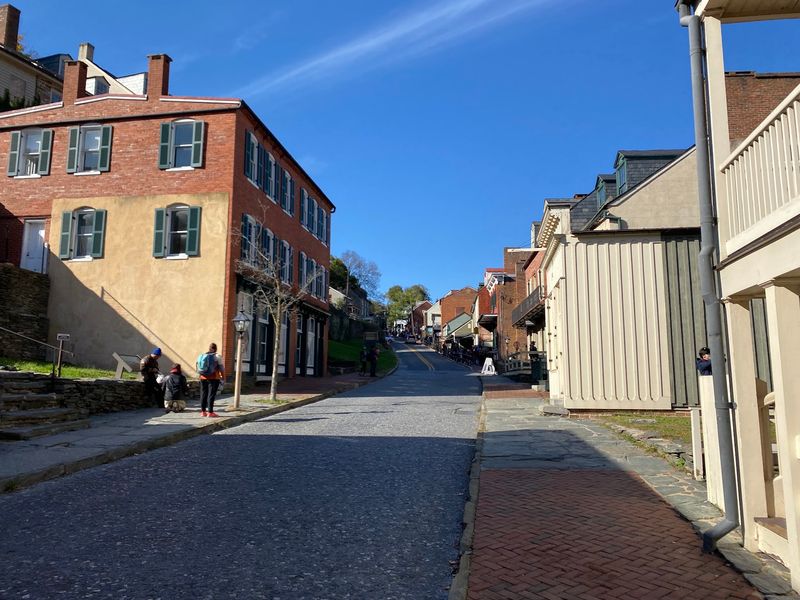
Two rivers meet here, and so do a few centuries. Harpers Ferry sits where the Potomac and Shenandoah rivers come together.
Much of the old town falls inside Harpers Ferry National Historical Park. Its streets still look much like they did in the 1800s, and people still live and work around them.
Start with John Brown’s Fort. It was built in 1848 as the armory’s fire engine and guard house, and it became famous after John Brown’s 1859 raid against slavery.
The park also tells the wider story of freedom and civil rights. You could easily spend a full day reading exhibits and wandering the old shops.
Hungry for something sweet? True Treats Historic Candy offers hundreds of historically researched candies tied to American history.
Hikers have their own landmark too. The Appalachian Trail Conservancy visitor center on Washington Street is known as the trail’s psychological midpoint.
Thru-hikers often stop there for a photo on the porch. Inside, a large three-dimensional map shows the full route.
It’s a town where backpackers, history buffs, and regular residents share the same sidewalks. Wear sturdy shoes, because the hills are steep.
Address: Harpers Ferry National Historical Park, 171 Shoreline Drive, Harpers Ferry, WV 25425
3. Shepherdstown
Plenty of towns claim to be old, but Shepherdstown has the paperwork. It was chartered in 1762 and is widely recognized as the oldest town in West Virginia.
German Street serves as the main drag. Old brick buildings hold shops, cafes, and offices that locals use daily.
Shepherd University sits right in town, which keeps the streets lively. Students and lifelong residents walk past the same historic storefronts.
Here’s a fun one for the trivia night crowd. In 1787, inventor James Rumsey demonstrated a steam-powered boat on the Potomac River near town.
That was years before Robert Fulton got famous for steamboats. A monument overlooking the river honors Rumsey today.
Want the backstory in one stop? The Historic Shepherdstown Museum occupies the old Entler Hotel building on German Street.
Exhibits cover local life across the centuries, including the Rumsey story. It’s a manageable visit, which makes it easy to pair with lunch.
Afterward, stroll the side streets and notice the old homes still in use. History here doesn’t feel staged, because people simply keep living in it.
Address: Historic Shepherdstown Museum, 129 E German St, Shepherdstown, WV 25443
4. Berkeley Springs
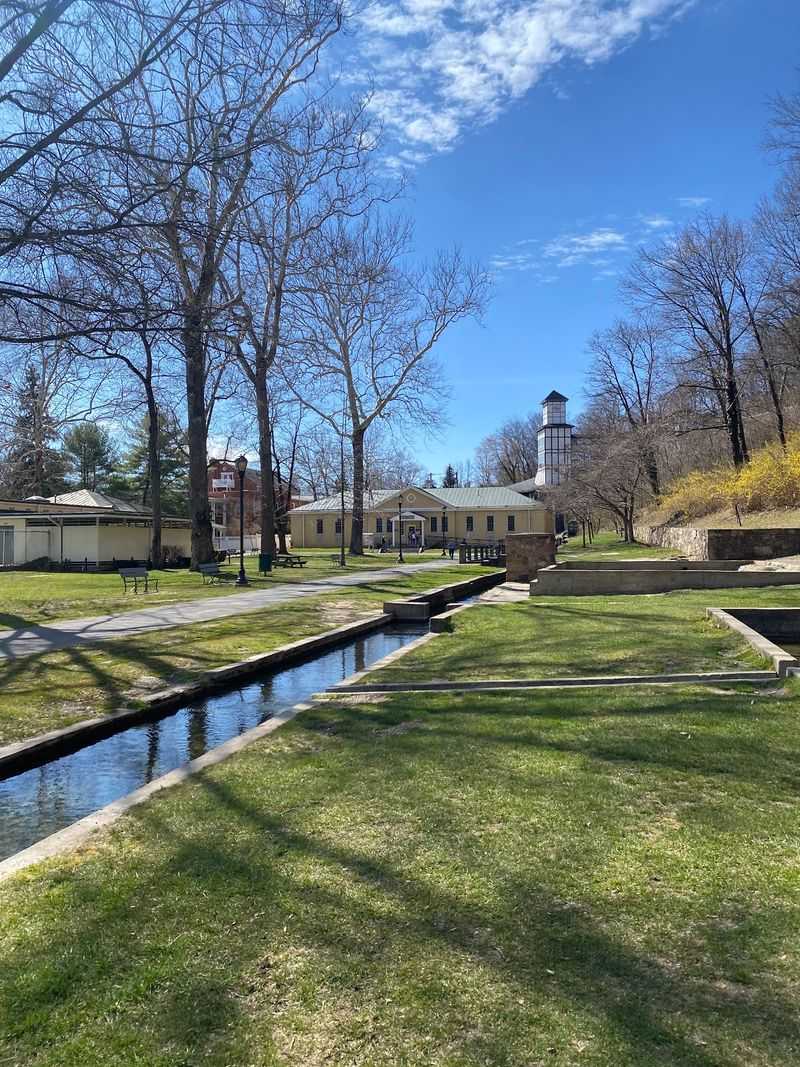
George Washington took a bath here, and you can still visit his tub. Berkeley Springs leans into that claim with good reason.
The town’s official name is actually Bath. Washington visited the warm mineral springs as a young surveyor and came back many times later.
Berkeley Springs State Park sits right in the middle of town. It promotes itself as the country’s first spa.
The spring water flows out at about 74 degrees year-round. Locals fill jugs at public taps, which is about as everyday as history gets.
Don’t skip the Roman Bath House, built in 1815. It’s often cited as the oldest public building in West Virginia.
Outdoors, you’ll find a stone basin known as George Washington’s Bathtub. It’s a small, quirky stop that makes a great photo.
Visitors can book bath services at the park, so check current options before you go. Then wander the nearby shops and galleries on foot.
For retirees and weekend travelers alike, the appeal is simple. A centuries-old soak sits a short walk from where you park.
Address: Berkeley Springs State Park, 2 S Washington St, Berkeley Springs, WV 25411
5. Lewisburg
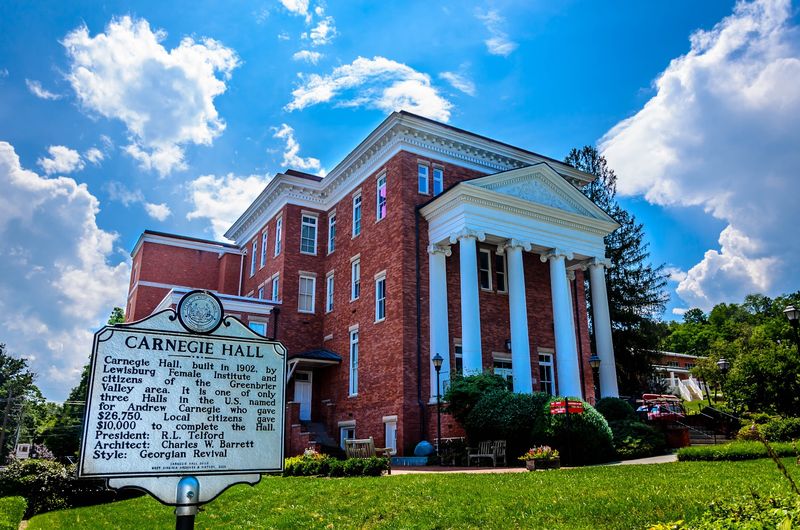
Andrew Carnegie’s name usually conjures New York. Yet Lewisburg has its own Carnegie Hall, and people still use it constantly.
The building opened in 1902 with funding from Carnegie. It’s one of only a handful of Carnegie Halls still operating worldwide.
Today it hosts concerts, classes, and art exhibits. Local kids take lessons in the same rooms where students gathered over a century ago.
Lewisburg itself dates to 1782. Its downtown historic district packs old churches, homes, and storefronts into a walkable grid.
Look for Old Stone Presbyterian Church, which dates to 1796. It’s still an active congregation, which says a lot about this town.
Budget Travel once named Lewisburg the Coolest Small Town in America, back in 2011. The title still gets mentioned proudly around Greenbrier County.
So you get a little bit of everything here. Picture-ready architecture sits beside working shops and a busy arts calendar.
Check the Carnegie Hall schedule before your trip. Catching a show in that historic auditorium beats browsing old photos any day.
Address: Carnegie Hall, 611 Church St, Lewisburg, WV 24901
6. Cass
Steam whistles still echo through these hills, and they aren’t a recording. Cass Scenic Railroad State Park runs historic Shay locomotives up the mountain.
Shays were geared engines built to climb steep logging grades. Cass keeps several of them working, which delights train fans.
The town began around 1901 as a company town for the West Virginia Pulp and Paper Company. Lumber made it busy, and the railroad hauled timber off the mountains.
Many of the white company houses still stand in neat rows. Some are available as overnight rentals through the state park.
Staying in one feels like borrowing a lumberjack family’s address for a weekend. You’ll wake up steps from the depot.
The old Cass Company Store also still stands on Main Street. Stop in before or after your ride for souvenirs and snacks.
Train schedules change with the seasons, so check ahead. Fall trips are especially popular when the leaves turn.
For grandparents and grandkids, this one checks a lot of boxes. Still, adults who love history may enjoy it the most.
Address: Cass Scenic Railroad State Park, 242 Main St, Cass, WV 24927
7. Helvetia
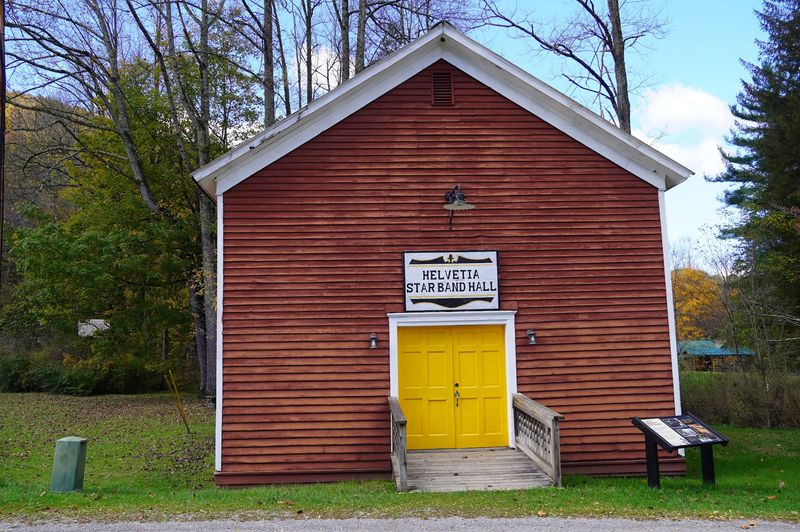
Swiss cheese, Swiss flags, and Swiss traditions in the middle of Randolph County? Yes, really.
Helvetia was settled by Swiss immigrants in 1869. The tiny village still celebrates that heritage with real devotion.
Its best-known tradition is Fasnacht, held before Lent each year. Residents and visitors wear handmade masks, then burn an effigy of Old Man Winter to chase the season away.
It’s quirky, a little spooky, and very local. The celebration has run for generations, and people travel from across the region to join in.
Helvetia stays small, so don’t expect a long list of attractions. The charm comes from seeing an old-world culture survive in the West Virginia hills.
The drive alone is part of the experience. Winding mountain roads lead you into a quiet valley that feels far from anywhere.
Check current event dates before heading out. Services are limited, so fill your tank and pack snacks.
Once you arrive, slow down and look around. You’re in one of the most unusual heritage towns in the Mountain State.
Address: Helvetia, WV 26224
8. Bramwell
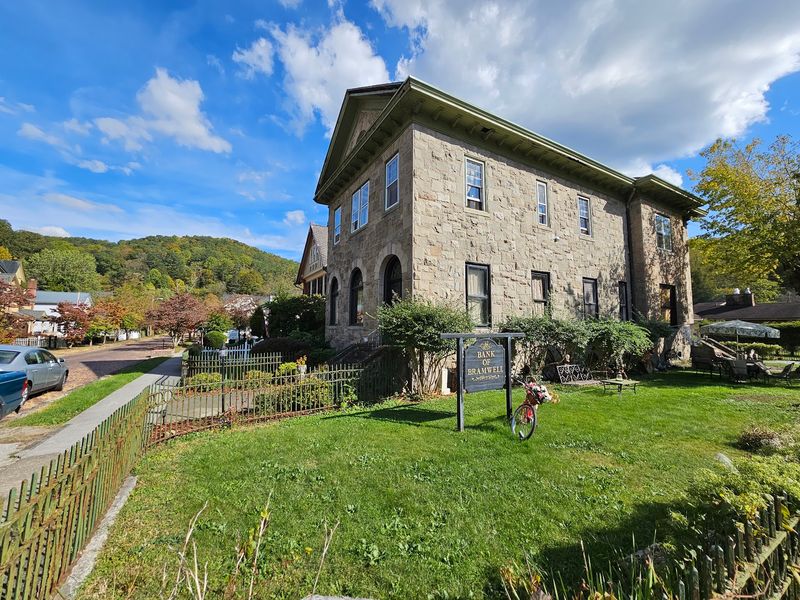
Coal money once flowed through this little town like water through a creek. Bramwell is often said to have had more millionaires per capita than anywhere in America.
During the coal boom, many operators from the Pocahontas Coalfield built grand homes here. Estimates often point to more than a dozen millionaires living in town.
Those mansions still line the streets. People live in them today, which makes a casual stroll feel like flipping through an old family album.
Look for the old Bank of Pocahontas building downtown. It’s a reminder of how much wealth once passed through these few blocks.
The coal era faded, as it did across much of southern West Virginia. Still, Bramwell kept its houses, its pride, and its stories.
Residents have opened homes for special tour events in past years. Check locally for current dates if you’d love a peek inside.
Even without a tour, the walk is worth it. Stone walls, porches, and tidy yards tell the story on their own.
Bring your questions and your curiosity. Somebody’s grandparent likely remembers when this place was booming.
Address: Bramwell, WV 24715
