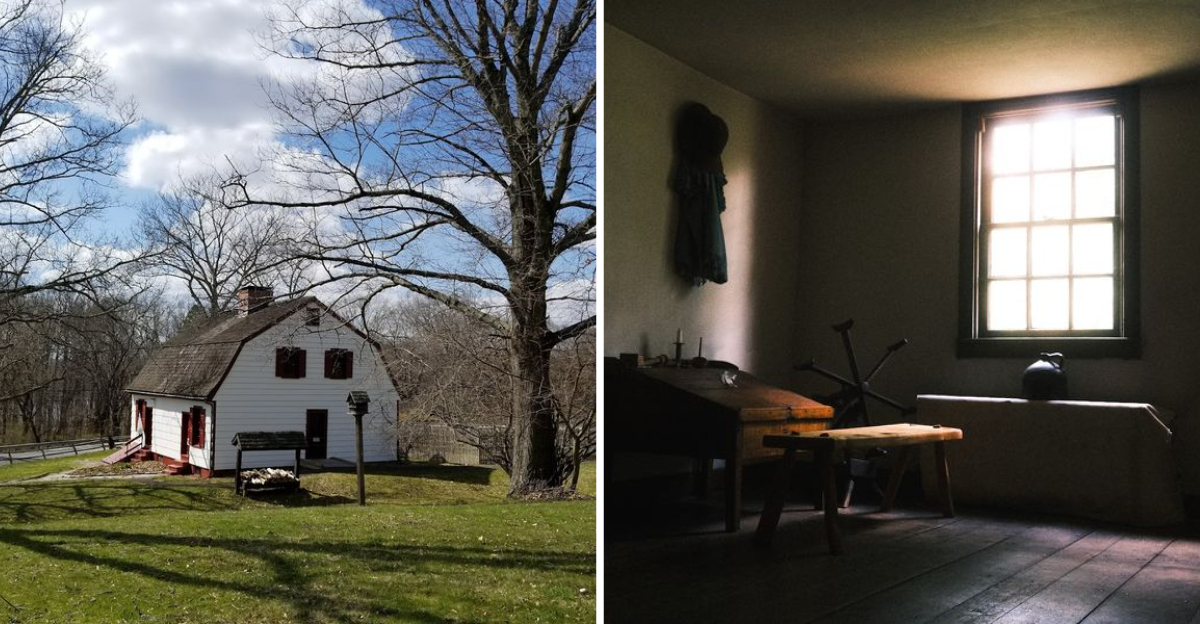
The river looks calm from here. But on a cold December night in 1776, it was anything but.
This old stone building sat quietly beside the water, waiting. A ferry house built around 1740.
A witness to one of the most famous crossings in American history. Washington and his men passed through these parts, and the house has been standing ever since.
Today, the crossing is quieter. The soldiers are long gone.
But the walls still hold the memory of that night. You can stand where they once stood.
Look out at the same water. Feel the weight of a decision that changed everything.
It is not just a historic site. It is a reminder that history does not always happen in grand buildings.
Sometimes it happens at a simple ferry house beside a river.
Washington Slept (and Planned) Here
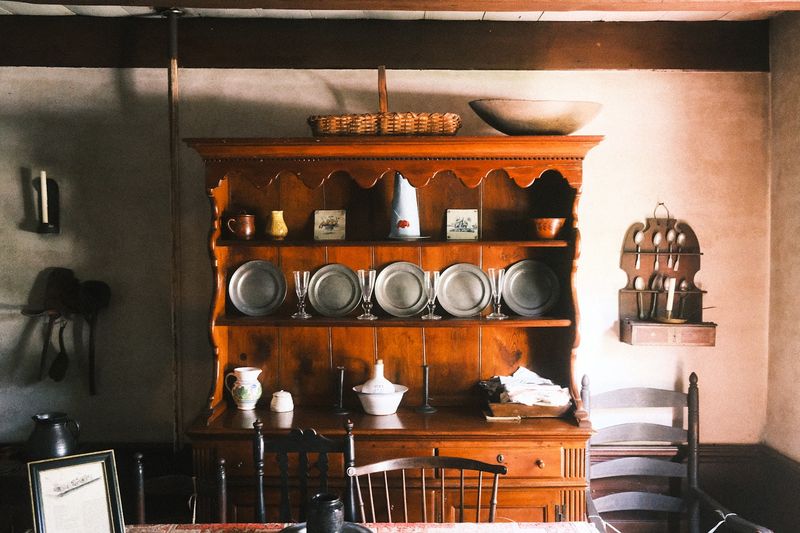
Few rooms in American history carry the kind of quiet gravity that fills the interior of the Johnson Ferry House.
Known widely by historians and Revolutionary War enthusiasts, this gambrel-roofed structure served as far more than a simple farmhouse during December 1776.
General George Washington and his officers are believed to have used its walls for shelter and strategy during the legendary Christmas night crossing of the Delaware River.
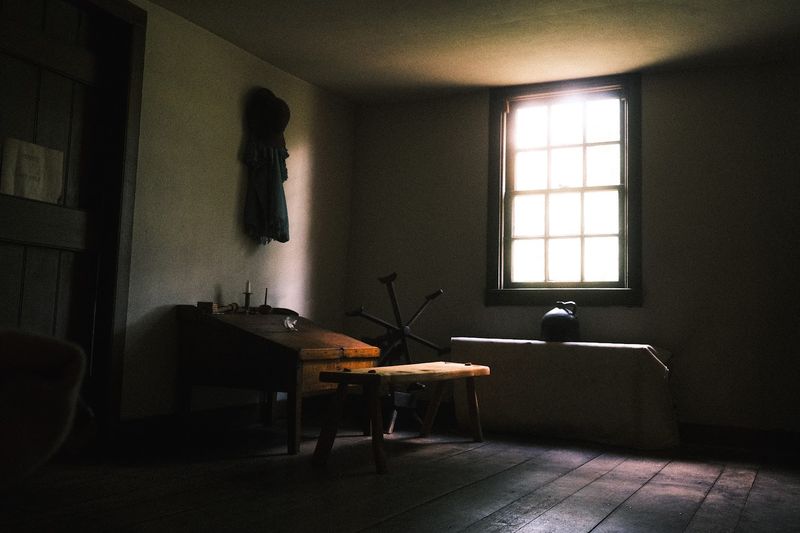
The keeping room, with its sturdy beams and period furnishings, makes it surprisingly easy to picture military minds huddled around a rough table, maps spread wide, candlelight flickering.
The weight of what was being decided in those moments is almost tangible when you stand in that same space today.
Continental troops and officers briefly occupied the house during that pivotal operation. The restored interior, furnished with local 18th-century pieces matching the Johnson family era from 1740 to 1770, keeps the atmosphere grounded in authenticity.
Standing here feels genuinely humbling.
Address: 355 Washington Crossing-Trenton Outskirts, Titusville, NJ
Where a Nation Crossed a River
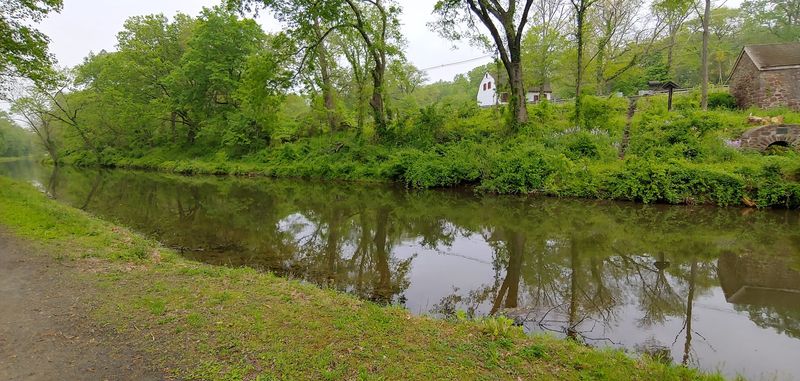
The Delaware River looks deceptively calm from the bank beside the Johnson Ferry House, but on Christmas night in 1776, it was anything but. Sheets of ice, brutal wind, and total darkness made what Washington attempted here seem almost impossible.
Yet from this very bank, the Continental Army launched one of the most daring surprise attacks in military history.
This ferry landing was the strategic departure point for thousands of soldiers, horses, and artillery pieces that night. The successful crossing directly led to the Battle of Trenton, a victory that breathed new life into a revolution that had been dangerously close to collapse.
Standing at this spot beside the river, the scale of that operation becomes genuinely staggering. The water is wide.
The current is real. And the idea that an entire army crossed here in freezing darkness, in secret, carrying the hope of a new nation, makes this riverbank feel unlike any other stretch of water in the country.
The Ferry House That Saw It All
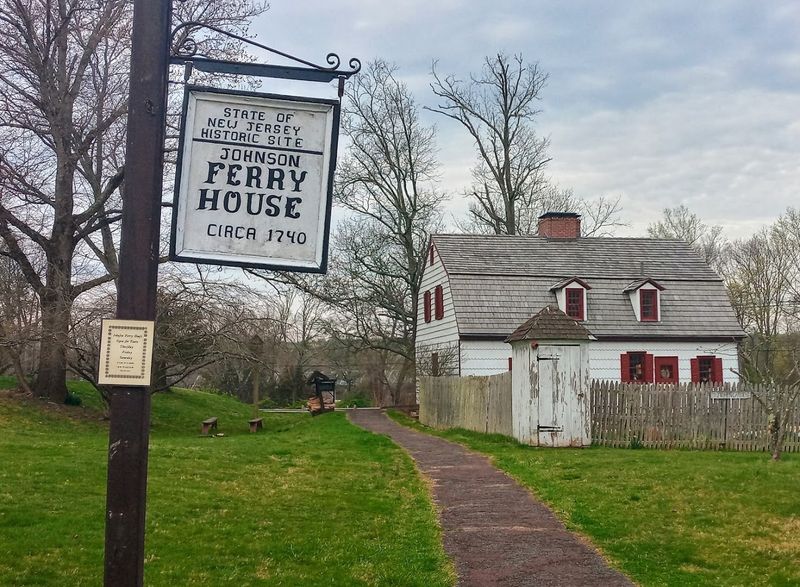
Of every structure within Washington Crossing State Park, the Johnson Ferry House holds a distinction that sets it completely apart. It is the only existing building on the grounds that was physically present during the Continental Army’s crossing on December 25 and 26, 1776.
Every other structure came later. This one was already there, already watching.
Built around 1740 by Rutger Jansen, a Dutch settler whose name was later Americanized to Johnson, the house anchored a sprawling 490-acre riverside property.
His son Garret Johnson eventually inherited the land and ran both the ferry service and a colonial farm from this very spot, making the house a hub of commerce and daily life long before it became revolutionary legend.
The fact that its original roof beams still arch overhead, the same beams that sheltered troops on that freezing December night, gives the building a rare and almost sacred quality. Most historic sites ask you to imagine the past.
This one makes you feel like you never left it.
1740 Walls, 1776 Secrets
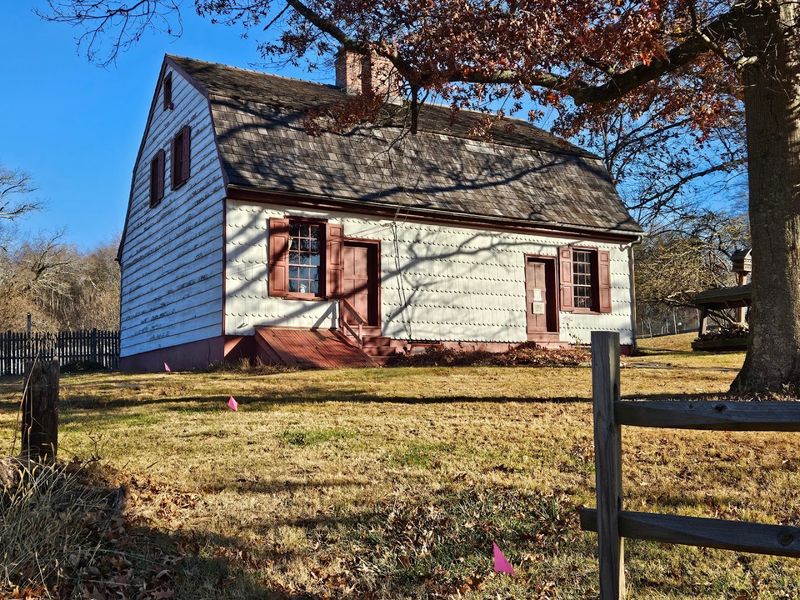
The architecture of the Johnson Ferry House is a quiet masterpiece of early American construction. Its gambrel roof, thick walls, and small-paned windows reflect the craftsmanship of the 1740s, a time when buildings were made to last generations and they did.
The house has been carefully preserved and restored so that visitors experience its original 18th-century appearance rather than a polished modern recreation.
Inside, three main rooms anchor the experience: the keeping room, the bedchamber, and the textile room. Each is furnished with period pieces sourced locally, chosen specifically to reflect what the Johnson family would have used between 1740 and 1770.
The effect is immediate and immersive.
Running your eyes across those old beams, it becomes impossible not to think about the decades of daily life they witnessed before 1776 ever arrived. Garret Johnson’s family cooked, slept, worked, and waited for ferry passengers here.
Then one December night, the whole world came knocking at their door, and these walls held steady through all of it.
Witness to America’s Most Famous Crossing
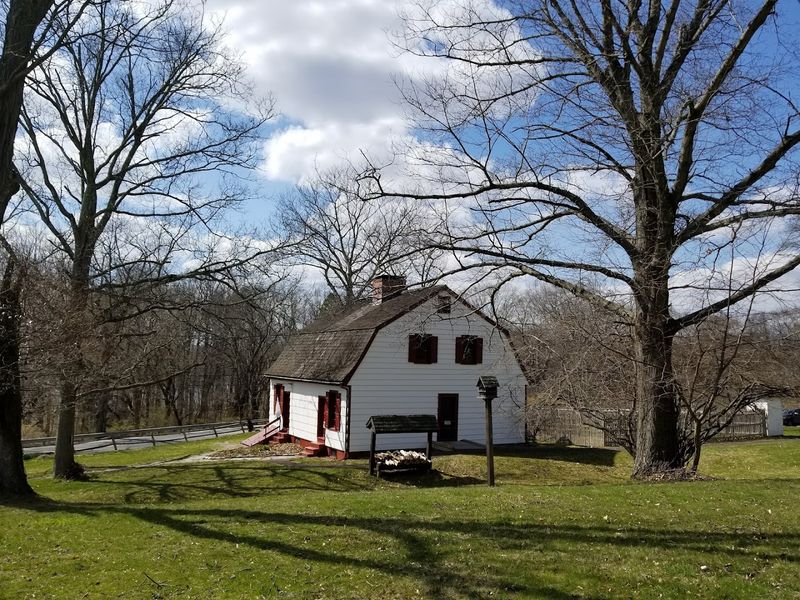
The Johnson Ferry House did not just exist near the crossing. It was embedded in it.
As Washington’s forces moved through the darkness of Christmas night, this building and its adjacent ferry landing formed the operational heart of the entire New Jersey side of the operation. Thousands of soldiers, horses, and heavy artillery pieces passed through or near this very ground.
The ferry service in 1776 was being rented and operated by James Slack, though locals still called it Johnson’s Ferry, a name rooted in decades of community use. That name, that landing, that location, all of it became permanently woven into the fabric of American military history in a single night.
What makes this site so compelling is its directness. There is no “near where it happened” qualifier here.
The crossing happened right here. The soldiers landed right here.
The revolution gained its footing on this specific patch of New Jersey riverbank, and the house that stood watch over all of it still stands today, roof beams and all.
A Ferry House Turned History Maker
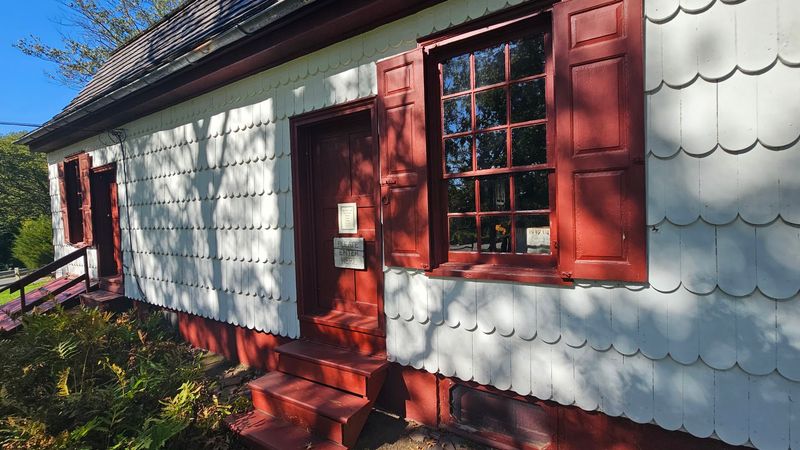
Before it became synonymous with the American Revolution, the Johnson Ferry House was simply a well-run piece of colonial infrastructure. Garret Johnson managed a 490-acre farm here while also operating the ferry service that connected travelers across the Delaware.
In 1761, the property received a tavern license, turning the house into a genuine stop for weary travelers waiting to cross the river.
That combination of ferry service, farming, and tavern hospitality made the house a lively, practical center of colonial life. People came and went constantly.
The river dictated the rhythm of everything.
Then December 1776 arrived and transformed the entire meaning of this place. What had been a local crossing point became the launching pad for a military operation that changed the course of the Revolutionary War.
The house did not change. Its function shifted overnight from community hub to history maker, and the transition happened so fast that the walls barely had time to register what they were witnessing.
That contrast between ordinary and extraordinary is what makes this place so genuinely compelling to visit.
History Breathes Through These Beams
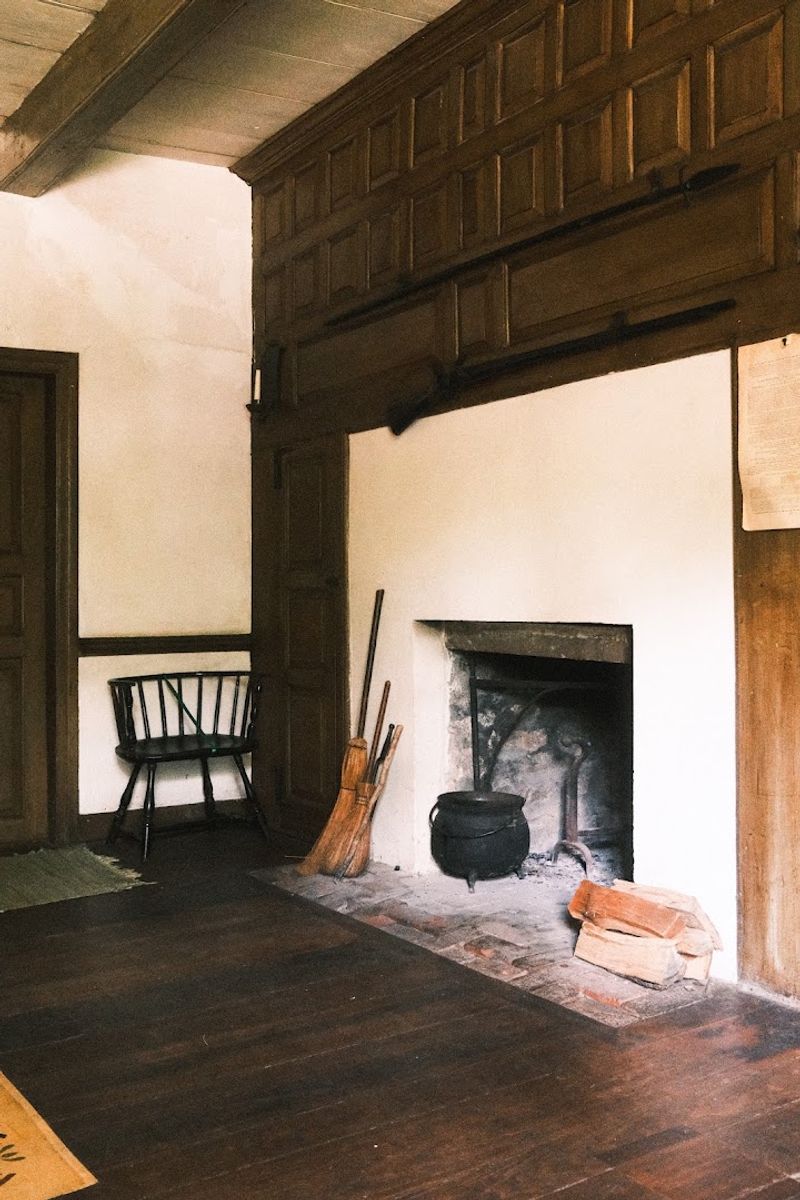
Walking through the Johnson Ferry House is a sensory experience that sneaks up on you. The aged wooden floors, the low ceilings, the thick plaster walls, all of it conspires to pull you out of the present and deposit you somewhere closer to 1740.
The preserved state of the building is genuinely impressive, and the care taken in furnishing each room with authentic period pieces adds a layer of credibility that you can feel.
Beyond the main rooms, an 18th-century kitchen garden on the property further deepens the picture of colonial domestic life. It was a self-sufficient world here, far from anything resembling modern convenience, and the garden makes that reality concrete rather than abstract.
The beams overhead are the same ones that sheltered Continental troops during that December crossing. That single fact changes everything about how you look at the ceiling.
These are not decorative antiques. They are original witnesses to one of history’s most dramatic nights, and they have been holding steady above this floor for well over 280 years without apology.
The Original River View Suite
The position of the Johnson Ferry House along the Delaware River was not accidental. Garret Johnson chose this spot deliberately, placing the house where it could serve both ferry passengers and travelers with maximum efficiency.
The upper and lower landings flanked the property, creating a natural hub where river traffic and road traffic converged daily.
Today, the modern bridge at Washington Crossing stands roughly where the lower ferry landing once operated. That proximity makes the geography of the 1776 crossing surprisingly easy to visualize from the grounds of the house itself.
Looking out toward the river from this spot, the view carries a particular kind of quiet weight. The Delaware is wide here, wide enough that crossing it in Durham boats on a freezing, stormy night required extraordinary courage and coordination.
The house that once offered warmth and lodging to travelers waiting for passage now offers something different to modern visitors, a window into a moment when this river view meant everything to the future of an entire nation. The setting alone is worth the visit.
A Quiet House, A Monumental Decision
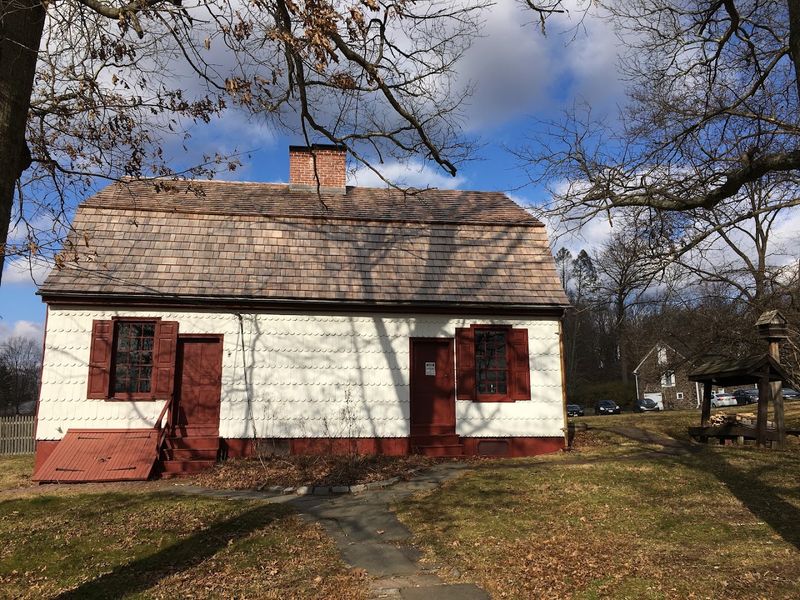
There is a particular kind of stillness that settles over the Johnson Ferry House on an ordinary visiting day. The gambrel roof catches the light.
The grounds are calm. The river moves steadily just beyond the tree line.
And yet the historical weight of this place never fully lets you relax into that stillness, because you know what happened here.
General Washington’s decision to cross the Delaware on Christmas night 1776 is considered one of the greatest military gambles in history. The outcome was far from certain.
The conditions were brutal. The stakes were the survival of the revolution itself.
And this house, this quiet, enduring house, stood at the center of it all.
Visiting today, the contrast between the peaceful atmosphere and the monumental events it witnessed is what lingers longest. Profound historical moments do not always happen in grand spaces.
Sometimes they happen in a farmhouse beside a river, under a gambrel roof, in the dead of winter, when everything is quiet except the current and the courage of the people crossing it.
Address: 355 Washington Crossing-Trenton Outskirts, Titusville, NJ
