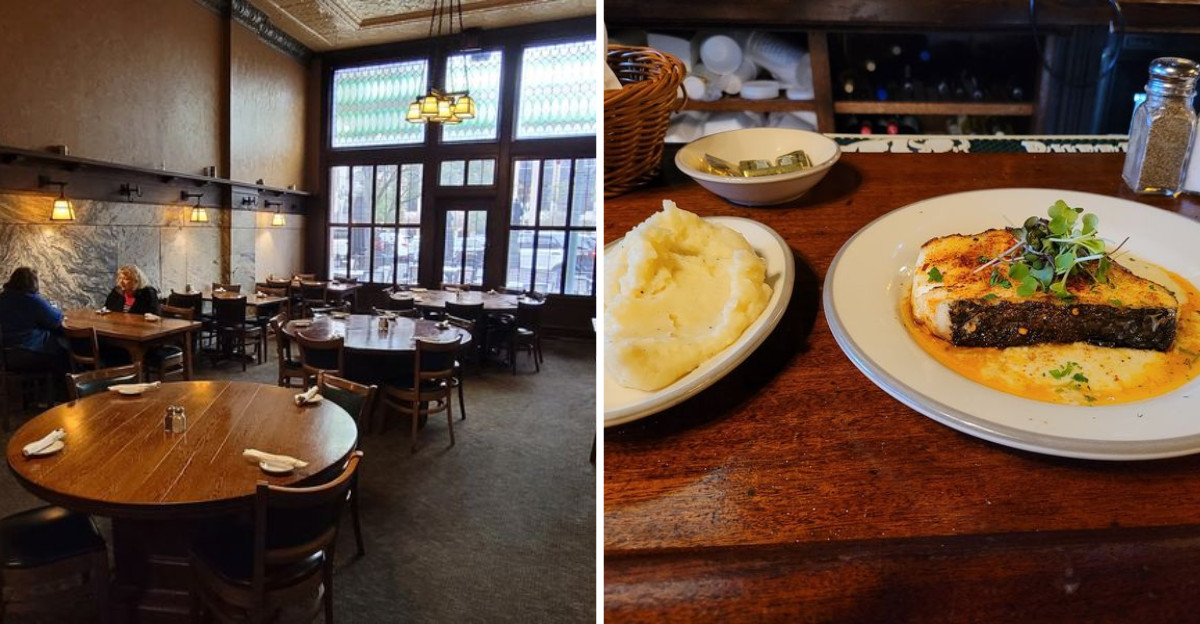
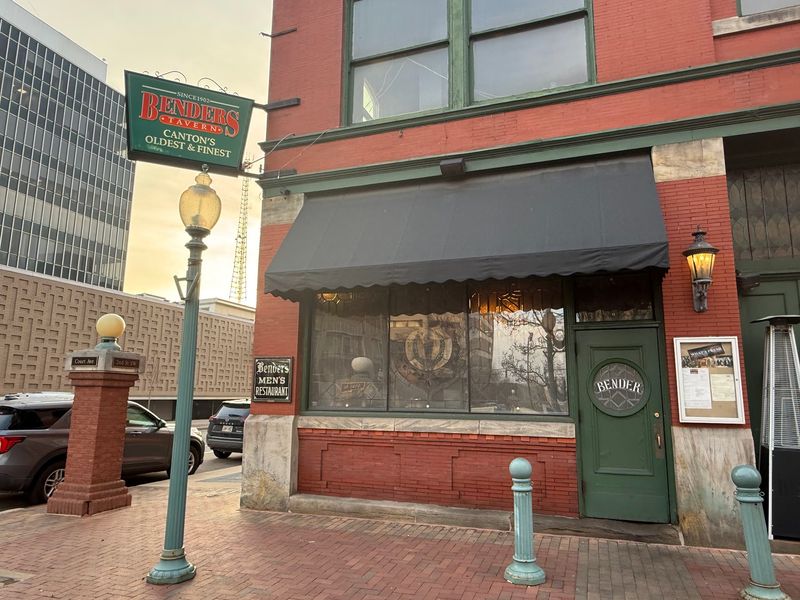
Worn stone steps and dark oak paneling slowed me down before I even reached the door of that Ohio restaurant.
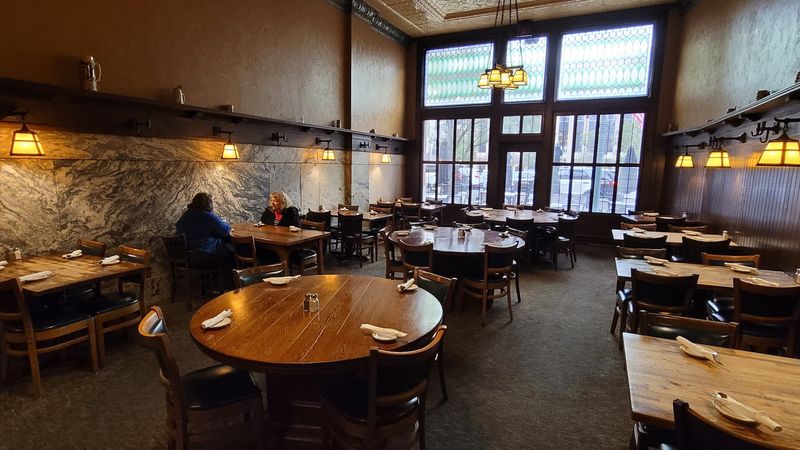
I had come for lunch and ended up staying far longer than planned, mostly because the room kept giving me things to look at: a tin ceiling pressed with patterns that have held their shape for over a century, marble counters worn smooth by generations of elbows and conversation.
What pulled me in was a fish dish with a backstory rooted in the state’s Lake Erie fishing camps from the early 1900s, a walleye recipe that has stayed on the menu since sportsmen first traded it around their lakeside gatherings.
I sat near the window and watched the light shift across the old wood, thinking about all the meals that had been served in that same room before mine.
The restaurant has been in the same location since the late 1800s, and the building itself is a piece of Ohio history that most people drive right past.
Few places manage to feel this old and this alive at the same time, but this Ohio spot pulls it off without ever trying too hard.
The Lake Erie Fishing Camps That Started It All
My curiosity about the walleye started before the plate ever landed on the table. The recipe traces back to Lake Erie, where early 1900s sportsmen set up seasonal fishing camps and cooked whatever they hauled in that day.
Ed Bender, whose name still sits above the door, was part of that crowd. The group nicknamed their gathering spot Camp Kagle, after a cook who worked magic on freshly caught walleye and perch.
His method was almost stubbornly simple. Light flour, salt, pepper, a dusting of paprika, then a hot pan and careful timing.
Nothing heavy, nothing fussy, because the fish had come out of the water hours earlier and needed no help.
What surprises me is that the idea survived the trip from a lakeside camp to a downtown Canton dining room without getting fancied up along the way. Plenty of restaurants would have added a cream sauce or a crust by now.
Instead the kitchen kept it plain and let the fish carry the whole thing.
If you enjoy food with a paper trail, this is a good one to order. You are essentially eating a shared habit from a group of Ohio anglers who never expected their camp cooking to outlive them by more than a hundred years.
Camp Kagel Walleye, Still Cooked the Old Way
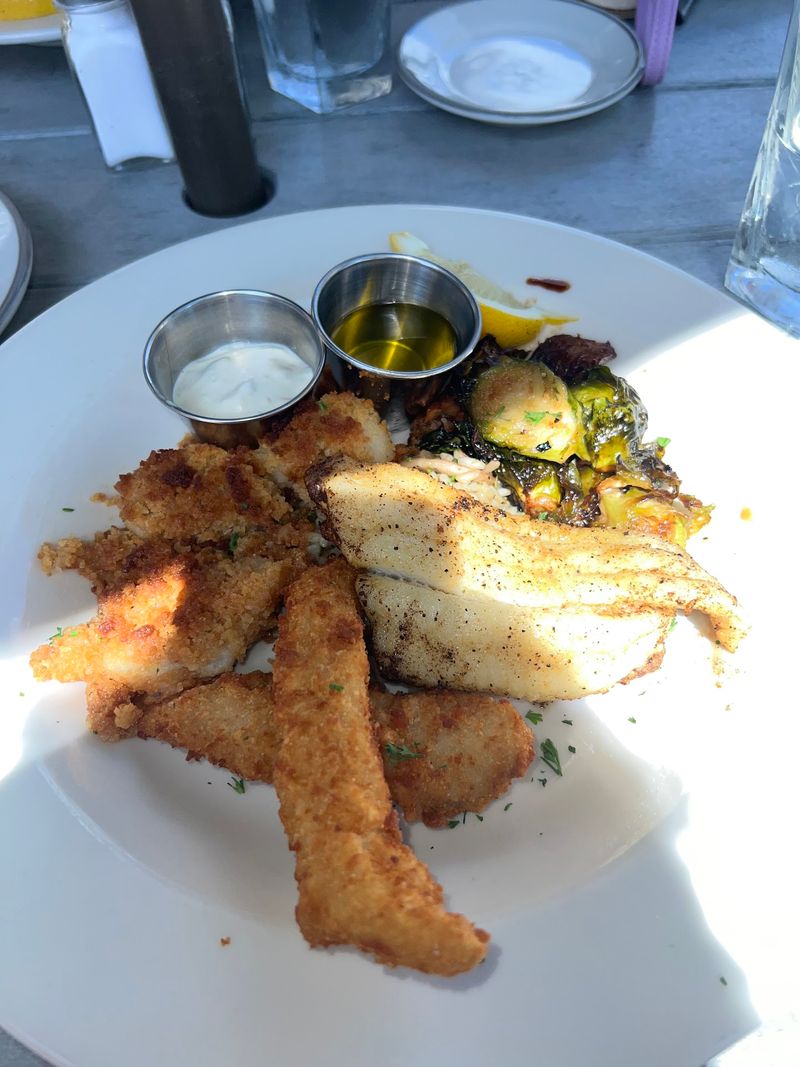
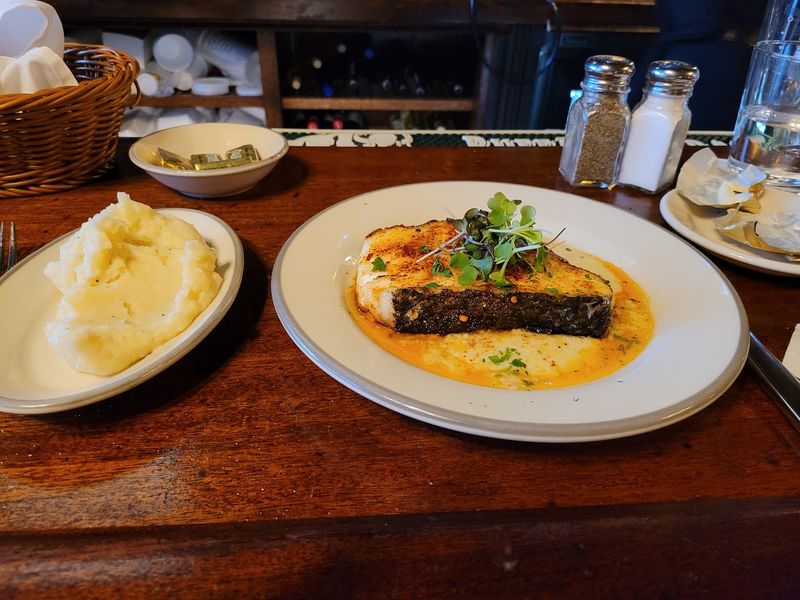
Ordering the Camp Kagel walleye felt like the obvious move, and I have zero regrets. The fillet arrives with golden edges and a light crackle, the kind that comes from flour and a properly heated pan rather than a thick batter.
Underneath that surface, the flesh is pale and flaky. Walleye has a mild, slightly sweet flavor that gets bullied by heavy sauces, so the restraint here makes sense.
Paprika gives it a faint warmth and a nice color, though it never takes over.
Simple food is harder than it looks, and that is the part I keep thinking about. There is no place to hide a mistake when the recipe has four ingredients and one cooking step.
The kitchen clearly knows this, which is probably why the dish has stayed popular for generations of Canton diners.
Pair it with a side and take your time. The pace inside the tavern encourages that, and rushing through freshwater fish that traveled this far through history would feel a little rude.
Reviewers who order it tend to clean their plates, and I understood why about three bites in. It tastes less like a trend and more like something a group of tired fishermen figured out and never bothered to change.
Tiger Oak, Marble, and a Tin Ceiling That Survived a Fire
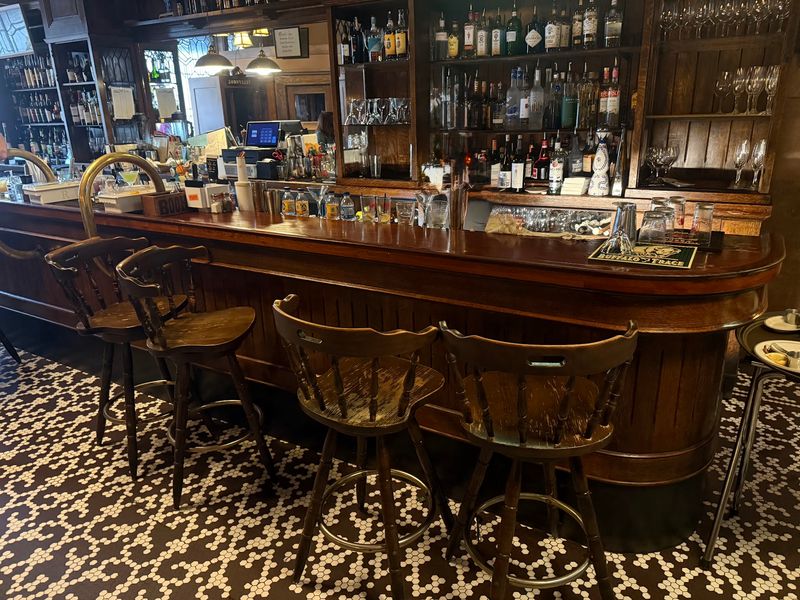
The room deserves its own paragraph, honestly. Tiger oak paneling runs along the walls with that rippling grain that catches light differently depending on where you sit.
Marble accents and a pressed tin ceiling fill in the rest of the picture. It reads as elegant without feeling stiff, which is a tricky balance for a building this old.
Here is the detail that got me: much of this survived a fire in 1988.
The structure went up in 1899 as the Belmont Buffet and became Bender’s Tavern in 1902, so the fact that the original character is still intact says something about how carefully it was looked after.
One visitor put it well by saying the place is not trying to imitate an old restaurant, it simply is one.
The front step outside is worn into a gentle dip from more than a century of foot traffic, and I found myself pausing on it on the way out.
Sit near the paneling if you can. The lighting is soft, the acoustics are friendly enough for real conversation, and the whole room has a settled quality that modern dining spaces rarely manage.
Bring someone who likes architecture, because they will spend half the meal looking up at the ceiling.
Four Generations of the Jacob Family Behind the Counter
Continuity is a rare thing in restaurants, and Bender’s has an unusual amount of it. John Jacob Sr. bought the tavern from Ed Bender in 1932, and the family has been running it ever since.
Four generations later, the same name is still steering the ship. That is close to a century of one family deciding how the bread is served and which fish makes the cut.
Apparently the elder Jacob used to fish himself, then bring the day’s catch straight back to Canton to feed his customers.
You can taste that mindset in the way the seafood is handled today, even though the sourcing now comes through established suppliers rather than a personal boat trip.
Long ownership tends to show up in small ways. Staff who know the menu backward, recipes that survive decades without drifting, a dining room that gets maintained instead of gutted every ten years.
Guests frequently mention servers who take time to explain dishes or even walk them through parts of the historic building.
For a place that has watched Canton change around it since before the Model T, that steadiness feels intentional. It is the sort of restaurant where the past is not a marketing angle but a family habit that stuck.
Beyond the Fish, Turtle Soup, Prime Rib, and Bender’s Fries
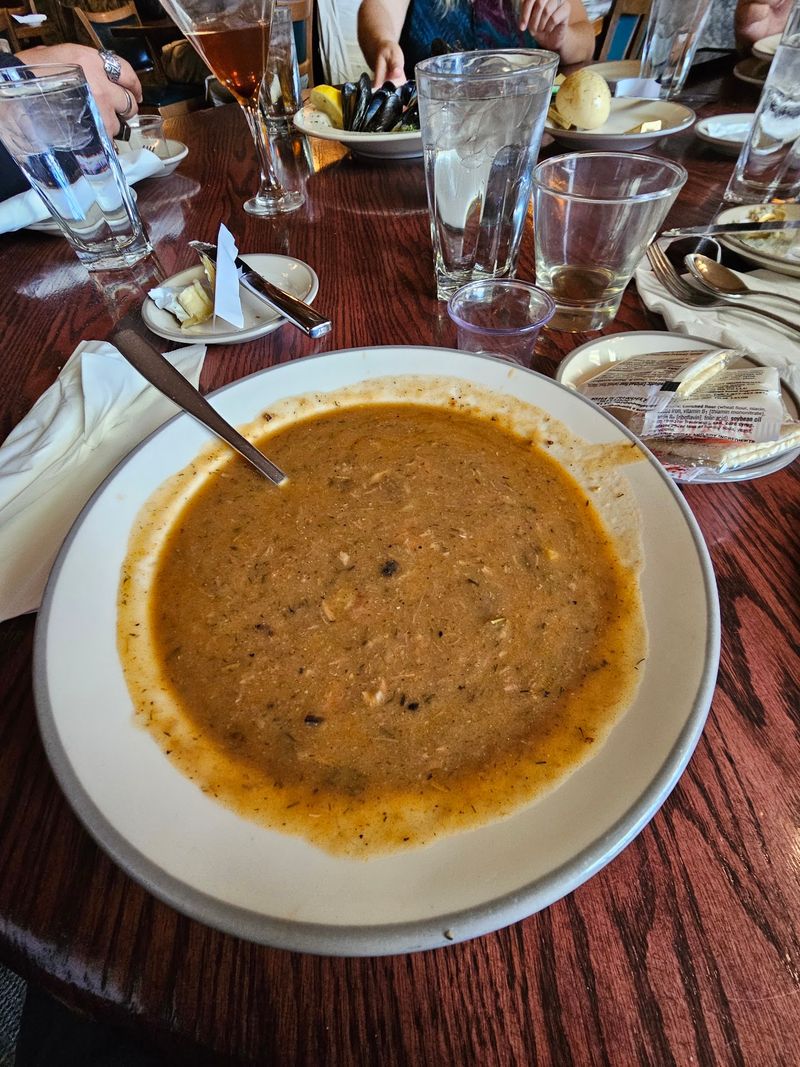
Walleye may be the historical headliner, but the rest of the menu holds its own. Turtle soup is the dish people talk about most, an old-school Midwestern specialty that shows up in conversation constantly among regulars.
Prime rib has a loyal following too, along with crab cakes, halibut, and a pork chop that visitors from as far as Columbus have driven up for.
Then there are the Bender’s Fries, which are not fries in the way you are picturing.
They land somewhere closer to a crisped potato cake, and they have become a signature almost by accident over the years.
Seafood arrives from respected suppliers, including a fish house in Boston, which explains why scallops and shrimp taste fresher than geography would suggest.
Ohio is not exactly coastal, so that sourcing effort matters.
Desserts get mentioned often as well, particularly the bread pudding and the flourless chocolate cake.
My advice is to start with the soup, build around a fish entree, and save room for something sweet at the end.
The kitchen leans classic rather than experimental, and that suits the room. Nothing here is chasing a trend, which is refreshing when so many menus feel interchangeable from city to city.
Finding It in Downtown Canton
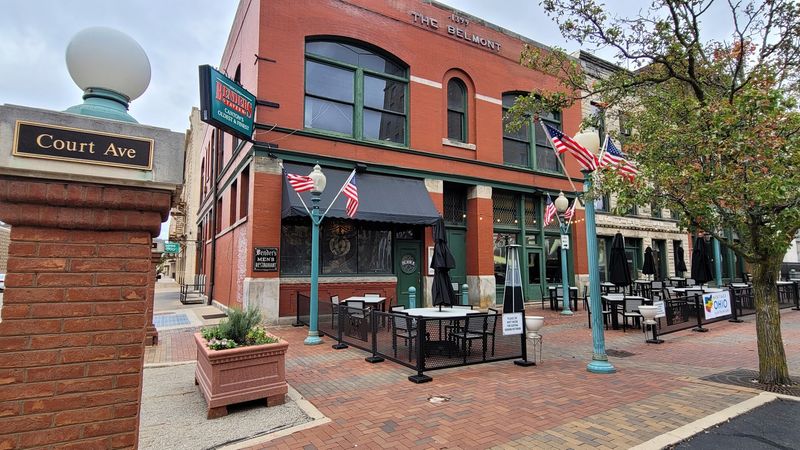
Downtown Canton sits closer to the middle of northeast Ohio than most travelers realize, and the tavern is parked right in the thick of it on Court Avenue SW. The brick exterior does not shout for attention.
You could walk past it if you were not paying attention, which almost makes the discovery better.
Canton itself gives you plenty of reasons to build a day around the visit. The Pro Football Hall of Fame is a short drive away, and the downtown arts district has grown noticeably in recent years.
A meal here fits neatly into either plan, whether you are coming from a museum or heading to an evening event.
Parking downtown is manageable, and the surrounding streets are walkable enough for a stroll before or after.
Reservations are strongly recommended, especially on weekends and holidays, since the dining room fills up fast.
Bar seating runs first come, first served and is limited, so arriving early helps if you would rather not plan ahead.
Hours run from 11 AM most days, with later closing on Friday and Saturday, Monday starting at 4 PM, and Sunday closed. Calling ahead at 330-453-8424 saves guesswork, particularly if you are driving in from out of town.
Why This Canton Landmark Stays Worth the Trip
Leaving Bender’s, I kept turning over the same thought: very few restaurants get to be this old and still feel worth the drive. The number sits somewhere around 125 years now, which is longer than most American businesses of any kind survive.
Staying open that long means the place has adapted without losing its bones.
What holds it together is the combination of history you can see and food that connects back to it. The walleye recipe came from Lake Erie fishing camps, the paneling came through a fire, and the family has been at it since 1932.
None of those things exist in isolation. They stack up into a place that feels genuinely rooted.
Guests mention the patio on warm evenings, the warm rolls, the servers who make the meal feel personal rather than transactional.
Those are the details that turn a one-time stop into a habit for people who live nearby.
If you are traveling through northeast Ohio and want a meal that comes with a real story attached, this one earns the detour. Order the walleye, look up at the ceiling at least once, and give yourself enough time to enjoy sitting somewhere that has been welcoming people since 1902.
Address: 137 Court Ave SW, Canton, OH
