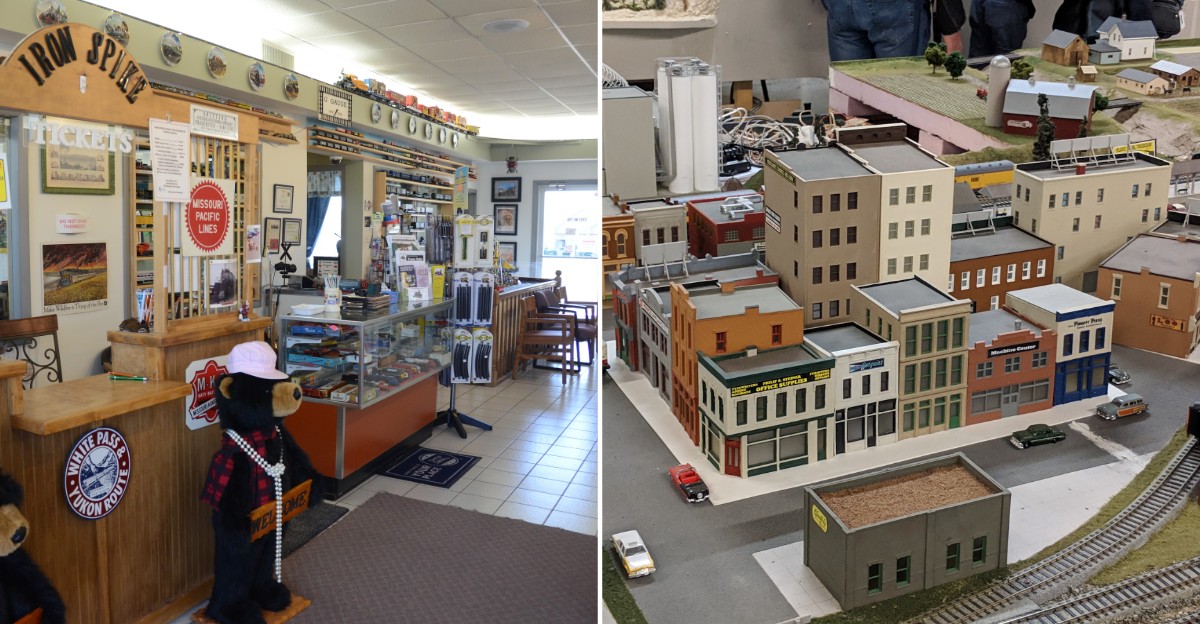
A Lionel train built in 1926 still rolls down its track here, nearly a century after it left the factory. That alone made me stop scrolling.
Most toys from that era sit behind glass, but this one still gets to work.
The oldest runner is a Lionel Standard Gauge 318E. It shares a huge hall with layouts in G, O, HO, N, S, and more.
Some of these scenes include lights, sound, and moving parts.
I like that volunteers run the whole operation. They build, repair, and explain everything because they love trains.
That kind of passion is hard to fake.
This Missouri museum also has a kids’ play area, a giant library, and a caboose getting a makeover. I can’t imagine a better rainy-day plan.
How many tiny surprises can you spot in one visit?
The 1926 Lionel Still Earns Its Spot On The Track
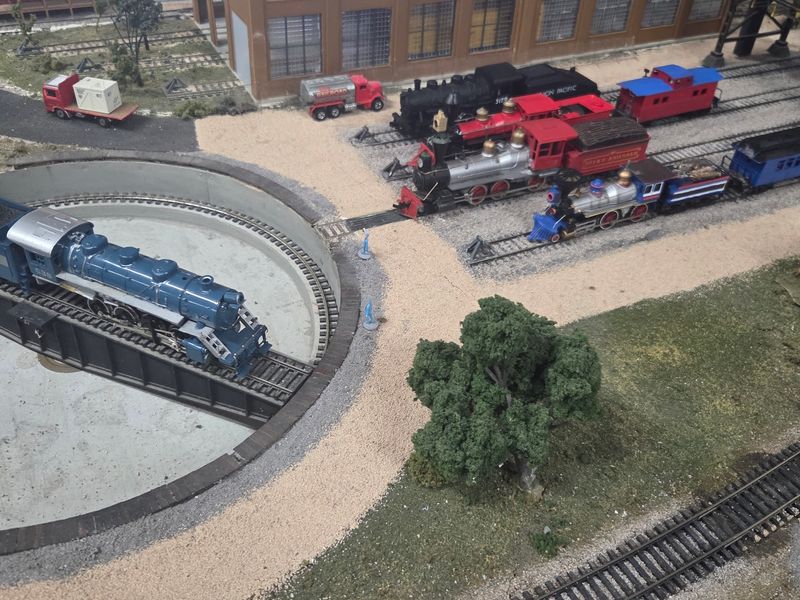
Almost one hundred years old, and still clocking in for work. The Iron Spike Model Train Museum proudly lists a 1926 Lionel Standard Gauge 318E as its oldest running train.
Standard Gauge was a big, bold size that Lionel sold in the early twentieth century. These trains were built of heavy metal and designed to impress families gathered around the tree.
Plenty of antique trains survive today, but most of them stay parked. Keeping one moving takes care, patience, and people who know how old motors behave.
That’s where the volunteers come in.
Seeing a 1926 locomotive in motion feels different from reading about it on a sign. You get a living link to the way kids played generations ago.
Grandparents may even spot something that sparks a story.
My tip is simple. Ask a volunteer to point out the 318E early in your visit.
That way you can compare it with the sleek modern models you’ll see later.
The contrast is half the fun. One train comes from the era of silent movies, while others sport digital sound.
Together they show just how far this hobby has traveled down the line.
Volunteers Built This Whole Railroad Dream From Scratch
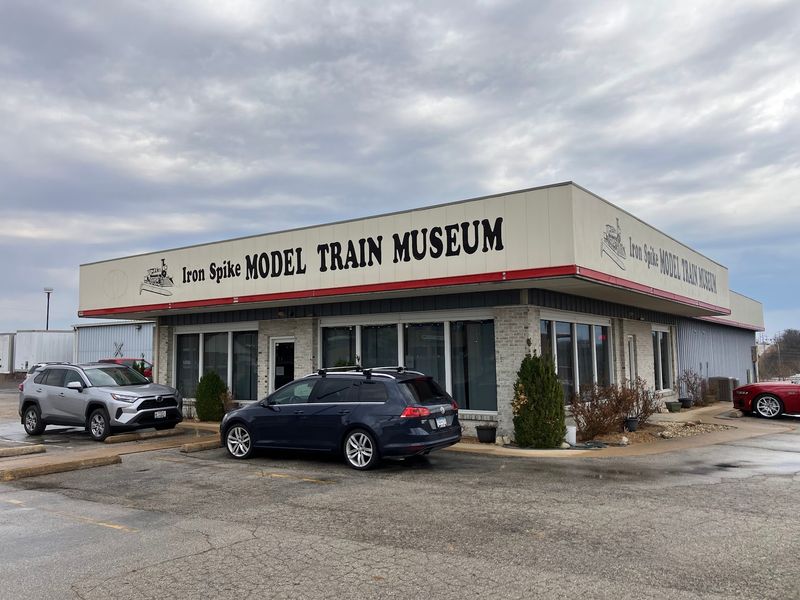
Nobody here collects a paycheck. The Iron Spike Model Train Museum runs as a volunteer-operated 501(c)3 nonprofit, so every layout reflects donated time and talent.
The idea started with Don Burhans. He wanted a year-round attraction that families could afford, and model trains fit that goal perfectly.
Finding the right home took work. After a long property search, Bill Straatmann suggested the building the museum uses today.
Don installed the first layout in the Welcome Center in January 2015. Fun fact: it remains the only layout the museum ever purchased.
Everything else came from building, donations, and plenty of elbow grease.
The group officially formed in 2016 with a clear mission. They aimed to honor and preserve the railroad heritage of the Midwest.
That nonprofit setup matters for visitors too. Your admission helps keep the trains running and the scenery growing.
It feels good knowing your ticket supports real preservation work.
Got a retired relative who loves tinkering? Bring them along.
The museum welcomes new volunteers, and a fresh pair of hands might be exactly what the next mountain needs.
Every Gauge You Can Name Shares One Giant Hall
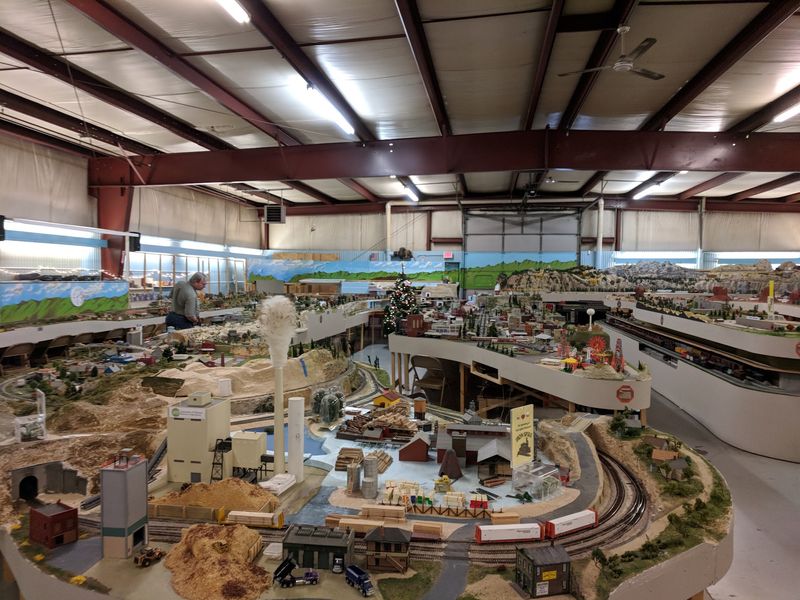
G, O, HO, HOn3, N, S, and TY. That alphabet soup describes the scales on display, and each one tells a slightly different story.
Scale simply means size compared with a real train. G-scale trains are chunky enough for gardens, while N-scale models can fit a whole town on a tabletop.
The main train hall holds several large layouts that trace the history of model railroading. Walking from one to the next feels like flipping through a hobby scrapbook.
Many displays add lights, sound, and animation. Trains don’t just circle quietly here.
Scenes come alive with movement that pulls your eyes in every direction.
Not sure which size you prefer? This is the perfect place to decide before buying a starter set.
Seeing every gauge side by side makes the differences easy to understand.
Kids might love the big, bold trains. Detail lovers often lean toward the tiny ones packed with buildings and trees.
The museum also plans to grow its Lionel, O, O27, and G-scale exhibits. So the hall you see today may look even busier on your next trip.
You Can Actually Walk Into The HO Layout
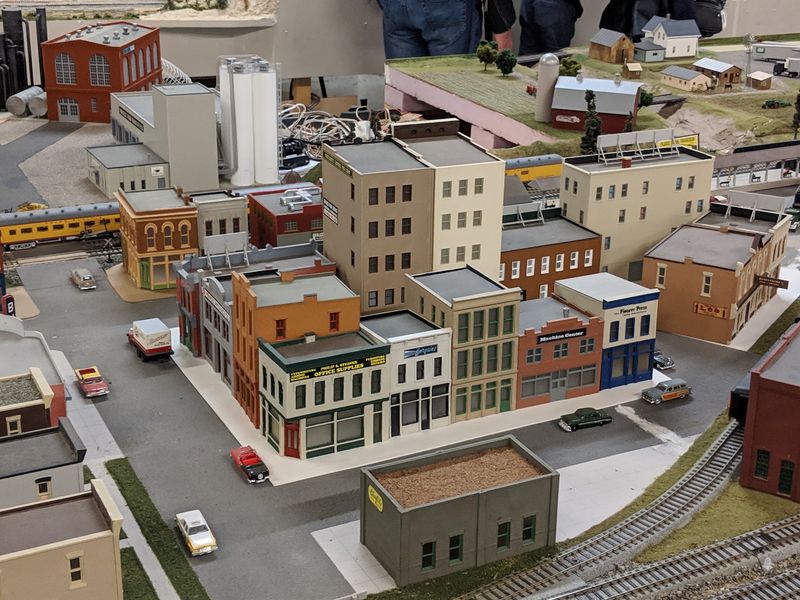
Most layouts keep you on the outside looking in. The HO scale display here flips that idea with a walk-in style design that fills a big chunk of the space.
Instead of peering over a single table edge, you step into the scene. Tracks, towns, and hillsides wrap around you from several angles.
That layout gives you a whole new view of the trains. You can follow one locomotive as it curves past buildings, then catch it again on the other side.
Patience pays off in a spot like this. Slow down and scan each corner.
Modelers love hiding tiny surprises in scenery, and the fun comes from finding them yourself.
A friendly reminder for families: the layouts are museum displays, not toys. Little hands should stay back, though curious eyes are always welcome.
HO is one of the most popular scales in the hobby. It strikes a nice balance between detail and space, which explains why so many builders choose it.
Bring your phone camera, too. The walk-in angles make for photos that look surprisingly real once you crop out the room around them.
Mountains, Forests, And Factories Fit Into Tiny N Scale
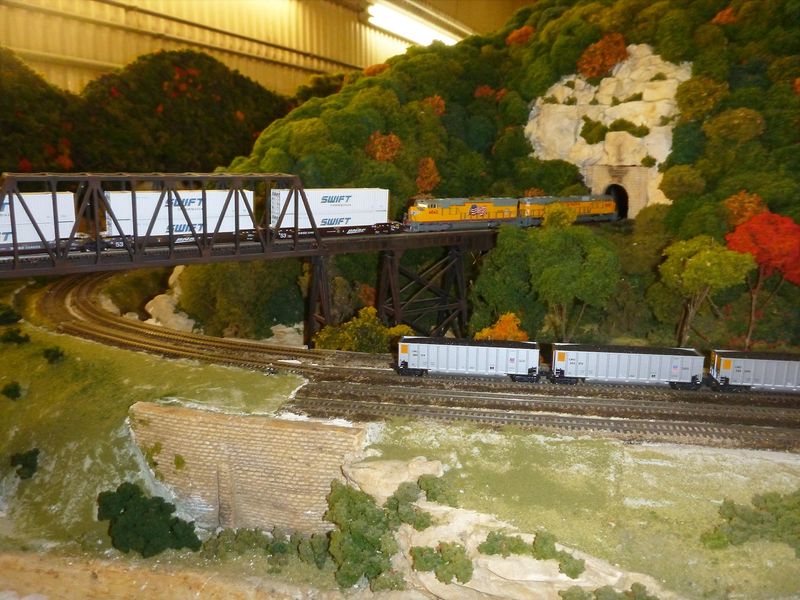
Small trains can paint big pictures. The large N scale layout shows off scenic vistas, forested hillsides, and busy industrial areas, all shrunk down to impressive detail.
N scale models are tiny, so builders can fit huge landscapes into limited space. That’s how a single layout can hold mountains and factories without feeling crowded.
Another standout display recreates a Colorado mountain scene based on a photograph. Modelers studied the real image and turned it into something you can stand beside.
I love that idea. It shows how this hobby blends art, geography, and plain stubborn patience into one project.
Here’s a fun challenge for your visit. Pick one small building and try to imagine the hours behind it.
Every tree, window, and fence was placed by someone who cared.
Some sections of the layouts are still under construction. Rather than a drawback, that becomes a bonus.
You get a peek behind the curtain at how scenery starts. Bare framework and half-finished hills reveal steps that finished displays usually hide.
Future modelers can learn a lot just by looking closely.
Little Engineers Get Their Own Playroom
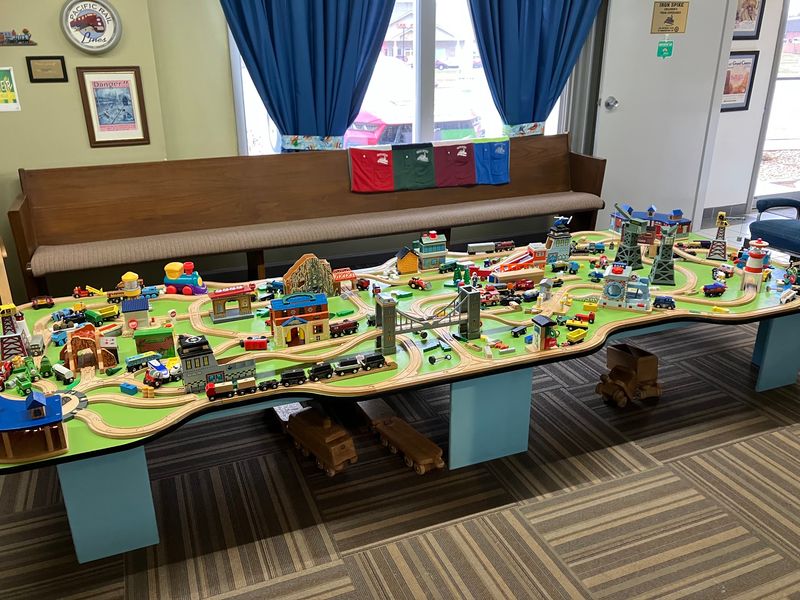
Kids and look-but-don’t-touch rules don’t always mix. Thankfully, the Children’s Train Experience gives younger visitors a place to get their hands busy.
The room includes books, videos, a wooden play table, and a LEGO station. That’s a solid lineup for kids who need a break from careful looking.
Parents aren’t forgotten either. Comfortable seating means adults can rest their feet while the little conductors run their own railroad.
Plan your visit around this space if you have small children. Start with the big layouts while attention spans are fresh, then finish in the playroom.
Everyone leaves happier that way.
Fair warning, though. Pulling a child away from a wooden train table can be a tough negotiation.
You might want to set a time limit before going in.
Visitors can also learn to operate a smaller layout in the museum’s first room. That hands-on moment gives kids a taste of being real engineers.
I believe that’s how lifelong hobbies begin. One small train, one press of a control, and suddenly a kid wants to build an entire town.
Twenty Thousand Volumes Await Curious Train Fans
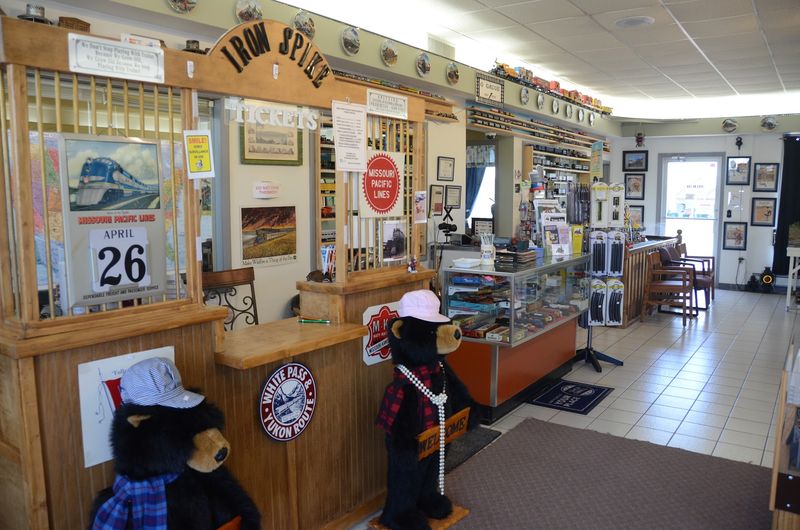
Twenty thousand volumes. That’s the size of the Research Library, and it’s a treasure chest for anyone who wants more than a quick look.
The collection includes books, magazines, videos, and vintage how-to instruction books. Topics cover model railroading, railroad history, personal histories, and maps.
Those old instruction books are especially charming. They show how hobbyists learned their craft long before online tutorials existed.
Planning your own layout? The library could save you from a few costly mistakes.
Older guides often explain basic techniques in a clear, practical way.
History buffs can find plenty here too. Railroads shaped towns across the Midwest, and the archives help tell those stories.
The museum also sells surplus model railroad materials in various scales. Builders on a budget may find pieces that fit their next project.
I like how this side of the museum serves serious hobbyists. The trains grab your attention first, but the library keeps people coming back.
Think of it as the quiet engine room behind all the flashy displays. Every expert started somewhere, and many probably started with a good book.
A Frisco Caboose Is Getting A Second Life
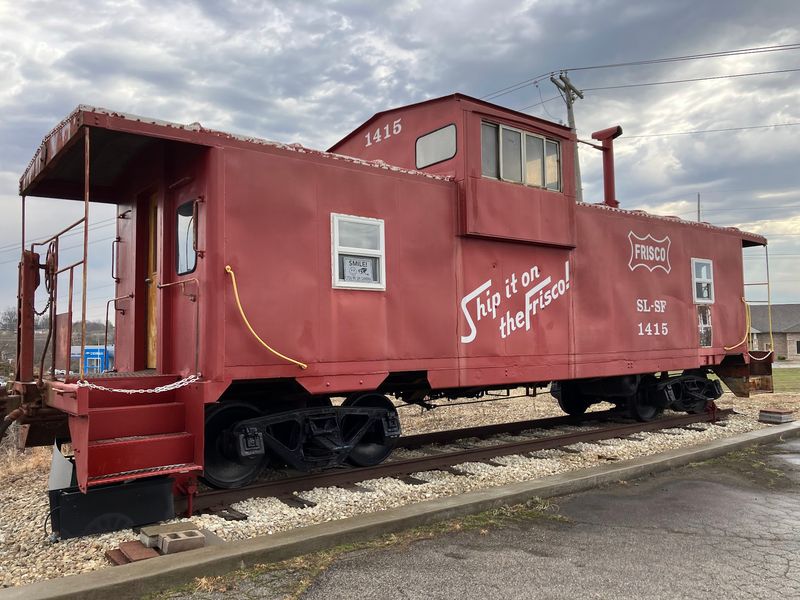
Real trains get some love here too. Volunteers are working on a Frisco Caboose, with a goal of having a usable interior space by 2027.
Frisco was the nickname for the St. Louis-San Francisco Railway. Its cabooses once rode at the end of freight trains, carrying crews along the line.
Watching a restoration unfold is a special kind of fun. Each visit may show a little more progress than the last.
The museum has more plans brewing as well. Future workshops will help families learn how to build layouts and understand standard railroad safety.
That safety piece matters more than people think. Kids who love trains should also learn to respect real tracks and crossings.
These projects show a museum still growing in Missouri. It isn’t frozen in time, even while it celebrates history.
Volunteers keep adding, fixing, and dreaming up new ideas.
So consider your first trip a starting point. Come back in a year or two and see what’s changed.
The caboose might be ready for visitors, and fresh layouts could be rolling too.
Ride Amtrak There For The Ultimate Train Day
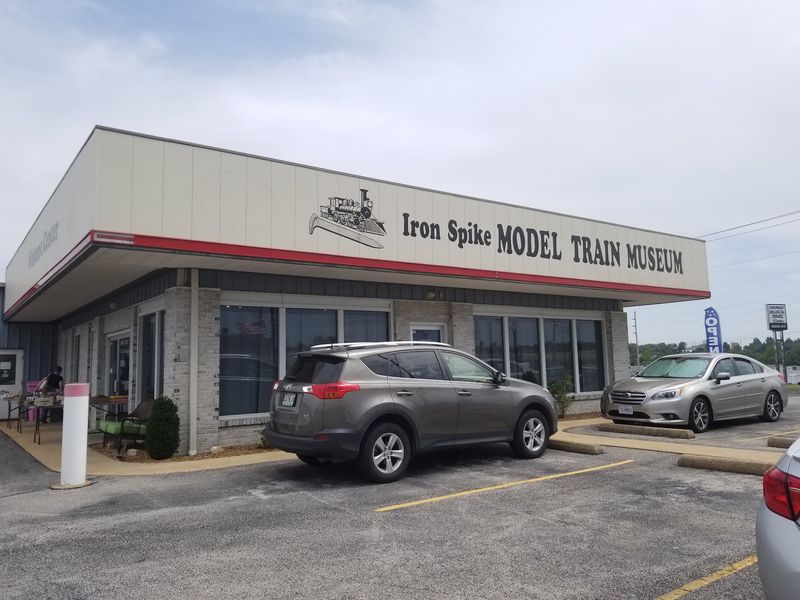
Arriving by train to see trains? That’s a pretty perfect plan.
Amtrak serves Washington, Missouri, and a shuttle can meet guests at the station.
The shuttle carries visitors to the museum and other local attractions. Drivers and bus groups will find ample parking too.
You’ll find the Iron Spike Model Train Museum at 1498 High Street, Washington, MO 63090. The building is ADA compliant and wheelchair accessible.
Hours run Wednesday through Sunday. Wednesday and Thursday hours are 10 am to 3 pm, while Saturday runs 10 am to 5 pm.
Friday and Sunday hours are noon to 5 pm. Last admission happens one hour before closing, so don’t cut it close.
One key tip: book 24 hours ahead for Wednesday or Thursday visits. That reservation helps ensure the trains are running when you arrive.
Families get a special group rate, and kids under two enter free. Active military members, veterans, and their dependents also get free admission with proof of service.
Give yourself plenty of time once inside. The details reward a slow pace, and rushing through would feel like skipping the best stops on the line.
