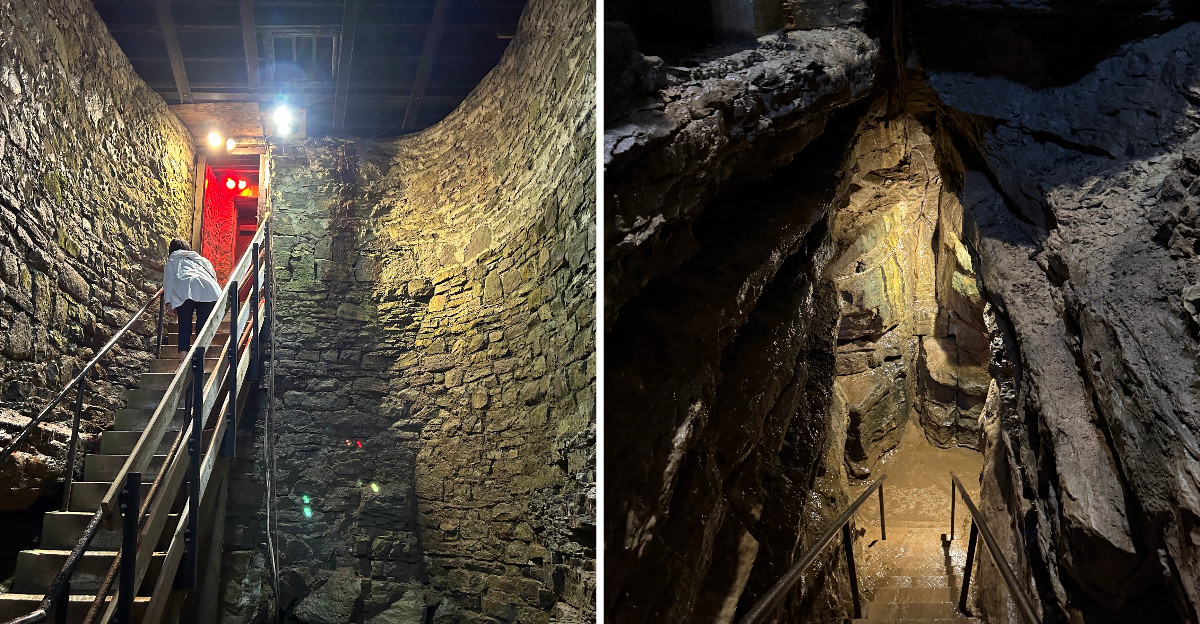
Grassy fields hide a web of limestone rooms carved by water over hundreds of thousands of years. Native people once used these chambers for shelter, storage, and maybe even ceremonies, long before a 19th-century traveler’s ox tumbled into a hidden shaft and put the place on the map.
Steep stairs lead down into the chilly dark, where an old name carved in stone and slow-growing formations seem almost alive. The air feels cool and damp, and the walls glisten in the flashlight beam.
Coming back up brings goats, gem buckets, and a maze full of prizes, which feels like two trips in one. Seven things made this Ohio spot so memorable, and they deserve a place on any road trip list.
The underground world is the main attraction, but the surface offers its own kind of fun. Visitors can pan for gems, feed the goats, and get lost in the maze before heading home.
It is the kind of place that surprises you twice.
Millions of Years in the Making
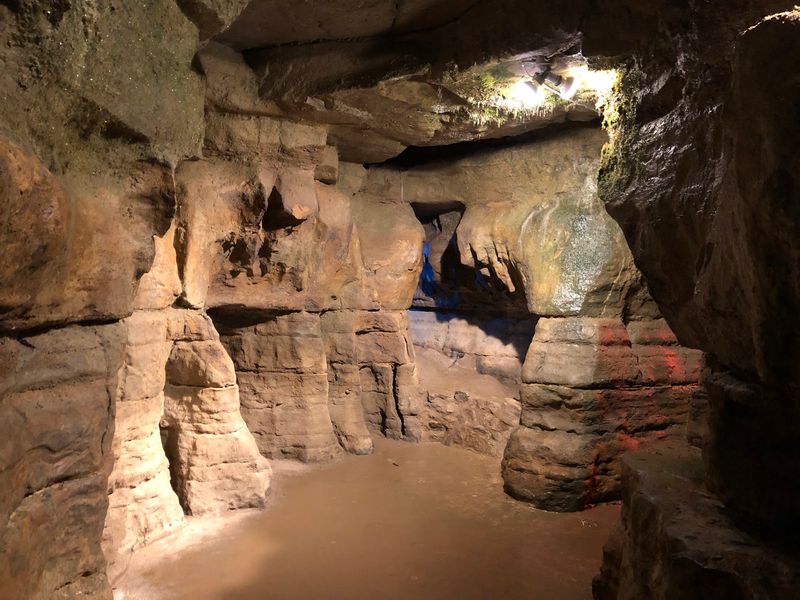
My first thought on the steps down was simple: this place is older than I can even picture. The rock around you started as the floor of ancient seas between 350 and 400 million years ago.
Tiny shells and sediment piled up, layer after layer, until they hardened into limestone.
The actual rooms came much later, though later still means the last 300,000 years or so. Rainwater picked up a bit of acid as it soaked through the soil, then slowly ate away at the stone.
Drop by drop, it carved out chambers and winding passages.
Olentangy Caverns belongs to a bigger karst system, which is a fancy name for land full of sinkholes, cracks, and hidden caves formed by dissolving rock. Once you know that, the ground above starts to feel a little less solid, in the best way.
I kept imagining all the unseen spaces that might sit beneath the fields and roads of Delaware County.
Here is a helpful tip before you go. Read a little about limestone caves ahead of time, because it makes every twist of the passage more meaningful.
Kids especially love knowing that the walls they pass once sat under a salty ocean, long before dinosaurs even showed up.
It is a humbling way to start a visit, and honestly a fun one too.
The First People Who Called These Rooms Shelter
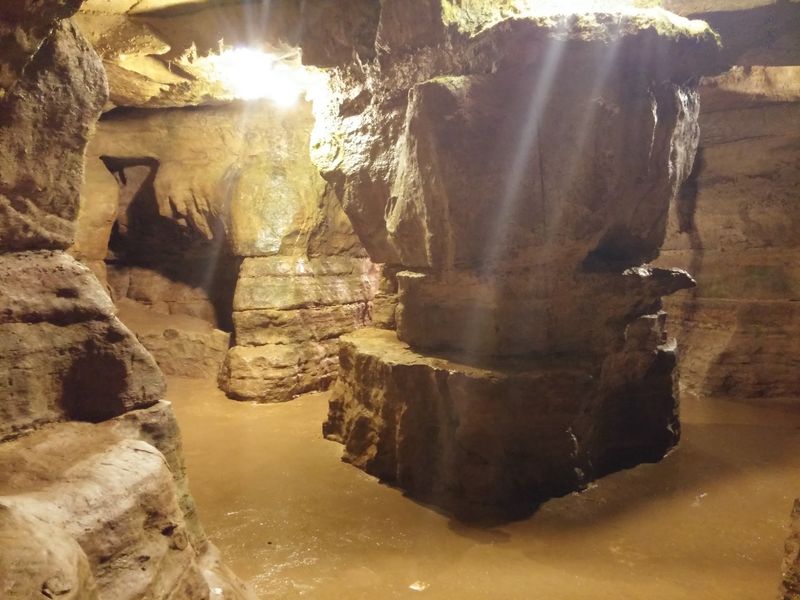
Long before any farmer or wagon train showed up, people were already using these underground rooms. The Wyandot, also spelled Wyandotte, are the tribe most closely tied to the caverns.
For them, the cave was a practical and valuable place.
Think about an Ohio winter without a heated house. A cave that stays the same temperature all year would have been a lifesaver during storms and bitter cold.
Historians also believe it served as a hiding spot from rival groups, including the Delaware.
Archaeologists have pointed to even more uses. The site likely worked as a seasonal refuge and a spot to store food, and some think it held ceremonial meaning too.
Flint tools, pottery shards, and old fire pits have turned up in the upper chambers, hinting at human activity stretching back thousands of years.
I found myself slowing down in these upper spaces, trying to picture small fires flickering against the stone. It changes the whole mood of the visit when you remember that families once gathered here.
The Wyandot are believed to have used the caverns until around 1810.
My advice is to treat this part of the tour with a little extra respect. Take a quiet moment, look around, and think about the people who knew these walls first.
That small pause makes the history feel real instead of distant.
An Ox, a Hidden Shaft, and a Name Carved in Stone
Every good cave has an origin story, and this one comes with a very unlucky ox. According to local accounts, a man named J.M.
Adams was camped nearby in 1821 while traveling west with a wagon train. One night his ox broke loose and wandered off into the dark.
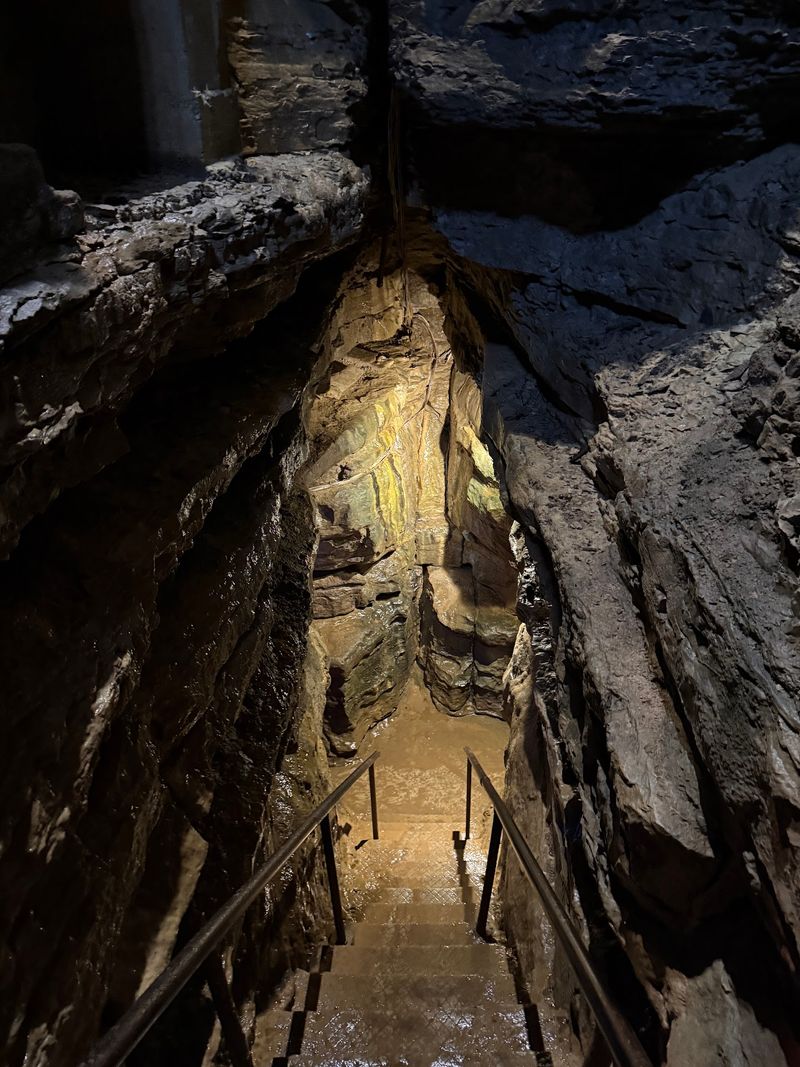
The next morning brought a grim surprise. The animal was found at the bottom of a hidden opening in the ground, a natural vertical shaft nobody had noticed.
Poor ox, but its accident cracked open a whole new chapter for the caverns.
Adams climbed down to explore and carved his initials and the date into the rock wall. That marking is still visible today, although flowstone has slowly crept over part of it through the years.
I loved spotting it, since it felt like a signature on a very old guestbook.
Stories about Adams shift depending on who tells them. Some call him a camper or a settler, while local legend describes him as a farmer whose ox tumbled through the shaft.
Either way, his name is forever part of the cave.
Keep your eyes open for the carving as you move through. It is easy to miss if you rush, so take your time and let the details catch up with you.
Three Levels Down Into the Cool Dark
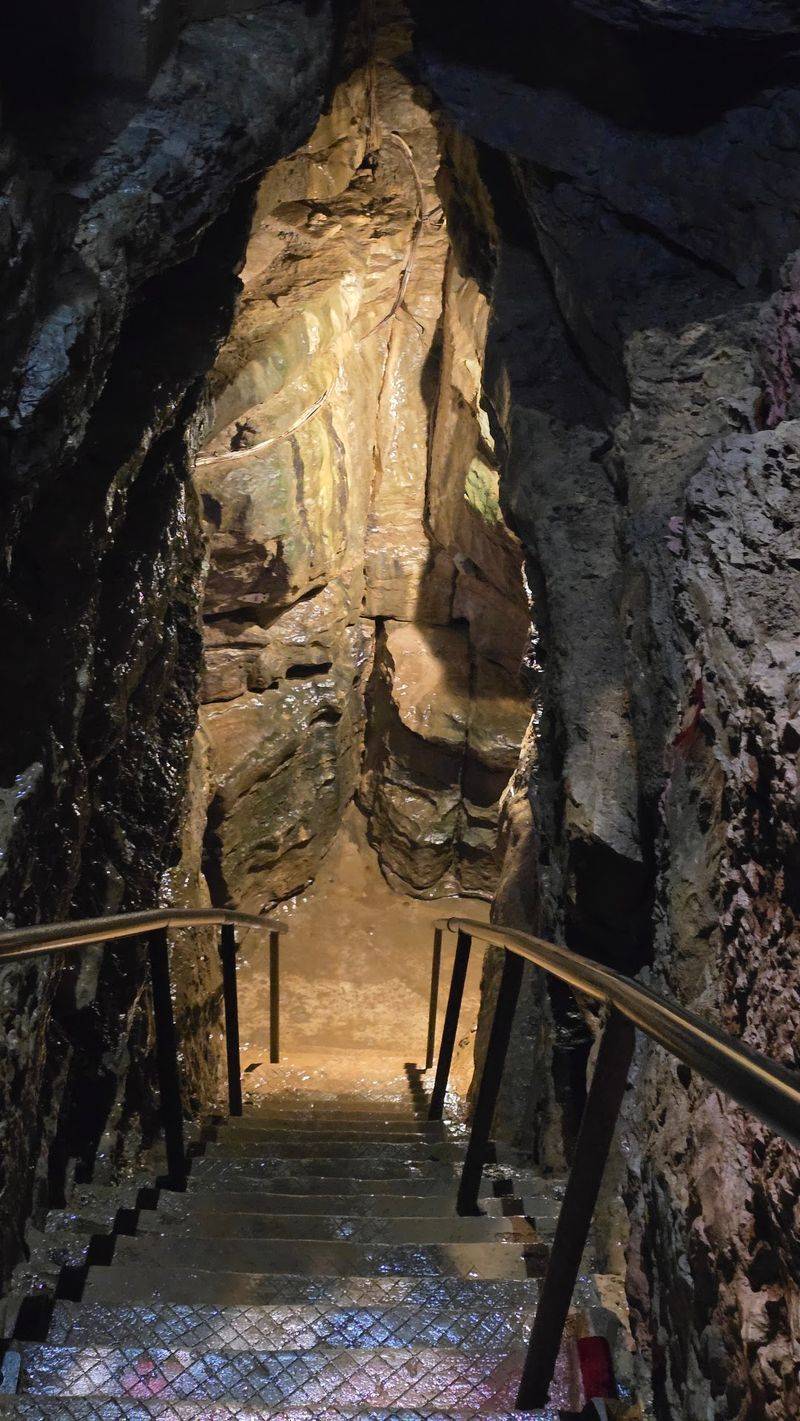
My legs noticed the stairs before my eyes adjusted to the dim light. Olentangy Caverns has three levels open to visitors, sitting at about 55, 75, and 105 feet below the surface.
Each drop feels a bit like reaching a new floor in an upside-down building.
The air stays around 54 degrees Fahrenheit all year, no matter what Ohio is doing outside. On a sticky July afternoon, that chill is pure relief.
In winter, it actually feels a touch cozy compared to the biting wind whipping across the fields up top.
The steps are steep, and some passages get tight. People who dislike small spaces may want to think it over, and the tour is not wheelchair accessible.
Grab the railings with both hands, especially after a rainy spell when surfaces can turn slippery.
One thing I appreciated is that the tour is self-guided. You can linger wherever you like, snap photos, or simply stand still and listen to the quiet drip of water.
Recorded messages along the way share bits of history, so you never feel lost.
Pack a light jacket, even in the middle of summer, and wear sturdy shoes with good grip. Sandals and slick soles are not your friends down here.
Your knees will thank you on the climb back up.
Named Rooms and Slow-Growing Stone
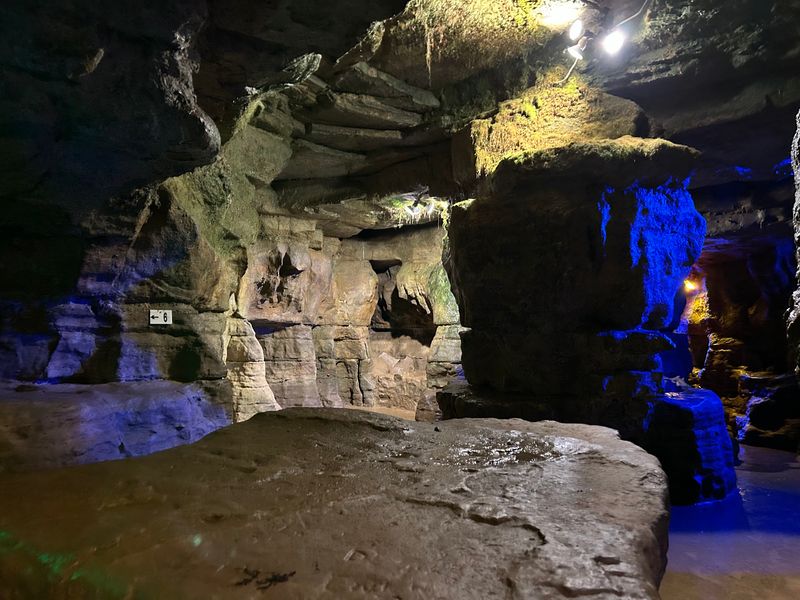
Cave rooms always get dramatic names, and I kind of love that. Here you will pass through the Great Hall, Frozen Niagara, the Crystal Room, Cathedral Hall, and the Bell Tower Room.
Each one has its own shape and personality.
Frozen Niagara was my favorite name to say out loud. Flowstone forms when mineral-rich water trickles over rock and leaves thin layers behind, building up rippled sheets that look almost like a waterfall caught mid-splash.
Give it a few thousand years and you get something truly striking.
Keep watch for stalactites and the rare helictites too. Helictites are odd little formations that twist sideways or curl in random directions, almost as if they ignored gravity.
They are still growing, just far too slowly for anyone to notice in a lifetime.
The rock here holds extra sulfur and iron, which gives some formations a faint yellowish tint. Colored lights also brighten parts of the cave, adding a retro feel that fits its long history as an attraction.
Don’t miss the Indian Council Room, linked to the arrowheads and stone tools now shown in the on-site museum.
A small flashlight can help you study textures up close. Just be gentle, and never touch the formations, since oils from our hands can stop their growth.
Look with your eyes and let the stone keep doing its patient work.
From Filled-In Hazard to Ohio’s First Show Cave
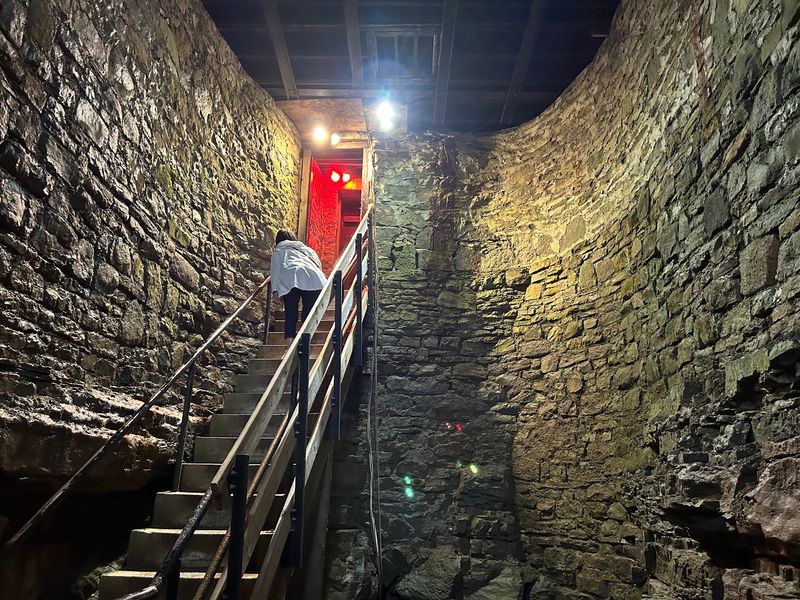
Here’s a twist I didn’t expect: for a while, people actually wanted this cave gone. In the mid to late 1800s, the opening was seen as a safety hazard, so it was packed with dirt.
For decades, the underground rooms simply sat hidden again.
Things changed when two local schoolteachers, S. M.
Allgyer and Richard Leitch, bought the property. They saw the potential in what lay below and set out to share it.
In the 1930s, the entrance was dug back out to get it ready for visitors.
On July 4, 1935, Olentangy Caverns opened to the public as Ohio’s first commercial cave. Picture the excitement of families heading underground on Independence Day, curious about a place most had only heard rumors about.
That opening date still makes me smile.
There’s another rumor that keeps people talking. Some believe a fourth level exists, hiding an underground river that flows toward the Olentangy River.
It remains unexplored and closed to the public, which only adds to the mystery.
I recommend spending a few minutes in the building above the cave before or after your tour. The displays help connect all the pieces, from ancient seas to the Wyandot to the teachers who reopened the entrance.
You’ll leave with a clearer picture of how one hillside in Delaware collected so many stories.
Sunshine, Goats, and Gem Buckets Up Top
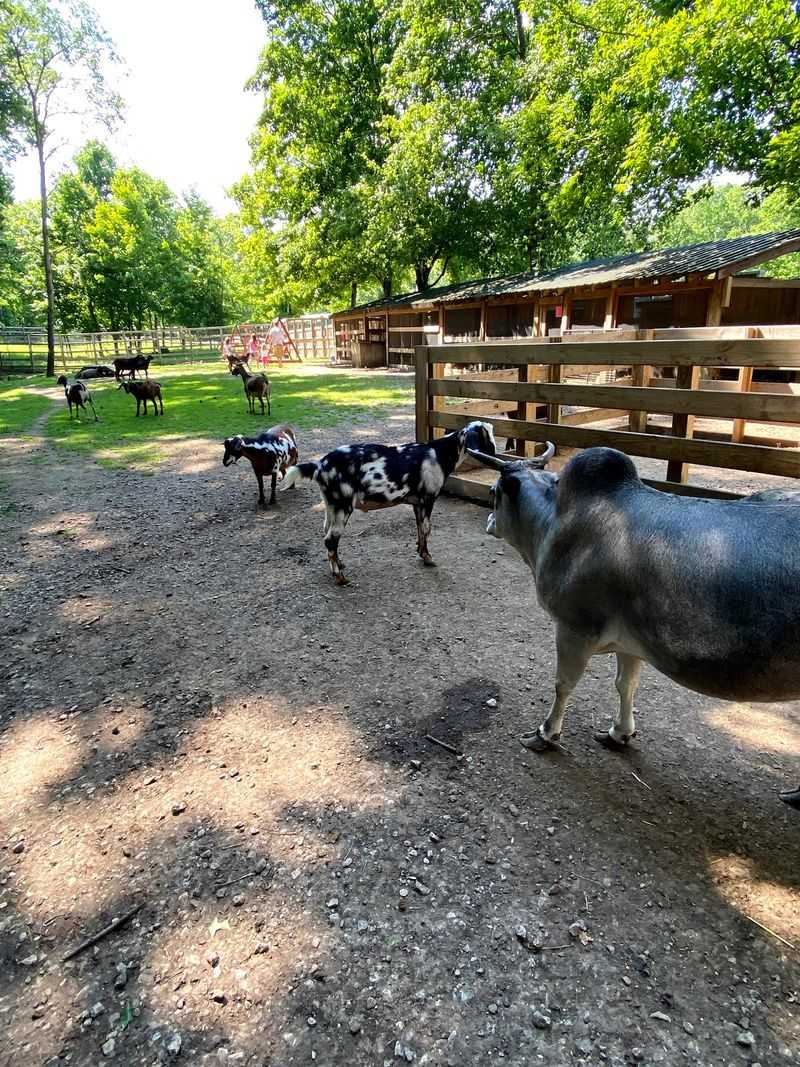
After all that time underground, the sunlight hit me like a warm hug. The property covers about 37 acres, and there is plenty to do once you climb out of the cave.
Many families end up staying far longer than they planned.
Gem mining is a big hit, with kids eagerly sifting through sand and water for shiny stones. The treasure maze hides prize machines to track down, while mini golf gives everyone a chance at friendly bragging rights.
There’s also a climbing wall for those with energy to burn.
The petting zoo deserves its own shout. Goats, deer, and other animals roam in roomy, natural pens, and you can often feed them.
Watch your head at the deer pen entrance, since the beam there sits a bit low.
A nature trail, playgrounds, and the Rock and Gem gift shop round things out. Bring a picnic, wear comfy shoes, and arrive early for easier parking.
The site generally opens at 9:30 am, closing at 5 pm on weekdays and 6 pm on weekends, though checking ahead is smart since cave tours run in season.
It’s the kind of place where a history lesson and a lazy afternoon fit together easily, and I left already thinking about a return trip.
Address: 1779 Home Rd, Delaware, OH 43015
