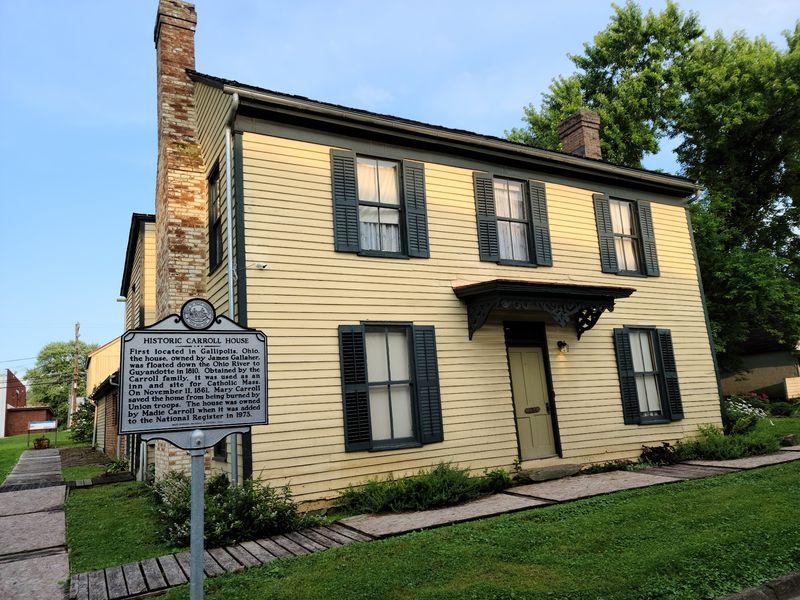
Some of the best stops in West Virginia are the ones you almost drive right past on your way to lunch. I went looking for a quick bite and a quiet stretch of river, and I found a weathered old house with a story so big it made me forget I was hungry.
It sits in a neighborhood that once felt the sting of the Civil War, and it has been waiting a long time for someone to listen. If you love hometown history, brave women, and a good tale told by folks who care, this one is for you.
An Old River Neighborhood With a Long Memory
Picture a slow river bend, a few old streets, and houses that have watched the water roll past for generations. That is the kind of setting where this story begins, tucked into a corner of West Virginia that many travelers never think to explore.
Plenty of towns along our rivers carry memories of the Civil War era, when quiet communities suddenly found themselves in the middle of a national fight. Local tellings often describe raids, rushed defenses, and neighbors who stood up for their homes.
Those stories are part of why a place like this feels so special today.
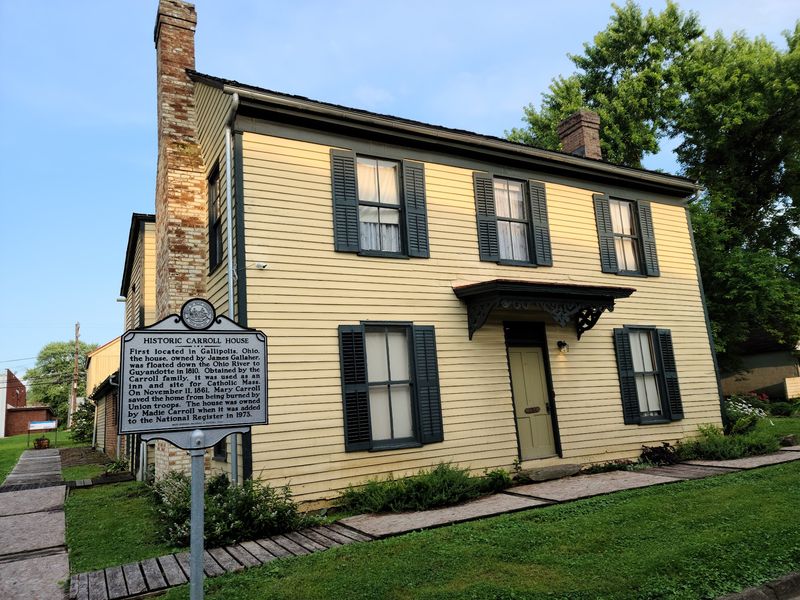
At the heart of this particular neighborhood stands a modest house museum and a historic marker. It does not look flashy from the road, and that is part of its charm.
You could easily mistake it for just another old home until you notice the marker out front and start to wonder.
Visitors often say the real surprise is how much history is packed into such a small spot. It is the kind of place that rewards curiosity.
Slow down, read the sign, and you may find yourself staying far longer than you planned.
A House That Traveled by Water
Most houses stay put. This one reportedly took a boat ride.
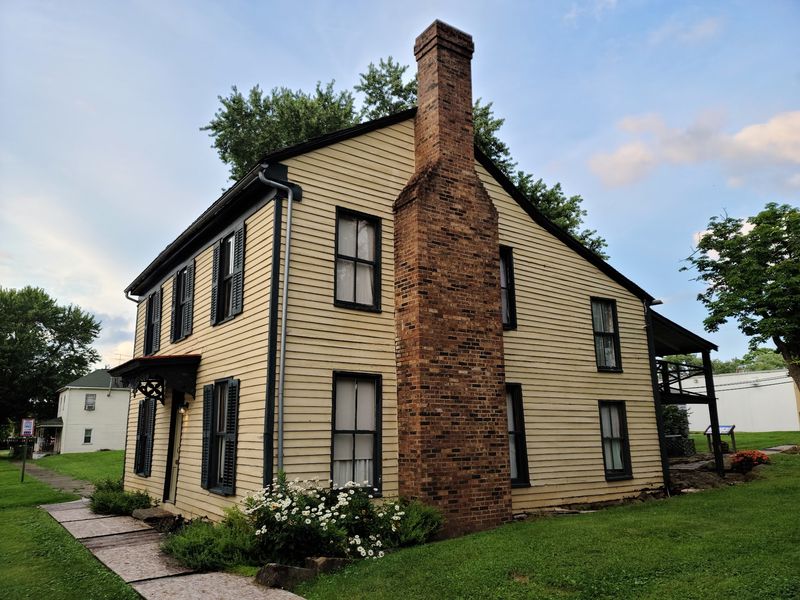
According to the story shared by the museum and repeated by many visitors, the house was built more than 200 years ago in Ohio. It was then floated down the Ohio River to the spot where it stands today.
Think about that for a moment, with no cranes, no big trucks, and none of the machines we lean on now.
One visitor put it simply, saying the move felt extra impressive because everything was harder back in the day. It is easy to agree.
Moving a whole home by river would have taken planning, muscle, and a lot of patience from the folks involved.
The house is described as an early-1800s structure, which makes it one of those rare survivors that connects today’s neighbors to the earliest days of the river settlements. Its wooden bones have seen changing times, shifting borders, and a war that split families and counties.
Standing in front of it, you start to feel the distance it has covered, both in miles and in years. Few buildings can claim a journey quite like this one, and fewer still have held onto their story so well.
The Brave Woman Behind the Name
Every old house needs a hero, and this one has a woman whose courage still gets people talking. Visitors often mention the story of a brave woman connected to the home, and that story sits at the center of what the museum works to share.
The family who lived here reportedly called the house home since before the Civil War. That means they were right there when the conflict reached their river community.
Tour guides are said to share plenty about the family and how they lived through those uncertain years.
One recent first-time guest said the museum has gone above and beyond to preserve the area’s history and tell the story of this woman. That kind of praise shows up again and again.
People leave feeling like they met someone real, not just a name on a plaque.
I will not spoil the details here, because hearing it from the volunteers is half the fun. They tell it with pride, the way you would talk about your own grandmother.
Go in ready to listen, and you will likely walk out with a new hometown legend to pass along at the next family supper.
Guyandotte and Its Civil War Past
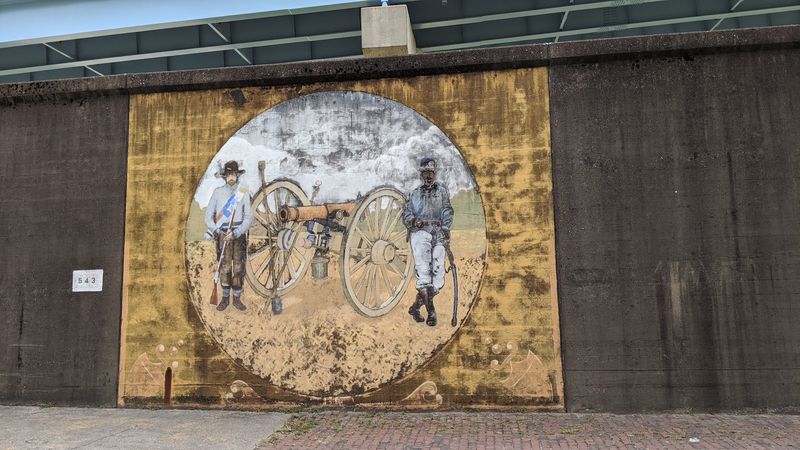
Here is where the map finally comes into focus. The house stands in Guyandotte, the historic river neighborhood that is now part of Huntington, West Virginia.
Guyandotte has deep roots, and its Civil War chapter is a big reason people make the trip. Visitors describe the site as a well-kept piece of history that does a good job of preserving and showing off the area’s wartime past.
One guest called it history that many folks have simply forgotten, which makes finding it feel even more rewarding.
The historic marker out front is a great first stop. It gives you a quick look at why this spot matters before you ever step onto the porch.
Some visitors have mentioned how much they enjoyed just being able to read about the history right there on the grounds.
For locals who grew up hearing bits and pieces about the old days in Guyandotte, this house helps connect the dots. It turns fuzzy family stories into something you can see and touch.
And for folks from other parts of the state, it is a reminder that some of our richest history hides in plain sight, just off a quiet neighborhood street.
Rooms Full of Local Artifacts
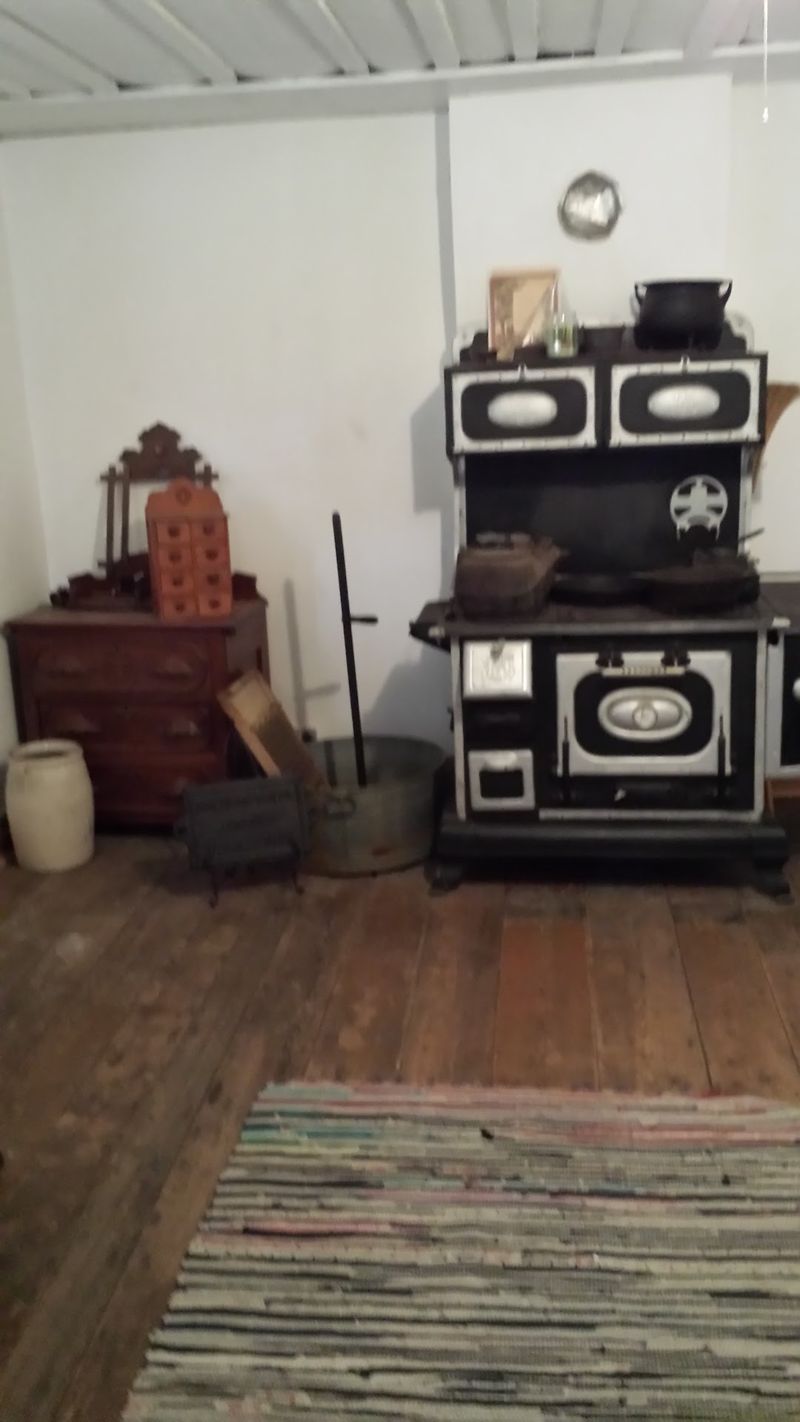
Step inside and the house starts talking. The museum holds local and regional artifacts, and visitors say there are a lot of historical pieces packed into the rooms.
That is one of the joys of a small house museum. You are not wandering a giant hall with velvet ropes everywhere.
Instead, you are moving through real rooms where a real family once cooked, rested, and worried about the news coming down the river.
Guests often mention how much they learned about both Guyandotte and the family who lived there. The artifacts help paint that picture, giving you a feel for everyday life across different eras.
It is the kind of place where you lean in close to a display case and suddenly remember something your own grandparents kept in a drawer.
One quick heads-up, though. Getting inside may take a little planning, since some visitors have noted that you need to call ahead to schedule an indoor visit.
A few guests who dropped by without arranging it could only enjoy the outside. So if the artifacts are what you are after, reach out first through the museum’s Facebook page and set up a time that works.
Guides Who Know Every Creak and Corner
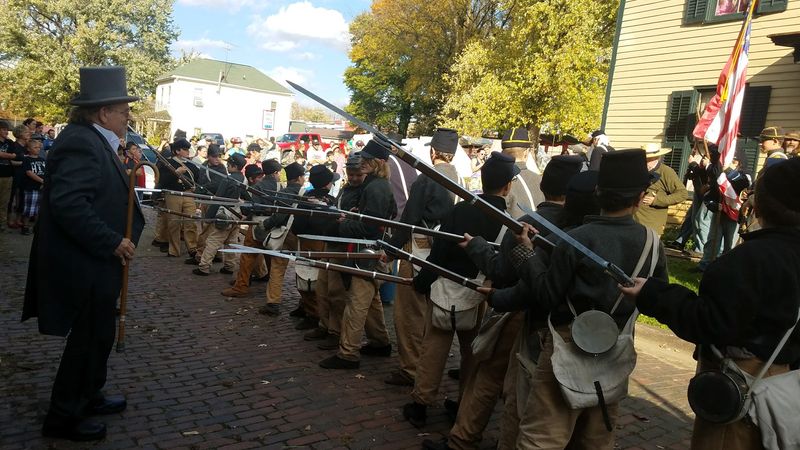
Ask almost anyone who has taken a tour, and the people come up first. The folks who run this place really know their stuff, according to more than one happy visitor.
Tours are guided, and they are offered seasonally, so the experience feels personal rather than rushed. Members who lead the tours reportedly share loads of history about Guyandotte and the family who lived here since before the Civil War.
You get names, dates, and the little side stories that never make it into textbooks.
Reenactors have also been part of the fun at times. One guest said they were both entertaining and helpful, and added that they would happily go again.
Seeing history acted out in period style can make it click, especially for grandkids who might otherwise be glued to a screen.
Several visitors simply praised the workers as great, and that warmth seems to shape the whole visit. There is a real sense that these volunteers care about keeping the story alive.
Plan on at least an hour, as one guest suggested, because once the guides get rolling, you will not want to cut them short.
Flowers, Murals, and a Rocking Chair Legend
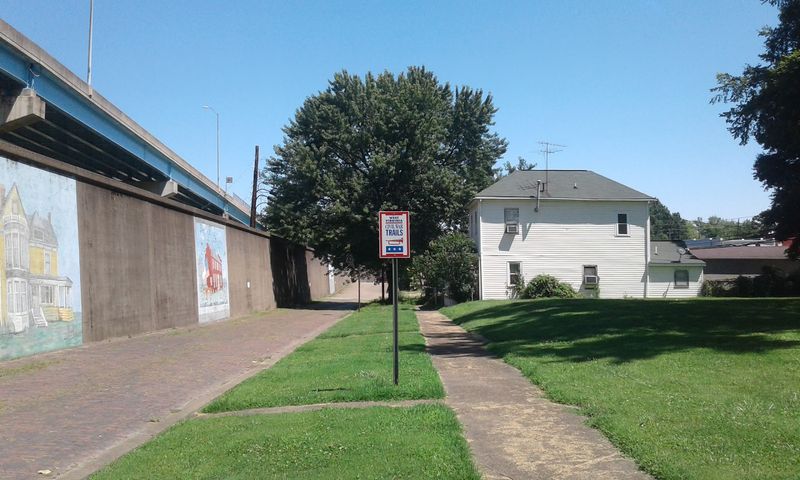
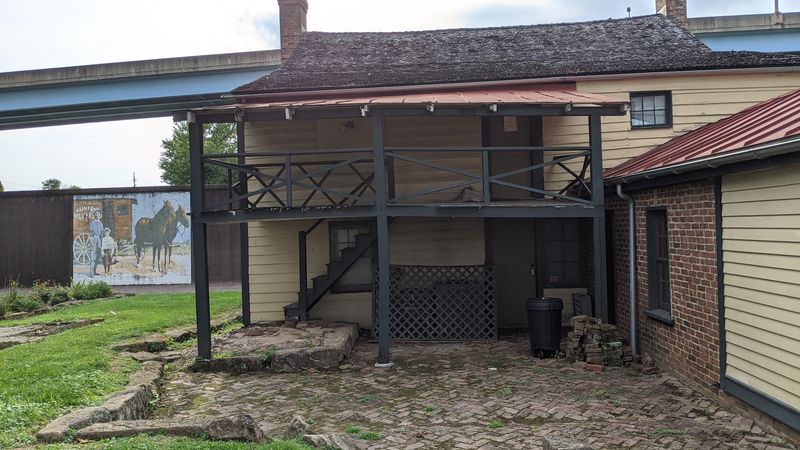
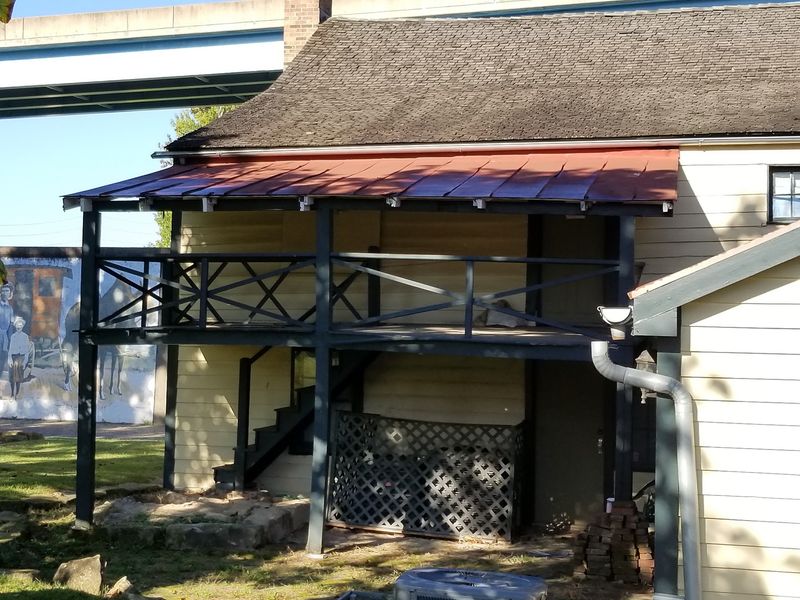
Even if the doors are closed, the grounds put on a show. Visitors describe beautiful flowers and murals around the property, which makes a stroll outside worth the stop all by itself.
It is a pleasant, easygoing spot to linger. Bring a camera, take your time reading the historic marker, and enjoy the quiet neighborhood feel.
On a nice day, it is easy to imagine what this little corner of Guyandotte looked like back when the house first arrived by river.
Now for the fun part. The museum folks reportedly claim the house is haunted.
One visitor shared that, according to the story, you can sometimes hear a rocking chair creaking on the back porch, tied to a woman from the family who once lived there.
Whether you believe it or just enjoy a good tale, it adds a playful shiver to the visit. Many old West Virginia homes come with a ghost story or two, and this one fits right in.
Stand near the back porch for a minute, listen closely, and decide for yourself. Either way, you will have something to talk about on the drive home.
Planning Your Visit to 234 Guyan St
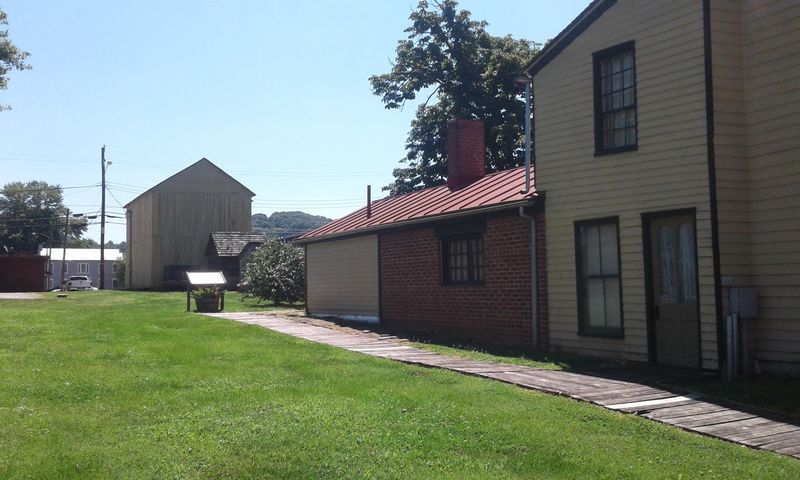
Good news for early birds and night owls alike. The grounds and historic marker are listed as open 24 hours, every day of the week, so you can swing by and read the marker whenever it suits you.
Inside is a different matter. The house museum offers seasonal guided tours, and visitors have noted that you should call or reach out ahead of time to schedule a look inside.
The museum keeps a Facebook page, which is a handy place to check for tour dates, reenactor events, and updates before you head out.
The address is 234 Guyan St, Huntington, WV 25702. It sits in the Guyandotte neighborhood near the Ohio River, easy to reach from other parts of Huntington.
Give yourself at least an hour if you are taking a tour. Wear comfortable shoes for the grounds, and bring questions, because the guides clearly love answering them.
Pricing details are best confirmed directly with the museum before your visit.
Pair the stop with a meal in town and a walk nearby, and you have an easy, affordable half day. It is a gentle outing that works well for retirees, families, and anyone curious about the old days.
Why the Little House Deserves a Detour
Sometimes the smallest places carry the heaviest stories. After spending time around this old house, that feels truer than ever.
Visitors keep coming back to the same themes: rich local history, a brave woman worth remembering, and volunteers who pour their hearts into keeping it all alive. One guest called it an amazing piece of local history, while another simply said it was a great place to visit.
Those plain, heartfelt words say plenty.
It is not a big, polished attraction, and it does not try to be. You might need to plan ahead to see the inside, and tours depend on the season.
But what you get in return is honest, homegrown history told by neighbors who care deeply about where they come from.
For West Virginians who treasure the good old days, this house feels like a visit with family. For newcomers, it is a warm welcome into the river town’s past.
Either way, it is a reminder of how much pride lives in our small corners.
So next time you are near Huntington, take the detour. Read the marker, listen for the rocking chair, and let the old house tell you its story.
