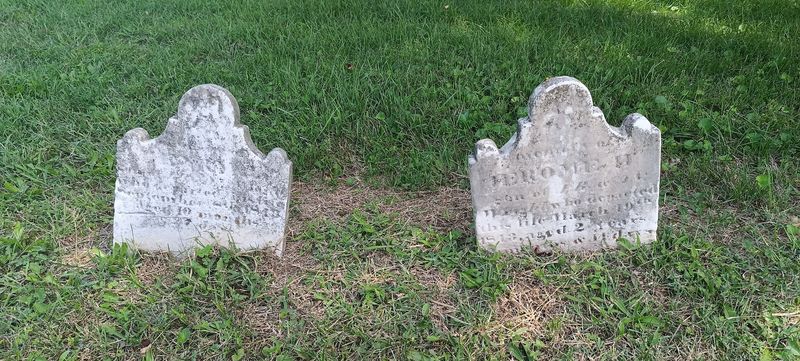
A man had an entire West Virginia town named after him, yet his headstone barely rises above the grass. That stone sits in a quiet hillside cemetery he reportedly set aside for the community himself.
He ran a ferry across the Potomac River back in the 1700s. His stone house still stands down the hill, and it is often called the oldest surviving building in town.
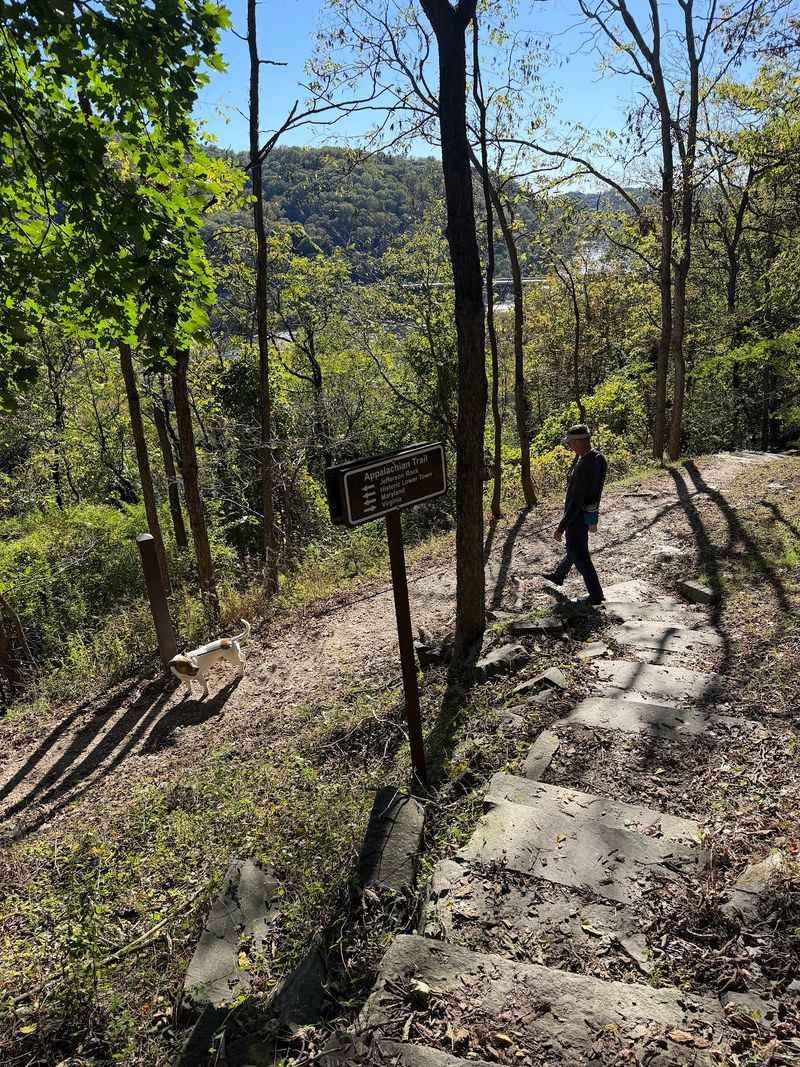
To reach him, you can follow a short side trail off the Appalachian Trail. I love that hikers can step away from a footpath stretching more than 2,000 miles to visit a man who shaped this whole corner of the map.
I can’t imagine a humbler tribute to such a big legacy. So why is the marker so modest, and what else waits up on that peaceful hill?
A Founder’s Grave On The Hill Above Lower Town
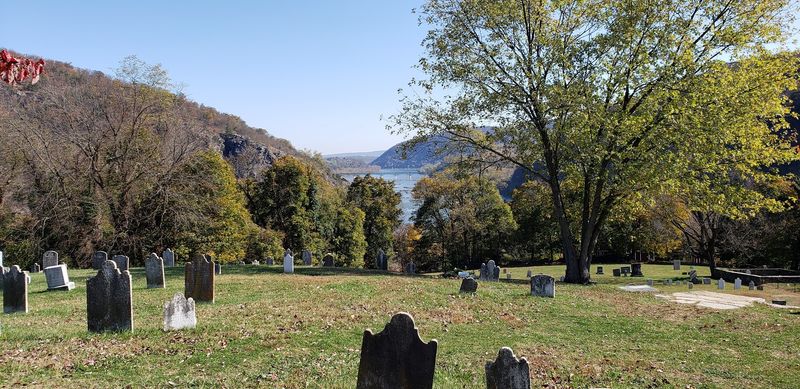
Start high on Camp Hill, above the busy brick streets of Lower Town. That is where the Gravesite of Robert Harper sits inside the old Harper Cemetery in Harpers Ferry, West Virginia.
The cemetery carries his name for a good reason. Harper is widely credited with giving this patch of ground to the town as a burial place.
So the man rests on land he chose to share. That feels fitting for someone whose name ended up on every map of the region.
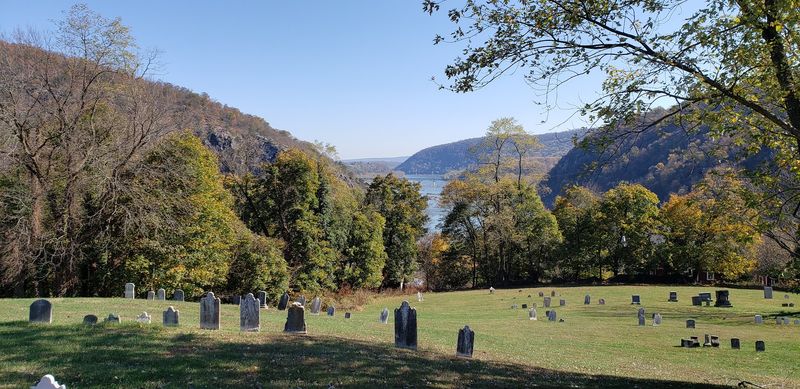
The grounds spread across a sloping hillside shaded by trees. Old stones lean in rows, some crisp and readable, others softened by centuries of weather.
Visitors describe the cemetery as well preserved and well maintained. That care matters in a place holding graves that reach back to the 1700s.
You won’t find a ticket booth or a gift shop at the gate. What you get instead is quiet, history, and a very short walk from some of the most famous trail miles in America.
Honestly, that combination is hard to beat. A town founder, a peaceful hill, and a world-famous footpath all share the same neighborhood.
The Philadelphia Builder Who Followed The River West
Robert Harper didn’t start out as a ferryman. Historical accounts describe him as a Philadelphia builder and millwright, a practical man who knew timber, stone, and water.
His road to the rivers reportedly began with a building job. He was headed toward the Shenandoah Valley for a project when he reached the spot where two great rivers meet.
The story goes that he liked what he saw. Around 1747, he acquired the land at the point, often said to come from an earlier settler named Peter Stephens.
Picture the place without the town. Forested ridges, rushing water, and a natural crossing point that travelers already needed.
Harper clearly spotted opportunity where others saw wilderness. A builder’s eye tends to notice useful things like that.
He was born around 1703, so he was no young adventurer when he arrived. That makes his fresh start even more interesting for anyone who has ever dreamed of a second chapter later in life.
His skills would shape the settlement for decades. And the town that grew around his crossing would carry his name long after his work was done.
How One Ferry Crossing Put A Name On The Map
Every famous town name has an origin story, and this one is refreshingly simple. Harper ran a ferry across the Potomac River.
The colonial Virginia Assembly reportedly granted him official ferry rights in 1761. Before that, travelers had few easy ways to get across the water at this rugged junction.
A dependable crossing changed everything. Settlers, traders, and wagons heading into the backcountry suddenly had a reliable route.
Over time the spot became known as Harper’s Ferry. Today the town spells it Harpers Ferry, without the apostrophe, but the meaning hasn’t budged.
Think about that for a second. A small business serving travelers gave its owner a kind of fame most people never touch.
The ferry itself is long gone. The rivers still meet in the same dramatic way, though, and the crossing idea lives on in the bridges and trails nearby.
When you stand at his grave, you’re standing above the very water that built his legacy. That connection makes the short climb feel a lot more meaningful.
Not bad for a man who simply saw that people needed a way across.
A Headstone Far Smaller Than The Legend
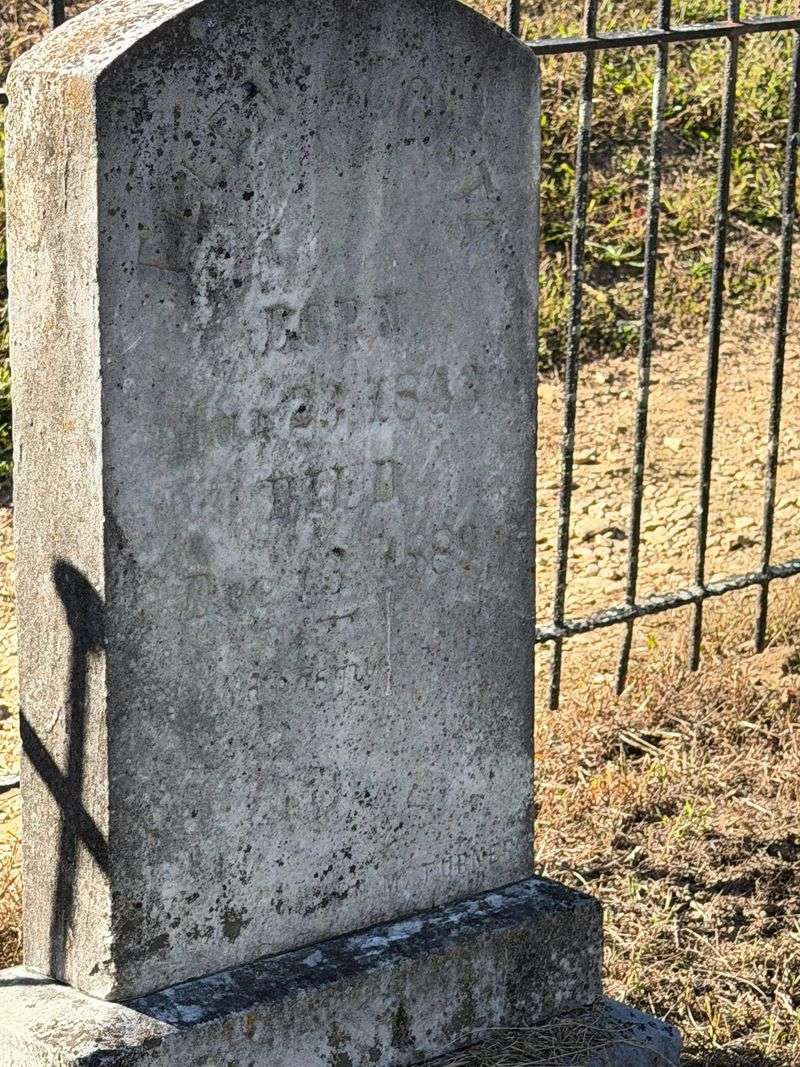
Here’s the surprise that makes people pause. For a man with a whole town named after him, the marker is remarkably plain.
One recent visitor admitted expecting something bigger and more elaborate. That reaction makes perfect sense once you see how little fanfare surrounds the stone.
There’s no towering obelisk and no grand family monument. The grave blends in with the older markers around it, quiet and understated.
I actually find that charming. It suggests a man remembered more for what he built than for how loudly he was celebrated.
Harper passed in 1782, during an era when frontier towns had far fewer resources. Elaborate carved monuments were rarer then, especially out on the edge of settled Virginia.
The stone has reportedly been well preserved. That is impressive for something that has weathered roughly two and a half centuries of mountain seasons.
Take a moment to read it slowly. Small markers tend to make you lean in, and leaning in is exactly the right posture here.
It’s a humble spot for a big name. And that contrast is the whole reason this grave sticks in your memory.
Centuries Of Stories In Harper Cemetery
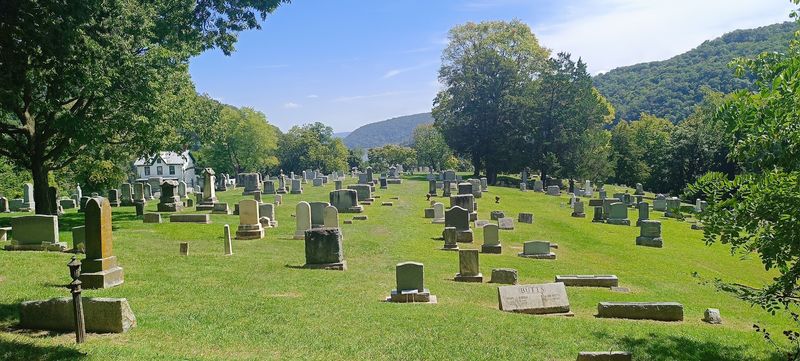
Harper’s own stone is only one chapter on this hillside. The cemetery surrounding him holds generations of local families.
Harper Cemetery is often described as one of the oldest burial grounds in town. Its earliest graves date to the late 1700s, with burials continuing for many years afterward.
Walk the rows and you’ll notice the variety. Some markers are simple slabs, while others show more decorative carving from later eras.
Many inscriptions have faded with time. Reading them can feel like solving a gentle puzzle, one weathered letter at a time.
The setting adds to the mood. Trees shade much of the ground, and the hill slopes toward the river valley below.
Please treat it with respect, of course. Stay on paths where you can and avoid leaning on fragile stones.
For adults who love history, this is the good stuff. No velvet ropes, no audio guide, just names and dates waiting for someone curious enough to notice.
Kids along for the trip can turn it into a quiet scavenger hunt for the oldest date. Everyone wins, and the hillside stays peaceful.
The Stone House Waiting Down The Hill
Down the slope sits another piece of Harper’s story, and it’s built of stone. The Harper House is often called the oldest surviving structure in Harpers Ferry.
Construction reportedly began around 1775 and stretched for years. Harper didn’t get to enjoy it long, which adds a bittersweet note to the visit.
One visitor mentioned stopping by the house and learning he spent only a short time there. That detail lands differently after you’ve seen his modest grave up the hill.
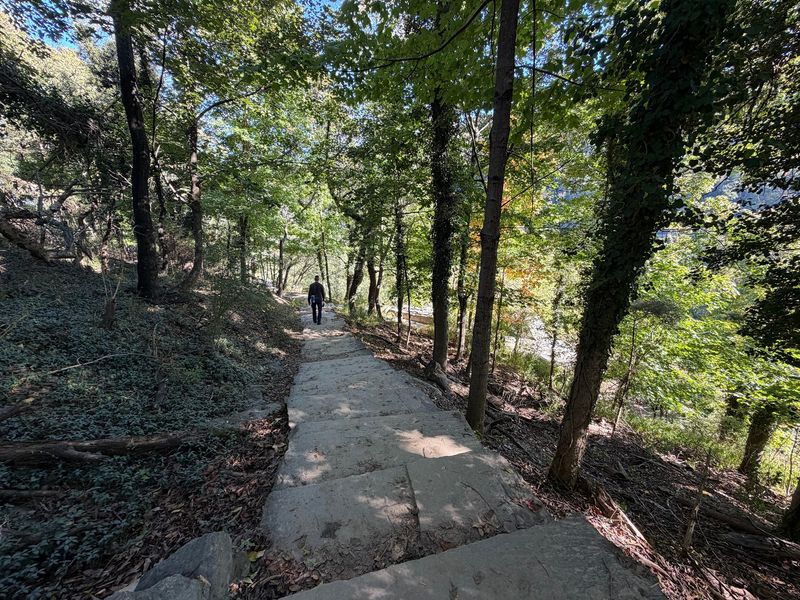
The house is now part of Harpers Ferry National Historical Park. Its sturdy walls stand along the steep stone steps that connect Lower Town to the upper streets.
Pairing the house and the grave makes a lovely mini history walk. You get his home and his resting place within an easy stroll of each other.
The builder in Harper shows through in that solid construction. Few frontier homes have survived this many centuries, which says plenty about his craftsmanship.
Visit the house first, then climb. By the time you reach the cemetery, the whole life story feels connected, start to finish.
Hikers Can Detour Here Straight Off The Appalachian Trail
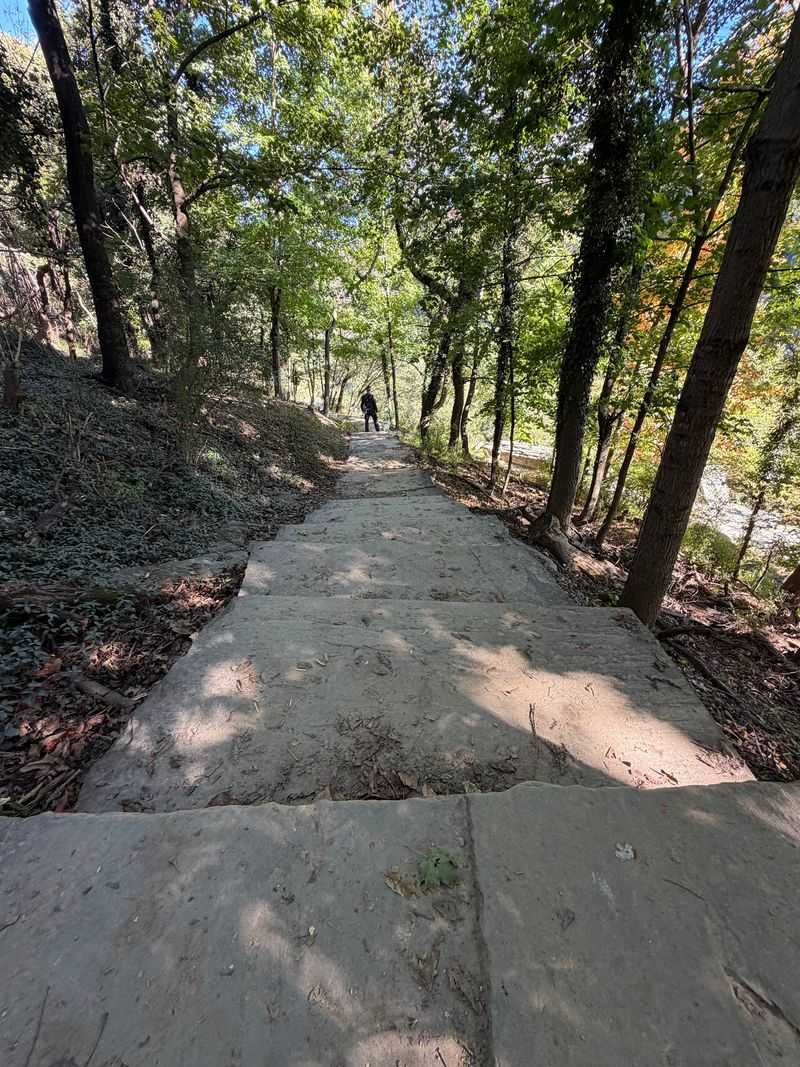
Few historic graves sit this close to a legendary footpath. The Appalachian Trail runs right through Harpers Ferry on its way between Georgia and Maine.
A side connector trail leads from the AT to Harper Cemetery. Visitors note you can also reach the grounds from the side roads in town.
That makes the grave an easy add-on for day hikers. You can stretch your legs on famous trail miles, then step aside for a slice of colonial history.
Harpers Ferry holds a special place in trail culture. It’s home to the Appalachian Trail Conservancy headquarters and is often called the trail’s psychological halfway point.
Thru-hikers passing through have walked a long way already. A quiet hillside cemetery offers a very different kind of rest stop.
Section hikers and casual walkers can enjoy it too. The trail segment through town is short, and the views of the rivers are hard to forget.
Wear real shoes, not flip-flops. The paths around this hill can be uneven, rocky, and steeper than they look from the bottom.
Jefferson Rock And A View Worth Crossing An Ocean For
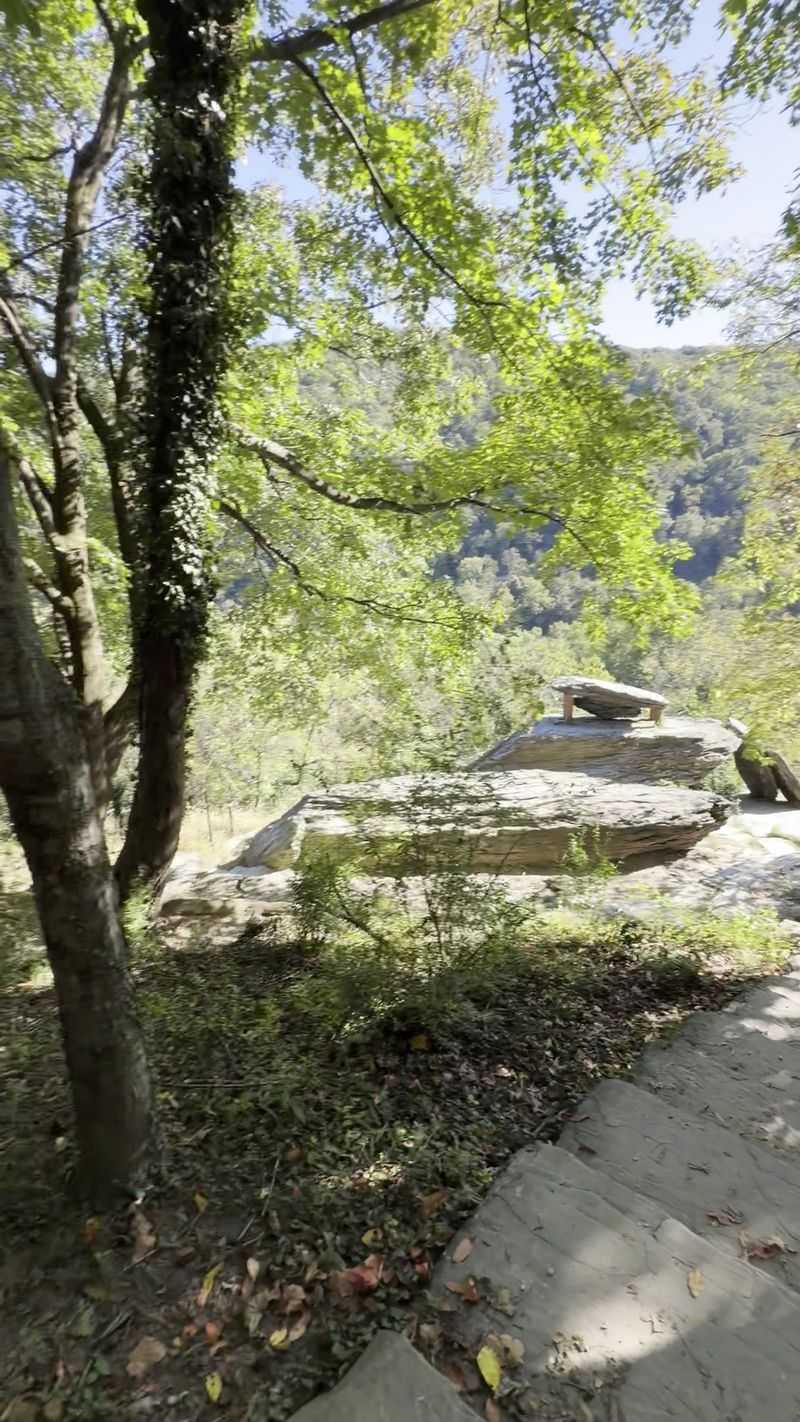
Thomas Jefferson once stood near this hill and got a little poetic. In 1783 he reportedly described the river view here as worth a voyage across the Atlantic.
The spot now known as Jefferson Rock sits close to Harper Cemetery along the same trail corridor. Pairing the two takes very little extra effort.
The rock is a stack of shale slabs perched above the valley. From the overlook, you can see the Shenandoah and Potomac rivers coming together.
Jefferson’s visit came just a year after Harper’s passing. It’s fun to think both men admired the same scenery within such a short span.
Visiting the overlook adds a big payoff to a small climb. The grave gives you quiet reflection, and the view gives you a jaw-drop moment.
Bring a camera or phone with plenty of battery. This is one of the most photographed views in West Virginia, and you’ll see why immediately.
Please admire the rock without climbing on it. The formation is part of the park, and protecting it keeps that famous view intact for the next curious traveler.
Stone Steps, Steeples, And A Climb Full Of Character
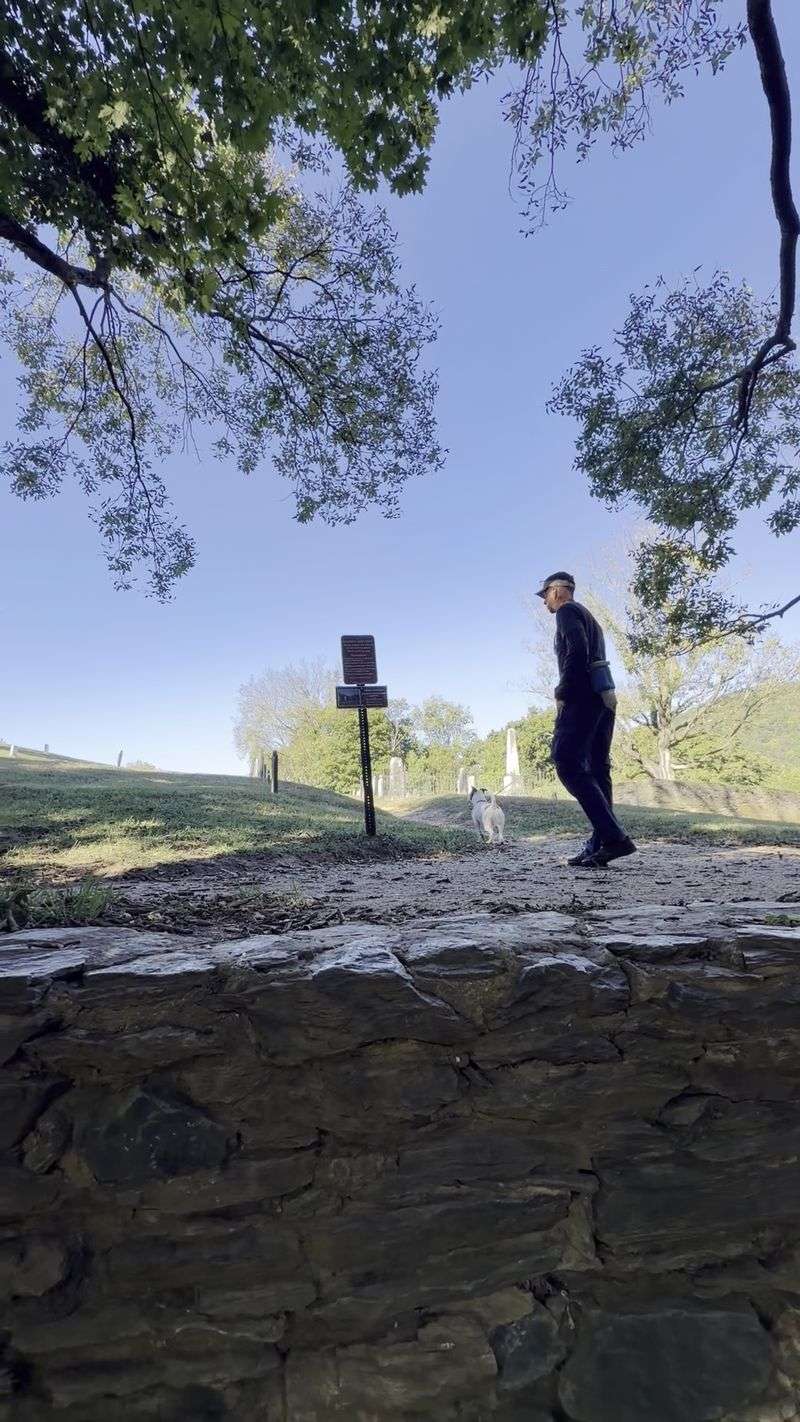
Getting to the grave is half the fun. The classic route climbs the historic stone steps rising from Lower Town toward the upper hillside.
Along the way, you’ll pass St. Peter’s Catholic Church. Its pointed steeple is one of the most recognizable sights in town.
The Harper House sits along this same stretch. So the walk becomes a little parade of landmarks, each one older than most American towns.
Beyond the church, the path continues uphill toward Jefferson Rock and Harper Cemetery. It’s a short distance, but your calves may file a polite complaint.
Take your time on the steps. They’re uneven in places, and stopping to catch your breath gives you more chances to enjoy the views.
Parents with little ones should plan for slower going. Strollers and these steps are not good friends.
The climb rewards patience, though. Each turn reveals more rooftops, more river, and more of the mountain scenery that makes this corner of the state so memorable.
By the top, you’ll feel like you’ve earned your quiet moment with Harper.
Quiet Reflection For History Lovers And Curious Wanderers
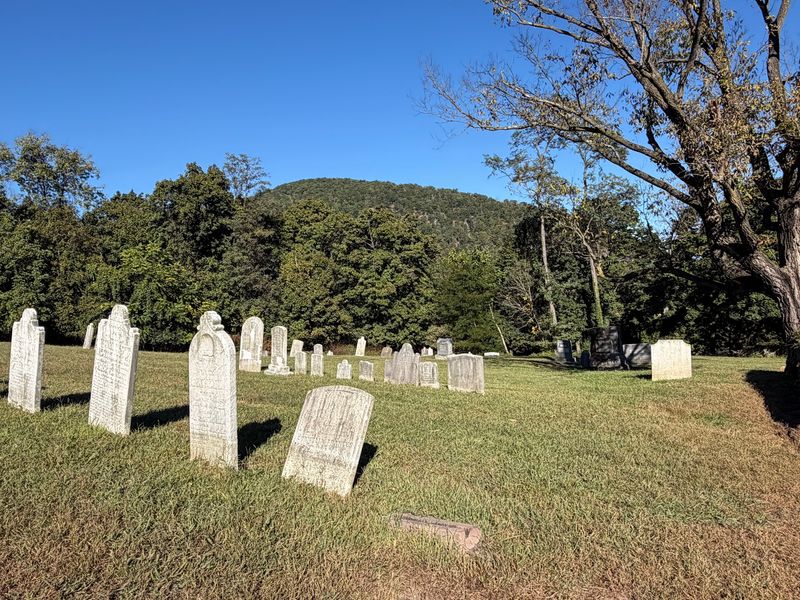
Some stops are loud and busy. This one is the opposite, and that’s exactly its appeal.
History buffs will feel right at home here. Few places let you stand beside the grave of the person a famous town is named after.
Hikers looking for a meaningful detour will appreciate it too. It’s close to the trail, peaceful, and full of story.
Retirees and empty nesters exploring the region often love these slower moments. You can wander, read stones, and soak in the scenery without any rush.
Photographers have plenty to work with as well. Old stones, filtered light, and mountain backdrops make for moody, beautiful frames.
One visitor shared a touching thought about Harper having no children to carry his legacy forward. Historical accounts suggest his property passed to relatives instead, which adds a reflective layer to the visit.
Families can come along too, as long as everyone understands it’s a calm place. A quick talk about respect before the climb goes a long way.
Mostly, this spot suits anyone who enjoys a story you can actually stand inside.
Practical Notes Before You Start The Climb
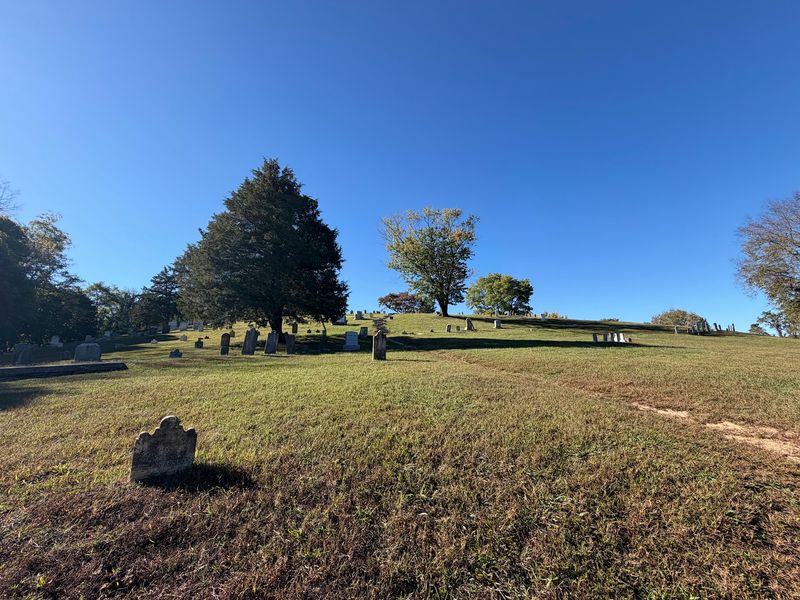
Planning is simple, which is a nice change from crowded attractions. The Gravesite of Robert Harper is listed at Harpers Ferry, WV 25425.
You can reach the cemetery two ways. Visitors point to the side roads in town or the connector trail off the Appalachian Trail.
Many people combine the grave with Harpers Ferry National Historical Park. The park charges an entrance fee for vehicles, so check current rates before you go.
Parking in Lower Town can be limited. The park’s visitor center area and shuttle system often make the trip easier.
Wear sturdy shoes with good grip. Stone steps, roots, and slopes are part of the experience here.
Bring water, especially on warm days. Even a short climb in summer humidity can feel longer than expected.
The cemetery is an outdoor space with no listed facilities of its own. Plan restroom stops in town before heading uphill.
Visit during daylight for safety and the best views. Early mornings tend to be calm, and soft light makes those old stones look their best.
Small Stone, Big Story, Easy Detour
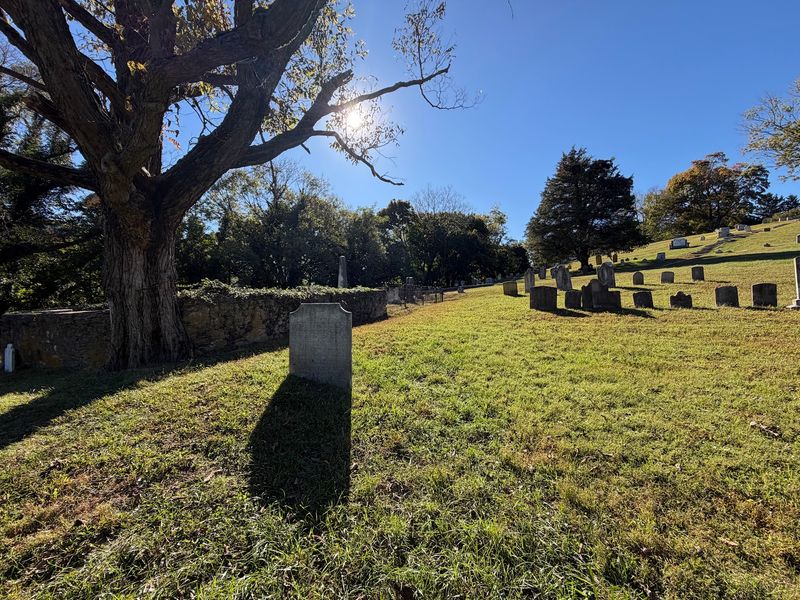
Sometimes the smallest markers tell the biggest stories. Harper’s stone proves that beautifully.
He crossed rivers, built a house that still stands, and gave a town its name. Yet he rests on a quiet hill under a stone you could easily walk past.
I think that’s the magic of this place. It rewards people who slow down and pay attention.
The visit costs very little effort for such a rich payoff. You get history, scenery, and a peaceful break all in one short climb.
Add the Harper House, St. Peter’s, and Jefferson Rock, and you’ve built a lovely half-day walk. Toss in a few Appalachian Trail miles if your legs are feeling bold.
West Virginia has plenty of famous views. Few pair them with a founder’s grave this personal and this understated.
So next time you’re near the rivers, make the detour uphill. Stand by that modest stone for a minute and think about the ferry that started it all.
Robert Harper never asked for a grand monument. His whole town ended up becoming one instead.
