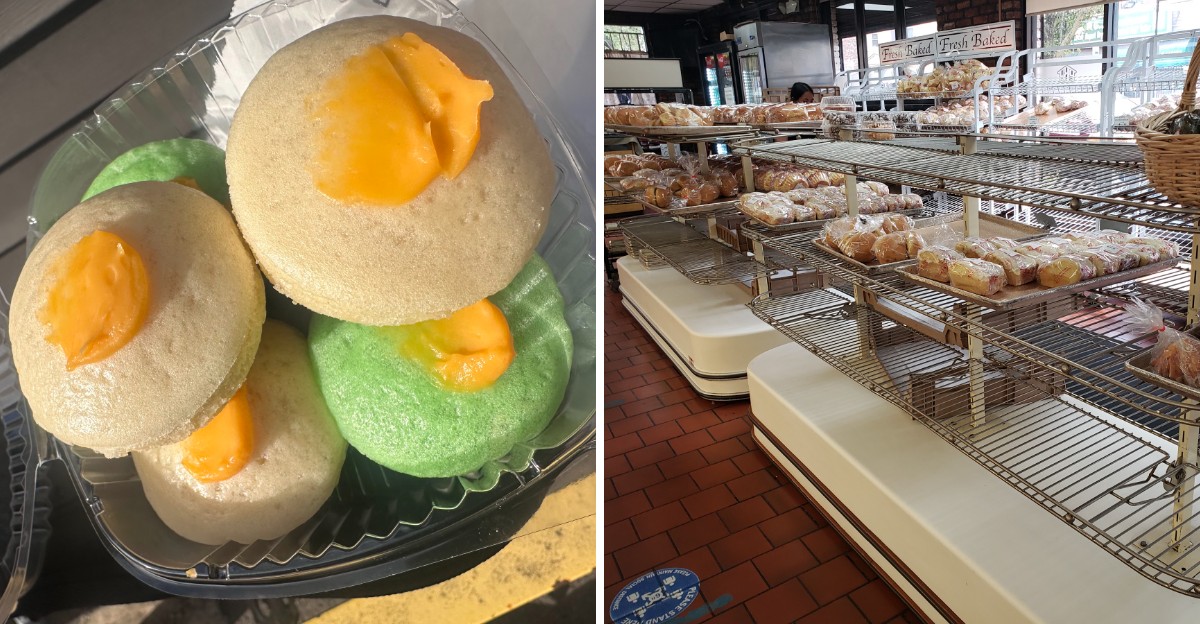
Bright purple ube shows up in the bread, the cake, the jam, and even the ensaymada at this place. That’s a lot of purple yam under one roof, and I’m not complaining one bit.
The bakery makes its breads from family recipes, prepared from scratch with fresh ingredients. Pan de sal leads the way, those golden, slightly sweet rolls Filipinos grew up eating for breakfast.
Then come coconut-filled rolls, cheese rolls, and sponge cakes.
What gets me is the back of the shop. A steam table serves savory Filipino dishes, including tangy, vinegar-based specialties and kare-kare, while halo-halo offers a sweet, icy finish.
So you can grab breakfast bread and a full lunch in one stop.
And it all started decades ago, right here in New Jersey.
One Woman From Manila Started Something That Outlasted Disco
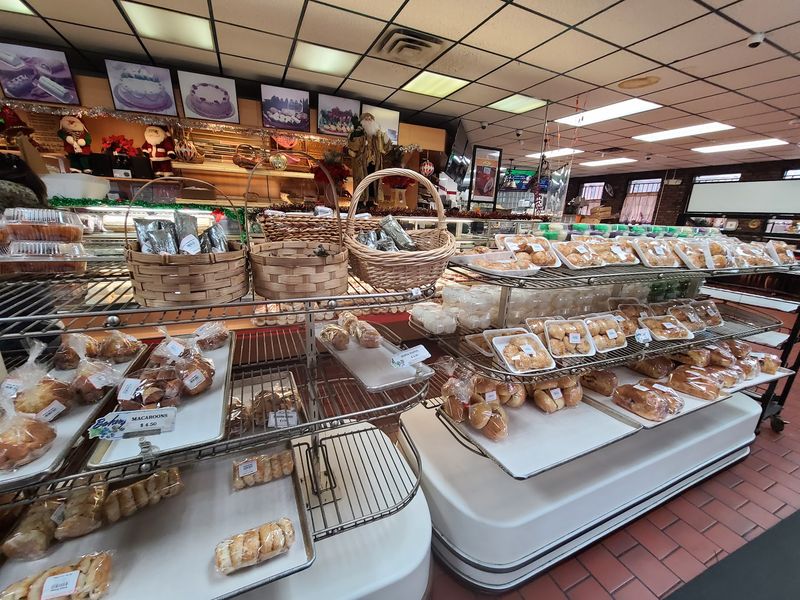
Back in 1979, Elma Santander opened Philippine Bread House after moving to the United States from Manila. She brought recipes from home and built a bakery around them.
That bakery is still going today in Jersey City, New Jersey. More than 40 years later, the ovens are still turning out Filipino breads and cakes.
Plenty of businesses come and go in a few short years. Lasting four decades takes steady work, loyal neighbors, and food people genuinely want to eat.
Fair to say this one checks all three boxes.
The family-recipe approach still matters here. Breads, cakes, and rolls are made from scratch, using fresh ingredients rather than shortcuts.
For many Filipino families, a shop like this offers a real taste of home. For everyone else, it’s an easy, friendly introduction to a whole baking tradition.
Knowing the backstory makes a simple bag of rolls feel a little more meaningful. You’re tasting something one immigrant baker carried across an ocean and kept alive.
So when you stop by, take a second to appreciate that history. Then go ahead and grab the bread, because that’s honestly the best way to honor it.
Your Breakfast Plans Should Start With A Bag Of Pan De Sal
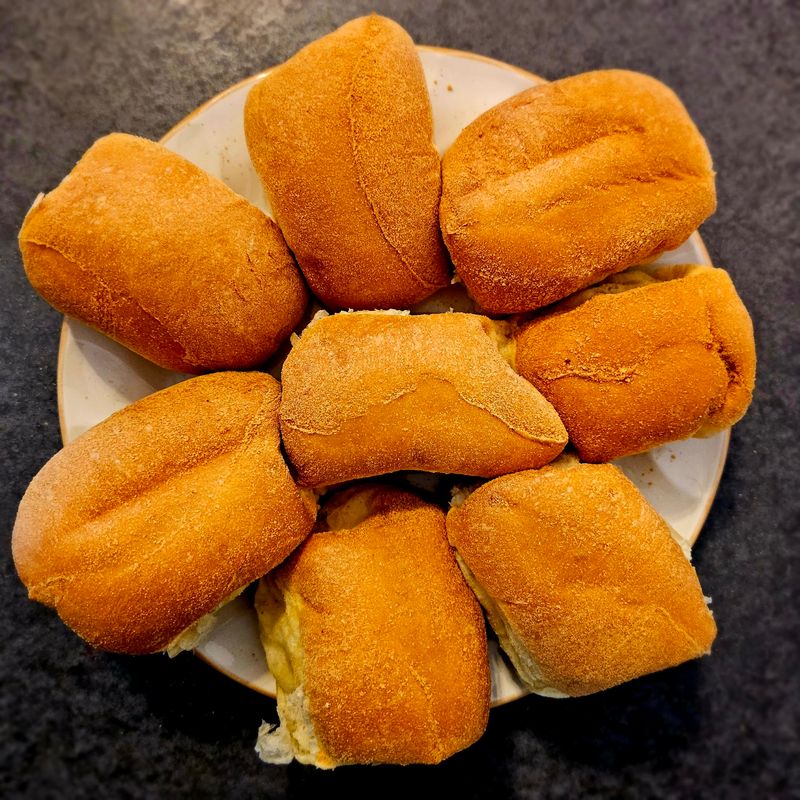
Soft, golden, and lightly sweet, pan de sal is the star at Philippine Bread House. These are the classic back-home style rolls that so many Filipinos eat for breakfast.
The idea is beautifully simple. A small round roll, baked fresh, ready for butter, cheese, or a dip into hot coffee.
Pan de sal can also come with fillings here. That gives you a fun way to turn a plain breakfast roll into something more like a snack.
Timing helps a lot with bread like this. Morning is the natural time to go, since the bakery opens at 7 AM and fresh rolls are what you’re after.
Showing up later can work too. Just know that popular breads may not last forever on the shelves.
Here’s a handy tip for families. Buy an extra bag and stash some in the freezer, then warm them in the oven later.
Pan de sal also works well beyond breakfast. Use the rolls for small sandwiches, pair them with soup, or serve them at a party.
Honestly, it’s tough to leave with just one bag. Your kitchen counter will thank you.
Ensaymada Is The Buttery Swirl Worth Fighting Your Sibling Over
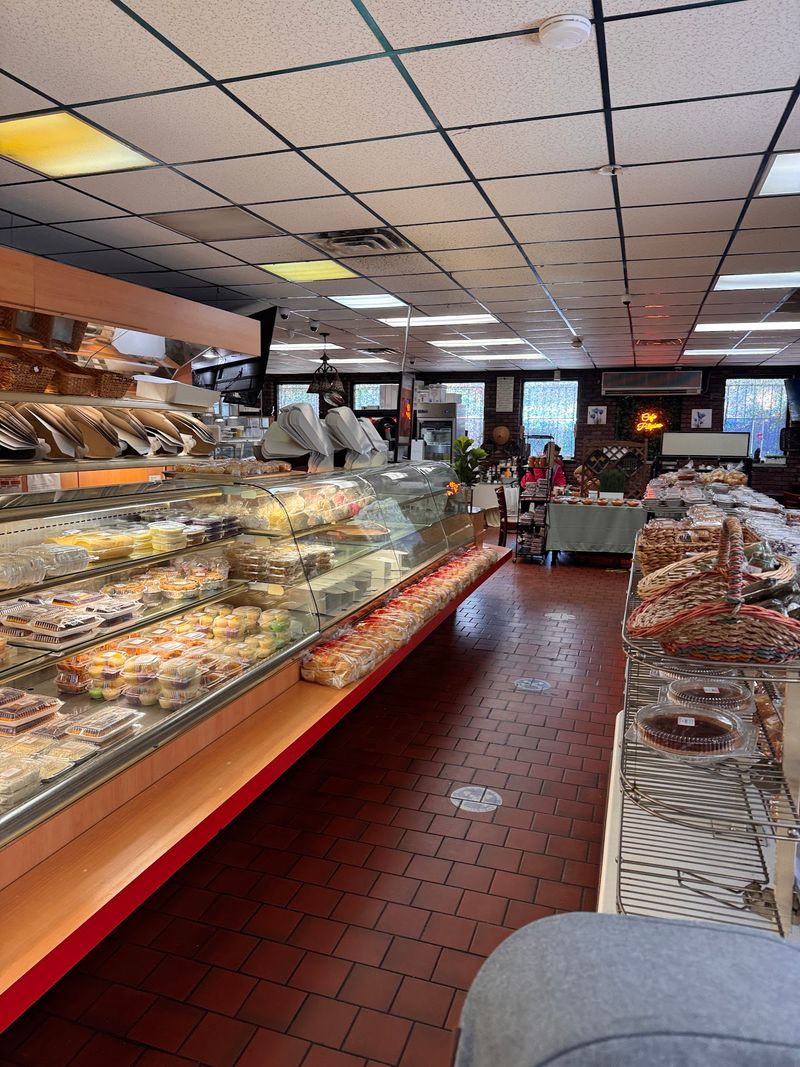
Butter, sugar, and real cheese all land on top of one soft pastry. That’s ensaymada, and Philippine Bread House treats it with serious respect.
Think of it as a Philippine take on brioche. The bread is tender and rich, while the topping brings a sweet and salty balance.
Cheese on a sweet roll might sound odd at first. Then you taste how well it works, and suddenly it makes perfect sense.
The bakery offers different versions too. Some come filled with coconut, while others feature purple yam.
Ube ensaymada is the one that grabs attention fastest. That purple color stands out in any bakery case.
If you’re new to Filipino baking, ensaymada is a smart first pick. It feels familiar enough to enjoy right away but still different from typical American pastries.
It also makes a lovely gift. Bring a box to a family gathering or office breakfast, and watch it vanish.
One fair warning, though. Splitting one with a sibling may lead to a tense negotiation over who gets the bigger half.
Maybe just buy two. Peace at home is worth it.
Purple Yam Fans, Prepare To Lose Count
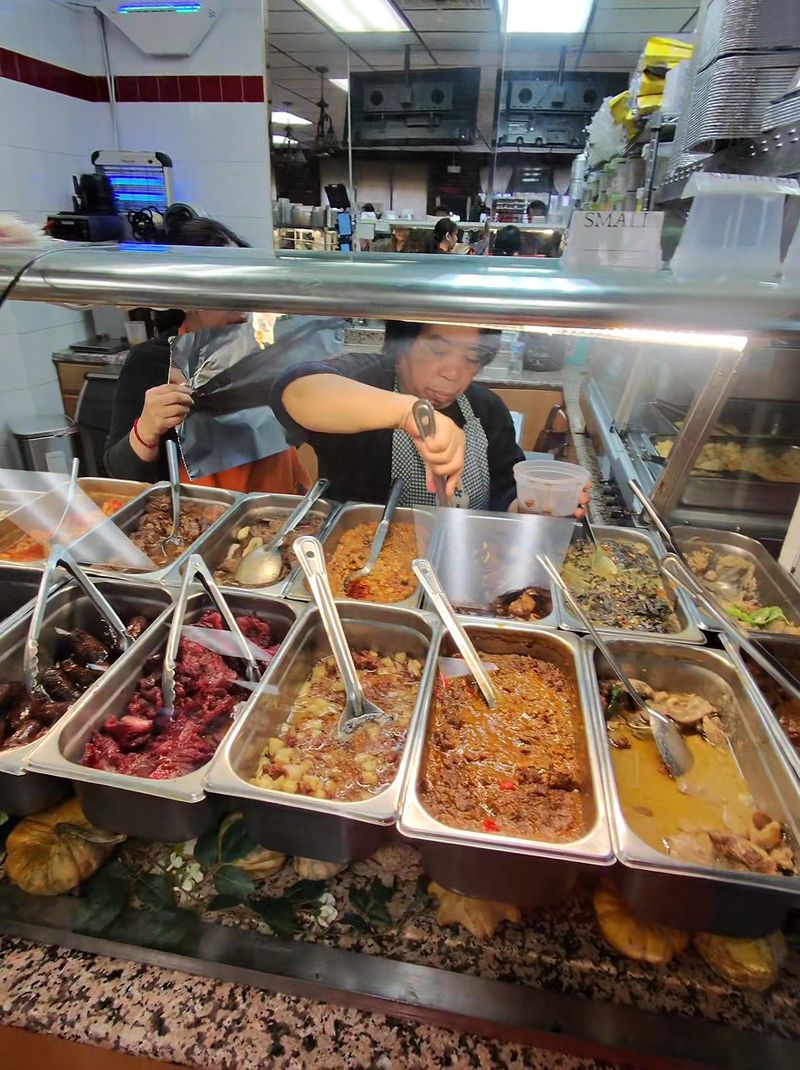
Ube bread. Ube cake.
Ube ensaymada. Ube halaya.
At Philippine Bread House, purple yam pops up almost everywhere you look.
Ube is a purple yam used across Filipino desserts. It has a gentle sweetness and a color that looks almost too bright to be real.
The ube cake here often comes with shredded coconut filling. That pairing gives each slice a little extra texture and tropical flavor.
Then there’s ube halaya, a purple yam jam. It’s a traditional treat you can enjoy by the spoonful or spread on warm bread.
Ube bread offers an easy everyday option. It’s a great pick for kids who are curious about that purple color.
A smart plan is to try a few ube items side by side. Compare the cake, the bread, and the jam to see which version you like best.
This is also a fun spot for anyone who has only tried ube in ice cream or lattes. Here, you get to see it in its traditional baked forms.
Yep, you might leave with a very purple shopping bag. No shame in that.
The Roll Lineup Goes Way Deeper Than You Expect
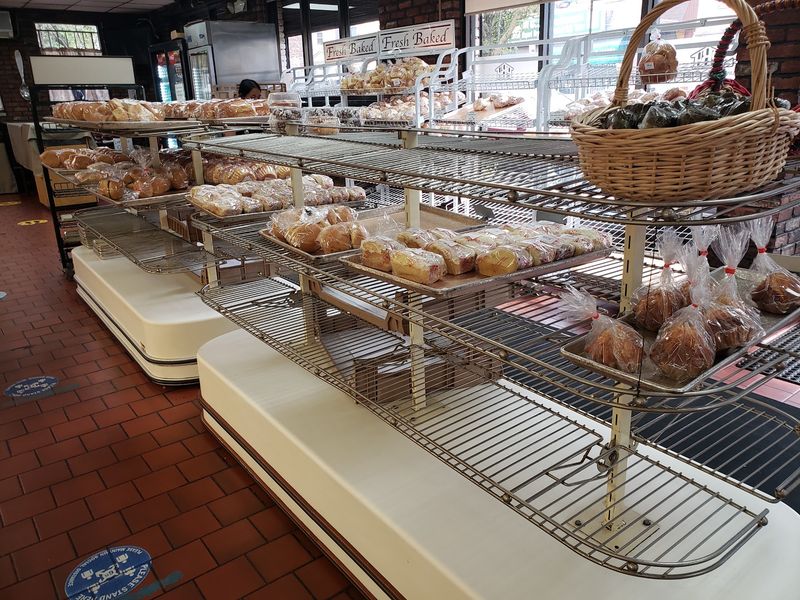
Coconut lovers get their own reward in pan de coco, a roll filled with shredded coconut. And that’s just one of many breads worth a closer look at Philippine Bread House.
Cheese rolls come filled with cream cheese. Spanish rolls add yet another option to the shelves.
Monay is a classic Filipino bread with a dense, satisfying bite. Pan de lemon brings a bright twist to the lineup.
Mongo Bread is another name to know. This Filipino favorite features a sweetened mung bean filling, so expect something different from the usual fruit-filled pastries.
For cake fans, mamon is a light sponge cake. Taisan mini offers a Philippine take on American pound cake.
Brazo de Mercedes deserves a special shout. It’s a dessert of sweetened cooked egg yolk rolled into meringue, and it looks wonderfully fancy.
With this much choice, a mix-and-match approach works best. Grab one of several items and turn it into a tasting session at home.
Kids can rate their favorites, and adults can secretly do the same. Either way, you’ll learn a lot about Filipino baking in one trip.
Rice Cakes And Old-School Sweets Bring The Nostalgia
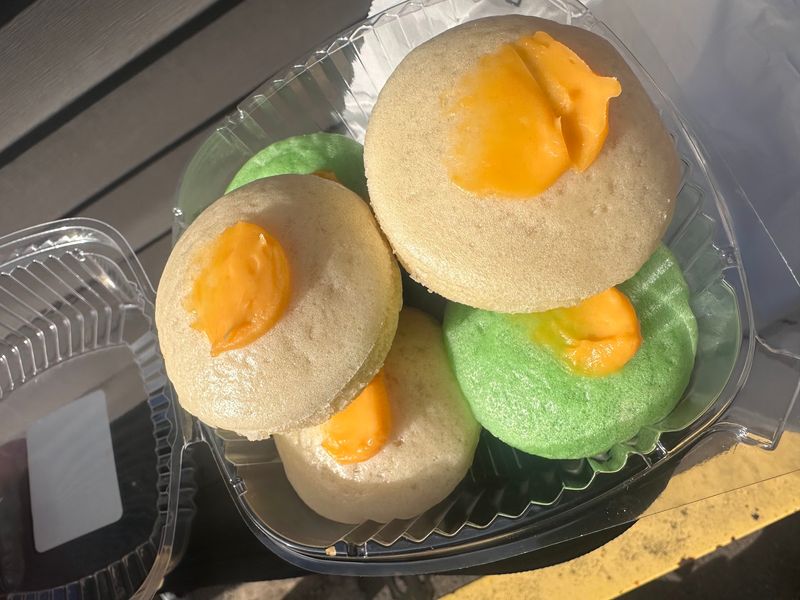
Not every treat here comes from a bread oven. Philippine Bread House also carries native Filipino delicacies that feel like a trip to a grandmother’s kitchen.
Bibingka cassava is a cassava cake with a rich, homey feel. Bibingka malagkit is a baked sweet rice cake.
Espasol is a fun one to explain to friends. It’s a cylindrical dessert made with toasted flour, coconut strips, and condensed milk.
Puto is a steamed rice cake, often small and easy to snack on. Kuchita also appears on the list for anyone exploring further.
Polvoron rounds things out nicely. This crumbly powder candy is a classic Filipino sweet.
For Filipino families, these treats can stir up strong memories of holidays and celebrations. For newcomers, they’re a delicious history lesson in edible form.
These items also make great party additions. A tray of cassava cake or puto can bring something special to a potluck.
If you’re unsure where to begin, start with cassava cake. It’s approachable, filling, and a smart gateway to the rest of the delicacies.
Then come back for espasol next time. Curiosity pays off here.
Head To The Back For A Full Filipino Lunch
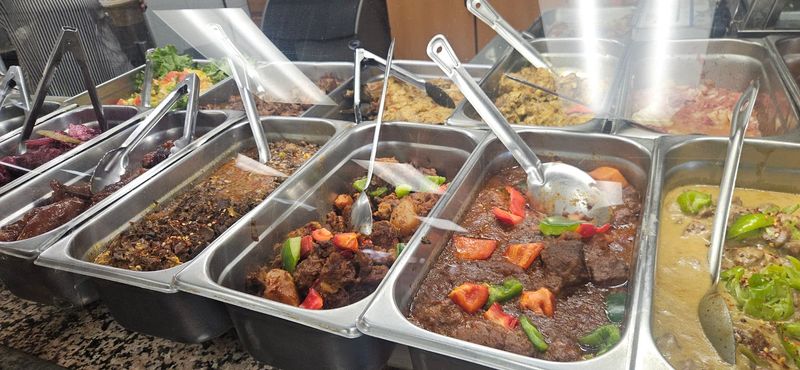
Most bakeries stop at bread. Philippine Bread House keeps going with a hot food counter at the rear of the shop.
A steam table there serves savory Filipino dishes. Many feature pork and fish, often with a tangy, vinegary flavor.
Kare kare is one standout. It’s an oxtail and green bean stew thickened with peanut butter, and it’s a true Filipino comfort dish.
Halo-halo is also on the menu. This Filipino crushed ice dessert is a fun way to cool off after a savory plate.
Planning a bigger celebration? You can order larger items like lechon, a roast suckling pig, and glazed ham.
That makes this spot useful for birthdays, holidays, and family parties. Pair the hot food with breads and a custom cake for one easy shopping trip.
The counter is also handy for a quick solo meal. The casual setup suits anyone who just wants good food without fuss.
A simple strategy works well here. Grab lunch from the steam table, then pick up a bag of rolls on your way out.
Lunch and tomorrow’s breakfast, both sorted. Pretty efficient, right?
Birthday Cake Duty Just Got A Whole Lot Easier
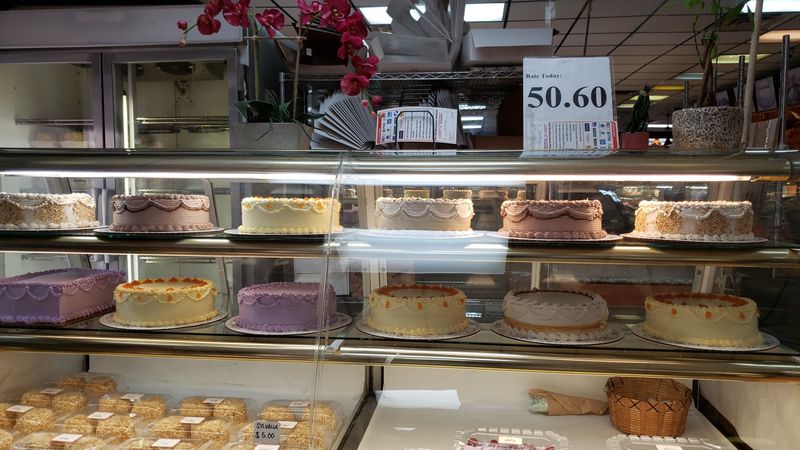
Green cake, anyone? The pandan cake at Philippine Bread House is known for its green color and fragrant aroma.
Pandan is a tropical leaf used throughout Southeast Asian baking. It gives desserts a sweet, almost grassy scent that’s tough to describe and easy to love.
The cake case doesn’t stop there. You’ll find ube cake, Black Forest cake, chocolate cake, and mango cream cake.
Chocolate truffles also appear on the list. They’re a nice small treat when a full cake feels like too much.
Custom cakes for special occasions are a big plus. Birthdays, graduations, and anniversaries all deserve something memorable.
A mix of guests can make choosing a cake tricky. Pairing a familiar chocolate cake with an ube or pandan cake can please everyone.
Ordering ahead is the smart move for custom cakes. Give the bakery enough time so your celebration goes smoothly.
Picking up a cake here also tells a little story at the party. Guests may ask about the purple or green colors, and you get to explain.
Suddenly you’re the person who brought the most interesting dessert. Not a bad title to hold.
Look For The Red Building Near Journal Square
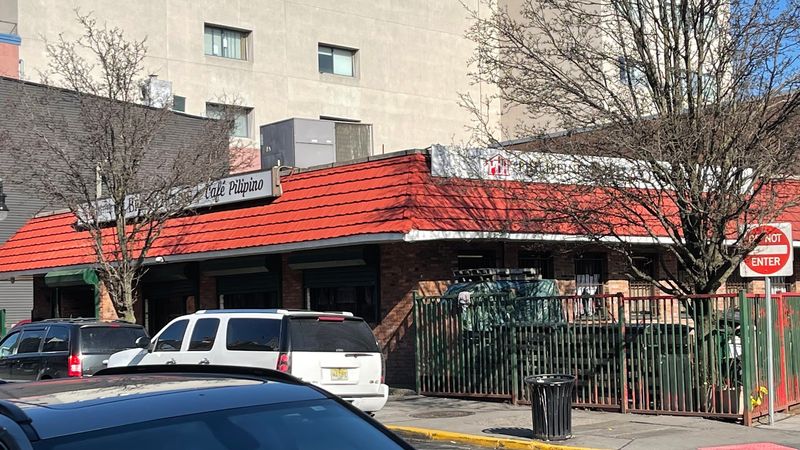
Spotting this bakery is easier than you might think. Philippine Bread House sits in a prominent red building on Newark Avenue, visible as you approach Journal Square.
The full address is 530 Newark Ave, Jersey City, NJ 07306. It’s part of a small complex with other Filipino businesses.
That setup makes the area feel like a mini community hub. You can easily spend a little extra time exploring nearby Filipino spots.
The bakery opens at 7 AM. Hours can shift, so it’s wise to check before heading out, especially later in the day.
Jersey City has a strong Filipino community, and this shop has served it for decades. The bakery has long felt like a gathering place for anyone missing home.
A quick planning tip helps here. Go early for the widest choice of fresh breads and pastries.
Visitors from elsewhere in New Jersey or across the Hudson can make a fun food outing of it. Bring a cooler bag if you plan to stock up.
After more than 40 years, this red building is still serving sweet breads. That’s a pretty delicious reason to make the trip.
