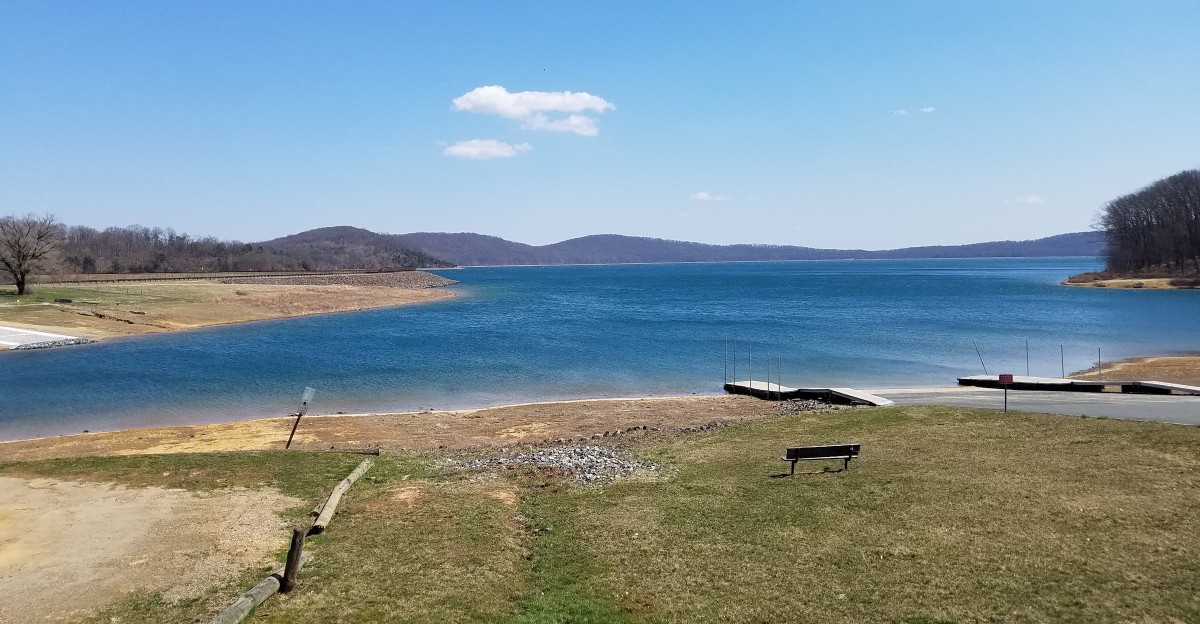
Sixteen farmhouses were picked up and moved uphill so a valley could be filled with water. That’s the detail I can’t get over.
The homes that stayed behind weren’t so lucky. Their stone foundations still sit on the lake floor, and divers have spotted them down there.
Up top, it’s a whole different mood. The water is famously clear, the hills are wooded, and kayaks drift past like nothing ever happened.
This New Jersey lake holds billions of gallons of drinking water and more state fishing records than anywhere else. It even has a spooky nickname.
I’d say that’s a lot of personality for one body of water.
A Whole Valley Once Grew Crops Where Boats Now Float
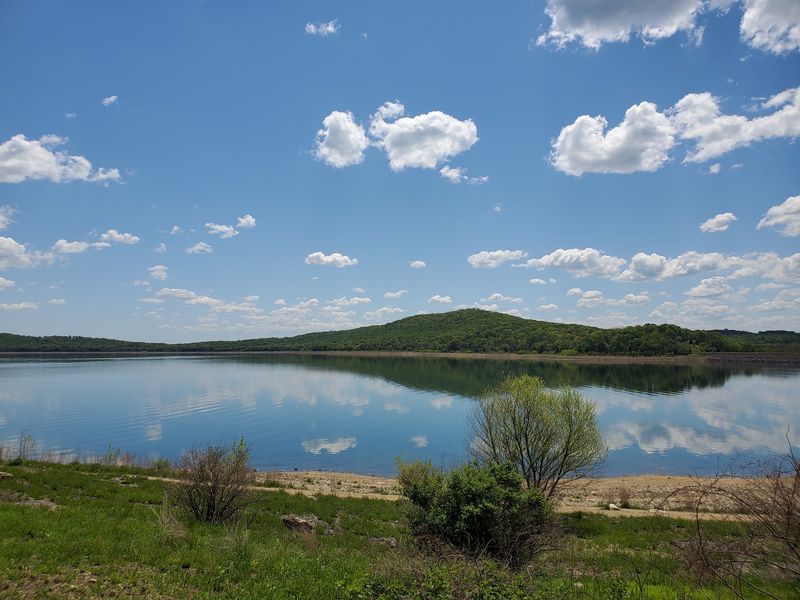
Farm fields, barns, and family homes once filled the bowl-shaped valley now holding Round Valley Reservoir. Generations of Dutch, English, and German settlers worked this land.
Before them, the Lenni Lenape people lived in the area. The valley had a long human story well before any engineer showed up with a plan.
Things changed in 1956 when New Jersey passed the Round Valley Act, authorizing the acquisition of land for the reservoir. The state wanted a big water supply for central New Jersey, and this valley fit the bill.
Local lawmakers fought the purchase, and plenty of residents didn’t want to leave. Their families had farmed here for a very long time.
Construction started in 1960, and the valley filled with water in the early 1960s. Fields that once grew crops slowly disappeared under rising blue water.
Today, the lake sits inside Round Valley Recreation Area in Hunterdon County. It looks so natural that many visitors never guess the backstory.
Knowing the history changes how the place feels. Next time you stand on the shore, try spotting the old valley shape in the hills around you.
That bowl was somebody’s backyard. Now it’s one of the prettiest views in the state.
Some Houses Packed Up and Moved Up the Hill
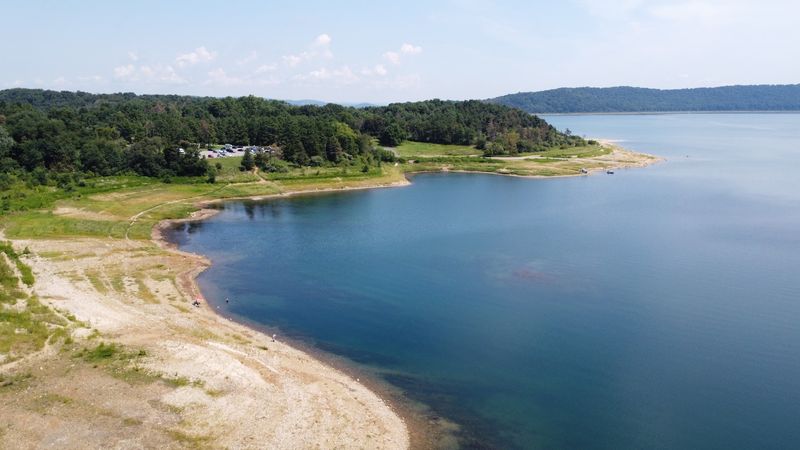
Moving day took on a whole new meaning here. Before the water came, about sixteen homes and several barns were physically relocated to higher ground.
That’s not a figure of speech. These structures were lifted and hauled away so they wouldn’t end up underwater.
Many of them still stand today along Valley Crest Road. They look like regular country homes, which makes the story even better.
Driving past, you’d never know they once sat on the valley floor. Each one quietly carries a piece of the old community’s memory.
Other buildings didn’t make the trip. Crews took them down and left the foundations behind before the flooding began.
So the valley’s story got split in two. Part of it survives on dry land, while the rest rests below the waterline.
If you enjoy local history, a slow drive nearby can add real meaning to your visit. Just remember these are private homes, so admire them politely from the road.
Honestly, it’s a pretty great trivia fact for the car ride home. Not every neighborhood can say its houses changed addresses for a lake.
Foundations, Maybe a School and a Church, Rest Far Below
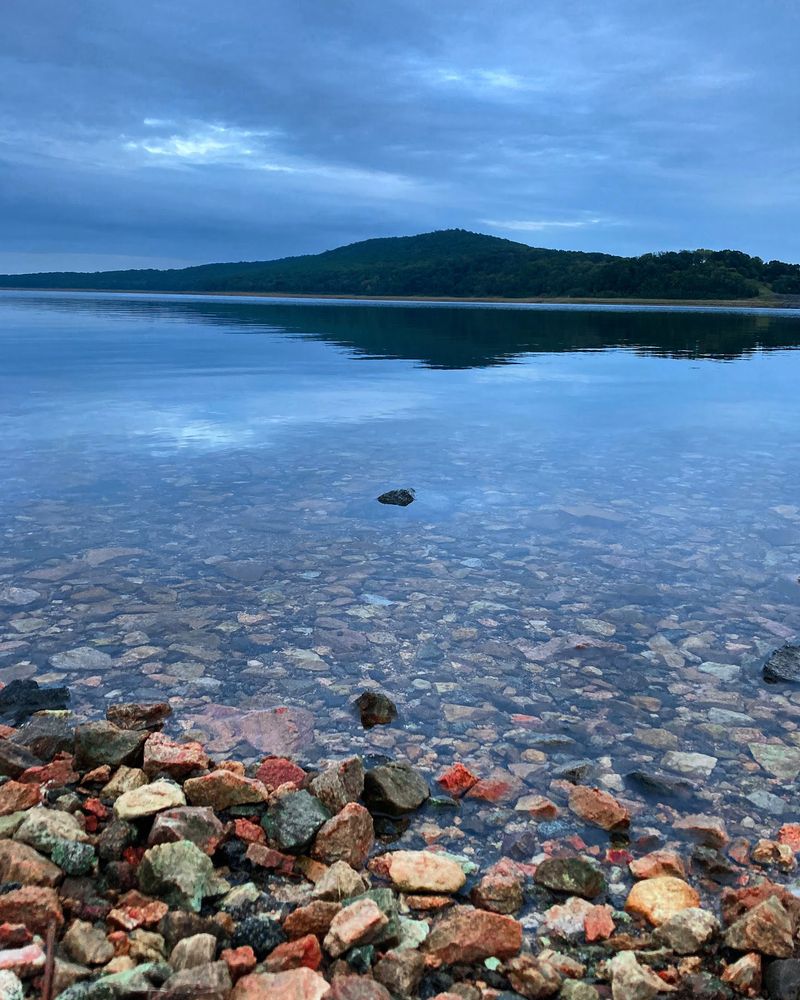
Down on the lakebed, the old valley hasn’t completely vanished. Divers have found stone foundations from homes that once stood there.
Some explorers believe remains of a school and a church are down there too. That adds a whole new layer to a simple swim day.
The reservoir reaches about 180 feet deep at its lowest point. That’s taller than many buildings, all underwater.
Think of it as a time capsule nobody planned on making. The walls are gone, but the outlines of everyday life remain.
Scuba divers with proper certification have been able to explore parts of this underwater landscape. Past diving trips were subject to park permits and strict safety rules.
Scuba diving and snorkeling are closed for the entire 2026 season, according to the park’s current advisory. So check with the park before planning any underwater trip.
Even if you never go under, the thought sticks with you. Paddling over the surface feels different when you know a community lies beneath.
Yeah, I’m definitely looking down a little longer at that clear water. It’s history you can almost see but can’t quite reach.
Water This Clear Feels Almost Unreal
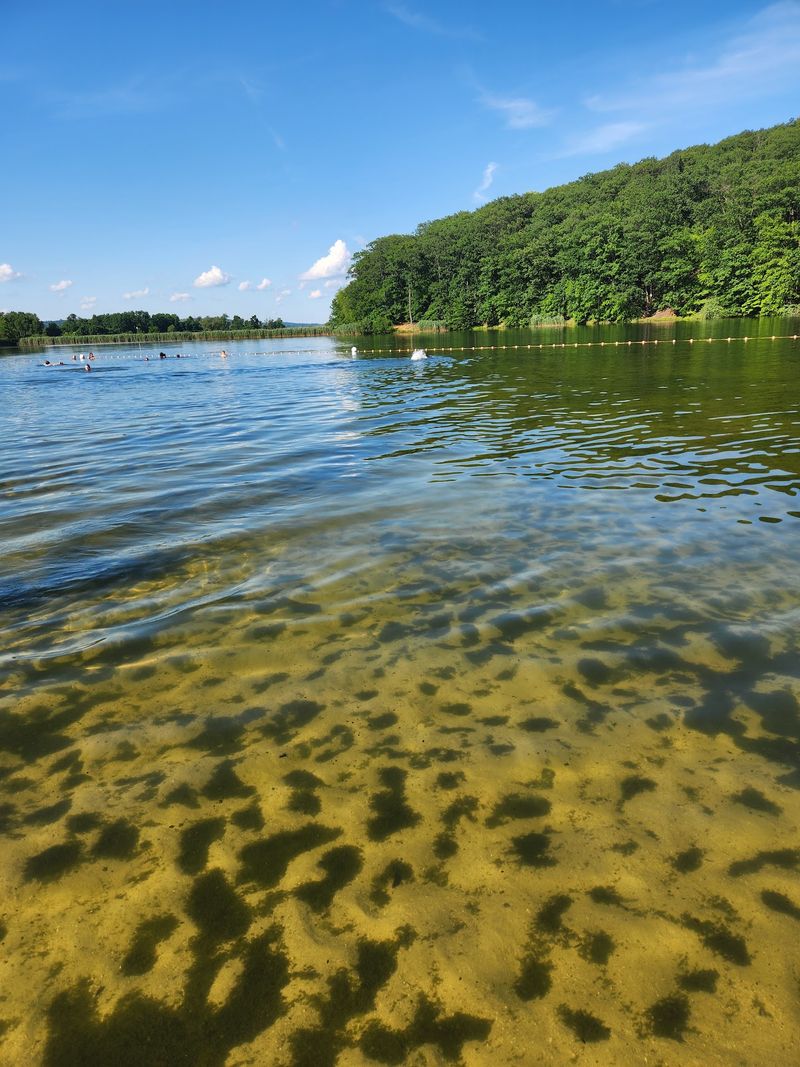
Crystal clear isn’t an exaggeration at Round Valley Reservoir. The water often looks blue enough to belong somewhere tropical.
There’s a practical reason for that. It’s a pumped-storage reservoir, so water is pumped in rather than draining down from muddy streams.
Less runoff means less murk. That’s why the lake stays so bright, even compared with other New Jersey lakes.
The setting helps too. The Cushetunk Mountains wrap around the water, and they were once part of an ancient volcanic formation.
Softer rock in the middle wore away over time. That erosion left the round bowl that gave the valley its name.
So the scenery is basically a geology lesson with better lighting. Evening sun on the water is a favorite time for photos.
Bring a camera and pick a calm day if you can. Still water shows off that color best.
Fair warning, the water stays cold even in summer, especially deeper down. Admire it from a kayak or the shore, and save swimming for the guarded beach area.
Anglers Come Chasing Record-Breaking Fish
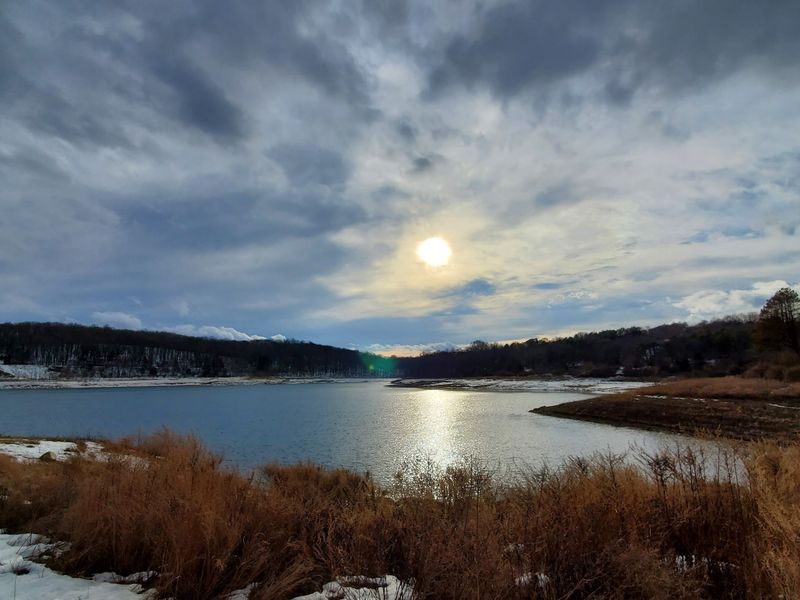
Record books love this lake. Round Valley holds more New Jersey state records for freshwater sport fish than any other waterbody.
That’s a serious bragging point. Anglers come hoping their catch might land a spot in history.
The big star is lake trout. It’s one of only two lakes in New Jersey where you’ll find them.
Even better, it’s among the southernmost locations in the United States with a naturally reproducing lake trout population. Those deep, cold waters make it possible.
Other targets include smallmouth bass, brown trout, and rainbow trout. American eel live here too, which keeps things interesting.
NJ Fish and Wildlife stocks the reservoir. That helps keep the fishing strong year after year.
Before you cast, grab a valid New Jersey fishing license. Rules on size and seasons can change, so review them first.
Patience matters here, since deep-water fish don’t always cooperate. Bring layers, snacks, and a good attitude.
Even a quiet day on this water beats most busy afternoons. And if something huge bites, you’ll have a story worth telling for years.
Trails Range From Easy Strolls to Leg Burners
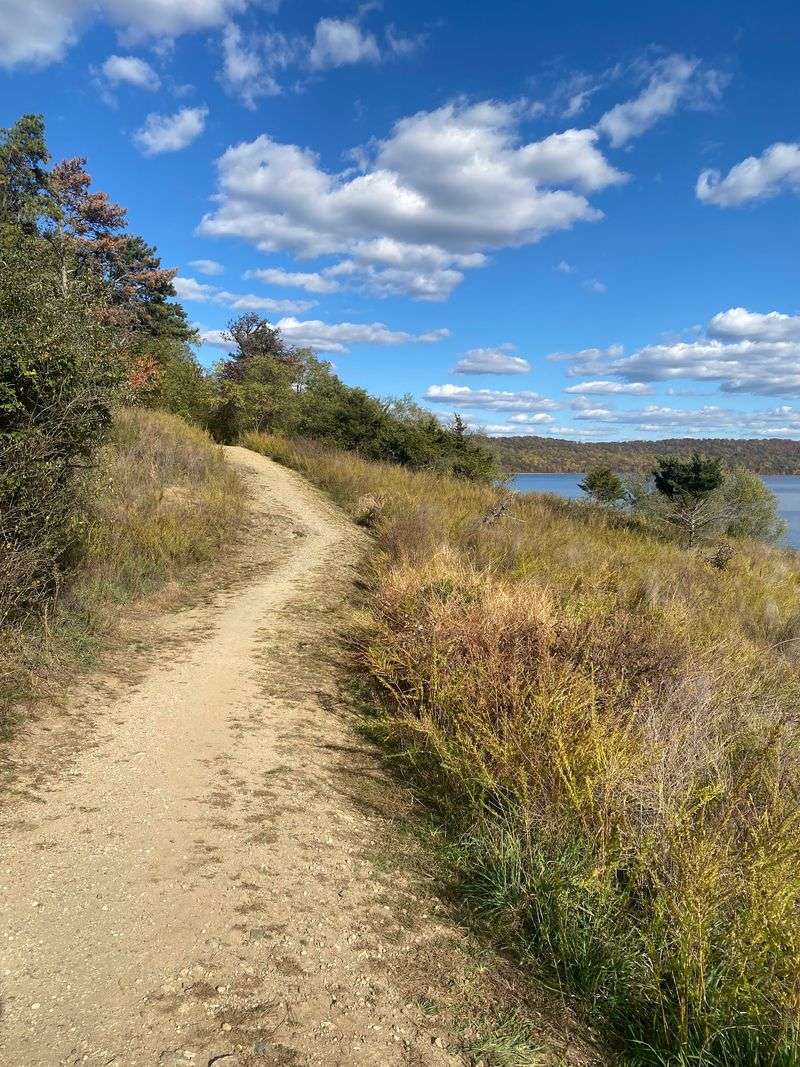
Your legs get options at Round Valley Recreation Area. The trail network covers hiking, mountain biking, and horseback riding.
The Cushetunk Trail is the big one. It stretches approximately 8.35 miles along the Cushetunk Mountain ridge, passing through wooded and meadow areas with rugged terrain and reservoir views.
Expect rocky ground and real climbs. It’s a good pick if you want a workout with lake views.
Want something gentler? The Pine Tree Trail makes a shorter loop through the woods.
The Water Trail follows the shoreline for a calmer walk. Pairing it with the Pine Tree Trail makes a nice combo.
Winter visits can feel extra peaceful. Fewer people and bare trees open up wider views of the water.
Pack water and wear sturdy shoes, even on short routes. The terrain can surprise you after a rain.
Leashed dogs are welcome on many trails, which is great news for pups. Just clean up after them, please.
The hills around the lake are the same ones that once surrounded those old farms. You’re hiking the edge of a lost valley, and that makes every overlook a little more meaningful.
Beach Days Come With a Lifeguard and a Snack Stand
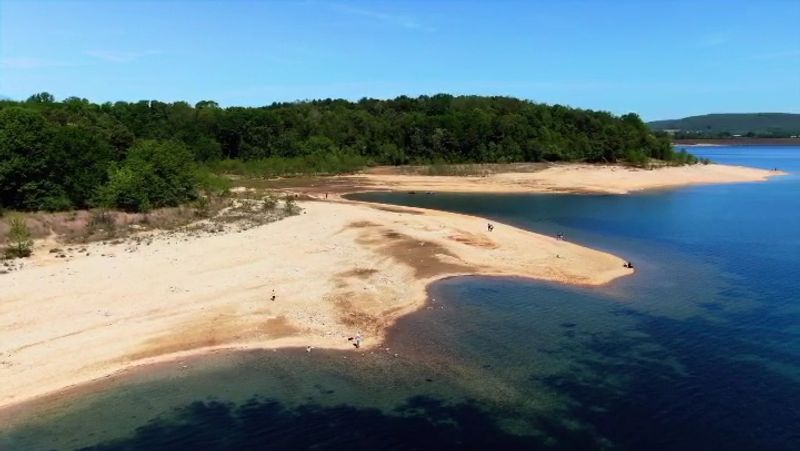
Summer at the park has a classic beach-day setup. There’s a designated swimming area with lifeguards on duty in season.
Here’s a smart design detail. An earth dam separates the swimming beach from the main reservoir.
That keeps swimmers away from the deep, cold open water. It’s the safest way to cool off here.
The beach complex includes changing areas and restrooms. A concession stand runs during the summer months too.
Picnic tables and grills sit nearby, so you can make a full day of it. A playground gives kids another way to burn energy.
The park sits at 1220 Stanton-Lebanon Road in Lebanon, New Jersey. Plenty of parking is available.
A daily entrance fee applies in season. Arriving early on hot weekends is a good idea.
Stick to the guarded beach for swimming. The open reservoir is much colder and deeper than it looks.
Pack sunscreen, towels, and a cooler. Then settle back, enjoy that blue water, and let the kids splash where the lifeguards can see them.
Camping Here Means Earning Your Campsite
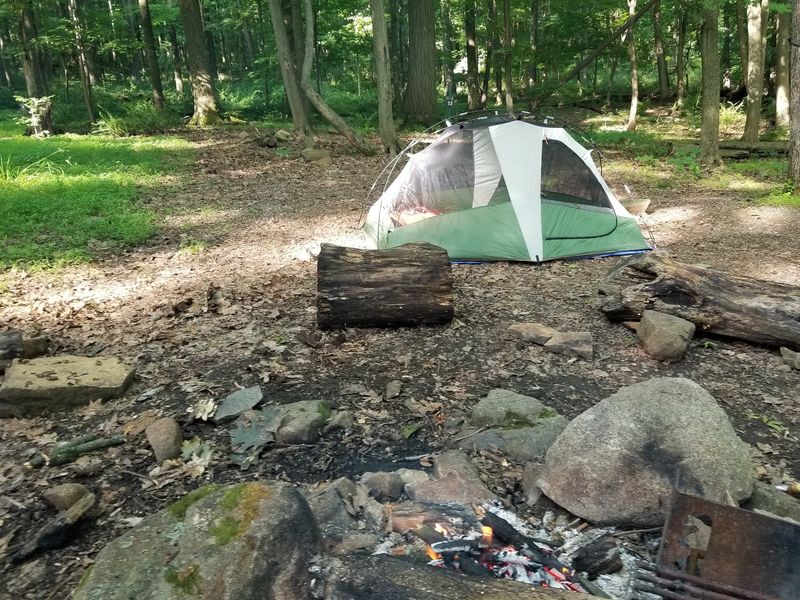
No car can reach these campsites, and that’s the whole point. Round Valley is the only New Jersey state park offering this kind of wilderness camping.
The sites sit along the southeastern shoreline. They rest near the base of Cushetunk Mountain.
Getting there takes effort. You’ll hike roughly three to six miles on steep, rugged trail or arrive by boat.
That’s why the park recommends it for experienced backpackers and boaters. A heavy pack makes those hills feel twice as tall.
Each site has a fire ring. Campers can reach drinking water and pit toilets in the area.
Group sites are also available for bigger crews. Reservations are a must, so plan ahead.
Pack light and test your gear before the trip. This isn’t the place for a giant cooler or a wobbly tent.
Boating in can save your back if you have the skills. Just watch the weather on open water.
The reward is real quiet and a starry sky over the lake. Falling asleep above an old valley is pretty unforgettable.
Respect the Deep Water and Its Spooky Nickname
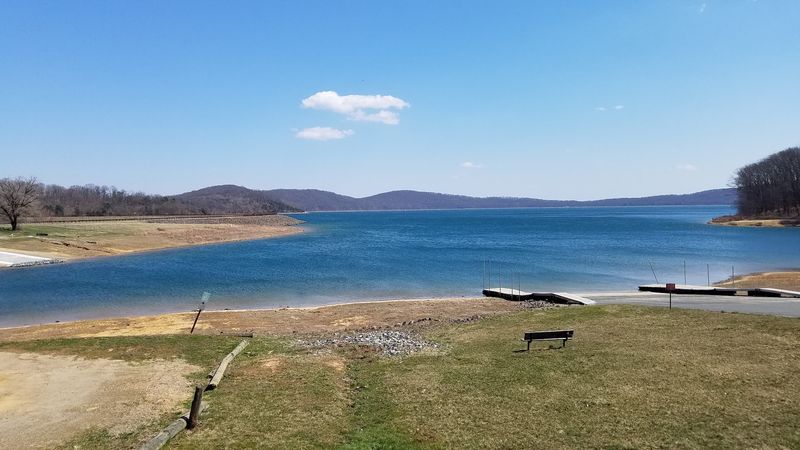
Some online videos call this lake the Bermuda Triangle of New Jersey. The nickname comes from a long list of tragic water accidents since the 1970s.
The causes are pretty down to earth. Extremely cold water and that 180-foot depth create real risks.
Even in summer, deep water stays chilly. Cold shock can tire strong swimmers quickly.
Underwater trees and old structures from the farming valley add another hazard. The lost community still shapes the lake today.
So enjoy it wisely. Wear a life jacket whenever you kayak, paddleboard, or boat.
Swim only at the guarded beach. Check weather before heading out on open water.
Park patrols help keep watch, but personal caution matters most. Telling someone your plans is always smart.
The reservoir also does serious work. The New Jersey Water Supply Authority uses it to help supply water for over 1.5 million residents.
Crews have upgraded its three earth dams, which rank among the state’s tallest. So this beautiful lake is part history, part playground, and part lifeline.
Treat it with care, and it gives back a lot.
