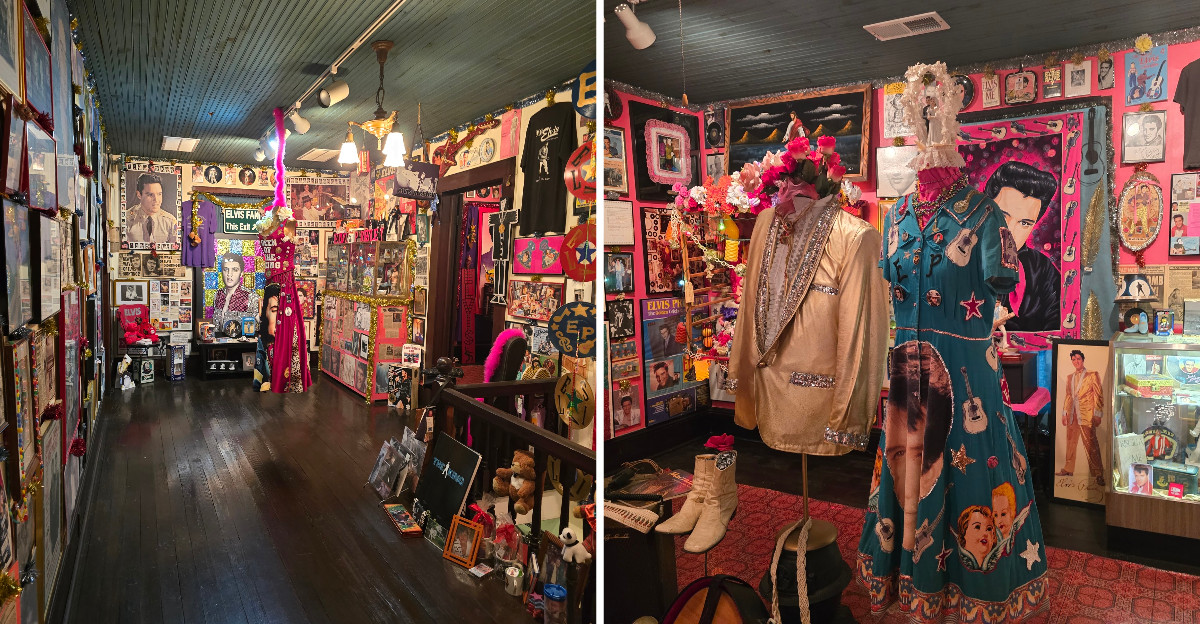
A tiny wart in a jar on red velvet is not what most people expect to find in a Georgia boarding house. An old 1908 home in the hills of northeast Georgia holds one of the wildest Elvis collections on the planet.
More than 30,000 pieces of King-related treasure fill the rooms, and one of them is said to have come straight off his wrist. Laughter comes first when hearing about it, then curiosity takes over.
The place feels part art show, part history lesson, and part joyful fan shrine. Walking through the rooms, the strange and the sincere share the same shelf.
Every corner holds a story, a joke, or a piece of music history. Hours slip away without notice.
This is the kind of stop that sticks with you long after the drive away. Georgia keeps this treasure in plain sight, and it rewards anyone curious enough to knock on the door.
Music lovers, roadside adventurers, and fans of old Southern homes will all find something to remember here.
The Wart That Made a Small Town Famous
My first thought was simple: who keeps a wart? Then I learned the story, and it all started to make a funny kind of sense.
According to Joni Mabe, the wart was removed from Elvis Presley’s right wrist around 1957 or 1958, just before he went into the army.
Joni bought it from the doctor who did the removal, and she has guarded it ever since. Today it rests in formaldehyde, presented on a bed of red velvet like a royal jewel.
Honestly, the display is so serious that it becomes hilarious, and I think that is part of the charm.
You do not have to be a die-hard fan to enjoy this moment. Kids tend to squeal, grown-ups lean in close, and everyone ends up asking the same questions.
Is it real, how did she find it, and what would Elvis think?
My advice is to take your time here and read the labels nearby. Joni’s notes add humor and backstory that make the tiny object feel bigger than life.
Snap a photo if allowed, because friends back home will never believe you otherwise. It is the kind of souvenir story that gets better every time you tell it.
A 1908 Boarding House With Stories in Its Walls

Before I ever reached the Elvis rooms, the house itself won me over. A wide wrap-around porch greets you out front, the kind that begs for a slow chat on a warm afternoon.
Built in 1908, the Loudermilk Boarding House is now listed on the National Register of Historic Places.
Inside, a lovely stairway rises from the entry, and the lower floors focus on the home’s past as a boarding house. Old relics and family items help you picture travelers and workers who once rented rooms here.
It gives the museum a grounded, homey feeling that many flashy attractions lack.
Small details are worth noticing as you move around. Look at the woodwork, the windows, and the way the rooms connect, because builders back then cared about craft.
I found myself imagining dinner bells and creaky floors at night.
Did you know the house was once slated for destruction? Saving it turned a piece of Cornelia history into a lasting home for art and music memories.
Give the downstairs a real look before rushing up to the King. The contrast between quiet history and loud Elvis fandom makes the whole visit richer.
Climbing Up to the King’s Third Floor
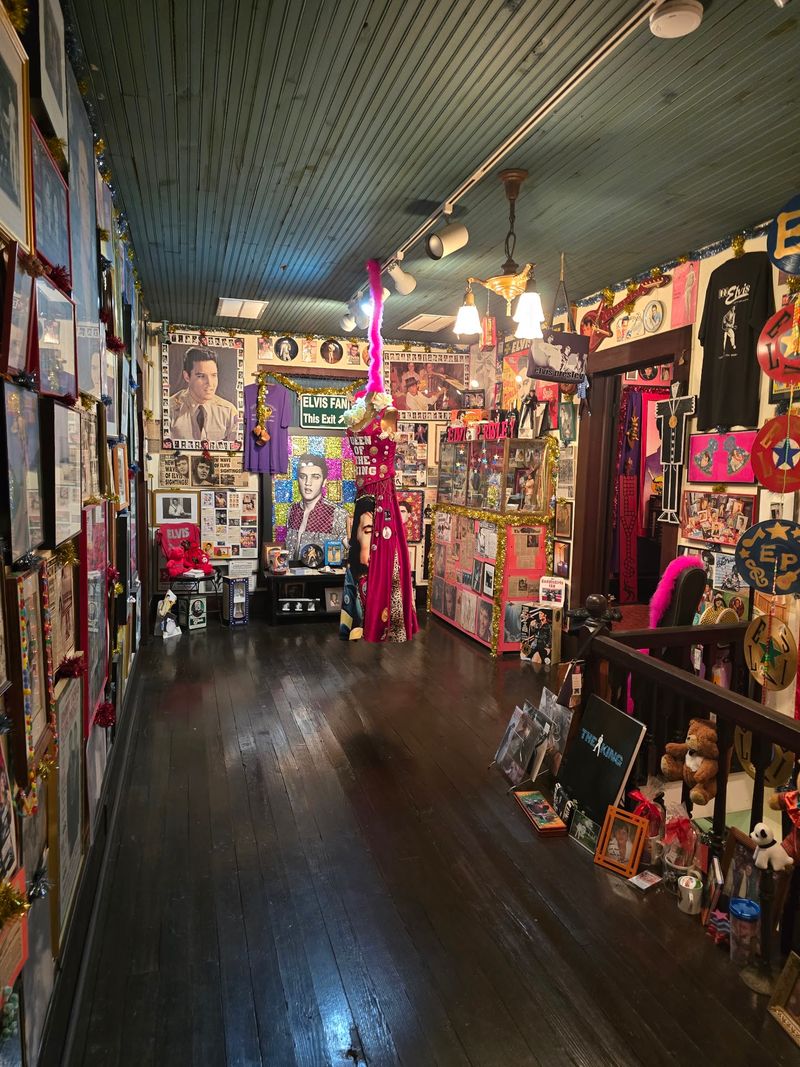
Something about climbing stairs to reach Elvis felt perfect, like going backstage at a concert. The main collection lives on the third floor, so you get a little build-up before the big reveal.
Music drifts down as you climb, and suddenly the old house starts humming with rock and roll.
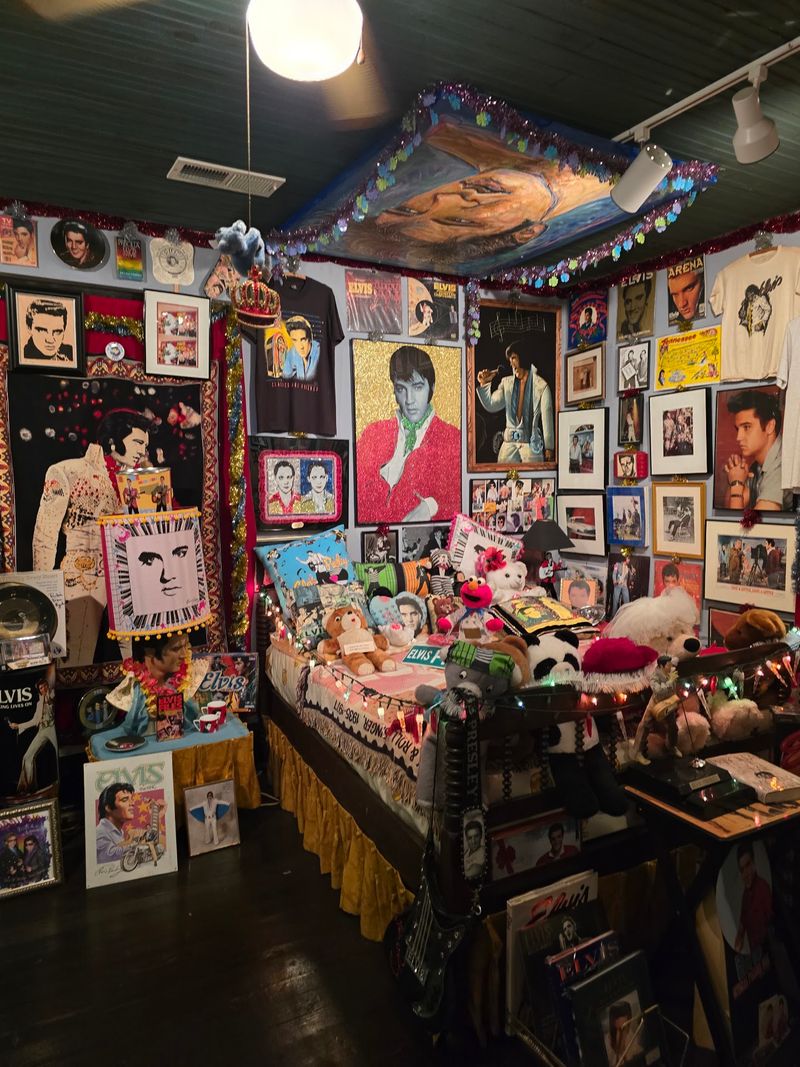
At the top, the rooms explode with color. Posters, records, pins, and photos cover nearly every surface, and your eyes jump from one thing to the next.
It is busy in the best way, like flipping through a giant scrapbook made by someone who never stopped loving her subject.
Here is a practical tip I wish I had known sooner. The staircase is narrow, and the building is not easily wheelchair accessible, so plan ahead if anyone in your group has trouble with steps.
Comfortable shoes help too, since you will spend plenty of time standing and looking.
Once you are up there, slow down and pick a corner to study closely. Tiny buttons and old ticket stubs often hide the best surprises.
The space rewards patience, and every return glance seems to uncover something new you missed the first time.
Toenails, Sweat, and Other Head-Scratchers
Just when I thought the wart was the strangest thing in the building, I met the Maybe Elvis Toenail. Joni Mabe says she found it in the shag carpet of the Jungle Room at Graceland.
The word maybe is right there in the name, which made me grin.
That honesty is part of the fun. Nobody is pretending every object is lab-tested, and the playful labels invite you to wonder along with the collector.
It turns the museum into a conversation instead of a lecture.
The oddities do not stop there either. The collection also includes Elvis sweat and snippets of black hair, presented with the same loving care as the famous wart.
Some visitors wrinkle their noses, while others lean closer, and both reactions feel completely fair.
For families, these items can spark great talks about fame and why people treasure strange things. Ask kids what they would save from their favorite star, and the answers can get pretty creative.
Keep a sense of humor handy, because this corner is meant to make you laugh and think at the same time. Few museums let you feel delighted and a little grossed out in one glance.
Joni Mabe, the Queen of the King
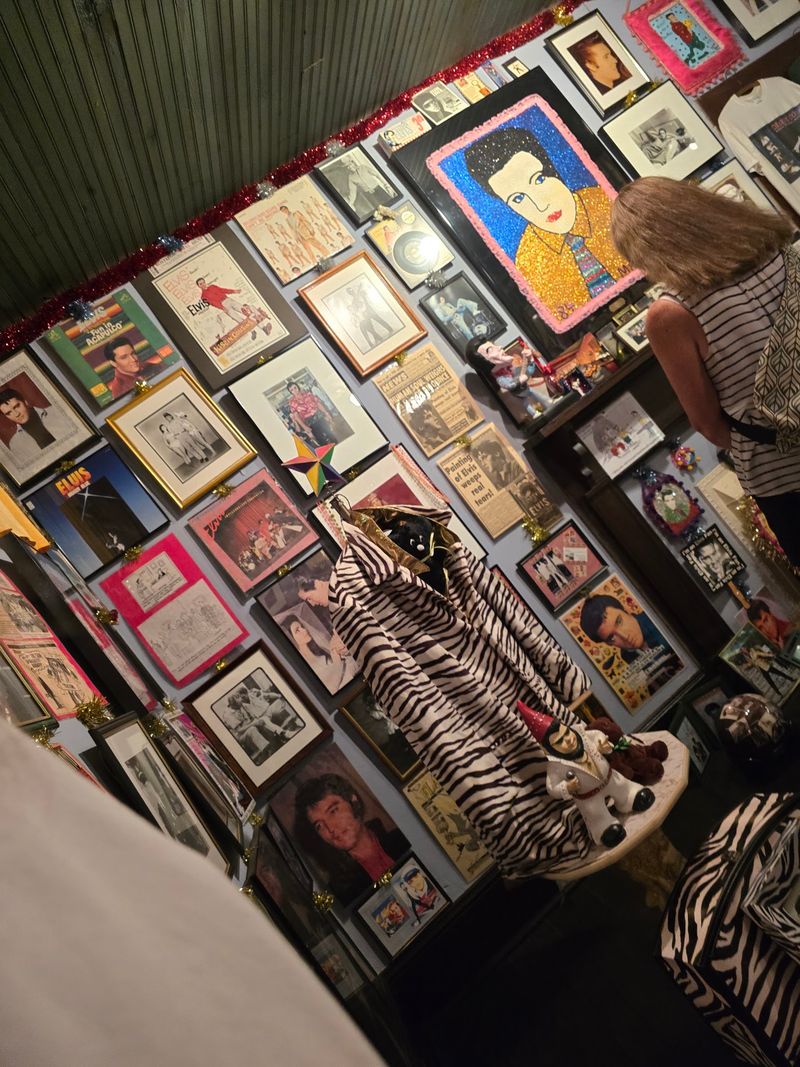
Every great collection has a heart behind it, and here that heart belongs to Joni Mabe. Known as Joni Mabe the Elvis Babe and The Queen of the King, she has been building this tribute for more than four decades.
Her official name for it is the Panoramic Encyclopedia of Everything Elvis.
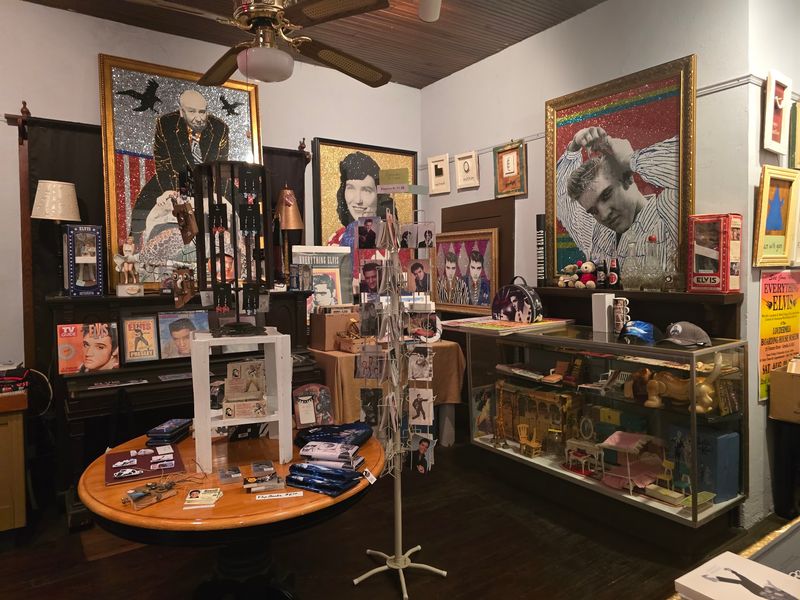
What surprised me most was how much of it is her own art. Bright collages, glittery pieces, and clever mixed media works sit beside the memorabilia.
They show a fan who did not just collect Elvis but turned him into a creative language.
Her work has traveled well beyond Georgia, too. The collection has toured internationally and appeared on shows like MTV, Howard Stern, and The Tonight Show.
That is quite a journey for a project rooted in a small mountain town.
Many visitors have mentioned how welcoming the owner can be, and that warmth comes through in the displays. If you get a chance to chat, ask about how a piece was made.
Artists usually light up when someone notices the details. You may leave seeing Elvis, and fandom itself, in a whole new way.
Thirty Thousand Reasons to Look Twice
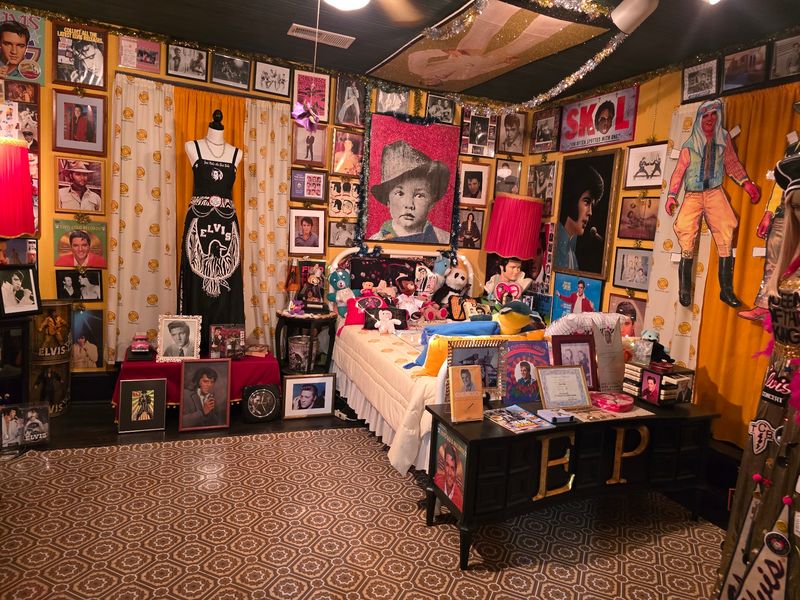
Picture 30,000 objects, then picture them all tied to one man. That number earned the collection recognition in the Guinness World Book of Records, and standing among it, I believed every bit.
It is one of the largest and most unusual Elvis collections anywhere.
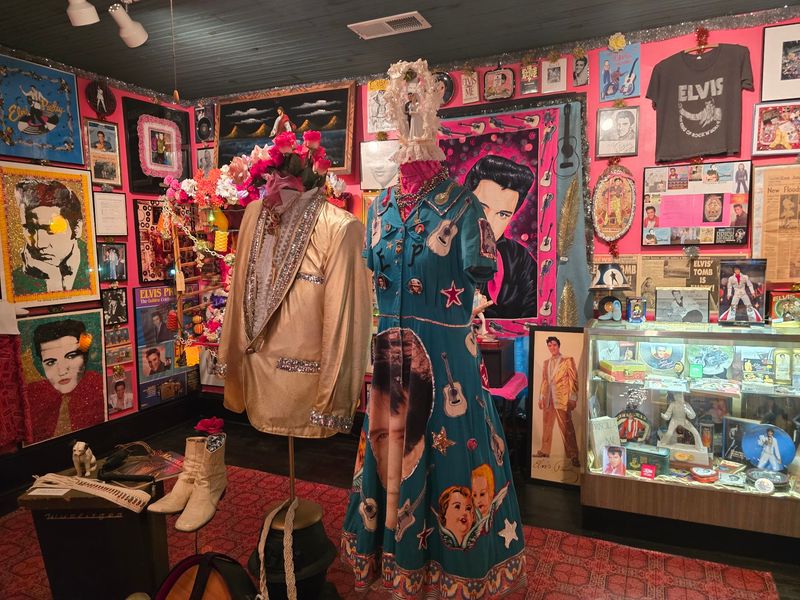
You will spot classic records and faded posters that once hung in teenage bedrooms. Dresses, suits, and guitars add sparkle and shape to the rooms.
Pins and small trinkets fill the gaps, so the walls almost seem to shimmer.
The sheer amount can feel overwhelming at first, so I suggest a simple game. Pick a theme, like movie posters or album covers, and hunt for those first.
After that, wander freely and let random objects grab your attention.
Fans who grew up with Elvis often find items that spark real memories. Younger visitors may discover just how huge his fame truly was.
Either way, the collection shows how one performer touched everyday life, from fashion to music to tiny keepsakes. Bring your curiosity and maybe a notebook, because you will want to remember your favorite finds long after the music fades out.
Planning Your Trip and the Big E Festival
Timing matters with a small museum like this one, and I learned that lesson quickly. Hours can be limited, with posted times often on Fridays and Saturdays or by appointment.
A quick phone call before you go can save you from a locked door and a sad drive home.
The phone number is 706-778-2001, so jot it down. Calling ahead also gives you a chance to ask about tours or special events.
Small places sometimes close for unexpected reasons, so checking is always smart.
If you want the museum at its liveliest, aim for the Big E Festival. It happens every year on the first Saturday of August, and it brings fans together to celebrate the King.
Summer in north Georgia is warm, so pack water, sunscreen, and your best Elvis spirit.
Cornelia sits in the scenic foothills, which makes the drive part of the fun. Pair your visit with a stroll around town or a ride through the nearby mountains.
Leave yourself at least an hour or two inside, because rushing would mean missing the good stuff.
Address: 271 Foreacre Street, Cornelia, Georgia 30531
