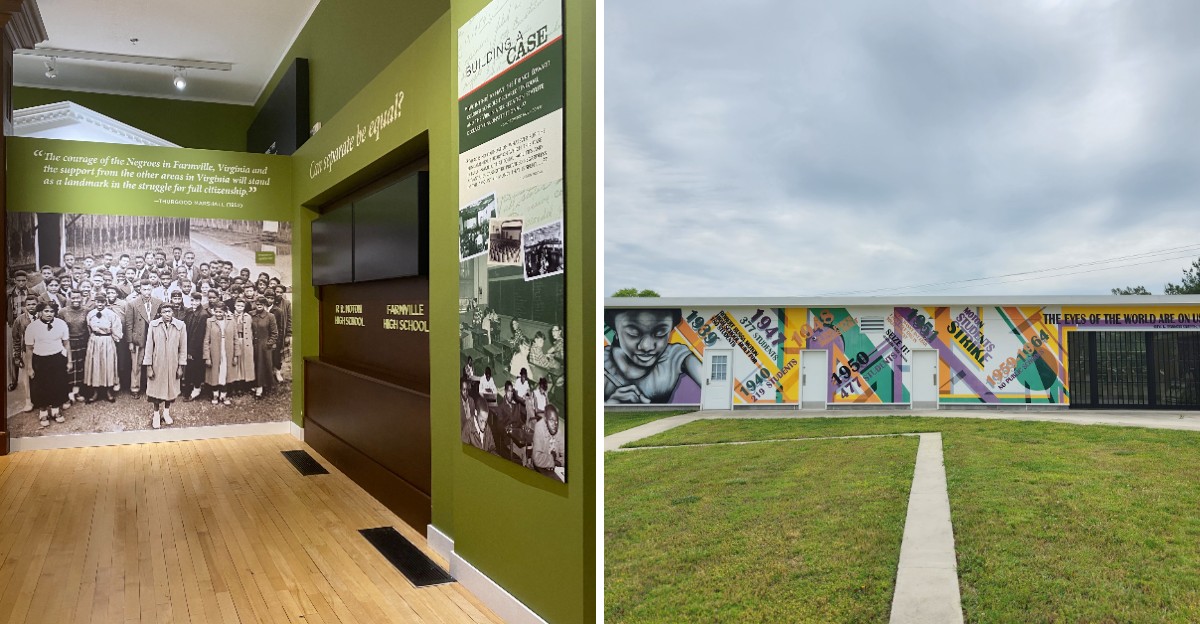
A 16-year-old girl once tricked her principal out of the building, called the whole student body into the auditorium, and led them out the door. That walkout ended up inside a Supreme Court case that changed every public school in America.
The school was built for about 180 students. Nearly 477 crowded in at its peak, with some classes held in tar paper shacks.
No cafeteria, no nurse’s office, and heat that barely worked.
Decades later, the county called the building surplus and it faced demolition. A group of Virginia women stepped in, raised the money, and saved it.
I love that the same civic group helped get the school built in the first place.
Today you can stand where those students stood. I can’t imagine a better classroom for courage, can you?
The Building That Refused To Go Quietly
Saving an old school takes more than good intentions. It takes bake-sale energy, stubborn hope, and serious fundraising.
The Robert Russa Moton Museum in Farmville owes its life to the Martha E. Forrester Council for Women.
Back in 1995, Prince Edward County declared the old Moton High School building surplus. Demolition was a real possibility.
The Council refused to let that happen. They led a community campaign to buy and preserve the building.
Talk about full-circle loyalty, since this same group helped push for the school’s original construction in 1939.
In 1996, the Council founded the museum. Doors opened to the public in 2001.
That gap tells you how much patient work went into turning a worn school into a national story.
I believe that detail makes every visit feel more personal. You’re not touring a building that survived by luck.
You’re touring one that a group of determined Virginia women flat-out rescued.
Their effort keeps growing too. In 2015, the museum formed a partnership with Longwood University to protect the site and its mission for the long haul.
So yes, the people who saved it planned for the future. Very teacher-like, honestly.
A Teenager Started All Of This, And You Will Feel It
April 23, 1951, is the day everything shifted. A 16-year-old student named Barbara Johns led a strike at Moton High School.
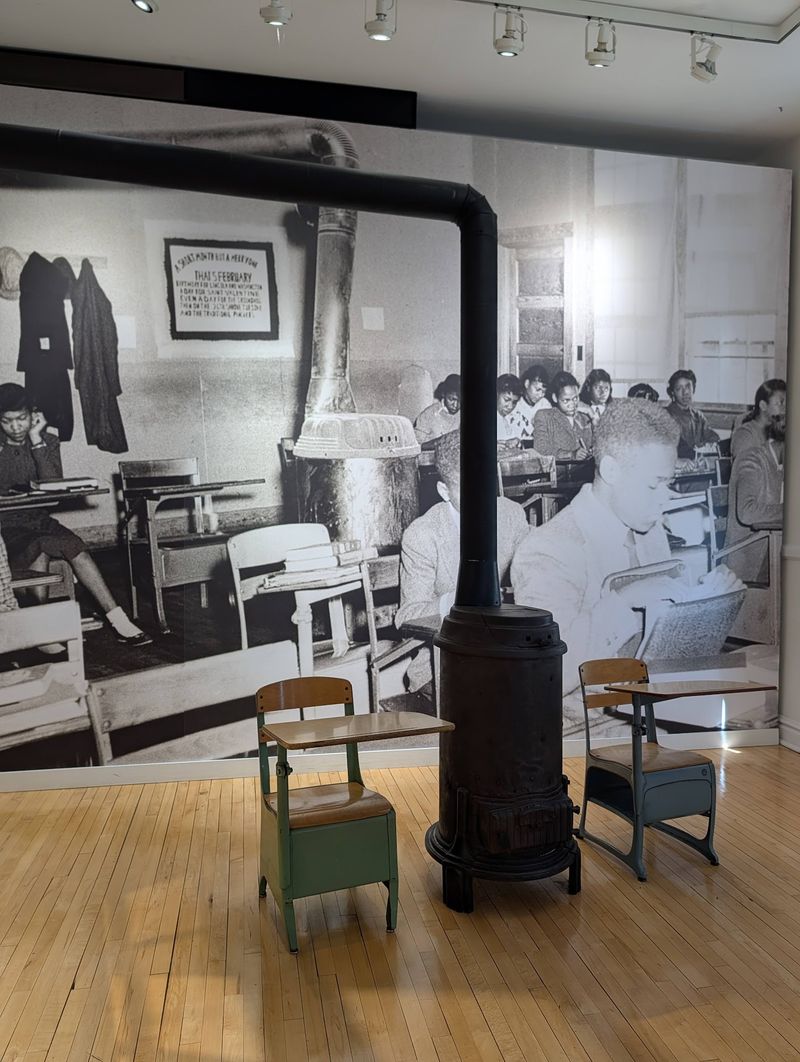
She and her classmates were fed up. Their school was packed far past capacity.
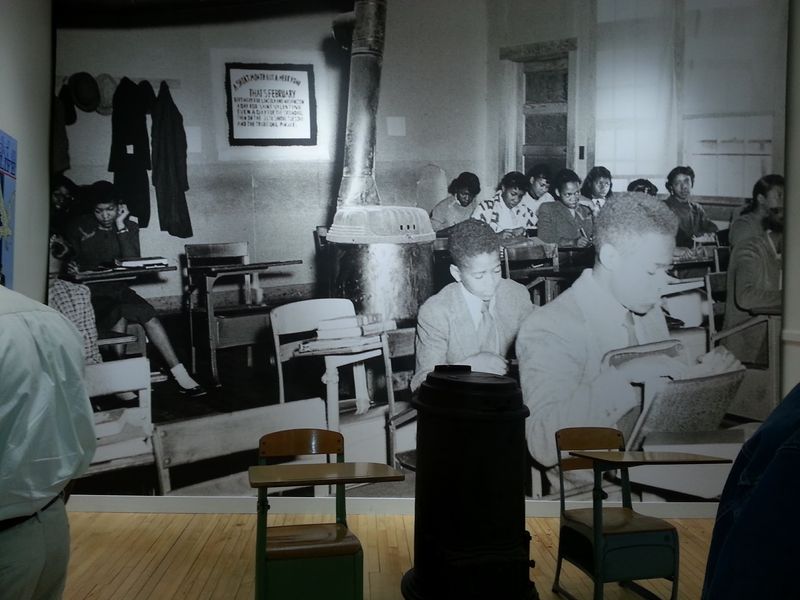
Students sat through lessons in tar paper shacks, and the building lacked a cafeteria, a nurse’s office, proper heating, and modern textbooks.
So they walked out. The protest is recognized as the nation’s first non-violent student demonstration demanding equal school facilities.
That’s a big first for a group of teenagers who just wanted a fair classroom.
What happened next is even bigger. The strike led to the lawsuit Davis v.
County School Board of Prince Edward County. It was the only student-initiated case folded into Brown v.
Board of Education in 1954.
Think about your own high school days for a second. Most of us were worried about tests and lunch.
These students took on an entire system and helped end separate but equal schools.
Barbara Johns now stands in the U.S. Capitol’s Statuary Hall, representing Virginia.
Not bad for a kid who simply refused to accept less. Her story is the heartbeat of every gallery here.
Six Galleries Walk You Through Thirteen Tough Years
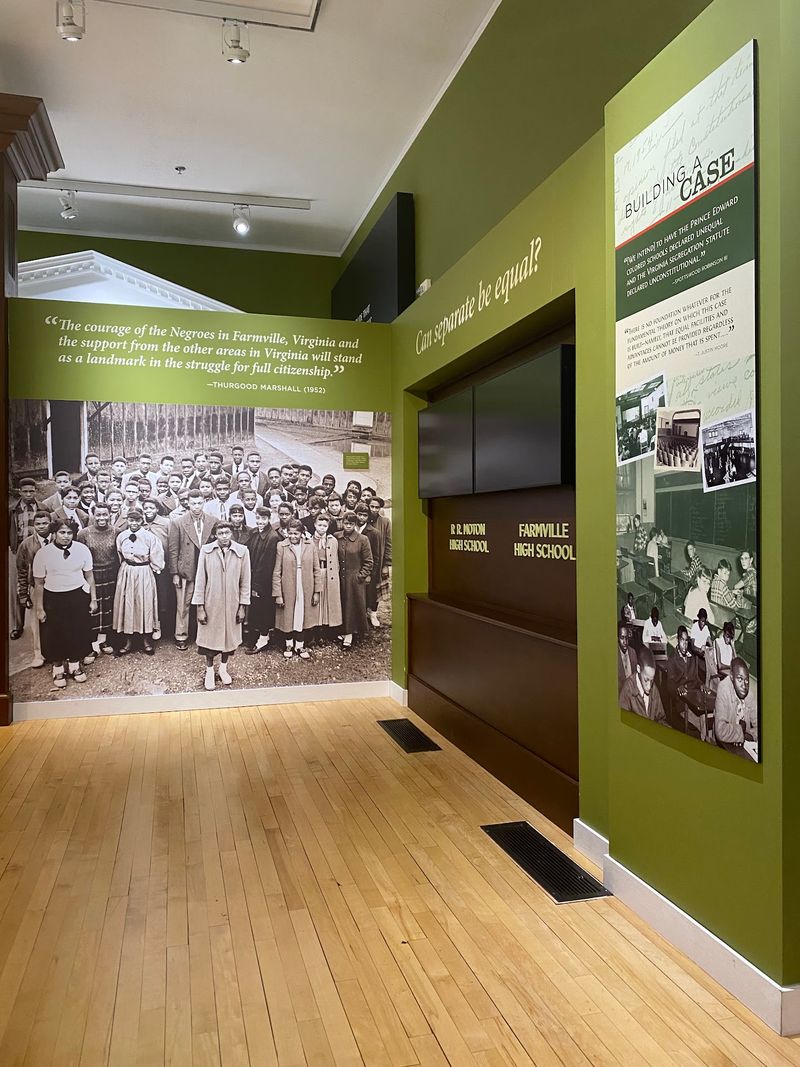
Here’s a museum that treats history like a story with chapters. The permanent exhibition is called The Moton School Story: Children of Courage, and it opened in April 2013.
The exhibit covers Prince Edward County’s long fight for civil rights in education from 1951 to 1964. It spreads across six galleries, each with its own focus.
That layout keeps the heavy history easy to follow.
You’ll move from the student protests to the conditions of segregated schools. Then the galleries turn to the 1954 Brown decision.
After that comes Virginia’s Massive Resistance movement.
The final stretch covers the county’s extreme reaction of closing its schools. It ends with the reopening of public schools.
So you get the full arc, not just the famous headline.
One of my favorite parts is the setting itself. The galleries sit inside reconfigured classrooms of the old high school.
You’re learning about these students in rooms they actually used.
Pace yourself here. The panels are packed with photos and information, and each gallery adds a new layer.
Rushing would be like skipping chapters in a mystery novel and then wondering who did it.
Five Years Without Public Schools Will Stop You Cold
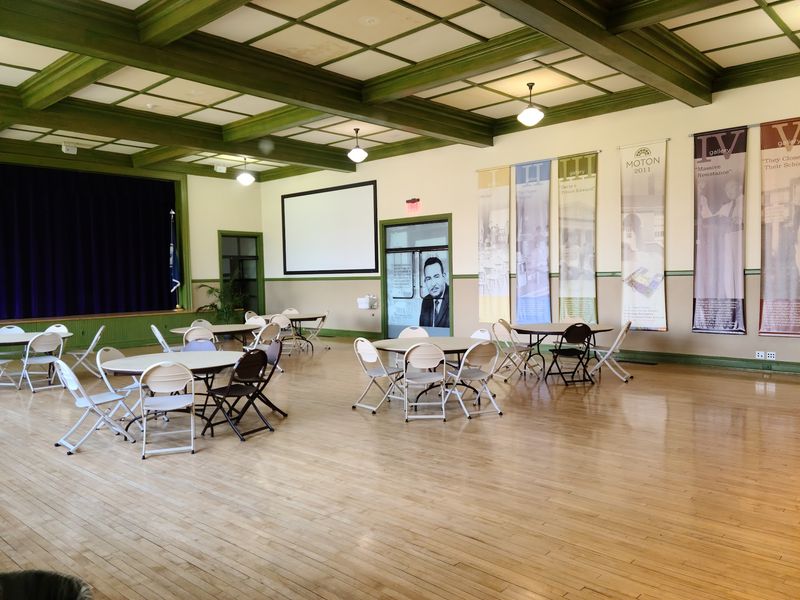
Most counties followed the Brown ruling, even if slowly. Prince Edward County chose a far more drastic path.
From 1959 to 1964, the county closed all of its public schools. It was the only county in the nation to go that far to avoid integration.
Five full years without a public school system.
For Black students, that meant no formal education unless they moved away. Some attended private or church-sponsored schools when they could.
Many simply lost those years of learning.
Let that sink in for a moment. A kid in second grade when the doors closed would be in seventh grade when they reopened.
That’s a huge chunk of childhood with no classroom.
The closures finally ended because of another Supreme Court case. In 1964, Griffin v.
Prince Edward ordered the county to reopen its schools. Education became free and desegregated for every student.
The Robert Russa Moton Museum gives this chapter the space it deserves. It’s often skipped in textbooks, which makes seeing it here even more powerful.
You’ll probably leave with a new appreciation for an ordinary school bus.
The Auditorium Is Where The Story Gets Loud
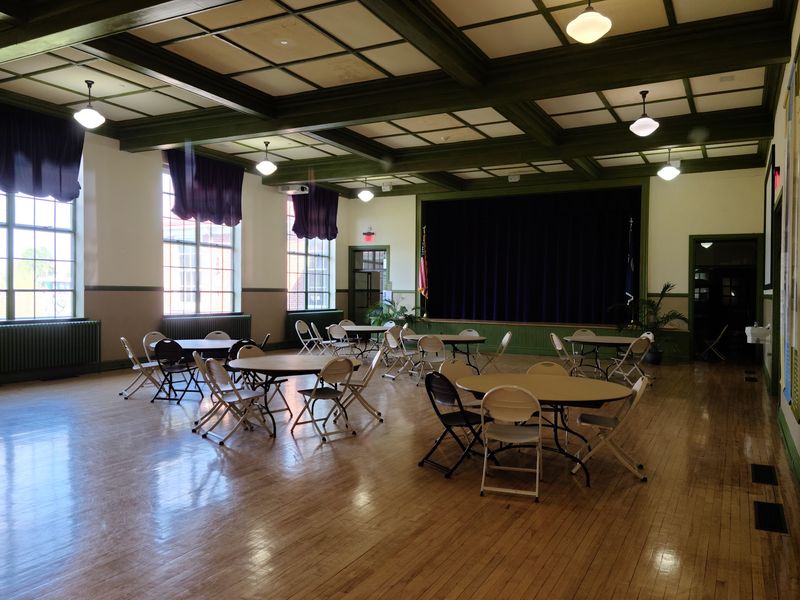
Some rooms hold more history than others. The auditorium at the old Moton High School is one of them.
This is the space tied to the 1951 walkout, when students gathered and decided to take action. Standing there connects you to that moment in a way a textbook never could.
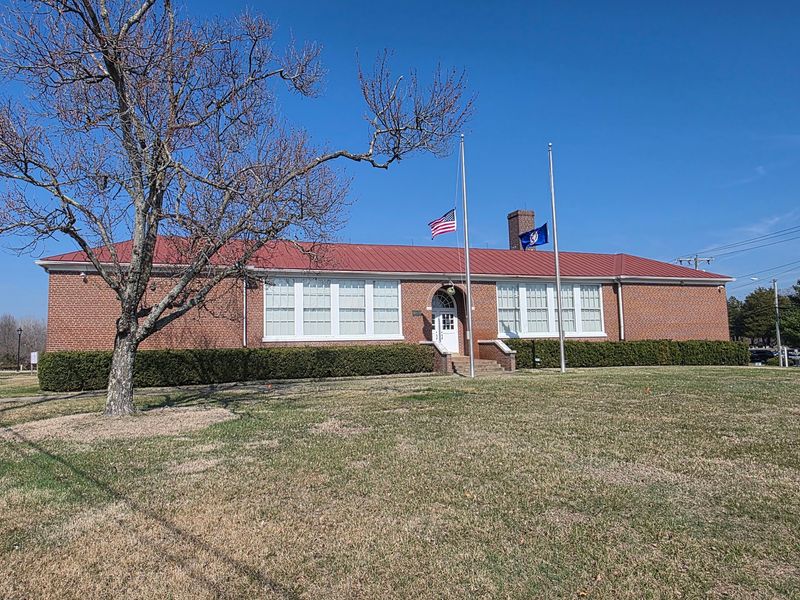
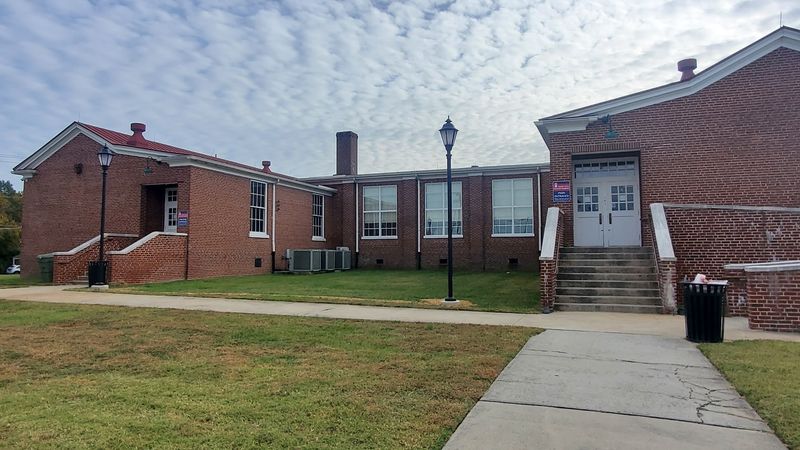
The building itself is a single-story brick Colonial Revival structure from 1939. It was the high school for African American students during segregation.
Its classic look hides just how cramped life inside once was.
Remember, the school was designed for roughly 180 students. At its peak, nearly 477 attended.
That’s like squeezing two and a half schools into one.
When you stand in those halls, the numbers stop feeling abstract. You can picture the crowding and understand why students grew so frustrated.
It was not a minor complaint about lockers.
The building earned National Historic Landmark status in 1998. That honor recognizes how much happened within these brick walls.
Few landmarks can say their biggest moment came from teenagers.
Take a quiet minute in the auditorium if you can. It’s a small room with a very loud legacy.
Free Admission Means Zero Excuses
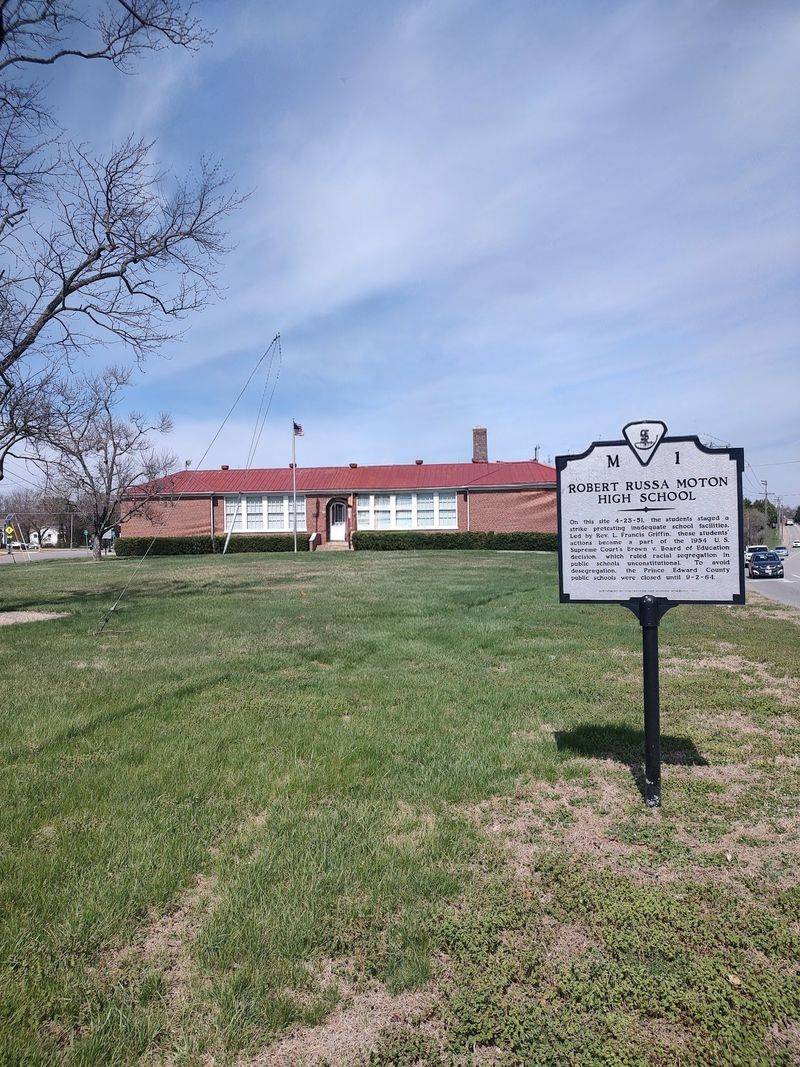
Good news for your wallet. Admission to the Robert Russa Moton Museum is free.
Hours run Monday through Saturday, from noon to 4 p.m. The museum is closed on Sundays, so plan around that.
Self-guided visits make it easy to explore at your own pace.
Prefer a guide? Docents are available for guided tours.
They can add context and answer questions as you move through the galleries.
Groups are welcome too. That makes it a strong pick for school field trips, church groups, or a family history outing.
Teachers, this one practically writes its own lesson plan.
You’ll find the museum at 900 Griffin Boulevard, Farmville, VA 23901. It sits right at the intersection of Griffin Boulevard and South Main Street.
That corner is easy to spot once you’re in town.
My advice is to give yourself at least an hour or more. The galleries are rich with photos and stories, and you won’t want to rush the ending.
Arrive closer to noon if you like breathing room.
Free, meaningful, and right in the heart of Virginia. That’s a rare combination worth taking advantage of.
National Recognition Keeps Rolling In
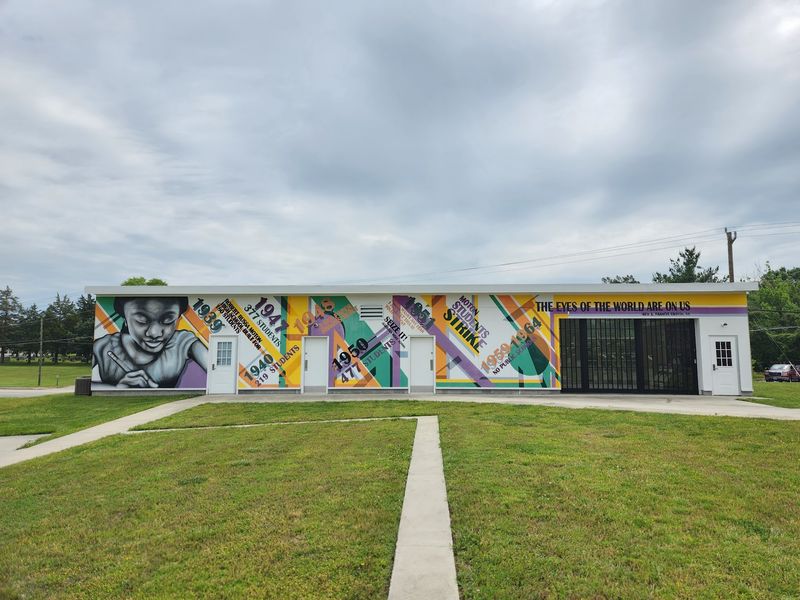
Awards are nice, but some honors carry real weight. The Moton Museum has collected several that matter.
In 2022, it was named an affiliated area of the Brown v. Board of Education National Historical Park.
That links Farmville directly to the national story of school desegregation. It also confirms how central these students were.
The museum calls itself a national center for the study of Civil Rights in Education. Its goals include preserving history, encouraging dialogue, and honoring the students and families who showed such bravery.
It also aims to serve as an education and policy center for future generations.
The year 2026 brought a fresh wave of attention. The museum marked 25 years of public operation, lining up with the 75th anniversary of the student walkout.
Two big milestones in one year.
The Virginia General Assembly commended the museum that same year. In April 2026, it also joined the new Virginia History Affiliates program from the Virginia Museum of History and Culture.
Not bad for a building once headed for demolition. The women who saved it would have plenty of reasons to smile right now.
Your Road Trip Can Keep Going On The Heritage Trail
One stop rarely tells the whole story. Luckily, this museum is part of something bigger.
The Robert Russa Moton Museum is a key site on the Civil Rights in Education Heritage Trail. The trail includes 41 locations across Southside Virginia.
Each one adds another piece to the larger picture.
That makes the museum a natural starting point. You’ll get the background here, then carry it with you to other sites in the region.
Context makes every stop afterward hit harder.
Families might enjoy turning the trail into a mini adventure. Pick a few nearby sites and talk about what each one adds.
Kids often remember stories better when they see real places.
Farmville also makes a handy base for exploring. The town sits within easy driving distance of other spots in central and Southside Virginia.
Plan a day or a weekend, depending on your pace.
I like how the trail turns a single museum visit into a deeper journey. You start with one brave walkout and end up seeing how far its ripples spread.
That’s a road trip with real meaning, plus snacks.
Bring The Kids, Because This Story Is About Them
Young visitors have a special connection here. The heroes of this story were students, many close to their age.
That’s what makes the Robert Russa Moton Museum such a strong pick for families. Kids can see that young people helped change national law.
It’s a powerful message to carry home.
Before visiting, try a quick chat about fairness at school. Ask what they would do if their classroom had no heat or textbooks.
That simple question sets the stage for everything they’ll see.
Inside, the galleries tell the story step by step. Photos and panels help explain big ideas like segregation and Massive Resistance.
Docents can help answer tough questions along the way.
Afterward, keep the conversation going. Talk about Barbara Johns and why her choice took so much courage.
You might be surprised by what your kids notice.
Some topics here are heavy, especially the school closures. Still, the story ends with schools reopening for everyone in 1964.
That ending gives hope alongside the hard truths.
Leaving a museum with kids asking smart questions? That’s a win in my book, and Virginia history makes it easy here.
