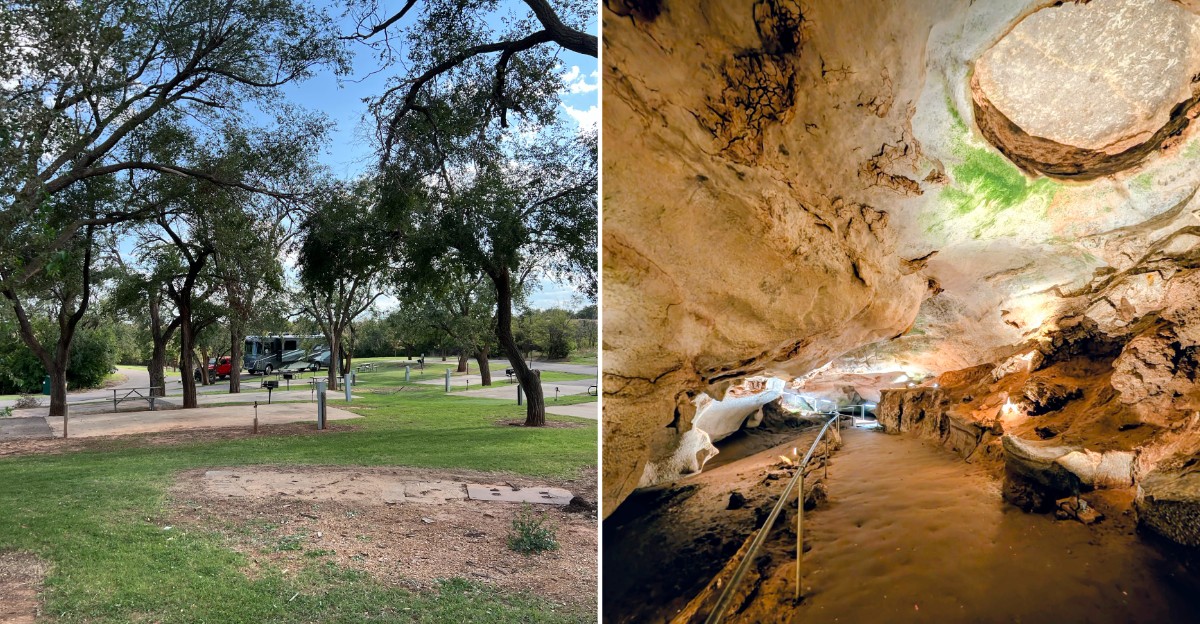
The only gypsum show cave in the United States sits under a quiet canyon in northwest Oklahoma. Even better, it’s the largest natural gypsum cave in the world that’s open to the public.
Inside, the air hovers around 55 degrees all year. Summer heat outside?
Winter wind? The cave doesn’t care one bit.
The walls sparkle with selenite crystals and pink and white gypsum. Rare black alabaster shows up too, which is a phrase I never expected to type about the Great Plains.
I like how this place mixes science, outlaw legends, and bats into one easy day trip. I believe most people drive right past it without knowing what’s hiding below.
So what else could a canyon this sneaky be keeping to itself?
The World’s Biggest Public Gypsum Cave Is Hiding Under This Canyon
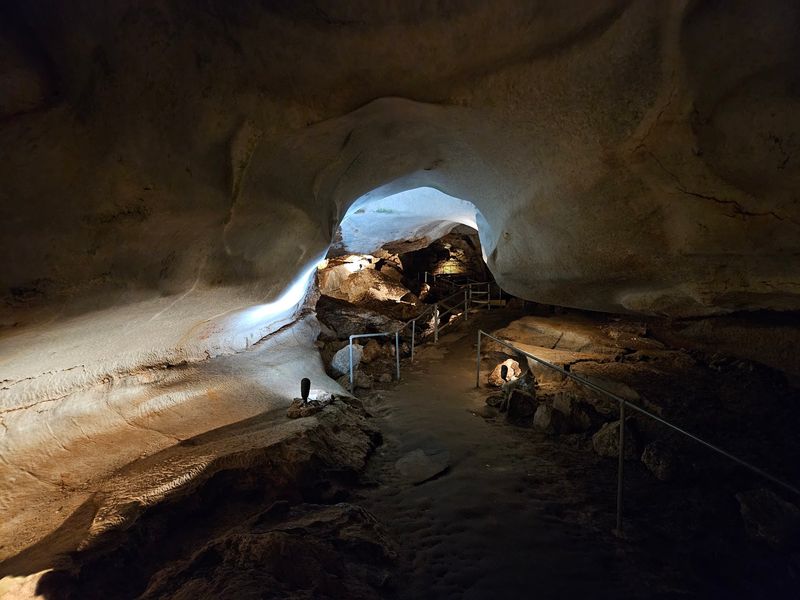
Most caves you’ve toured were probably carved from limestone. Alabaster Caverns State Park flips that script with a cave made of gypsum, and it’s the largest natural one open to the public anywhere.
It’s also the only gypsum show cave in the United States. That’s a big title for a park in a small corner of northwest Oklahoma.
The main cavern stretches about three-quarters of a mile. In some spots, the ceiling rises to 50 feet and the walls spread 60 feet apart.
Smaller passages and boulder piles branch off from the main chamber. The whole space feels roomy rather than cramped, which helps if tight spaces make you nervous.
Gypsum is softer than limestone, so water shaped this cave in its own style. You’ll see smooth curves, odd ledges, and rock that looks almost polished in places.
Getting here takes a bit of commitment. The park sits in a low canyon, so you won’t spot it from the highway until you’re nearly there.
Think of that as part of the fun. A cave this unusual deserves a little mystery on the way in, and the payoff underground is worth every mile on the map.
Leave The Phone Behind, Because This Tour Wants Your Full Attention
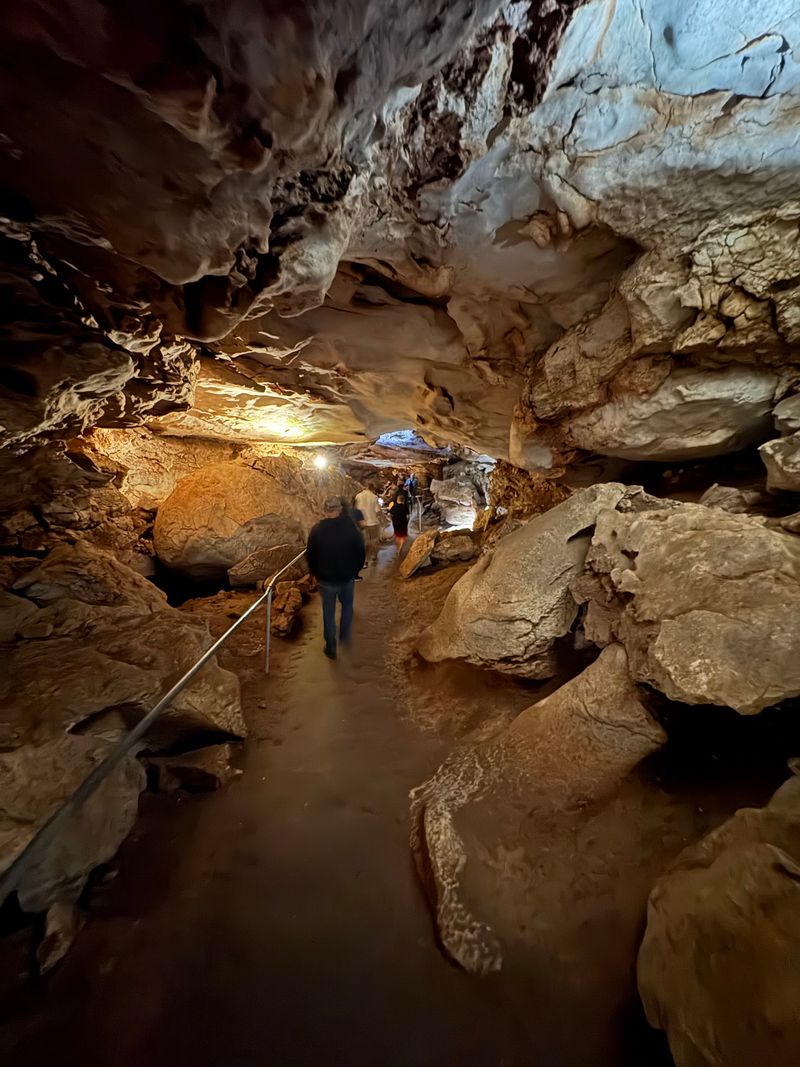
Tours leave on the hour, every hour, from 9 a.m. to 4 p.m. The park itself opens daily from 8 a.m. to 4:30 p.m., so there’s room to plan around lunch or a hike.
Each guided walk lasts about 45 minutes. A guide leads the way along a well-lit path and shares the cave’s geology, history, and wildlife stories.
Get ready for some legwork. The route includes about 330 stairs, so your calves may have opinions later.
The rules are firm here. Phones, cameras, flashlights, pets, and baby strollers all stay out of the cavern during the tour.
That might sound strict, but it keeps groups moving and protects the cave. Plus, you’ll actually look at the walls instead of your screen.
Group sizes are capped, and school field trips sometimes fill time slots. Reservations are recommended, especially around holidays, local events, and busy weekends.
A fee applies for the tour, and it’s paid at the park office. Calling ahead before a long drive is a smart move, since nobody wants to arrive and discover the next open slot is hours away.
Your Personal Air Conditioner Is Set To About 55 Degrees
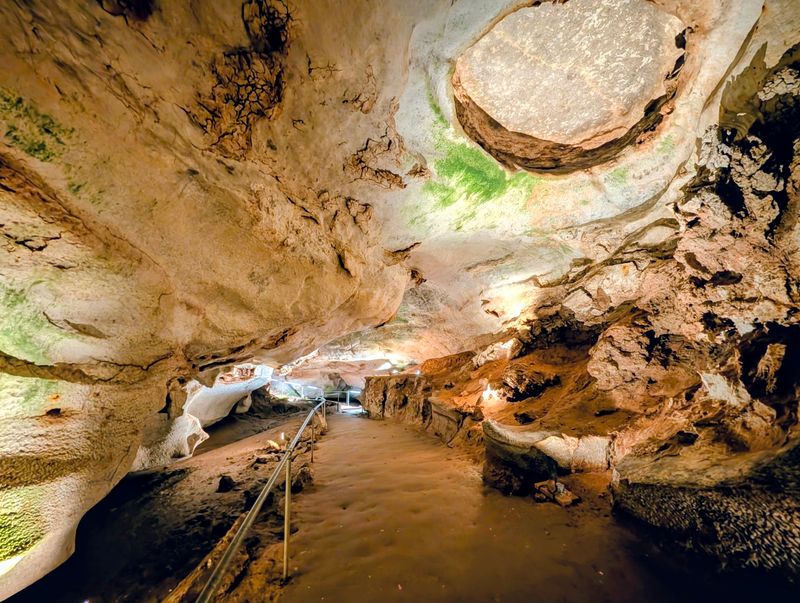
Oklahoma summers can feel like standing next to an open oven. Down in the cavern, though, temperatures stay between 52 and 58 degrees all year long.
That steady average of about 55 degrees makes the tour a smart escape on a scorching afternoon. It also means winter visitors won’t freeze, since the cave stays warmer than the windy plains above.
Here’s my practical tip. Bring a light jacket or long sleeves, even in July, because the switch from hot to cool happens fast.
You’ll also want shoes with decent grip. Caves tend to stay damp, and gypsum floors and stairs can get slick in spots.
One catch matters on hot days. You can’t carry anything on the tour, including water bottles, so drink plenty before you head down.
Plan to rehydrate right after, too. Stepping back into summer sun after 45 minutes of cool air can hit harder than you’d expect.
Honestly, a natural 55-degree hideout beats any shopping mall for beating the heat. Your phone might not join you, but your sweat glands will certainly thank you for the break.
Selenite Sparkle And Black Alabaster Make The Walls Worth Staring At
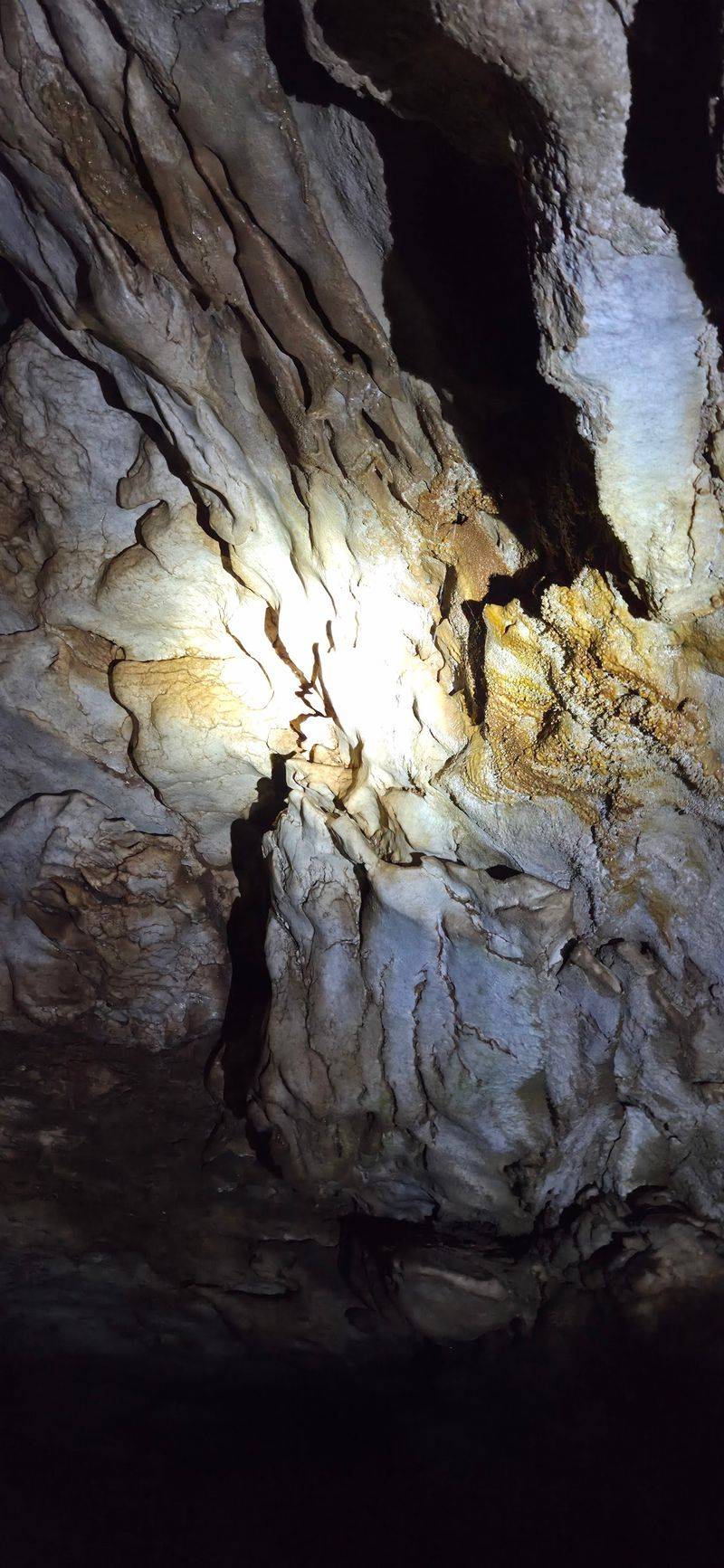
Glittering walls in western Oklahoma? Yes, and the sparkle comes from selenite, a clear crystal form of gypsum.
Alabaster Caverns State Park has selenite in abundance. Light catches it along the path, giving the rock a frosty shimmer.
The gypsum itself comes in white and soft pink shades. Some sections look smooth and creamy, almost like carved soap.
Then there’s the real showstopper. Black alabaster appears here, and that dark variety turns up in very few places on Earth.
A 2018 cave-in did block one section, including a viewing area for a black gypsum vein. Even so, the cavern still offers plenty of mineral color to admire.
Guides often encourage you to touch the walls, which surprises plenty of cave fans. Many caves strictly forbid it, so this feels like a rare treat.
Look closely at textures as you go. Rough crystal patches sit near smooth, water-worn curves, showing how the cave changed over time.
You won’t need a geology degree to enjoy any of it. Pretty rocks are pretty rocks, and these happen to be some of the rarest pretty rocks around.
Outlaws, Bat Caves, And A Cold War Shelter All Share One Backstory
Over 200 million years ago, an inland sea covered this part of North America. When it dried up, it left thick layers of gypsum behind.
Later upheavals pushed those layers closer to the surface. Then flowing water carved out the tunnels and rooms you walk through today.
Nobody knows exactly who found the cave first. Outlaws reportedly used it as a hideout in the 1800s, which gives the place a Wild West edge.
The first documented exploration came in 1898. During the 1920s and 1930s, people leased the land and ran limited tours of what locals called the Bat Caves.
In 1939, an Englishman named Charles Grass bought the property. He renovated the caves, opened them to the public, and gave them the name Alabaster Caverns.
Grass also named formations like Popeye’s Face and Clenched Fist. His tours leaned on imagination, which sounds like a fun way to see rocks.
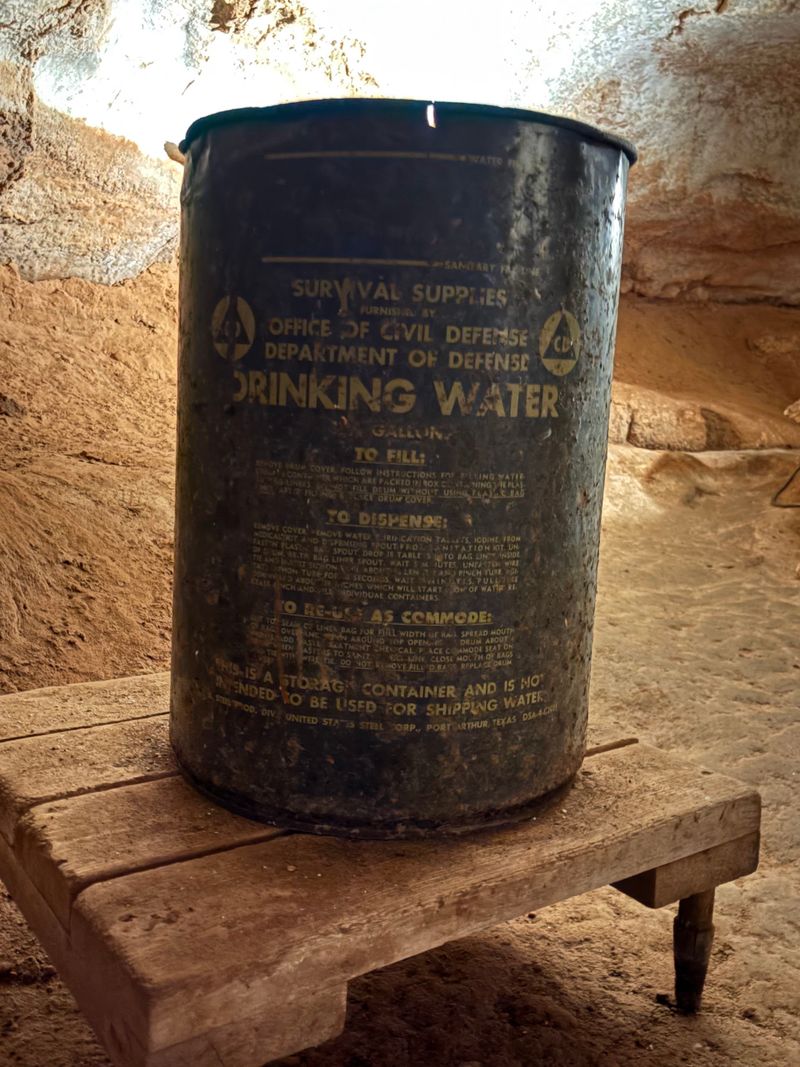
The State of Oklahoma bought 200 acres from him in 1953. It became a state park in 1956, and around the mid-1950s, the cavern served as a fallout shelter for about 3,000 people.
Thousands Of Bats Call These Caves Home For Part Of The Year
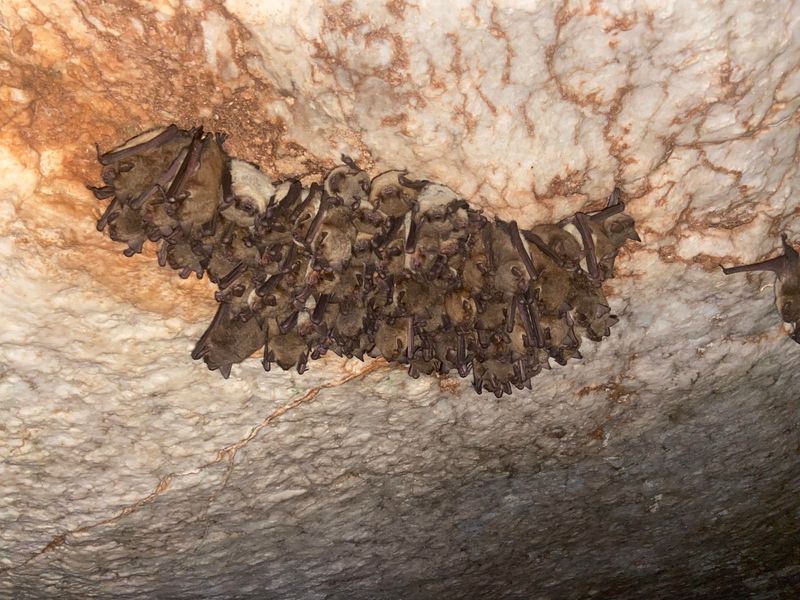
Long before anyone sold tickets, bats had this cave figured out. Their numbers earned the place its old nickname, the Bat Caves.
Several bat species use the caverns at Alabaster Caverns State Park. Spotting them depends a lot on timing, so don’t count on a guaranteed sighting.
Bats rest in the caves during the colder months. That’s why the park closes its wild caves from October 1 through April 30, giving hibernating bats peace and quiet.
A warm-season visit might mean fewer bats on the tour. A cooler-season trip could bring better chances, though nature doesn’t post a schedule.
Either way, your guide can share plenty about these small fliers. Expect facts about how they live, why they matter, and how the park protects them.
Bats eat huge numbers of insects, which makes them handy neighbors for farms and campers. Fewer bugs at your picnic table is a perk anyone can appreciate.
So if a tiny wing flutters past on the tour, stay calm and enjoy it. You’re a guest in their bedroom, and they’ve lived here far longer than the stairs.
Crawl Into The Wild Caves If The Lit Path Feels Too Easy
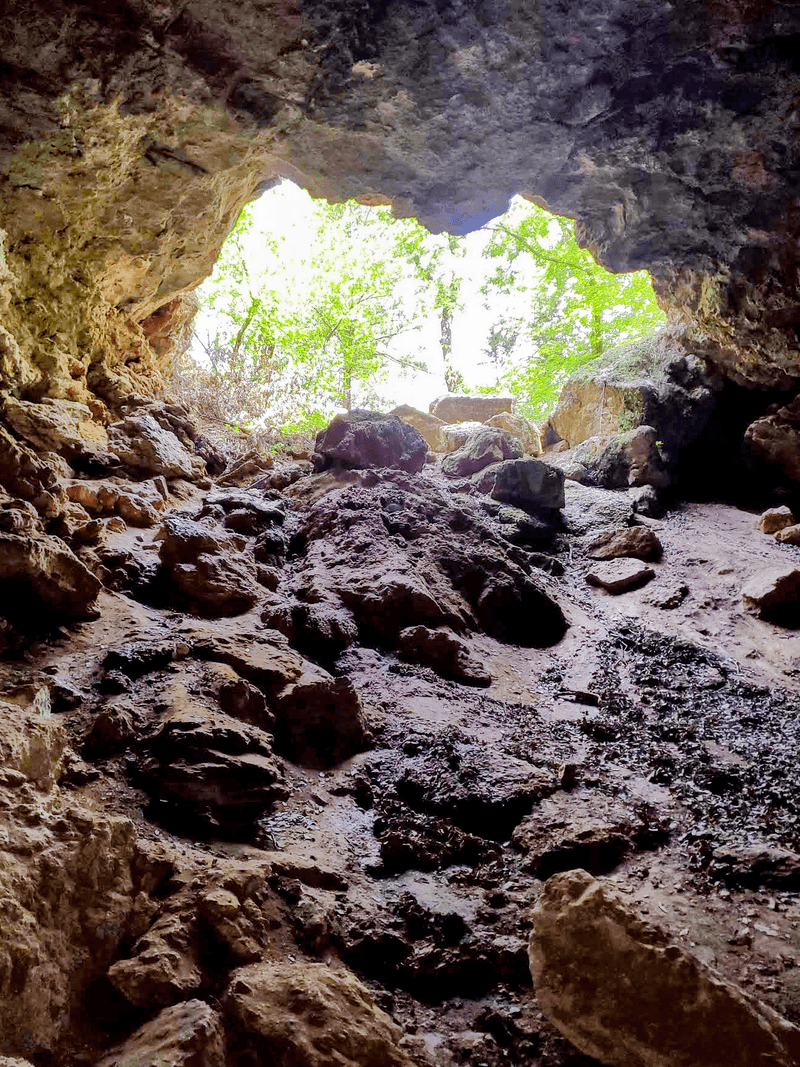
Helmets, headlamps, and muddy knees await anyone craving a rougher adventure. The park offers wild caving in four undeveloped caves, separate from the main show cave.
These caves range from 550 feet to 1,600 feet long. There are no lit paths or handrails, just you, your gear, and the rock.
A permit is required, and you get it at the park office. Staff can also hand you an equipment list and the rules before you go.
Wild caving generally runs from 8 a.m. to 3 p.m. Remember the seasonal closure, too, since these caves shut from October 1 through April 30 for the bats.
Groups need proper equipment, so don’t show up in flip-flops with a phone flashlight. Sturdy clothes you don’t mind ruining are a wise choice.
It’s a rare chance to explore real caves in Oklahoma without a long, pricey expedition. For many beginners, that first squeeze through a tight passage feels like a small victory.
Go slow and stay with your group. The cave isn’t going anywhere, and nobody earns bonus points for rushing through a dark tunnel.
Sleep Under The Stars Or Under A Gypsum Ceiling
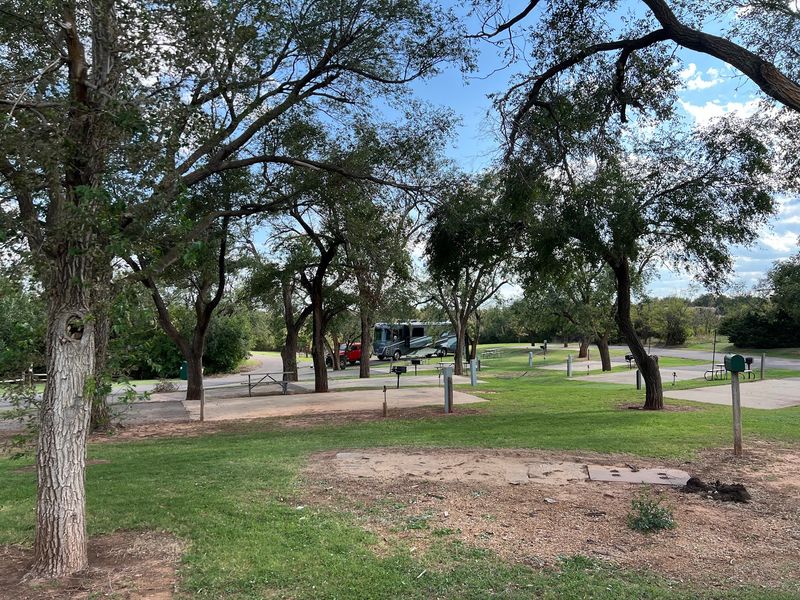
Camping inside a cave sounds like a dare from a sleepover. Here, it’s an actual option you can ask the park about.
Details and reservations for cave camping go through the park directly. It’s easily one of the quirkiest overnight stays in the state.
Prefer fresh air? The park has reservable RV sites and primitive tent sites.
Some RV sites come with level concrete pads plus electric and water hookups. There’s also a sanitary dump station for RV travelers.
Comfort stations offer hot-water showers, which feel great after a muddy wild cave trip. Restrooms are available too.
Night skies get a boost from the remote setting. With fewer city lights nearby, stargazing can be a highlight once the park quiets down.
Stock up before you arrive, since the area is fairly rural. Woodward is the nearest bigger town for groceries and supplies.
A sunrise over the canyon with coffee in hand makes a cozy start to tour day. Being first in line for the morning cave walk doesn’t hurt either.
Cedar Canyon Trails And Picnic Spots Keep The Fun Going Above Ground
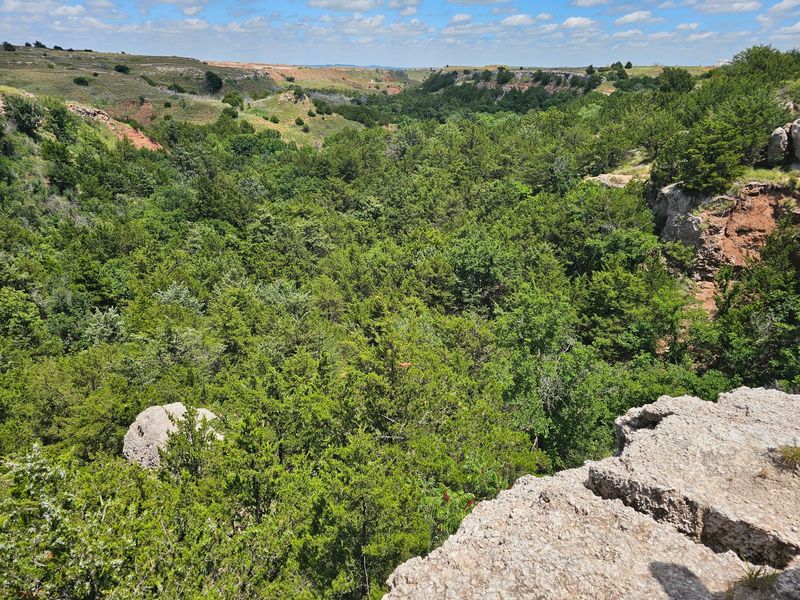
Plenty happens above ground once you climb back out. Alabaster Caverns State Park has hiking trails winding through scenic Cedar Canyon.
The Raptor Roost Trail is a favorite name on the map. Keep your eyes up, because birds of prey fit the theme perfectly.
Picnic areas offer individual tables for a quick lunch. Group shelters add electricity, grills, and water for bigger gatherings.
Kids get their own zone near the Mesa Campground. The playground includes a rock climbing wall, swings, and a slide.
Need some friendly competition? A volleyball court and horseshoe pit are ready, and there’s an outdoor amphitheater too.
Before leaving, stop by the gift shop at the park office. It sells souvenirs about nature, the cavern, and the resident bats.
You’ll find the park at 217036 State Highway 50A, Freedom, OK, about 4.5 miles south of town. It’s a real drive for most folks, but that’s part of the charm.
Oklahoma has lots of pretty parks, yet few pair a canyon hike with a rare gypsum cave. Pack snacks, wear good shoes, and make a full day of it.
