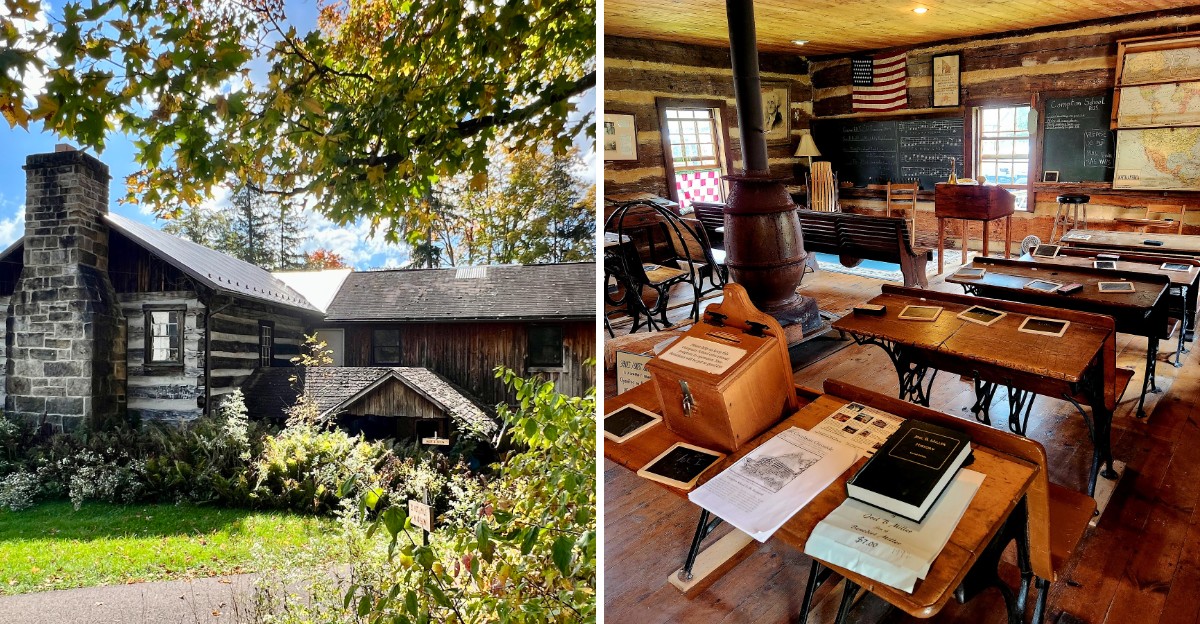
Historic log cabins double as working art studios, and you can explore them for free. That’s an unexpected find for a Maryland day trip, especially when the people inside are making things by hand.
Follow the paths beneath towering spruce trees and you’ll find pottery, weaving, basket making, and carved wooden birds. Some cabins are older than the 1800s, and each one has a story beyond the art on display.
When the studios are open, visitors can meet the makers and learn about their craft.
I’d be torn between studying the old buildings and seeing what the artists are creating. You can wander at your own pace, stop at whichever studio catches your eye, and leave with a better sense of the work behind handmade objects.
The free admission is one more reason to be curious.
Somebody Moved These Cabins Here On Purpose
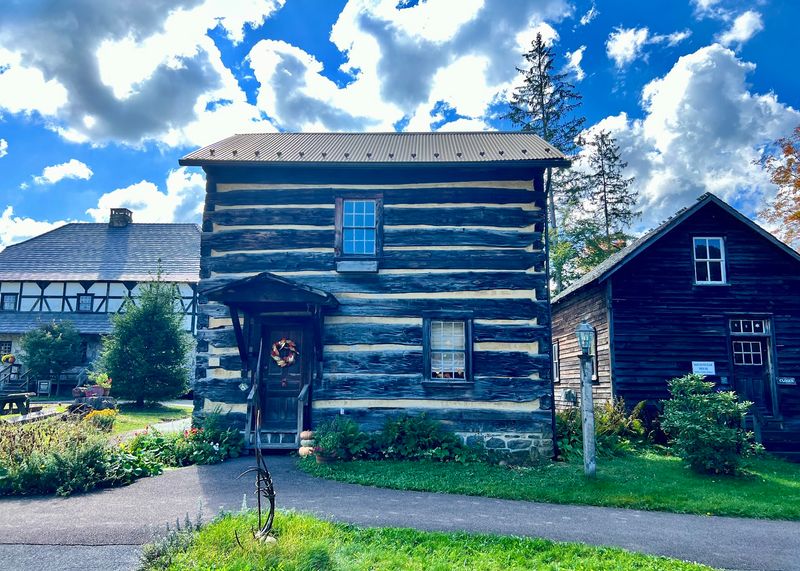
Alta Schrock had a big idea back in 1957. She founded Spruce Forest Artisan Village to protect the crafts and traditions of the Allegheny region.
Her plan went beyond a simple museum with glass cases. She wanted a living museum, where visitors could see how crafts were made long ago.
So the village grew one building at a time. Old log and frame structures were moved from spots across Western Maryland and rebuilt on this site.
That effort paid off in a big way. Today, roughly 12 historic buildings stand together, and two date to the Revolutionary War period.
Others go back to around the 1830s. Walk the paths and the whole place really does look like a frontier settlement frozen in time.
Alta even brought her own childhood cabin here in 1970. It later housed the very first resident artist, which feels like a fitting job for a family home.
The area was once called Little Crossings, and the village keeps that old story alive. It’s a Maryland history lesson you can stroll through without a single textbook.
Honestly, moving a log cabin sounds like a headache. Somebody did it again and again, and we all get to enjoy the results.
Real Artists Work Here, Not Costumed Actors
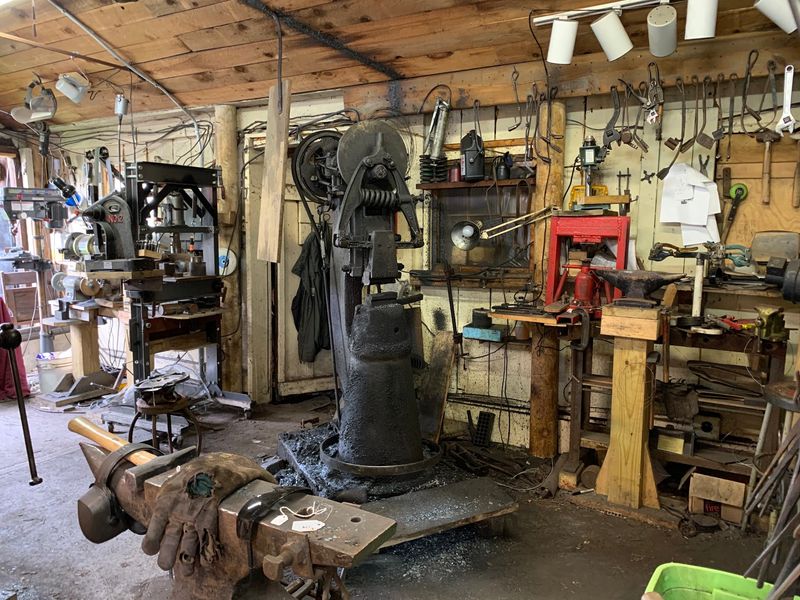
Forget the actors in bonnets reading from a script. The village proudly says there are no paid actors or reproduced backdrops here.
Instead, juried artisans run working studios inside the old buildings. These folks are recognized experts, and they make their pieces right in front of you.
The craft list is impressively long. You’ll find metalsmithing and blacksmithing, hand-loom weaving, wheel-thrown pottery, woodturning, and jewelry-smithing.
Basket making, leather craft, fabric art, and oil and watercolor painting round things out. Each studio feels like its own little world.
The best part might be the conversation. Artisans often share their stories, technical tips, and creative process with curious visitors.
Ask how a pot gets its shape or how a loom works. You’ll leave knowing far more than you expected, and maybe holding something new.
Everything you see being made can be bought straight from the person who made it. That beats a mass-produced souvenir every time.
One friendly tip helps a lot here. Individual studio hours can vary from village hours, so plan a little flexibility into your visit.
These Wooden Birds Look Ready To Fly Away
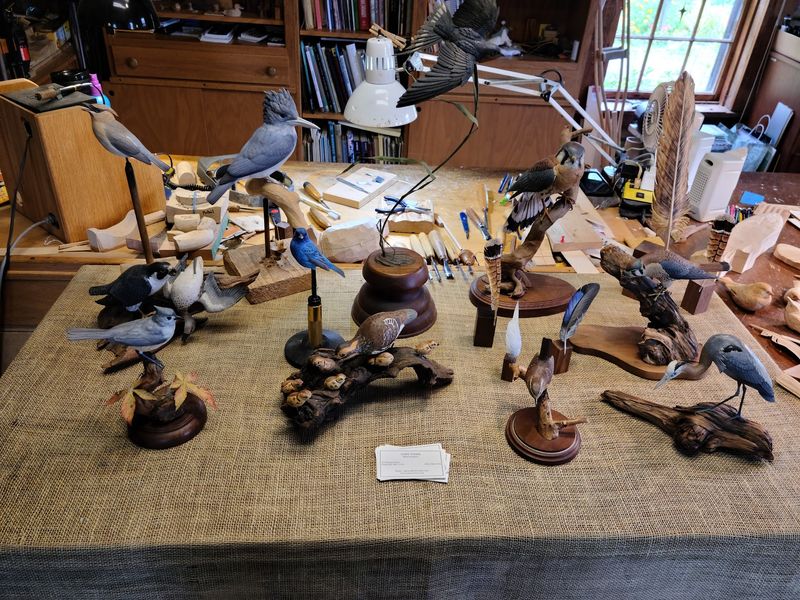
Feathers carved from wood should not look this real. Yet one of the studios here belongs to a world champion bird carver.
That alone makes Spruce Forest Artisan Village worth a stop. Bird sculpting and carving is one of the featured crafts, and the detail is something else.
Think about how tiny a single feather is. Now picture shaping hundreds of them by hand from a block of wood, then painting each one.
That kind of patience is rare. Watching a master work slowly and carefully can feel almost calming, like a nature show in slow motion.
Kids especially tend to get hooked on this stuff. A carved bird is easy to understand and hard to stop staring at.
Take your time in this studio. Look closely at the eyes, the claws, and the tiny lines across each wing.
You might notice something new every time you lean in. Just try not to whisper to the birds, since they won’t answer back.
If you love wildlife, this is the spot to slow down. It shows how art and nature can meet in one small Maryland cabin.
Class Is In Session At A Log Schoolhouse
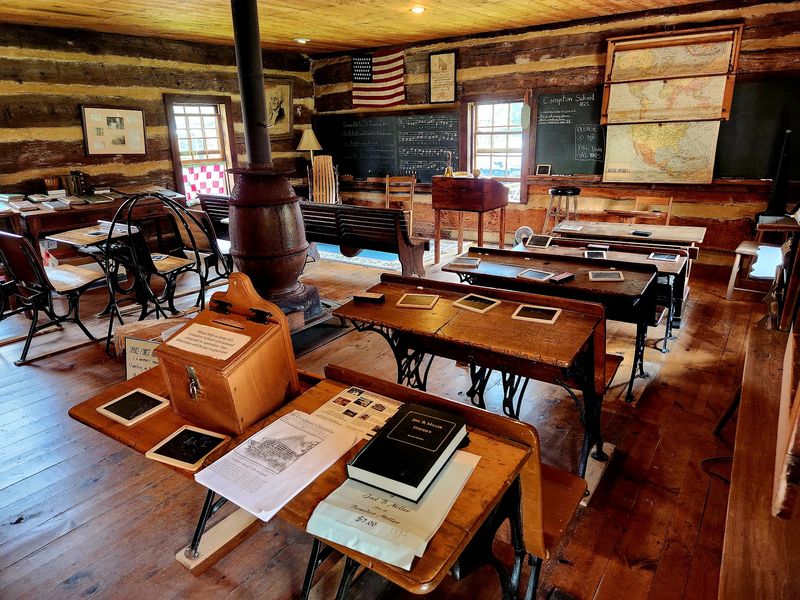
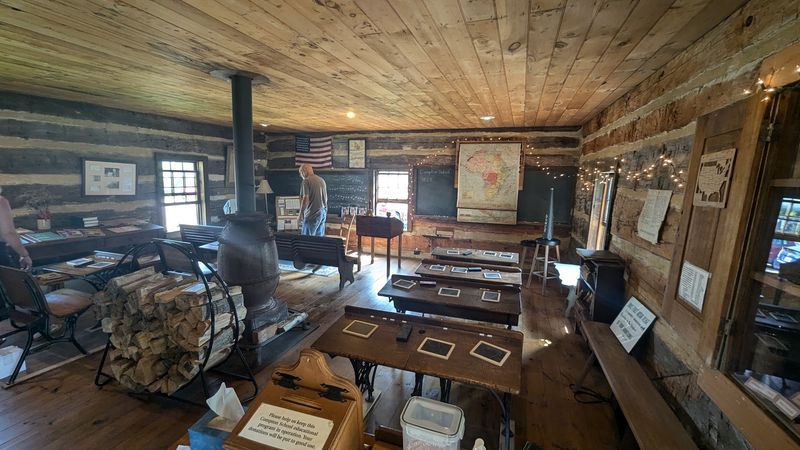
Raise your hand if you’d survive a day of school in the 1800s. The Compton One-Room School House lets you find out, at least for a few minutes.
This building is one of the last and only log schools in Western Maryland. That makes it a real treasure, not just a cute photo stop.
During summer, narrating hosts bring the schoolhouse to life. Visitors and schoolchildren can experience what a classroom of the past felt like.
One room held every grade back then. Little kids and older students learned side by side in the same small space.
It’s a fun way to compare your own school days. No computers, no cafeteria, and probably no excuses about the dog eating homework.
Families should put this building near the top of the list. It sparks easy conversations between grandparents, parents, and kids.
Ask the youngest in your group what they’d miss most from modern school. The answers can be pretty funny.
Plan a summer visit if you want the narrated experience. The hosts add stories that make the old log walls feel a lot less quiet.
Stories From Early Settlers Still Echo In Two Old Houses
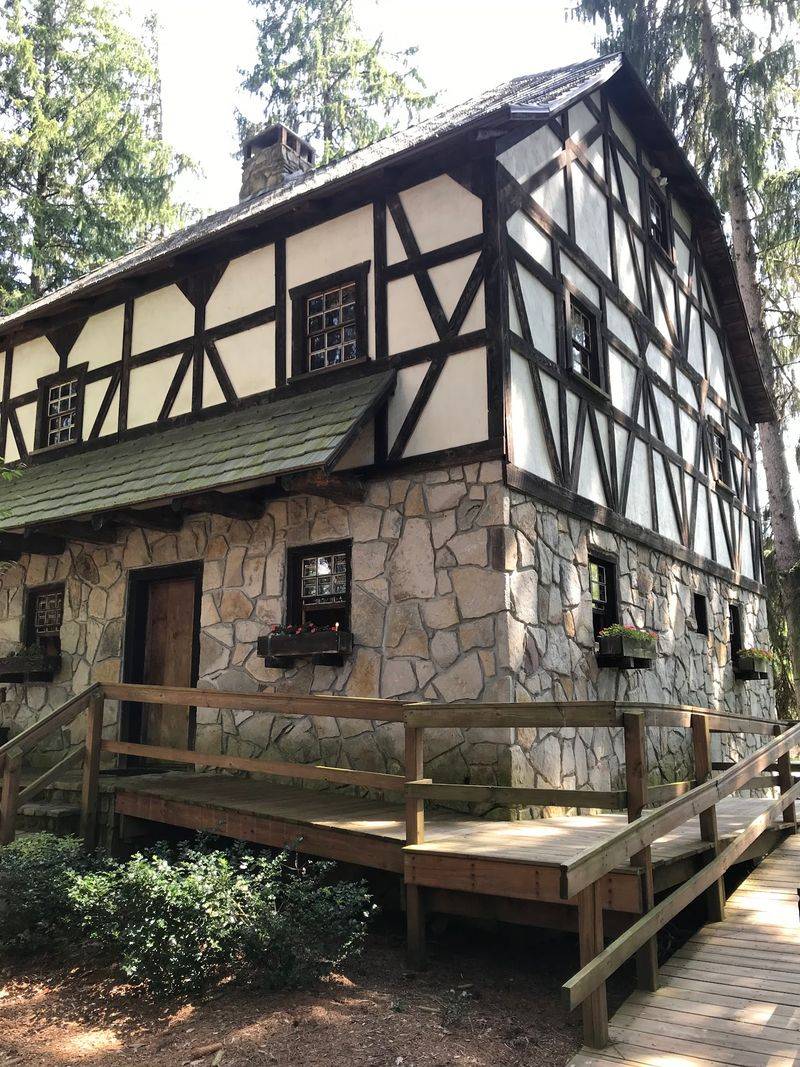
Built in 1835, the Miller House carries plenty of history in its walls. Today, it’s restored as an Anabaptist Peace Center.
Storytelling programs here share the wisdom of early settlers. It’s a gentle, thoughtful stop that adds depth to all the craft studios nearby.
Stories hit differently inside an old building. You hear about the past while standing in a place that actually lived through it.
Just down the path sits the Yoder House. Unlike its older neighbors, it was built in 2004.
Don’t let that newer date throw you off. The house preserves the Yoder family history and shows historical elements of early 20th-century life.
Together, these two stops round out the village nicely. One leans into storytelling, and the other offers a look at everyday family life.
The area has strong Amish and Mennonite roots. These houses help explain that heritage in a friendly, easy way.
Give yourself a little extra time here. The crafts show what people made, but these houses help explain how they lived and what they valued.
A Storm Hit Hard, And The Village Bounced Back
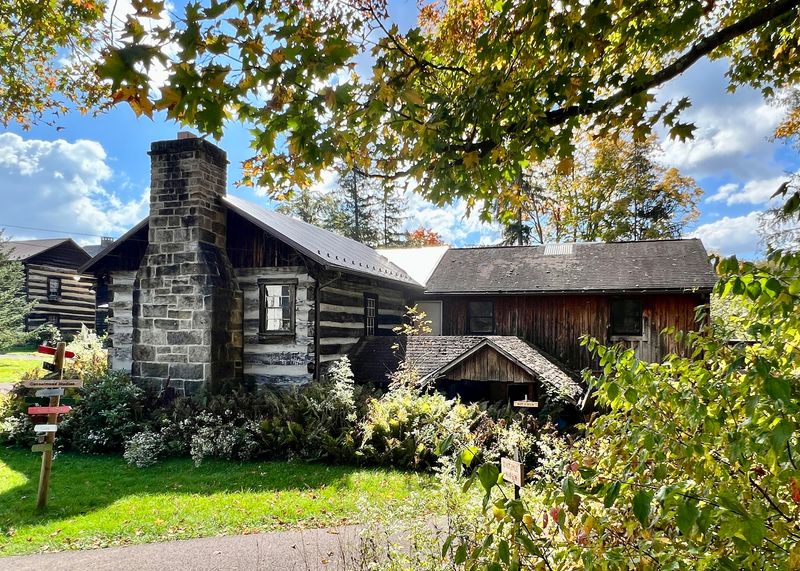
April 2020 brought a nasty surprise. A severe wind storm tore through the village and knocked down numerous spruce trees.
Several buildings took damage too. Alta’s original cabin, the Red Shed, and the Covered Bridge Entrance were all hit.
For a place built on preserving the past, that was a tough blow. But rebuilding started, and the progress shows.
New trees have been planted to replace the lost spruces. The entrance bridge, Alta’s Cabin, and the public restrooms have all been rebuilt.
There’s more on the way, too. Plans include a bigger parking area with new lighting, fresh pathways, and historical markers throughout the grounds.
I like that the comeback is part of the story now. A village made of rescued buildings basically rescued itself.
Crossing that rebuilt covered bridge feels a little meaningful once you know the backstory. It’s the front door of a place that refused to quit.
Keep an eye out for young spruce trees as you walk. Someday they’ll tower over these cabins again, and today’s visitors will get to say they saw them small.
Your Visit Costs Zero, So Plan It Smart
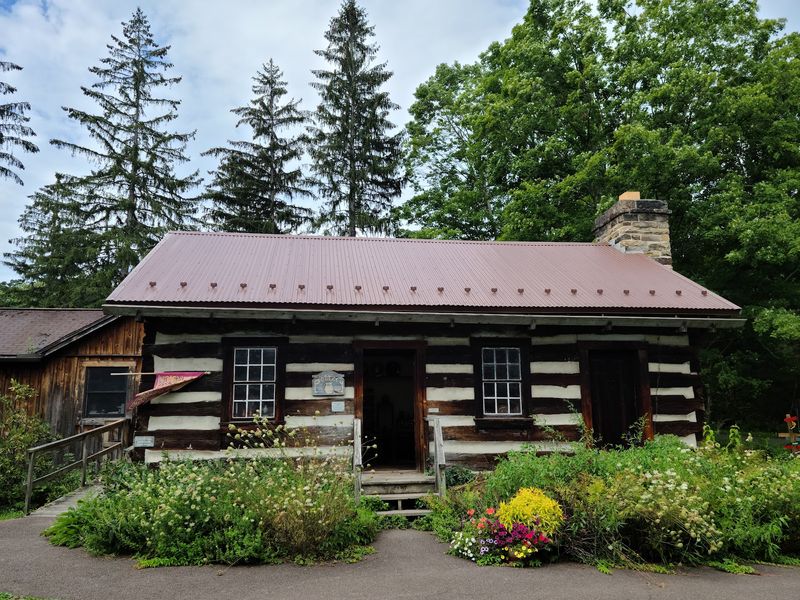
Free admission might be the best price tag in Garrett County. Spruce Forest Artisan Village doesn’t charge a cent to wander its paths.
You’ll find it at 177 Casselman Road, Grantsville, MD 21536. It’s part of the Penn Alps campus inside Grantsville’s Arts and Entertainment District.
Start at the Granary, which was recently redone. It serves as the Welcome and Information Center and also holds studio space for an oil painter and framer.
Grab a Village Tour Guide mini brochure from any artist’s studio. It makes finding each cabin much easier.
The main season runs from May 1 through October 31. Hours are usually 11 AM to 4 PM Monday through Thursday, and 10 AM to 5 PM on Friday and Saturday.
Sundays are closed, so don’t show up then. Winter visits depend on the weather, and studio hours can vary.
Saturdays tend to be a good bet for catching more artisans in their studios. Weekdays still offer plenty to see.
Bring a little shopping money, though. The entry is free, but those handmade treasures might be hard to leave behind.
Candles, Cider, And Christmas Inside A Log Village
Wreaths on log cabins just look right. That’s the magic behind Christmas in the Village, one of the most anticipated events of the year.
The whole place gets dressed up for the holidays. Think candles, lights, wreaths, and decorations spread across the historic buildings.
Live music fills the Village Church during the event. Activities pop up in different buildings, so there’s always another door to peek through.
Hot chocolate and cider help fight the mountain chill. Warm hands make cabin hopping much more pleasant.
Parking can get tricky during big events. A free shuttle bus is sometimes available from a local school to the village.
Check event hours before you go, since they’re set specially for the holidays. Planning ahead keeps the evening cozy instead of chaotic.
The rest of the year has fun options too. The village hosts public events, and you can schedule workshops directly with artisans to learn a craft yourself.
Kids aren’t left out either. The Kinder Haus hosts weekly children’s classes, just as Alta Schrock did many years ago, and summer camps are offered as well.
Stay Longer, Because The Neighbors Are Historic Too
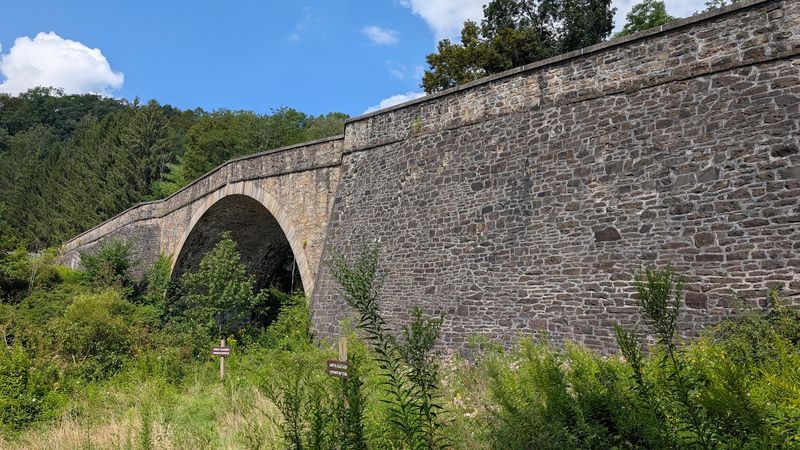
Right next door stands a bridge that once set a national record. The Casselman Bridge, built in 1813, was once the longest single-span stone bridge in America.
It sits within Casselman River Bridge State Park, an easy walk from the cabins. The village also lines the historic National Road, a key route for westward expansion.
Hungry after all that wandering? The Penn Alps Restaurant is housed in a historic log stagecoach stop dating to 1818.
Its menu features hearty meals, a daily soup and salad bar, and weekend buffets. Many dishes reflect the German heritage of the area’s Amish and Mennonite communities.
The Penn Alps Craft Shop is one of the largest craft shops in the region. It’s packed with Appalachian and Pennsylvania Dutch crafts.
Cornucopia Cafe sits at the north end of the village, too. You won’t run out of reasons to linger.
Nearby, Stanton’s Mill dates to 1797. It has been restored and still produces wheat flour today.
That’s a lot of Maryland history packed into one short stroll. Wear comfy shoes, because this little corner keeps finding new ways to keep you around.
