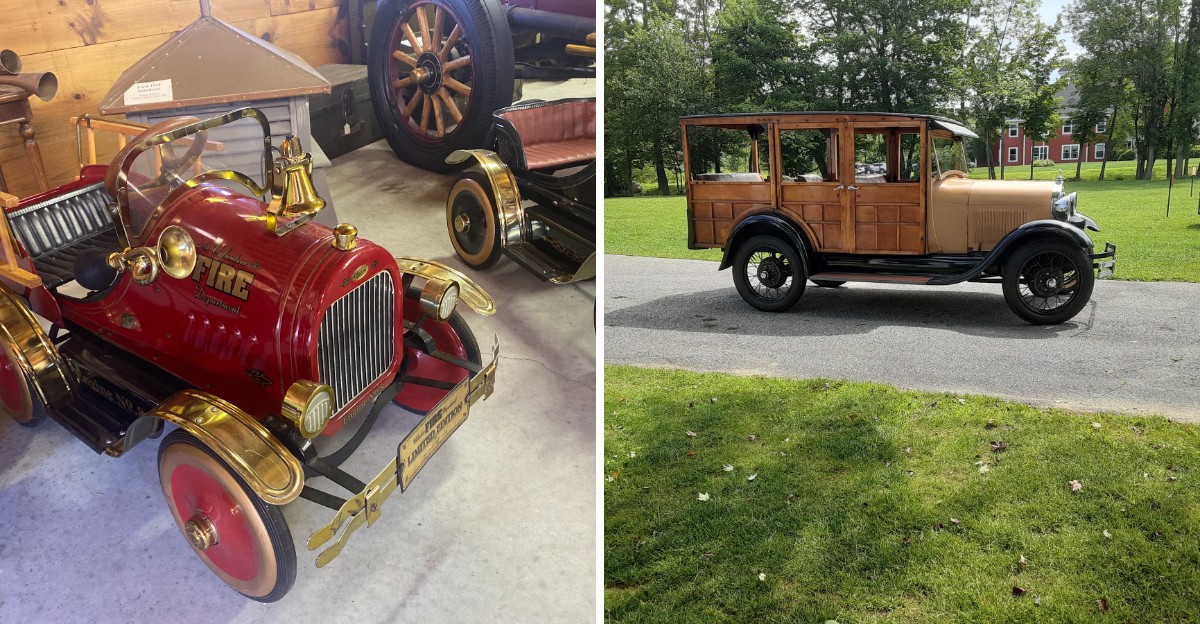
A 1904 Ford Model C sits inside an old building that once stored blocks of lake ice. That pairing alone made me want to know more.
The collection grew from one man’s habit of saving, fixing, and polishing things other people forgot. One building eventually became seven.
Inside, you’ll find early Fords, steam whistles, pedal cars, and even a town jail cell.
I like how much of it is meant to be touched and tried. Kids can ride antique toys and make steam whistles blow.
That’s a rare thing in any museum in New Hampshire.
Admission is free, which still surprises me. I can’t imagine a friendlier way to spend a summer morning with old machines.
So what kind of person saves a town’s first fire engine and its jail cell?
An Old Ice Warehouse Now Holds Engines Instead Of Frozen Blocks
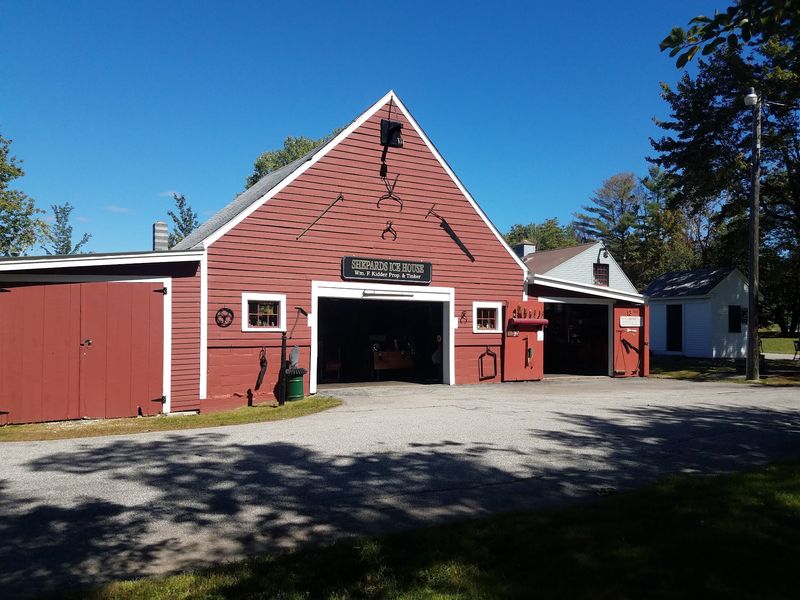
Ice used to be serious business in small New England towns. Before electric refrigerators spread in the 1950s, folks bought big blocks cut from frozen local lakes.
The Ice House Museum takes its name from that cold history. The original ice house was part of the Shepherd family’s ice business, which supplied homes and hotels during summer.
The building worked like a giant cooler. Workers packed it with ice in winter so it could last through the warm months.
Today the cool stuff inside is a different kind. Antique cars, tools, toys, and machines fill the rooms instead of frozen blocks.
Honestly, it’s a pretty clever second career for a building.
The museum sits at 91 Pleasant Street in New London, New Hampshire. It’s an easy stop if you’re exploring the Lake Sunapee area for the day.
Expect a compact, close-quarters setup with plenty packed into each room. The floors are charmingly uneven, so wear comfortable shoes and watch your step.
That uneven floor is part of the fun, though. It reminds you this place wasn’t built to be a fancy gallery.
It was built to keep ice cold, and now it keeps history from slipping away.
One Local Mechanic Started Saving Everything, And Thank Goodness He Did
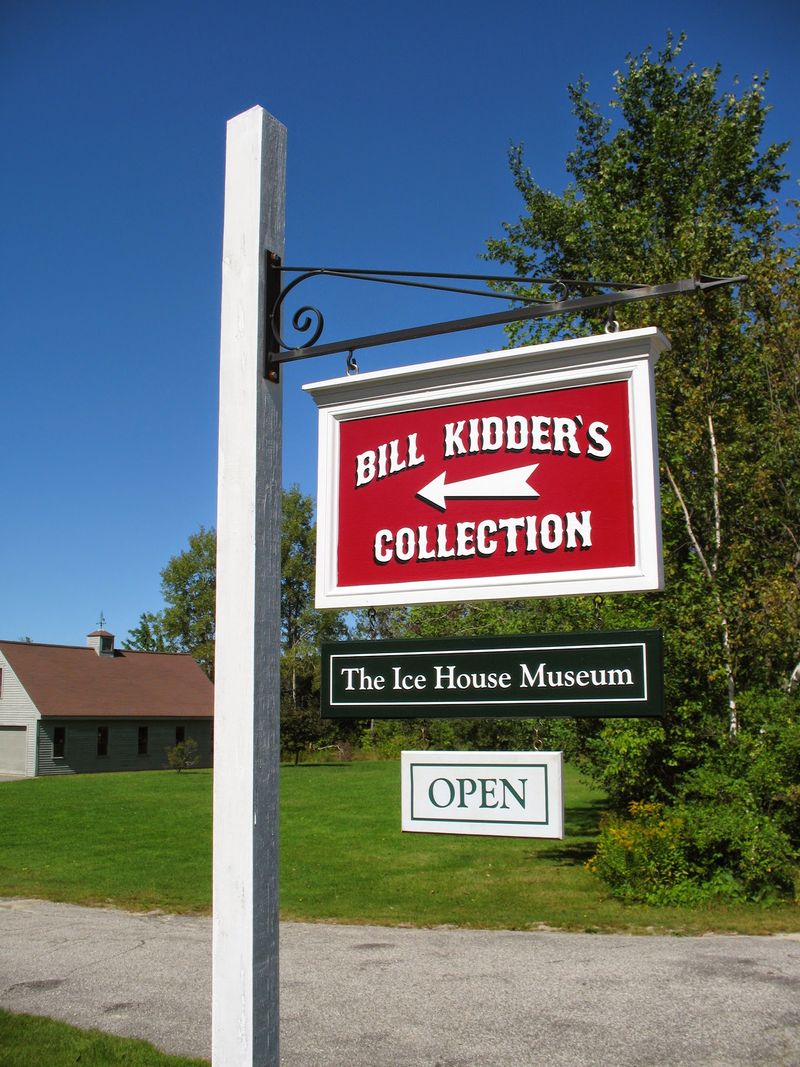
Bill Kidder spent his whole life in New London, New Hampshire. His roots ran deep, and so did his love for machines that still worked.
His father opened New London’s very first garage in 1911. Cars were still new back then, so that was a bold move for a small town.
Bill later took over the family business, called Kidder Garage. In the 1950s, he bought the old ice house down the road.
At first he used it for practical things. He stored customers’ cars, garage equipment, and his own growing pile of treasures there.
Then the hobby took over in the best way. Bill spent his free time polishing, tinkering, repairing, and restoring items, especially ones with local ties.
One building wasn’t enough for long. His collection eventually spread into seven buildings on the property.
I believe that kind of patience is rare now. Most of us toss a broken toaster without a second thought.
Bill would have opened it up to see what went wrong. That curiosity is the heart of the whole museum, and you can feel it in every carefully restored piece.
Early Fords Line Up Like They Never Got The Memo About Retiring
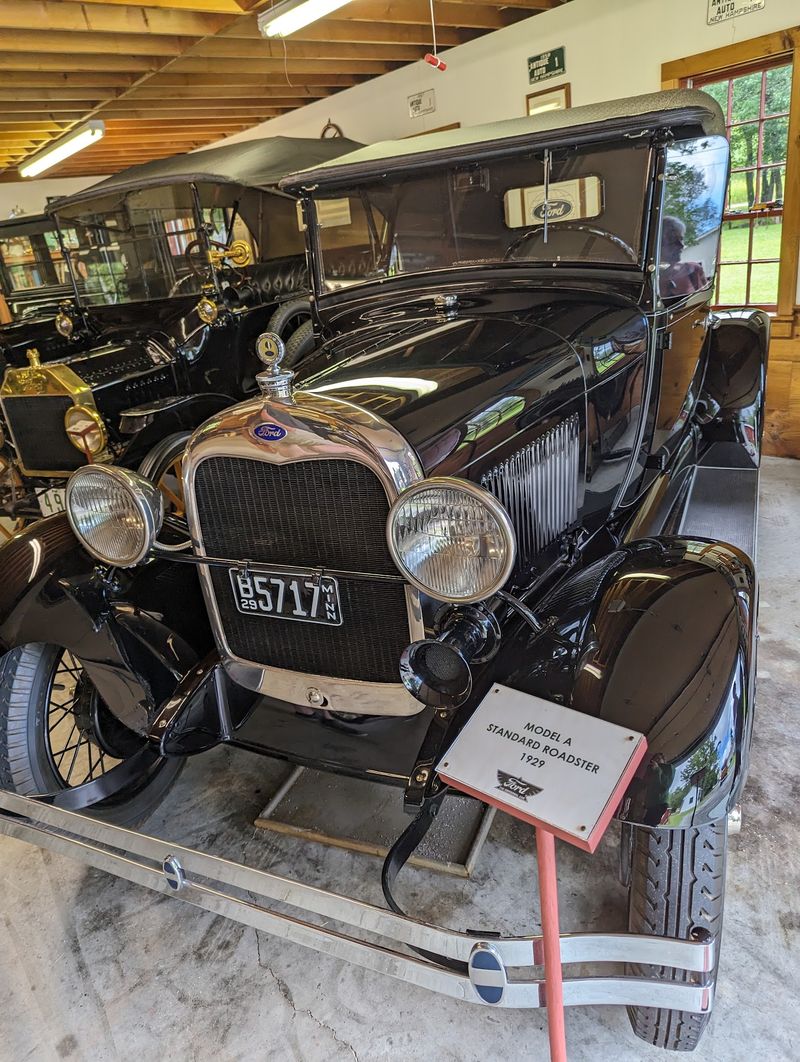
A 1904 Ford Model C is a big deal for car fans. Ford built cars before the famous Model T, and some of those early ones live here.
The Ice House Museum is known for its special group of antique Fords. One area is even called the Ford Building because of its early 20th-century vehicles.
You’ll also spot Model A and Model T Fords among the collection. Early gasoline engines add even more mechanical history to the mix.
So why so many Fords? The Kidder family ran a garage in town for decades, and that connection shows.
Look closely at the details while you browse. Old car makers solved problems in ways that look surprisingly simple today.
Brass lamps, wooden wheels, and open seats tell you a lot. Driving back then was an adventure, and probably a chilly one on New Hampshire mornings.
Here’s a practical tip for car lovers. Don’t stop at the first building, because more treasures wait in the barns farther back.
Take your time and read whatever labels you find. Each car shows a small step in how America learned to drive.
Kids Get To Ride The Exhibits, Which Feels Almost Illegal
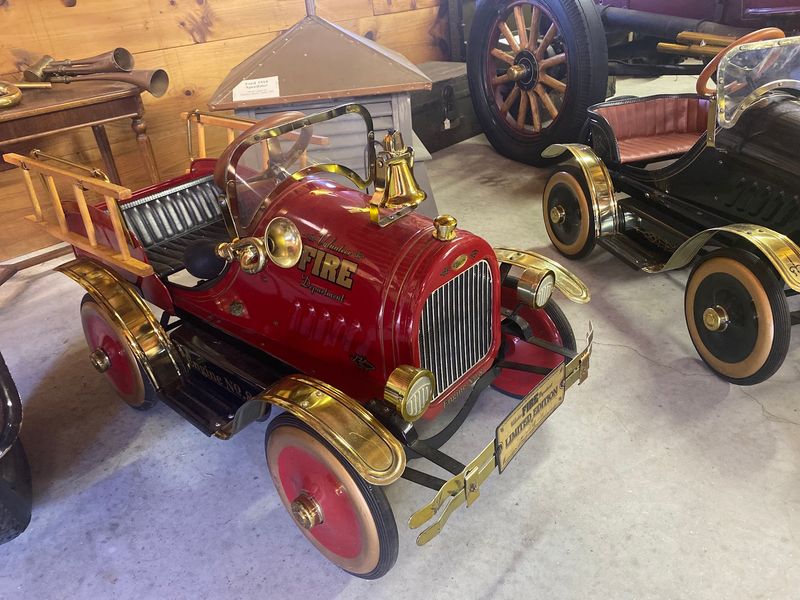
Most museums want little hands far away from the displays. This one practically invites them in.
Visitors are encouraged to try out and use many of the items on display. For kids, that means antique riding toys and pedal cars they can actually climb aboard.
There are bicycles from earlier eras too. Seeing how kids got around long ago makes a modern scooter look like a spaceship.
Steam whistles are another favorite. Children can make them blow, and the sound is loud enough to wake up any sleepy grown-up.
I like how this turns history into play. Kids learn faster when they get to push, pedal, and pull things themselves.
Parents get a break from saying don’t touch every two minutes. That alone might be worth the drive.
Plan to let younger visitors set the pace. They’ll want to try everything twice, so give them time.
Bring snacks for the car ride, since the museum focuses on exhibits, not food. A happy kid with a full belly will enjoy those vintage toys even more.
Clever Farm Fixes Prove Old-Timers Were Secret Inventors
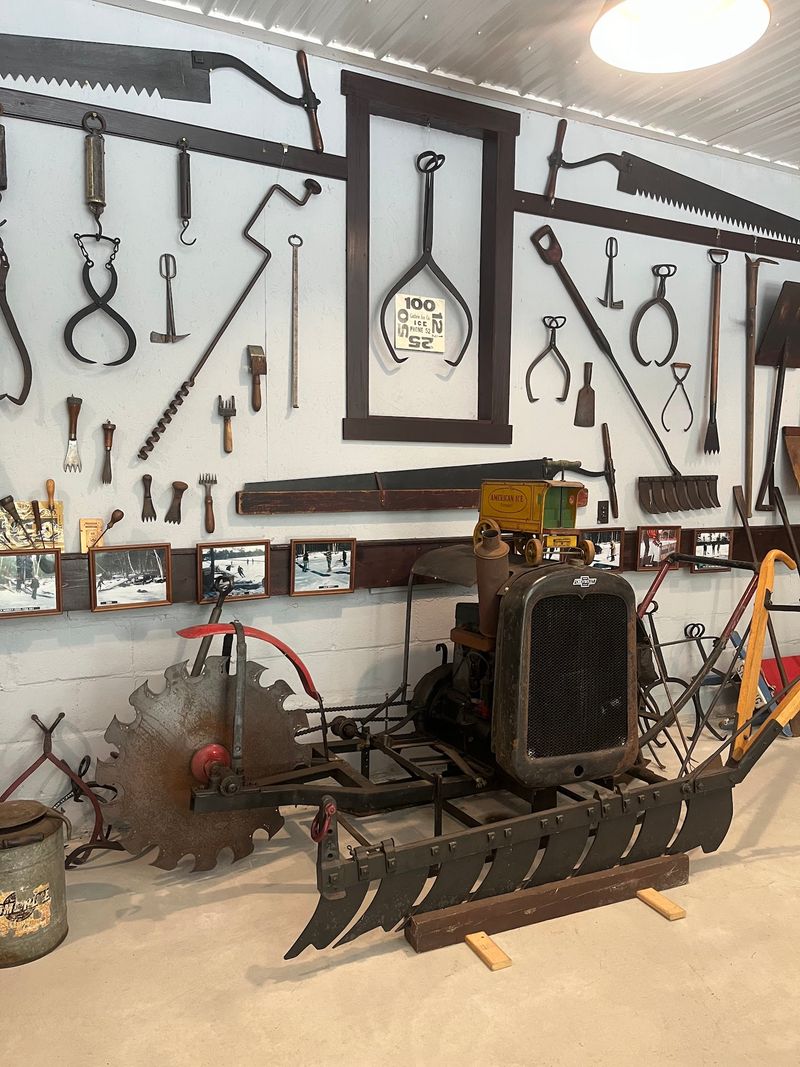
Yankee Ingenuity was a phrase Bill Kidder truly admired. It describes the knack New Englanders had for making things work with whatever they had.
Farmers in the late 1800s and early 1900s were masters at this. When something broke, they figured out how to fix it, often by hand.
The museum shows that spirit through countless working tools and machines. Many of them came from right around the local area.
Some of the most surprising pieces are animal-powered treadmills. Yes, animals once walked on them to power farm machinery.
You’ll also find old washing machines and vintage refrigerators. Laundry day was clearly a workout back then.
Antique padlocks, horse-drawn carriages, and steam whistles round out the collection. It’s a huge mix of everyday Americana from different eras.
These objects make great conversation starters for families. Ask your kids how they’d wash clothes without electricity, and watch them think hard.
Grandparents might recognize a few items too. That’s when the best stories come out, so let them talk.
The museum works best when you treat it like a puzzle about how people once lived.
Yes, You Can Step Inside The Town’s Original Jail Cell
New London’s original jail cell from Whipple Hall now sits inside this museum. Visitors can step right into it, which makes for a pretty memorable photo.
Local history runs all through the collection. Many items connect directly to the town and its people.
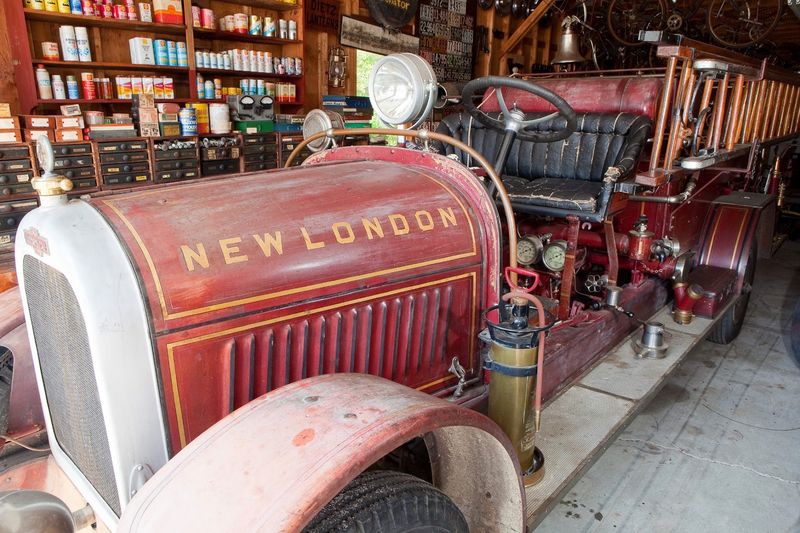
A 1926 gasoline-powered fire engine is one standout. It was one of the first of its kind in New London.
Think about what that meant for the town. Fighting fires got faster, and neighbors felt a lot safer.
There’s also an early movie projector. It offers a peek at how folks enjoyed entertainment before streaming took over our evenings.
The museum includes reconstructions of a blacksmith shop and a tinsmith shop as well. Both trades were once essential in any New England town.
Blacksmiths shaped iron into tools and horseshoes. Tinsmiths made pots, pans, lanterns, and other household goods.
Walking through these spaces gives you a feel for working life long ago. It’s history you can almost hear clanging.
If you have local roots, you might spot something familiar. Even if not, the jail cell is hard to resist for a quick, silly picture.
Saturday Mornings Bring Shiny Cars, Coffee, And Donuts
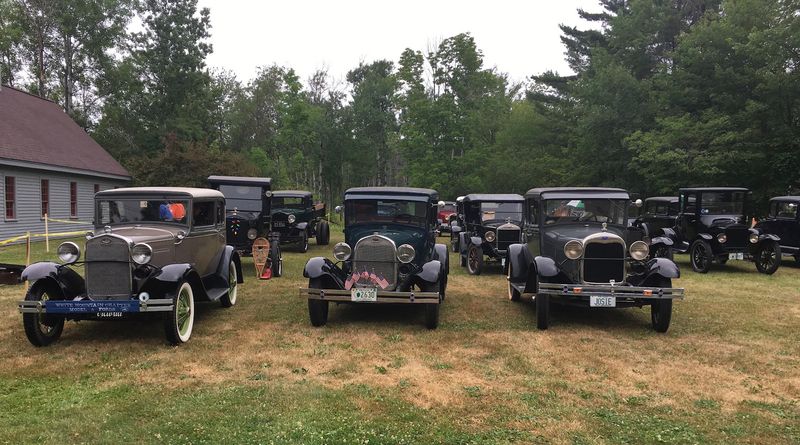
Coffee, donuts, and a lawn full of cars sounds like a solid Saturday plan. The Ice House Museum hosts Cars and Coffee mornings throughout the season.
The 2026 dates are June 13, July 11, August 15, September 12, and October 10. Each one starts at 9 AM.
Owners bring their favorite rides, old or new. It’s a friendly chance to swap stories and admire some serious chrome.
September 12 puts a special spotlight on old Fords. Other dates welcome all makes and models, so everyone gets a turn.
A suggested donation helps support the museum. That’s a fair trade for coffee, donuts, and a morning of car talk.
Here’s a smart move for these events. Admire the cars on the lawn, then head into the buildings to explore the collections.
The barns behind hold many of the real treasures. Skipping them would be like eating only the donut hole.
Arrive early if you want a relaxed look around. Bring a camera, too, because some of these cars deserve their own photo album.
One-Lunger Day Lets Old Engines Cough Back To Life
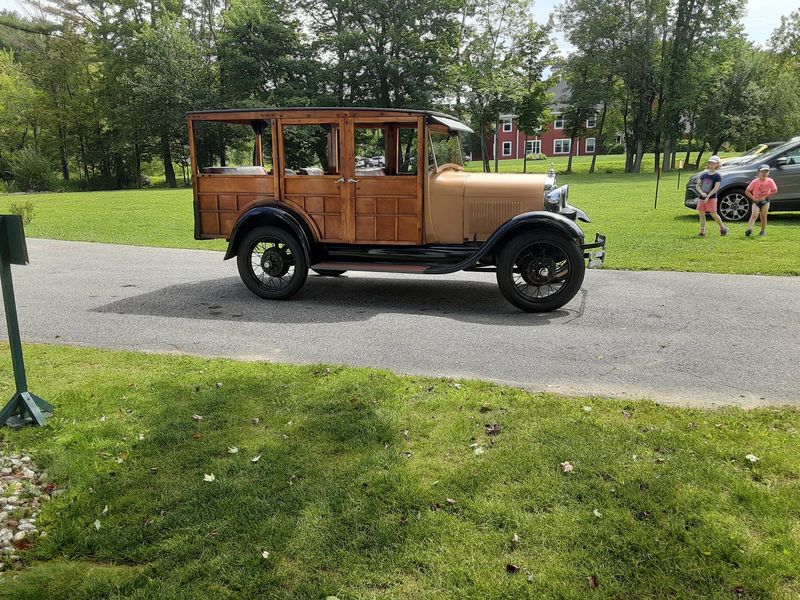
Chug, pop, chug. That’s roughly the soundtrack of One-Lunger Day, and engine fans love it.
A one-lunger is an engine with a single cylinder. During this event, the museum starts up some of its own and lets them run for visitors.
It’s a rare chance to see these machines working instead of sitting still. You can watch the moving parts and hear their steady rhythm.
Antique tractors also roll around the grounds. Early farm power never looked so lively.
In 2026, One-Lunger Day lands on Saturday, July 25. It runs from 9 AM to 1 PM.
Visitors are welcome to bring their own engines and know-how. The museum describes it as a mutual admiration society of mechanical folks, which sounds about right.
Even if you can’t tell a piston from a pancake, it’s fun. Ask questions, since engine lovers usually enjoy sharing what they know.
Kids tend to find the noise exciting. Adults might find themselves suddenly curious about how all of it works.
Either way, these old engines make a strong case that simple machines still have plenty of personality.
Free Admission Means You Should Plan Your Visit Around These Hours
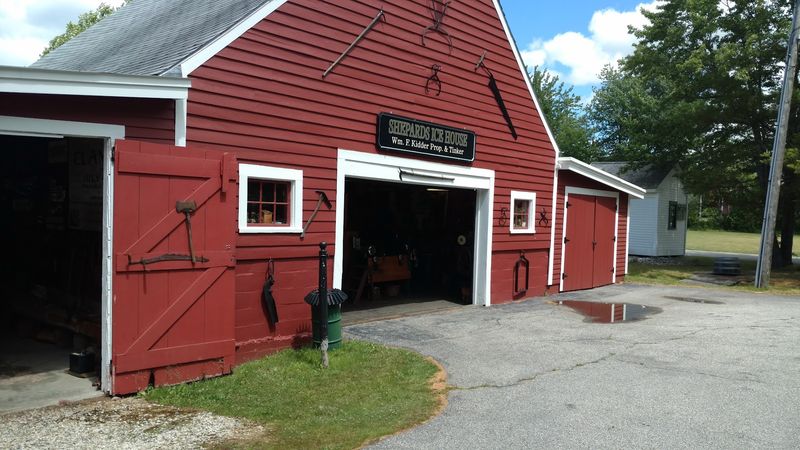
Free museums are wonderful, but they come with a catch. You need to know when the doors are actually open.
The Ice House Museum runs seasonally from May 26 to October 10, 2026. It’s open Tuesdays and Thursdays from 9 AM to 4 PM.
On Saturdays, hours run from 9 AM to 2 PM. That shorter window means early birds get more time with the cars.
Admission costs nothing, which still feels a little unbelievable. Donations are welcome and help keep the collection safe for future visitors.
The museum is supported entirely by its Friends and through grants. Every bit of help matters for a place like this.
Volunteers do a lot behind the scenes too. They clean, polish brass, restore items, catalog the collection, and guide visitors.
If you love history, volunteering here could be a fun way to get involved. Imagine spending your free time making old brass shine again.
Give yourself at least a couple of hours to explore. With seven buildings full of treasures, rushing would be a mistake.
New Hampshire has plenty of museums, but few let curiosity roam this freely.
