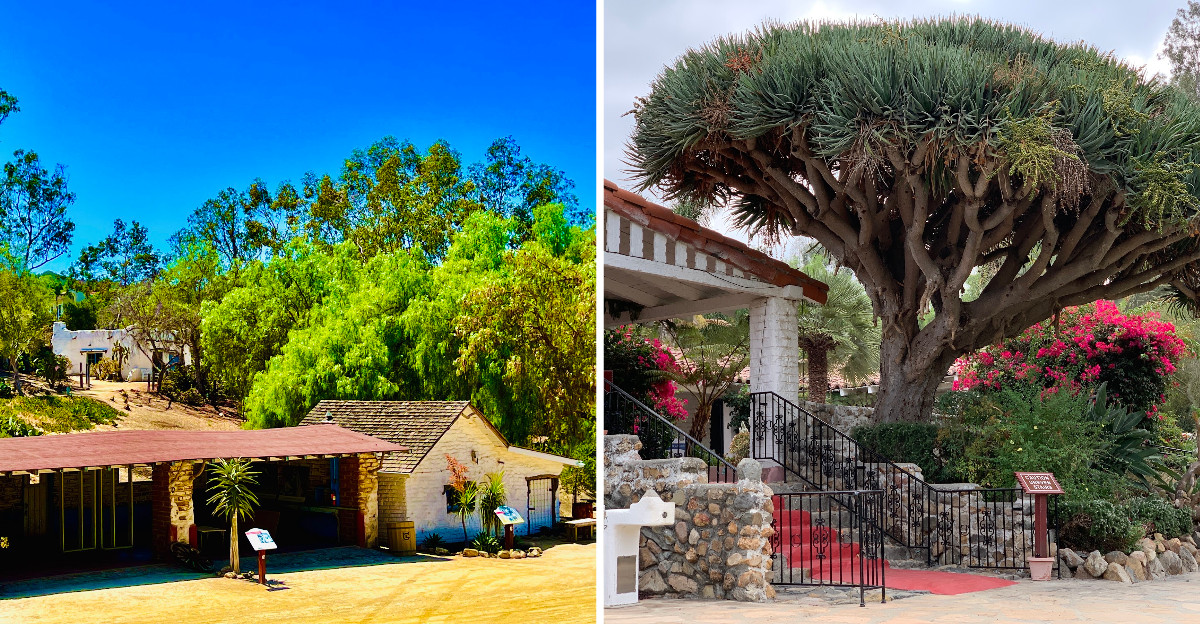
California is full of places where Hollywood history comes polished and carefully staged, but this one feels wonderfully different. I arrived expecting an old ranch and ended up wandering through what feels like one man’s enormous love letter to another version of the state.
Adobe walls, weathered stables, citrus trees, tiled courtyards, and a few ridiculously confident peacocks make the outside world disappear surprisingly fast. What caught me most was how personal everything feels.
This was not simply a grand estate designed to impress visitors. It grew around one man’s fascination with California history, ranch life, architecture, and the landscape surrounding him.
You can see that personality in details scattered across the property, including buildings that look as though someone might return at any moment. Even with Hollywood woven into its story, the place never feels like a celebrity attraction.
It feels lived in, slightly eccentric, and genuinely warm.
A TV Sidekick with a Leading-Man Dream
I love a good origin story, and this one begins with a man most people remember as a lovable TV sidekick. Leo Carrillo played Pancho on The Cisco Kid, but his life was much bigger than one role.
Born into a well-known California family, he was a vaudeville performer, a Golden Age Hollywood actor, and a passionate conservationist. He was also deeply proud of his Spanish and Mexican-American roots.
Growing up, Carrillo heard stories about the big ranchos that once covered California, with open land, horses, and long, happy gatherings that could last for days.
By the 1930s, he could see that way of life slipping away. Cities were growing fast.
Old traditions were fading.
So he did something about it. Starting in 1937, he began buying land in the hills of Carlsbad, and by 1939 he owned a whopping 2,538 acres.
His plan was not just to have a fancy getaway from the movie studios. He wanted a real, working rancho that honored his ancestors and brought the flavor of Old California back to life.
Knowing this backstory before you visit makes a huge difference, because every adobe wall and dusty path suddenly feels like part of one man’s heartfelt love letter to the past.
The Ranch of the Spanish Daggers
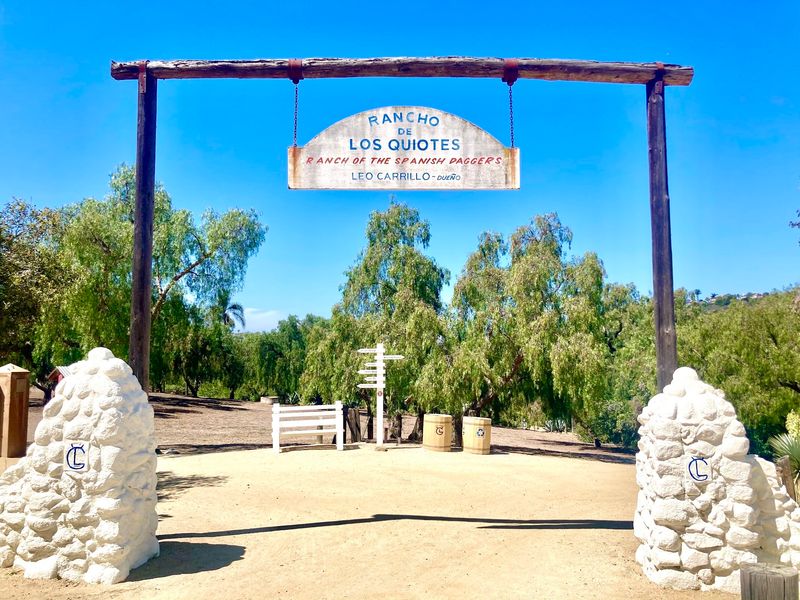
My favorite small detail about this place is its original name. Carrillo called his property Rancho de los Quiotes, which means Ranch of the Spanish Daggers.
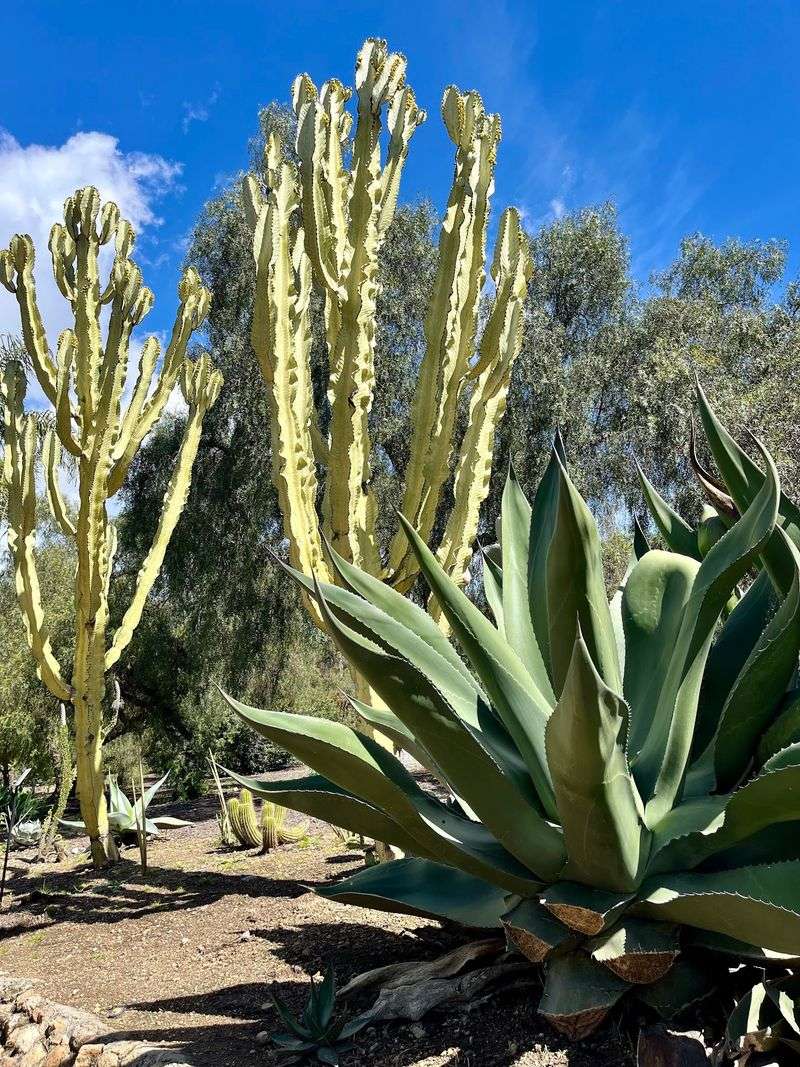
The name comes from the spiky yucca plants that grow wild on the surrounding hillsides, and you can still spot their sharp, sword-like leaves today.
Honestly, it is a pretty tough name for such a peaceful spot. The park sits tucked inside a quiet canyon, wrapped in chaparral, and the noise of modern Carlsbad seems to fade the moment you arrive.
Of course, the ranch is much smaller now than it was in Carrillo’s day. The historic park covers about 27 acres, a tiny slice of the original 2,538.
Still, those acres hold the heart of the old rancho, including the main hacienda, the stables, and many of the buildings where daily life once happened.
Before Carrillo arrived, this land was home to the Payómkawichum people, and interpretive signs around the park share their story too. I appreciated that the history here does not start with Hollywood.
Here is a tip. Keep an eye out for yucca as you walk, since spotting them feels like a little treasure hunt that connects you to the name.
Adobe Walls, Red Tiles, and a Splash of Blue
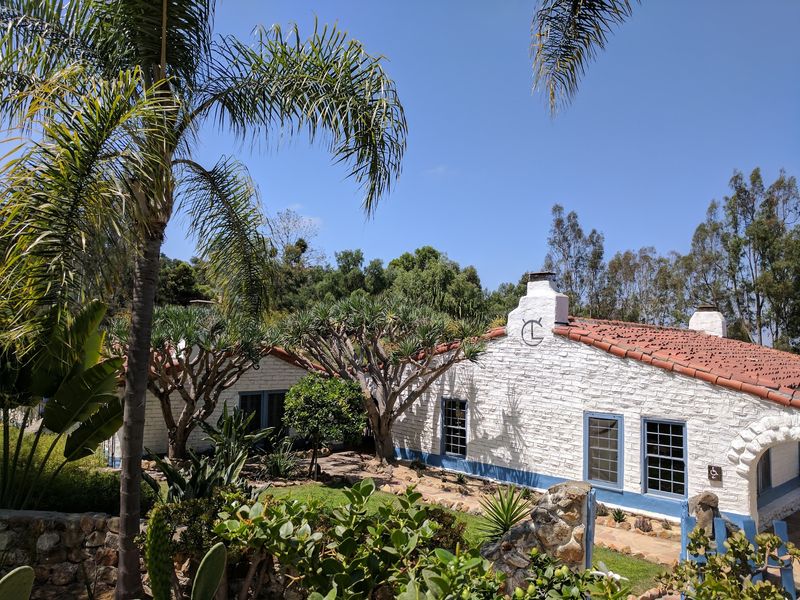
Thick walls made of sun-dried mud bricks might not sound exciting, but they won me over fast. The hacienda at the center of the ranch is built from hand-crafted adobe, topped with red clay tile roofs.
Its style is Spanish Colonial Revival, a look inspired by the old Californio ranch homes Carrillo admired so much.
The main house forms a U shape around a flagstone courtyard. It feels cozy and open at the same time, like a giant pair of arms giving you a hug.
Peeking inside the rooms, I could picture the family and their guests going about their day. Adobe walls stay cool in the summer heat and hold warmth when the evenings turn chilly, which is pretty clever for a building made mostly of earth.
Look for the soft blue trim around the doors and windows, a shade many visitors call Carrillo Ranch Blue. It pops beautifully against the earthy walls.
Nearby stands Deedie’s House, the private retreat of Leo’s wife. It is smaller and quieter, and it gives you a peek at a more personal side of ranch life.
Take your time here, because the tiny details, like the ornamental gate at the main entrance, are easy to miss.
Peacocks with Star Power
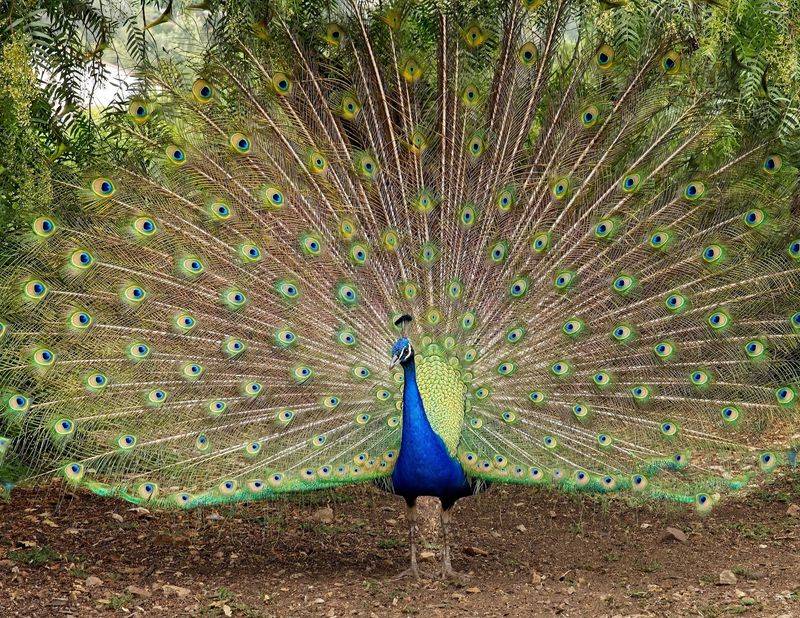
The first time a peacock calls out across the ranch, you might jump a little, since it sounds almost like someone yelling for help. Those colorful birds are the park’s most famous residents.
Leo Carrillo started his flock in 1937 with just six birds. The peafowl that roam the grounds today are linked to that original group, which makes them a living piece of ranch history.
You might find one strutting across the grass, resting in the shade, or even perched on a rooftop like it owns the place. When a male fans out his shimmering blue and green tail, it is hard not to stop and stare.
Their numbers can change over the years, so there is no promise you will see a crowd of them. Spring, especially March through June, tends to be the liveliest season, when the males show off the most.
A few friendly rules help keep everyone happy. Please do not feed the birds or chase them, since they are wild animals.
Bring a camera with a good zoom and a little patience. Sometimes the best moments happen when you simply sit on a bench and let the birds come to you.
Poolside Fiestas and Hollywood Weekends
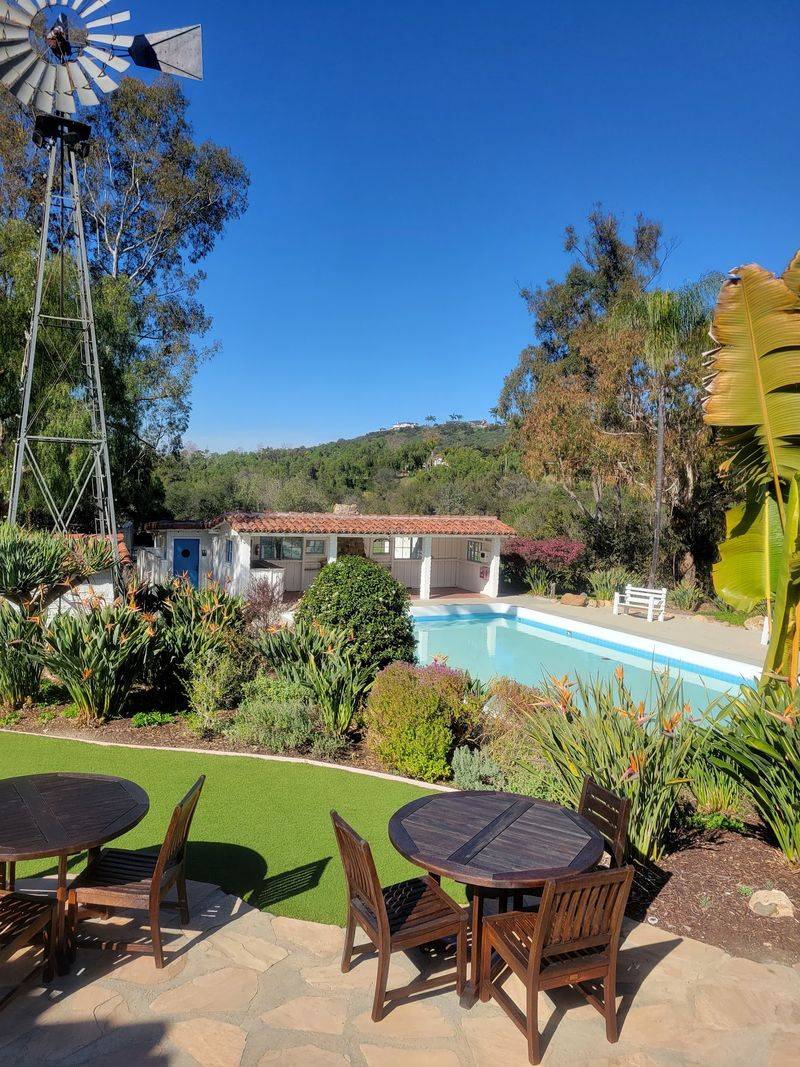
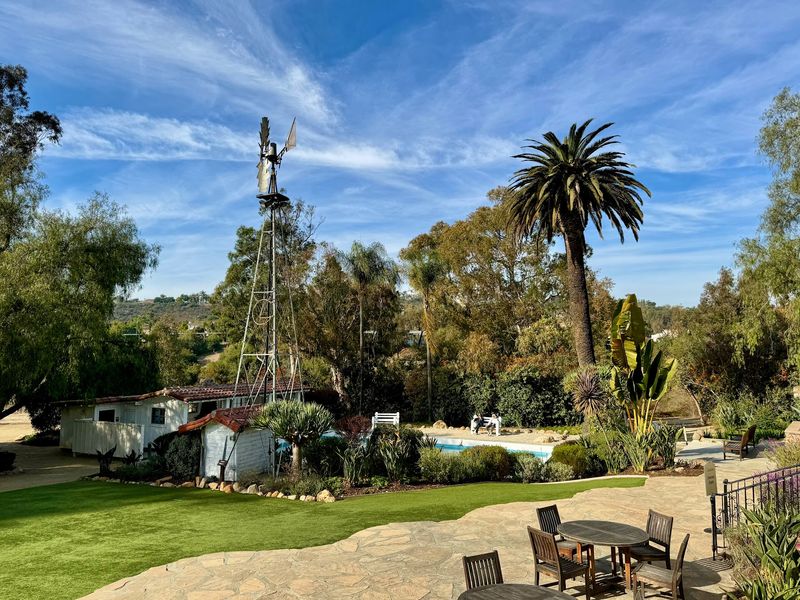
Picture a ten-foot-deep swimming pool surrounded by white sand, right in the middle of a dusty ranch. That was Carrillo’s idea of a good time, and I have to say, the man had style.
Today the pool is a calm reflecting pool, and its still water mirrors the sky and trees in a way that feels almost magical. The original cabana still stands nearby, hinting at lazy afternoons in the sun.
Carrillo loved to host. He threw big fiestas for his Hollywood friends, family, and neighbors, inviting them to enjoy music, food, and the easygoing rhythm of rancho life.
Some guests came to feel like real cowboys for a weekend, riding horses and soaking up the open country. For them, the ranch offered a break from busy studio schedules and bright city lights.
It helps to slow down near the pool and let your imagination fill in the scene. Think of guitars playing, kids splashing, and laughter drifting across the courtyard as the sun went down.
Friendship and open doors were a big part of Carrillo’s vision of Old California, and this spot shows that spirit better than any other corner of the park.
Where the Real Ranch Work Happened
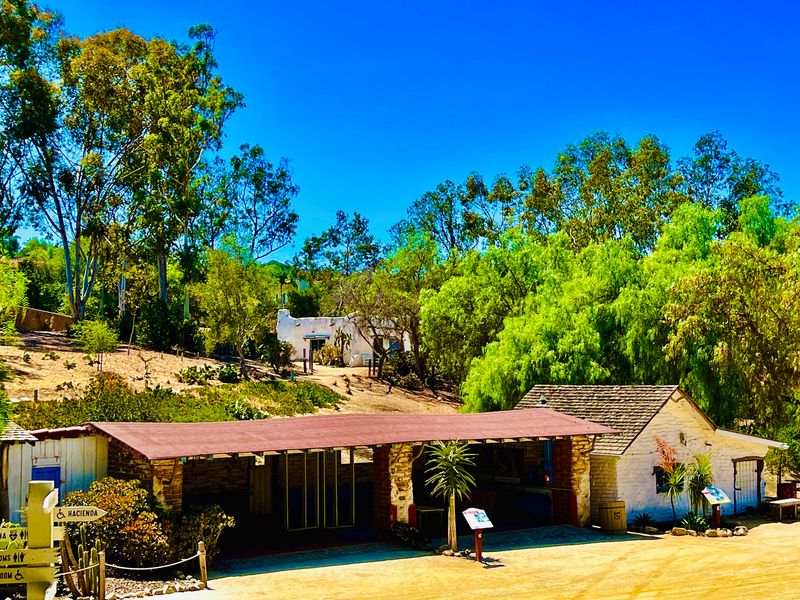
Fancy parties were only half the story. Carrillo was proud that his ranch actually worked, raising cattle and horses and growing crops on the land.
Heading uphill, I found a cluster of rustic buildings that show the hardworking side of rancho life. There is a carriage house, a tack shed for saddles and gear, and a stable where horses once rested after long days.
The old hay barn is my favorite, partly because it now serves as the Visitor Center. It once stored feed for cattle, horses, and even turkeys.
Inside, a short video gives a helpful introduction to the ranch, so it is a smart first stop before you start exploring the grounds.
Farther along, the equipment shed and blacksmith shop display tools that kept the whole estate running. Look for Big Red, a vintage tractor that once helped with the orchards and fields.
A cattle chute rounds out the picture. It reminds you that real work, sweat, and early mornings happened here.
Kids especially seem to enjoy this area, since the old tools and wagons feel like props from a western movie, only real and full of stories waiting to be discovered.
Citrus Breezes and a Giant Dragon Tree
My nose noticed this part of the ranch before my eyes did. Orange, lemon, and lime trees grow on the grounds, and on a warm day the citrus scent drifts right across the paths.
The landscaping mixes native plants with exotic ones, creating a garden that feels both wild and carefully planned. Tall palms line Palm Lane, while weeping pepper trees let their soft branches hang like green curtains.
Cactus fans will be thrilled. Succulents and prickly plants of all shapes pop up everywhere, from round clusters to tall, spiky towers.
Keep an eye out for toyon, a native shrub that produces bright red berries in winter. It adds a cheerful splash of color when the hills turn golden.
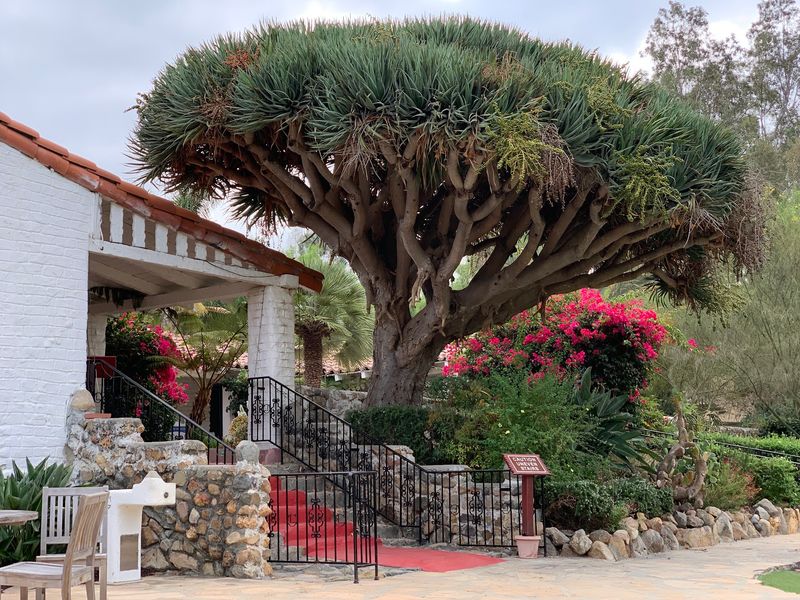
Do not miss the giant Dragon Tree, either. Its thick trunk and umbrella of stiff leaves look like something from a fantasy novel.
Shade trees and picnic tables make the gardens a lovely place to pause with a packed lunch. Many visitors spread out on the grass and simply enjoy the breeze.
If you love plants, consider joining one of the botanical tours sometimes offered by the park. Guides share fun facts that make every leaf more interesting.
Saving Old California for the Rest of Us
Before I left, I felt grateful that this place survived at all. After Carrillo passed away in 1961, much of the huge ranch was sold off, and houses slowly filled the land around it.
The City of Carlsbad acquired the historic core in the late 1970s, restored the fragile adobe buildings, and opened the park to the public in 2003.
The ranch is now listed on the National Register of Historic Places. Volunteers and the Friends of Leo Carrillo Ranch keep supporting restoration, classes, and community events that celebrate California history and the arts.
Planning a visit is easy. The park is open daily from 9 AM to 5 PM, and friendly docents lead tours on weekends, usually at 10 AM and 1 PM.
Wear comfy shoes, since the paths range from pavement to uneven dirt with some gentle hills. Dogs are not allowed, and the dirt parking lot can close after heavy rain, so calling ahead is smart.
Plan on at least two hours to see everything without rushing, and a little longer if you want to linger with a picnic. Bring water, sunscreen, and a curious mind.
Address: 6200 Flying Leo Carrillo Ln, Carlsbad, CA
