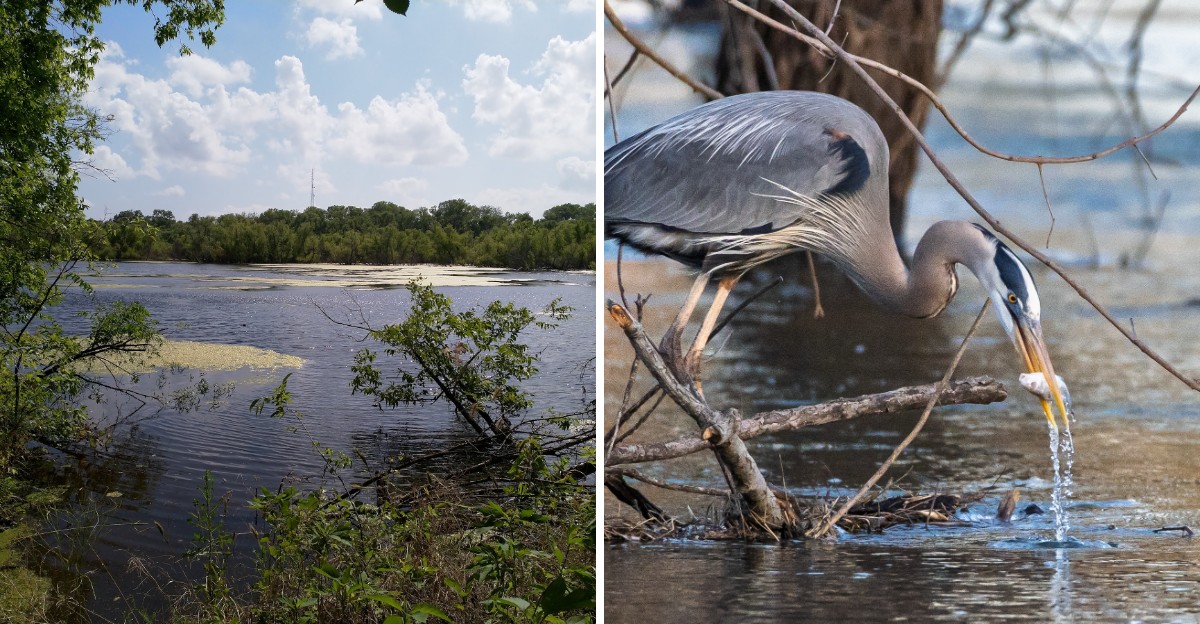
Sometimes you need to disappear for a while. Not forever, just for an afternoon.
This Texas nature preserve gives you more than 2,600 acres to do exactly that. It is massive, with trails that wind through forests, meadows, and wetlands.
You can hike for hours and barely see another person. Birds, deer, and other wildlife go about their day, undisturbed by the noise of the city.
It is the kind of place where you can actually hear yourself think. No traffic, no notifications, no deadlines.
Just open space and fresh air. The preserve is a reminder that nature is not just a luxury.
It is a necessity. And this spot delivers it in abundance.
Bring a map, some water, and a willingness to get a little lost. You will find your way back.
And you will feel better for it.
Where Two Texas Landscapes Collide
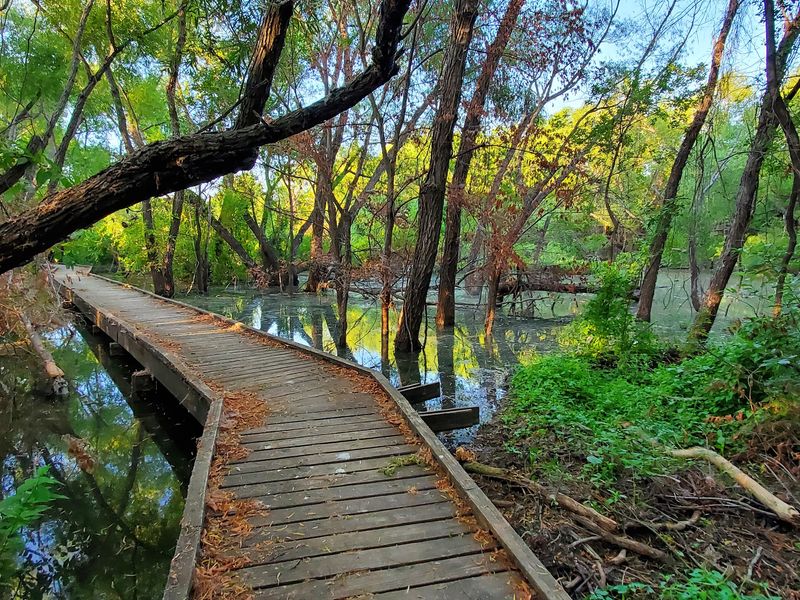
Geography nerds get a treat here, and casual walkers get the scenery without needing to know why. The preserve sits right on the seam where the Blackland Prairie gives way to the Eastern Cross Timbers.
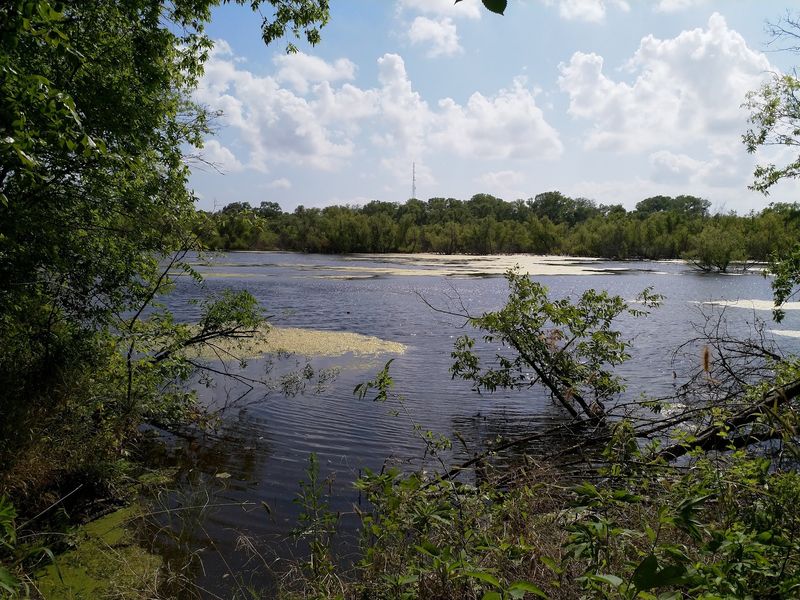
That means tallgrass openings on one side of a trail and dense oak woodland on the other, sometimes within the same short walk. The Elm Fork of the Trinity River threads through the middle of it all, carving out bottomland hardwood forest and pockets of wetland along the way.
The result is a landscape that never quite settles into one mood. Sun-baked grassland shifts into deep shade, then opens again onto water.
Over 500 plant species grow across these acres, which explains why the trail edges look different every few weeks. Spring brings a rush of wildflowers, summer thickens the canopy, and fall turns the bottomland gold and rust.
Late May into June and October into November are often the sweet spots for color and comfortable temperatures.
One honest note worth mentioning. Large transmission lines cross parts of the property, and they do show up in photos.
Some visitors barely register them, others find them distracting. Either way, the ecological variety underneath is genuinely uncommon for a preserve wedged this close to a metro area of millions.
Walk slowly and the transitions become obvious. Soil changes, grasses change, bird calls change.
It’s a compact lesson in how North Texas used to look before roads and rooftops rearranged everything.
Wildlife Sightings That Feel Almost Unfair
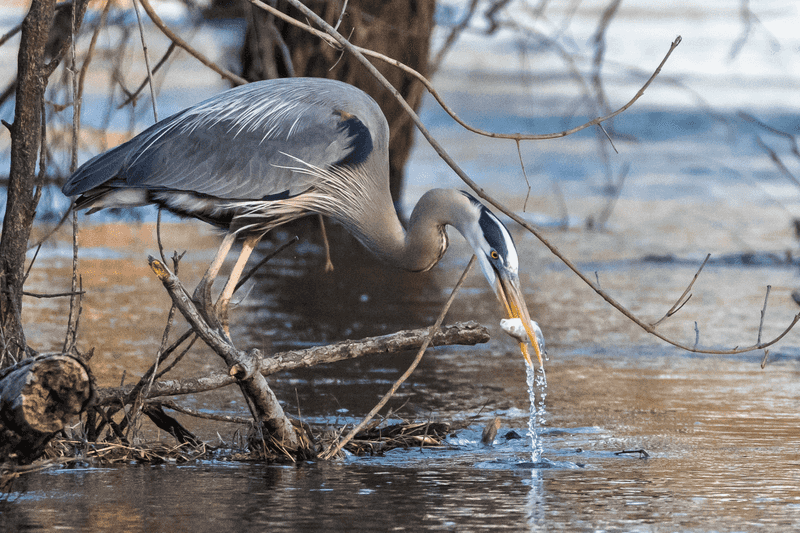
More than 360 vertebrate species live within these boundaries, which sounds like a statistic until something rustles ten feet off the path. White-tailed deer are common enough that patient visitors usually spot a few.
Armadillos are the comedians of the place, rooting through leaves with zero awareness of anyone watching. Raccoons, opossums, coyotes, and the occasional bobcat also move through the property, though the shy ones prefer dawn, dusk, and deeper cover.
River otters turn up in the waterways now and then, which is a genuine thrill for anyone lucky enough to catch it.
Birders have it especially good. Over 270 species have been recorded, and bald eagles have nested here.
Wild turkeys gobble from the brush, painted buntings flash impossible colors, and the wetlands fill with wood ducks and wading birds. Vultures ride the air currents near the dam, circling with what looks like showmanship.
Smaller creatures deserve attention too. Dragonflies patrol the marsh edges in summer, butterflies work the wildflowers, and turtles stack up on logs in the sloughs.
A few small snakes show up on trails, usually minding their own business.
Practical advice for better sightings. Go early, walk quietly, and stop moving every so often instead of powering through.
Weekdays tend to be quieter than weekends, which helps. Binoculars are worth carrying, and so is a camera with some zoom, because the best moments rarely happen at arm’s length.
Seven Miles of Trails Worth Linking Together
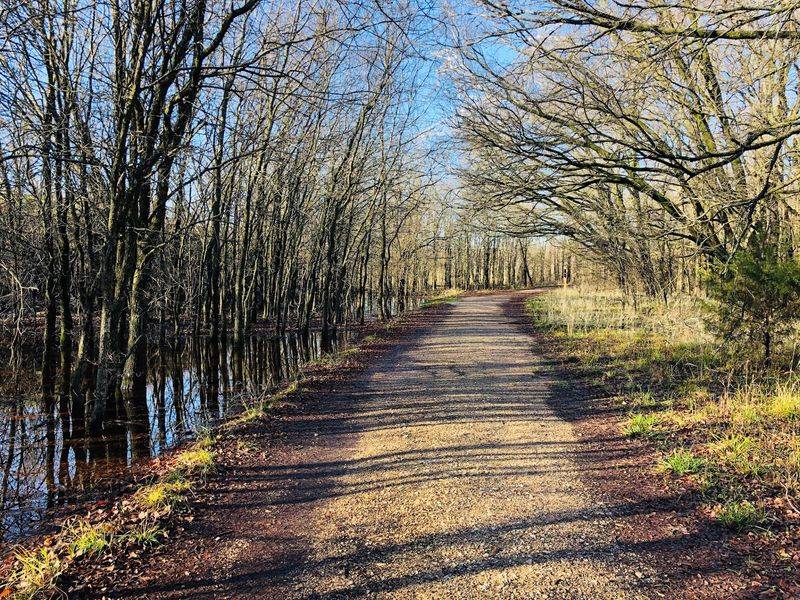
Trail lovers, take note. There’s a little over seven miles of walking here, split into named paths that overlap in ways that let you build a longer outing without repeating scenery.
Elevation change is minimal, so it’s less about lung-burning climbs and more about steady, pleasant distance. That makes it friendly for families and beginners.
Blackjack Trail runs through grassland glades and holds plant species you won’t find elsewhere on the property. Redbud Trail wanders past scattered trees before opening onto river views, which makes it a favorite for anyone who likes water at the end of a walk.
Cicada Trail is short, fully shaded, and lined with interpretive signs, so it’s a good pick with kids or on a hot afternoon. Green Dragon adds another option when you want to stretch the day out.
Cottonwood Trail handles a stroller reasonably well. Several others do not, so plan accordingly if you’re pushing wheels.
Maps are available at the entrance and mark the routes clearly, though a few trail signs out on the ground can be easy to miss. Screenshot the map before losing cell signal.
Surfaces are unpaved, which matters after rain. Low-lying stretches turn marshy or flood outright, and trails do close when conditions warrant it.
Checking the website before driving out saves disappointment.
Multiple parking areas let you start from different trailheads, and port-a-potties sit at each one. Not glamorous, but genuinely convenient.
Bittern Marsh and the Boardwalk Everyone Remembers
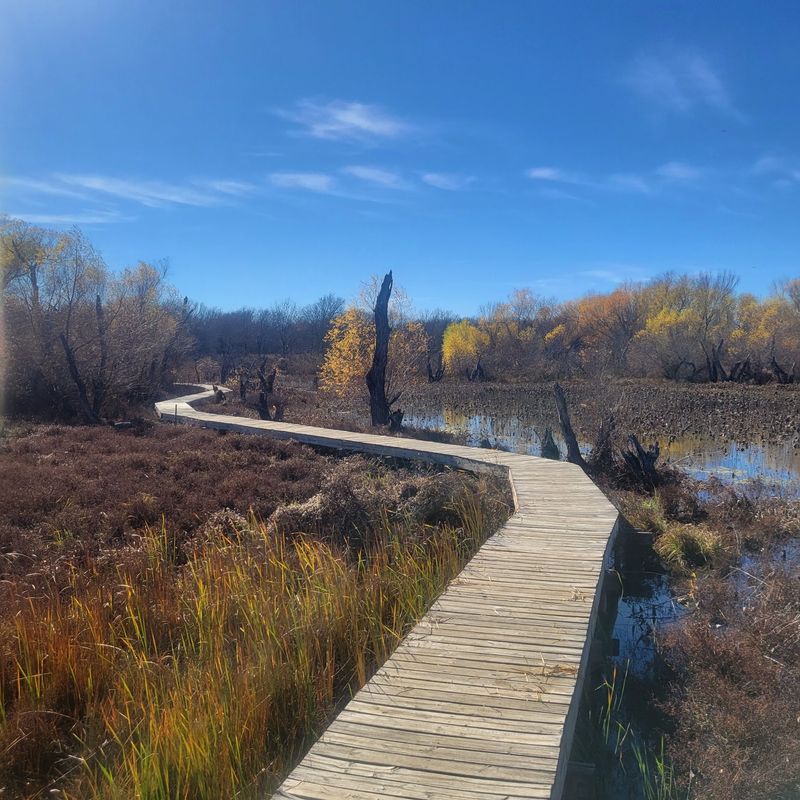
Ask around about favorite trails here and Bittern Marsh comes up constantly. The draw is a boardwalk that cuts straight through marshy terrain, putting walkers right at eye level with cattails, still water, and whatever is hiding in them.
Open grassland bookends the wetland sections, so the scenery keeps shifting.
Observation blinds are the secret weapon. Duck inside, stay still, and birds behave like nobody showed up.
Wading birds pick through the shallows, wood ducks paddle between reeds, and frogs keep up a steady racket in warmer months. Dragonflies zip across the surface in summer like tiny helicopters.
Rainy weather gets an unexpected recommendation from regulars, because the marsh looks richer and the bird chorus gets louder. Just expect soggy footing and pack accordingly.
Cottonwood Trail covers similar wetland ground with its own blind, and it’s the easier surface of the two.
Timing changes everything out here. Early morning light on the water is hard to beat, and evening brings a different set of sounds.
Midday in July is honestly rough, since marsh areas offer limited shade. Insect repellent is not optional near standing water.
There’s something oddly satisfying about standing on a wooden walkway over a Texas marsh while knowing a highway sits a few miles off. The illusion holds completely.
Benches and seating areas turn up along the way, which encourages the kind of sitting-and-watching that this trail rewards most. Rushing it defeats the purpose.
Paddling the Elm Fork and Beaver Pond
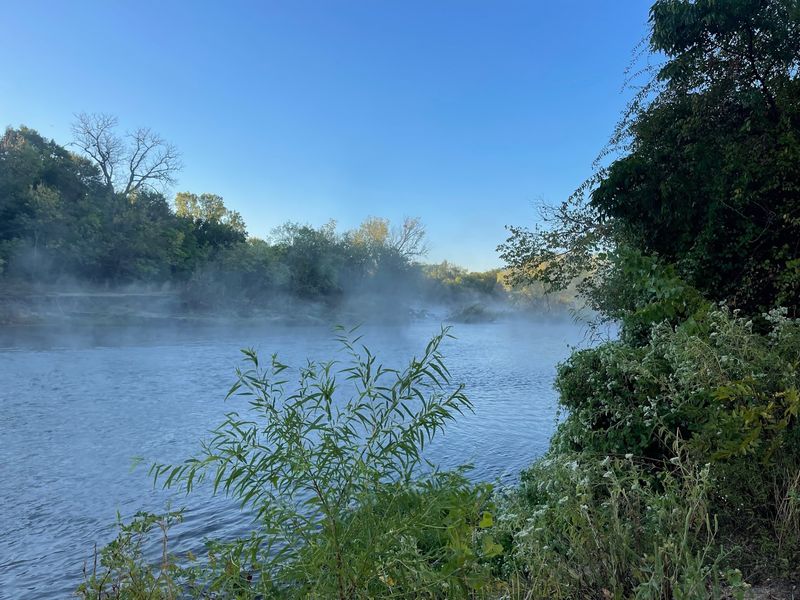
Bring a boat and the preserve opens up a whole second personality. The Elm Fork of the Trinity River runs calm enough for canoes and kayaks, and drifting it gives a view of the riparian forest that no trail can match.
Beaver Pond offers a quieter, more contained option for anyone who prefers still water over current.
Personal canoes and kayaks are welcome, so this is a solid destination for paddlers who already own gear. Guided river tours pop up on the event calendar occasionally, led by staff who explain what’s living along the banks while the group floats.
Those fill a nice gap for people curious about paddling but unsure where to start.
From water level, everything reads differently. Turtles slide off logs before you get close, herons lift out of the shallows, and cottonwoods tower overhead in a way that shrinks the boat considerably.
The pace is slow by nature, which suits the setting.
A few practical thoughts. Water levels below the dam can shift, so checking conditions ahead of a trip matters more here than on a lake.
Sun exposure on open water adds up fast in Texas, making hats and sunscreen genuinely important rather than optional. A dry bag keeps phones and snacks safe.
Paddling also pairs well with a short walk afterward, since several trailheads sit near the river. Two very different perspectives on the same landscape in one visit.
Fishing Below the Dam
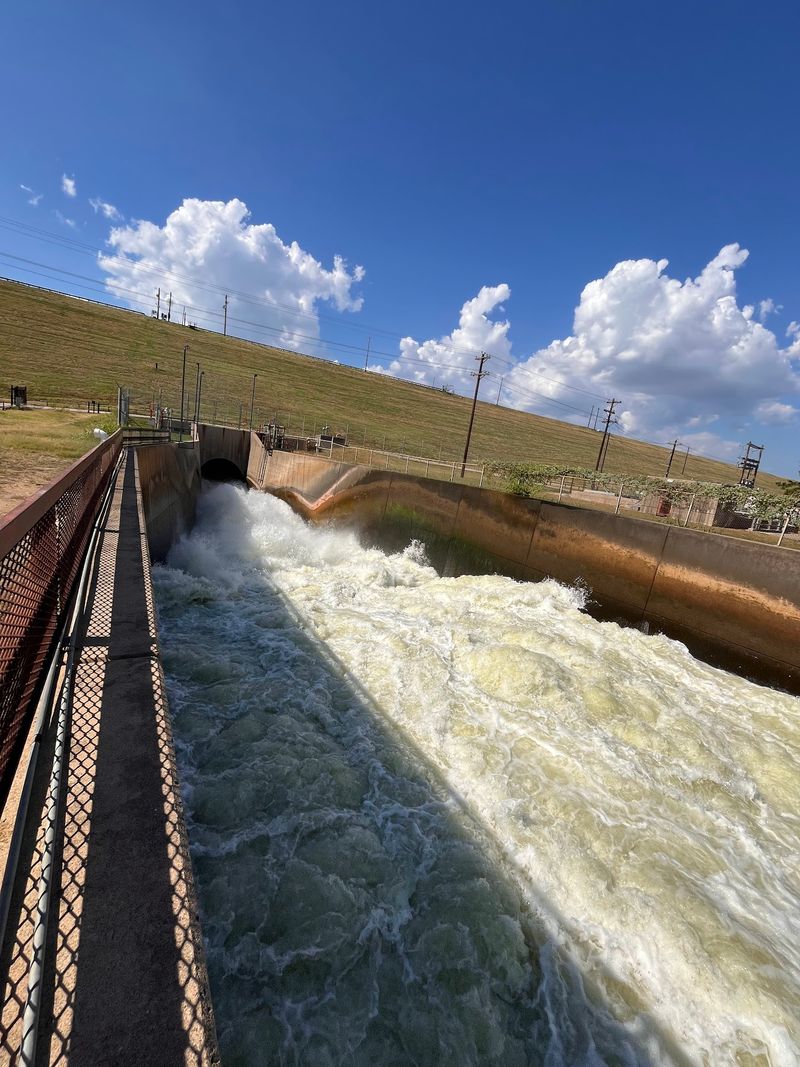
Anglers talk about this stretch with real affection. The river below the Lewisville Lake dam runs fairly clear, and the fish here look healthy.
Carp and buffalo fish are the headline attraction for anyone who enjoys a strong fight on the line.
Largemouth bass turn up too, along with bluegill and other panfish that keep the action steady when bigger targets aren’t cooperating. Some visitors come specifically for carp, which pull hard and provide plenty of entertainment even for catch-and-release folks.
Results vary by season, as always, and a slow day out here still beats a slow day in traffic.
Two of the trails provide river access, so getting to the water involves a short walk rather than a long hike. A valid Texas fishing license is required, and that’s worth sorting out before arrival rather than after.
What makes it appealing is the setting more than the catch. Standing on a bank with trees closing in overhead, hearing water move and birds overhead, it stops feeling like a fishing trip twenty minutes from a major metro area.
Wading birds often work the same shallows, which makes for good company.
Packing light helps, since everything gets carried in and out. Water, shade, and insect repellent handle the basics.
Picnic-worthy spots sit along the river as well, so combining a few casts with lunch on the bank works nicely for a relaxed half-day rather than a dedicated fishing mission.
The Minor-Porter Log Home and Its 1870s Story
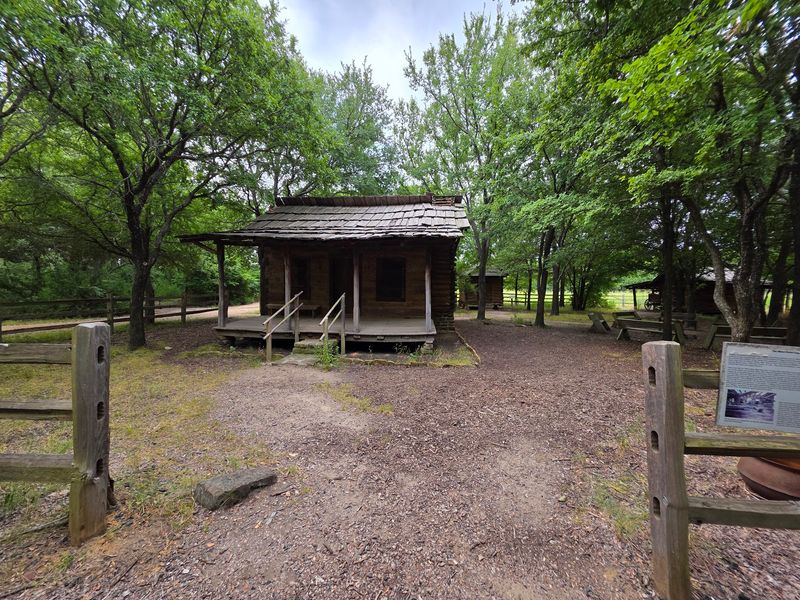
History hides among the trees here in the form of a restored log home dating to 1870. The Minor-Porter Log Home stands as a reminder that people carved out lives on this land long before it became a preserve.
Furnished with authentic artifacts and tools from the 1800s, it gives a concrete sense of frontier life in Denton County.
Tours run on a regular schedule, and volunteers handle the storytelling. They explain how the structure was built, who lived in it, and what daily routines looked like without electricity, plumbing, or a nearby grocery store.
Visitors who catch a tour tend to leave with more appreciation for the ingenuity involved than they expected.
The cabin adds a different texture to a visit that’s otherwise all birds and trails. Ecological preservation and human history sit side by side on the same property, which is a pairing you don’t get at most nature areas.
Checking the events calendar ahead of time helps, since tours happen at set times and the visitor center is typically staffed by volunteers on weekends. Weekday visitors get quieter trails but may miss indoor access.
Everything sits within the same property at 201 E Jones St, Lewisville, TX 75057, so combining a cabin tour with a walk takes no extra driving.
Photographers should note the stone chimney and hand-hewn logs, which look particularly good in soft morning or late afternoon light. Small details reward a close look.
Programs, Stargazing Nights, and Smart Trip Planning
Beyond the trails, this place operates as an outdoor classroom. Partnerships with the University of North Texas and Lewisville ISD support research and education programs built around native Texas ecosystems.
For visitors, that translates into a surprisingly full events calendar.
Monthly nature walks highlight seasonal changes, bird walks help beginners put names to calls, and night hikes reveal the nocturnal side of the preserve. Stargazing nights take advantage of relatively dark skies, which is no small thing this close to a metro area.
Programs like My First Fish introduce kids to fishing and aquatic habitats in a low-pressure way.
Now the logistics, because they matter here. Hours run 7:00 AM to 5:00 PM from November 1 through February 28, then stretch to 7:00 PM from March 1 through October 31.
Gates close on Thanksgiving, Christmas, and New Year’s Day.
A per-vehicle entry fee is collected at the gate, and payment is by credit card only. No card, no entry, so tuck one in a pocket before leaving home.
Annual passes exist for frequent visitors.
GPS can be unhelpful and sometimes routes drivers toward closed service roads. Typing LLELA into navigation apps generally works better than the street address.
Pets are not allowed, which protects the wildlife that makes the place worth visiting. Water, sunscreen, and insect repellent round out the packing list.
Plan on three or four hours if hiking multiple trails, and check trail conditions before heading out.
