A man made his fortune selling a cleaner called Off, then spent decades buying up wild canyons. He kept going until his land matched the size of Central Park.
Yep, he measured his backyard against New York City.
He started buying parcels in 1964. He wanted his land wild and wooly, with plenty of canyons.
I like how specific that wish is. Most people want a nice lawn, but he wanted gorges with steep sandstone walls.
Then came the twist. When he passed in 2012, he left all of it to the people of Missouri.
I can’t imagine handing over a dream property like that, but he did it gladly.
Now anyone can hike the trails he once had to himself. So what did a cleaning-product millionaire build out there in the woods?
The Cleaner That Paid For A Whole Forest
Few fortunes end up as trees and canyons. Don Robinson State Park exists because a St. Louis-area businessman created and sold a cleaning product called Off.
That money became the foundation of a very unusual hobby.
Don Robinson didn’t buy a yacht or a mansion in a big city. Starting in 1964, he bought parcels of rugged land in Jefferson County, Missouri.
He kept adding piece after piece for years.
His goal was oddly precise. He wanted his property to match the size of Central Park in New York City.
His donation was reported as 843 acres, while Missouri State Parks lists the park’s area as 818.18 acres.
He also had a clear taste in scenery. Robinson wanted land that felt wild and wooly, with plenty of canyons.
He wasn’t interested in tidy lawns or neat rows of shrubs.
That vision shaped everything you can explore now. The land sits in the upper watershed of LaBarque Creek, a rugged corner of the state.
Instead of being split into lots, it stayed whole.
So the next time you scrub a counter, think about it. Somewhere in Missouri, a cleaner helped protect a forest.
That’s a pretty good return on a spray bottle.
Box Canyons That Feel Way Too Dramatic For Missouri
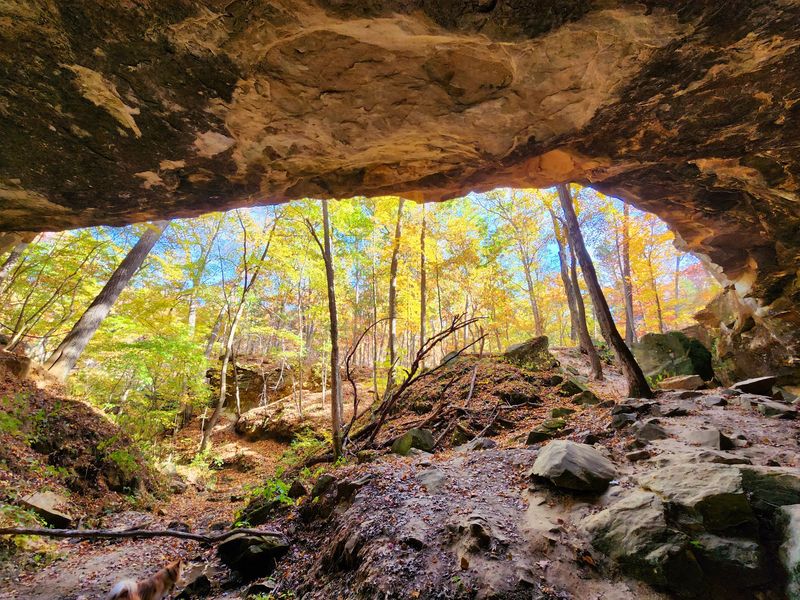
Steep sandstone walls rise around you here, and they look like they belong somewhere much farther west. The park is famous for its sandstone box canyons.
These narrow gorges have walls that climb sharply on both sides.
Robinson wanted canyons, and boy, did he get them. The landscape also includes shelter caves, tall cliffs, and open glades.
Every bend in the trail seems to show off a new rock trick.
Some of the sandstone has been carved into overhangs and palisades. Water shaped these features slowly over a very long time.
The result looks almost sculpted, as if someone planned it.
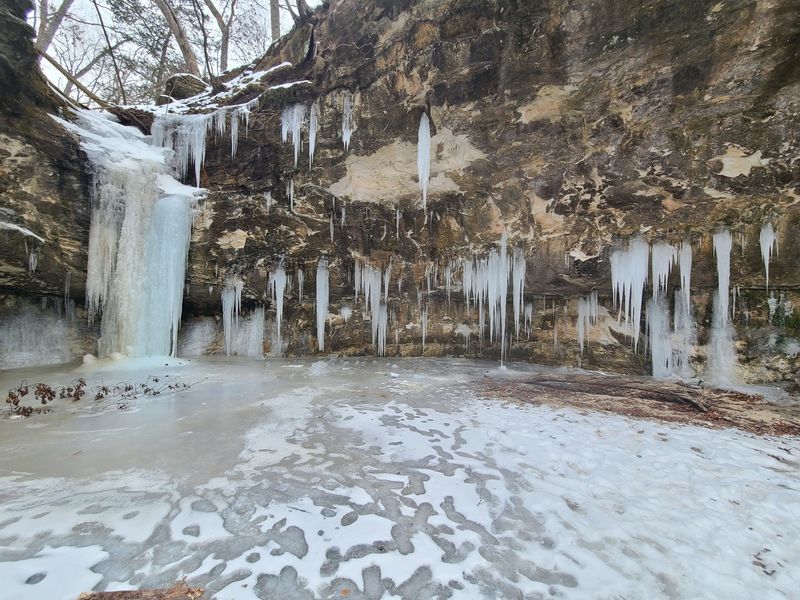
Small creeks wind through the low spots. After good rain, little waterfalls can appear along the rocks.
During dry spells, though, those falls may vanish completely, so set your expectations by the weather.
Please treat the canyons kindly. Some areas have been closed because foot traffic eroded the banks.
Staying on marked paths keeps these fragile walls standing for the next visitor.
Bring a camera and some patience. Light changes fast in a narrow canyon, and the colors shift with it.
You may end up taking far more photos than you planned.
His Private Retreat Became Everyone’s Backyard
Generosity doesn’t get much bigger than this. Don Robinson passed away in 2012, and he left his land to the state of Missouri.
He wanted his wilderness to become a public park.
The state honored that wish. Don Robinson State Park officially opened to visitors in 2017.
That makes it one of the newer parks in the Missouri state park system.
Think about how rare that is. Plenty of people buy land for privacy and keep it in the family.
Robinson spent decades building a quiet retreat and then gave it away to strangers.
Those strangers now include hikers, families, dog owners, and anyone craving fresh air. Entry is free, so the gift keeps giving every single day.
Not bad for a guy who once had all those trails to himself.
The park is also close to the St. Louis area. That means city folks can trade traffic for birdsong without a long road trip.
The roads leading there do wind quite a bit, so take the curves slowly.
I like how the park still carries his name. It’s a constant reminder that one person’s choice can change a whole region.
And honestly, that’s a legacy worth a weekend visit.
Lace Up For The Sandstone Canyon Trail
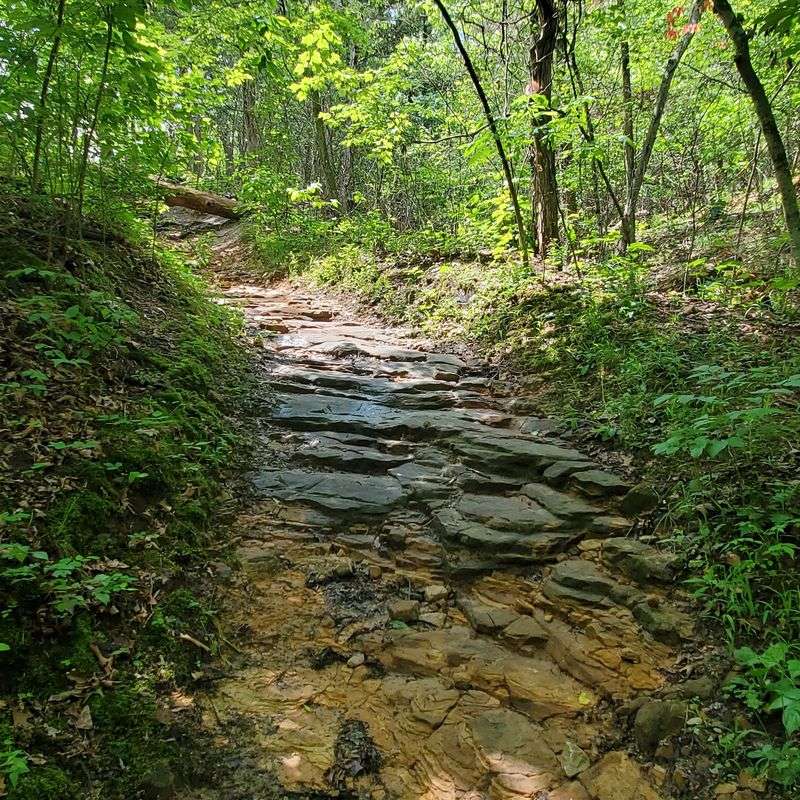
Four miles of up, down, and around. That’s the Sandstone Canyon Trail, the longest loop in the park.
It takes you past bluffs, rock shelters, and creeks with plenty of elevation changes.
Not feeling the full loop today? A connector trail cuts the hike to about two and a half miles.
You still get a solid taste of the scenery without wearing out your legs.
The first 0.6 miles are paved. That stretch leads to a small shelter and offers accessible footing for wheelchairs and strollers.
After that, the trail turns to natural dirt and rock.
Here’s a smart tip. Watch for the red blazes on the trees.
Unofficial side paths branch off in many spots, and they can lead you the wrong way fast.
The ground can get muddy after rain and slick in cold weather. Sturdy shoes with good grip make a huge difference.
Walking poles help too on the steeper drops.
Pack water and a snack before you start. There’s no snack bar waiting at the halfway point.
You’ll be glad you planned ahead when that last climb back to the parking lot shows up.
Prefer A Shorter Hike? The LaBarque Hills Trail Has You Covered
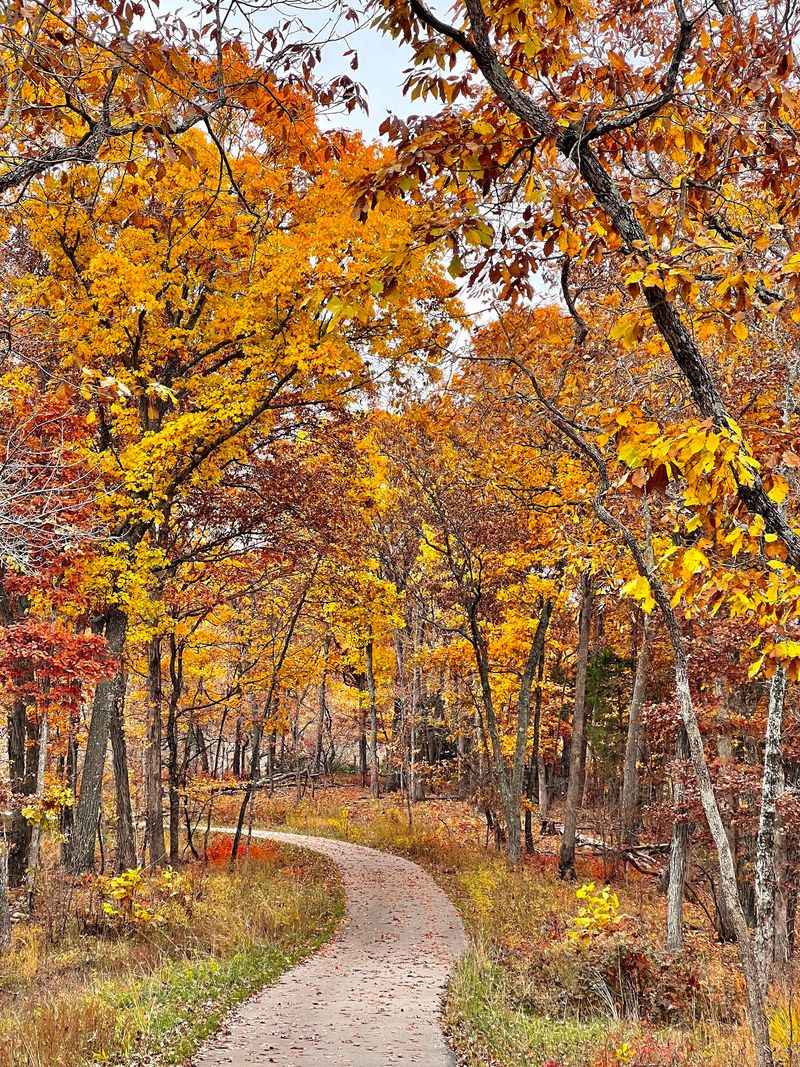
Two and a half miles might be the sweet spot for many hikers. The LaBarque Hills Trail is a loop of about that length.
It winds through woodlands and past interesting rock formations.
This trail feels like a moderate outing. You’ll still face some climbs, so don’t expect a flat stroll.
Your heart rate will notice the hills, even if your schedule doesn’t.
It’s a great pick for an afternoon when time is tight. You can enjoy the forest without committing to a long day.
Families with older kids often appreciate a loop like this.
The trail carries the name of LaBarque Creek. Its upper watershed is part of what makes this park so ecologically valuable.
Walking here, you’re tracing the bones of that watershed.
Fall could be an especially pretty time to try it. The woods turn colorful as the leaves change.
Spring brings its own show with wildflowers along the way.
Like the longer trail, this one uses natural surfaces. Rain can make things messy, so check conditions before you leave home.
A little mud is fine, but a lot of it can turn a loop into a slip-and-slide.
Around 650 Plant Species Call This Place Home
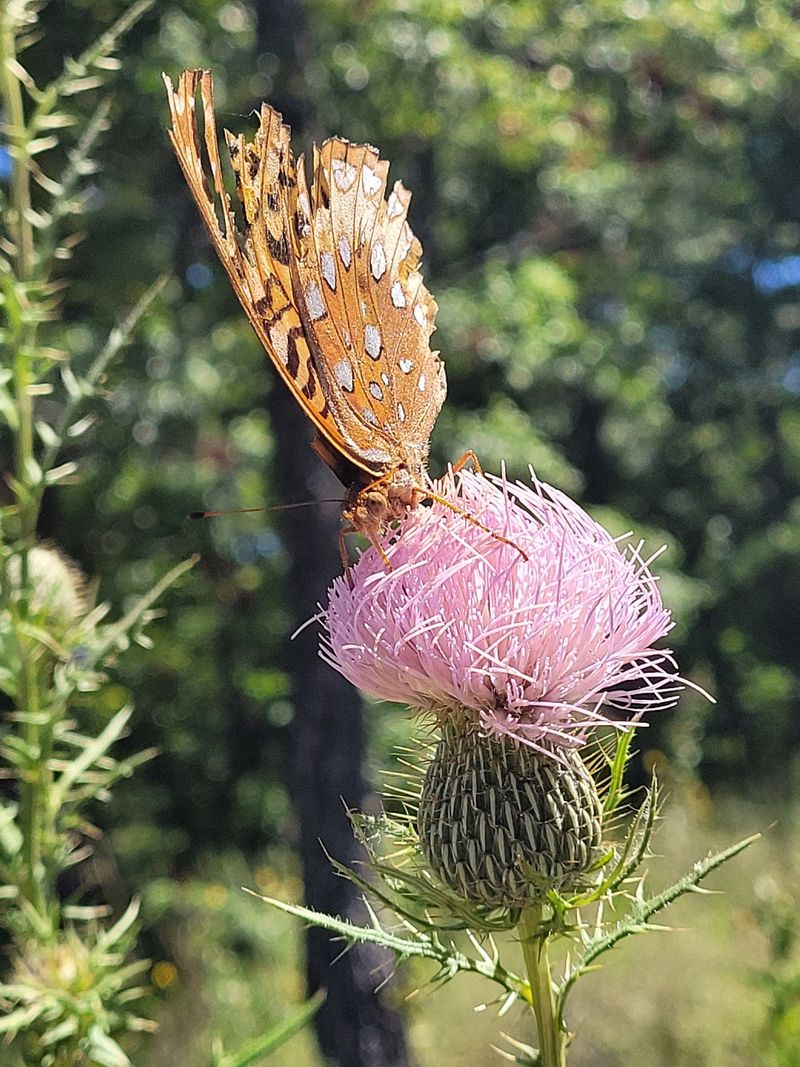
Botanists, get ready to slow down. Don Robinson State Park holds roughly 650 species of plants.
That count includes vascular plants, mosses, and ferns.
Some of those plants are pretty special. Partridge berry, a species of conservation concern in Missouri, grows here.
It’s a low, creeping plant that’s easy to miss if you’re rushing.
The animal list is impressive too. Four-toed salamanders live in the park, and they’re also a species of conservation concern.
Moist, shady spots near the creeks help them thrive.
Bird lovers should bring binoculars. Migratory songbirds pass through, including the blue-gray gnatcatcher and the summer tanager.
The summer tanager is bright red, so it’s a fun one to spot.
Why does all this matter? Robinson kept the land whole instead of breaking it up.
That protected the habitat these plants and animals depend on.
Wildflowers put on a nice show in spring. Late summer can bring blooms buzzing with pollinators near the paved section.
Either season gives you a reason to pause and look closer.
Please leave every leaf and critter where you find it. A quick photo lasts longer anyway.
His Stone House Still Stands On The Hill
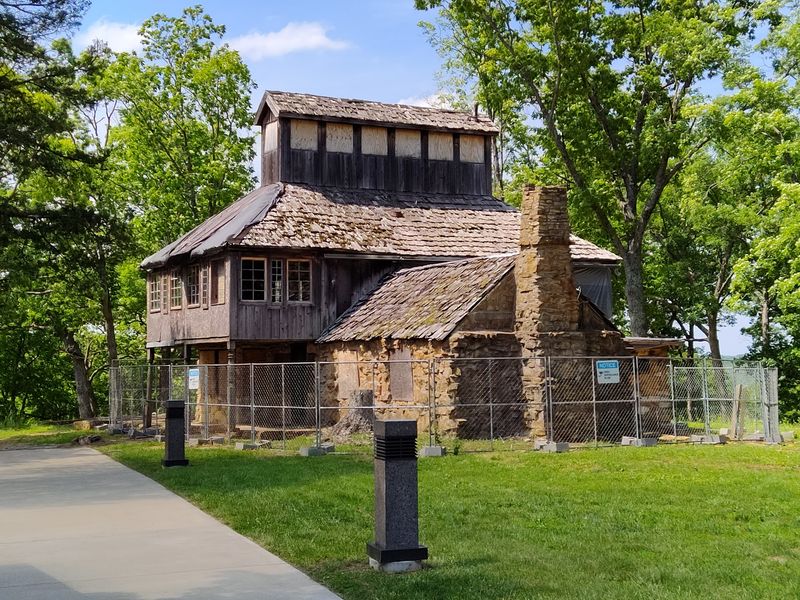
Most parks don’t come with the founder’s old house. This one does.
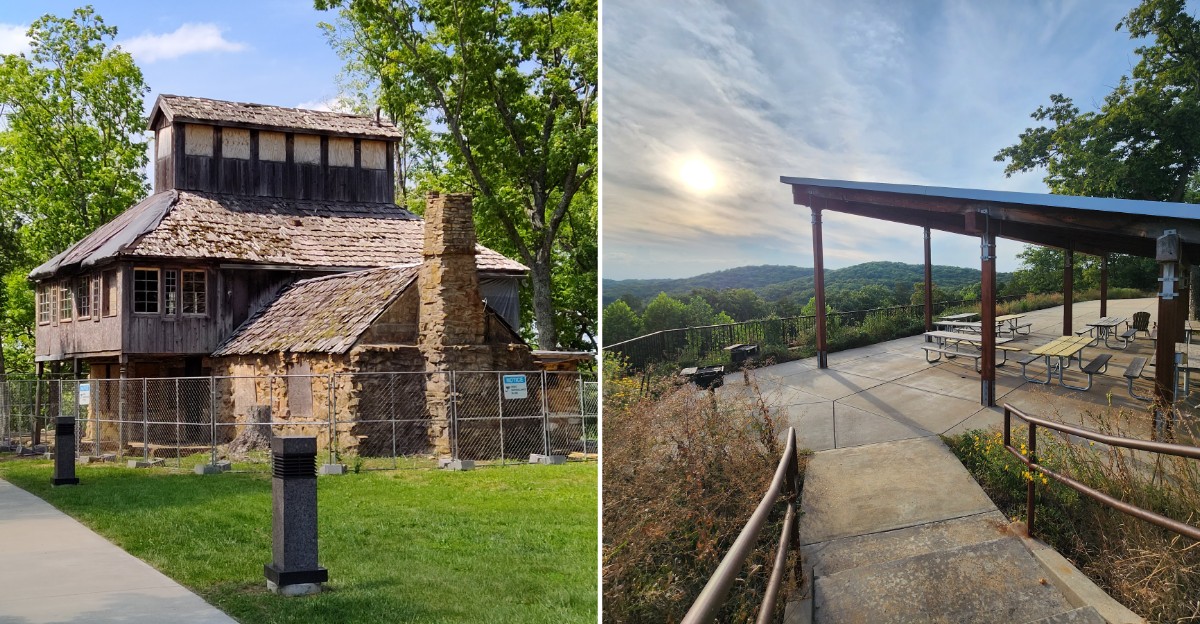
A distinctive stone and wood home, where Don Robinson lived starting in 1978, remains part of the park.
And the quirks get better. Robinson reportedly made his Off cleaner in a factory under a huge swimming pool on the property.
That’s one way to keep your commute short.
The house has been the focus of a restoration project. Seeing it gives you a peek at the person behind all this land.
It feels more personal than a plaque ever could.
Robinson also rests on the grounds he protected. He was buried privately on the property, with a simple flat headstone.
The modest marker fits a man who let the scenery do the talking.
I love how these details add character to the hike. You’re not just walking through woods.
You’re walking through someone’s long, slightly eccentric dream.
Treat the house area with respect. Restoration work takes time and care, so follow any signs or barriers.
Curiosity is great, but climbing on history is not.
Save Room For A Picnic With A Serious View
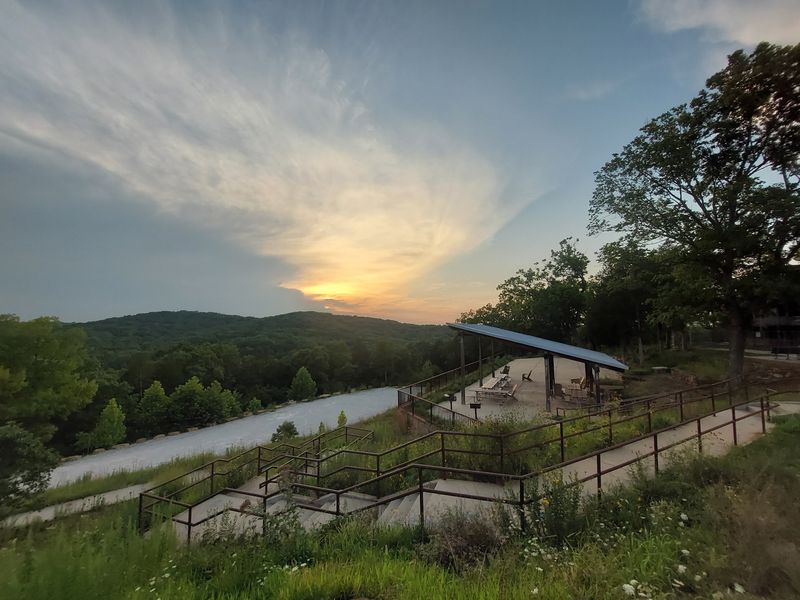
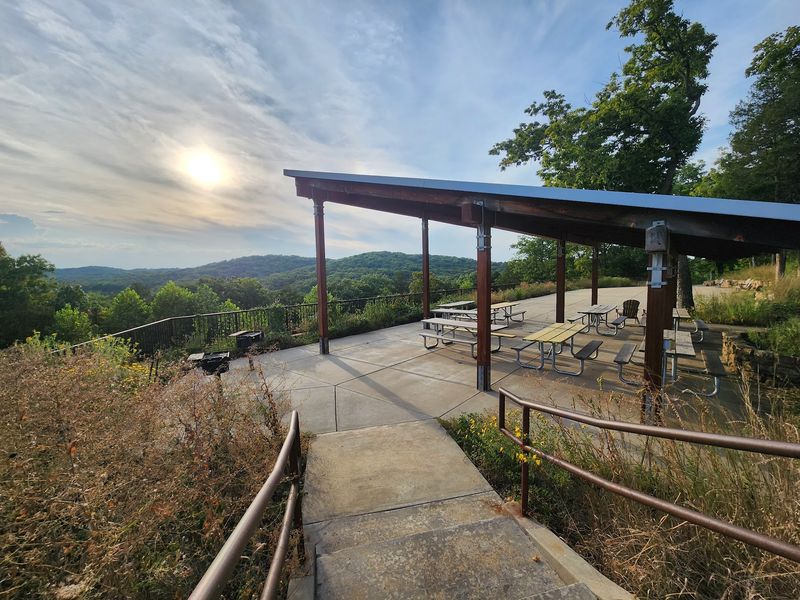
Sore legs deserve a reward. Near the trailhead, a picnic shelter waits with six tables, electricity, and two grills.
It’s an easy spot for lunch before or after a hike.
Adirondack chairs sit at the shelter too. There’s also a viewing platform that overlooks a wide stretch of forest.
You can even reserve that platform for special occasions.
Planning a group trip? A special-use camping area serves nonprofit organizations and youth groups for a fee.
It offers tent platforms and a central fire ring for a rustic night outdoors.
Regular public campsites aren’t offered, so this is mostly a day-trip park. That keeps the focus on hiking, picnicking, and soaking up the views.
Plan your day around sunlight.
One handy tip is to bring a bag for your trash. Packing out what you pack in keeps the park looking great.
Nobody wants to share their view with an empty chip bag.
Restrooms and drinking water are available near the shelter area. Still, carry your own bottle on the trail.
A shady chair and a cold drink after a long climb might be the best part of the day.
Know Before You Go: Hours, Dogs, And Parking
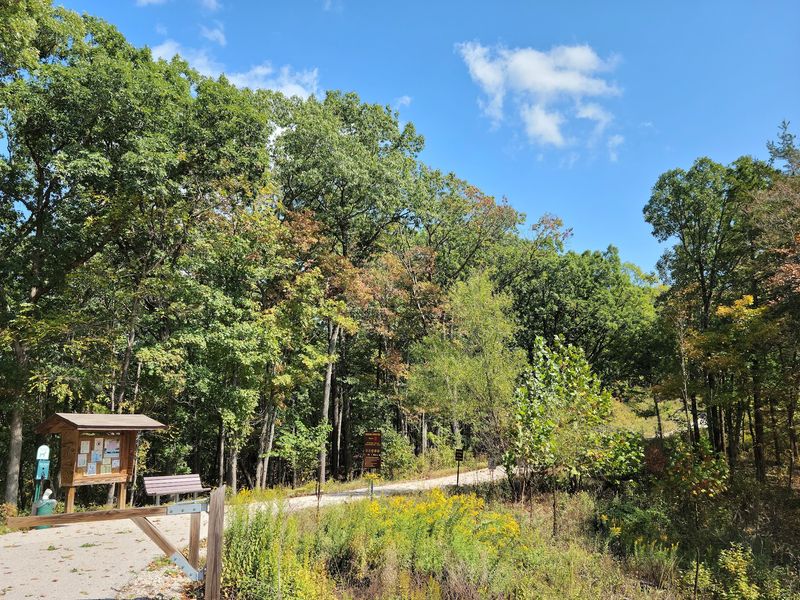
Good news first: admission costs nothing. Don Robinson State Park sits at 9275 Byrnesville Road, Cedar Hill, MO 63016.
It’s open year-round from 7 a.m. until 30 minutes after sunset.
Your dog can come along too. Leashed pets are welcome on the trails and in the special-use camping area.
Just pick up after them so everyone keeps enjoying the paths.
Parking can get tight on busy weekends. Arriving early gives you the best shot at a paved spot.
There’s also an overflow gravel lot, so look for the signs if the main lot fills.
The park offers restrooms, drinking water, and interpretive signs. Those signs share stories about the land and its wildlife.
They’re worth a quick read before you head out.
Weather can change trail conditions quickly in Missouri. Check the forecast and any park updates before leaving.
Muddy or icy paths call for extra care and better boots.
Start your hike with enough daylight left. The longer loop can take a couple of hours at an easy pace.
Finishing as the sun sets over the hills sounds lovely, but finishing in the dark does not.
