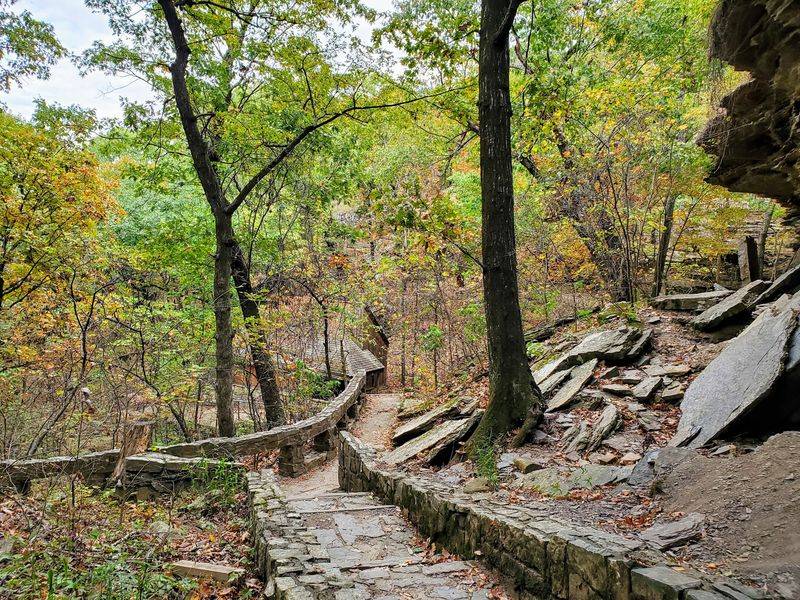
Picture a quiet hillside road in Oklahoma, a gravel lot, and a short walk through the woods to a giant slab of sandstone with strange letters carved into it. Nobody can say for certain who carved them, and that puzzle is exactly what keeps people coming back.
Every fall, that same hillside fills with kids in horned helmets, parents in cloaks, and the smell of turkey legs on the grill. It is part history mystery, part family campout, and a lot more fun than you would guess from the road.
A Sandstone Riddle on Poteau Mountain
Tucked into the foothills of the Ouachita Mountains, Heavener Runestone Park sits on the side of Poteau Mountain in southeastern Oklahoma. The address is 18365 Runestone Rd, Heavener, OK 74937, close to the Arkansas line and a pleasant drive through rolling green country.
Spread across about 55 acres, the park mixes walking trails, picnic pavilions, a playground, an amphitheater, and primitive campsites with showers. Visitors often mention the overlook near the top parking area, where the hills seem to roll on forever.
For decades the grounds operated as a state park. When state funding ended, a nonprofit group called Friends of Heavener Runestone, Inc. stepped in around 2011, and volunteers have kept things tidy ever since.
Families who stop by today tend to notice how cared for the place feels. Paths are swept, bathrooms are clean, and the gift shop staff are known for chatting with guests about local lore.
Folks who grew up nearby talk about bringing their own kids to the same spots they explored as children, which says plenty about how little the hillside has changed. It feels less like a tourist stop and more like a community backyard that happens to hold a genuine mystery.
Eight Carved Symbols and a Big Question
Eight letters. That is all it takes to start a debate that has lasted well over a century.
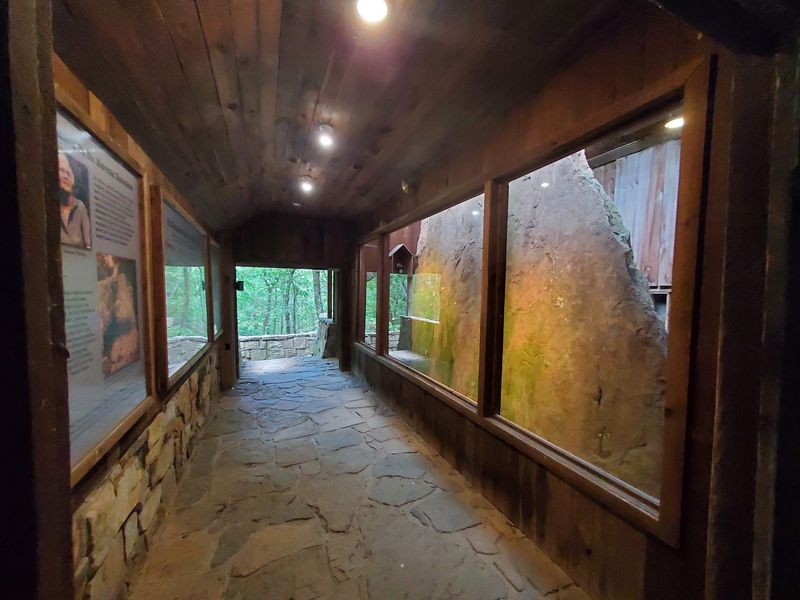
The Heavener Runestone is a large sandstone slab, roughly 10 feet tall by many accounts, with eight carved symbols running across its face.
Many researchers believe the marks are Elder Futhark runes, an early alphabet used by Scandinavians between about 600 and 800 AD. A popular reading translates the line as Glomedal or Gnomedal, meaning something like Little Valley or Valley owned by Glome.
That has led some to call it a boundary marker or land claim.
Not everyone agrees, and that is half the fun. Theories have pointed toward Vikings, Irish travelers, French explorers, and even the Knights Templar.
Some scholars suspect a 19th-century Swedish immigrant carved it much later.
Oral history says a Choctaw hunting party first came across the stone in the 1830s, which places it firmly in Choctaw country long before it became a tourist curiosity. Rangers and volunteers happily walk guests through every theory.
Kids usually pick a favorite answer within minutes, while grownups tend to leave still arguing in the car on the ride home.
Trails, Rock Walls, and a Seasonal Waterfall
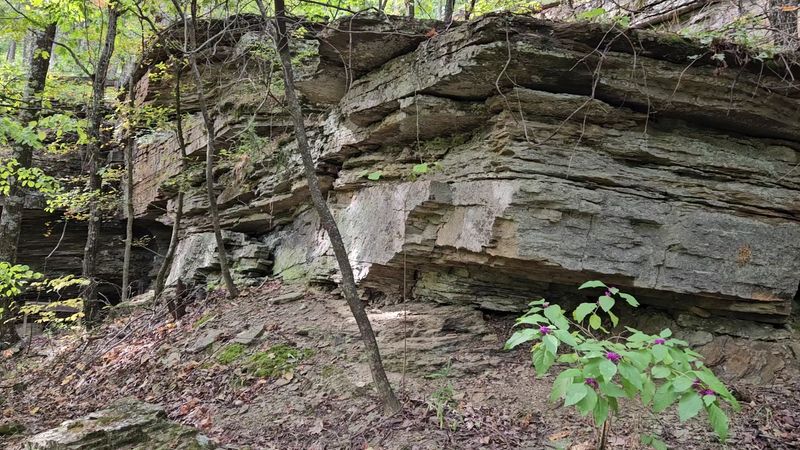
Hikers might show up for the runes, but plenty of them leave talking about the trails. Three walking paths wind through hardwood forest, past towering slab walls and small rock shelters that kids love to poke around.
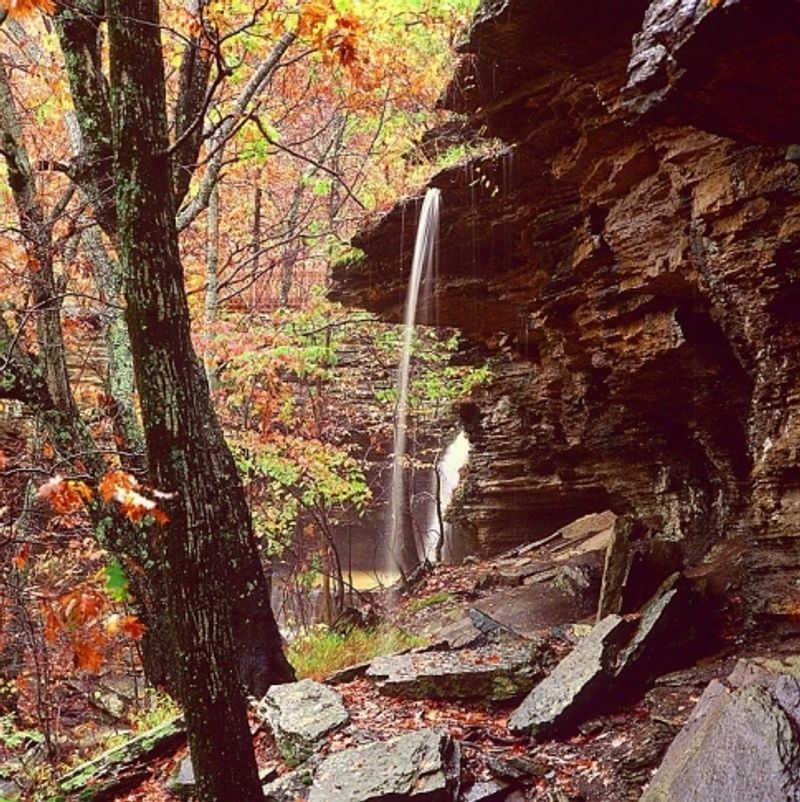
After rain, a small waterfall often runs down the rocks, adding a soft splash to the walk. Visitors who come in winter still report seeing it flowing, so it is not just a spring treat.
Difficulty depends on who you ask. Some families call it easy enough for young children, while others mention steeper stretches that can test tired legs.
A fair guess is moderate in spots, so bring sturdy shoes and take breaks.
Signage could be better, according to a few hikers who accidentally walked every trail. Happily, that wrong turn led them to some of the prettiest terrain in the park.
Dogs are seen on the paths too, so four-legged family members may get to tag along.
Best of all, trail access has been free, which makes this a budget-friendly outing. Fall color is the crowd favorite season, though birdsong and fresh green leaves make spring visits pretty special as well.
Fólkvangr Weekend Comes to the Hillside
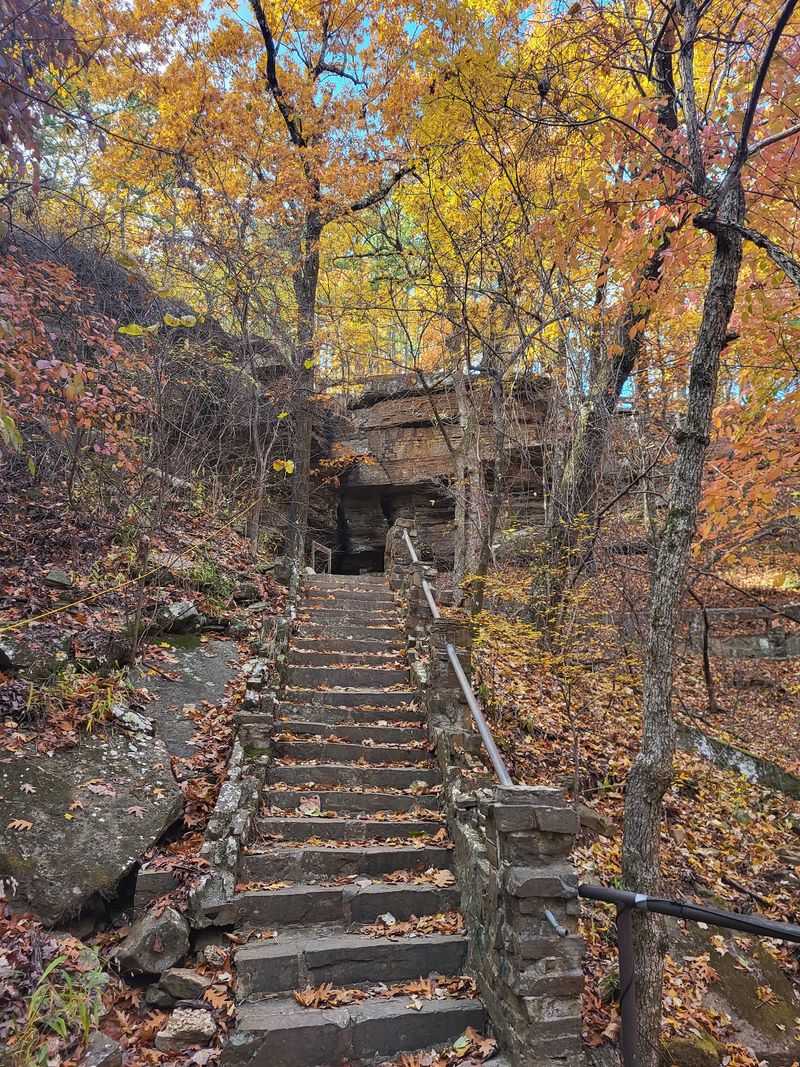
Swords clang, drums thump, and canvas tents pop up under the trees. Once a year the park turns into a living Viking village during its annual Viking Festival, also called Fólkvangr Weekend.
For 2026, the event is scheduled for October 24 and 25, right as the Ouachita foothills start turning gold and red. Dates can shift, so checking the park website before you pack the cooler is smart.
Reenactors set up a full encampment, cooking, crafting, and chatting with visitors in character. Staged battles draw big crowds, with shield walls and mock skirmishes that keep kids glued to the fence line.
Storytellers share old Norse tales, and folk and Viking-style music drifts across the hillside all day.
Artisans bring handmade metalwork, leather goods, wood carvings, and jewelry, so it doubles as a great early shopping trip for the holidays.
Here is the part that surprises first-timers: the festival also funds the park. Admission money helps the nonprofit pay for upkeep the rest of the year, so every ticket keeps the trails and runestone shelter in good shape.
Fun with a purpose is a pretty easy sell.
Axes, Arrows, and Face Paint for Young Raiders
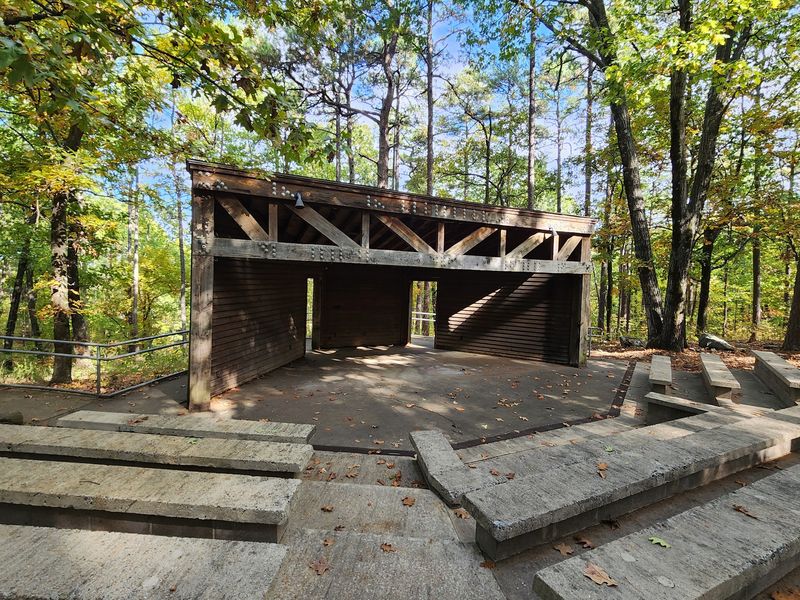
Ask any kid what the best part was, and you will likely hear about throwing an axe. Viking games at the festival include archery and axe throwing, giving young visitors a supervised shot at skills they usually only see in movies.
Sword and shield workshops let families learn a few basic moves, and the laughter usually outweighs the technique. Littler ones head to the Children’s Center, where face painting, games, and craft tables keep small hands busy.
Costumes are half the magic. Many families show up dressed head to toe in Viking attire, from homemade cardboard shields to full fur-trimmed cloaks.
Nobody judges a bath towel cape, either.
Hungry raiders can grab classic fair food like burgers, hot dogs, barbecue, sandwiches, and those giant turkey legs that are basically a festival rite of passage. Bring some cash just in case card readers struggle on the hill.
Grandparents tend to enjoy the slower pace of the craft booths and music, while teens gravitate toward the battle demos. The mix means one outing can actually satisfy three generations, which is no small feat on a family day trip.
The Gift Shop and the Folks Behind the Counter
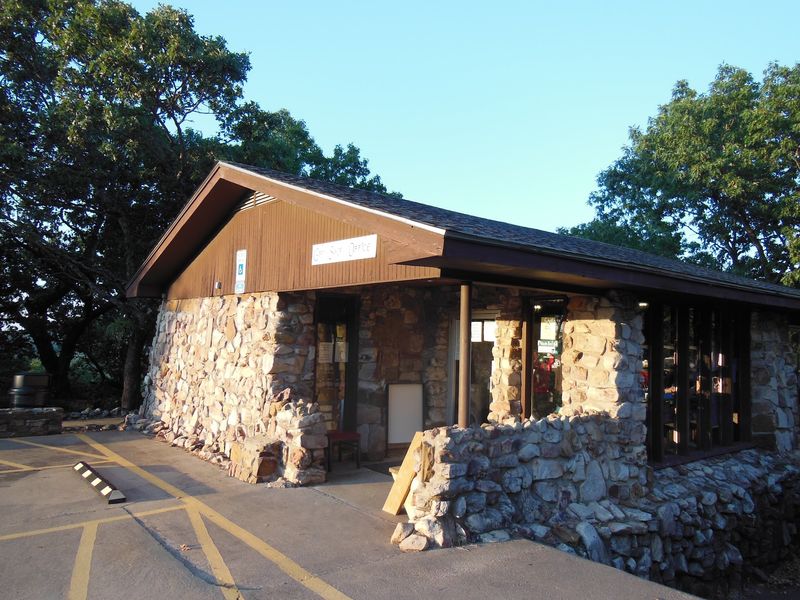
Some of the warmest moments here happen indoors. Right at the trailhead sits a cozy gift shop stocked with Norse-themed souvenirs, kid-friendly trinkets, and snacks and cold drinks that visitors describe as fairly priced.
Guests regularly mention the people working the counter more than the merchandise. Staff and volunteers share park history, explain runestone theories, and swap stories with travelers from all over the country.
Small kindnesses come up again and again. One caretaker reportedly reopened the store so late arrivals could grab a souvenir, and another helped a weary family find a quiet spot to camp.
That kind of hometown hospitality is hard to fake.
History buffs should look for the informational signs and replicas of other runestones found in the region. One visitor noted it is said to be among five runestones discovered in Oklahoma, which makes a fun conversation starter on the drive home.
A tip for planners: if you hope to shop, aim for regular open hours rather than dusk. Picking up a little rune magnet or bookmark is an easy way to support the nonprofit, and kids usually love choosing their own keepsake from the shelves.
Hours, Tickets, Parking, and Campsites
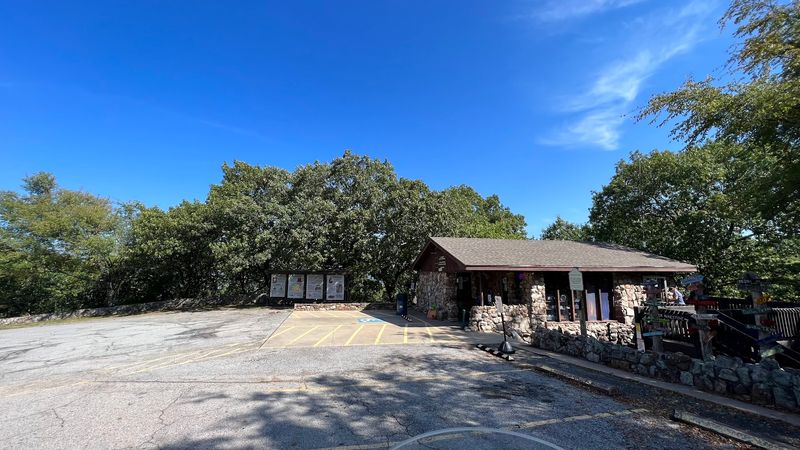
Good news for the wallet first. Regular visits to the trails have been free, which makes this one of the cheaper day trips in eastern Oklahoma.
Recent listings show the park open daily from 9 a.m. to 5 p.m., though some sources say 8 a.m. until dark, so calling 918-653-2241 before you go is wise.
Festival weekend works differently. General admission has typically run $10 per person for one day or $15 for a two-day pass, with children 7 and under free.
Parking can fill quickly on the hill. Free spaces are usually available at Heavener High School, with shuttles running up to the park, while VIP parking closer to the gates has cost about $10.
Planning to stay overnight? Camping is primitive only, meaning no electric hookups or water at sites, but there are showers and clean restrooms.
Covered pavilions, fire pits, and a playground round out the setup.
Weather matters too. Late October can bring chilly mornings, warm afternoons, and the occasional storm, so pack layers and rain gear.
From Tulsa or Oklahoma City, it makes a solid weekend road trip rather than a quick afternoon jaunt.
Worth the Drive to Le Flore County
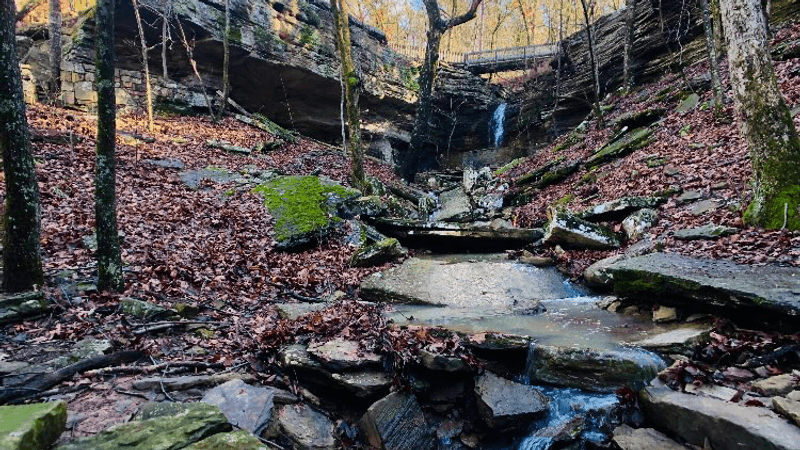
Plenty of roadside attractions promise mystery and deliver a plaque. Here, the payoff is real: a genuinely puzzling carved stone, peaceful woodland trails, a seasonal waterfall, and an overlook that rewards the climb.
Families with young kids will find room to roam, from the playground to the rock shelters. History lovers get a debate that may never be settled.
Campers on a budget get a quiet, well-kept spot in the hills.
Then comes fall. If you can time your trip for the Viking Festival, you will see the hillside at its liveliest, with costumed families, battle demos, and craft booths stretched under turning leaves.
Even in quieter months, visitors describe a calm, almost timeless feel that sticks with them long after.
Maybe the most touching part is how many people return across generations. Parents who hiked here as children now bring their own kids, pointing out the same carved letters and the same rocky bends in the trail.
So grab a helmet, real or homemade, and point the car toward southeastern Oklahoma. Whoever carved that stone left a riddle, and solving it is a wonderful excuse for a family adventure.
