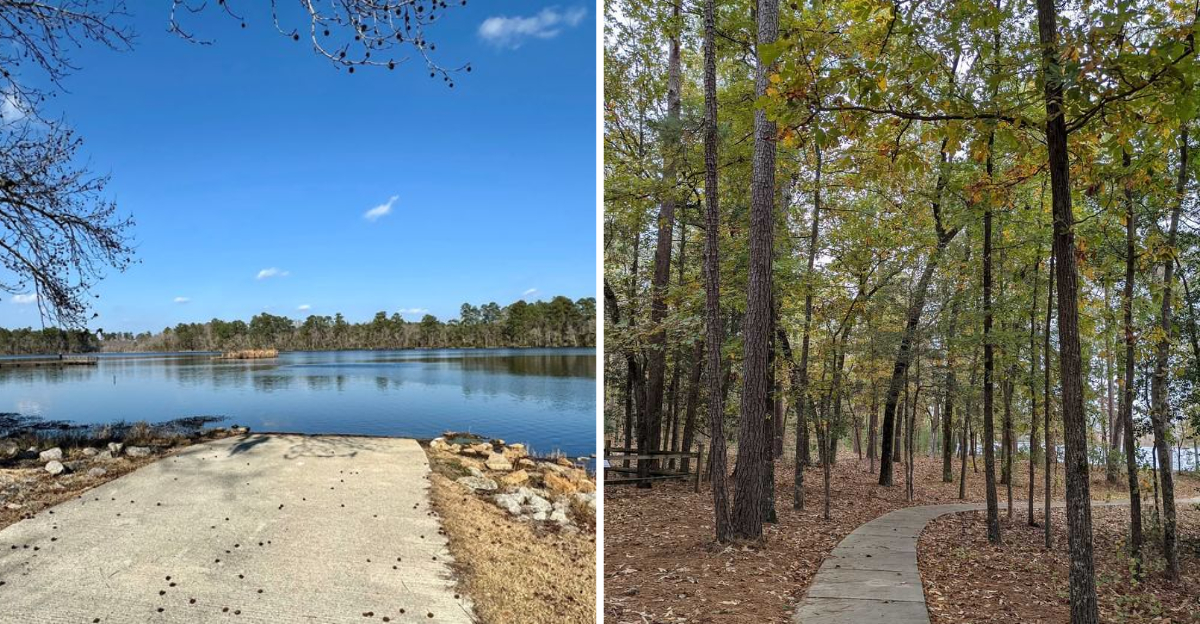
That shallow, oval-shaped depression in the middle of a South Carolina forest might be a ghost of an ancient coastline, a geological puzzle that scientists are still working to fully understand.
I stood at the edge of the sand rim and tried to imagine the forces that shaped it, the curve of the shoreline looking almost too deliberate to be natural, like something left behind on purpose.
The park spans over eight hundred acres of lowland terrain, and tucked within it is a Carolina Bay, one of the mysterious landforms that dot the southeastern United States. I had no idea what a Carolina Bay even was before visiting, and that made the discovery feel even more rewarding.
The bay itself is shallow and quiet, with the sand rim curving along its edge in a way that feels intentional. Some researchers believe these formations were carved by wind and water over thousands of years, while others have proposed theories involving meteor impacts or shifting ocean currents.
The silence of the place gives you space to think, and the questions linger long after you have left. This is the kind of spot that makes you slow down, look closer, and leave with more questions than answers.
What Is a Carolina Bay and Why Does It Matter?
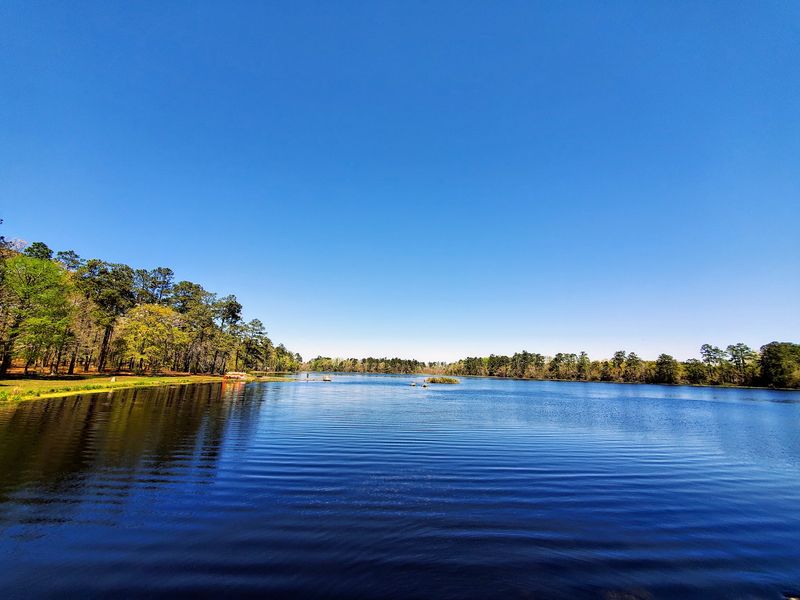
Most people drive through Dillon County without realizing they are passing over one of the most geologically curious landscapes in North America. Carolina Bays are shallow, elliptical depressions scattered across the Atlantic Coastal Plain, stretching from New York all the way down to northern Florida.
The heaviest concentration of them sits right here in the Carolinas, which is exactly how they got their name.
What makes them so fascinating is their consistent shape. Nearly all of them are oriented in a northwest-to-southeast direction, and most have a distinct sandy rim that rises slightly along their southeastern or eastern edge.
That kind of pattern does not happen by accident.
Scientists have been puzzling over these formations for decades, and no single explanation has fully won out. Some believe wind and water during the Pleistocene epoch gradually sculpted the basins.
Others point to evidence of permafrost thawing from ancient ice ages. Little Pee Dee State Park gives you a front-row seat to this ongoing mystery, and that alone makes it worth the trip.
You do not need a geology degree to appreciate how strange and beautiful these landforms truly are.
The Sand Rim That Remembers an Ancient Sea
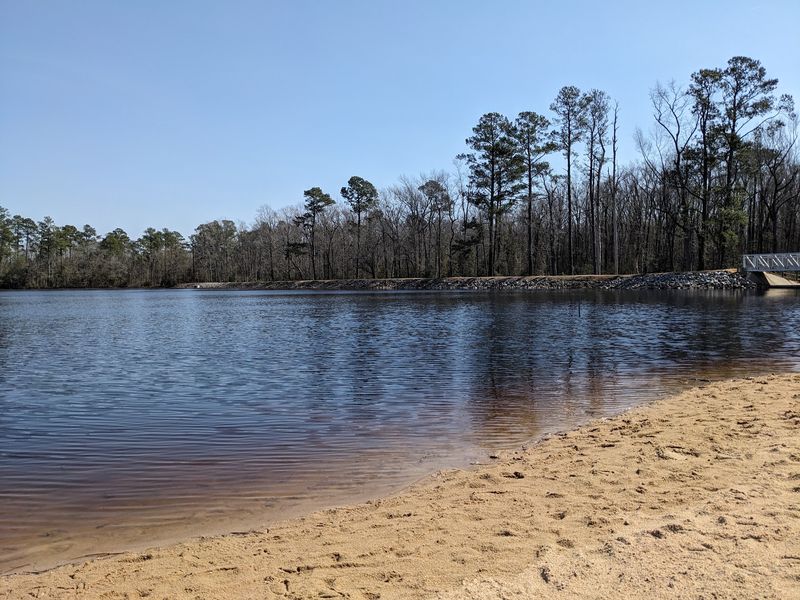
One of the most quietly stunning features of the Carolina Bay at Little Pee Dee State Park is its sand rim. It does not look dramatic at first glance.
But once you understand what it might represent, the ground beneath your feet starts to feel a lot more meaningful.
Geologists believe this sandy ridge is a remnant of an ancient coastline. Millions of years ago, much of what is now North Carolina and the surrounding region sat beneath the ocean.
As sea levels rose and fell over geological time, marine barrier beaches formed and then were left behind as relics on the landscape. The sand rim you see today is thought to be one of those relics.
Carolina Bays are known to occur on these old marine barrier beaches, which ties directly into the story of Pleistocene sea level fluctuations. The rim at this park is more prominent on its southeastern edge, which is typical for these formations.
Running your hand along the sandy slope, knowing it might be millions of years old, is a genuinely humbling experience. Few parks in South Carolina offer that kind of quiet connection to deep time.
The Science Behind the Mystery: How Did These Bays Form?
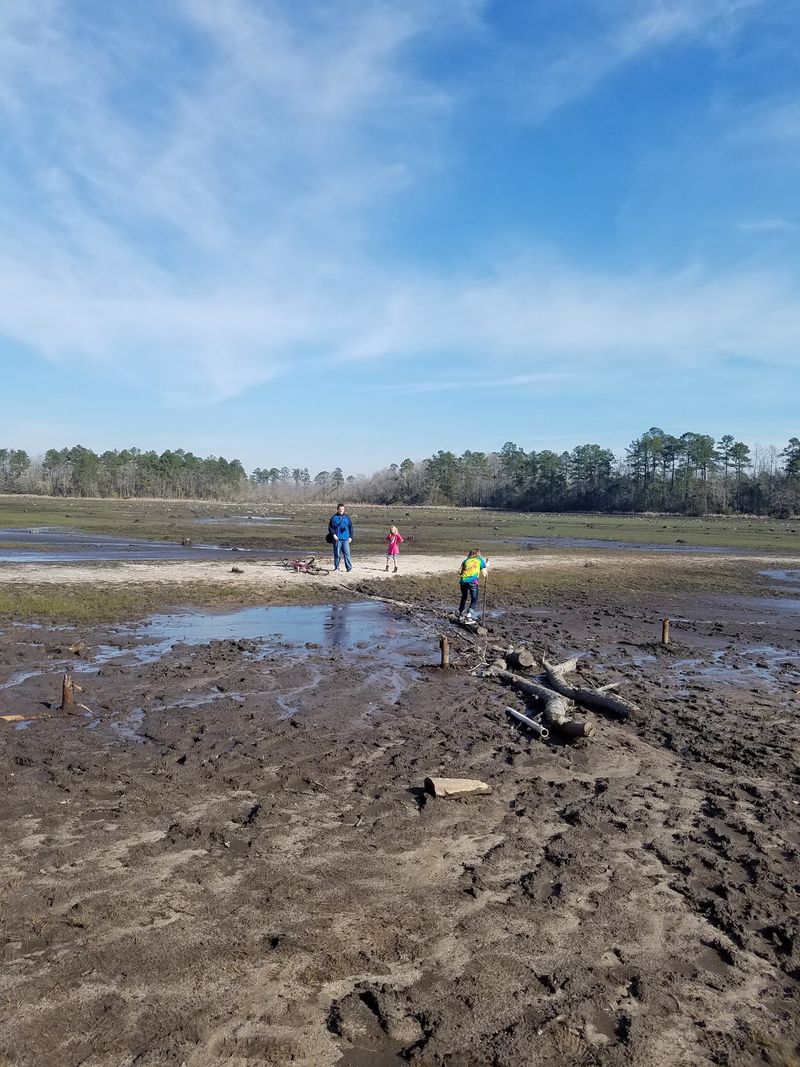
The origin of Carolina Bays has sparked real scientific debate, and the conversation is still very much alive. For a while, the most dramatic theory involved a meteorite impact, imagining a cosmic event that blasted thousands of these oval craters across the coastal plain.
That idea captured a lot of imaginations. But it has largely fallen out of favor because researchers could not find consistent impact evidence across the bays, and the formations vary too much in age to point to a single event.
The current leading ideas are more grounded in Earth’s own processes. The U.S.
Geological Survey has interpreted many Carolina Bays as relict thermokarst lakes, meaning they formed when permafrost thawed during periods of warming thousands of years ago. That interpretation is remarkable on its own because it suggests permafrost once extended as far south as the Carolinas.
Another well-supported theory focuses on wind and water during glacial periods, with strong winds and shifting water levels gradually carving out the basins over thousands of years. Both theories help explain the consistent northwest-southeast orientation.
The honest answer is that science has not fully settled this yet, and that open question is part of what makes visiting a Carolina Bay feel genuinely exciting.
The Bay Forest, A Living Ecosystem Inside the Depression
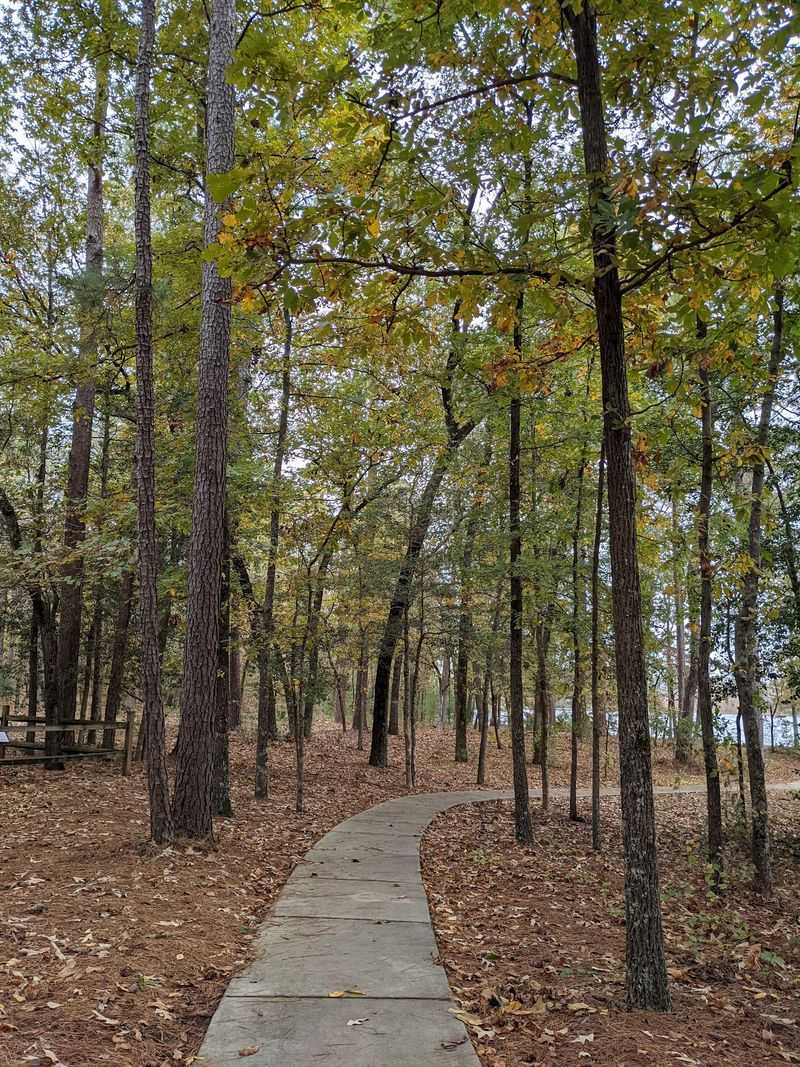
Beyond the geology, the Carolina Bay at Little Pee Dee State Park is alive in the most literal sense. The depression supports what is called a bay forest, a dense, moisture-loving woodland that thrives in the soggy conditions created by the basin’s shape.
It feels noticeably different from the surrounding upland forest, almost like stepping into a different climate zone entirely.
Species like loblolly bay, sweet bay, pond pine, and red maple fill the space with layered greenery. The air smells earthy and rich, and the ground can be spongy underfoot depending on the season.
These plants are specially adapted to handle the wet, acidic soil conditions that define Carolina Bay environments.
Carolina Bays serve as critical ecological habitats, supporting a wide diversity of plant and animal life. Many function as seasonal wetlands, filling with water during rainy periods and drying out in summer.
That cycle creates a unique niche that many species depend on. Spending time inside this bay forest makes it clear that the geological mystery and the biological richness are deeply connected.
The depression that puzzles scientists also quietly sustains an entire community of living things.
Lake Norton, Fishing, Paddling, and Peaceful Afternoons
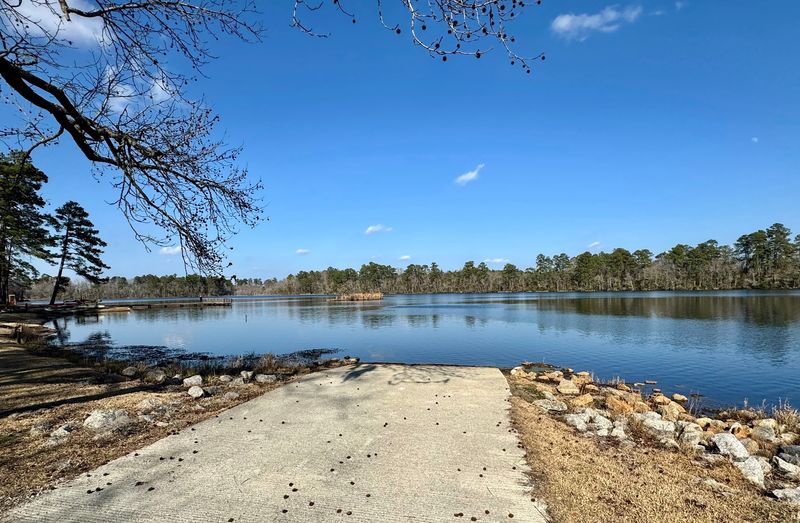
Not everything at Little Pee Dee State Park is about ancient geology. Lake Norton, a 54-acre lake sitting at the heart of the park, is the kind of place that invites you to slow down and just enjoy being outside.
The water is calm, the shoreline is shaded, and the 75-foot fishing pier gives anglers a solid spot to spend a morning without much fuss.
Bream, bass, and catfish are the main catches here. Fishing from the pier or the bank is popular with families and solo visitors alike.
Private boats are welcome on the lake, though only electric trolling motors are permitted, which keeps the water quiet and the experience peaceful. If you did not bring your own boat, the park rents canoes, kayaks, and johnboats from the park office.
Paddling across Lake Norton on a still morning, with the tree line reflected in the dark water, is genuinely one of the nicer ways to spend time in Dillon County. The lake connects you to the park’s natural rhythm without requiring much effort.
It is accessible, relaxing, and easy to enjoy whether you are an experienced angler or someone who just wants to drift around and watch the herons.
The Little Pee Dee River, A Blackwater Beauty
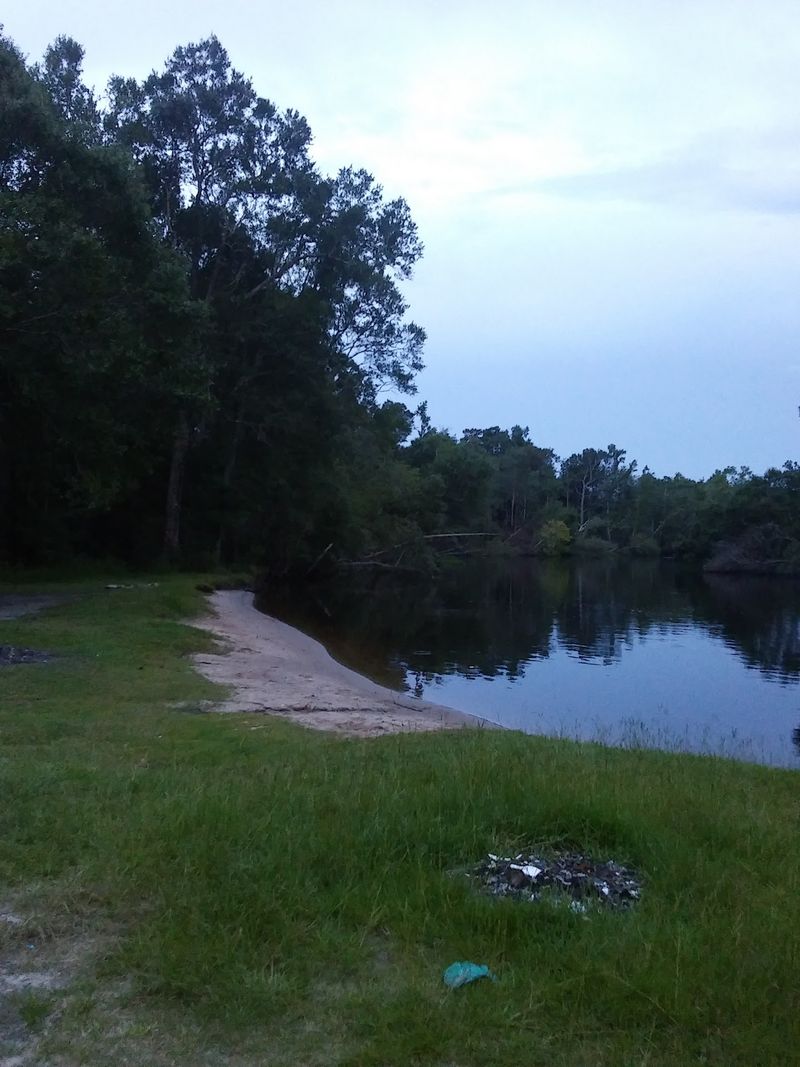
The Little Pee Dee River forms the southeastern border of the park, and it is one of those places that earns the word “beautiful” without trying too hard. The water runs dark, stained a rich tea color by tannins from decaying vegetation upstream.
Blackwater rivers like this one have a moody, atmospheric quality that is hard to describe but easy to feel the moment you see it.
Bald cypress, sweetgum, oak, and tupelo line the banks, creating a swampy corridor that feels ancient and undisturbed. Alligators, beavers, and deer have all been spotted along the river.
Birdwatchers have a real chance of seeing wood ducks, bald eagles, pileated woodpeckers, and the brilliantly colored prothonotary warbler.
The river is navigable by canoe or small craft, making it a natural extension of the paddle experience that begins on Lake Norton. Part of the lower section has been designated a Scenic River by the South Carolina Department of Natural Resources, which is a recognition that speaks for itself.
Floating down the Little Pee Dee with cypress knees poking up around you is the kind of experience that stays with you well after the trip is over.
Wildlife Watching, From Herman the Heron to Bald Eagles
Every park has its characters, and at Little Pee Dee, a Great Blue Heron named Herman holds that role with quiet dignity. Herman is a resident of the park and has become something of a beloved fixture among regular visitors.
Spotting a Great Blue Heron standing perfectly still at the water’s edge, looking utterly unbothered by the world, is one of those small joys that makes a nature visit feel complete.
The wildlife here goes well beyond one famous heron, though. Bald eagles have been seen along the river corridor, and pileated woodpeckers make their presence known with loud, distinctive calls echoing through the trees.
Ducks, geese, osprey, and warblers round out a bird list that keeps birders busy and happy.
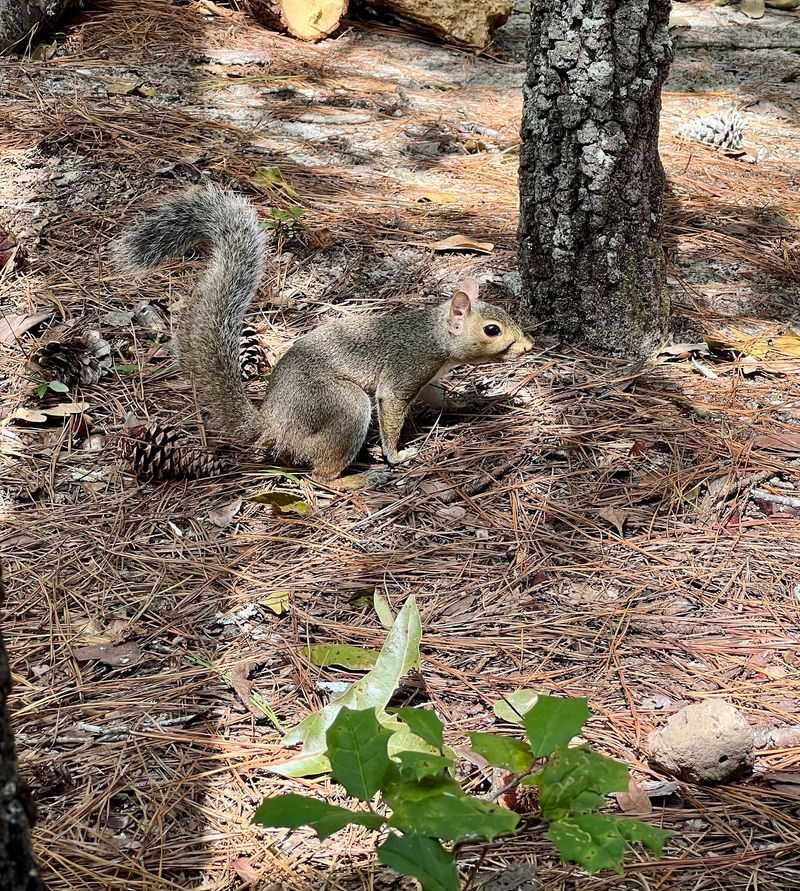
Mammals are part of the picture too. Beavers are active in the wetland areas, and deer move through the park with casual regularity.
Alligators inhabit the river zone, a reminder that this is genuine lowcountry wilderness. Keeping a pair of binoculars handy is a smart move here.
The park does not put on a show for you, but it rewards patience with sightings that feel genuinely earned and memorable.
Bay Heritage Preserve and the Bigger Picture of Carolina Bay Conservation
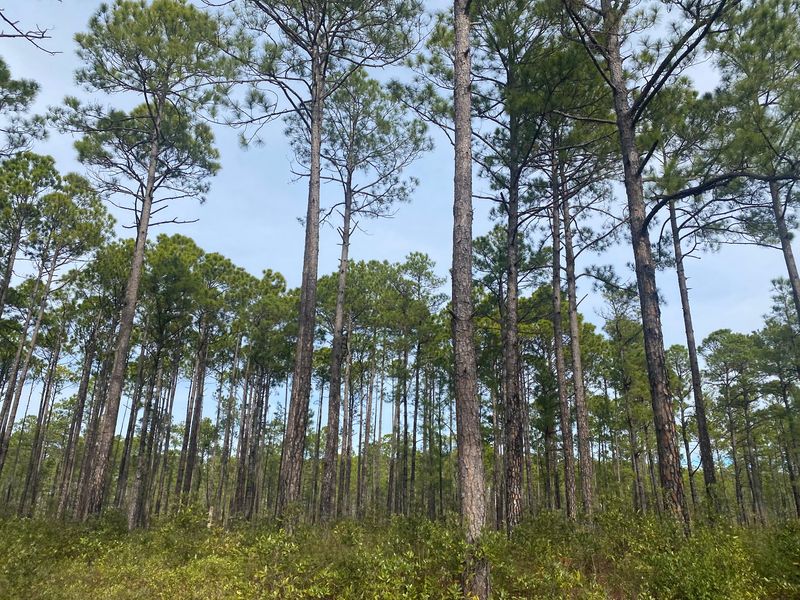
Just north of Little Pee Dee State Park sits the Bay Heritage Preserve, a protected area acquired specifically to safeguard an undisturbed Carolina Bay. The preserve is managed by the South Carolina Department of Parks, Recreation, and Tourism, and while it does not have public access trails directly to its bay, its existence matters enormously for the long-term health of these rare landscapes.
Carolina Bays face real pressure from development, agriculture, and drainage projects that have altered or destroyed many of them over the past century. The ones that remain intact are increasingly recognized as irreplaceable.
They function as wetland buffers, wildlife corridors, and living records of ancient climate and geological history all at once.
Visiting Little Pee Dee State Park and learning about the Carolina Bay on its grounds is a way of connecting to that broader conservation story. The park itself allows visitors to observe a genuine example of this rare landform up close.
Knowing that the Bay Heritage Preserve sits nearby, quietly protecting another bay from disturbance, adds a layer of reassurance. These places are being taken seriously.
Coming here is a small act of appreciation for landscapes that have survived millions of years and deserve a few million more.
Address: 1298 State Park RD, Dillon, SC 29536
