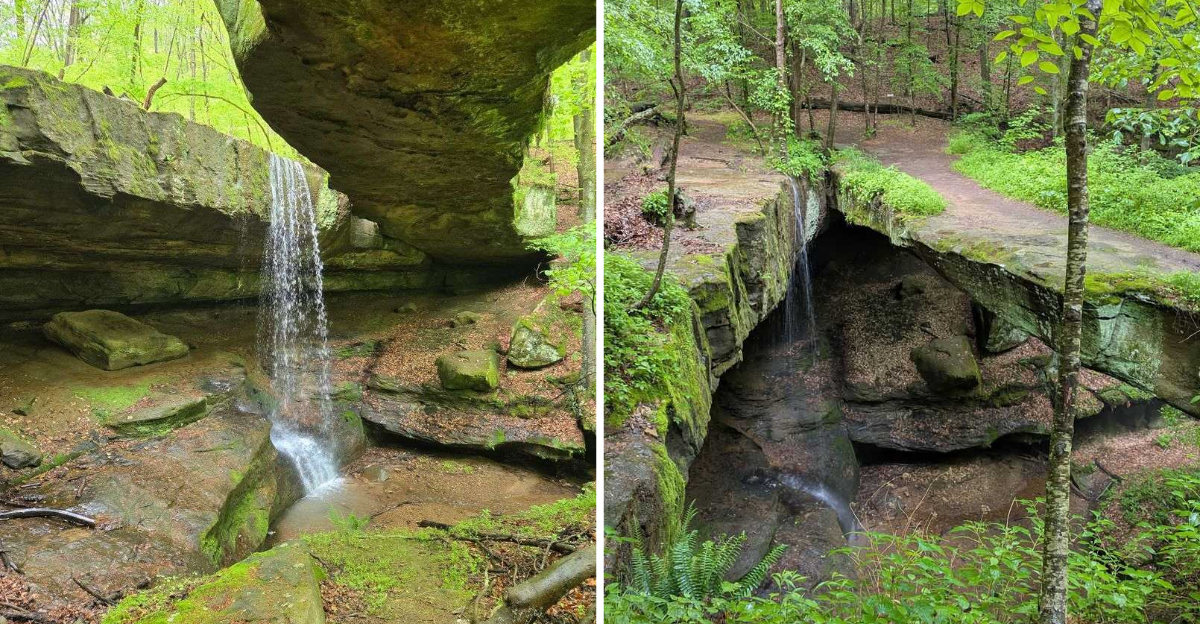
Water, wind, and time shaped a natural stone bridge in an Ohio forest, a span of rock that stretches across a ravine without any help from tools or machines. I had pictured a quiet woods hiding something almost too strange to be real, and that is exactly what I found on a trail that made me slow down and look closer.
The bridge is the largest natural rock span in the state, formed over millennia by the slow work of water seeping through cracks and freezing in winter, expanding and widening the fissures until the rock gave way.
Surrounding it are sandstone cliffs, small streams, and peaceful woodland paths that wind through the kind of terrain you do not expect to find in the Midwest.
The trail itself is not long, but it rewards patience with a view that feels like a discovery.
I stood beneath the bridge and looked up at the weight of stone suspended above me, and the whole scene felt like a reminder of how much time can accomplish when no one is rushing.
Nature that surprises you before you even reach the main view is exactly what this Ohio preserve delivers.
Ohio’s Largest Natural Bridge
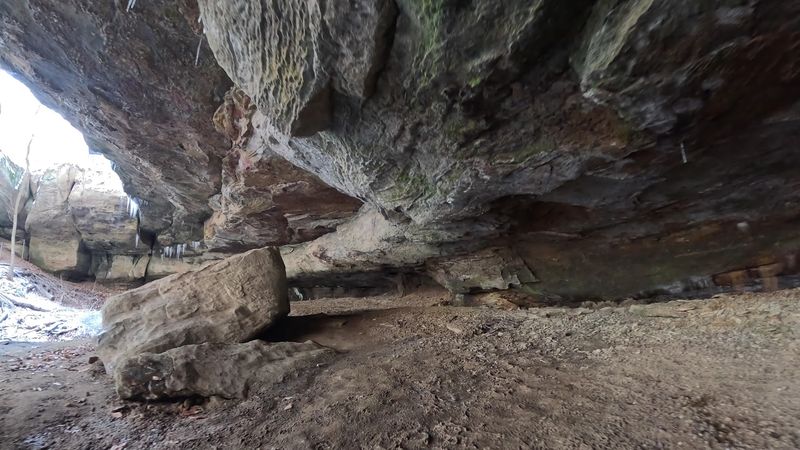
The first glimpse of the stone arch can make a quiet hiker stop mid-step, because it looks both strong and strangely delicate. Rockbridge is known as Ohio’s largest natural bridge, stretching over 100 feet long and reaching about 10 to 20 feet wide in places.
The arch spans roughly 50 feet across a forest ravine, creating a rare scene in the Hocking Hills region. Unlike a built bridge, every curve here came from natural forces, which makes the view feel even more impressive.
Take your time near the bridge instead of rushing for a quick photo. Notice the sandy color of the Black Hand sandstone, the uneven edges, the trees growing nearby, and the open space below.
Good hiking shoes help because roots, slopes, and damp ground can surprise you near the rock formation.
Visitors should stay aware of drop-offs and avoid risky steps for a better, safer visit. The bridge is beautiful from more than one angle, so looking from the trail below and nearby viewpoints gives a fuller sense of its size.
It is the kind of place that feels bigger in person than any picture can show.
A Forest Trail With a Real Payoff
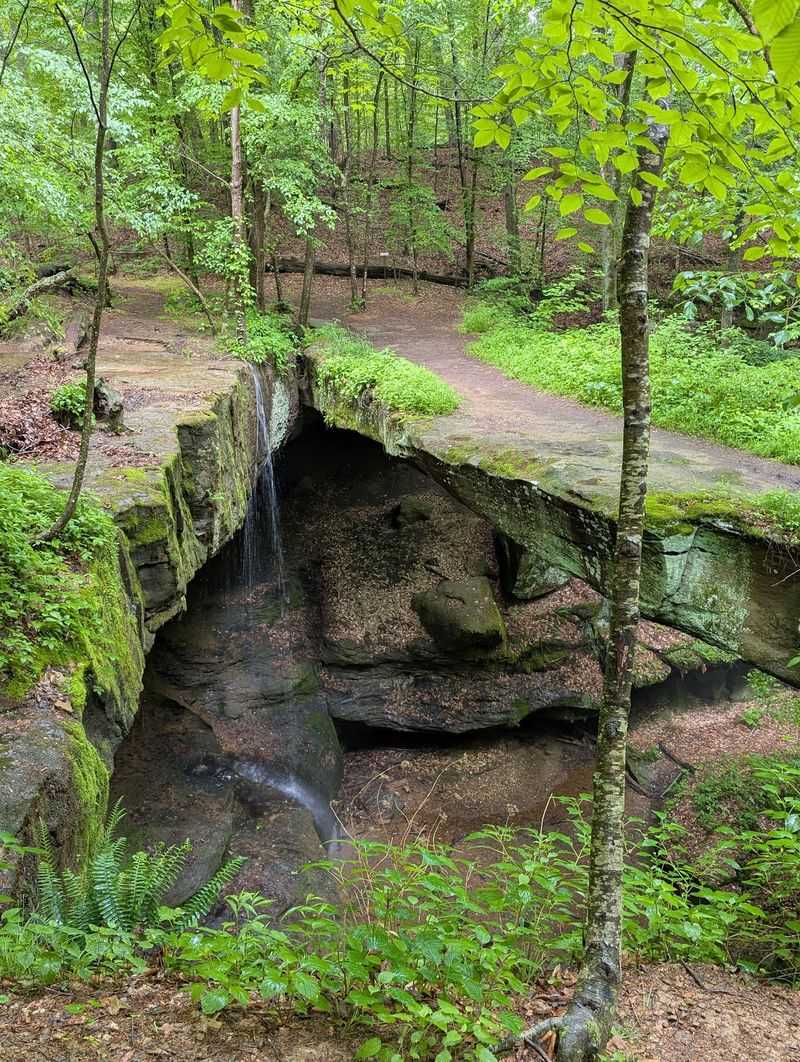
A hike feels more exciting when the trail keeps a secret until the right moment, and Rockbridge does that well. The preserve has about 2.75 miles of trails that guide visitors through fields, woods, slopes, and rocky areas before reaching the famous arch.
The route is not extremely long, but it asks for attention. Hills, exposed roots, muddy patches, and narrow spots can make the walk feel more like a small adventure than a simple stroll.
I would call the hike moderate for most people who are used to moving on uneven ground. Families can enjoy it, but young children need close guidance near steeper areas and around the bridge.
After rain, the trail may be slick, so sturdy shoes are a smart choice.
Bring water, use bug protection, and give yourself enough time to pause along the way. The forest changes as you move, with open meadow edges giving way to deeper shade and sandstone features.
That variety keeps the walk interesting, even before the bridge appears. By the time you arrive, the effort feels earned, and the return trip feels calmer because the big reveal has already worked its magic.
Black Hand Sandstone Tells the Story
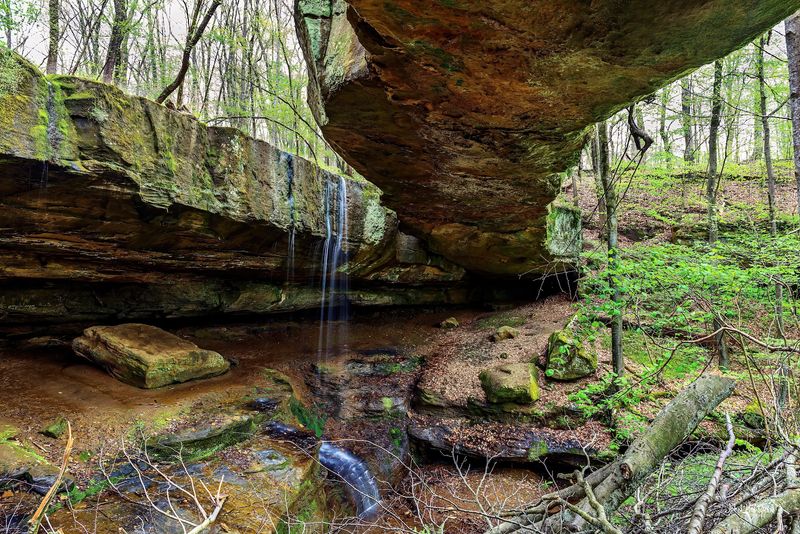
Some places look old, but Rockbridge practically explains deep time without using a textbook. The natural bridge formed from Black Hand sandstone, a rock layer connected to a much different Ohio from millions of years ago.
Long before hikers followed marked trails here, the region was shaped by sand that settled in an ancient environment. Over time, those layers were pressed into stone, leaving behind the bedrock that now forms cliffs, shelters, and the bridge.
What makes the arch special is the slow work of erosion. Rain, wind, frost, and groundwater wore away softer sections of sandstone while stronger parts remained overhead.
That patient process carved the opening beneath the bridge, turning solid rock into a dramatic span.
When you visit, look closely at the surface instead of only admiring the big shape. Small grooves, ledges, and color changes help tell the same story on a smaller scale.
It is a reminder that nature often works quietly, then leaves behind something bold. Rockbridge is not just a pretty landmark.
It is a piece of Ohio’s ancient past, still standing in the woods where anyone willing to hike can see it.
The Ravine Makes the Bridge Feel Bigger
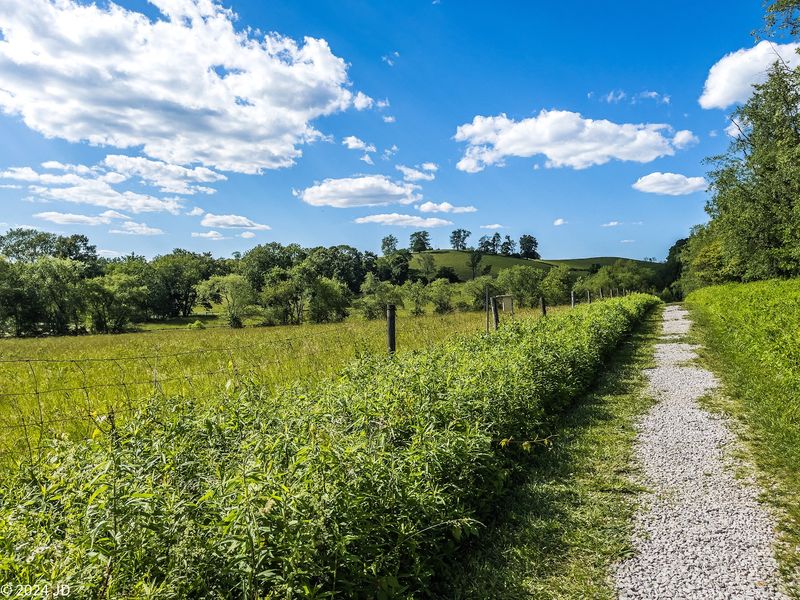
The ravine below the arch gives the whole scene its sense of drama. Without that open drop and wooded hollow, the bridge would still be interesting, but it might not feel nearly as powerful.
The stone reaches across the space like it belongs there, while the trees and slopes frame it from every side. Sound also changes in the ravine, especially when water is moving nearby or leaves are rustling overhead.
I found that the best way to understand the bridge is to study the space beneath it. The empty air is part of the formation, because erosion removed rock and created the gap visitors admire today.
That open space shows how much material disappeared over time.
Use care around edges and uneven ground, especially if the trail is wet. A slow pace lets you enjoy the view without feeling nervous or rushed.
Photographers may want to step back where the trail allows, since the arch can be hard to fit into one frame up close. The ravine also adds mood, with shade, cool air, and forest sounds making the bridge feel tucked away from ordinary roads and daily noise.
Small Water Features Add Surprise
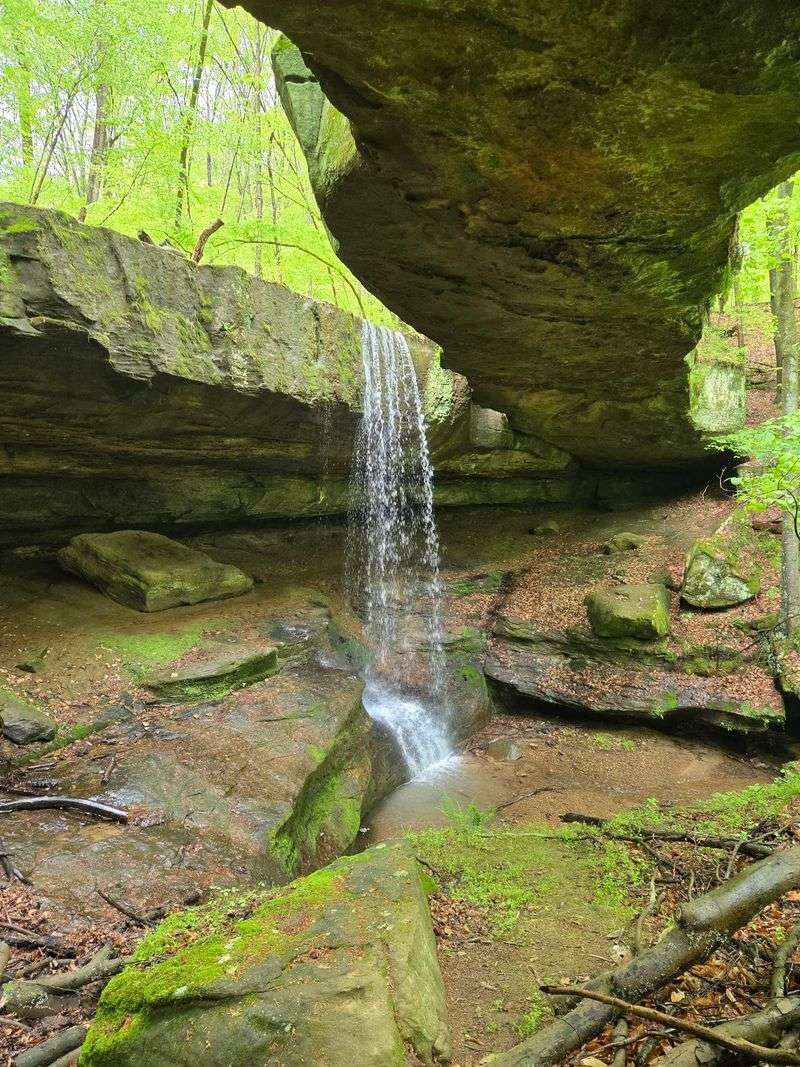
Water is easy to miss at first, then suddenly it becomes part of the whole experience. Depending on recent weather, visitors may hear trickling water, see a small stream, or spot a seasonal waterfall near the rock formations.
After rain, the preserve can feel fresher and more alive, with wet stone, brighter moss, and a cooler pocket of air near the drainage areas. The same rain can also make mud and slick slopes, so there is a tradeoff.
For me, the sound of moving water makes the hike feel less hurried. It gives you a reason to pause, look down at the rocks, and notice how the landscape is still changing.
Water helped shape the bridge long ago, and it continues to shape the ravine bit by bit.
Stay on marked paths and avoid climbing wet sandstone, since it can be slippery and fragile. If you bring a camera, protect it from spray or damp leaves when the flow is stronger.
Even when the water is low, the streambed adds texture to the preserve. It reminds visitors that Rockbridge is not a frozen display.
It is a living landscape, still being shaped.
Wildflowers, Birds, and Quiet Woods
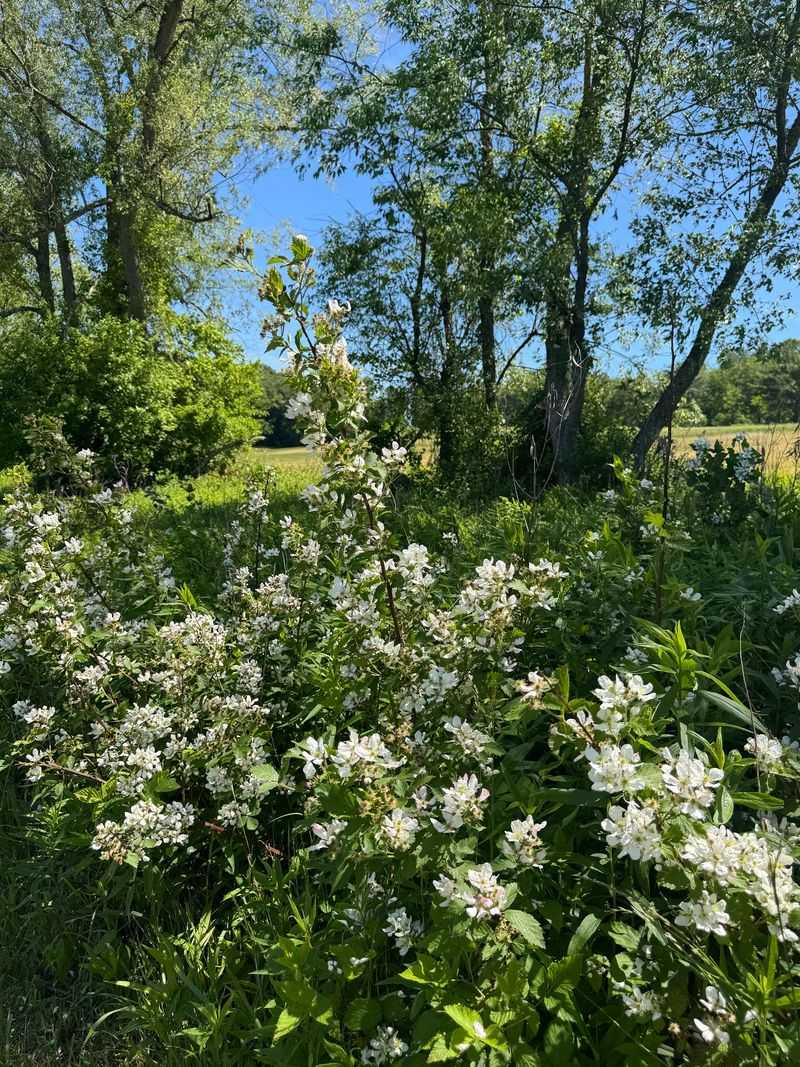
The bridge gets the attention, but the woods quietly do a lot of the work. Along the trail, the preserve shifts through meadow edges, shaded forest, rocky slopes, and damp low spots that support different plants and animals.
In warmer months, wildflowers and butterflies can brighten the walk in small flashes of color. Birds call from the trees, squirrels move through the leaves, and deer may appear if the trail is calm enough.
Nature preserves are protected for a reason, so visiting gently matters here. Stay on the trail, do not pick plants, and give wildlife plenty of space.
Even a pretty flower or mossy rock is part of a larger system that works best when left alone.
I like that Rockbridge rewards slow looking. A quick hiker may reach the arch faster, but a curious hiker notices fern patches, sandstone textures, bird movement, and changing light.
Bug protection is helpful in leafy seasons, and long socks or pants can make the trail more comfortable where plants crowd the path. The quiet woods also balance the drama of the bridge.
They turn the trip into more than one scenic stop, making the whole preserve feel rich and layered.
Best Times to Enjoy the Preserve
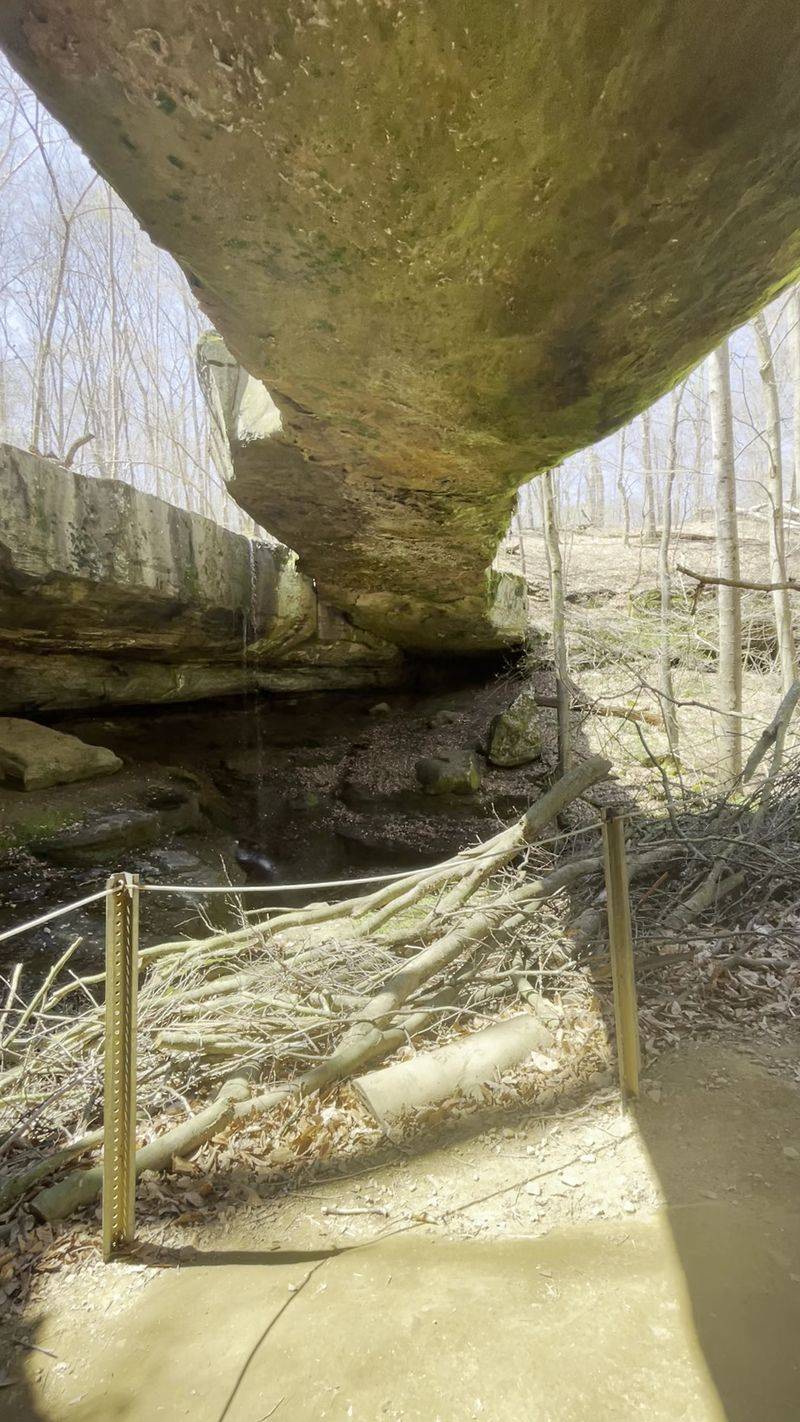
Every season changes the personality of Rockbridge, which is one reason I would not call it a one-time kind of place. Spring brings fresh green leaves, wildflowers, and stronger water flow after rainy days.
Summer fills the forest with shade and sound, though bugs and humidity may join the hike. Fall adds color across the ravine, while winter can reveal more of the rock shape after leaves drop.
The preserve is open daily from a half-hour before sunrise until a half-hour after sunset. Morning light can make the woods feel peaceful, and later afternoon can soften the sandstone colors.
Midday works too, but direct light may make photos trickier around the arch.
Weather matters more than the calendar. Rain can improve small waterfalls and deepen the forest colors, but it can also create mud and slippery roots.
In winter, icy trail sections deserve extra caution, and traction devices may be helpful when conditions are slick. Check the forecast, dress in layers, and avoid rushing if the ground is wet.
The best visit is not only about pretty views. It is about matching the day to your comfort level, then letting the preserve set the pace.
Planning the Visit Without Stress
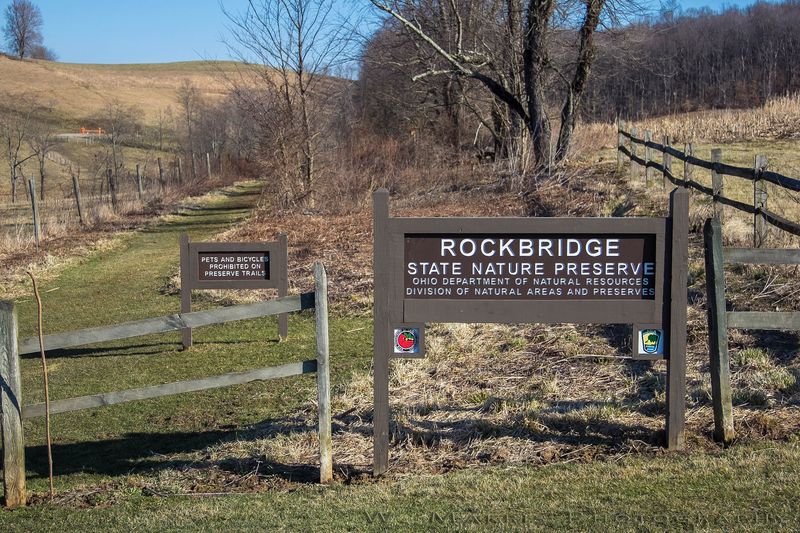
A little planning makes Rockbridge much easier to enjoy, especially because the preserve feels more tucked away than some larger Hocking Hills stops. The parking area is limited, so arriving with patience helps.
Do not expect a big visitor center or a long list of facilities. The simple setup is part of the quiet appeal, but it also means you should come ready with water, proper shoes, and a plan for restrooms before or after your hike.
The preserve covers 182 acres, protecting the natural bridge and nearby sandstone features. Trails are marked, yet carrying a downloaded map is still a smart move because phone service can vary in rural areas.
Keep children close near the bridge and any drop-offs.
Leave pets at home, stay on the trail, and avoid carving or climbing on sensitive rock. Small choices like these help keep the bridge safe for future visitors.
I would also build in time to simply stand quietly and look, because the arch deserves more than a rushed glance. Rockbridge State Nature Preserve is located at 11475 Dalton Rd, Rockbridge, OH 43149.
Address: 11475 Dalton Rd, Rockbridge, OH
