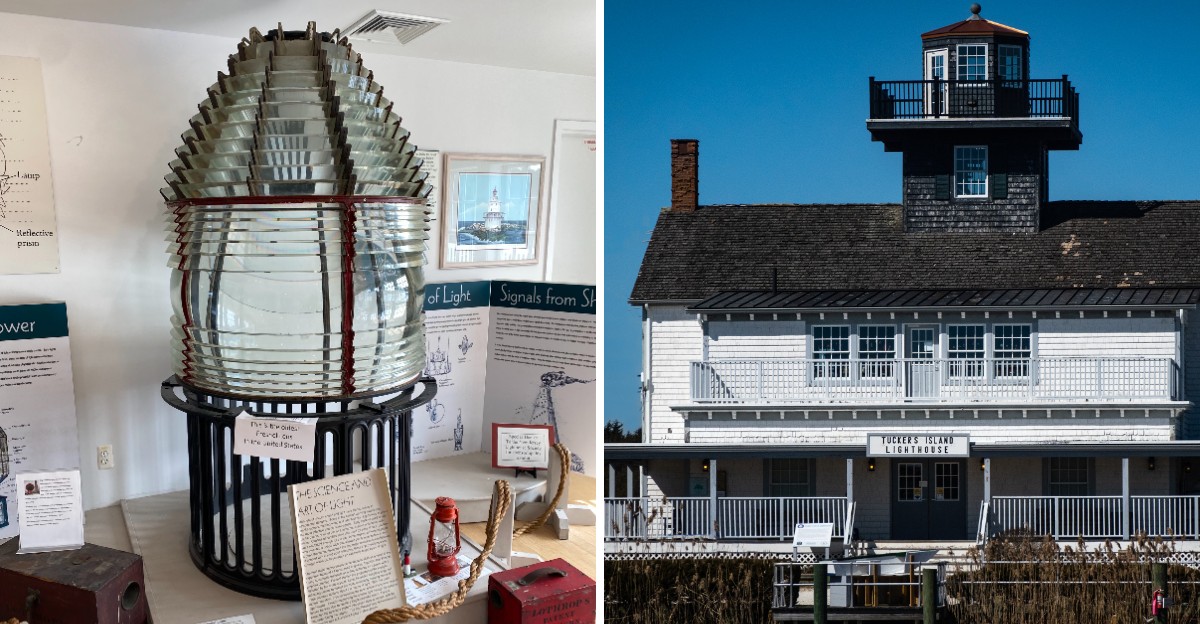
On October 12, 1927, a storm knocked a lighthouse straight into the Atlantic. Someone even photographed it falling, frame by frame.
The island it stood on didn’t last much longer. By the 1950s, the sea had swallowed the whole thing, old resort community and all.
I love that this story didn’t end underwater. A faithful replica now stands on solid ground in New Jersey, and you can climb right to the top.
It glows at night, too, even though no ships rely on it anymore.
The lighthouse is only the start of a whole maritime village built around it. There are surfboards, decoys, boat rides, and even goats waiting nearby.
I can’t imagine a better way to spend a lazy coastal afternoon.
The Lighthouse That Slid Into The Sea Got A Second Life
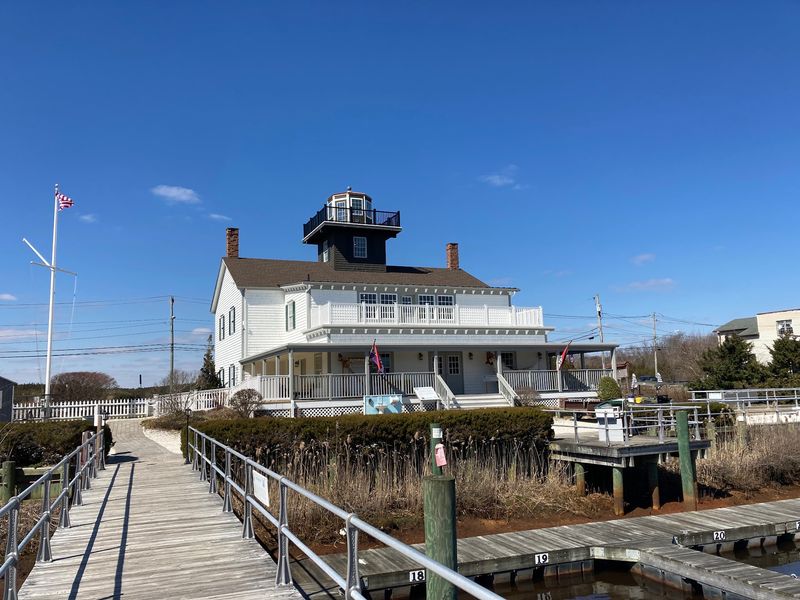
Tucker’s Island Lighthouse first went up in 1848, and a remodeled version followed around 1868. It stood on Tucker’s Island, a resort spot off the south end of Long Beach Island.
Erosion slowly chewed away at that island for years. Then, on October 12, 1927, a powerful storm finally pushed the lighthouse over into the ocean.
Here’s the wild part. Paul Rider, nephew of Keeper Arthur Rider, snapped a series of photos showing the collapse as it happened.
Those pictures turned a local loss into a piece of history people still talk about.
Tucker’s Island didn’t stick around either. By the 1950s, the sea had erased it completely, which makes this one of New Jersey’s strangest disappearing acts.
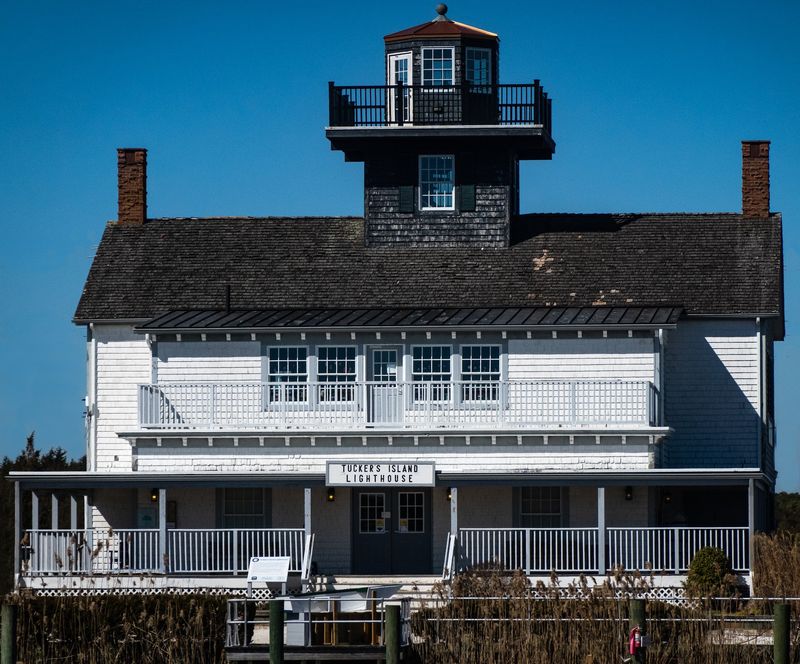
That’s where Tuckerton Seaport & Baymen’s Museum steps in. In 1999, builders raised a replica modeled after the 1868 lighthouse, and it now anchors the whole site.
Standing beside it, you’re looking at a building that shouldn’t exist anymore. The original is gone, but its look, its story, and even its glow live on.
Not bad for a lighthouse that took an unplanned swim almost a century ago.
Forty-Two Steps Stand Between You And A Fantastic View
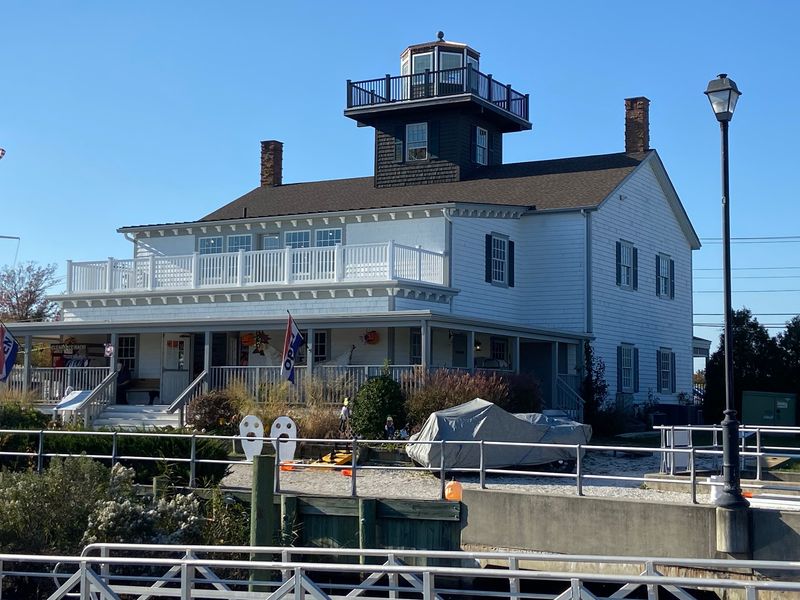
Visitors can climb 42 steps from the second floor to the top of the lighthouse. That’s a friendly number, even for legs that skipped leg day.
The reward is a sweeping look over the Seaport and Lake Pohatcong. From up there, the boardwalk, creek, and little shingled buildings spread out like a model village.
The climb also comes free with general admission, which sits at just five dollars. Kids under five, active military, veterans, and members get in free.
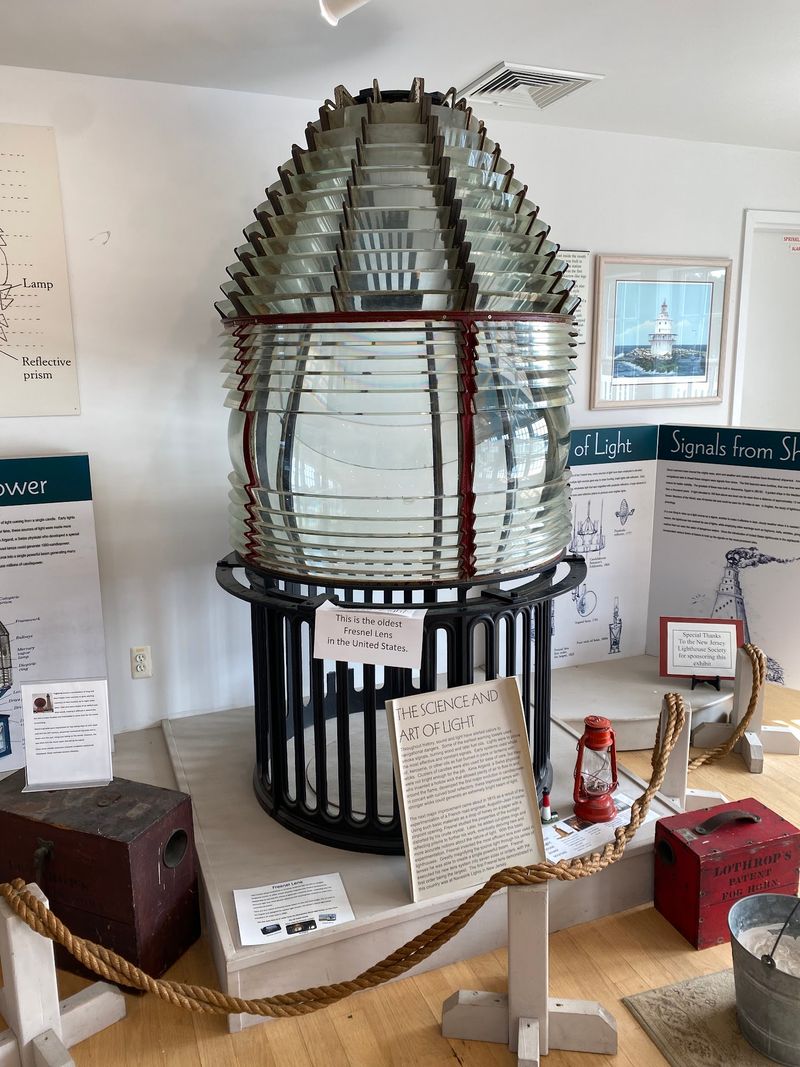
Inside, the lighthouse doubles as a museum. Exhibits cover Tuckerton’s history, folk art, and lighthouses in general, so the trip upward comes with plenty to read on the way.
Accessibility gets real attention here too. Ramps and an elevator reach the second floor exhibits, though the very top requires stairs and a spiral metal staircase.
Plan on taking your time at the railing. The breeze off the water feels earned after that climb, and the photos practically take themselves.
One more fun detail? The replica isn’t an active navigational light, but it still lights up at night.
It’s a lighthouse doing lighthouse things, just for the joy of it.
A Whole Maritime Village Hides Behind That Lighthouse
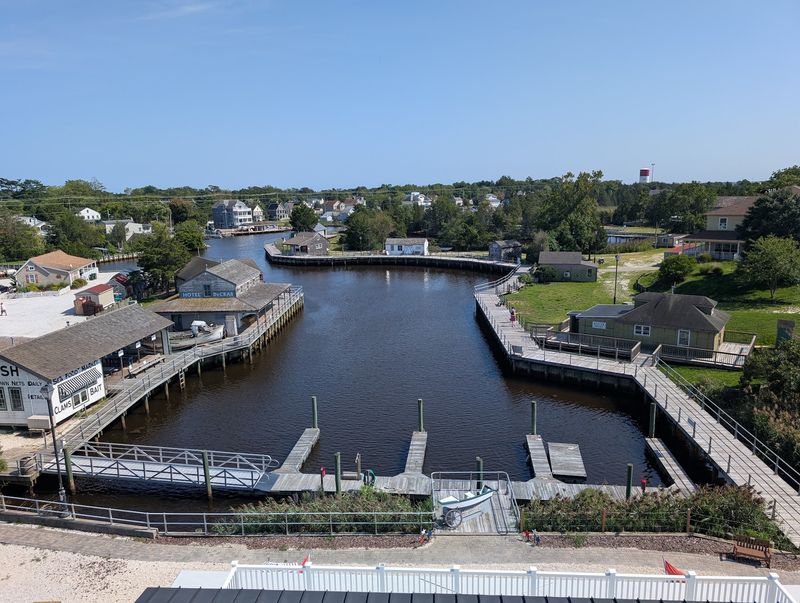
Forty acres. That’s how much room Tuckerton Seaport & Baymen’s Museum covers along historic Tuckerton Creek in Tuckerton, New Jersey.
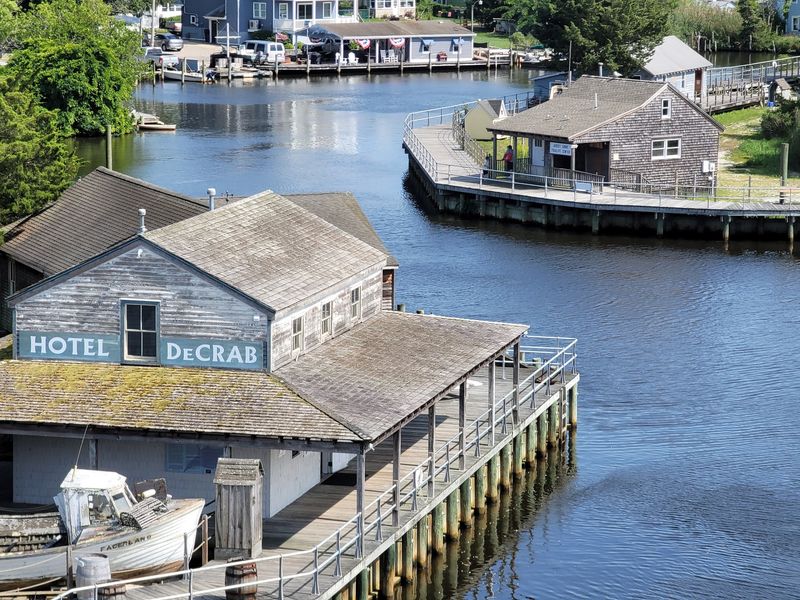
The living maritime village officially opened in May 2000. It features around 17 historic and recreated buildings, all linked by a boardwalk that keeps you wandering from one to the next.
Each building tells a different slice of shore life. You’ll pass a sawmill, a boat shop, a fishery, and a sea captain’s home without ever feeling like you’re stuck in one long museum hallway.
The full address is 120 W Main St, Tuckerton, NJ 08087. Free parking and restrooms make the whole outing easy for families.
Keep an eye on the lampposts as you stroll. Those nautical-style fixtures originally came from the former Trump Marina in Atlantic City, which is a surprisingly fun bit of trivia.
The site also houses the Jersey Shore Folklife Center. It’s one of five designated folklife centers in the state, and it preserves the traditions of coastal communities and the nearby Pine Barrens.
So yes, come for the lighthouse. Just don’t be shocked when the rest of the village steals a few extra hours.
Surfboards In A Gun Club Make Total Sense Here
Surf culture and duck hunting don’t usually share a roof. At the New Jersey Surf Museum, they do, and somehow it works beautifully.
The museum sits inside the recreated Marshelder Gun Club. It ranks among the largest surf museums on the East Coast, with more than 50 surfboards on display.
Those boards tell the story of New Jersey’s surfing scene, which often gets overlooked next to California and Hawaii. Shore surfers have plenty of history worth bragging about, and this collection proves it.
Short boards, long boards, and everything between line the space. It’s a colorful change of pace after the weathered wood and nets elsewhere on the grounds.
Even if you’ve never stood on a board, the display is easy to enjoy. Bright designs and old photos give it a laid-back, summery feel.
The gun club setting adds its own layer of fun. You get a peek at old shore sporting life while learning how wave riders made their mark here.
Surfers in your group will linger. Non-surfers might leave wondering how cold that Atlantic water really gets in October.
Decoys, Sneakboxes, And The Craft Of The Baymen
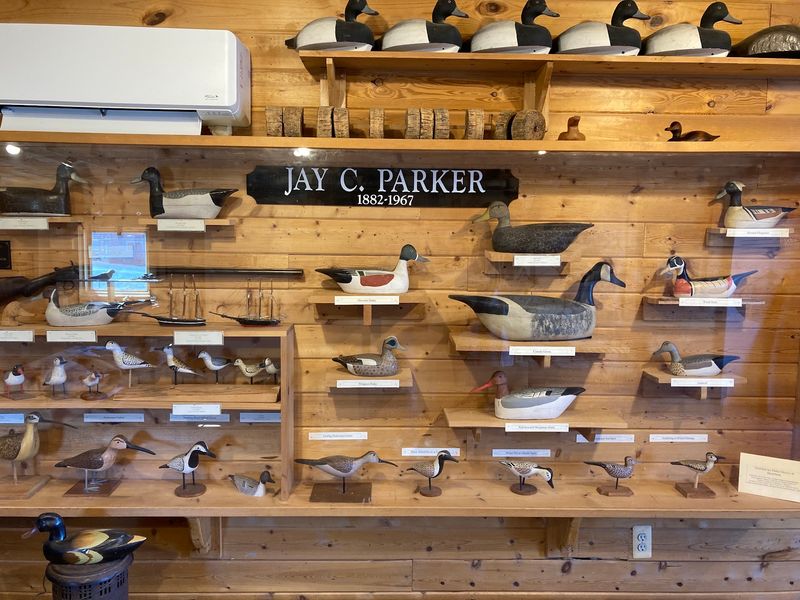
Baymen made their living from the water, and their skills shaped this entire stretch of coast. The Seaport gives that hardworking culture the spotlight it deserves.
Start at the Hunting Shanty. It was the original building of the Barnegat Bay Decoy and Baymen’s Museum, and it now holds a collection of decoys, mostly carved in the Barnegat Bay style.
Those decoys are true folk art. Each one shows patient handwork meant to fool real birds on the bay.
Next, swing by Perrine Boatworks, a working boat shop. Exhibits explain traditional boat building, including the Barnegat Bay sneakbox and the garvey, two boats born right in this region.
The Baymen’s Museum itself was the site’s original hub. It highlights the area’s hunting and fishing heritage with plenty of local character.
Hands-on folks should know the Seaport offers classes, and decoy painting is available as an add-on for school field trips. Check the calendar for current workshops before you go.
It’s easy to rush past a wooden duck. Slow down here, and you’ll start noticing the tiny brushstrokes that made these carvings special.
Hop Aboard For A Creek Tour Or A Ferry Ride
Some history is best seen from the water. That’s exactly the idea behind the Floating Classroom, a narrated tour of Tuckerton Creek aboard the Pohatcong II.
Live guides lead the ride, and they bring artifacts from the museum collection along. It feels less like a lecture and more like a floating show-and-tell.
The ticket covers the boat tour plus land access to the Seaport’s exhibits. That combo makes it a smart pick if you want the full experience in one day.
Craving a longer cruise? A seasonal ferry runs to Long Beach Island on Saturdays, Sundays, and Mondays during the summer, with service dates varying by year.
That trip offers a one-hour scenic tour across the bay. It’s a relaxing way to see the marshes and the island where Tucker’s Island once sat just to the south.
Schedules shift outside summer, so check the Seaport’s Facebook page before planning around a boat. Weekend-only service is common earlier in the year.
Bring sunglasses and a light jacket. Breezes on the creek can be refreshingly brisk.
Goats, Mini Golf, And A Fish Market For Little Explorers
Kids get a surprising amount of attention at this museum. Visitors can meet the resident goat and sheep during their visit.
There’s also a historic-themed miniature golf course on the grounds. It’s a playful break when young legs need something besides another exhibit.
Over at Crest Fishery, children find a scale recreation of a Long Beach Island pound fishery. An interactive fish market lets them play shopkeeper or customer.
Visitors should check the museum’s event calendar for historical rescue demonstrations. These show how lifesavers once rescued sailors from shipwrecks along the coast.
A playground keeps the littlest visitors busy too. Scavenger hunts and craft stations often pop up around the site, depending on the season.
Parents will appreciate how spread out everything feels. Short walks between buildings help burn energy without anyone noticing it’s exercise.
Pets aren’t allowed, so leave the family dog at home. The goats will happily handle all the animal charm for the day.
By the end, your crew might be chattering about fishing nets and lifeboats. Sneaky learning wins again.
Captains, Coast Guard Boats, And A Busy Old Sawmill
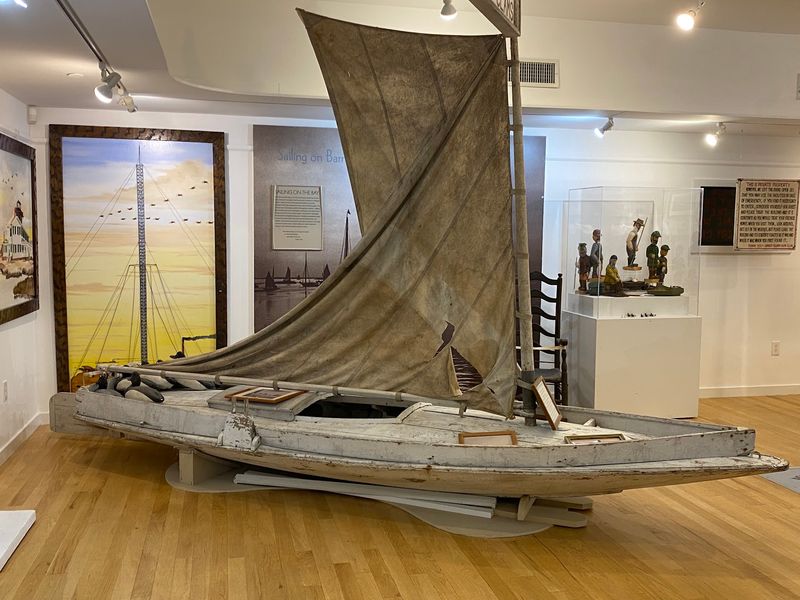
A real sea captain once called one of these buildings home. The Sea Captain’s House was originally built in 1825 for Edmund Bartlett and was expanded over the years.
It’s listed on historic registers, giving it serious bragging rights among the village’s structures. Plenty of the other buildings are recreations, so this one stands out.
Nearby rests a hefty piece of modern history. Coast Guard lifeboat #44355, a 44-foot steel vessel from around 1966, once served at Long Beach Island and now sits on permanent display.
Seeing it up close makes rescue work feel very real. That boat faced rough Atlantic water so others could get home safely.
Then head inland in spirit at Joe Dayton’s Sawmill. Exhibits there explore Pinelands jobs like cranberry and blueberry farming.
Those crops still matter in New Jersey today. The display connects bay life with the sandy forests just west of the coast.
Together, these three stops show how many kinds of work kept Tuckerton going. Sailors, rescuers, and farmers all left fingerprints on this place.
Save Room For Nature Trails And October Night Climbs
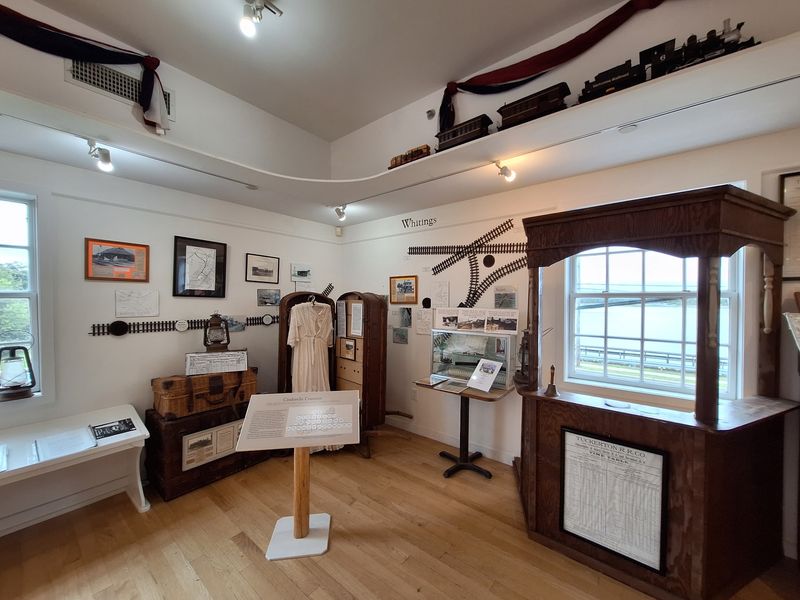
Wetlands get their own starring role at the Seaport. A three-quarter-mile boardwalk and a quarter-mile nature trail wind through maritime forest and marsh.
It’s a peaceful stretch after the busier exhibits. Birds, grasses, and creek views make it feel miles away from the highway.
Want the science behind the scenery? Climb to the third floor of the recreated Tuckerton Yacht Club for the Jacques Cousteau National Estuarine Research Reserve’s Life on the Edge exhibit.
Interactive displays explain the Great Bay-Mullica River estuary. They cover Pinelands, bay, barrier island, and open ocean ecosystems in one tidy package.
Timing your trip can add extra magic. The Seaport takes part in the Lighthouse Challenge of New Jersey, held the third full weekend in October, which sometimes includes night climbs of the replica.
Picture-perfect, right? A glowing tower above dark water is a fitting tribute to the one that fell.
The Seaport stays open year-round, with hours that change by season. A quick look before you go keeps surprises to a minimum, except the good ones waiting at the top of those 42 steps.
