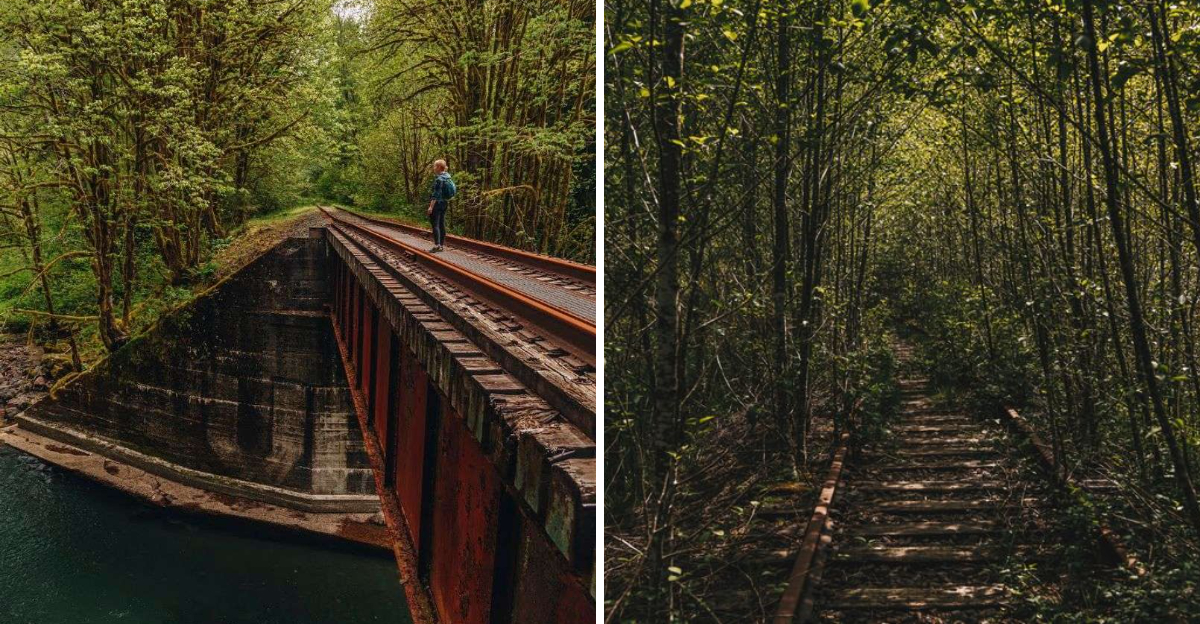
Gravel crunches underfoot where locomotives once thundered. An old railroad route, scarred by a devastating storm, is being reborn as an eighty-mile multi-use path. It will slice through the coastal range and connect the valley to the ocean, offering a journey through history and nature.
Ten mossy tunnels and dozens of towering trestles await. The first section is already open, and more segments are coming.
This trail will snake along rivers, through old-growth forests, and across deep canyons. It is a time capsule of early twentieth-century ambition.
Oregon is transforming an abandoned railway into a generational treasure. It is more than a path forward, it is a chance to experience the state’s wild beauty and industrial past in one unforgettable ride.
The Railroad That Started It All
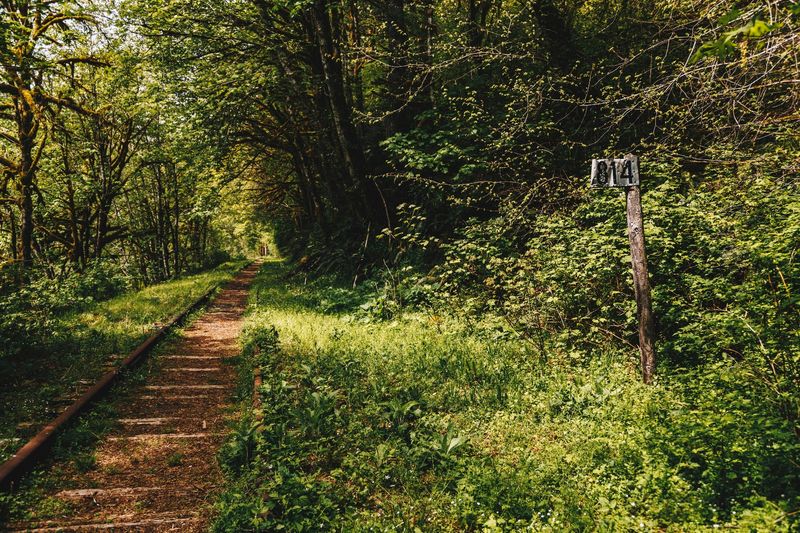
Long before hikers ever set foot on the Salmonberry corridor, trains were the ones making the journey. The Pacific Railway Navigation Company built this line in the early 1900s, cutting through the rugged Coast Range with ambition and grit.
Crews nicknamed it “Punk, Rotten and Nasty,” which honestly tells you everything about how brutal the construction was.
The railroad endured gale storms, the devastating Tillamook Burn, and decades of harsh Oregon weather before eventually falling out of use. What remained was a ghost corridor, overgrown and largely forgotten by most of the world outside of a few determined hikers and local history buffs.
That forgotten railroad bed is now the backbone of the Salmonberry Trail project. The old rail grade provides a surprisingly walkable foundation through terrain that would otherwise be nearly impossible to navigate.
It is a rare case where industrial history and natural beauty have merged into something genuinely worth celebrating.
The Canyon That Will Take Your Breath Away
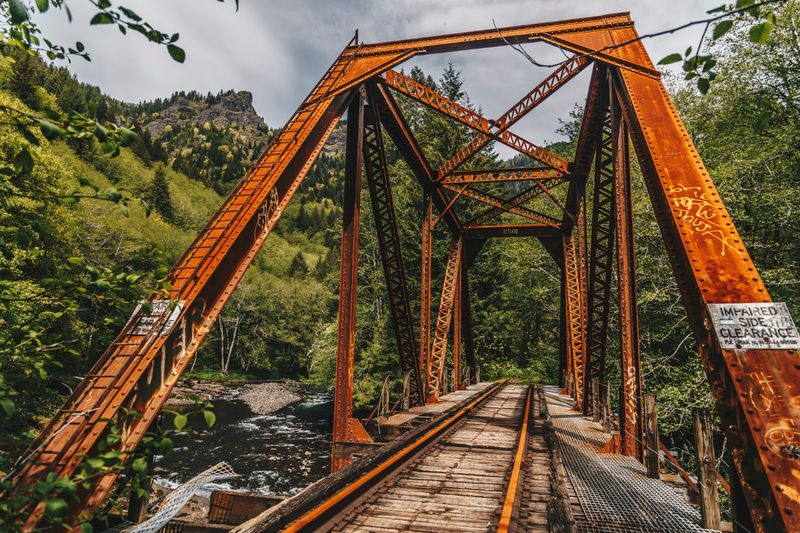
Nothing quite prepares you for the scale of the Salmonberry River canyon the first time you see it. The walls rise steeply on both sides, draped in old-growth cedar, Douglas fir, and alder, with the river cutting a vivid green-blue line through the bottom. It feels remote in a way that is hard to manufacture.
The canyon is one of the main reasons this trail has captured so much excitement. Hikers who have explored sections describe it as pristine wilderness, and that word “pristine” keeps coming up because it really does apply here.
Wildlife is abundant, the air smells of damp earth and cedar, and the noise of the modern world disappears completely.
Getting into the canyon is part of the adventure. Some access points require serious research and, in certain cases, a vehicle with real clearance. The effort, though, pays off in a way that flat, easy trails simply cannot match. The canyon rewards the curious and the patient in equal measure.
The Tunnels Hidden Inside the Mountain
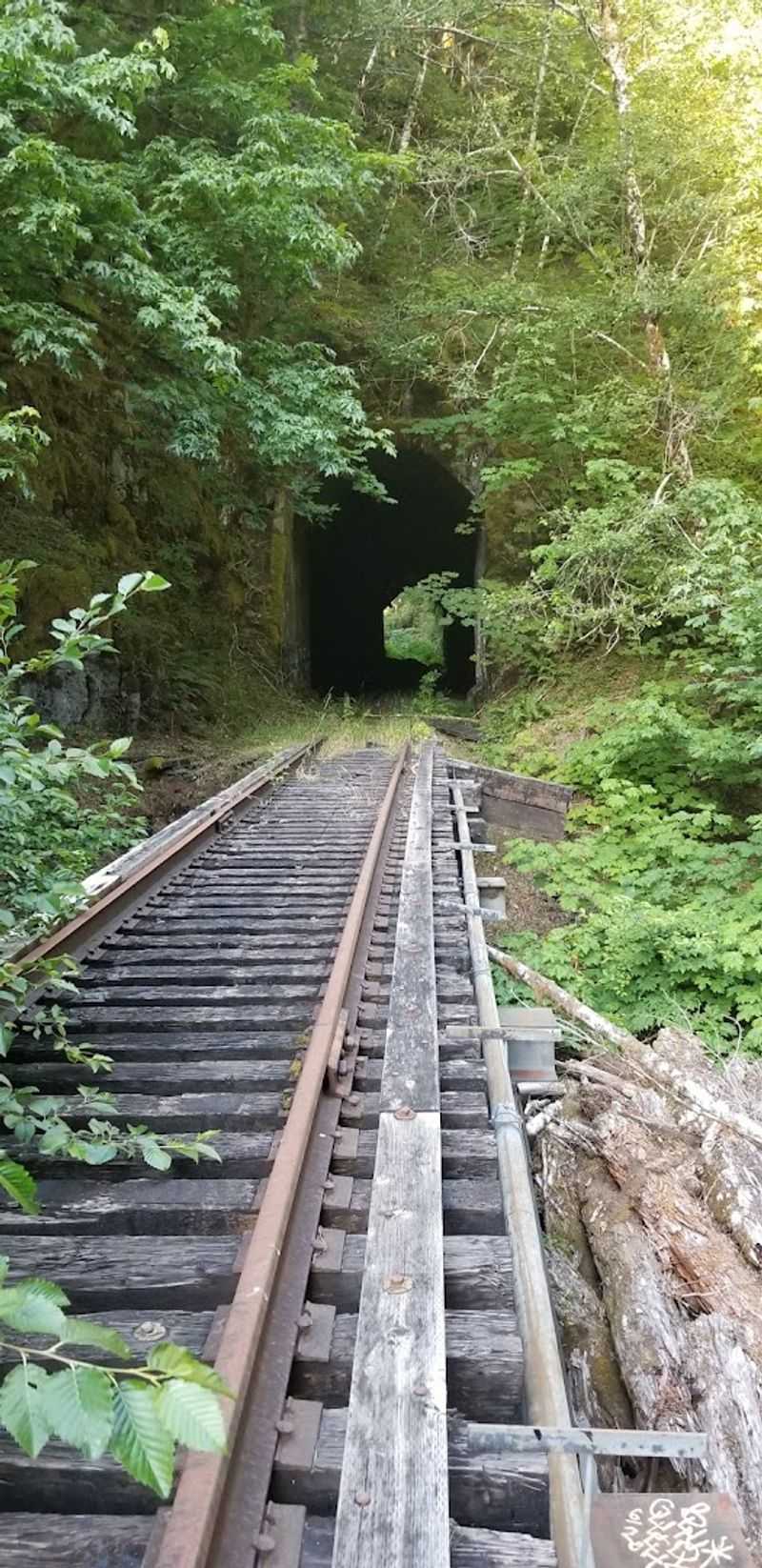
One of the most unexpected thrills on the Salmonberry corridor is the tunnels. The old railroad punched several tunnels straight through the Coast Range mountains, and they are still there, waiting in the dark.
Stepping into one is a full sensory experience, cool air rushing out as your eyes adjust to the blackness.
The first tunnel is often described as a highlight by people who have hiked the accessible sections near the river. It is long enough that you genuinely cannot see the other end when you enter, which adds a layer of excitement that is hard to find on more developed trails.
A headlamp is absolutely non-negotiable here.
Beyond the thrill factor, these tunnels are a tangible link to the railroad era that shaped this landscape. They were carved by hand and early machinery over a century ago, and the craftsmanship, rough as it is, still holds.
There is something deeply satisfying about walking through a mountain that workers once blasted open with dynamite.
What the Salmonberry Trail Actually Is
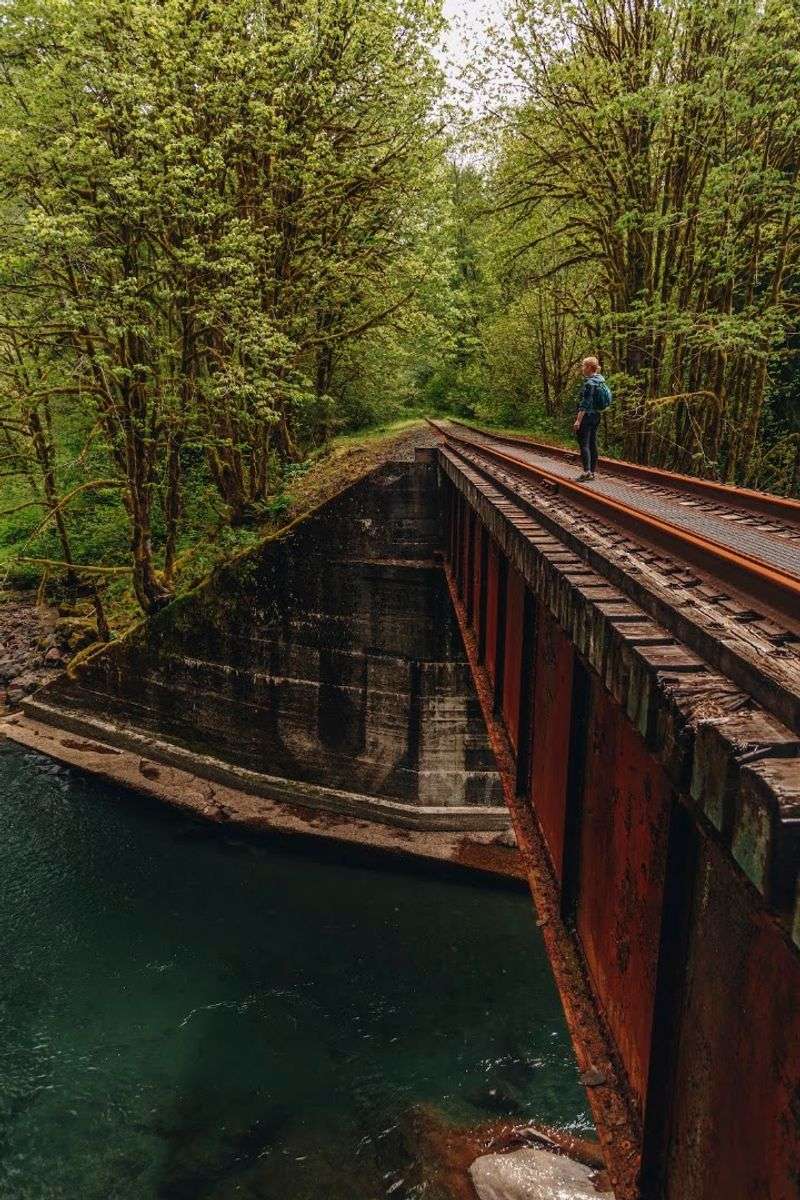
At its heart, the Salmonberry Trail is an ambitious multi-use trail project that aims to convert roughly 80 miles of former railroad corridor into a continuous public path. The route runs from the town of Tillamook on the coast to Vernonia inland, passing through a stretch of Oregon that most people never see.
The trail follows the Salmonberry River through a deep canyon for much of its length, and that river is the real star of the show. It is clear, cold, and wild in a way that feels increasingly rare. The surrounding forest is dense and green in that particular way only the Oregon Coast Range can pull off.
The project is a collaboration between local communities, nonprofits, and state agencies all working toward a shared vision. It is not fully open yet, but sections are accessible and the momentum is real. This is the kind of trail that people will be talking about for generations once it is complete.
Wildlife and Wilderness Along the Route
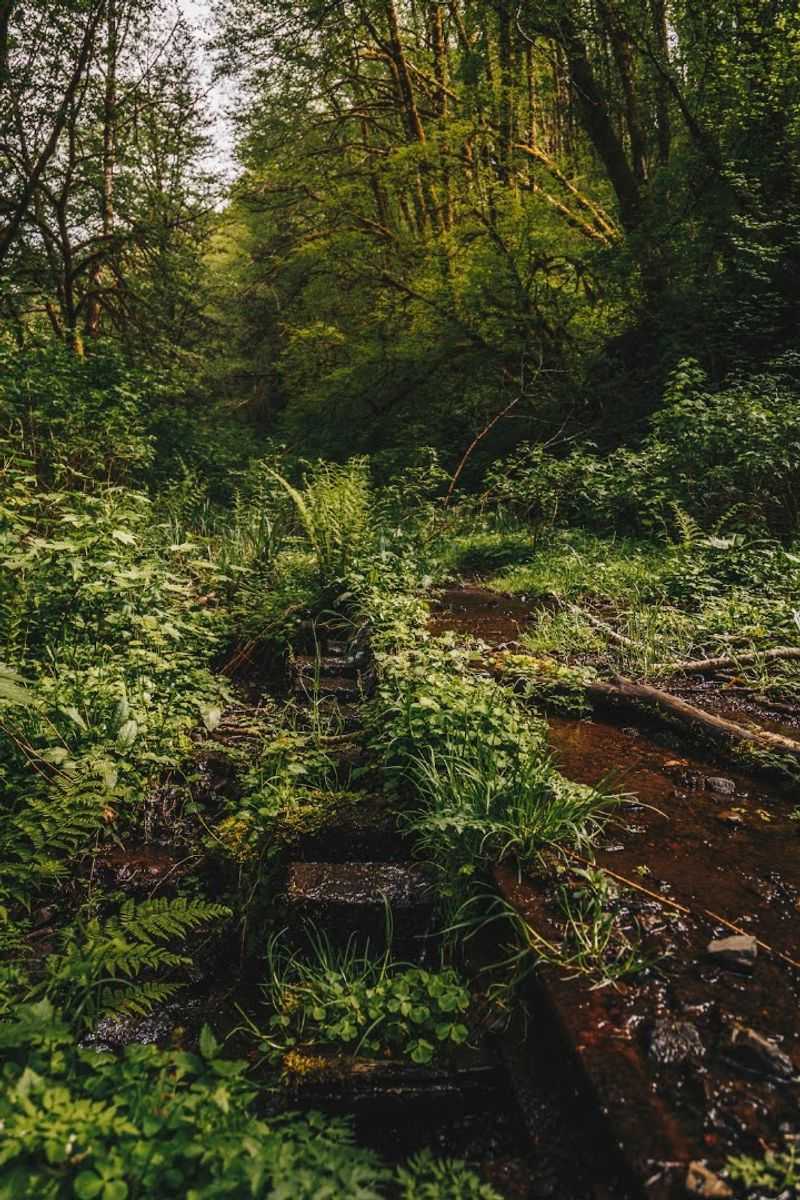
The Salmonberry corridor is genuinely wild, and the wildlife reflects that. Black bears, elk, river otters, and countless bird species share this landscape with the few hikers who make their way through.
Spotting a great blue heron standing motionless in the shallows of the river is the kind of moment that stays with you.
The river itself supports healthy salmon and steelhead runs, which is part of why the ecosystem here feels so intact. Where fish thrive, everything else tends to thrive too.
The food chain is functioning the way it should, and you can feel that vitality in the air.
Hikers planning to spend time on the trail should be bear-aware and prepared for encounters with wildlife that is not accustomed to heavy human foot traffic. That is actually a good thing. It means the land has been left alone long enough to recover and flourish.
Bringing bear spray and keeping food properly stored is just basic good sense out here.
How the Trail Is Being Built and Who Is Behind It
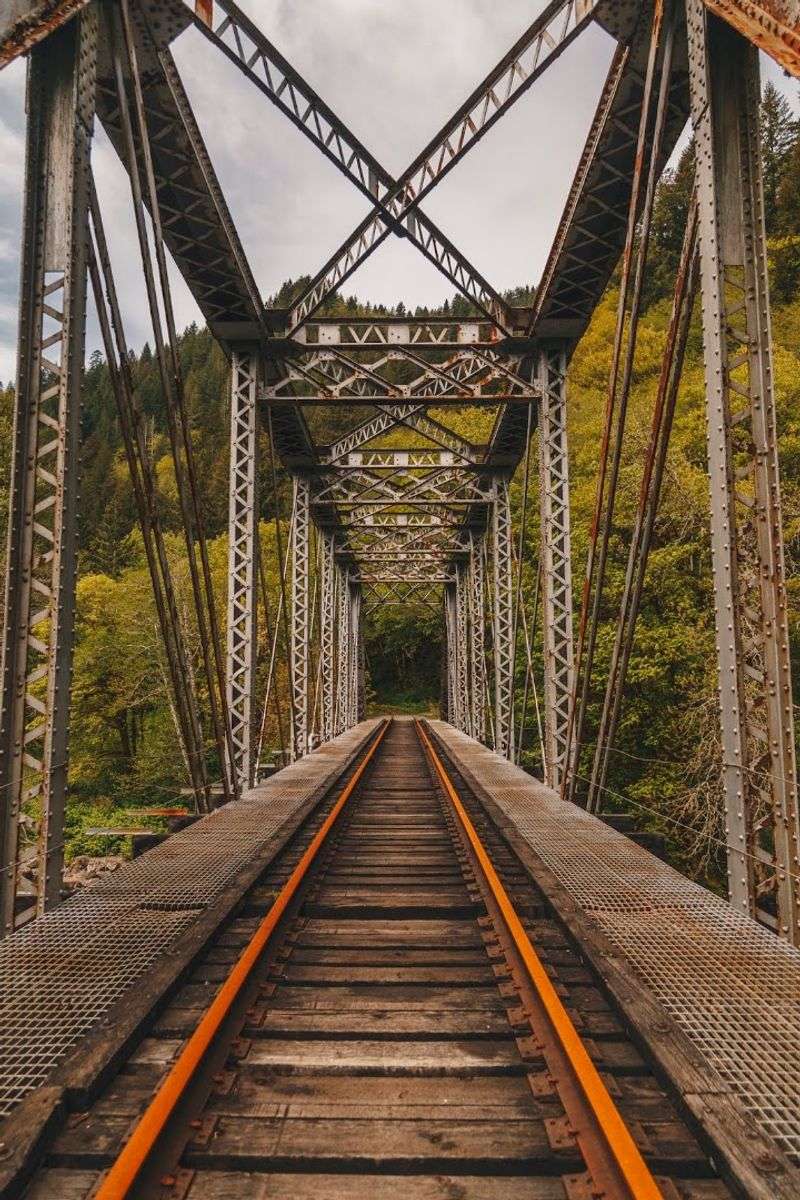
The Salmonberry Trail Collaborative is the driving force behind making this vision a reality. This group brings together Tillamook County, the Oregon Coast Range Association, local governments, and passionate volunteers who believe deeply in what this trail can become.
Progress is steady, if not always fast.
The challenges are significant. Rehabilitating an old railroad corridor through some of Oregon’s most rugged terrain requires serious engineering, funding, and patience.
Bridges need to be replaced or rebuilt, vegetation has to be cleared, and the trail surface needs to be made safe and sustainable for the range of users it hopes to attract.
What makes this effort feel different from other trail projects is the community investment behind it. Local residents in Tillamook and Vernonia have skin in the game because the trail is expected to bring real economic benefits to both towns.
This is not a project handed down from above; it is one being built from the ground up by people who genuinely care about this place.
Tillamook, the Trail’s Western Gateway
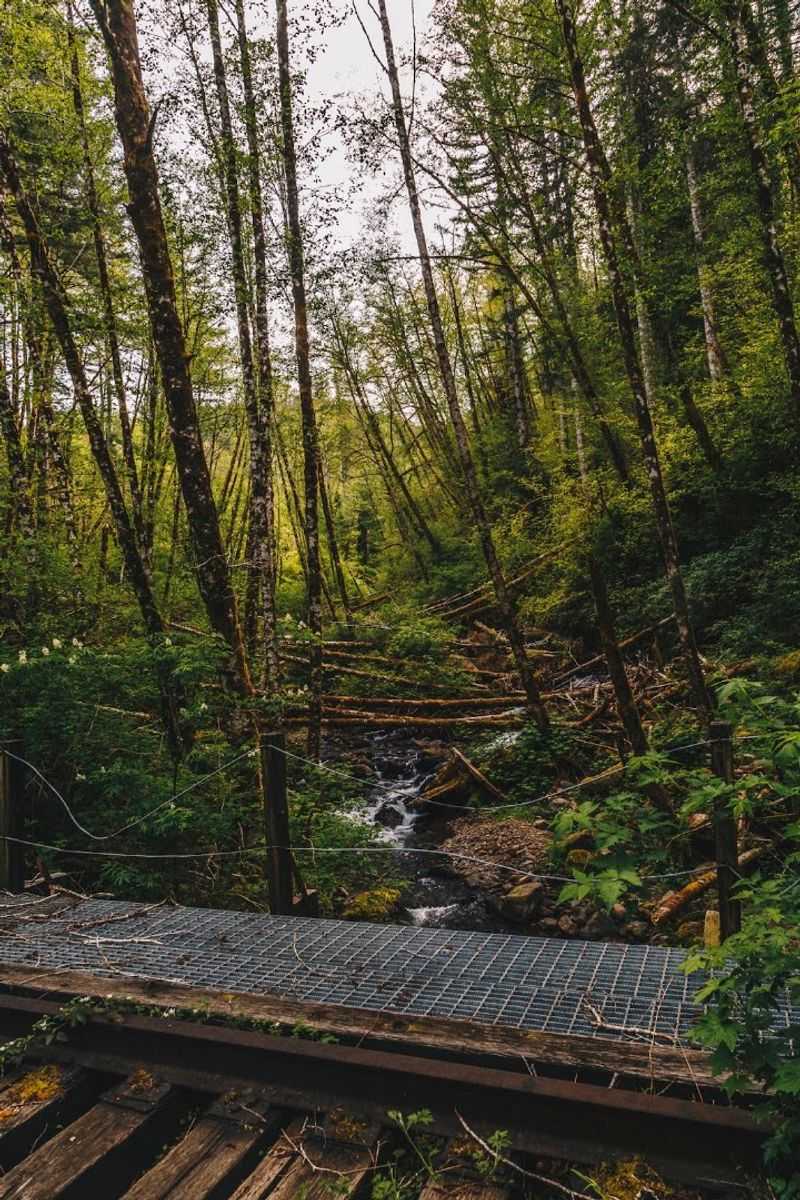
Tillamook sits at the western end of the Salmonberry Trail corridor, and it is a genuinely charming town to use as a base. Most people know Tillamook for its dairy industry, but the town has a lot more going on than cheese.
The surrounding landscape is green and moody in the way the Oregon coast does so well.
Before heading out on the trail, spending a morning in Tillamook is worth the time. The Tillamook Air Museum, housed in a massive World War II blimp hangar, is one of those unexpected attractions that surprises almost everyone who wanders in. The building alone is worth seeing.
The town also has practical amenities that trail users will appreciate, including places to grab a solid breakfast, stock up on supplies, and get local information about current trail conditions.
Cell service gets thin quickly once you head east into the canyon, so doing your research and preparation in Tillamook before you go is genuinely smart planning.
Vernonia, the Trail’s Eastern Anchor
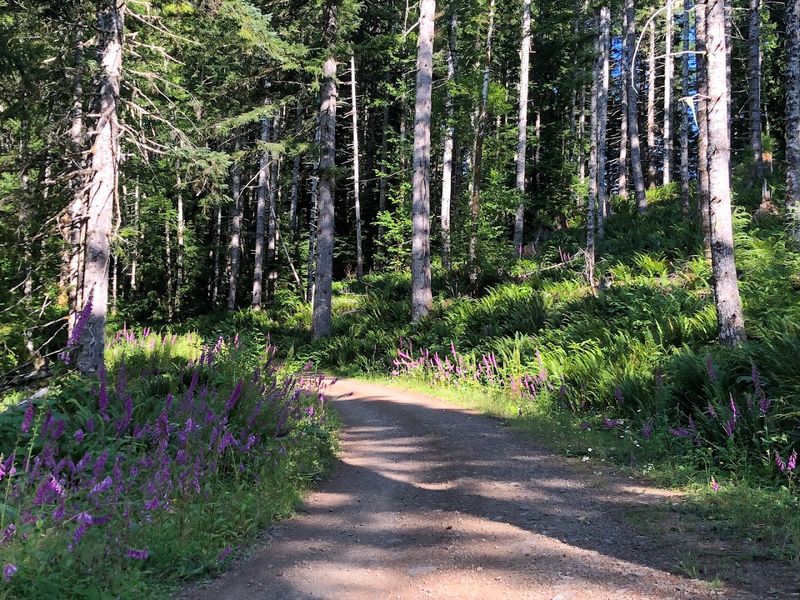
Vernonia is the kind of small Oregon town that feels like it has been waiting patiently for the world to catch up to it. Tucked into the Coast Range foothills, it already has a strong trail culture thanks to the Banks-Vernonia State Trail, which connects it to the Portland metro area.
Adding the Salmonberry Trail to the mix would make Vernonia a genuine hub for non-motorized travel.
The town has a warmth to it that is easy to notice right away. People wave at strangers, the main street has a handful of local spots worth visiting, and the surrounding forest feels close in a comforting rather than overwhelming way. It is the kind of place where you slow down without even trying.
For through-hikers and cyclists eventually completing the full Salmonberry route, Vernonia will serve as a natural finishing point and celebration spot.
The combination of the Banks-Vernonia Trail and the Salmonberry Trail could make this region one of Oregon’s premier destinations for human-powered adventure travel.
Planning Your Visit to the Current Accessible Sections
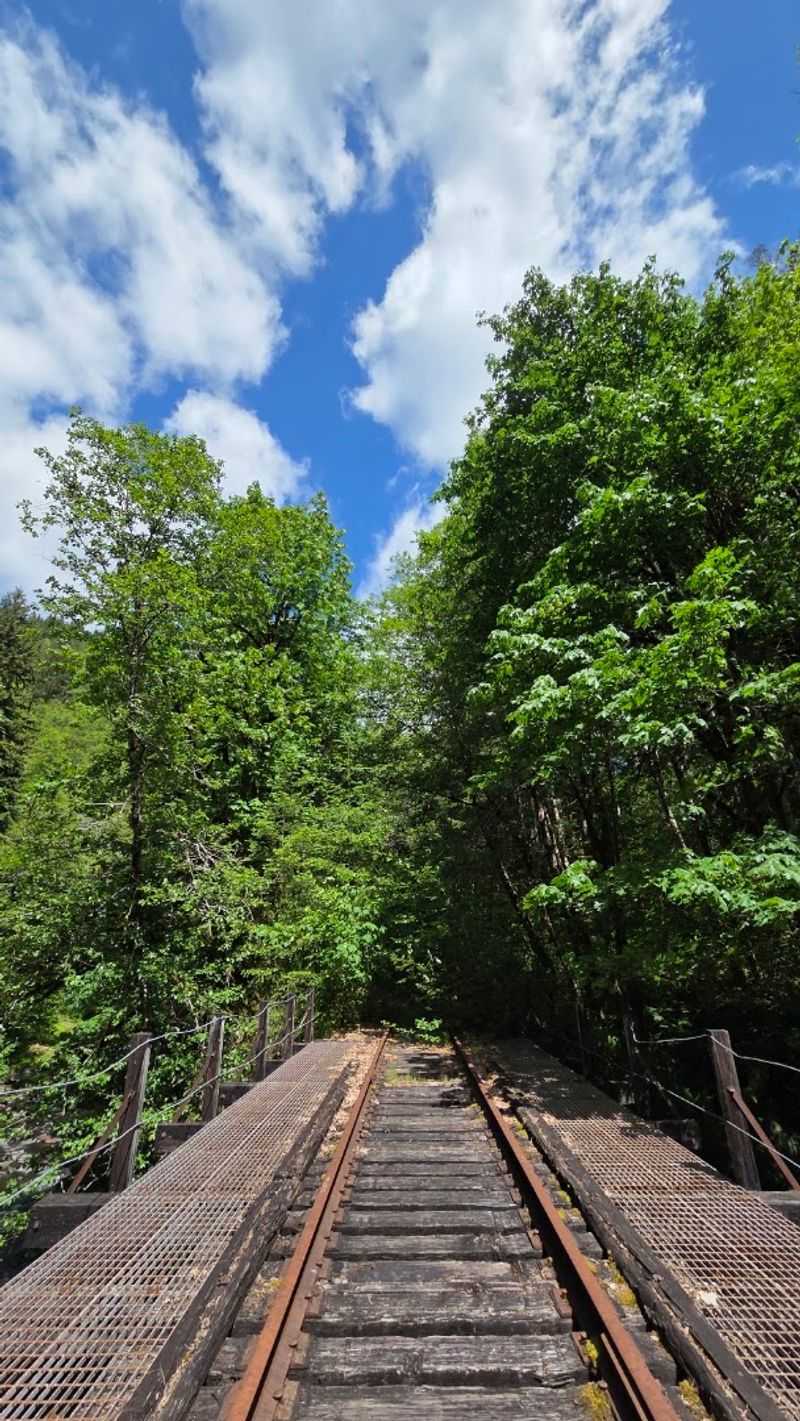
The full Salmonberry Trail is not yet open, but sections of the corridor are accessible to adventurous hikers willing to do some homework.
The North Fork area and sections near the river tunnels have attracted explorers for years, though the access routes require research and a willingness to navigate unmarked or rough terrain.
A four-wheel drive vehicle is strongly recommended for reaching some of the more remote entry points, and conditions can change significantly depending on the season.
Oregon’s rainy season runs roughly from October through May, and the canyon can become genuinely treacherous when water levels are high. Summer and early fall are the sweet spots for visiting.
Carrying a detailed paper map, a fully charged phone, and enough food and water for more time than you think you need is just practical wisdom on a trail like this. The Salmonberry corridor rewards self-sufficiency.
Cell service is essentially nonexistent in the canyon, which, depending on your outlook, is either a warning or the biggest selling point of the whole experience.
Why This Trail Matters Beyond the Hike
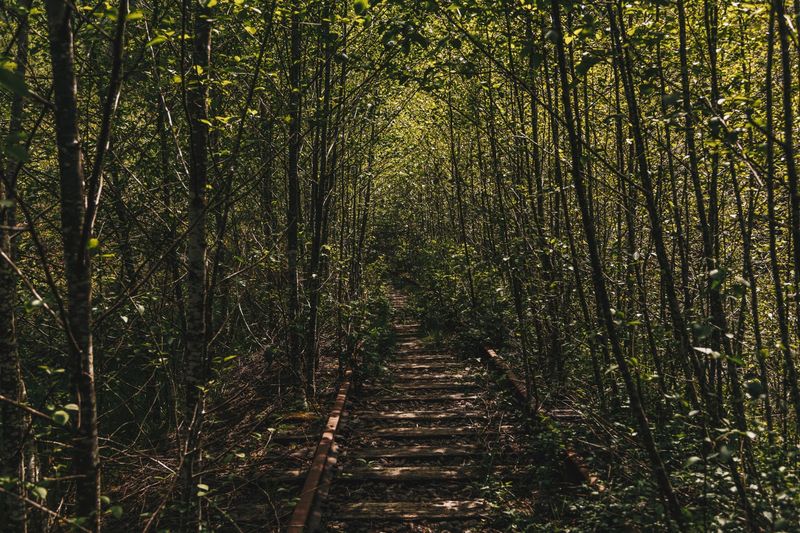
The Salmonberry Trail is more than a recreational project. It represents a meaningful effort to reconnect people with a stretch of Oregon that industrialization shaped and then largely abandoned.
Giving that land a new purpose, one built around access, conservation, and community, feels like exactly the right move for this moment.
Economically, the trail has real potential to support the small towns along its route. Studies on rail-trail conversions consistently show positive effects on local businesses, property values, and tourism.
Tillamook and Vernonia both stand to benefit significantly as the trail develops and attracts visitors from around the region.
There is also something deeply hopeful about a project like this. In a time when it is easy to feel disconnected from wild places and from each other, a trail that links coast to inland through 80 miles of raw Oregon beauty offers a different kind of story. It is slow, it is physical, and it is real.
That is exactly what makes it worth following, and eventually, worth walking every single mile of.
