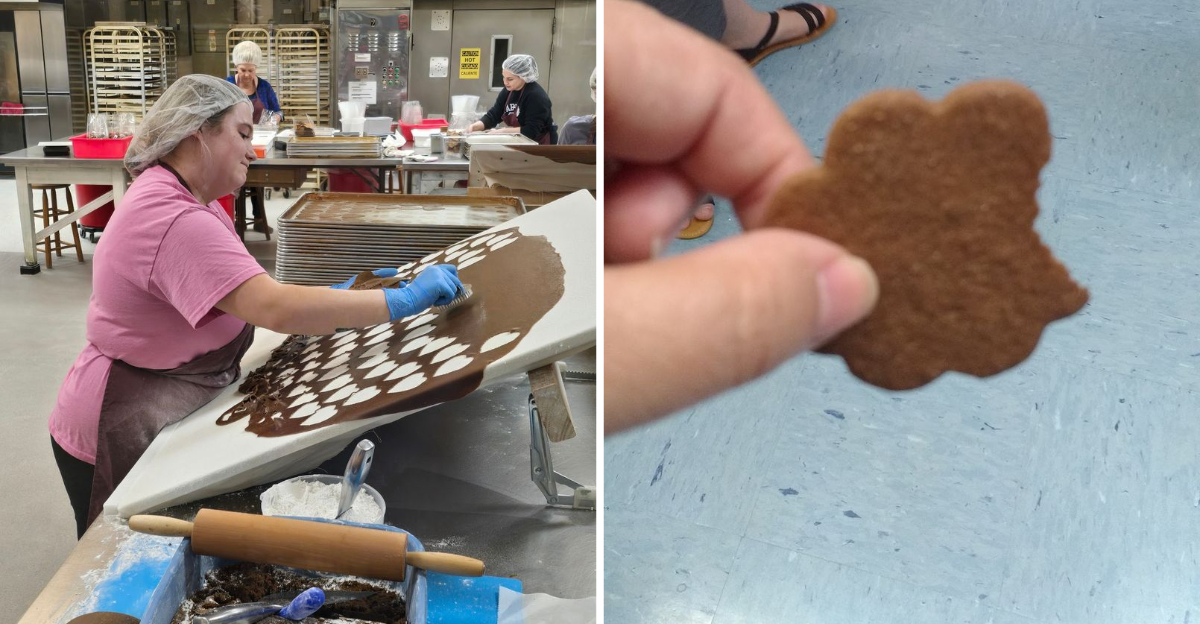
Warm spice and sugar drifted across a parking lot surrounded by farmland, and the smell hit me before I even reached the door of that North Carolina bakery. I had driven out on a whim, mostly because someone told me there was a place here where every single cookie is still rolled out by hand.
That turned out to be true, and it is far more impressive in person than it sounds on paper. Inside, a huge viewing window looks straight into the production room, where rolling pins move in a rhythm that feels almost musical.
The cookies come out thin and crisp, with a texture that is nearly impossible to replicate without the kind of patience that only comes from decades of practice. The family behind the counter has been doing this for generations, and the recipes have not changed much since the first batch was baked.
I left with three bags, a head full of history, and a strong suspicion that I had just eaten the thinnest cookie of my life.
A stop that turns into a story you retell for years is exactly what this place delivers.
A Country Road Leads Straight to the Cookie Farm
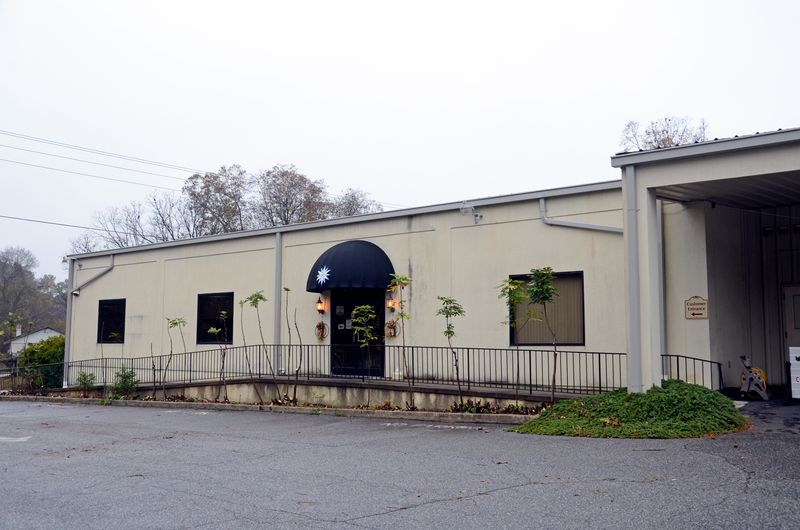
My GPS kept pointing me deeper into farm country, past fields and quiet churches, and I started wondering if I had typed the address wrong. Then a simple sign appeared on Friedberg Church Road, and there it was.
The setting surprised me more than anything. There is no strip mall, no flashy storefront, just a working bakery planted in the middle of the rolling land where the Hanes family has lived and baked for generations.
It feels rooted, in the most literal sense.
Parking is easy, which is a small mercy after a drive full of turns. The building itself looks modest from outside, almost like a large farmhouse that quietly expanded over the decades.
What struck me is how the location tells you something before you walk in. A bakery shipping cookies to all fifty states and more than thirty countries could sit anywhere, yet it stays right here on family land in Clemmons.
Give yourself an extra ten minutes for the drive out from Winston-Salem. The countryside is pretty, and arriving unhurried makes the whole visit better.
That First Breath Inside the Shop
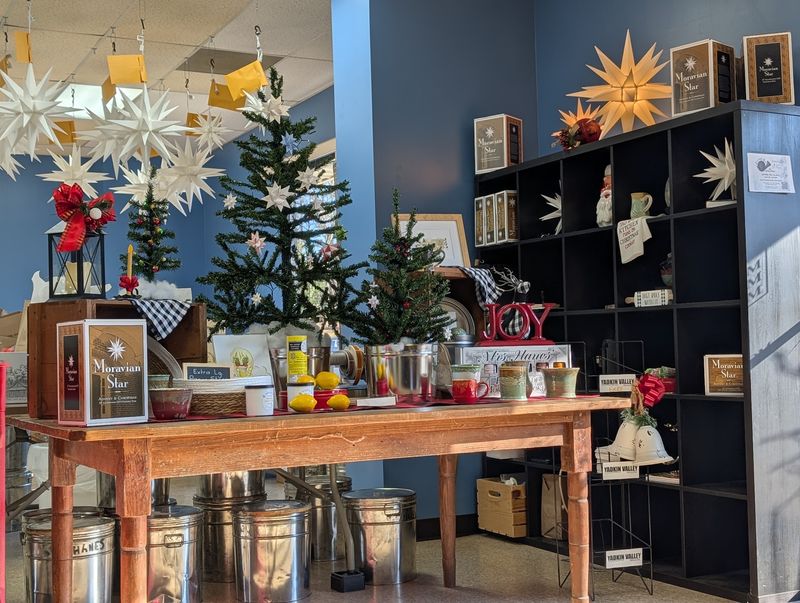
Nobody warned me about the smell. Pull the door open and the air is thick with ginger, molasses, and baked sugar, the kind of scent that makes you slow down without meaning to.
The shop itself is unfussy and welcoming. Shelves hold cookie tubes and tins, bags of every flavor sit within easy reach, and there is a general hum of people asking questions and comparing favorites.
Staff were quick to offer samples, which is a dangerous kindness when you are trying to be sensible about how much you buy. I tried sugar and butterscotch back to back and immediately abandoned any plan of restraint.
One practical tip I picked up in the shop: buying in person gets you plastic bags at a lower price than the canisters. Those sturdy tubes exist mainly to protect cookies during shipping, so if you are driving home, the bags make sense.
Broken cookie bags are also a thing here, and honestly they taste identical.
The atmosphere is friendly rather than polished, and that is exactly its charm.
The Big Window Where the Rolling Happens
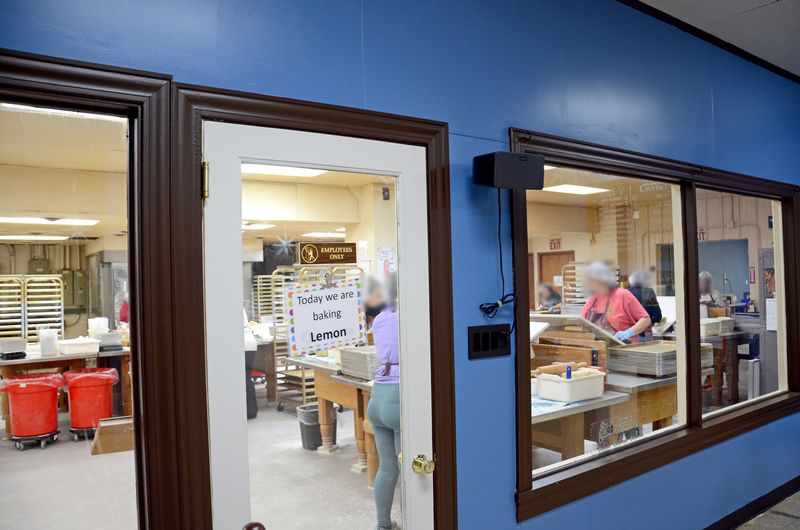
I could have stood at the viewing window for an hour. It looks directly into the production room, where a row of bakers in aprons work long tables covered in pale dough.
The rolling is the part that hypnotizes you. Each round of dough gets pressed thinner and thinner until it looks almost translucent, then cutters come down and the shapes are lifted onto trays with quick, practiced hands.
Nothing about it looks rushed, yet the pace is steady and constant. These bakers are known around here as the Artists in Aprons, and after two minutes of watching, the nickname stops sounding like marketing.
Here is the detail that stuck with me: it takes roughly three months to train someone to roll these cookies properly. Three months, just to get the thickness right by feel.
The window is free to watch, so even if you skip a formal tour, you still get the show. Kids tend to press their noses against the glass, and frankly, so did I.
Mornings on weekdays give you the best chance of seeing full production underway.
Taking the Guided Tour Through the Bakery
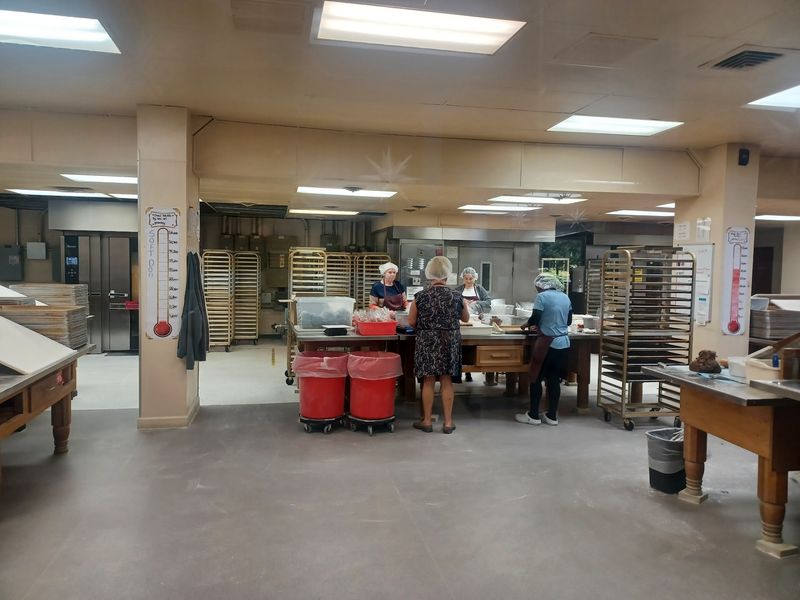
Signing up for the tour turned out to be the smartest five dollars I spent all week. Groups run about an hour and a half, and the route covers far more than I expected.
You move from the historic corner of the operation through the mixing room and into packing and shipping, where cookies get counted and boxed for their trip across the country. Guides explain each step in plain language, so kids follow along easily.
Tours generally run Monday through Friday from January into mid-October, between 9 a.m. and 1 p.m. Booking ahead is wise, since around 6,000 people come through each year and school groups fill spots fast.
Samples of all six flavors are handed out along the way, which keeps everyone cheerful. I noticed the younger visitors perked up considerably at that stage.
What I appreciated most was how much family history gets woven into the walk. You leave understanding why the process stayed manual rather than just being told that it did.
Wear comfortable shoes and bring cash or a card for the shop afterward.
Grandma’s Kitchen and the Old Wood Stove
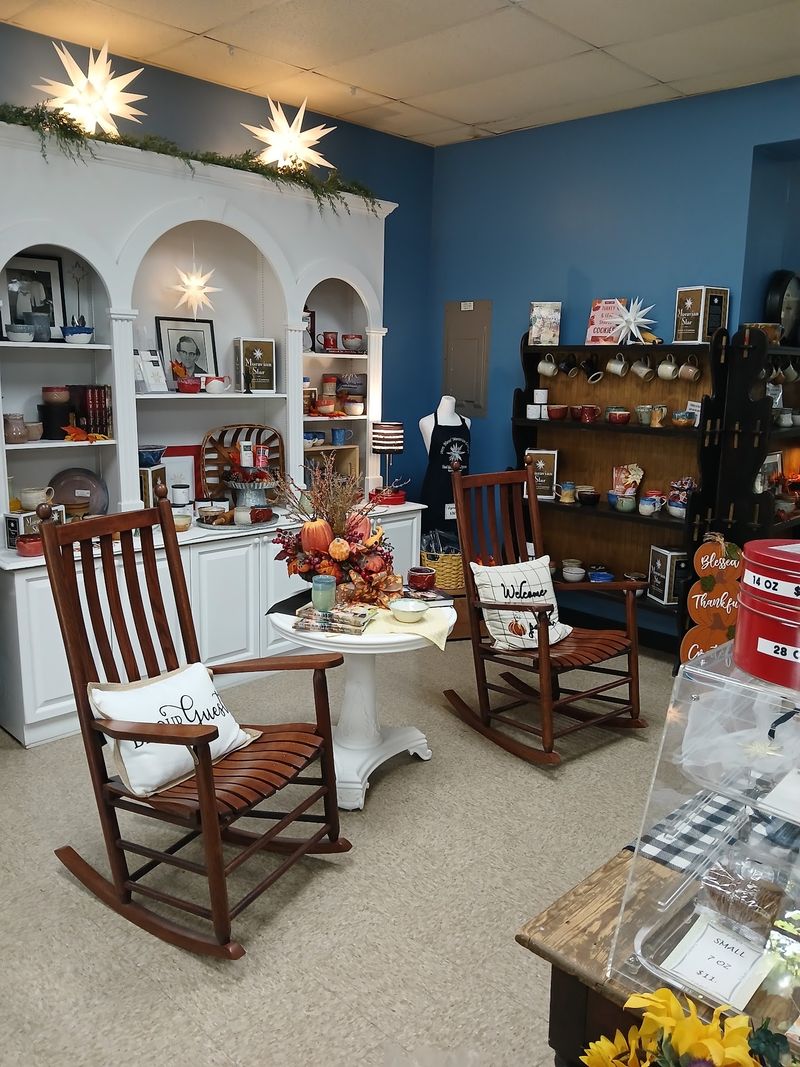
Tucked inside the bakery is a little room that stopped me cold. Called Grandma’s Kitchen, it holds the wood stove that once belonged to Bertha Crouch Foltz, the woman who started all of this.
Back in the 1920s, she baked Moravian cookies around Christmas to bring in extra money alongside the family farm. Her daughter, Evva Hanes, learned to bake beside her at age five.
Evva took over that small holiday sideline in 1960 when her mother’s health declined, and by 1965 it had become a full-time business. Standing near that stove, the timeline suddenly feels very real rather than like a paragraph on a website.
The room is small and quiet, more like a family keepsake than a museum exhibit. That understatement is what makes it work.
Today the business spans generations, with Evva’s children Mona Hanes Templin and Mike Hanes carrying it forward and grandchildren now involved too. The family counts nine generations of bakers behind them.
Take a moment here before you head to the sample table. Context makes the cookies taste better, I promise.
Six Flavors and the Great Black Walnut Debate
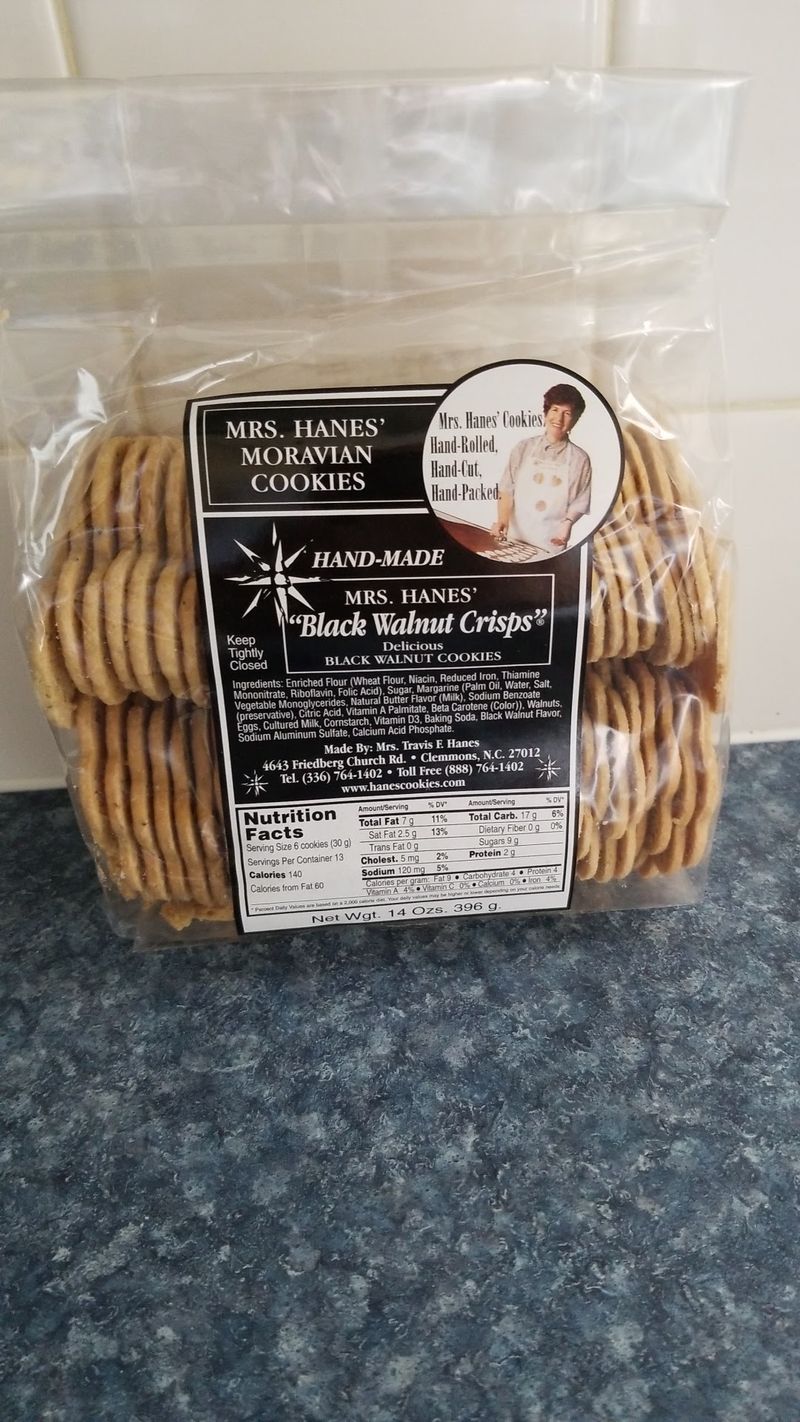
Choosing here is genuinely difficult, and I say that as someone who arrived thinking ginger would be an easy winner. Six flavors are made: Moravian Sugar Crisps, Ginger Crisps, Lemon, Chocolate, Butterscotch, and Black Walnut.
Ginger is the classic, the one tied tightest to Christmas tradition around Winston-Salem, and it remains the most popular. The sugar crisp is the original and the flavor most people order year after year for gifts.
Black Walnut, though, has a devoted following. Regulars will tell you to arrive early during the holidays because it sells out, and after tasting it I understand the urgency.
Butterscotch surprised me most. It is mellow and buttery in a way that sneaks up on you around the third cookie.
Every spice and flavoring gets rolled directly into the dough, which is why the taste holds up despite how thin these are. They snap cleanly and then dissolve.
My advice is simple. Buy at least three flavors, because one bag never survives the drive home intact.
Why Machines Never Took Over
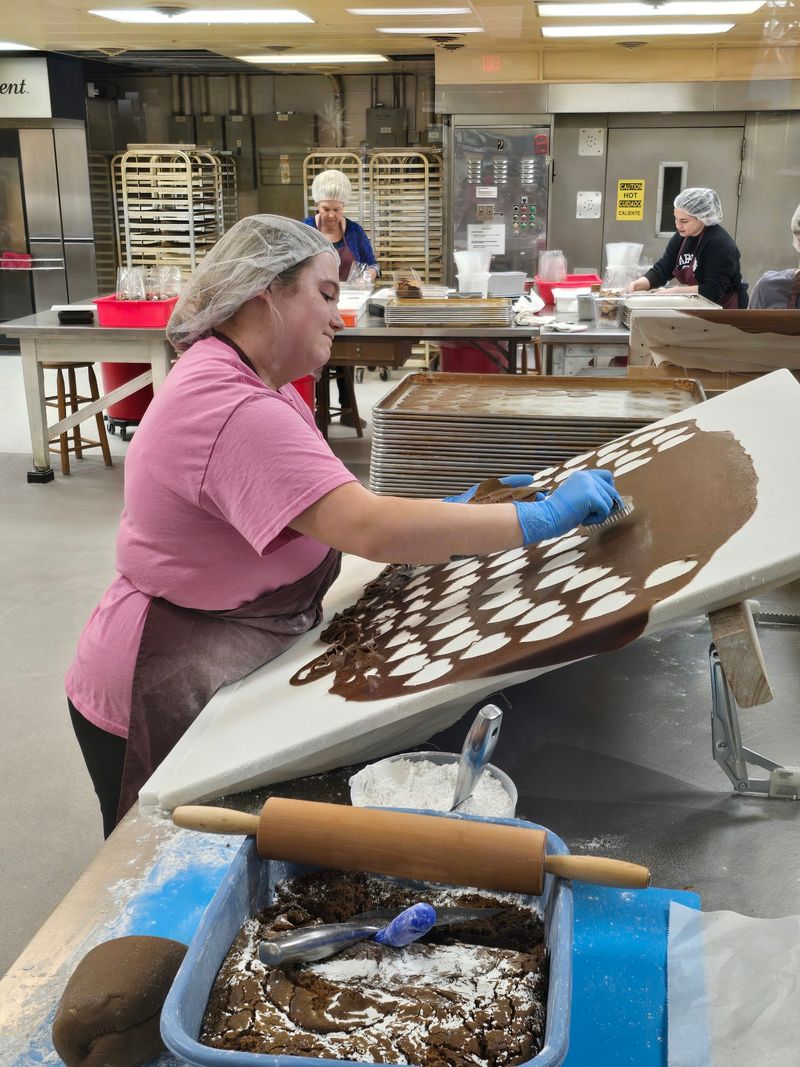
Ten million cookies a year sounds like a job for machinery. That is roughly 100,000 pounds of cookies leaving this building annually, and yet every one of them is rolled, cut, and packed by hand.
Attempts were made to mechanize the process in the past. The equipment worked fine, but the cookies simply did not taste the same, so the family went back to rolling pins and never looked back.
That decision explains almost everything about the place. It is slower, harder, and more expensive, and it is also the reason the cookies have their reputation.
The dough recipe stays a closely guarded family secret, and mixing is handled by family members. Nobody outside that circle sees the full formula.
Fun bit of history: Moravian settlers brought this cookie tradition from Germany to North Carolina back in 1753, so the craft here is older than the country.
Watching thin dough turn into a tray of perfect circles, I stopped thinking of it as baking and started thinking of it as a skill being passed along, one pair of hands at a time.
Planning Your Visit Without Missing the Good Stuff
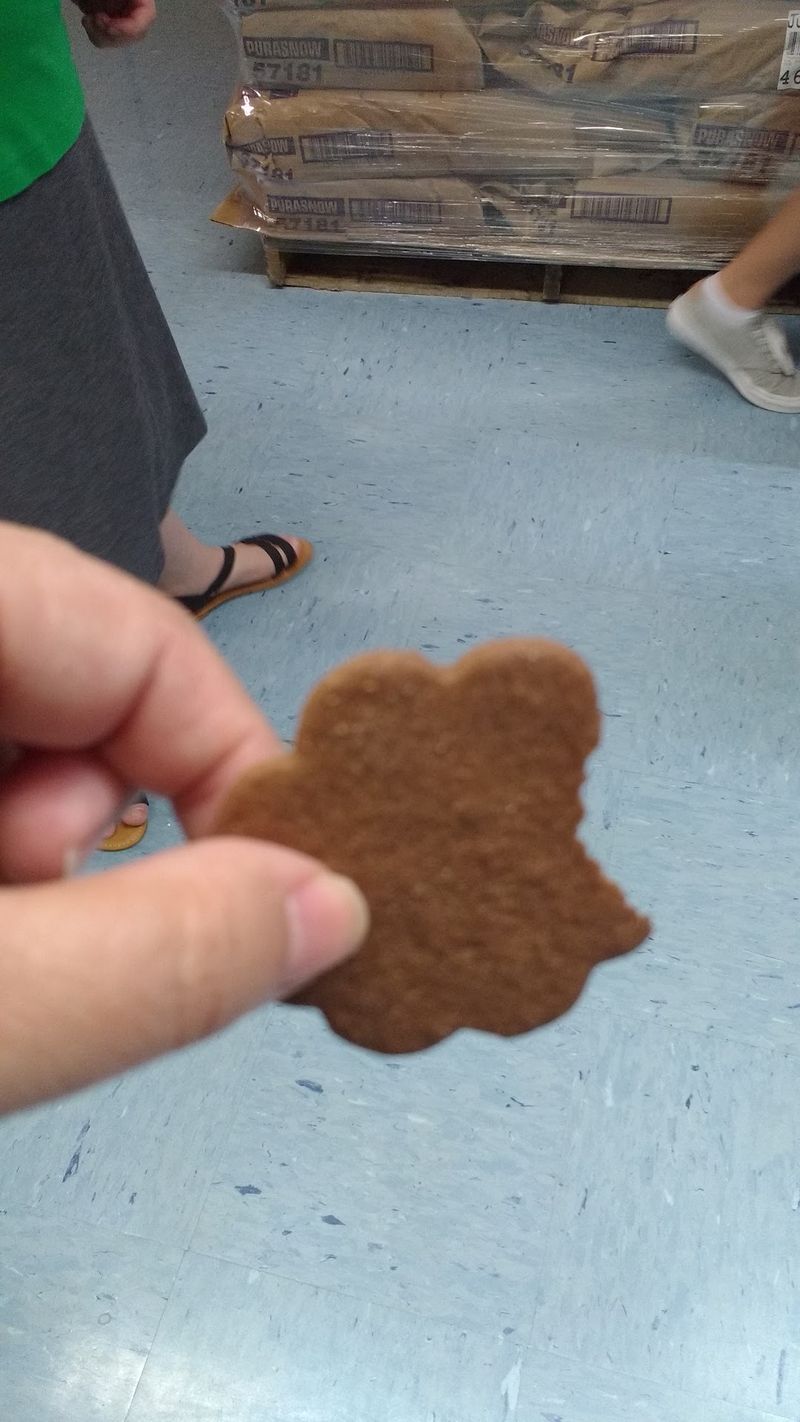
A little planning saves disappointment here, since hours are not the standard seven-day setup. The shop runs Tuesday through Friday from 8 a.m. to 5 p.m., Saturday from 9 a.m. to 2 p.m., and stays closed Sunday and Monday.
Tours pause after mid-October, when the Christmas rush takes over the production floor entirely. If seeing the full process matters to you, aim for spring or late summer.
Holiday shapes appear seasonally, including bunnies around Easter, which are ridiculously cute in lemon.
The bakery has picked up national attention over the years, landing at number four on USA Today’s readers’ list of cookie shops in America, and Oprah Winfrey named the cookies among her favorites in 2010.
Bring a cooler bag if you are traveling far, and expect to buy more than you planned.
Address: 4643 Friedberg Church Rd, Clemmons, North Carolina
