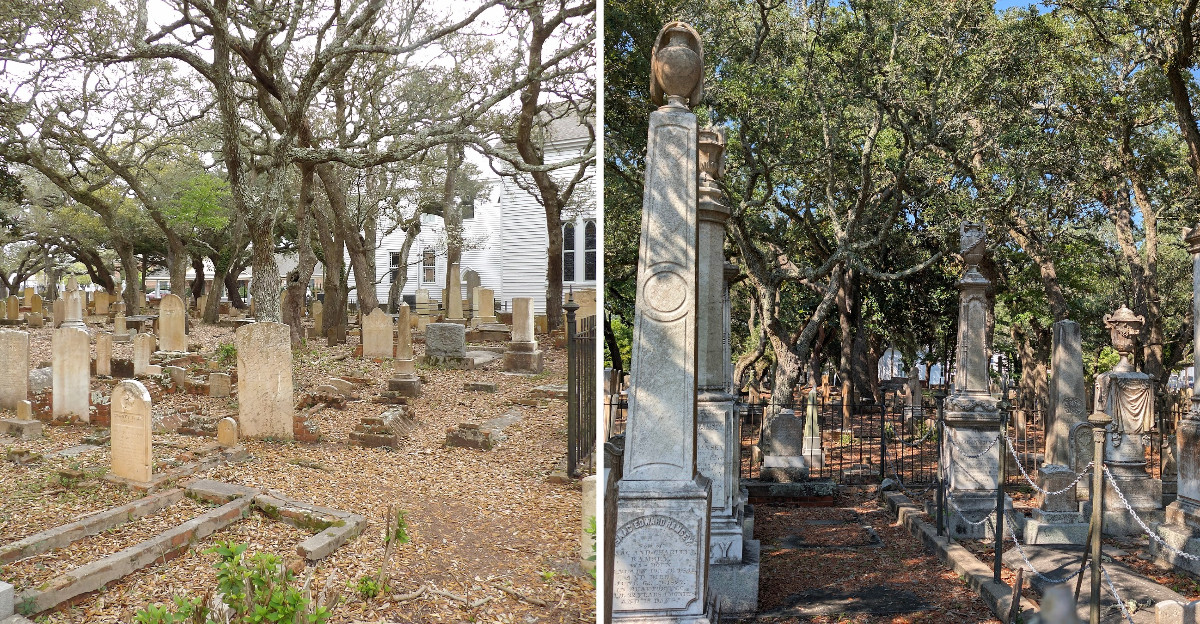
Legend holds that a little girl in a barrel rests in a North Carolina cemetery, wrapped in live oaks that whisper whenever the sea breeze slips through. Her story mixes love, promise, and heartbreak, the kind that sticks long after you leave.
Tiny toys and seashells sit around her grave, left by strangers who felt the same pull. Walking the grounds feels less like a cemetery and more like a living storybook made of shells, bricks, and moss.
The place sits quietly on the coast, drawing curious travelers who cannot resist a tale that refuses to fade. The story of the girl has been passed down for generations, and no one knows for sure how much is true.
The uncertainty only adds to the pull. Standing there, the past feels close enough to touch.
The live oaks keep watch, and the sea breeze carries the same whispers it always has. Stopping here rewards anyone who slows down and listens.
A Promise Made Before the Ship Set Sail
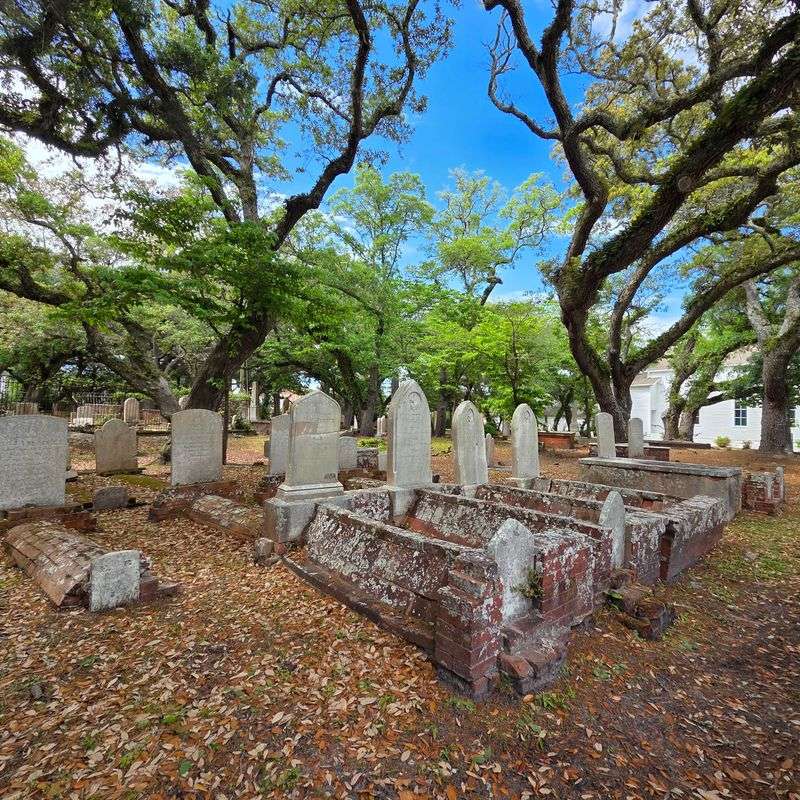
Long before I ever reached the cemetery gate, I kept thinking about the mother in this story. According to local tradition, a family often linked to the name Sloo came to Beaufort from England, and she never stopped missing her old home.
Her daughter grew up hearing those stories and began dreaming of seeing England for herself. Her father was a merchant sea captain, so he knew exactly how risky ocean travel could be back then.
At first, he said no.
Kids have a way of wearing parents down, though, and eventually he agreed to bring her along on a trading trip. She was probably around 10 or 12 years old.
Her mother gave her blessing on one strict condition.
The captain had to promise he would bring their daughter back to Beaufort, North Carolina, no matter what happened on the journey. It sounds simple, almost like something any parent might say at the door.
Knowing how the story ends gave me chills as I read about it, because that single promise shaped everything that followed. It also explains why her grave means so much to people today.
Before you visit, read up on her tale so the small marker carries its full weight when you finally see it.
The Long Voyage Home
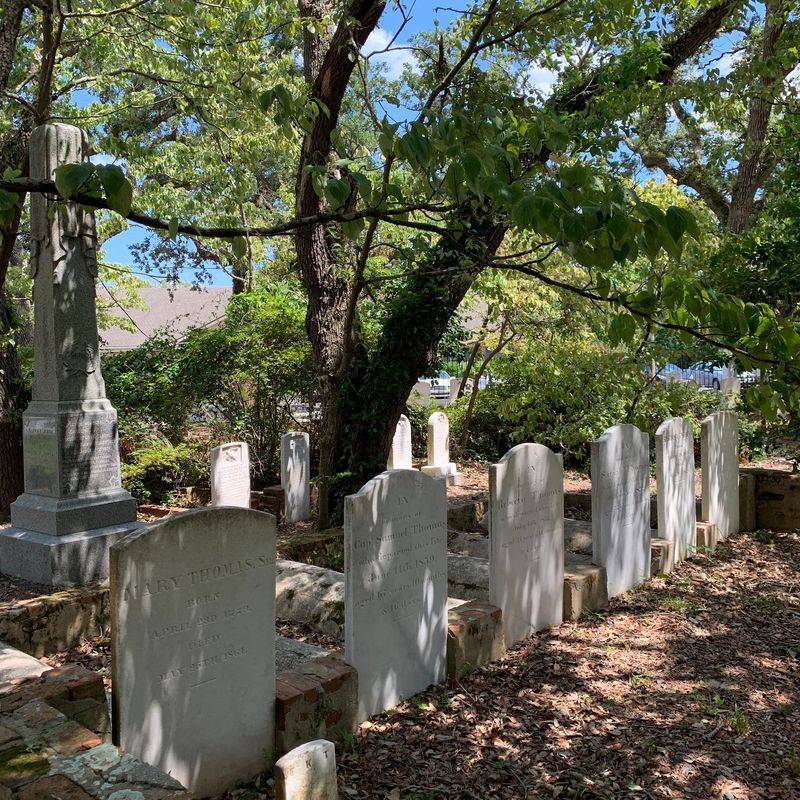
Some parts of history make you go quiet, and the return trip from England is one of them for me. The girl got to see the land her mother loved so dearly.
Then, on the way back across the Atlantic, she fell ill and passed at sea.
In those days, people who passed on long voyages were usually buried in the ocean. Ships had no way to keep a body for weeks, and sailors followed that custom without much choice.
Her father, however, could not bring himself to do it.
He had made a promise, and he meant to keep it. So he placed his daughter inside a barrel filled with a liquid that ships commonly carried and used as a preservative during that era.
It was a heartbreaking, practical, and loving decision all at once.
Picturing that father on deck, staring at a wooden barrel for the rest of the journey, still tugs at me. Grief has a way of making people do remarkable things.
When you visit, take a moment to think about how far that barrel traveled. Seeing the ocean just a short stroll from the cemetery makes the distance feel very real.
Finding Her Grave Among the Oaks

My first glimpse of her resting place honestly surprised me, because it is so small and humble. A simple marker, sometimes noted as number 24 on the cemetery map, tells you who rests there without even a name.
What really grabbed me was everything piled around it. Seashells, little plastic toys, colorful beads, coins, and flowers covered the ground like a child’s treasure box.
Visitors from all over leave these tiny gifts as a way of saying they remember her.
I had tucked a smooth shell from the nearby waterfront into my pocket that morning, and I added it to the pile. It felt like the right thing to do.
Nobody tells you to bring something, but almost everyone seems to.
If you want to join in, pick something small and natural, like a shell or a flower. Please leave the other gifts alone, since each one belongs to someone else’s moment of kindness.
The grave sits under deep shade, so it stays cool even on warm afternoons. Give yourself a few minutes here.
It is one of those spots where slowing down simply feels right, and you will probably notice others doing the same quietly beside you.
A Cemetery Older Than the Country
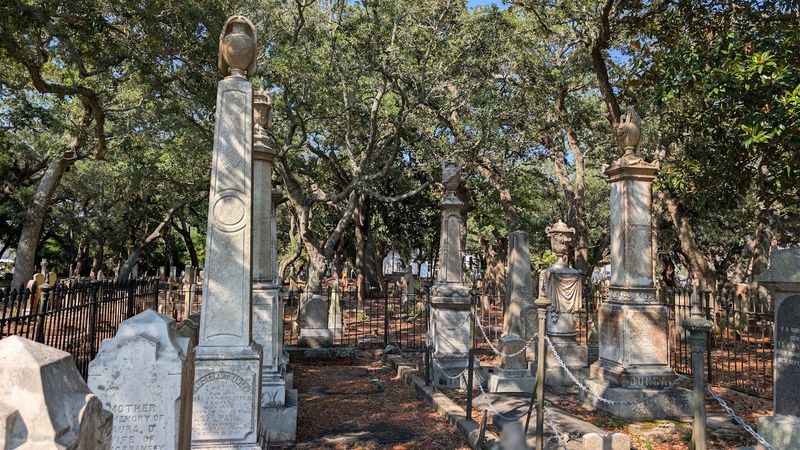
Here is a fun fact that made me stop in my tracks: this graveyard was already in use decades before the United States even existed. The Old Burying Ground dates back to the early 1700s, with some sources pointing to 1709 or 1724.
In 1731, a man named Nathaniel Taylor officially deeded the land to the town. Today it is listed on the National Register of Historic Places, which is a pretty big honor for a small coastal cemetery.
The northwest corner holds the oldest section, and many graves there have no markers at all. Some may go back to the 1711 Indian War, a violent and tragic chapter in the area’s early history.
I found myself stepping extra carefully in that part.
You will also spot graves of Revolutionary War and Civil War soldiers scattered among the trees. Each stone feels like a page torn from a history book and dropped into the grass.
My advice is to pick up the self-guided tour map before you start. Many key graves are numbered, and the map shares short stories about the people buried there, which turns an ordinary stroll into a real adventure through time.
Shells, Bricks, and Graves Facing the Sunrise
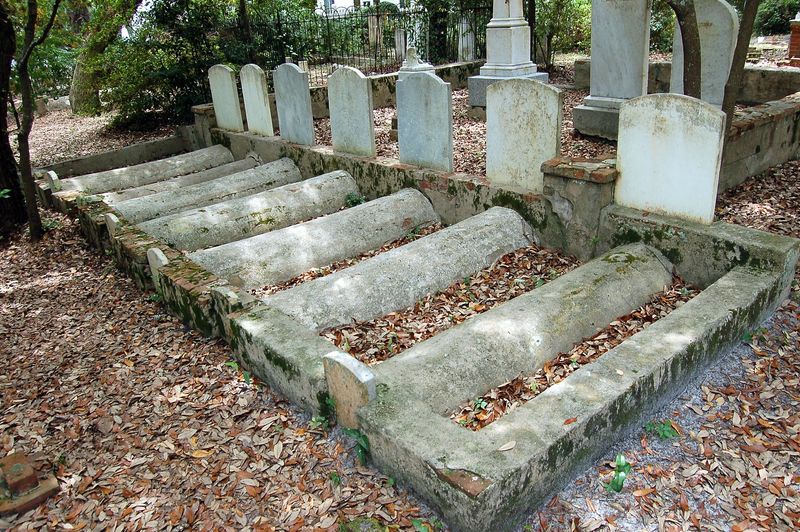
Wood, brick, and shells were not what I pictured when I imagined colonial grave markers. Back then, hauling heavy stone to a small seaport town was hard and expensive, so families used whatever they could find nearby.
That is why you will see graves outlined with shells and others marked by simple wooden slabs. It gives the whole place a handmade, homey feeling that big city cemeteries just do not have.
Look closer and you will notice brick vaults built over some graves. These were meant to protect the deceased ones from rising floodwater and curious animals, a common sight in old harbor towns.
Living by the sea clearly shaped even how people said goodbye.
Here is my favorite detail. Many graves face east, because people believed the passed ones would rise to face the morning sun on Judgment Morn.
Once I knew that, I kept glancing toward the east as I moved between the rows.
If you are an early riser, try visiting soon after the gates open at 9:30 in the morning. The soft light slipping through the oaks makes those east-facing graves look especially peaceful, and you might get the quiet paths almost all to yourself.
Privateers, Shipwrecks, and a Soldier Standing Tall
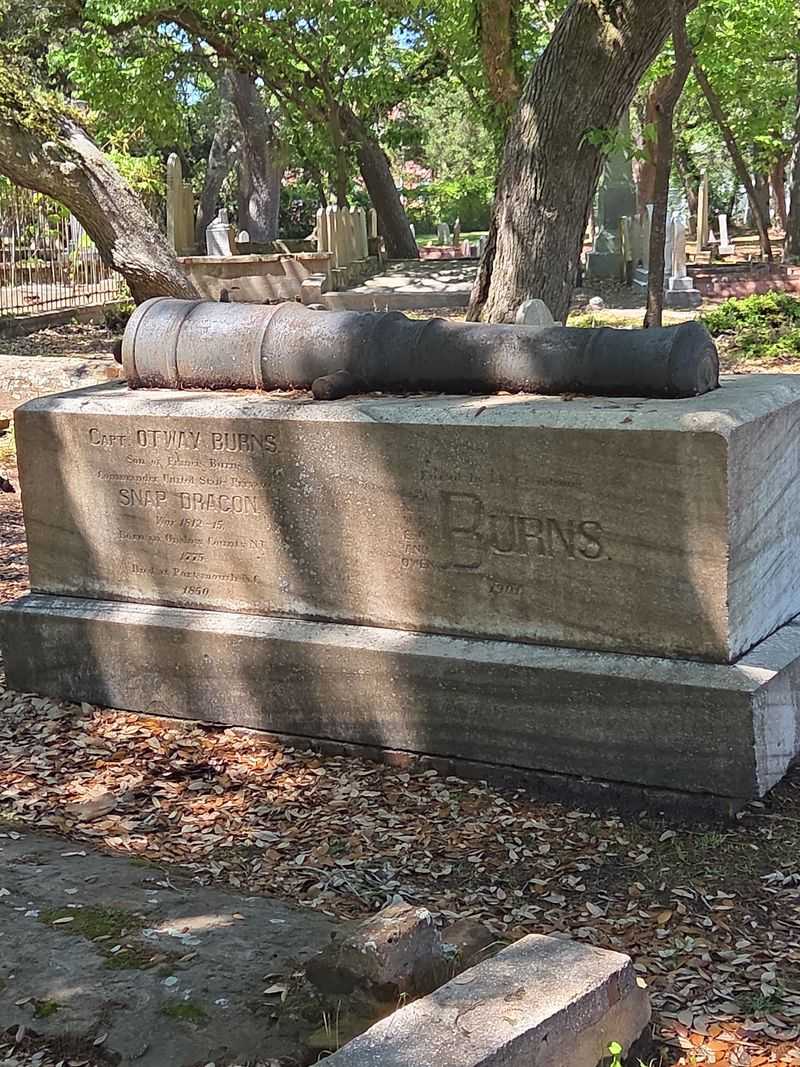
The little girl may be the star, but she has some pretty fascinating neighbors. I did not expect to find a grave topped with a real cannon, yet there it was.
That cannon belongs to Otway Burns, a privateer and hero of the War of 1812. Privateers were sea captains allowed by the government to attack enemy ships, and Burns became famous for his daring.
His grave is easy to spot and great for curious kids.
Not far away rest sailors from the schooner Crissie Wright, which wrecked near Beaufort in 1886 during bitter cold weather. Their story is a sad reminder of how dangerous the coast could be for anyone who worked on the water.
Then there is the legend of a British soldier said to be buried standing straight up, saluting his king forever. Whether it is true or not, it always makes visitors smile and shake their heads.
Here is a helpful tip. Mark these graves on your map before setting off, so you can make a loop that hits every big story.
It keeps younger travelers excited, like a scavenger hunt with history as the prize at the end.
Planning Your Own Quiet Visit
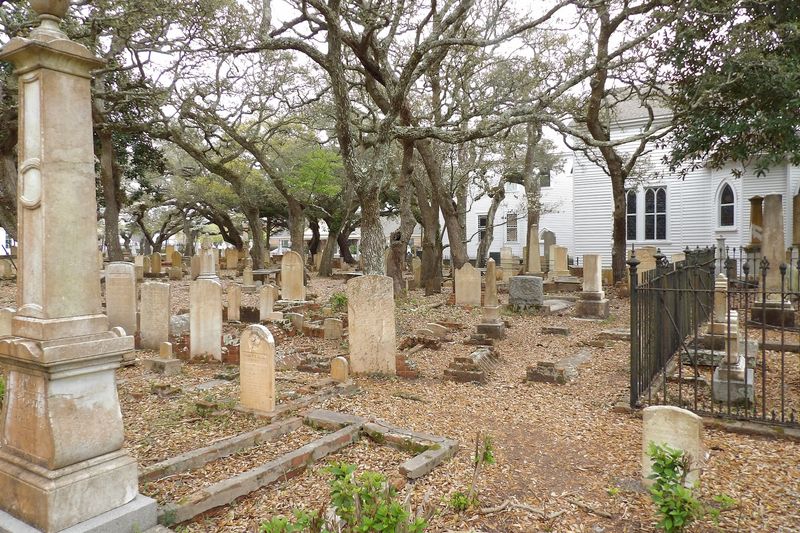
Good news first: visiting costs nothing, and there are no tickets to worry about. The gate is open daily from 9:30 in the morning until 5 in the afternoon, which makes it easy to squeeze into any Beaufort day.
Enter from Ann Street, where you can usually grab a printed tour map. Supplies sometimes run out, so I suggest downloading the map from the Beaufort Historic Site website before you go.
A small donation helps support the grounds.
Guided tours are offered too, and they bring the stories to life in a way paper cannot. Ghost tours also stop by in the evenings if you enjoy a spooky twist on history.
Wear sturdy shoes, because tree roots and old stones make the ground uneven. In warmer months, bug spray will be your best friend under all that shade.
Check current pet rules before bringing a dog, since signs at the gate have said no pets.
Street parking is available, but it fills up on busy days, so be kind to the neighbors. Most of all, move gently and speak softly here.
It is still a resting place.
Address: 411 Ann Street, Beaufort, North Carolina 28516
