Faded postcards sometimes carry stories that refuse to let go. One showed a man who walked away from a hard life and settled into a tiny concrete bunker on the edge of a salt marsh.
He stayed there for seventeen years, eating oysters, growing vegetables, and chatting with anyone who wandered by. Somehow, a man called a hermit ended up drawing crowds of curious visitors instead of scaring them off.
Lacing up sneakers and heading to the coast became necessary. What waited was a sandy trail, a lot of fiddler crabs, and a story that stuck long after leaving.
The bunker still stands, weathered by salt and storms, and the legend lives on in local memory. North Carolina keeps this kind of tale close, tucked into its coastal dunes where few travelers think to look.
History here is not behind glass. It is written in sand and stubbornness.
The Road That Led Robert Harrill to the Marsh
My first thought, reading about his life, was how much courage it takes to start over at 62. Robert E.
Harrill was born in Shelby, North Carolina, in 1893, and his early years were not easy.
He grew up with a rough childhood, went through a marriage that fell apart, and struggled with his mental health for a long time. By the 1950s, he was living in a mental institution in Morganton, far from the ocean.
In 1955, he left that place behind and hitchhiked about 260 miles to the coast.
Picture that trip for a second. An older man, standing by the road with his thumb out, heading toward a coastline he hoped would give him peace.
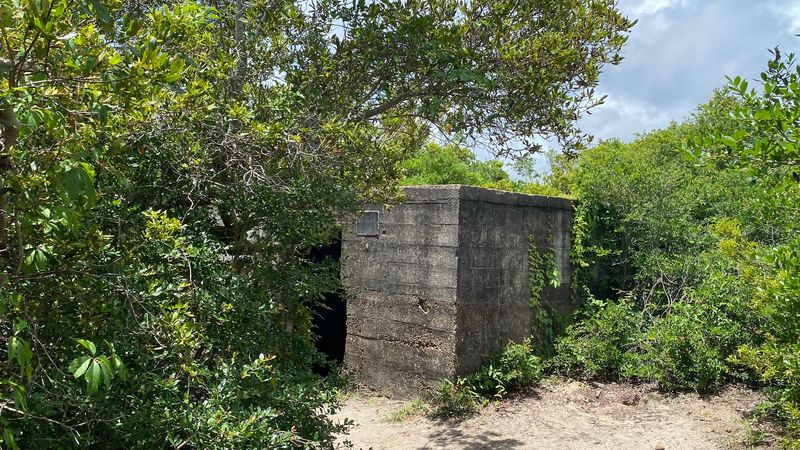
He eventually found an empty World War II bunker sitting quietly in the salt marsh near the Cape Fear River.
That small concrete room became his home, and he never really looked back. Knowing this backstory before you visit changes everything about the trip.
The bunker stops being just old military leftovers and turns into a symbol of a fresh start.
I recommend reading a little about him before you go, because the walk feels so much more meaningful when you know whose footsteps you are following.
A Concrete Box Turned Into a Home
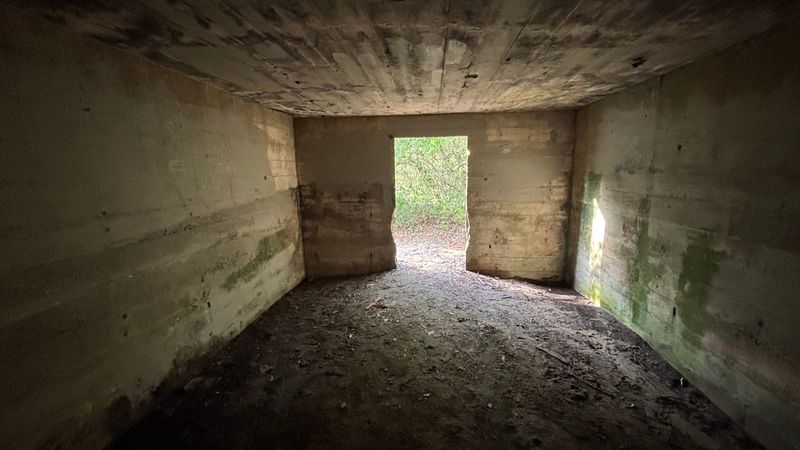
Honestly, the bunker is smaller than I expected. It was built as a little ammunition room during World War II, when the coast was watched closely for enemy ships.
When I ducked inside, the air turned damp and cool, which felt amazing after the hot hike. The walls are thick and plain, with no fancy details at all.
It is hard to imagine anyone living here for nearly two decades.
Harrill made it work, though. He filled the space with furniture built from driftwood that washed up along the shore, and he cooked his meals over an open fire outside.
There was no electricity, no running water, and definitely no air conditioning during those sticky Carolina summers.
Standing in that tight space gave me a new respect for how little a person truly needs. It also made me wonder how he handled hurricanes and buggy summer nights.
Those questions stayed with me the whole walk back.
If you visit, bring a small flashlight so you can see the corners clearly. Watch your head and your footing, since the ground around the entrance can be uneven.
Take a quiet minute inside, because the stillness tells its own story about simple living.
Oysters, Clams, and a Backyard Garden
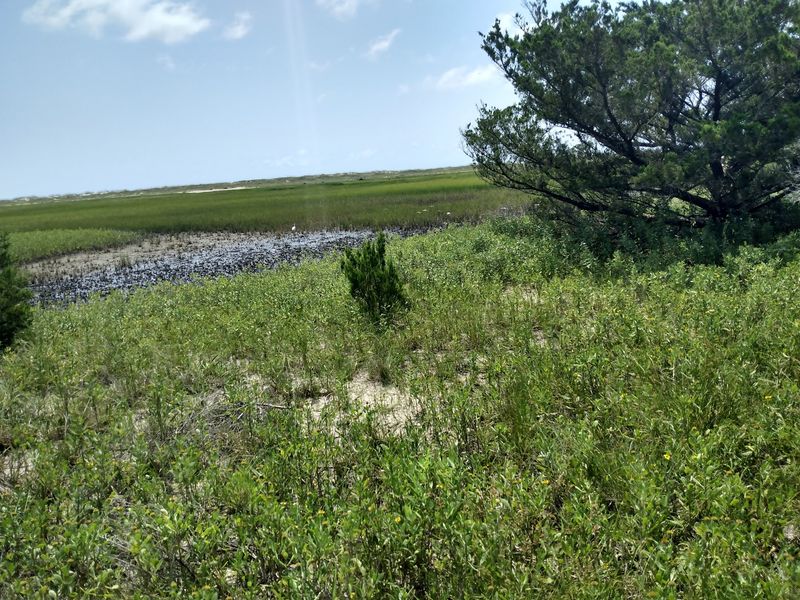
Lunch for Harrill did not come from a grocery store. The salt marsh around his bunker was basically his pantry, and he knew it well.
He gathered oysters and clams from the mud, caught fish in the nearby waters, and grew a small vegetable garden near his home. That kind of life takes patience, sharp eyes, and a good understanding of the tides.
Miss the low tide, and dinner might wait until tomorrow.
While hiking past the marsh, I spotted the same muddy flats he would have searched. Hundreds of tiny fiddler crabs scurried around, waving their big claws like they were directing traffic.
I laughed out loud more than once.
Herons stood perfectly still in the shallow water, hunting for their own meals. It made me realize Harrill was sharing his kitchen with a whole crowd of wild neighbors.
The marsh is busy, noisy, and full of life if you slow down.
For visitors, this is a great spot to practice some patient wildlife watching. Bring binoculars if you have them, and keep your voice low near the water.
You never know what might pop out of the grass, and kids especially love counting the crabs.
The School of Common Sense
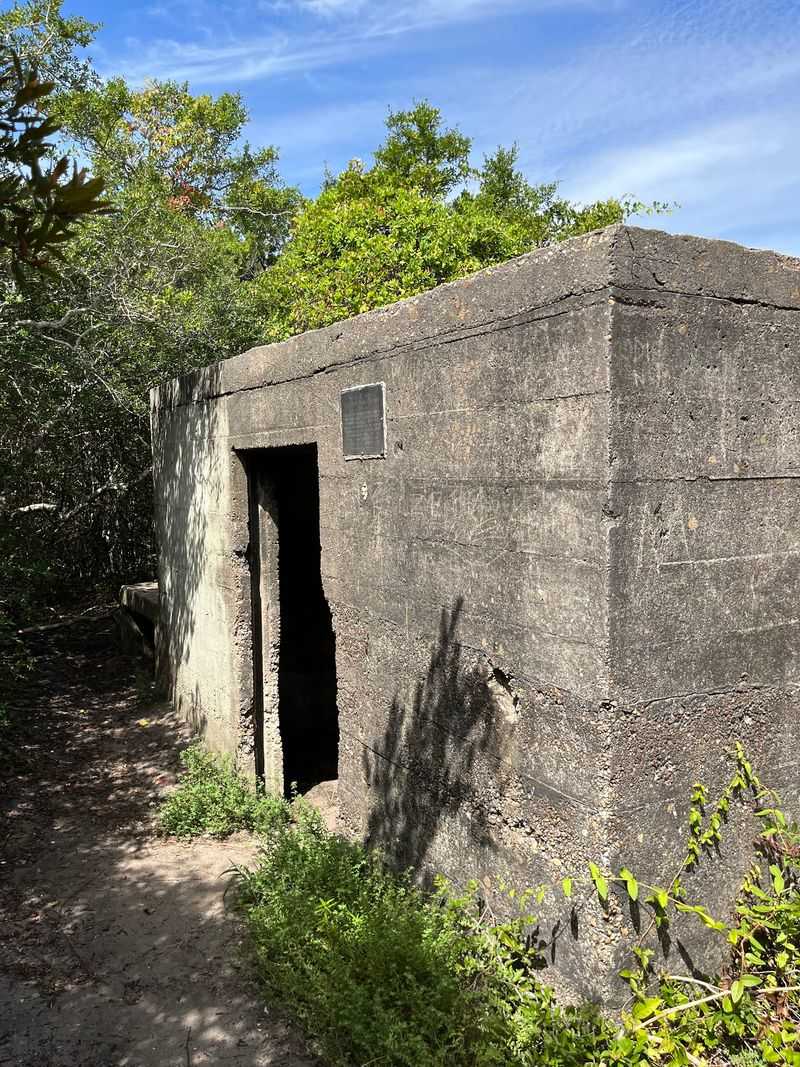
Funny thing about this hermit: he loved company. Despite his nickname, Robert Harrill welcomed thousands of visitors who came out to the marsh just to talk with him.
He shared his thoughts through a philosophy he called the School of Common Sense. His ideas focused on simple living, thinking for yourself, and questioning the busy habits of modern life.
People came from all over to hear him, and many left with plenty to think about.
Outside the bunker, he kept a frying pan where guests could drop a donation if they wanted. I love that detail because it feels so personal and so him.
No ticket booth, no gift shop, just a pan and a conversation.
His popularity grew so much that he became the second most visited attraction in North Carolina. Only the USS North Carolina battleship drew more people at the time.
Think about that for a moment. A man living in a concrete room in the marsh was competing with a giant warship for attention.
It shows how hungry people were for honest talk and a slower pace.
During my own visit, I found myself thinking about what my personal school of common sense might look like.
Hitting the Hermit Trail
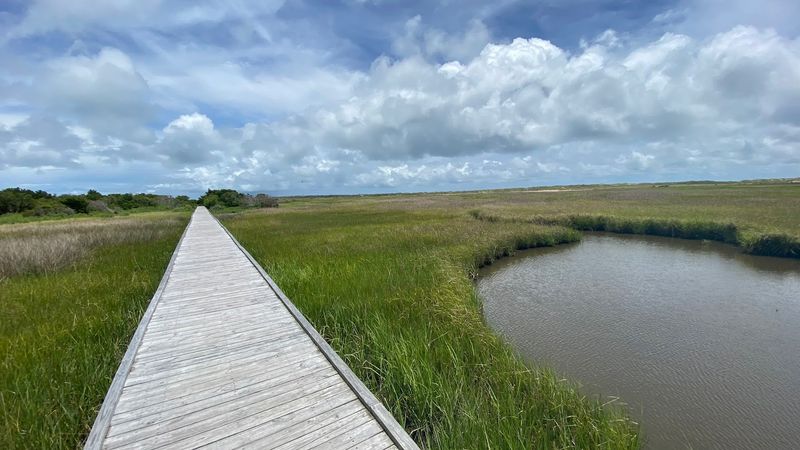
Sand. That was the first thing my legs noticed on the Basin Trail, and they noticed it a lot.
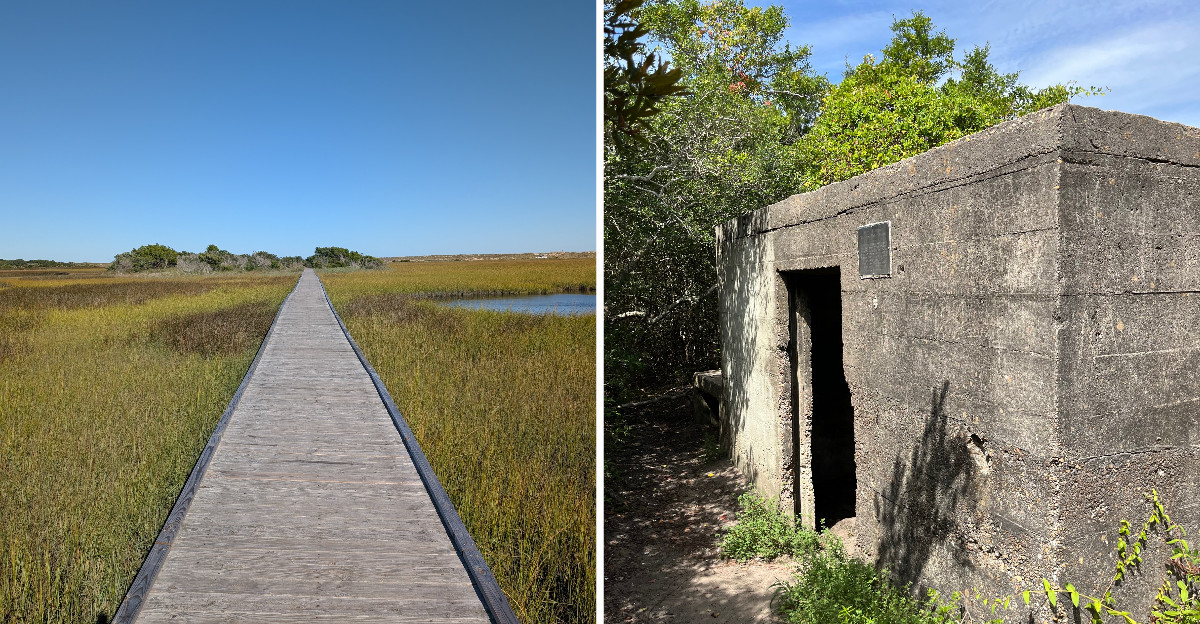
The bunker sits inside the Fort Fisher State Recreation Area, and you reach it by following the Fort Fisher Hermit Trail, also called the Basin Trail. It is roughly a mile to the bunker, winding through scrubby woods, open dunes, and wide stretches of salt marsh.
Wooden boardwalks help in the wetter spots, which my feet really appreciated.
Much of the path is sunny and exposed, so it can get hot fast. I went early in the morning and still worked up a sweat.
A hat, sunscreen, and a full water bottle are must-haves here.
Bugs can also be a surprise, especially in spring and summer. Wear bug spray, and keep an eye out for orb weaver spiders spinning huge webs between the plants.
They look dramatic, but they mostly mind their own business.
One more tip: dogs are not allowed on this trail, so plan ahead if you travel with a furry friend. Wear comfortable shoes that can handle sand, and do not rush.
The marsh views, herons, and wide open sky make every step worth it.
Keep Going to the End
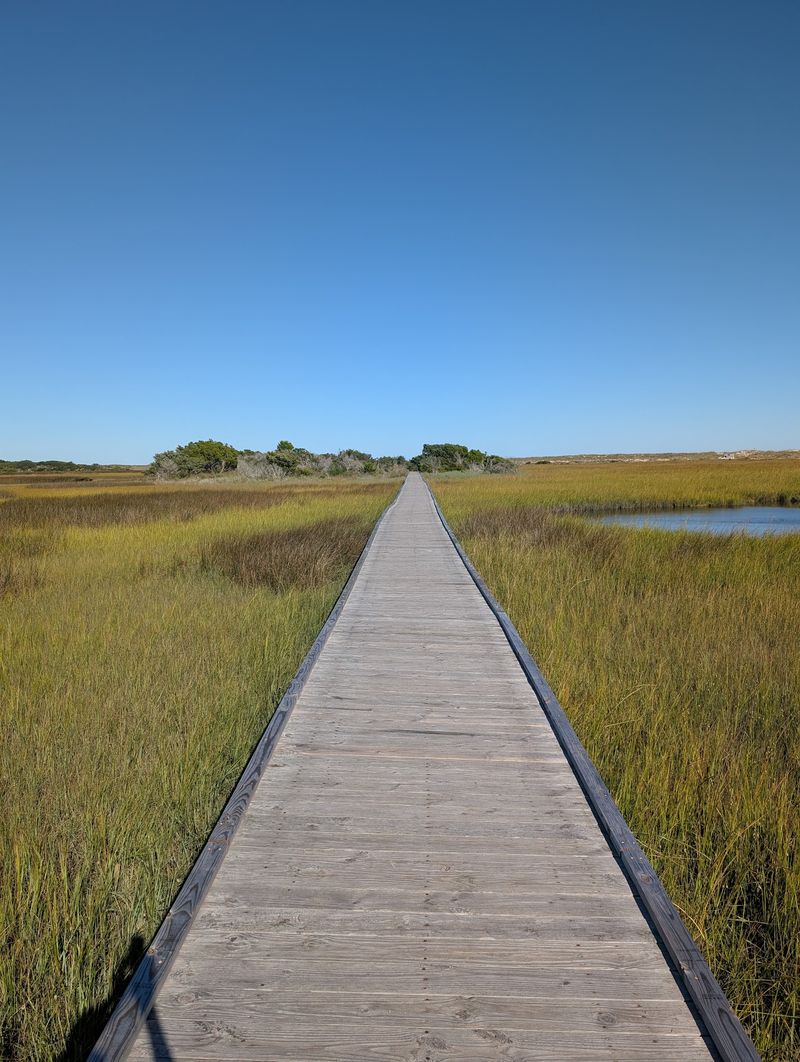
Plenty of people stop at the bunker and turn around, but I am really glad I kept walking. The trail continues past the hermit’s old home and ends at a quiet overlook near the water.
From there, the view opens up across the basin toward the Cape Fear River. The water stretches out calm and wide, dotted with marsh grass and small islands.
Seabirds glide low, and the breeze finally gives your hot face a break.
It struck me that Harrill saw something like this view every single day. No phone, no television, just water, sky, and the shifting colors of the marsh.
I suddenly understood why he stayed.
This last stretch is a great place to rest, have a snack, and soak it all in. Sunrise and late afternoon bring especially pretty light, if you can time your visit.
Photographers will want to bring an extra battery.
Remember that you will need to walk the same sandy path back to your car. Save some energy and water for the return trip, especially on warm days.
The walk back feels different too, because now you know the whole story of the place and the man who loved it.
A Mystery and a Lasting Legacy
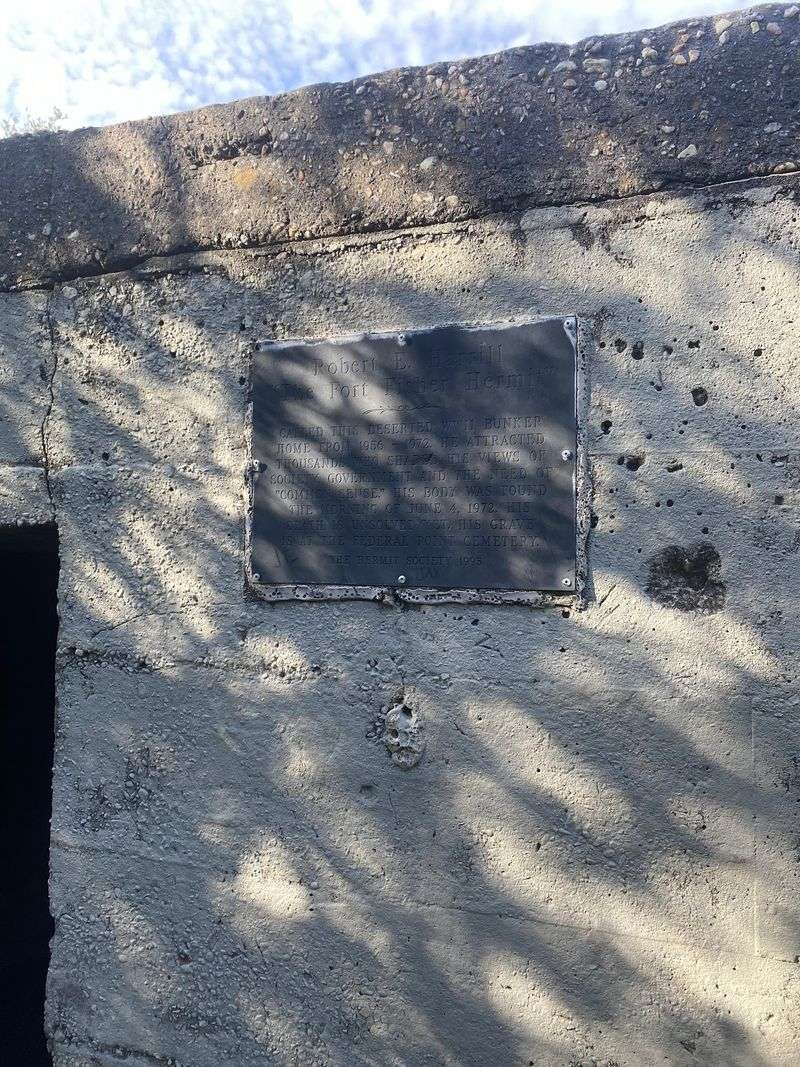
Every good legend has a puzzling ending, and this one is no exception. In June 1972, Robert Harrill was found his bunker.
He was gone.
Officials ruled it a heart attack, but some unusual details at the scene made people wonder. Rumors of foul play have floated around for decades, and nobody has ever settled the question for sure.
That lingering mystery adds a little chill to the visit, even on a sunny day.
His story did not end there. The Fort Fisher Hermit Society works to keep his memory alive, and his life has inspired books and films.
A plaque honoring him has been placed at the bunker, though it is worth checking if it is still in place during your trip.
His grave rests in Carolina Beach, marked with a simple line: He made people think. I honestly cannot imagine a better summary of his life.
It is short, kind, and totally true.
If you have extra time, consider watching a documentary about him before or after your hike. It brings the bunker to life in a whole new way.
Then go see it yourself and decide what lessons you take home.
Address: 1000 Loggerhead Road, Kure Beach, NC 28449
