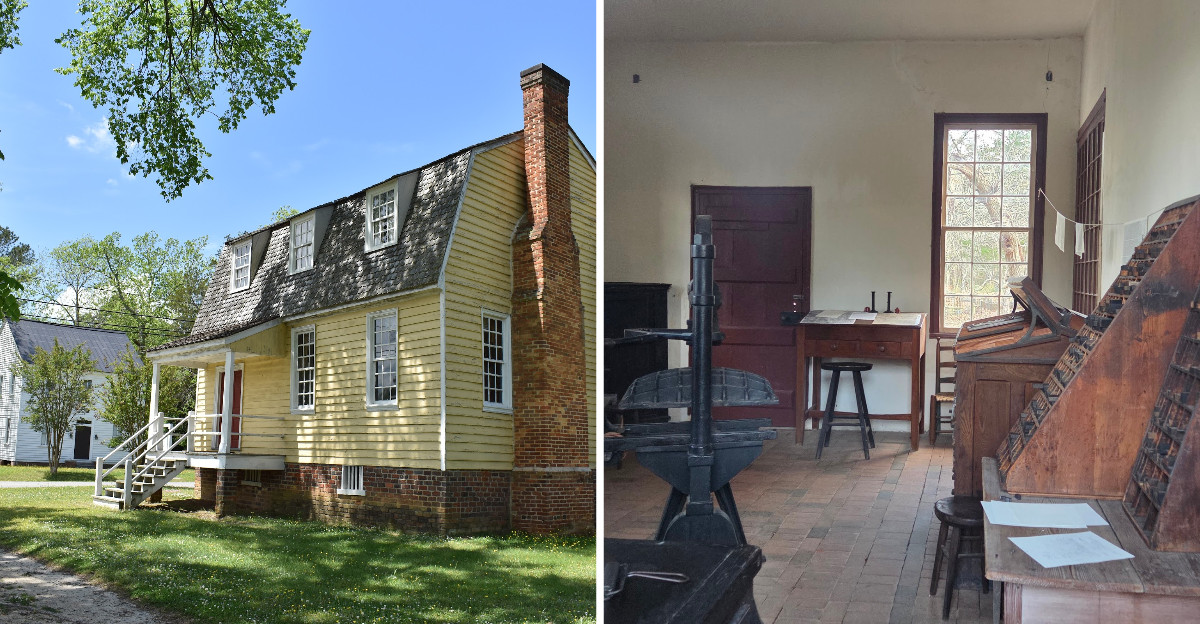
Quiet weekday mornings in this North Carolina town come with an odd feeling that the whole place is holding a secret. Back in 1769, this little spot on the Roanoke River had nearly 60 houses and public buildings, and the main street was packed with shopkeepers, travelers, and lawmakers.
Today that same ground is shaded by tall trees, and birds do most of the talking. Picturing wagons rolling in from the river landing, loaded with goods and gossip, is easy.
Then the railroad came through in 1839, chose other towns as its big stops, and this place slowly slipped out of the spotlight. What it left behind is one of the most charming history lessons in the state.
Walking these streets, the past feels close enough to touch. The town holds its story quietly, without fanfare or velvet ropes.
It is a place that rewards slow steps and a curious eye.
A River Port That Ran the Show
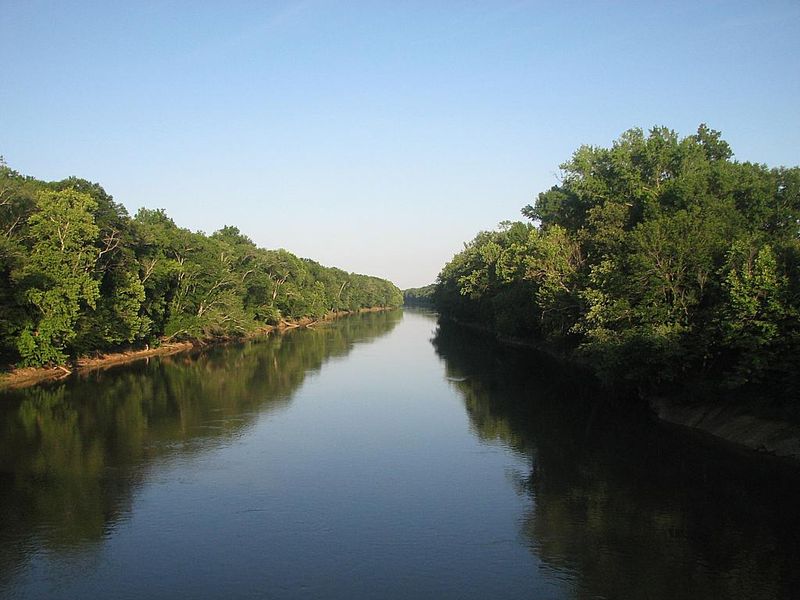
My first stop was the river, and honestly, I think that is the right way to understand Halifax. The town was founded in 1760 on the south bank of the Roanoke River, and that water was its lifeline.
Boats carried goods in and out, and the town grew fast because of it.
Halifax was more than a port, though. It was a county seat, a crossroads for travelers, and a busy social hub all rolled into one.
Planters came to trade, merchants came to sell, and people came simply to hear the news.
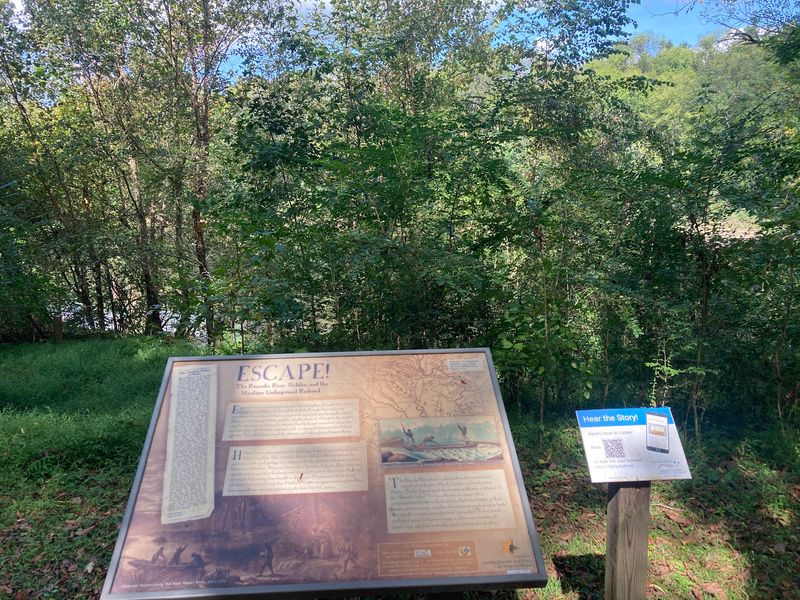
Today there is an interpretive path that leads down toward the river. The walk is about a quarter mile, and there is a bench at the end that overlooks the water.
I sat there longer than I planned, just watching the current slide by.
Picture flatboats tied up below, with workers hauling barrels and crates up the bank. It helps to imagine the noise, because the spot is so peaceful now.
A quick tip from me: the gate to the river path closes at 4 PM, an hour before the museum does. Head down there early so you are not racing the clock.
King Street Once Buzzed Like a Beehive
Close your eyes on King Street and you can almost hear it. Back in its prime, this was the main road through town, lined with shops where sellers set out cloth, tools, and household goods.
A farmer’s market kept things lively too.
By 1769, Halifax had nearly 60 houses and public buildings. That might not sound huge today, but for a colonial town it was a big deal, and people traveled a long way to reach it.
Inns did steady business along this stretch. Travelers needed a bed, a hot meal, and a place to rest their horses, so innkeepers stayed busy from morning until late at night.
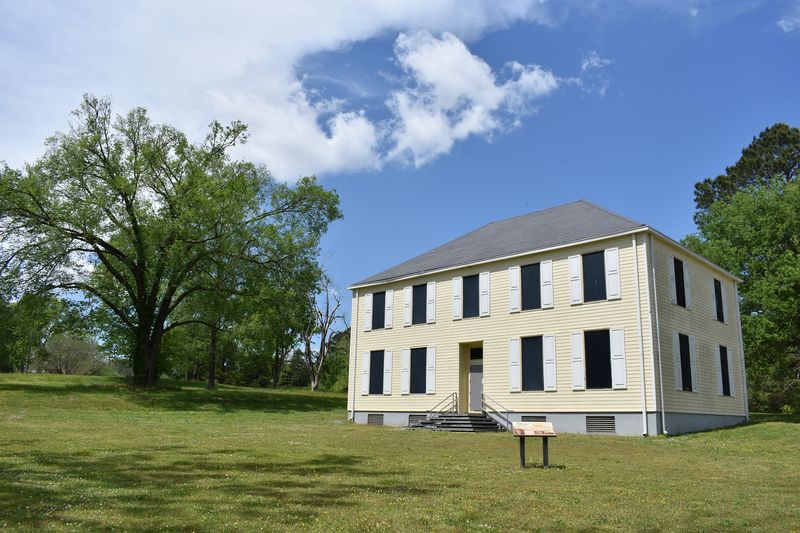
When I visited, the street was calm, with wide lawns and old trees where crowded storefronts once stood. The contrast actually made me appreciate the history more.
Empty space tells its own story about what changed.
My advice is to walk it slowly rather than driving. You will notice small things, like how the buildings sit close to the road, the way they would have when customers stepped right in from the dirt street.
Bring comfortable shoes, because you will definitely rack up steps here.
Eagle Tavern, Where Lawmakers Rested Their Boots
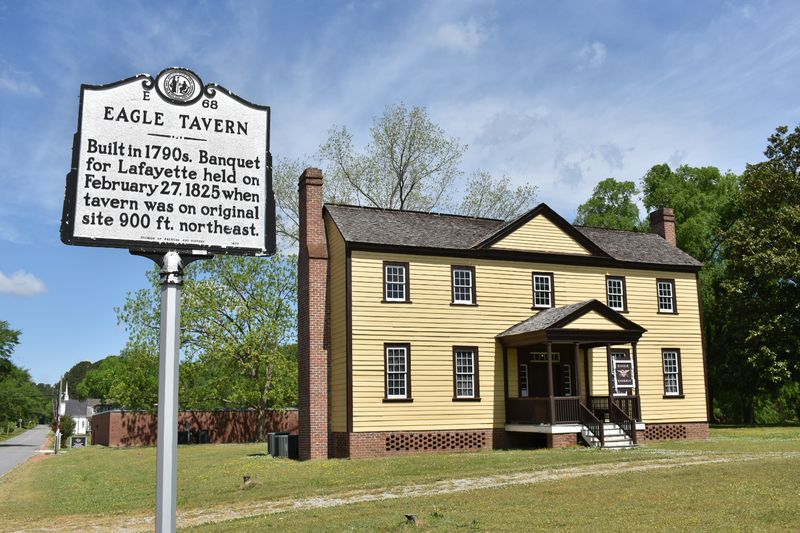
Some buildings just look like they have stories to tell, and the Eagle Tavern is one of them. It dates from 1790 and welcomed travelers and lawmakers who passed through town on business.
Taverns back then were not just places to grab a meal. They worked like a mix of hotel, restaurant, meeting hall, and community center.
People signed deals, swapped news, held gatherings, and found entertainment all under one roof.
Inside, the restored rooms feel snug and lived in. I loved peeking at the furnishings and imagining a muddy traveler stomping in after a long ride, hungry and ready for a seat by the fire.
Lawmakers stayed here during important times in the state’s early years. That makes the floorboards feel a little more special when you step on them.
Fun bit of history: Halifax is tied to the Halifax Resolves of April 12, 1776, an early official call for independence from Great Britain. That date even appears on the North Carolina state flag.
Towns like this one were where big ideas got talked over in person.
Check which buildings are open when you arrive, since access can depend on staff and tour times.
Elegant Homes From a Golden Age
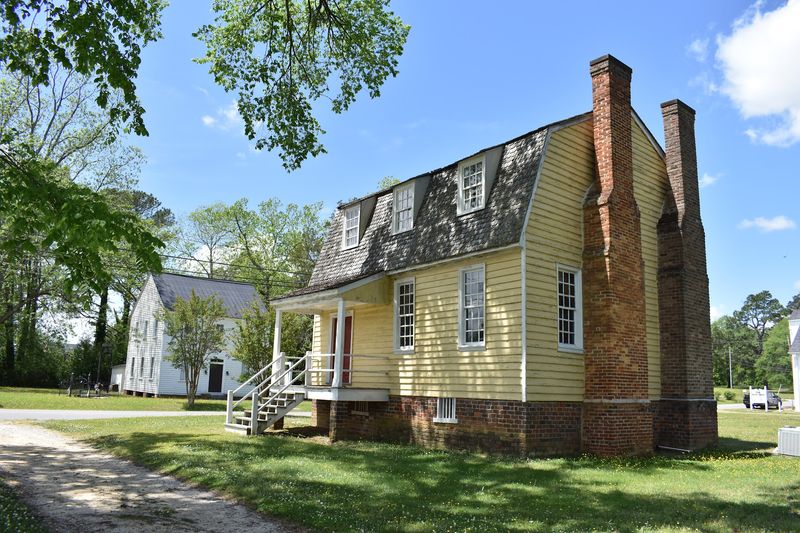
After the American Revolution ended, Halifax hit its stride. Historians call this stretch its golden age, a time when wealth, power, and influence gathered in this small river town.
Planters and merchants built handsome homes to show off their success. I found myself studying rooflines and window details like a kid looking for hidden pictures.
The Owens House, from around 1760, is a favorite of mine. It is modest compared to some grand mansions you might picture, yet it has a cozy, sturdy charm that makes it easy to imagine daily life inside.
Looking through restored rooms, you start noticing practical choices. Furniture sat close to light sources, and space was used carefully.
Nothing feels wasted.
Good times lasted until the late 1830s. Seeing these houses makes the town’s later slowdown feel a bit bittersweet, because you can tell people expected the success to go on forever.
If you enjoy photography, these homes are wonderful in soft morning or late afternoon light. One family even held a wedding here, which tells you how pretty the grounds can be, especially when the crepe myrtles bloom in summer.
The Tap Room, Jail, and Clerk’s Office
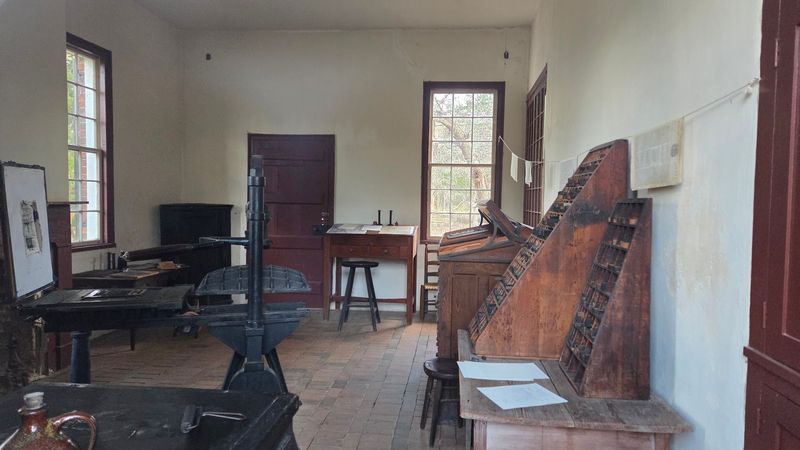
Here is a combo that sounds like the start of a riddle: a gathering room, a jail, and a records office walk into a historic site. In Halifax, all three are open for curious visitors, and each one shows a different side of town life.
The Tap Room was built sometime between 1760 and 1810. It served as another spot where people met, ate, and talked over the day’s events.
Then there is the 1838 Jail, a solid brick building that looks serious even on a sunny afternoon. I stepped inside and felt the temperature drop a little.
The thick walls and small windows say plenty without a single sign.
Right nearby sits the 1832 Clerk’s Office. It may not be flashy, but it kept the paperwork that held a county together, like deeds, court records, and other official documents.
Seeing these buildings side by side reminded me that a busy town needed more than shops and houses. It needed order, records, and rules.
Kids especially seem to love the jail. It is a great spot to talk about how justice worked long ago.
When the Trains Chose Somewhere Else
Every town has a turning point, and for Halifax it arrived on iron rails. In 1835, changes to the state constitution cut back the area’s political power.
That was the first blow.
Then, in 1839, the railroad system grew and new lines skipped Halifax as a major stop. Trains could move goods faster than boats, so the river port began to lose its importance.
Here is a twist I did not expect. The Halifax and Weldon Railroad was chartered in 1834 and running by 1836, linking the two towns about eight miles apart.
Even so, the bigger network made other places the main hubs, and Halifax was left on the side.
Merchants and travelers followed the trains. Slowly, the crowds thinned and the busy streets quieted down.
I found this part of the story surprisingly relatable. Think about how a new highway can change which stores in a town do well.
The same idea played out here almost two hundred years ago.
The upside is real, though. Because Halifax never boomed again, many old buildings survived instead of being torn down for something newer.
Planning Your Own Afternoon in Old Halifax
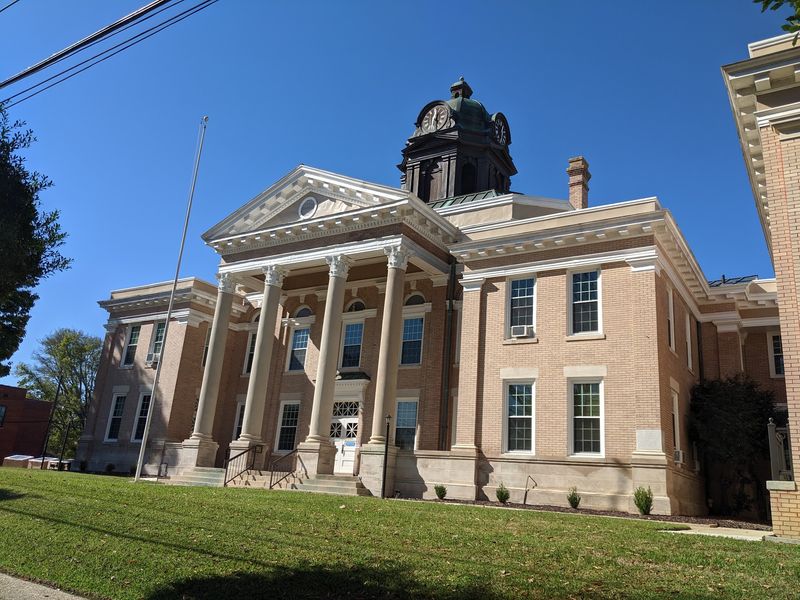
Start at the Visitor Center, which has been renovated and makes a great first stop. The exhibits give you the big picture before you head out to the old buildings, and the staff are friendly and full of helpful details.
Historic Halifax is a North Carolina State Historic Site, open Tuesday through Saturday from 9 AM to 5 PM. It is closed on Sundays and Mondays, so plan around that.
Give yourself at least half a day. There is plenty of walking, but if walking is hard for you, most spots can be reached by car.
Don’t skip the Underground Railroad trail down toward the river. It adds a deeply meaningful chapter to the town’s story.
Afterward, wander the modern town, which centers much of its life around this historic district. Small antique shops and quiet streets make for a relaxed finish.
Special events and reenactments bring costumed townspeople out, so check the calendar before you go.
Address: 25 St David St, Halifax, NC 27839
