Hydrogen bombs falling toward quiet North Carolina farmland is not a story most people expect to hear on a road trip through the eastern part of the state. A B-52 bomber broke apart in the sky on a cold January night in 1961, near a tiny place called Faro.
It was carrying two hydrogen bombs, each far stronger than the one dropped on Hiroshima. Both fell toward the fields below, and one came terrifyingly close to detonating.
Today the area looks peaceful, with flat fields, pine trees, and country roads stretching forever. The contrast between the quiet landscape and the near-catastrophe is hard to shake.
The story of what happened, why one tiny switch mattered so much, and what remains for visitors to see is worth telling. Goldsboro is a place where history hides in plain sight.
A Routine Flight That Turned Into a Nightmare
Picturing that night still gives me chills, because it started out so ordinary. On January 24, 1961, a B-52G bomber was flying a routine airborne alert mission, the kind the Air Force ran around the clock during the Cold War.
These planes stayed in the air loaded with nuclear weapons, ready to respond if the Soviet Union ever attacked. The crew of eight had no reason to expect trouble when they took off.
Then a fuel leak appeared in the right wing.
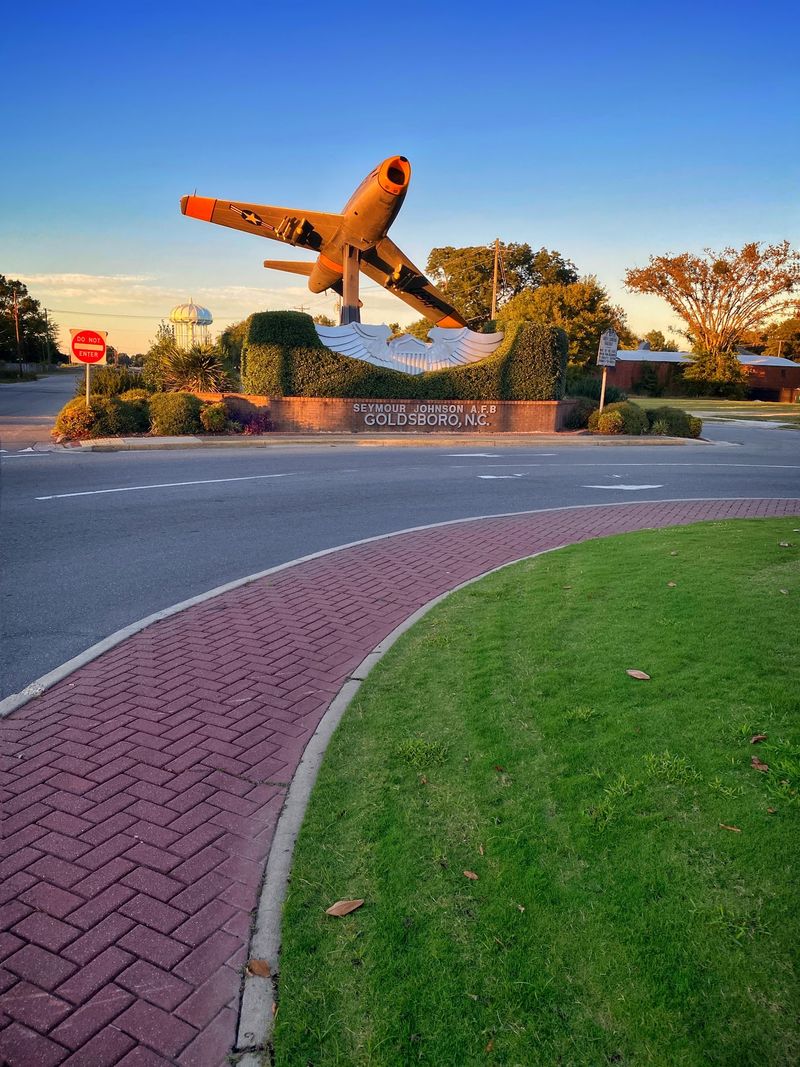
The crew was told to circle and burn off fuel before heading back toward Seymour Johnson Air Force Base in Goldsboro. Things got worse fast, though.
As the pilots tried to descend, the damaged right wing suffered a structural failure and the huge aircraft began to break apart in the sky.
Wreckage rained down across about two square miles of farmland near Faro, a small community roughly 12 miles north of Goldsboro. Families living nearby would have seen or heard something they could never forget.
It is hard to imagine how loud and strange it must have been out in those quiet fields.
What makes this moment so gripping is how quickly a normal mission became a crisis. One small leak led to a chain of events that nearly changed American history.
Keep that in mind as the story unfolds, because the scariest part was still falling from the sky.
Brave Crew Members and a Heavy Loss
Honestly, the human side of this event hit me harder than the technical details. Eight airmen were aboard the bomber when it came apart, and each of them had only seconds to react.
Five crew members managed to eject or bail out, and they survived. Sadly, three men lost their lives in the crash.
When I think about that, the story stops feeling like a history lesson and starts feeling very real.
Bailing out of a breaking plane at night is its own kind of terrifying. Ejection seats in 1961 were powerful but far from perfect, and parachuting into dark farmland added more danger.
Some crew members landed in fields and had to wait for help to arrive.
Local people in Wayne County helped where they could, and emergency teams from the air base rushed to the scene. Neighbors who had been sleeping moments earlier suddenly found themselves part of a national emergency.
That kind of small town response is something the region still takes pride in.
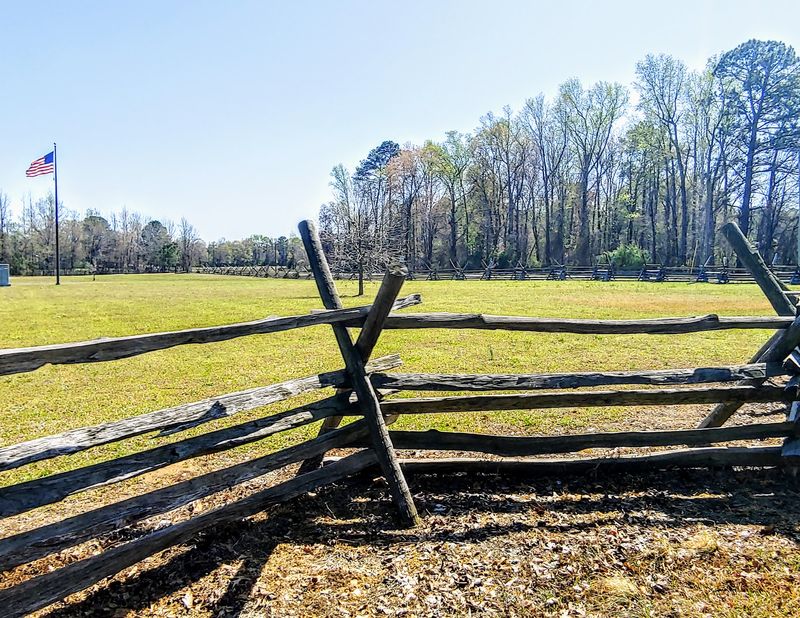
If you visit, take a quiet moment to remember those airmen. A historical marker near Faro honors the event, and standing near it reminds you that real people paid a price during the Cold War.
Their service is a big reason this story is told with respect in Goldsboro today.
Two Hydrogen Bombs Falling Toward the Farmland
Here is the fact that made my jaw drop: each bomb on that plane was a 3.8 megaton Mark 39. That is hundreds of times more powerful than the bomb used on Hiroshima.
When the bomber broke apart, both weapons separated from the plane. Even worse, both started their arming sequences as they fell.
Nobody on the ground had any idea what was dropping toward them.
The two bombs had very different journeys. One floated down under a parachute, just as it was designed to do.
The other had no parachute open and slammed into the earth at full speed.
Think about what that means for a moment. Two of the most powerful weapons ever built were tumbling into farm country with nothing but their own internal safety parts to stop them.
The people of Faro went to bed in a peaceful rural community and woke up near a place that would be studied for decades.
Experts later explained that if one had exploded, a tragic fallout could have drifted over cities along the East Coast. Places like Washington, Baltimore, and even New York might have been affected depending on the wind.
That is why historians still call Goldsboro one of the closest calls of the entire nuclear age.
The Parachute Bomb Caught in a Tree
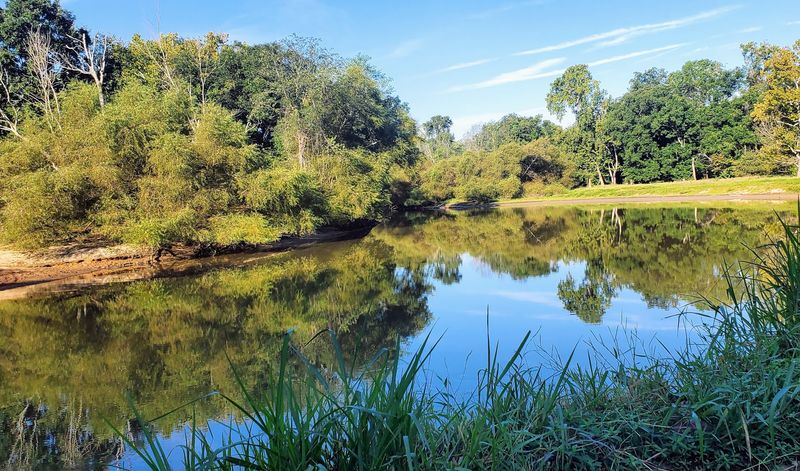
Of all the photos from this event, the one of a bomb hanging in a tree is the image that sticks with me. Its parachute worked, so the weapon drifted down slowly and got tangled in the branches.
The nose of the bomb pushed about two feet into the ground. From a distance, it almost looked like some odd piece of farm equipment.
Up close, the truth was much scarier.
A classified report later revealed that this bomb had activated seven of its eight arming and firing mechanisms. Only one step remained.
That final step was a switch that stayed in the safe position.
Military teams arrived to secure the area and carefully remove the weapon. Bomb disposal experts had to work slowly, since they were handling something no one wanted to rush.
Their calm, careful work was quietly heroic.
For visitors, this part of the story is a good reminder that history often hides in plain sight. The fields near Faro look like any other country landscape today, with crops, woods, and small homes.
Knowing what once dangled from a tree there makes every drive down those back roads feel a little more meaningful, and a little more surprising.
One Tiny Switch Between Safety and Disaster

Sometimes the smallest things carry the biggest weight, and this switch proves it. It was called the MC-772 Arm/Safe Switch, and on that night it stayed on safe.
Because of that one part, the parachute bomb did not explode. Everything else in its firing sequence had moved forward.
The switch was the last door, and it stayed closed.
Years later, in 1969, Sandia National Laboratories supervisor Parker F. Jones reviewed the accident.
He wrote that one simple, dynamo-technology, low voltage switch stood between the United States and a major catastrophe. He also said it was credible to imagine an electrical short flipping that switch to arm.
Reading that honestly made me pause. We often assume powerful weapons have many layers of protection, but in this case the margin was razor thin.
A frayed wire in the wrong spot could have changed everything.
This is a great example to share with kids or friends who love science. It shows how engineering choices, even about a small piece of hardware, can shape history.
Next time you flip a light switch at home, you might just think about the little switch in Goldsboro that kept an entire region safe.
A Buried Secret Under a Muddy Field
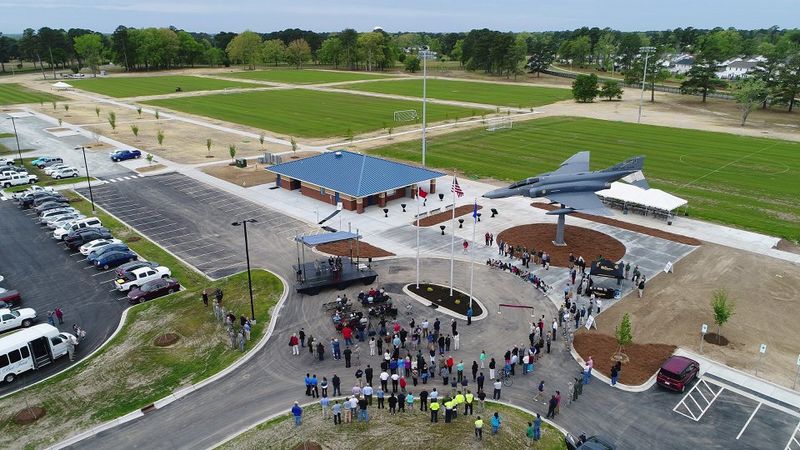
Believe it or not, part of a hydrogen bomb is still underground near Faro. The second bomb had no working parachute, so it hit the ground at terminal velocity and broke apart.
Its thermonuclear secondary stage sank deep into the soft, wet soil, around 18 feet down. Crews dug for a long time, but water kept flooding the hole.
In the end, that piece was never fully recovered.
So why did this bomb not explode? The impact did arm it, but its timer had not finished.
Its thermal batteries had not charged enough to fire the weapon.
The Air Force later bought an easement on the land. That legal agreement limits digging in the area where the buried piece rests.
Officials have confirmed there is no detectable radiation and no ongoing danger.
I find this detail both strange and fascinating. Farmers still work nearby fields, and life goes on as usual, with tractors and seasons coming and going.
The spot itself is private land, so please respect it and never trespass. Viewing the historical marker along the road is the best and most polite way to connect with this quiet, hidden chapter of American history.
How Goldsboro Changed Nuclear Safety and What to See Today
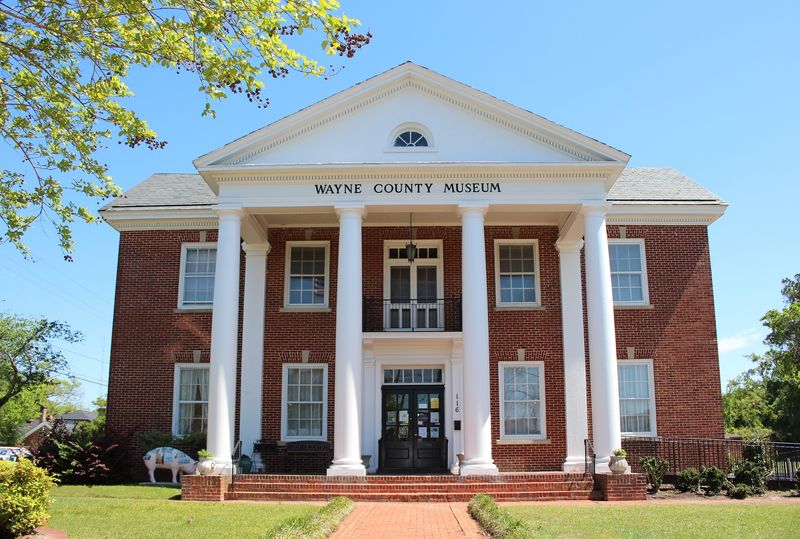
Visiting Goldsboro now, I noticed how calm and friendly the town feels, which makes its big history even more surprising. The 1961 accident helped push leaders to rethink how nuclear weapons were handled.
Newly elected President John F. Kennedy ordered cutbacks in Strategic Air Command alert flights.
He also supported permissive action links, often called PALs. These systems require a secret code before a nuclear weapon can be armed.
That shift made accidents like this far less likely. In a way, the scare over Faro helped protect people around the world for decades.
It is a powerful lesson about learning from close calls.
If you plan a trip, start with the North Carolina Highway Historical Marker about the accident on Big Daddys Road near Faro, in Eureka. Then head into downtown Goldsboro to stroll past historic brick storefronts and enjoy a meal at a local diner.
Seymour Johnson Air Force Base is still active, so you can often spot jets overhead.
The Wayne County Museum is another good stop for local history. Pair it with a walk along Center Street for murals and small shops.
It makes for a thoughtful day trip that mixes history, small town charm, and plenty of conversation starters.
Address: Goldsboro, North Carolina, USA
