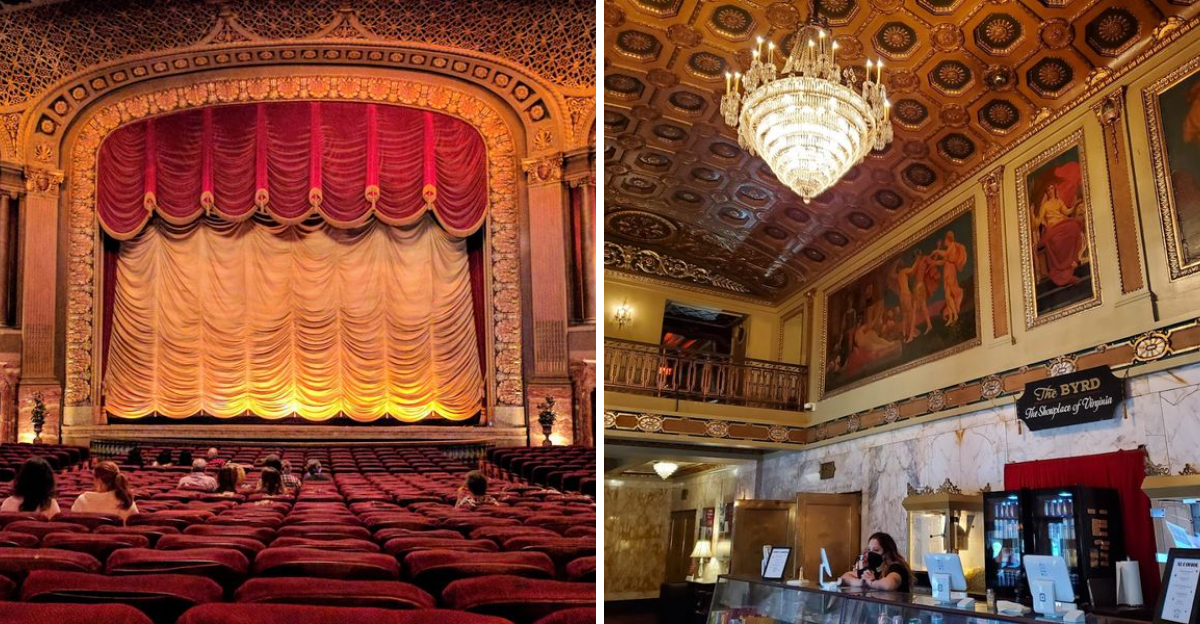
The lights dim, the curtain rises, and then the organ begins to play. Not a recording, but a real pipe organ, rising from the orchestra pit, filling the theater with sound that seems to come from everywhere at once.
This one-of-a-kind historical organ in a Virginia city is a masterpiece, a Mighty Wurlitzer that has been entertaining audiences for nearly a century. I went to a movie just to hear it play.
Before the show, the organist rose from below, console glowing, and launched into a medley of classic tunes. The sound was rich and warm, the kind of music that makes you close your eyes and smile.
The theater itself is a treasure, with its grand ceiling and vintage seats. But the organ is the soul.
Virginia has plenty of historic theaters, but this one has a voice.
The Mighty Wurlitzer Rises From The Pit
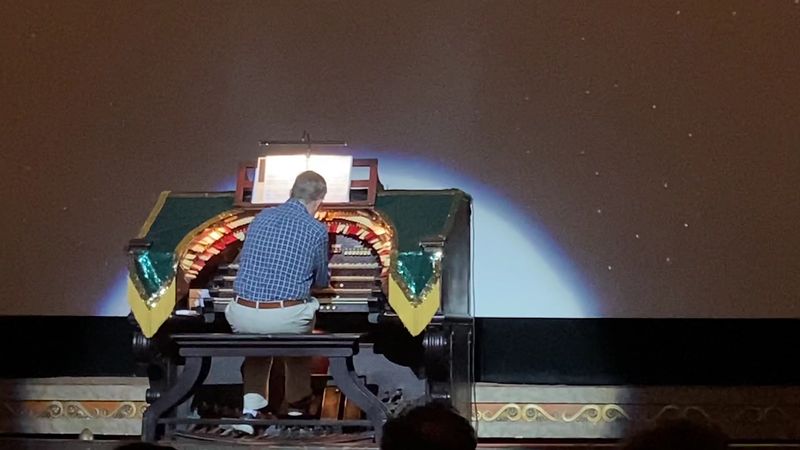
Nothing quite prepares you for the moment the organ console begins its slow, theatrical ascent from the orchestra pit. The room holds its breath, and then the music starts, rich and warm and impossibly full for a single instrument.
The Mighty WurliTzer at The Byrd Theatre is officially classified as a WurliTzer Hope-Jones Unit Orchestra Opus 1948, a mouthful of a name that barely hints at how extraordinary this machine truly is.
Installed in August of the theatre’s opening year, it has been performing ever since, making it one of the oldest continuously playing theatre organs in America.
What makes the rising console so dramatic is the theatrical lift mechanism that carries it up from below stage level into full view of the audience. It is pure showmanship, and it works every single time.
Virginia rarely produces a cinematic moment quite as electric as this one before the film even starts rolling. The crowd applauds, the organist settles in, and suddenly you realize you are witnessing something most people will never get to experience in their lifetimes.
A One-Man Orchestra With Thousands Of Moving Parts
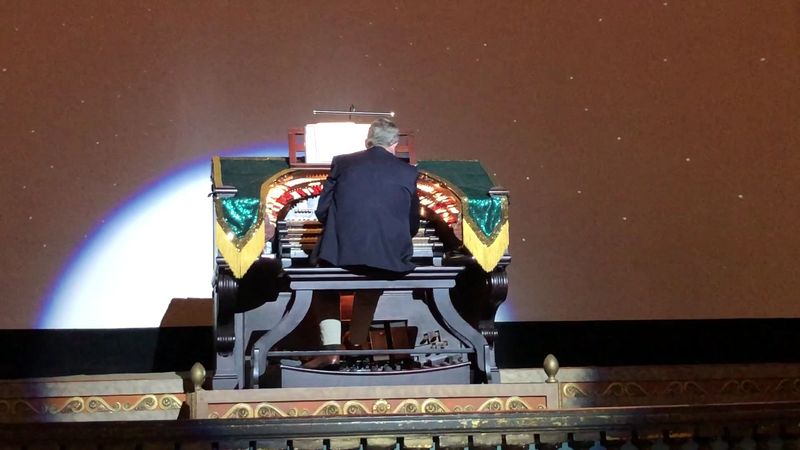
Four manuals, or keyboards stacked one above the other, greet the organist at the console of the Mighty WurliTzer. Playing this instrument is nothing like sitting down at a regular piano or church organ, because this machine is designed to replicate an entire orchestra on its own.
The console connects to seventeen ranks of organ pipes, but the real magic goes far beyond pipes alone. Linked percussion instruments include a marimba, a piano, a xylophone, chimes, and even a mandolin attachment.
Sound effects wired into the system cover everything from sleigh bells to a surf machine, a thunder effect, a bird whistle, a train whistle, castanets, tambourines, and a set of horses’ hooves.
All of these pipes and percussive elements are cleverly hidden in two rooms above the stage, tucked behind decorative grilles so the audience never sees the mechanical chaos happening overhead. The result is a single performer producing a sonic landscape that fills every corner of the auditorium.
At The Byrd Theatre, that sound bounces off ornate plasterwork and gilded surfaces, giving it a warmth and resonance that feels genuinely alive and surprisingly emotional.
The Mellow Sound That Sets This Organ Apart
Ask any serious organ enthusiast what makes a Hope-Jones theatre organ special, and they will immediately mention the Tibia pipes. The Mighty WurliTzer at The Byrd Theatre features both the 8-foot wooden Tibia Clausa and the Tibia Plena, two pipe designs credited to Robert Hope-Jones himself.
Hope-Jones is widely considered the inventor of the electrically controlled theatre organ, and his Tibia pipes became the defining sonic signature of the entire genre. The Tibia Clausa produces a covered, velvety tone, while the Tibia Plena opens up into something rounder and fuller.
Together they create that unmistakable mellow warmth that feels like a musical hug.
Virginia is home to many historic musical traditions, but few sonic experiences compare to sitting inside this auditorium and feeling those wooden pipes resonate through the air. The sound does not just reach your ears; it seems to settle somewhere in your chest.
Organ aficionados travel from across the country specifically to hear these pipes in their original installation, and every single one of them leaves with the same slightly dazed, deeply satisfied expression on their face.
Bob Gulledge, The Keeper Of The Keys
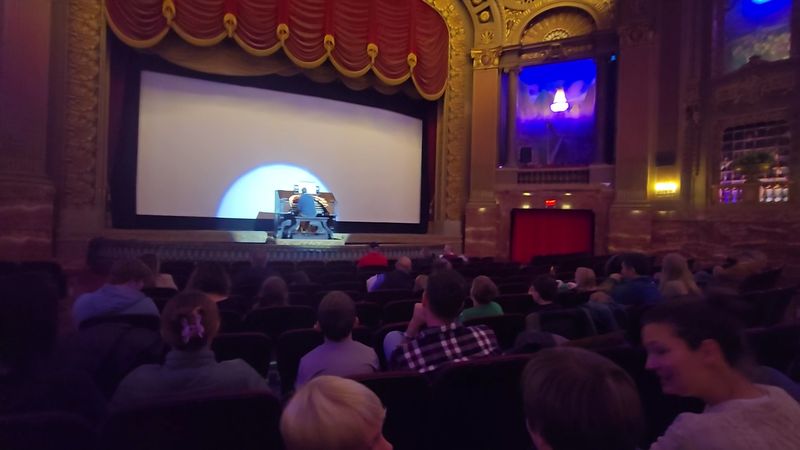
Bob Gulledge has been the house organist at The Byrd Theatre since March of the mid-1990s, clocking up thirty years at the bench as of early 2026. That kind of dedication to a single instrument in a single venue is genuinely rare in any era of entertainment.
What makes his story even richer is the lineage behind it. Gulledge studied under Eddie Weaver, the beloved house organist who held the position from the early 1960s through the early 1980s.
There is a direct musical thread connecting those two eras, and Gulledge carries it with obvious pride every time he sits at the console.
Watching him perform before a film screening at The Byrd Theatre is its own kind of entertainment. His playing style moves fluidly between classical organ technique and the more theatrical, crowd-pleasing showmanship that the Mighty WurliTzer demands.
He typically plays before most film showings, though sensory-friendly screenings and certain late-night events run without the pre-show performance. On a regular night, though, his playing is the first thing that makes you realize this is not just any cinema in Richmond, Virginia.
Why The Organ Survived The Talkie Revolution
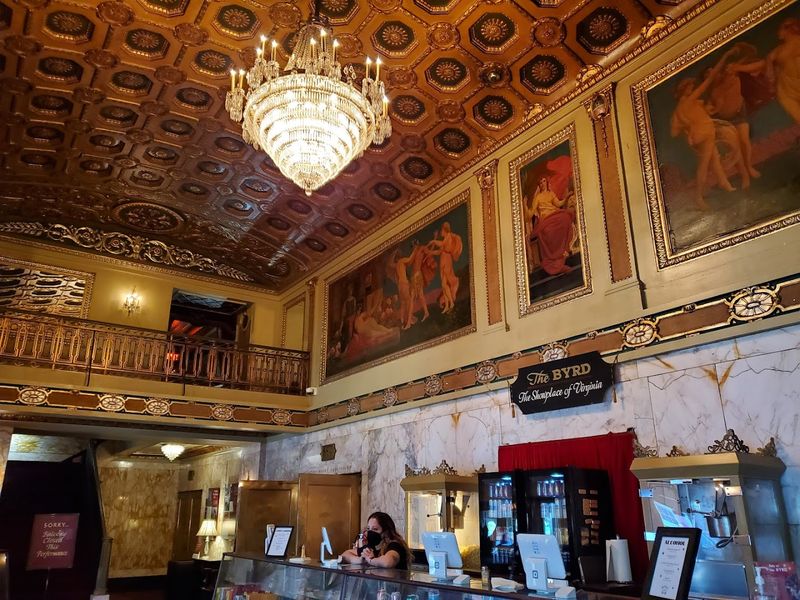
Here is a quirky piece of film history that most people never learn: The Byrd Theatre was actually one of the first cinemas in the region equipped for sound motion pictures. So why did they bother installing a massive Wurlitzer organ at all?
The honest answer is uncertainty. Nobody in the late 1920s was entirely confident that talking pictures would stick around.
The technology was new, the public reaction was unpredictable, and theatre owners hedged their bets by installing organs as a backup plan. That cautious decision turned out to be one of the most fortunate accidents in Richmond’s cultural history.
Because the organ stayed, and because the theatre survived, the Mighty WurliTzer has now outlasted dozens of competing cinemas and hundreds of other theatre organs.
Out of over two thousand Wurlitzer theatre organs manufactured between the early twentieth century and the early 1940s, only around forty remain in their original installations.
The Byrd Theatre’s organ is one of them, and it is the last of its kind still operational in Virginia’s capital city, a genuine survivor of a cultural moment that almost vanished entirely.
The Grand Architecture That Frames The Experience
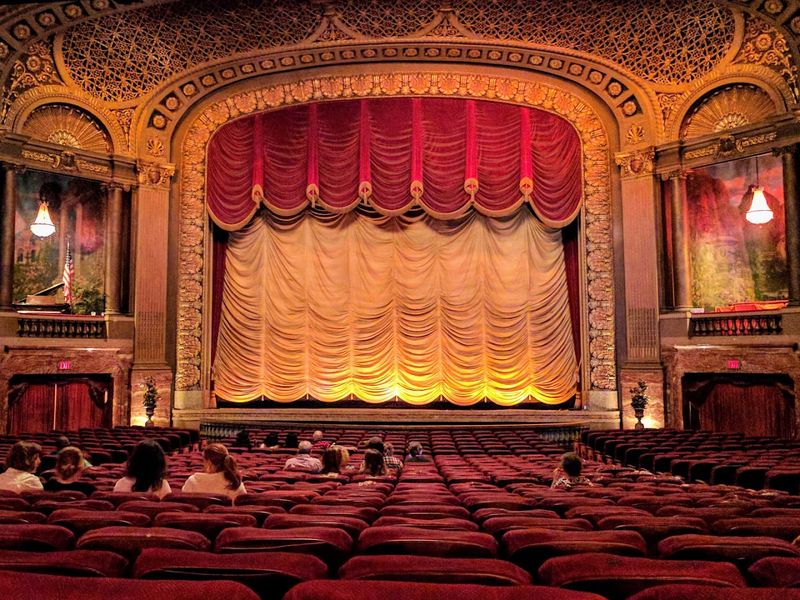
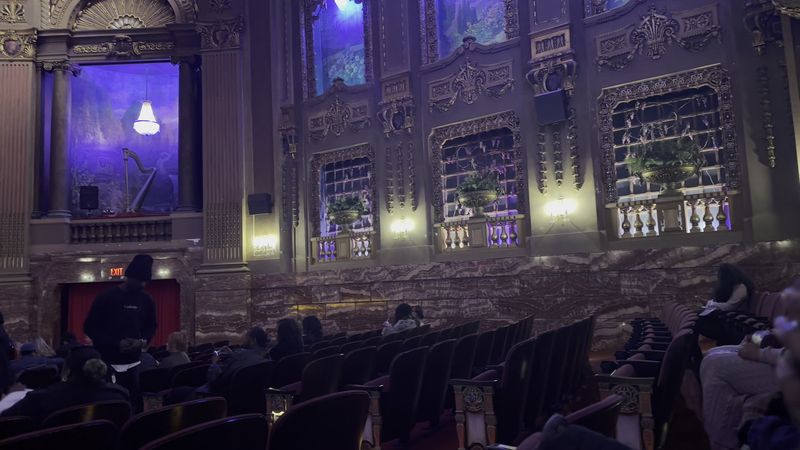
The organ is the star of the show, but the building holding it deserves its own standing ovation. Stepping into The Byrd Theatre feels like walking into a European opera house that somehow got transported to the American South and decided to stay permanently.
Gilded plasterwork covers the ceiling and walls in intricate patterns that catch the light and shift subtly depending on where you sit. Painted murals add color and drama to surfaces that lesser theatres would have left plain.
The overall effect is one of deliberate, unapologetic grandeur, the kind of place that makes you sit up a little straighter simply because the room demands it.
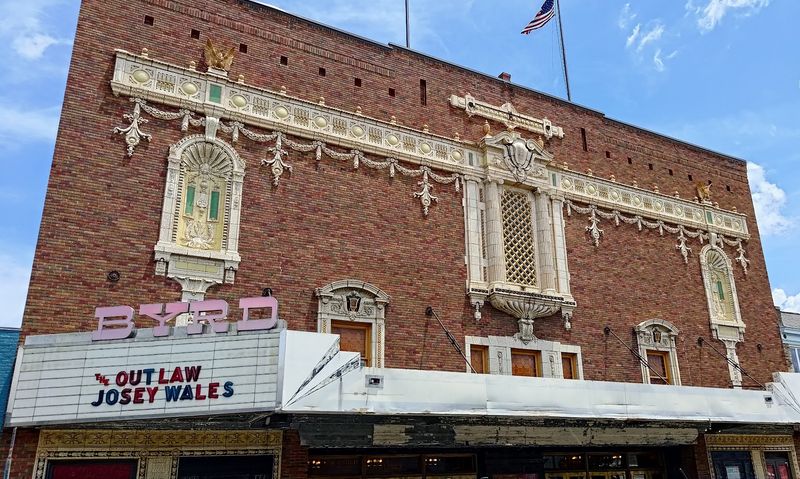
The exterior marquee on West Cary Street in Richmond’s Carytown neighborhood glows with the kind of warm, vintage energy that modern LED signage simply cannot replicate. Locals walk past it daily, and even the most jaded Richmond resident tends to glance over with a quiet sort of pride.
Virginia has produced many beautiful historic buildings, but this one occupies a special category because it was designed specifically to create wonder, and nearly a century later, it still delivers on that original promise without breaking a sweat.
Sing-Alongs, Seasonal Screenings, And Pure Nostalgia
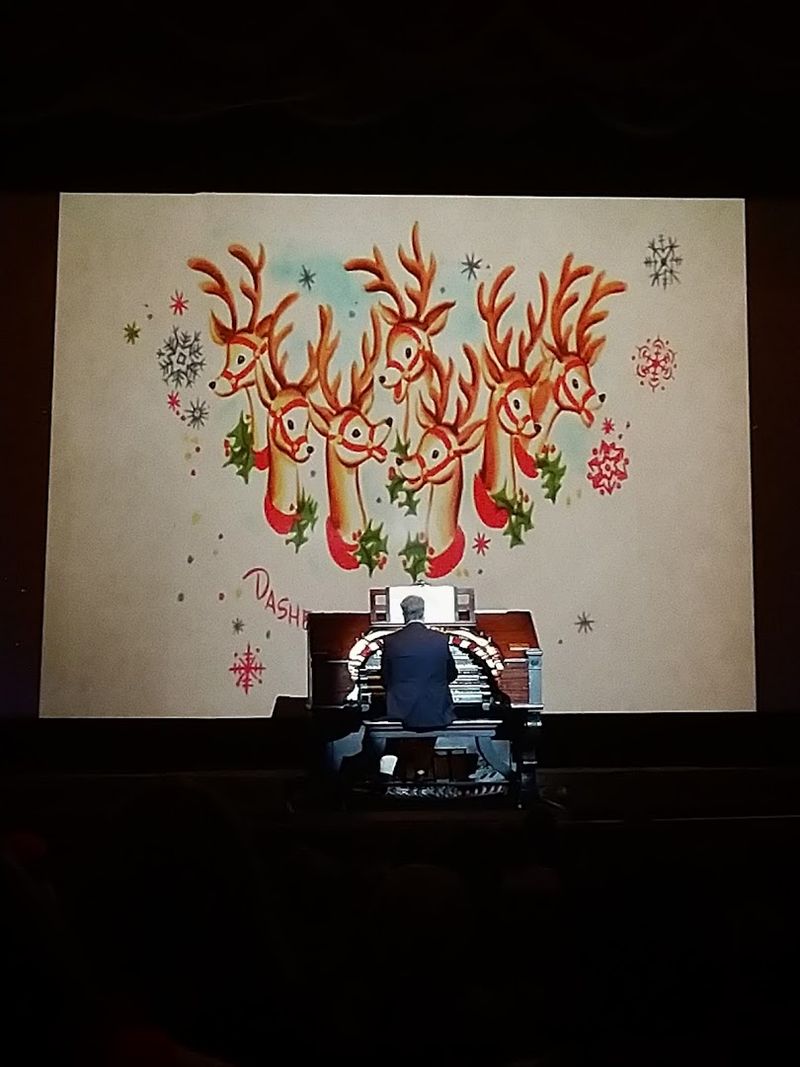
The Byrd Theatre is not just a place to watch a film quietly and leave. The programming here is built around creating shared experiences, the kind that people talk about for years afterward.
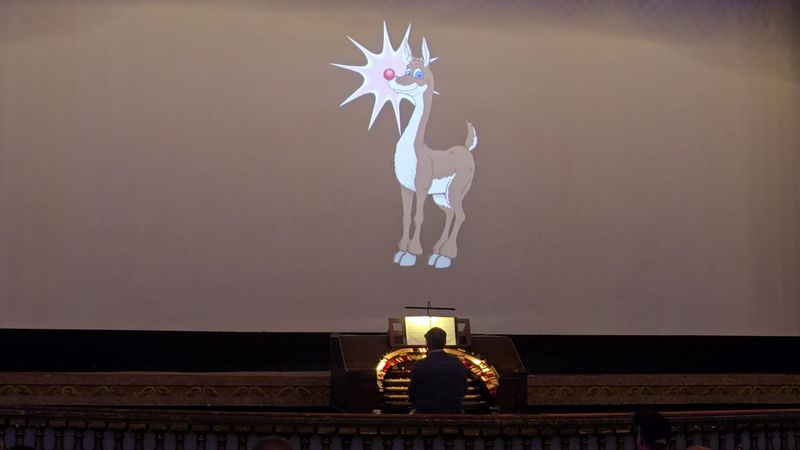
Sing-along events with the Mighty WurliTzer are a particular crowd favorite. The organist plays well-known songs while lyrics appear on screen, and the audience sings along with a level of enthusiasm that feels genuinely infectious.
October brings a lineup of classic horror films, December fills the calendar with beloved holiday movies, and special events pop up throughout the year with a creativity that keeps the programming fresh and surprising.
Story Time at The Byrd is a monthly family-friendly event that introduces younger audiences to the magic of the space. Candlelight shows have drawn enthusiastic crowds during the winter months, and the theatre has hosted everything from film festivals to private rentals for special occasions.
Each event carries the same underlying energy: the sense that you are part of something rare and worth protecting. In a state as history-rich as Virginia, The Byrd Theatre still manages to feel like one of its most genuinely irreplaceable cultural treasures.
The Mighty WurliTzer Campaign And Its Fight For The Future
Loving something old means committing to its upkeep, and the community around The Byrd Theatre takes that responsibility seriously. A dedicated preservation effort known as the Mighty WurliTzer Campaign is actively working to conserve and restore the organ for future generations.
Theatre organs of this age and complexity require ongoing maintenance that goes well beyond what a regular piano tuner can handle.
The pipes need regular voicing, the leather components throughout the system deteriorate over time, the electrical contacts require attention, and the percussion instruments need their own specialized care.
Keeping all of it functioning at performance quality is a labor of love and a genuine financial commitment.
The campaign reflects something broader about how Richmond, Virginia, relates to its cultural heritage. There is a real grassroots energy around keeping The Byrd Theatre alive, fueled by locals who grew up attending screenings here and newcomers who discover it and immediately want to protect what they have found.
Joining the theatre’s Movie Lovers Club is one direct way to support ongoing operations.
Every ticket sold, every membership renewed, and every donation made contributes to the survival of one of America’s most extraordinary surviving theatre organs, still singing after nearly a century.
Eddie Weaver And The Legacy Of The Bench
Before Bob Gulledge became the face of the Mighty WurliTzer, another organist spent two decades building a devoted following at The Byrd Theatre. Eddie Weaver held the house organist position for roughly twenty years, and his playing became deeply woven into the fabric of the Richmond cinema experience.
Weaver’s style was warm, theatrical, and crowd-smart, the kind of playing that made even first-time visitors feel like they were in on something special. He understood that a theatre organ performance is as much about reading the room as it is about technical mastery.
His influence on Gulledge is audible in the current performances, a living connection between two distinct eras of the same instrument.
Musical lineages like this one are rare in any performing arts context. Most instruments change hands without any formal passing of knowledge.
The WurliTzer at The Byrd Theatre has benefited from a direct teacher-student relationship that has preserved not just the technical approach but also the performance philosophy.
Virginia’s musical heritage runs deep across many genres and traditions, and this particular thread, two organists, one magnificent instrument, and nearly sixty years of continuous performance, is one of its most quietly extraordinary stories.
Plan Your Visit To West Cary Street
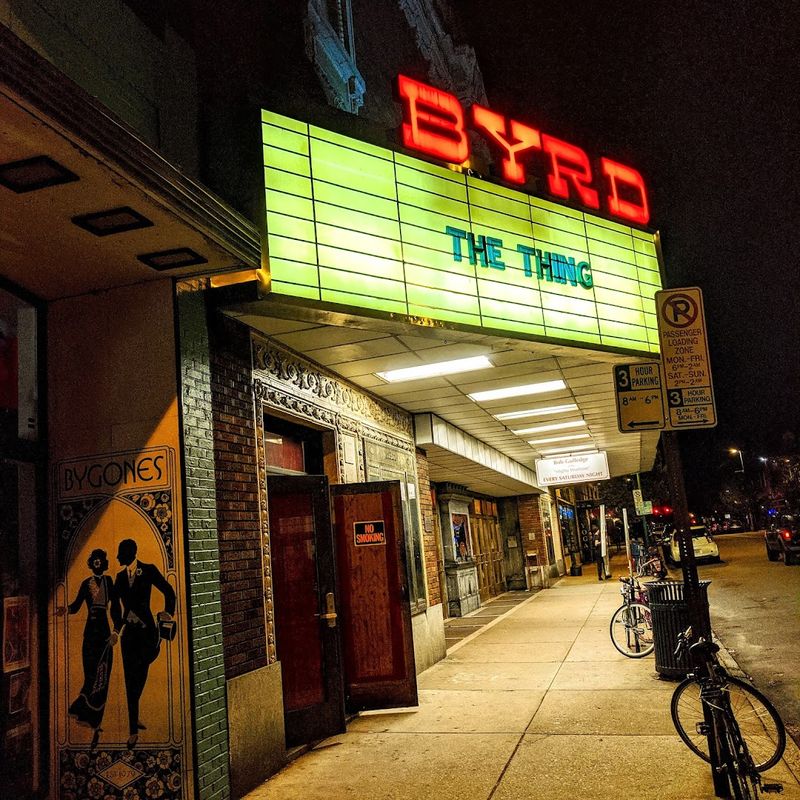
Getting to The Byrd Theatre is straightforward, and arriving in the Carytown neighborhood makes the whole outing feel like a proper event. Street parking is available along West Cary Street, and the surrounding blocks offer plenty of spots to explore before or after a screening.
The theatre is located at 2908 W Cary St, Richmond, VA 23221, right in the heart of one of Richmond’s most beloved commercial corridors. Carytown is lined with independent shops, restaurants, and cafes, so building a full afternoon or evening around a Byrd Theatre visit is genuinely easy and enjoyable.
Checking the theatre’s website before you go is a smart move, since each film typically runs for a limited number of showings and the calendar changes monthly. Subscribing to the email list keeps you ahead of the curve on special events and seasonal programming.
Sensory-friendly screenings run without the organ pre-show, so if the Mighty WurliTzer is the main draw for your visit, double-check that your chosen screening includes the full experience.
Trust me on this one: hearing that organ rise from the pit inside this stunning Richmond, Virginia landmark is absolutely worth planning your schedule around.
