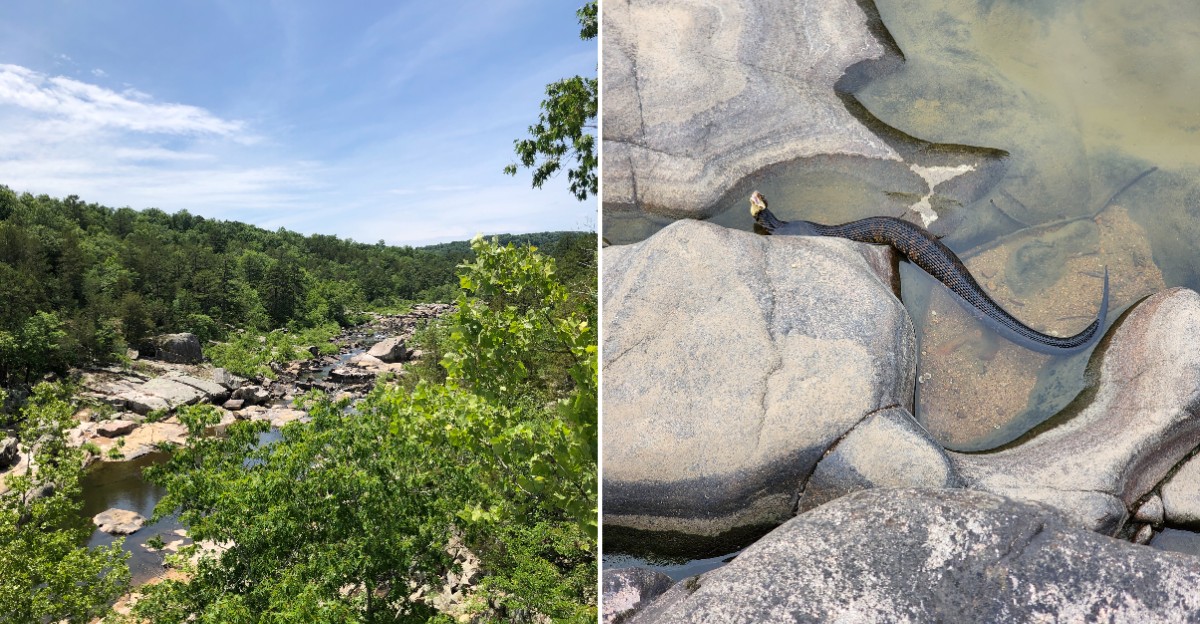
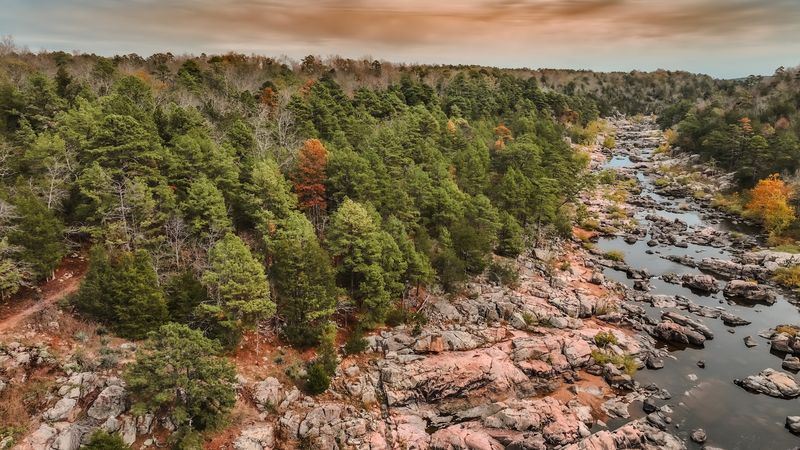
The rock this river squeezes through is about 1.5 billion years old. It formed as magma cooled underground, and now whitewater crashes through its narrow gaps.
The best part? A one-mile paved trail leads you right to an overlook above it all.
Benches line the path, so nobody has to rush the view.
I like how this corner of Missouri mixes easy walking with serious river drama. Expert kayakers come here to tackle rapids that can reach Class IV.
Meanwhile, you can watch from a dry, sturdy platform high above the water.
The land also holds a quirky backstory involving hayrides, flowers, and a long-gone roadside attraction.
I can’t imagine a better mix of rugged scenery and odd history. How did an old tourist stop become one of the wildest river views around?
The Paved Path That Makes Big Scenery Easy
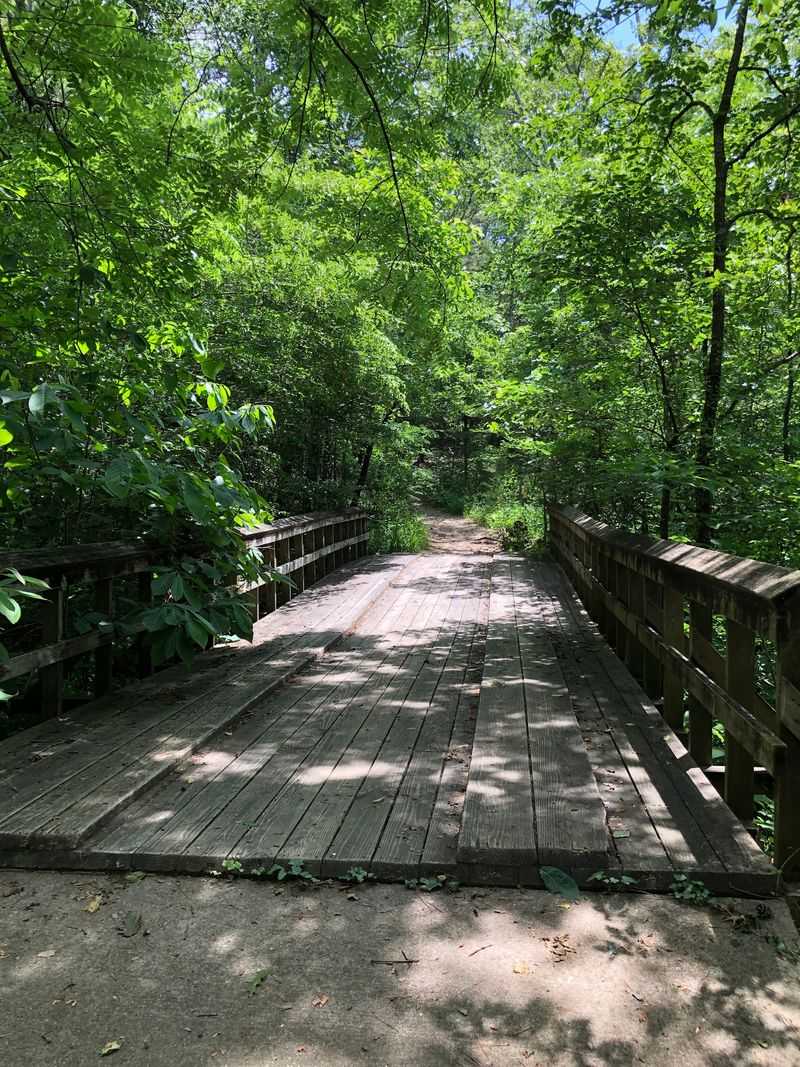
One mile of pavement and boardwalk stands between the parking lot and one of the best river views in the region. Millstream Gardens Conservation Area keeps that route smooth, with sections built to be wheelchair accessible.
The trail is called the Tiemann Shut-ins Trail, and it starts at the trailhead parking area. Strollers, scooters, and slow walkers can all handle it without much fuss.
Benches show up along the way, which is a kind touch. Grandparents can rest, kids can snack, and nobody has to fake an interest in tree bark while catching their breath.
The trip out runs mostly downhill. That means the return walk climbs a bit, so save a little energy for the way back.
Shade from the surrounding forest helps on warm days. The woods here are home to white-tailed deer, turkeys, squirrels, and plenty of birds, so keep your eyes open.
The path ends at an overlook deck perched high above the river. Getting there takes little effort, which feels almost unfair given the payoff.
Bring water, because the area doesn’t supply drinking water at river access points. Bug spray is smart too, especially in the warmer months.
A camera is basically required equipment.
Rock So Old It Makes Mountains Look Young
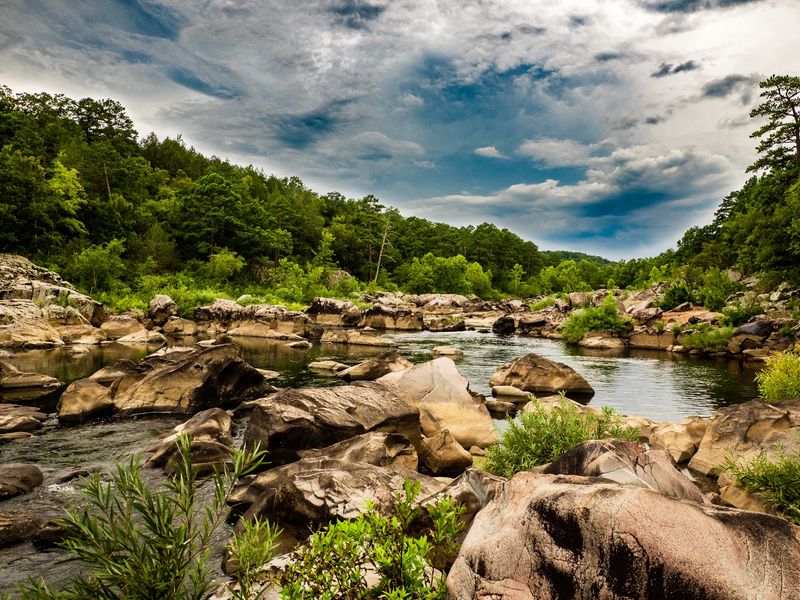
Shut-ins sound like a cozy weekend plan. In the Missouri Ozarks, though, the word means a spot where a river gets trapped between hard rock and forced through tight channels.
The Tiemann Shut-ins sit on the St. Francis River inside the conservation area. Here the water pushes through granite that formed roughly 1.5 billion years ago.
That number is hard to wrap your head around. The rock was ancient long before dinosaurs showed up, and it still holds its ground against the current.
Softer rock wears away faster, but this granite resists. So the river can’t spread out lazily, and it squeezes into chutes, pools, and churning gaps instead.
You can even spot dark bands called intrusive dikes cutting across the rock. They formed when melted rock pushed into cracks and later cooled into stripes.
Water levels change the show a lot. After good rain, the shut-ins roar and foam, while dry spells leave the river calm and the rocks exposed.
Both versions are worth seeing. High water brings drama, and low water reveals the twisted shapes the river has carved over countless years.
Grab A Front-Row Seat At Cat’s Paw
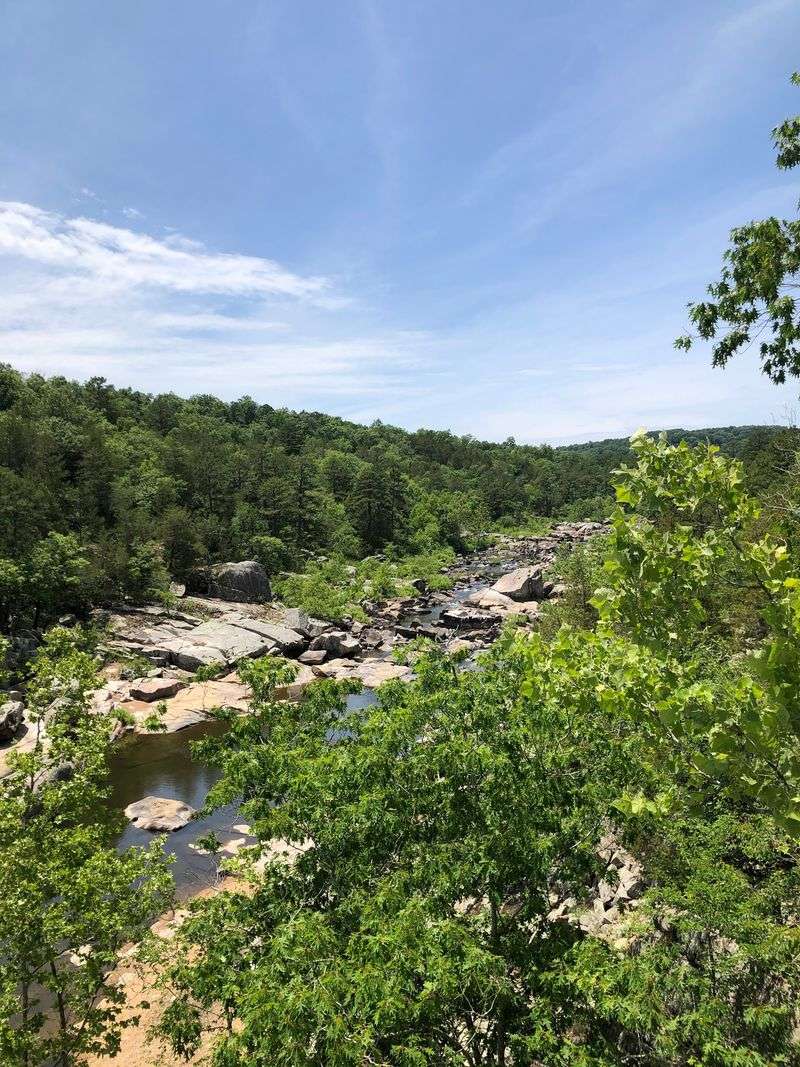
Rapids get names when they earn a reputation, and Cat’s Paw is a famous one on this stretch. Its overlook gives you a high, safe view of the whitewater below.
The paved trail ends at this observation deck. From there, you can study how the river splits, bends, and crashes around the rocks.
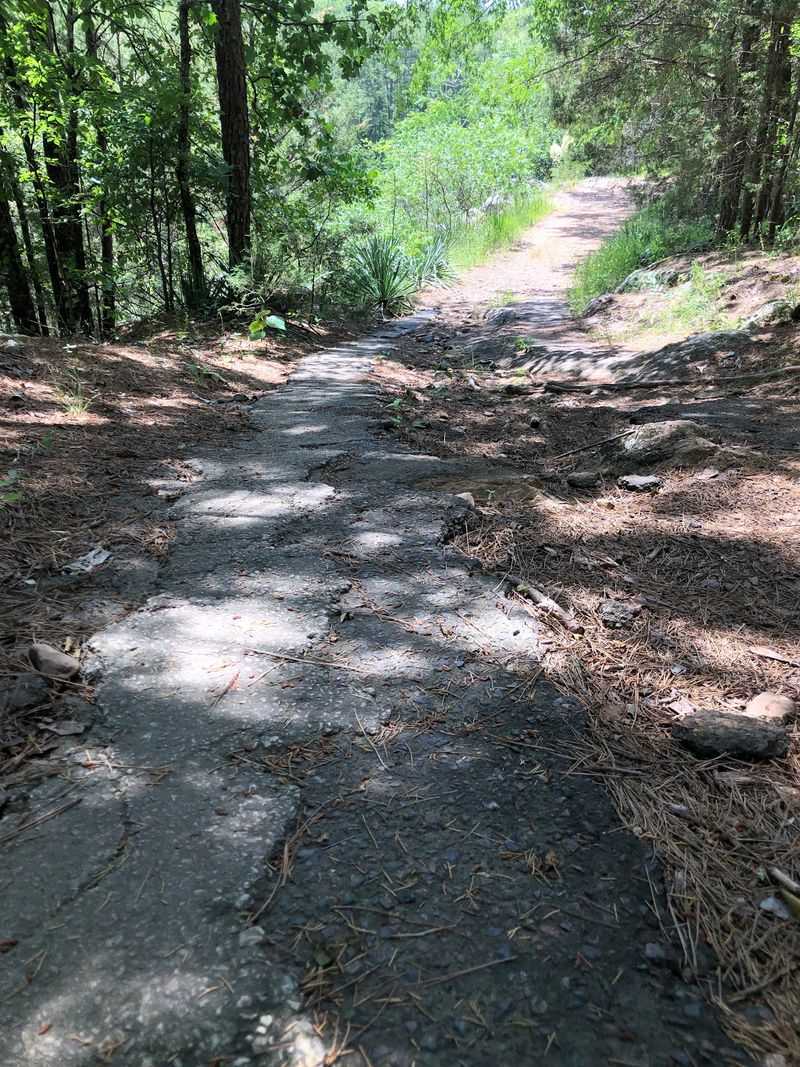
A second trail also reaches this same overlook. That unpaved route mixes dirt, rock, and leftover old asphalt, and it meets the paved path right at Cat’s Paw.
The overlook works well for anyone who wants scenery without scrambling. You get the noise, the motion, and the sweeping view while your shoes stay dry.
Bring binoculars if you have them. Paddlers sometimes run this section, and tracking a kayak through foamy water beats any screen time.
Timing matters for the view. Spring and rainy periods usually mean stronger flow, while late summer can bring quieter water and more exposed stone.
Pack patience too. Watching moving water has a strange calming effect, and an extra ten minutes here never feels wasted.
Kayakers Treat This River Like A Big Stage
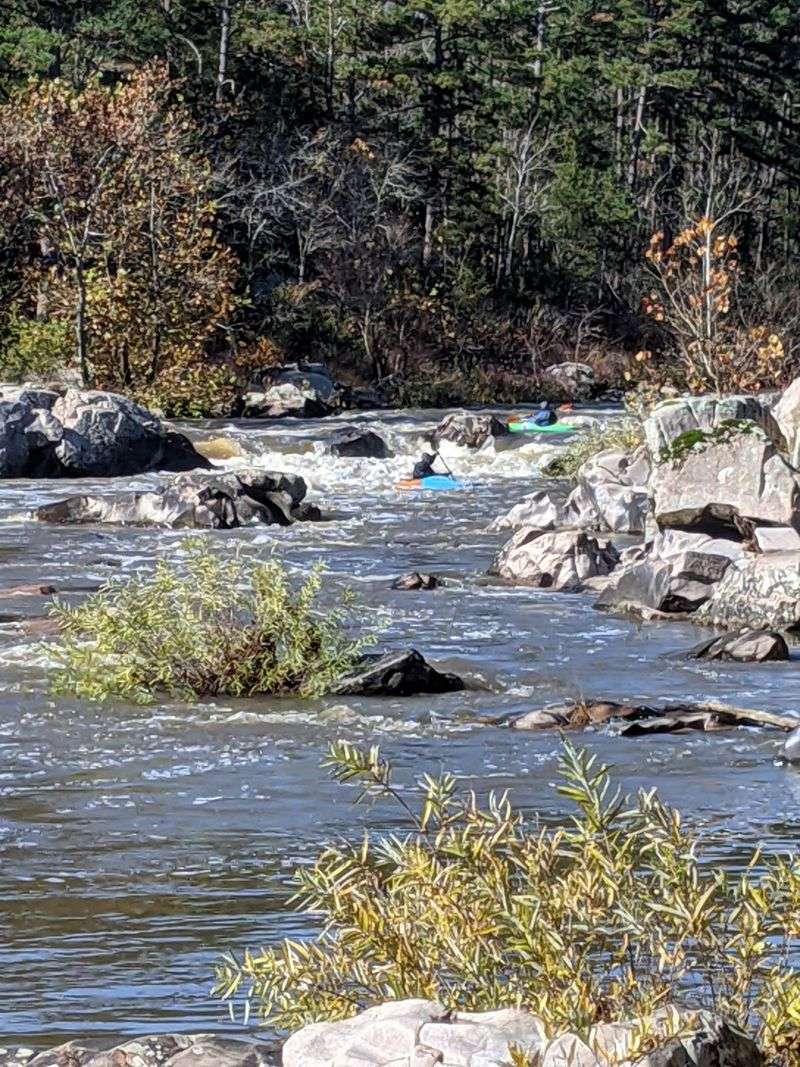
Each March, paddlers gather here for the Missouri Whitewater Championships. Crowds come out to watch kayakers take on one of the toughest stretches of water in the state.
The St. Francis River through the shut-ins is rated for expert paddlers. Depending on water levels, the rapids range from Class II up to Class IV.
Class IV is no casual float. It means powerful, tricky water that demands real skill, solid gear, and plenty of experience.
For spectators, that makes the championships a thrilling show. Paddlers twist through narrow chutes and fight the current right in front of you.
Millstream Gardens Conservation Area also has a boat ramp, which gives paddlers a way to reach the water. Vault toilets there stay open year-round, a welcome detail for chilly March days.
If you’re new to paddling, enjoy the view and leave the rapids to the pros. Gentler waters exist elsewhere for building skills first.
Check event dates before heading out, since river conditions affect plans. A rainy spring can turn the competition from exciting into downright jaw-dropping.
Flowers, Hayrides, And A Roadside Attraction Long Gone
Long before kayakers claimed this river, a man named Elmer Tiemann ran a roadside attraction here. He called it Millstream Gardens, and the name stuck.
Tiemann planted flowers and offered hayrides. He also built themed villages to entertain visitors passing along the highway.
That sounds pretty far from today’s rugged wilderness feel. Yet some of the trails you walk now follow paths from his original attraction.
The shut-ins also carry his name. So every time someone mentions the Tiemann Shut-ins, they’re giving a nod to that old roadside dream.
Today the Missouri Department of Conservation manages the land. Efforts over the years have worked to return it to a more natural state.
I love that history layer. A place built for hayrides and flower beds now shelters deer, turkeys, and whitewater, which is quite a career change.
Look for leftover clues as you hike. Stretches of old asphalt and a wooden bridge on the unpaved trail hint that people once traveled these routes for very different reasons.
Trade Pavement For Roots And Rocks
Feeling a bit more adventurous? The unpaved trail starts near the pavilion area and gives you closer looks at the rapids.
Expect a mix of dirt, rocks, and patches of old asphalt. The route climbs at times, so sturdy shoes matter more than fashion here.
The trail crosses the paved path at the Cat’s Paw overlook. From there, you can keep going toward Silver Mines Conservation Area, about 2.5 miles away.
That longer trek heads mostly downhill on the way out. The return, of course, flips that math, and your legs will notice.
Some side paths lead down toward the river. They can be rocky and a little technical, so take them slowly and only if you’re steady on your feet.
Loose rocks and wet surfaces add to the challenge. A walking stick helps, and so does packing a snack for the halfway point.
Download offline maps before you go. Cell service can be spotty here, and getting lost in the woods isn’t the kind of adventure anyone plans.
Look But Don’t Swim In This Wild Water
Shut-ins often bring swimming to mind in the Ozarks. At this spot, though, swimming is not allowed at the shut-ins.
The reason is simple. Swift currents and rocky terrain make this water risky, even for strong swimmers.
The same narrow channels that look so dramatic also create strong, unpredictable flow. Water can push hard through the gaps and pull at anything in its way.
The rocks can be very slick too. The riverbed stays slippery, so even wading near the edge needs care.
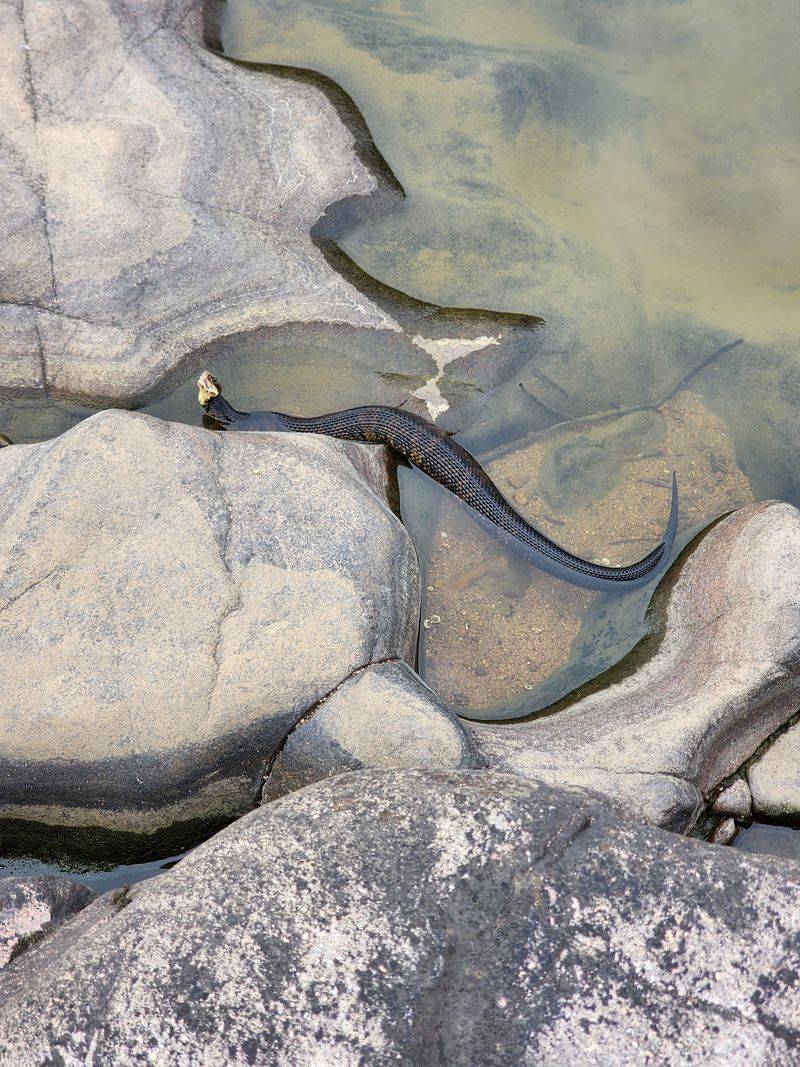
Snakes also live around the river, including in calmer areas. This is their home, so give them space and watch where you step.
The best plan is enjoying the water from the overlooks or the shore. Photos, sounds, and fresh air still deliver plenty of reward.
Families with young kids should keep them close near the river. A good rule here is to treat the water like a powerful show, not a playground.
Pack A Lunch And Cast A Line
Bass and sunfish swim in the St. Francis River here. That gives anglers a solid reason to bring a rod along with the camera.
Fishing works best away from the roaring chutes. Calmer stretches offer easier footing and better chances to cast without fighting the current.
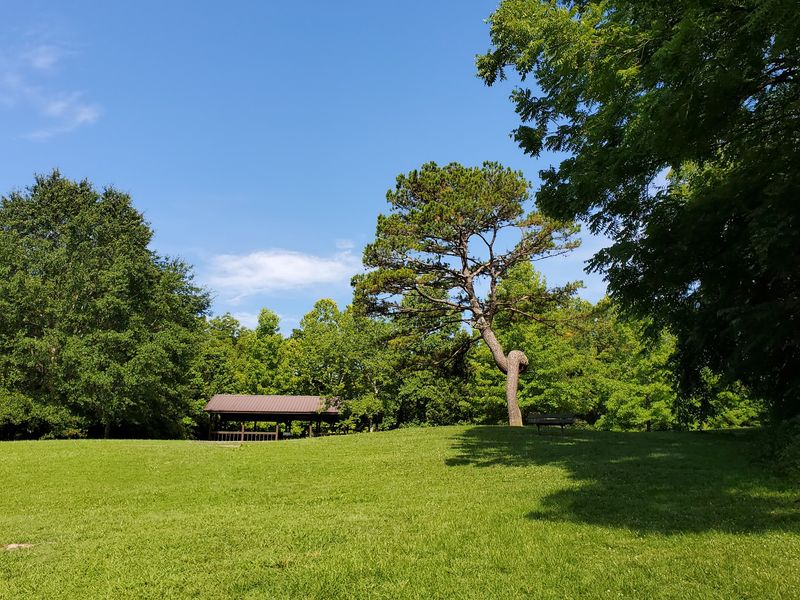
Picnic areas are scattered around, including one near the pavilion. It makes a handy home base for a long lazy afternoon outdoors.
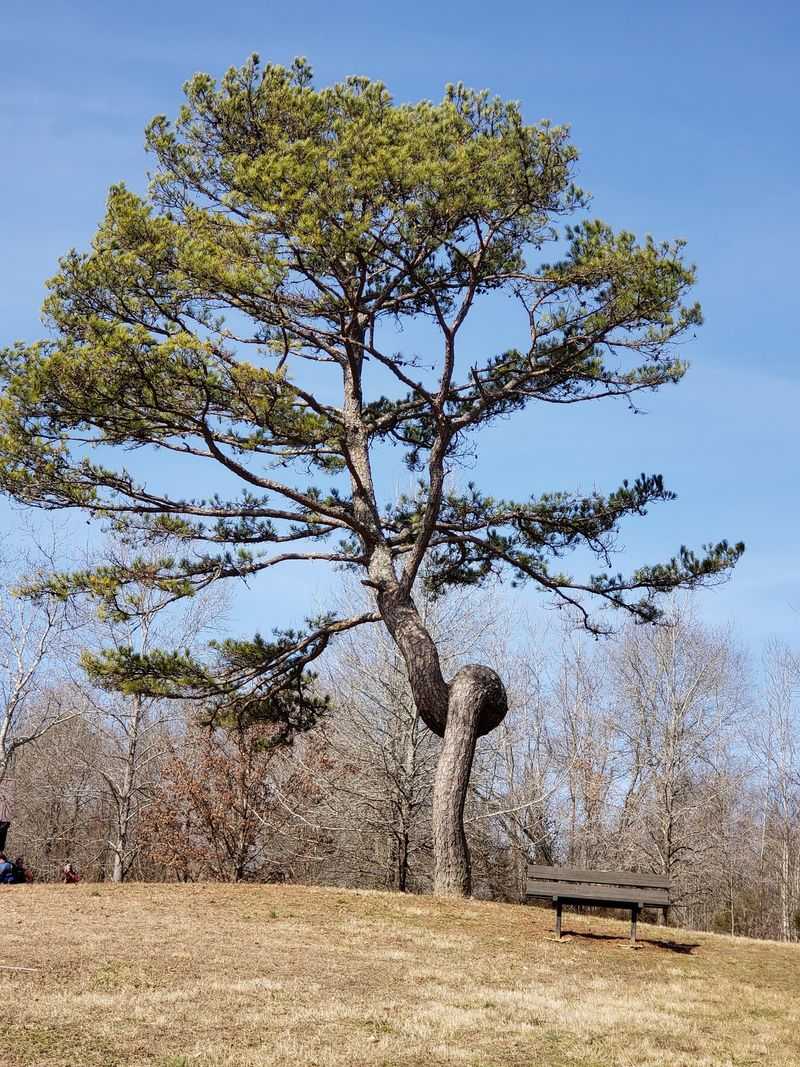
Near the pavilion, keep an eye out for an unusual tree with a twisted, knotted trunk. It looks like nature tried to tie a bow and got distracted.
The area keeps things simple. Vault toilets operate seasonally at the pavilion, but there’s no drinking water at river access points.
Trash cans can be scarce, so plan to carry out everything you bring in. The leave no trace approach keeps the scenery looking great for the next visitor.
An unstaffed archery range also sits on the property. So one group can fish, another can shoot arrows, and everyone can meet back at the picnic table.
Getting There Is Half The Scenery
Finding Millstream Gardens Conservation Area means heading into the St. Francois Mountains. These old, rounded peaks surprise many folks who didn’t know Missouri had mountains at all.
The area sits about halfway between Fredericktown and Arcadia. Look for it along Missouri Highway 72, roughly 8 miles west of Fredericktown in Madison County.
The property covers 916 acres. Its 44-acre St. Francis River Natural Area is part of Missouri’s Natural Area System, which highlights its special habitats.Follow the posted signs once you reach the entrance.
Online directions sometimes get confused, and signs point you to the trailhead, pavilion, and boat ramp areas.
The area opens daily from 4 a.m. to 10 p.m. Early birds can catch quiet mornings, and night owls still have time for an evening stroll.
Nearby, Silver Mines Conservation Area connects by trail. That makes an easy way to stretch your visit into a full outdoor day.
Fill up your gas tank and snack supply before arriving. Out here, the closest store isn’t exactly around the corner, but the river views make the drive feel short.
