Giant vintage gas pumps are not something you see every day, and laughing out loud at the sheer size of one is a perfectly reasonable reaction. The towering pump serves as the unofficial doorbell of a Pennsylvania museum all about America’s first coast-to-coast highway.
The road was born in 1913 and stretched across the entire country, ocean to ocean. Pulling in for a quick photo stop turned into a couple of happy hours.
Old cars, a real tourist cabin, a restored diner, and a slice of pie waited at the finish line. Road trip lovers, small surprises, and anyone who loves a good story about how America learned to drive will find this place worth a stop.
The museum sits in Pennsylvania, and it rewards curiosity with every exhibit. The pump alone is worth the drive, but the stories inside keep you there.
The Giant Gas Pump That Stops Traffic
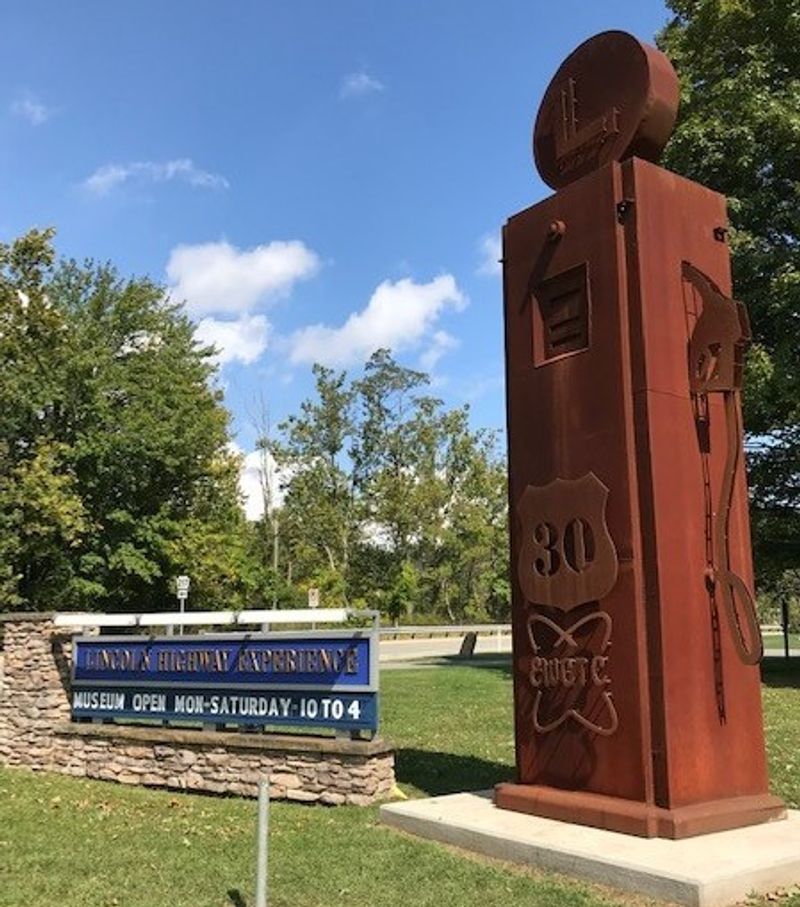
My first instinct was to tilt my head way back, like a kid staring at a skyscraper. The pump is a replica of a 1940s Bennett model, and it rises over 20 feet high, so you really cannot miss it from the road.
Many people call it the 25-foot pump, and honestly, from the parking lot it feels even taller.
Plenty of drivers admit they passed this spot for years without stopping. The pump is there to fix that problem.
It works like a friendly wave from the roadside, telling travelers that something worth seeing sits just past the lawn.
Bring your camera, because this is the photo everyone takes. I tried a few angles and found that standing a good distance back fit the whole pump in the frame best.
Kids love posing at its base, where they look tiny next to the giant nozzle and dial.
Fun detail: gas pumps from that era had rounded tops and glowing globes, and this one copies that cheerful style. It reminds you that filling up a car used to feel like a small event.
Take a minute out here before going inside, since the pump sets the mood perfectly for everything that follows.
A House From 1815 With Stories in Its Walls
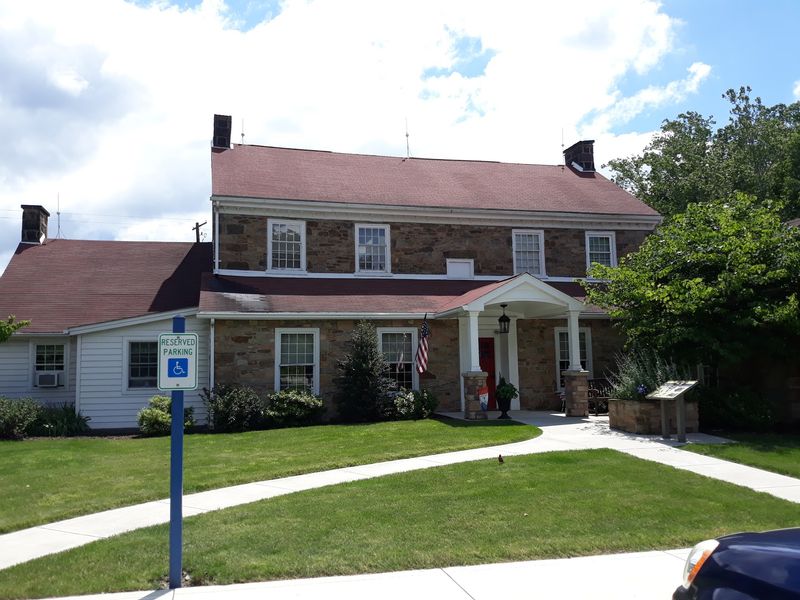
Old brick has a quiet way of making you slow down, and I noticed that right away near the Johnston House. Part of the museum lives inside this building, which dates back to 1815.
It is listed on the National Register of Historic Places, so it carries some serious history.
Think about that date for a second. The house was already almost a hundred years old when the Lincoln Highway was created in 1913.
It watched horses and wagons pass long before the first cars came rattling by.
That mix of very old and newer exhibits gives the museum a special texture. One moment you are near walls that have stood for over two centuries, and the next you are looking at displays about paved roads and road trips.
The contrast helps you picture how much changed along this single stretch of land.
My advice is to take a slow lap around the grounds before or after your visit. The buildings and lawns are kept neat and tidy, and the setting feels peaceful even with Route 30 nearby.
It is a small reminder that history here is not just inside glass cases but standing right in front of you.
Listening to the Road Through an Audio Wand
Somebody handed me a little audio wand at the start, and I felt like a secret agent for about five seconds. The tour is self-guided, which means you move at your own pace.
Each section is numbered, so you just punch in the number and listen.
You hold the device up to your ear like a phone. It explains the photos, signs, and objects in front of you, from the early days of muddy roads to the rise of motels and filling stations.
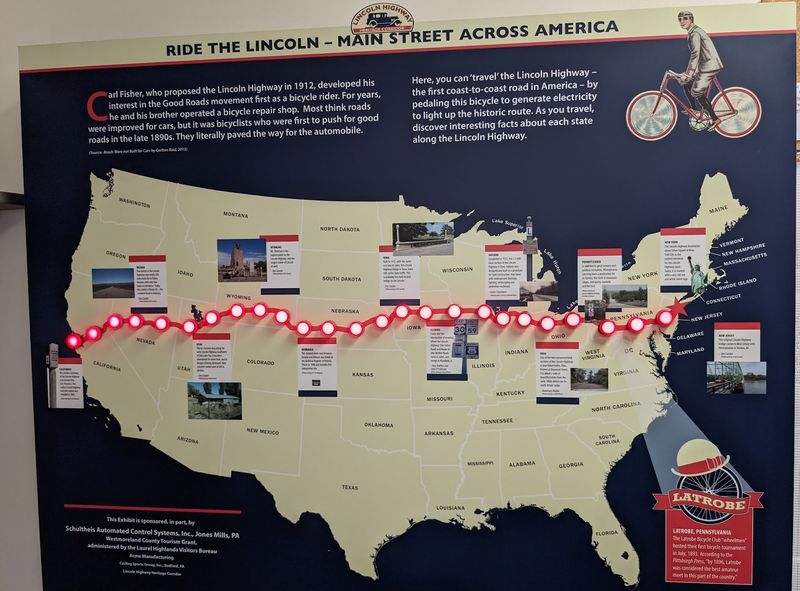
The stories cover both the local Pennsylvania stretch and the full route across the country.
Here is a helpful tip if you visit with friends or family. Try starting each numbered section at the same time, so everyone hears the same part together and can chat about it.
Otherwise, one person ends up three exhibits ahead while another is still learning about gravel.
The exhibits sit mostly on one floor, which makes the walk easy and relaxed. Most visitors spend around one to two hours inside, though history fans could easily linger longer.
I found the pacing just right, with enough detail to feel rich but never so much that it dragged on.
A Short Film Called Through the Windshield
Sitting down halfway through the tour felt nice on my feet, but the movie turned out to be the real reward. The film is called Through the Windshield, and it runs under 15 minutes.
That is short enough for little kids and long enough to pack in a lot of story.
It explains why the Lincoln Highway mattered so much. Back in 1913, crossing the country by car sounded almost wild, since many roads were rough, narrow, or barely there.
The highway linked towns and communities that had felt far away from each other.
I liked how the film fills in the gaps between the objects you see in the galleries. Suddenly, those old signs and photos make more sense, because you can picture the people who needed them.
You start to understand that a road can change how a whole nation lives, works, and travels.
Do not skip it, even if you feel tempted to rush ahead to the diner. The film gives the rest of the visit more meaning.
It also sparks good conversation in the car afterward, especially if you are driving on Route 30, which follows the old Lincoln Highway path through this region.
A Shiny 1937 Packard and a Cozy Tourist Cabin
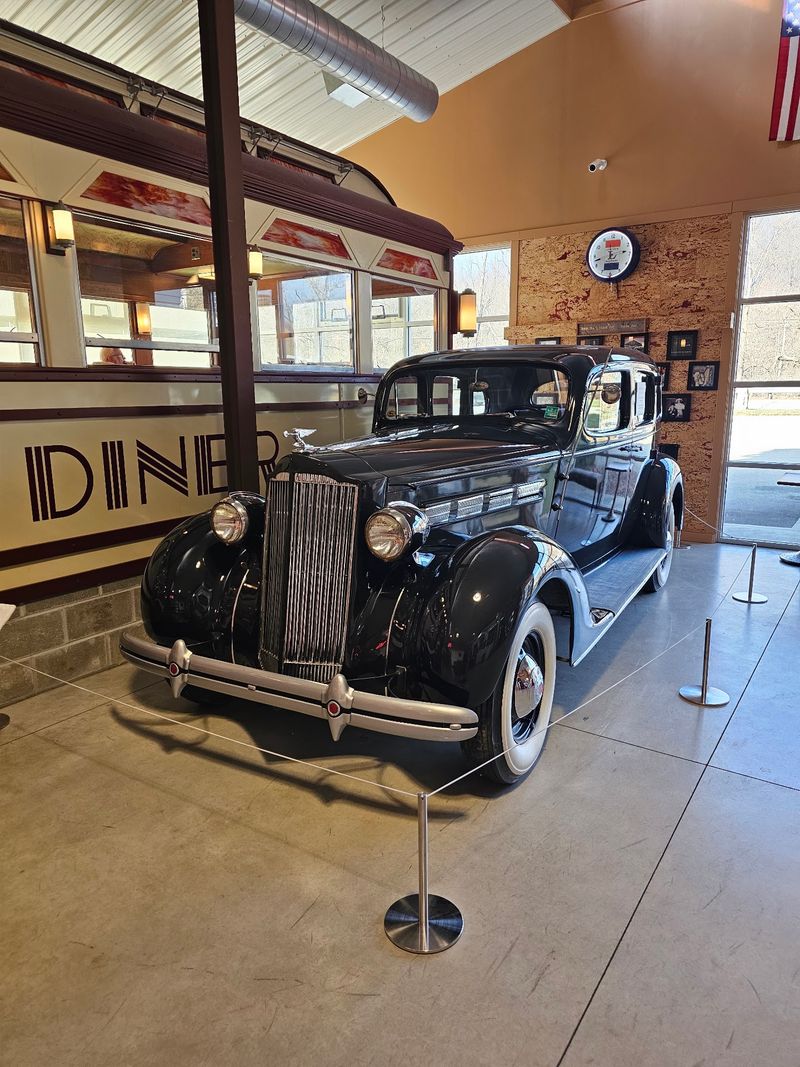
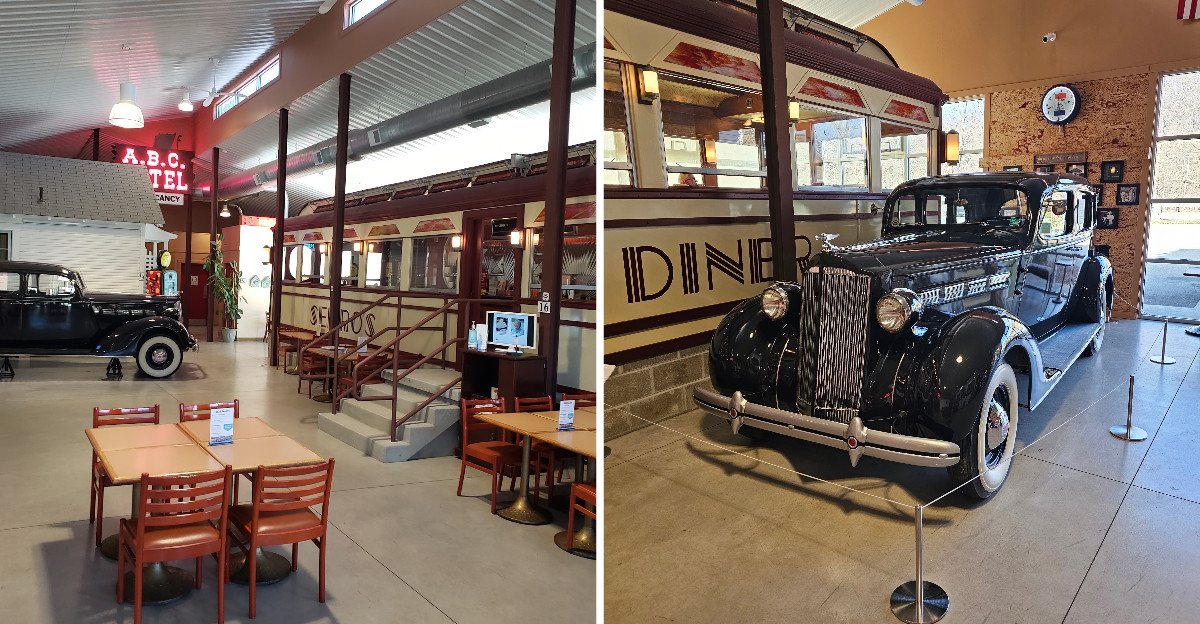
Chrome has a way of grabbing your eyes, and the 1937 Packard had me hooked from across the room. The car is in great shape, with long curves and that classy look of an era when driving felt fancy.
Even people who do not care much about cars tend to stop and stare.
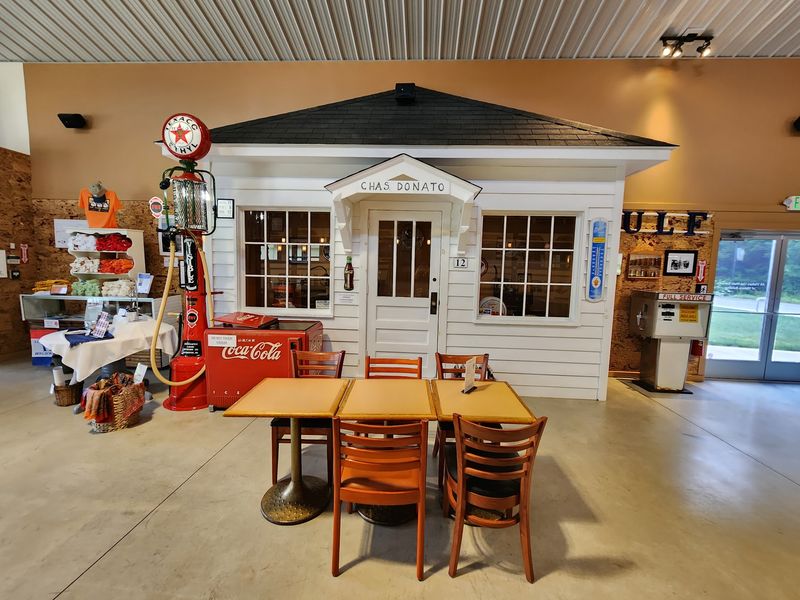
Nearby sits a fully restored tourist cabin. Before big hotel chains, travelers on the Lincoln Highway often slept in little cabins like this one along the roadside.
Peeking inside, I could imagine a family unpacking after a long, bumpy day of driving.
Together with a replica gas station, these displays help you see how road trips actually worked back then. You needed fuel, a bed, and a hot meal, and small businesses popped up to supply all three.
Each stop was part of a bigger chain that kept travelers moving west.
Here is a fun thought to share with kids. Families back then often drove for days with no maps on phones, only paper guides and painted road markers.
Ask them how they would handle that, and you might get some very creative answers about snacks and patience.
Pedal Cars, Postcards, and Plenty of Fun for Kids
Little ones zooming around in pedal cars made me grin, because honestly, I wanted a turn too. The museum has a fun, interactive area for children, and it keeps young visitors happy between the more grown-up exhibits.
Toddlers and older kids both seem to find something to enjoy.
The postcard station is a sweet touch. Each ticket includes one postcard, and the staff will stamp and mail it for you.
Kids get to write a note to a friend or grandparent, which is a skill many of them have never practiced.
I think that is the clever part. Old road trips were full of postcards sent home from diners and motels, so writing one here connects children to that tradition in a hands-on way.
Plus, there is something exciting about knowing your card will show up in a real mailbox days later.
Parents can relax a bit, too. Staff and volunteers are known for being kind and patient, and groups have even had tours adjusted for younger audiences.
Families with everyone from small kids to great-grandparents have enjoyed visiting together, which says a lot about how welcoming the whole place feels.
Pie and Coffee Inside the 1938 Serro’s Diner
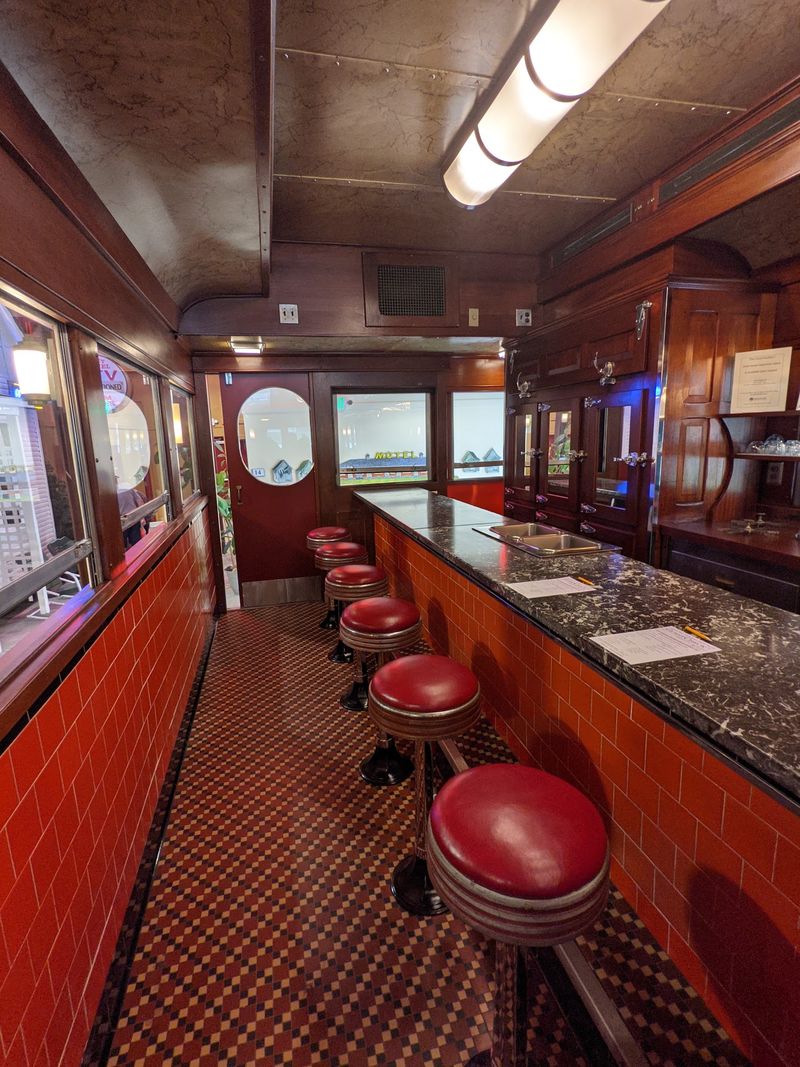
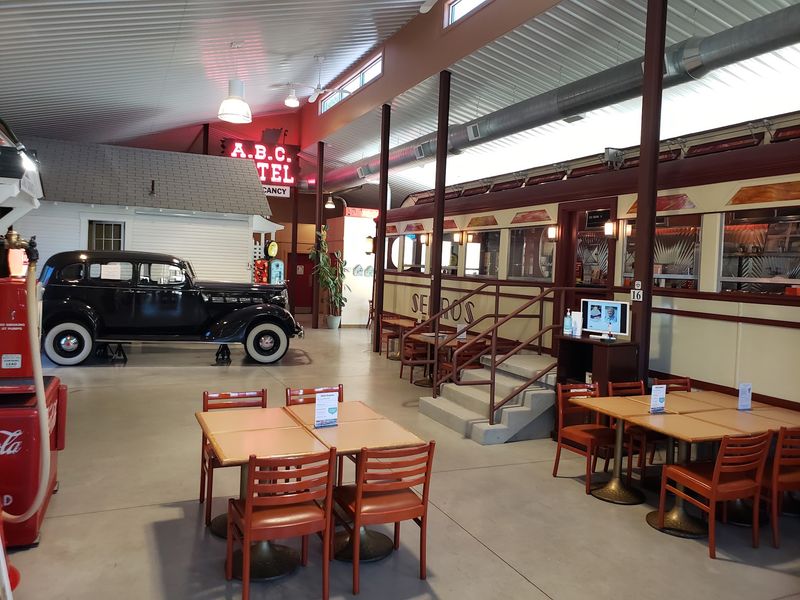
Saving the best for last is an art, and this museum nails it with a real 1938 diner. Serro’s Diner once sat along the highway, and now it has been fully restored inside the building.
The shiny counter and cozy booths look ready for a busy lunch rush.
Your admission includes a slice of pie and a drink like coffee, tea, or water. I picked cherry pie and coffee, then sat at the counter feeling like a traveler from the 1940s.
Some days, kids even get treats like Moon Pies and little soda jerk hats.
Diners were the heartbeat of road trips, giving tired drivers a warm meal and a friendly face. Sitting here helps you understand why so many people still love them.
Volunteers often chat about diner history, and sometimes there is music filling the room.
Plan your visit for Tuesday through Sunday, from 10 AM to 4 PM, since the museum is closed on Mondays. Parking is plentiful, and the stop is easy to reach from Route 30 East.
Take your time with that last bite, because it is the perfect ending to a road trip through history.
Address: 3435 State Route 30 East, Latrobe, Pennsylvania 15650
