A stone building on the bank of a Pennsylvania river caught my attention during a winding drive through the countryside, and I pulled in expecting a quiet lunch. Instead I found walls thick enough to make you wonder how many hands helped stack them, and a history that has quietly outlived almost everything around it.
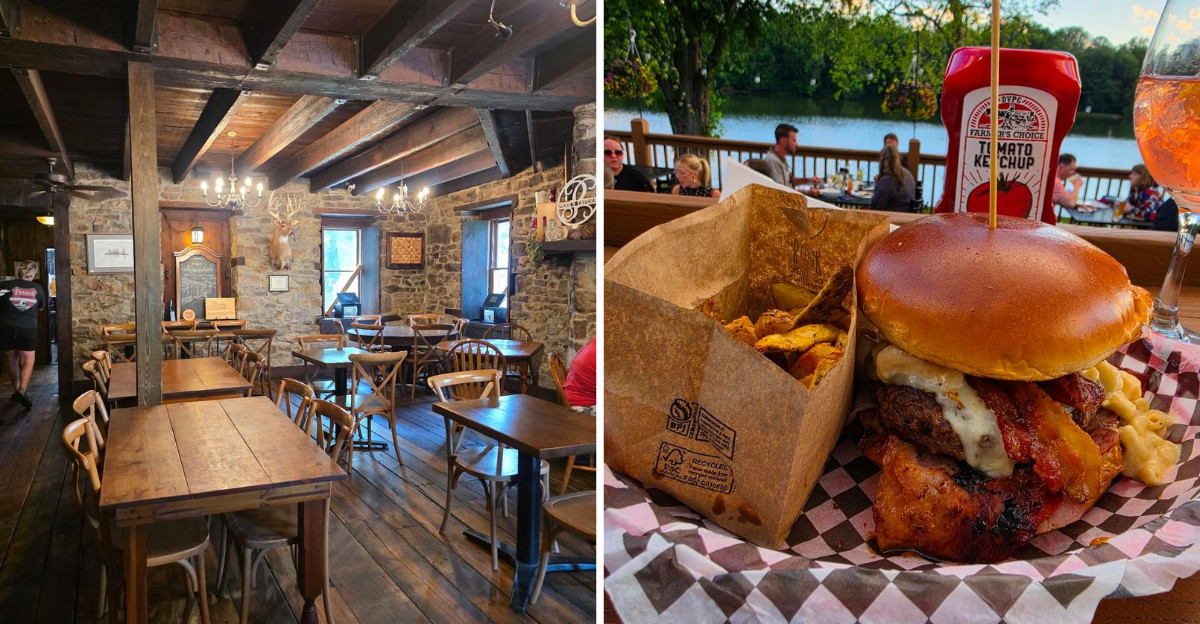
Inside, low wood-beamed ceilings and worn plank floors made me slow down and actually look around, which I almost never do at a restaurant. Outside, a deck faces the water, and a train rolled past on the tracks nearby while I was still reading the menu.
What surprised me most was learning this one building has been a ferry house, a post office, a railroad station, and a hotel over the years, each role adding another layer to its story.
The windows hold the same view they have for over a century, and the river moves past at the same pace it always has.
It is the kind of place where the history feels like part of the meal, not a plaque on the wall.
The Stone Walls That Started It All
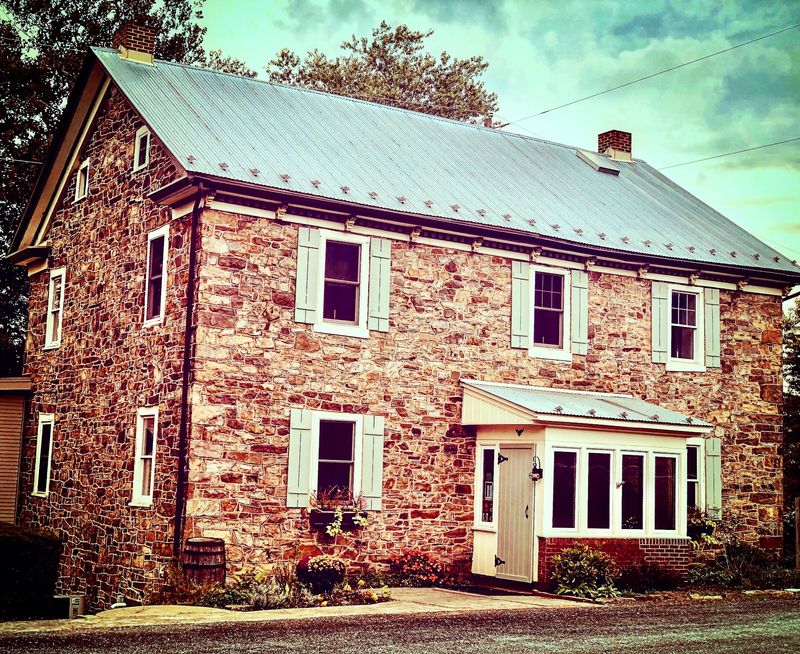
My first few minutes here were spent standing in the parking lot just looking up at the stonework. The building is squat, sturdy, and built from local fieldstone stacked into walls that look almost a foot thick.
Local stories say the tavern dates to 1703, though historians argue about the real date. Some research points to the late 1700s, possibly around 1791, and other studies suggest sometime between 1820 and 1830.
What almost everyone agrees on is that it is an early colonial stone home and one of the oldest structures of its kind in the area.
Honestly, the debate over the exact year made me like it more. A building that has been around long enough for people to lose track of its birthday has earned a little mystery.
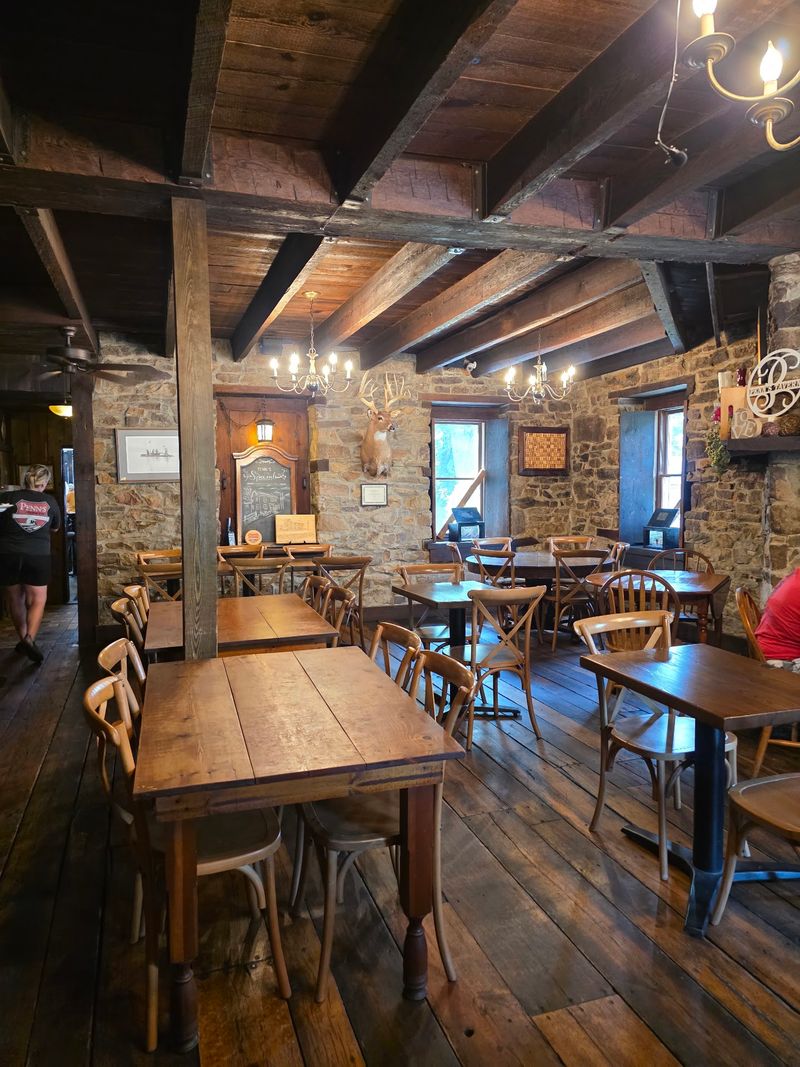
Inside, the stone shows up again in the walls of the oldest dining room, unpainted and uneven in the best way. You can see where mortar was patched, where beams were notched, and where centuries of use have smoothed the edges.
If you appreciate old craftsmanship, get there early and take a slow lap before you sit down.
When Travelers Crossed the River by Ferry
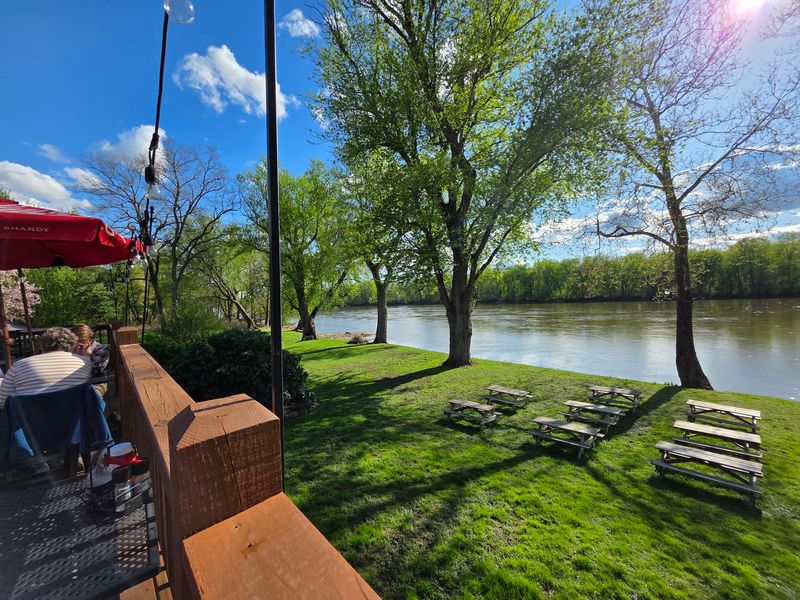
Sitting near the water, it clicked for me why this building exists where it does. Long before bridges were common, people crossed the Susquehanna by ferry, and a ferry crossing needed a place where travelers could rest, eat, and wait.
That is exactly what this stone house did. It served as the ferry house for the crossing here, and the community that grew up around it eventually took the name Fisher’s Ferry.
Think about that for a second. A whole village got its identity from a boat and the building that welcomed passengers off it.
The river still looks wide and unhurried from the property, and it is easy to picture wagons lined up on the bank waiting their turn. Regulars mention the river view more than almost anything else about the place, and I understand why.
I would suggest asking for a table with a water view if the weather is nice, then giving yourself a minute before ordering.
The history here is not stuck behind glass. It is the same water, the same bend, the same reason people stopped in the first place.
Mail Call, The Post Office Years
One detail I did not expect to find in a riverside restaurant was mail history. Starting in 1854, this Pennsylvania building served as the local post office, which made it the communication hub for everyone living nearby.
Back then, a post office was more than a place to drop letters. It was where news arrived, where neighbors bumped into each other, and where a small settlement felt connected to the wider world.
So the same room where you might order lunch once handled letters from relatives hundreds of miles away.
The tavern keeps historical information posted around the building, and I found myself reading pieces of it between courses. It gives the whole visit a nice rhythm, food and stories trading turns.
Bring anyone in your group who likes local history, because there is enough to keep them happy without turning the meal into a museum tour.
My favorite part about the post office chapter is how ordinary it was. No grand events, just decades of people walking through a stone doorway to see if something had come for them.
That kind of everyday history sticks with me longer than the dramatic stuff.
Trains, Whistles, and the 1857 Railroad Station
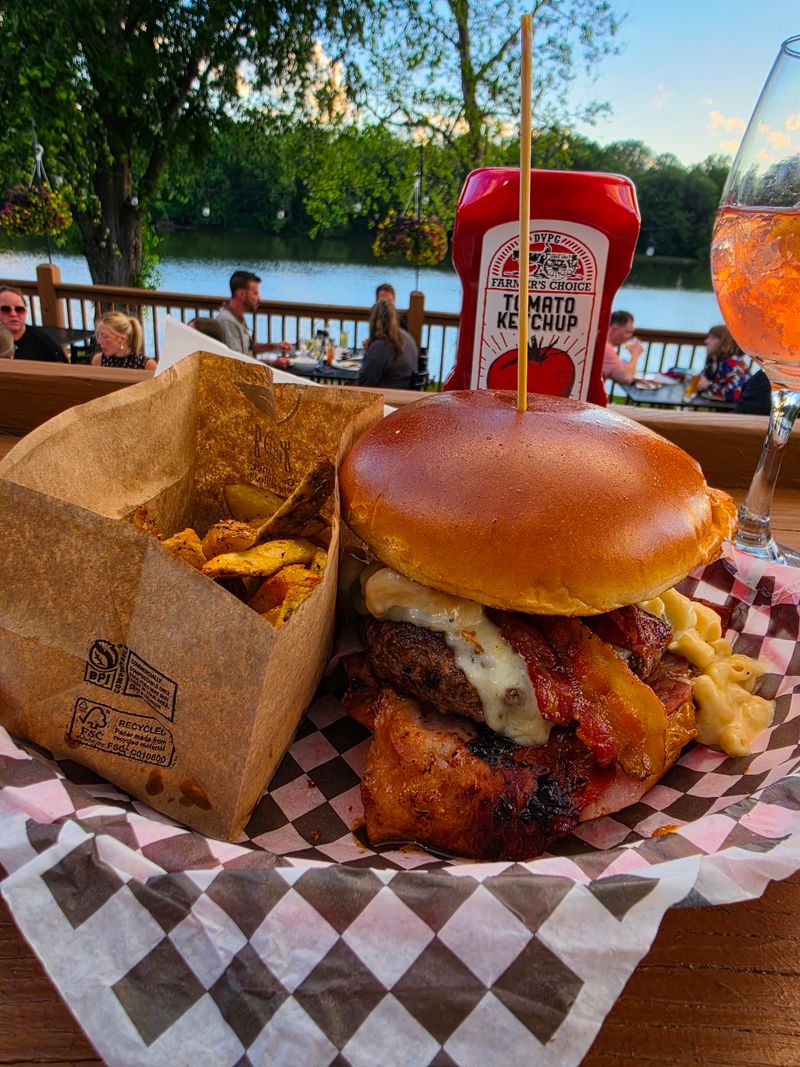
A train rumbled past while I was still deciding what to order, and it turned out to be the most fitting soundtrack possible. In 1857, this building became a railroad station, serving the line that runs right alongside the property.
Trains still pass close enough to hear clearly. Instead of feeling like an interruption, it felt like the building remembering an old job.
Railroads changed everything for river towns like this one, shifting how goods and people moved and slowly making ferry crossings less essential.
Guests seem to enjoy the trains as much as I did, especially families with kids who perk right up at the sound. If you are dining outside, you get a front row view of the tracks and the water at the same time.
Here is a small tip: sit on the deck side if train watching sounds fun, or head into the interior rooms if you would rather keep things quiet.
Few restaurants can claim they once sold tickets to the very trains passing their windows. Penn’s Tavern can, and the timing of that whistle made my visit feel a little bit staged in the best possible way.
Rooms for Rent in the Old Hotel Days
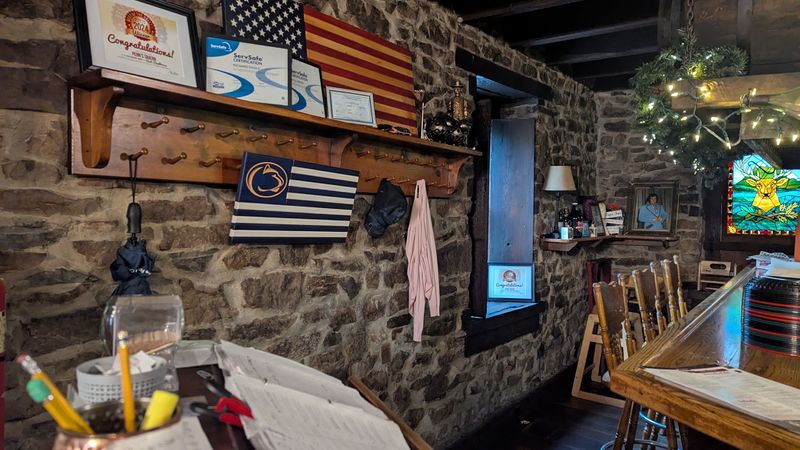
Upstairs rooms and a river crossing go together, and for years this building worked as a hotel. Travelers arriving by ferry or later by train needed somewhere to sleep, and a stone inn on the bank was the obvious answer.
You can feel that layered use in how the interior is laid out. Rooms tuck into corners, doorways sit lower than modern ones, and each space has its own personality.
The oldest section, called the 1700s Room, is where I would want to eat on a cold night. Exposed stone walls, a stone fireplace, dark wood details, vintage chandeliers, antique barrels, and old copper cooking tools all fill the space.
Larger groups often get seated in a back room with a fireplace, wide plank floors, and windows facing the river, which sounds like a great spot for a birthday or anniversary gathering.
My advice is to peek into more than one room before you settle in. There is also a Microbrew River Pub area with a more casual, easygoing feel.
The building has hosted people passing through for generations, and honestly, it still feels built for welcoming strangers.
The Riverside Deck Where Dogs Get Treats Too
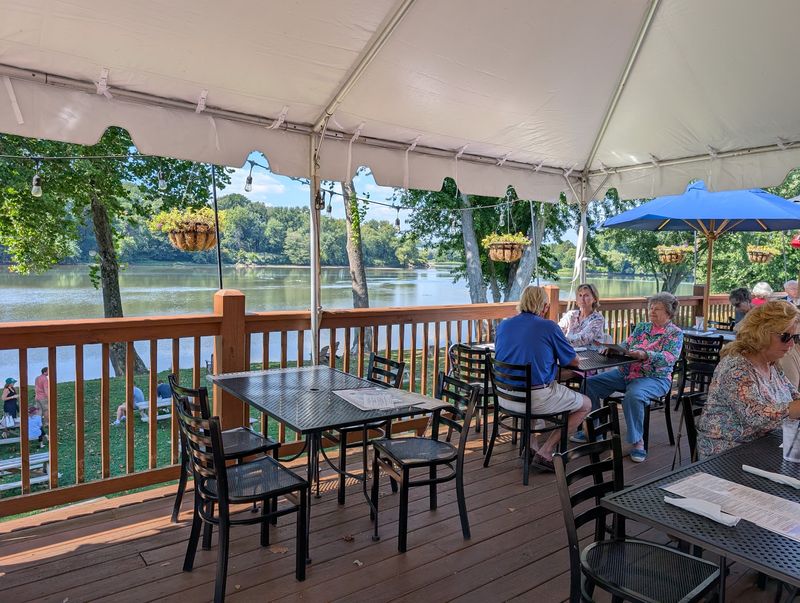
Warm weather turns the deck into the best seat on the property, and I get why people plan whole afternoons around it. Tables spread out toward the water, the trees frame the far bank, and the river does that slow shimmering thing all afternoon.
Regulars say the view works in every season, whether it is a sunny March day or the middle of a snowstorm. I only saw it in mild weather, and it was already hard to leave.
Dogs are welcome out here, complete with bowls and treats for the four-legged guests.
Live music shows up frequently, often on the deck, and it draws a crowd. That means reservations are a smart move, especially on a nice evening or a weekend.
Hours run 11 AM to 8 PM Tuesday through Saturday, 11 AM to 3 PM on Sunday, and the tavern is closed Mondays.
Parking recently got paved, which regulars will appreciate. If the deck is full when you arrive, put your name in and wander toward the water for a few minutes.
The wait passes quickly with a river in front of you.
German Plates and Surprising Seafood by the Susquehanna
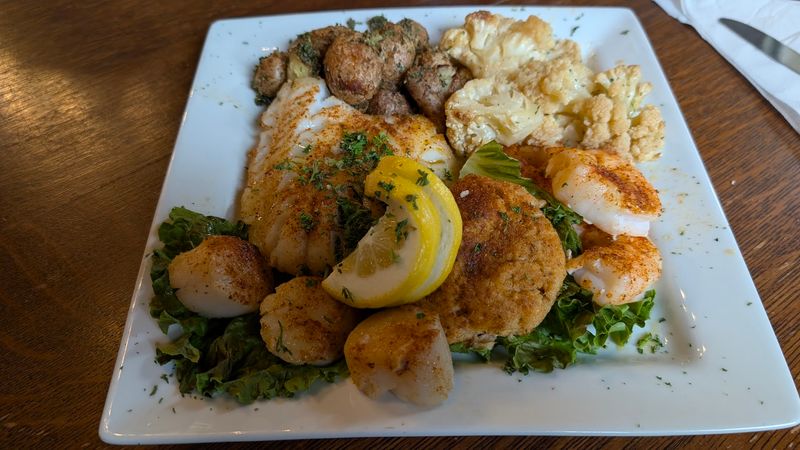
Here is the part that genuinely caught me off guard: a stone tavern a hundred miles up from the Chesapeake has a real knack for seafood. Crab cakes, seafood nachos, a lobster roll, and a Fish Reuben all get mentioned constantly by people who eat here often.
Alongside that runs a whole German side of the menu. Jagerschnitzel, Wiener Schnitzel, and Chicken Wilhelm come with sides like spaetzle and red cabbage, a nod to the building’s roots.
Prime rib is the other name that keeps coming up, and burgers get creative with options like bison, wild boar, and a Bayou version.
Appetizers lean fun rather than fussy. Spinach dip, wings, blistered Brussels sprouts, and a crab pretzel with a creamy cheese sauce all make the rounds.
Seasonal specials rotate too, and past runs have included Caribbean flavors, coconut curry mussels, jerk chicken, and Key Lime Pie.
If you cannot decide, order one German plate and one seafood plate for the table and split them. That combination sums up the place better than anything else on the menu.
Address: 113 River Road, Route 147, Sunbury, Pennsylvania
