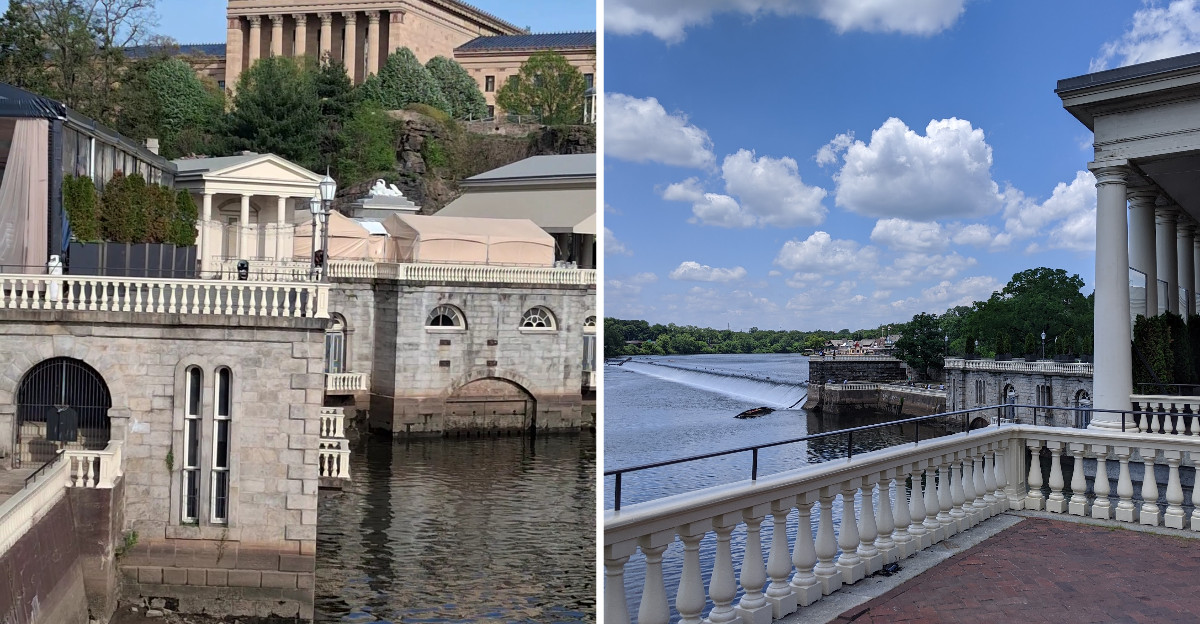
Greek temples lined up on the edge of a Pennsylvania river are not what most people expect to find on a morning walk. White columns glow in the light, geese waddle along the path, and a grand art museum looms on the cliff above like a proud parent watching over everything.
What was meant to be a quick riverside stroll turned into hours of wandering. This building has lived more lives than most people ever will.
It pumped drinking water for an entire city, then held tanks of fish, then splashed with swimmers until a hurricane rolled in and changed everything. Walking the grounds, the layers of history stack up one after another.
The old machinery still sits inside, and the river still moves past the same walls that have stood for over a century. Grab a comfortable pair of shoes, because this story winds along the water just like the trail out front.
History here feels close enough to touch, and the view is worth every step.
A Thirsty City Builds a Temple for Water
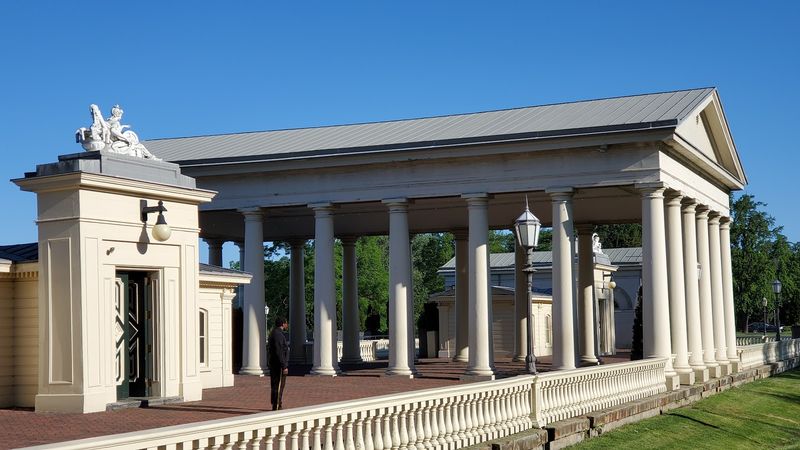
My neck got sore from looking up at all those columns, and I did not mind one bit. Back in the early 1800s, Philadelphia, Pennsylvania was growing fast and needed clean drinking water badly.
The answer opened in 1815, and for a long time it was the main pumping station feeding the city.
Engineers designed it to pull water from the Schuylkill River and send it to homes and streets. What surprised me most is that they did not just build a plain factory.
They dressed the whole thing up like an ancient Greek temple, with elegant buildings, tidy gardens, and walkways right beside the river.
People noticed. Visitors came from across the country and even from overseas to admire it, and the famous writers praised the place.
It became a top tourist stop, which is kind of funny when you remember it was basically a giant plumbing project.
Here is my tip for your visit. Stand on the deck near the dam and watch the water rush over it for a few minutes, then picture the big wheels and machines that once moved all that water uphill.
It makes the whole history click in a way no sign ever could.
When Pumps Went Quiet and Fish Moved In
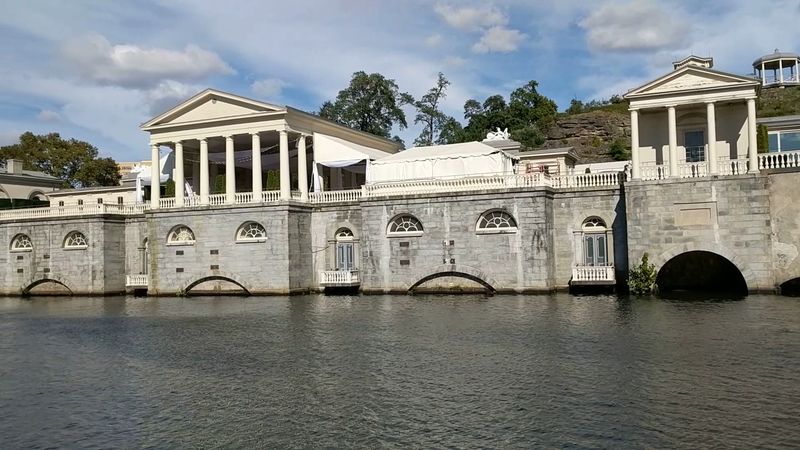
Fish living inside a retired water pump? I laughed out loud when I first read that, but it is completely true.
As factories crowded the riverbanks, the Schuylkill got dirtier, and the city switched to sand filtration at other sites.
By 1909, the pumping station was shut down. The huge machines that had kept Philadelphia hydrated for nearly a century went silent, and for a short while it seemed like the story might end there.
Instead, the city got creative. In 1911, the old buildings reopened as the Philadelphia Aquarium, and families poured in to see colorful fish swimming behind glass.
I love imagining kids pressing their noses to the tanks while grand old arches stretched overhead.
The aquarium stayed open for about fifty years, which means grandparents could bring grandchildren to the same spot where they once stared at fish as little kids. That kind of shared memory is pretty special.
Fun fact for your next trivia night: this building went from moving water for people to holding water for animals. When you visit, look around the rooms and try to guess where the tanks might have stood.
It is a fun game to play with friends or younger siblings.
Cannonballs and Olympic Dreams at the Kelly Pool
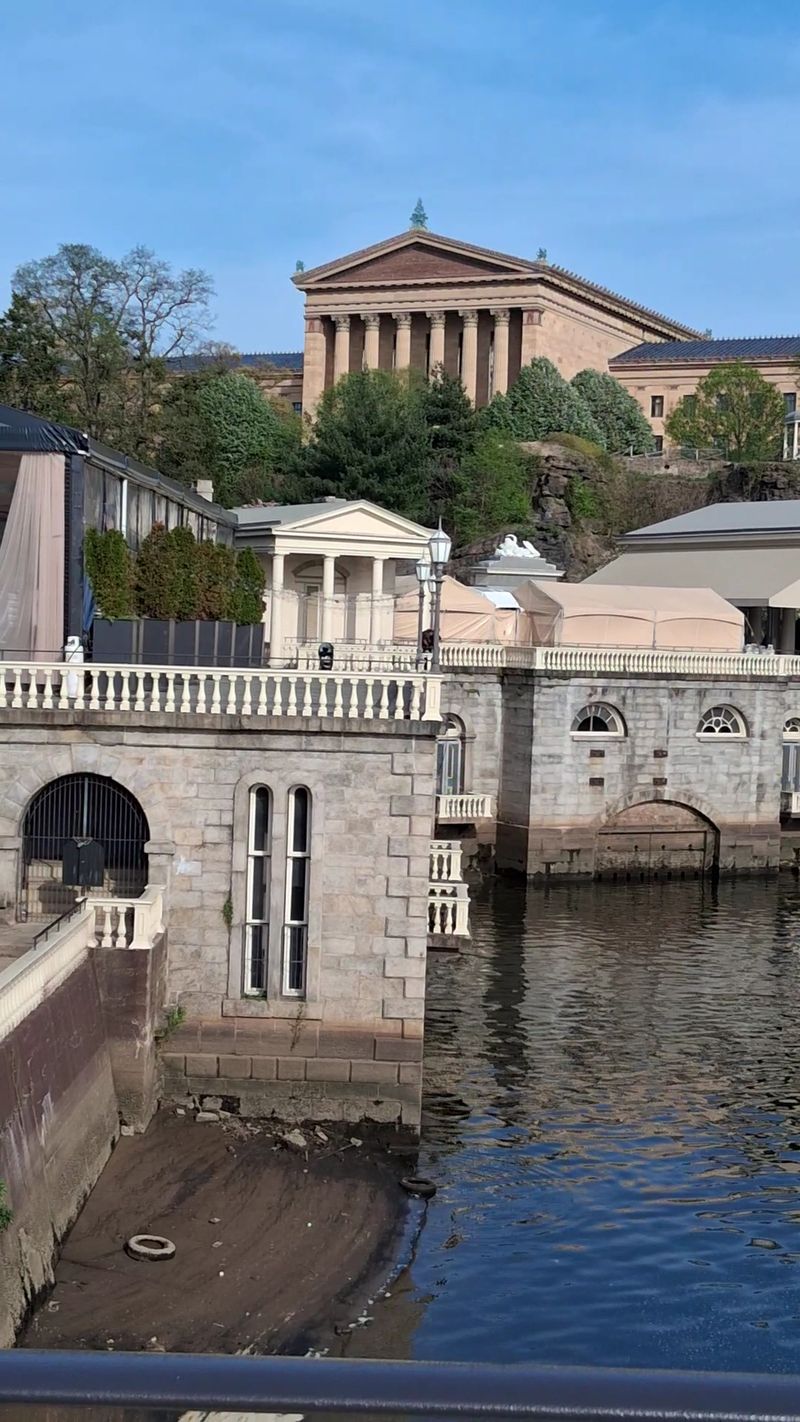
Splash! That is the sound I kept hearing in my head as I learned about the next chapter.
Once the aquarium closed in 1962, part of the complex was turned into a swimming pool called the John B. Kelly Pool, also known as the Kelly Natatorium.
The name has a cool backstory. John B.
Kelly was an Olympic gold medalist in rowing, a sport you can still watch on this very river, and his family helped fund the pool. His daughter was Grace Kelly, the movie star who became Princess of Monaco, so the place came with a sprinkle of celebrity sparkle.
At first, serious athletes used the pool for Olympic training. Later it opened to everyone, and regular Philadelphians could cool off during sticky summer days or learn to swim year round.
I find it heartwarming that a spot built to keep people healthy with clean water kept doing that job, just in a new way. Swimming laps is a lot more fun than drinking from a pipe, after all.
If you love sports history, take a stroll past nearby Boathouse Row afterward. Seeing the rowing clubs makes the Kelly family connection feel real and close.
The Storm That Emptied the Pool
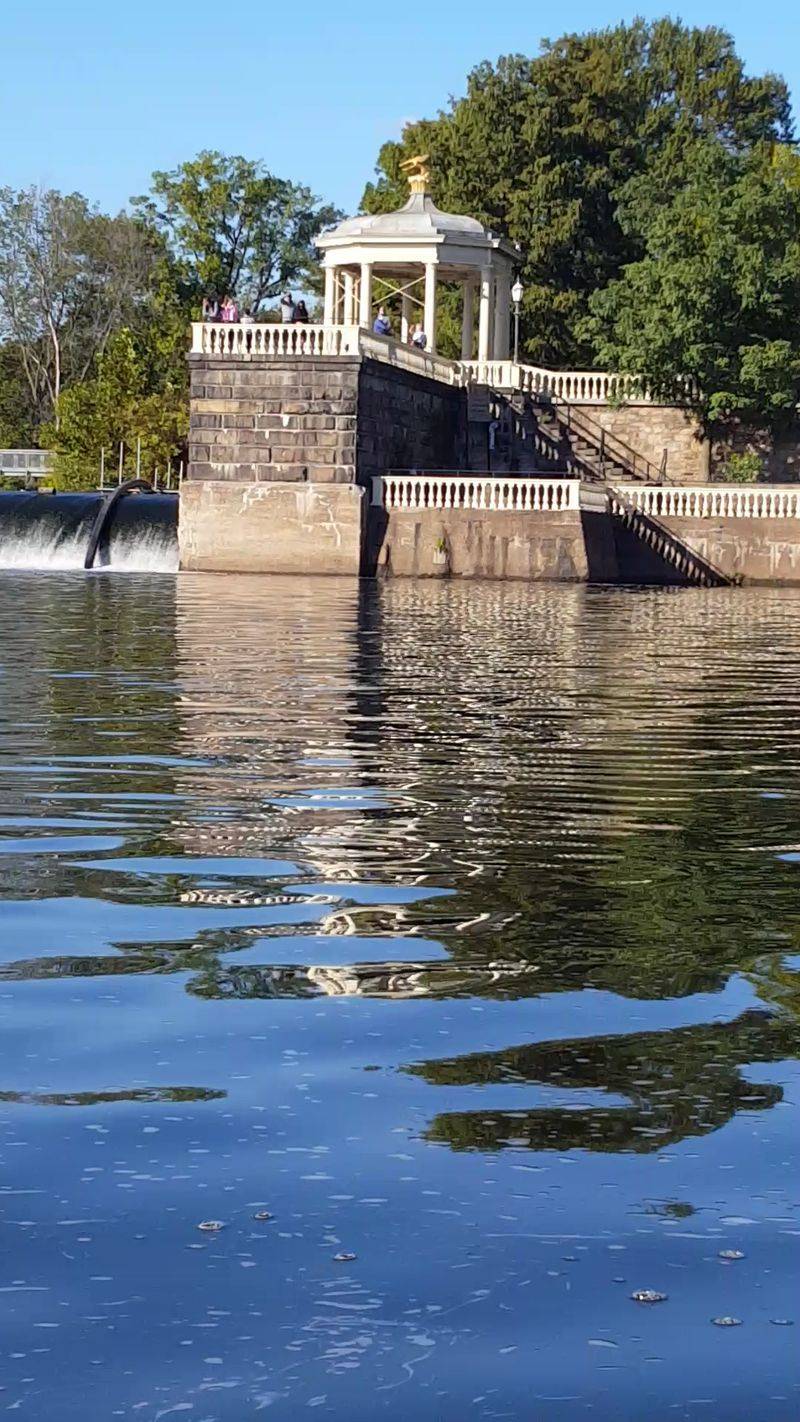
Rivers can look so calm, and that fooled me for a minute too. In 1972, Hurricane Agnes swept through the region and dumped rain for days, and the Schuylkill swelled far beyond its normal banks.
Floodwater poured into the Kelly Pool. The damage was so bad that the pool could not be fixed for use, and it closed for good after only about a decade of laughter and laps.
I felt a little sad thinking about it. One week, kids were doing cannonballs, and soon after, the place sat silent and muddy, waiting for someone to decide what came next.
The storm taught a big lesson that still matters. Buildings right next to a river get amazing views, but they also face real risk when nature gets wild.
The same water that made this site useful could also shut it down.
Here is a thoughtful thing to try on your visit. Look at the river level and then glance up at the buildings, and picture the water climbing higher and higher.
It gives you fresh respect for how powerful storms can be, and why cities plan for them today. The old pool area is usually closed, though special exhibits have opened it occasionally.
Rescued, Restored, and Teaching Again
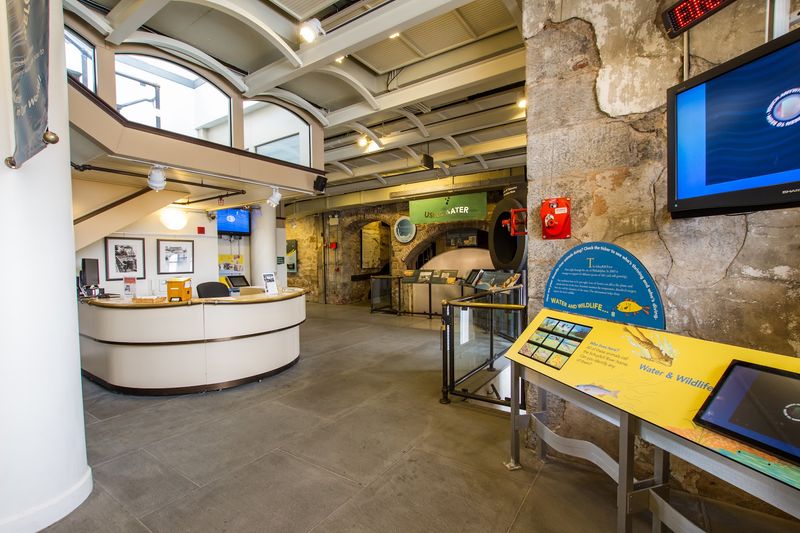
Quiet years followed the flood, and parts of the complex fell into neglect. Luckily, people who cared about history refused to let a National Historic Landmark crumble away.
A long restoration effort brought the buildings back to life. In 2003, the site reopened as the Fairmount Water Works Interpretive Center, run by the Philadelphia Water Department, and it focuses on teaching visitors about water and the environment.
I went in expecting dusty displays and was happily wrong. The exhibits are hands-on and easy to understand, explaining where Philly’s water comes from, how a watershed works, and why keeping rivers clean matters for everyone.
Better still, admission is free. That makes it a great stop for families, students, or anyone wandering along the river trail who wants to learn something new without planning a whole day around it.
My honest advice is to give yourself at least an hour inside. Read a few panels, push a few buttons, and you might leave thinking about how long you let the faucet run while brushing your teeth.
Small habits add up, and this place has a sneaky way of making you notice them.
Hours are Wednesday through Saturday, 10 AM to 5 PM.
Ida Returns the River to the Doorstep
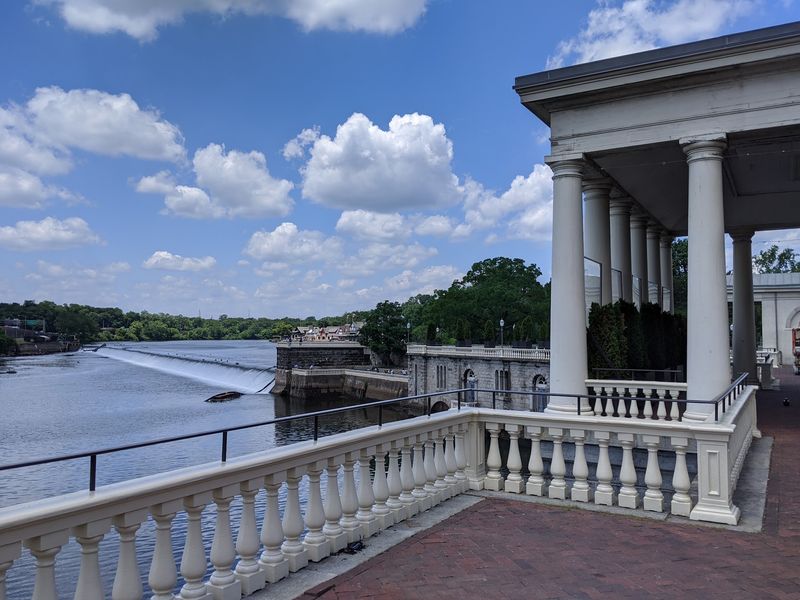
History has a funny habit of repeating itself, and the river clearly did not get the memo that the flooding era was over. In September 2021, Hurricane Ida pushed the Schuylkill to very high levels once again.
Water flowed into parts of the interpretive center and damaged exhibits. Staff were getting ready to open a new exhibition when the flood hit, which must have been a stressful week, to say the least.
Instead of giving up, the Water Works treated the flood as a lesson. The team began working on a plan called the Blueprint for Readiness, which explores smart ways to protect the site from rising water.
What I find really encouraging is that they want to share what they learn. Other old buildings near rivers face the same challenge, so ideas tested here could help places far beyond Philadelphia.
It reminded me that caring for history is not a one-time job. You fix things, you learn, and you prepare for the next storm.
When you visit, think of the buildings as a classroom that is still being written. The river keeps adding chapters, and the people here keep finding clever ways to answer back.
Sunsets, Geese, and a Riverside Stroll
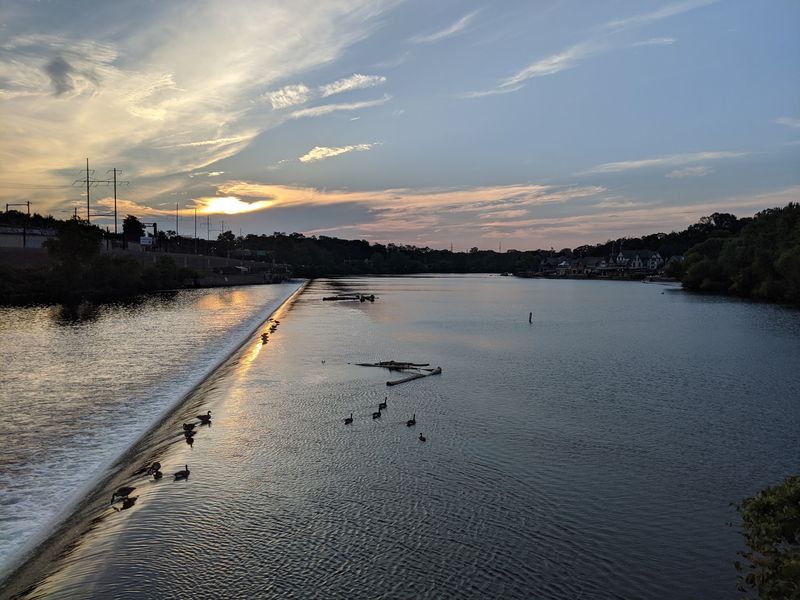
Golden hour here might be my favorite time anywhere in Philly. The columns turn warm orange, rowers glide across the water, and Boathouse Row sits just down the bank looking like a postcard.
You can reach the site easily on foot. A path winds down from behind the Philadelphia Museum of Art, and the Schuylkill River Trail runs right past, so joggers, cyclists, and walkers drift by all day long.
Out on the deck you can watch the dam spill water and spot people fishing nearby. Geese and ducks hang around the grass, clearly very confident that someone will share a snack.
The grounds are lovely for a picnic, a quiet date, or photos. You will often see couples posing for engagement pictures, and the complex hosts weddings and elegant events in spaces like the Engine House and the Grand Pavilion.
My tip is simple. Visit the free exhibits in the afternoon, then stay outside until the sun drops behind the trees.
On a hot day, the cool indoor air feels amazing too.
From temple to aquarium to pool to classroom, this place keeps reinventing itself, and that makes every visit feel fresh.
Address: 640 Waterworks Dr, Philadelphia, Pennsylvania 19130
