Buying a little land is one thing.
Amassing tens of thousands of acres is something else entirely.
In the late 19th and early 20th centuries, a wealthy Philadelphia industrialist gradually built up a massive landholding across South Jersey, eventually controlling roughly 96,000 acres.
His plans for the property were ambitious, but history had other ideas.
After his death, the state eventually acquired much of the land.
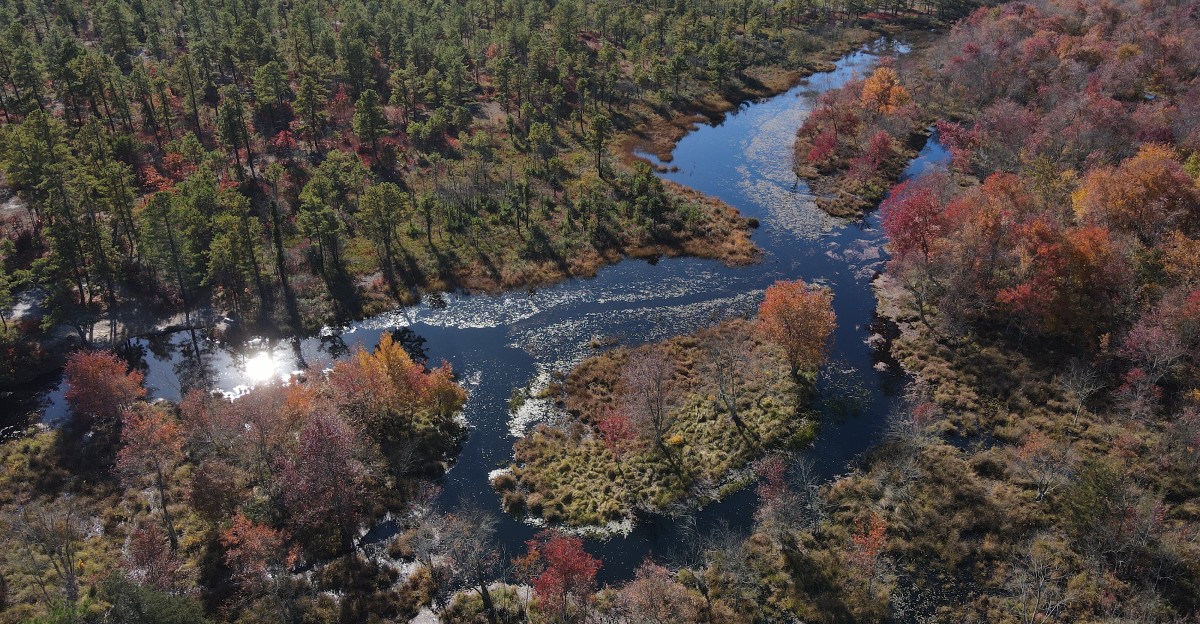
Today, that enormous tract forms the heart of New Jersey’s largest state forest, filled with pine woods, rivers, old roads, historic villages, and miles of quiet wilderness.
What started as one man’s private vision became something far bigger.
Funny how land can outlive the plans people make for it.
A Big Plan for Pine Barrens Water
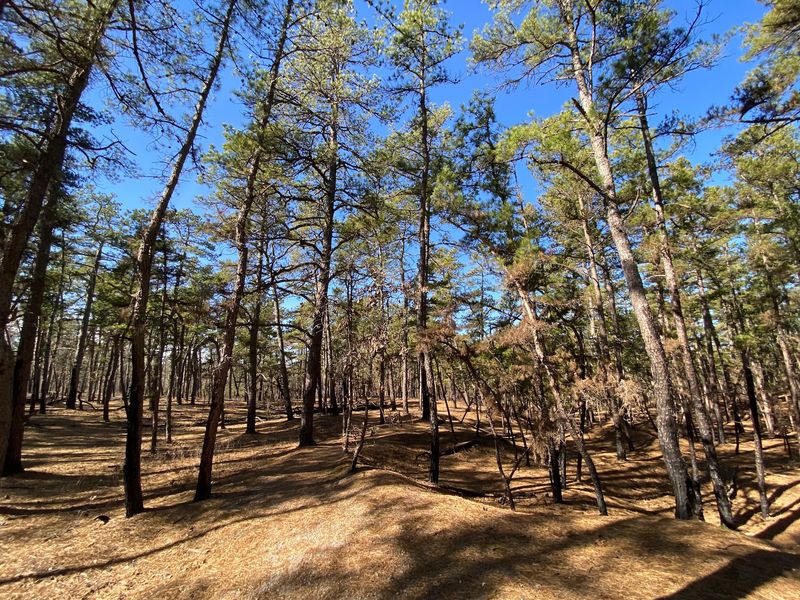
Picture a businessman looking at miles of sandy pine forest and seeing a giant water tank. That is pretty much what Joseph Wharton, a Philadelphia industrialist, saw here.
Starting in 1873, he bought up land and empty old settlements across the Pine Barrens.
His buying spree kept going for years. In the end, he gathered about 96,000 acres, which is a mind-boggling amount of land for one person to own.
I honestly had to read that number twice.
So why did he want it? Under the sandy soil sits a huge supply of clean groundwater.
Wharton hoped to send that water across the Delaware River to give Philadelphia fresh drinking water as the city kept growing.
New Jersey lawmakers had other ideas. In 1884, they passed a law that stopped anyone from exporting water out of the state, and his dream dried up fast.
Here is the fun twist, though. Because his plan failed, the land stayed mostly wild.
Today, when you stand by a clear, coffee-colored stream, you are looking at the very treasure he once tried to ship away.
How Private Land Turned Public
Land deals usually sound boring. This one is different, since it handed a giant forest to regular folks like you and me.
After Wharton died in 1909, his Pine Barrens property did not get split up and sold off. Instead, the Girard Trust Company in Philadelphia managed it for decades.
The woods quietly kept growing while the world around them changed.
By the middle of the 1900s, people started to see how special this land really was. The State of New Jersey began buying the Wharton properties in 1954 and 1955.
On December 30, 1954, the land officially became Wharton State Forest, named after the man who had pieced it together.
More purchases followed in 1956. That first chunk of 96,000 acres became the heart of the forest.
Today the park covers more than 124,000 acres. That makes it the largest single tract of land in the whole state park system.
My tip? Grab a paper map before you go, because cell service can get spotty out here, and the sand roads all start to look alike.
Batsto Village, Frozen in the 1800s
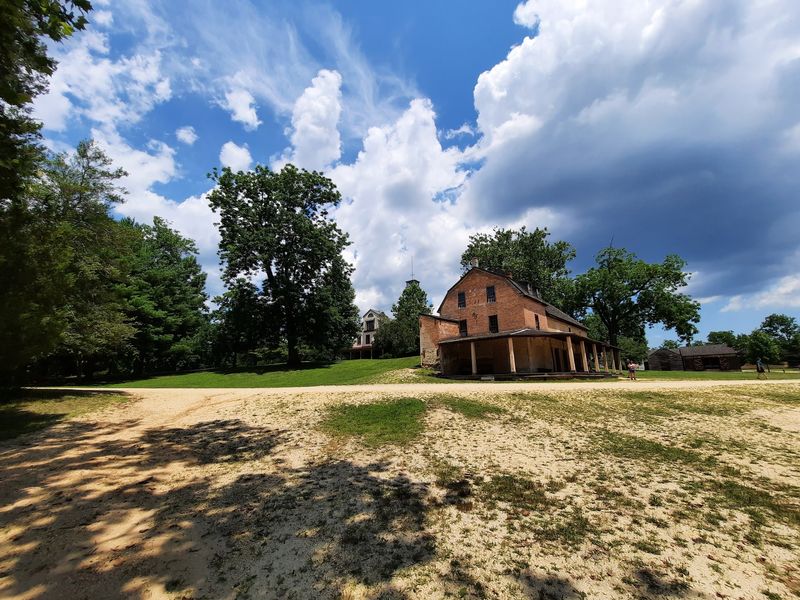
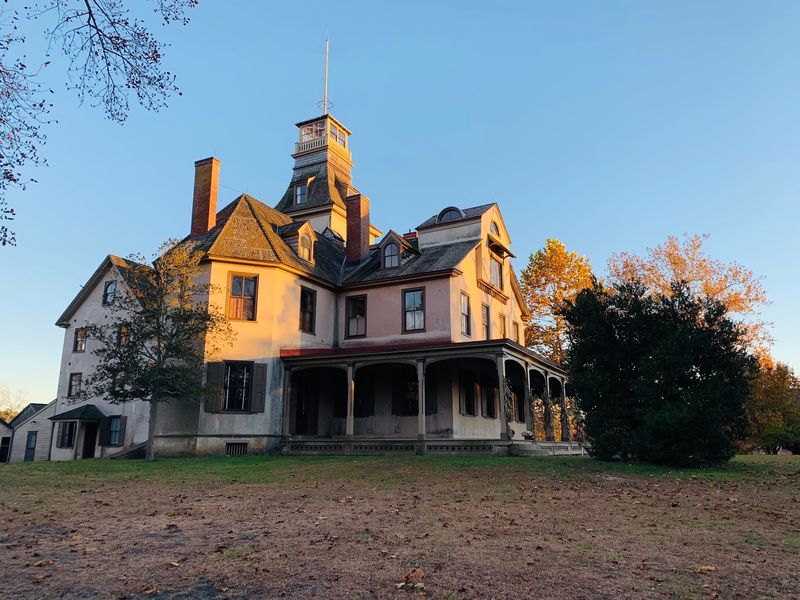
Old buildings, a sleepy lake, and a mansion with a tower. My first look at Batsto Village made me want to slow down and wander without a plan.
Its story starts in 1766, when an iron furnace was built along the Batsto River. During the American Revolution, the Batsto Iron Works supplied the Continental Army with iron goods, including cannonballs.
Later, when the iron business faded, the village switched to making glass for a while.
Wharton bought Batsto in 1876 and turned it into a farming and milling community. It became one of his private estates.
Now you can explore more than thirty historic buildings. Highlights include the 36-room Batsto Mansion, a general store, a blacksmith shop, and a barn complex.
The 1852 post office still hand-cancels mail, so bring a postcard to send home.
Kids usually love the water-powered sawmill from 1882. Self-guided walks of the grounds run daily, and guided mansion tours share extra history.
Don’t skip the Annie M. Carter Nature Center, which explains the plants and animals living all around you.
Rivers the Color of Sweet Tea
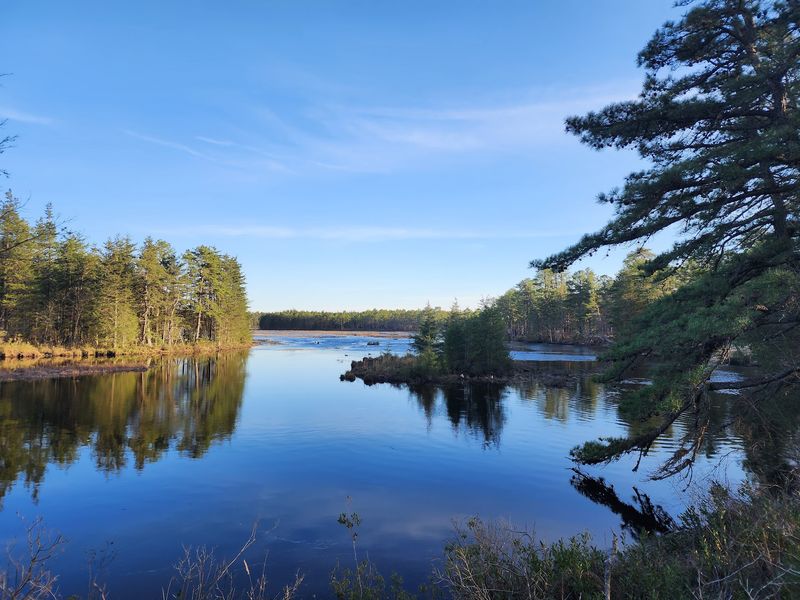
Dip your hand in the water and it looks like iced tea. Don’t worry, nothing is wrong with it.
The color comes from cedar trees and plant matter that tint the streams a rich amber.
Paddling is one of the best ways to see Wharton State Forest up close. The Mullica, Batsto, and Oswego rivers are favorites for canoes and kayaks.
Each one twists through a slightly different slice of the woods.
Out on the water, the noise of roads disappears. You hear the paddle splash, a bird calling somewhere, and that’s about it.
Honestly, it’s the quietest my brain gets all year.
Some stretches can have fallen trees or low branches blocking the way. Pack a little patience and wear shoes you don’t mind getting wet.
A dry bag for snacks and your phone is a smart move too.
With so many waterways to choose from, there’s almost always a pretty route open. Beginners might like shorter, calmer runs first, while more experienced paddlers can stretch out for longer trips deep into the forest’s interior.
Miles of Trails and Sandy Roads
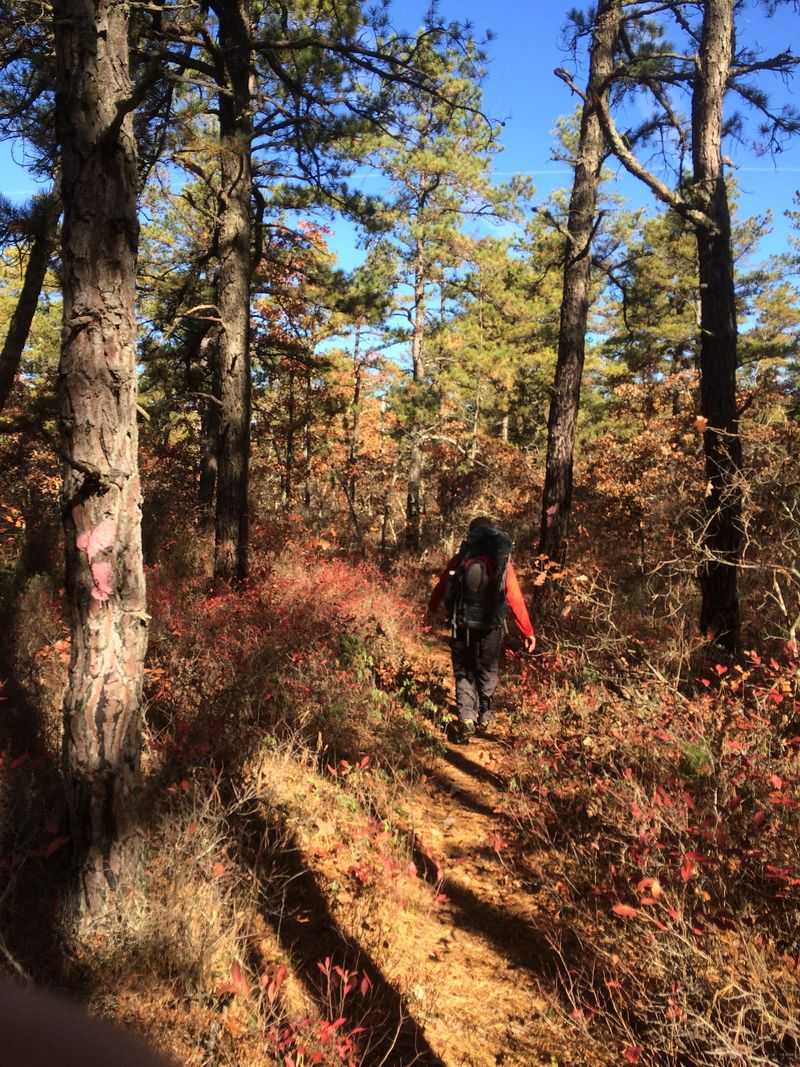
Sand gets everywhere. Your shoes, your socks, your car floor.
It’s a small price for the trails out here, which feel endless in the best way.
The forest has about 77 miles of marked hiking trails. A big part of the Batona Trail, a 50-mile route that links several state forests, passes right through.
Look for the pink blazes painted on the trees to stay on track.
The paths roll from thick pine stands into open, sunny stretches of white sand. Lots of the ground is fairly flat, which makes it friendly for newer hikers.
Still, soft sand can tire out your legs faster than you’d expect.
Not into hiking? There are hundreds of miles of unpaved sand roads too.
Mountain bikers and horseback riders use them all year long.
Here’s my practical advice. Bring more water than you think you need, wear bug spray in warm months, and check yourself for ticks afterward.
Wider bike tires help a lot on loose sand, so skinny road tires are better left at home.
Apple Pie Hill and Its Sky-High View
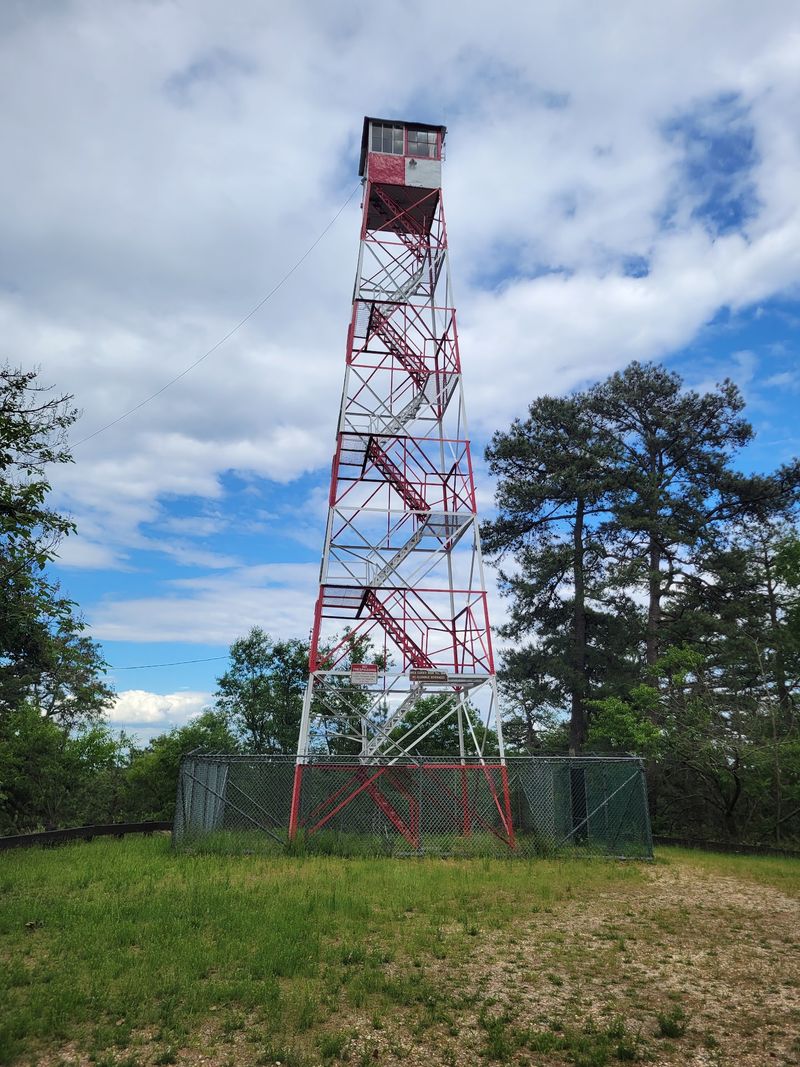
Yes, the name made me hungry too. Sadly, there’s no pie at the top, but the view is a pretty sweet trade.
Apple Pie Hill is one of the most rewarding stops for hikers in the forest. It sits along the Batona Trail.
Perched on top is a 60-foot fire tower run by the New Jersey Forest Fire Service.
From up high, the Pinelands spread out like a giant green carpet. Trees stretch to the horizon in nearly every direction.
It really helps you understand just how huge this protected area is.
Fire towers like this one have a serious job. Spotters watch for smoke, since the Pine Barrens are a landscape shaped by fire.
Pitch pines are tough and can even sprout again after flames pass through.
A few tips before you climb. Pick a clear day for the best views, and hold the railings, since the steps can feel steep.
If heights make your stomach flip, the walk through the woods to the base is still a lovely outing by itself.
Eagles, Otters, and Other Neighbors
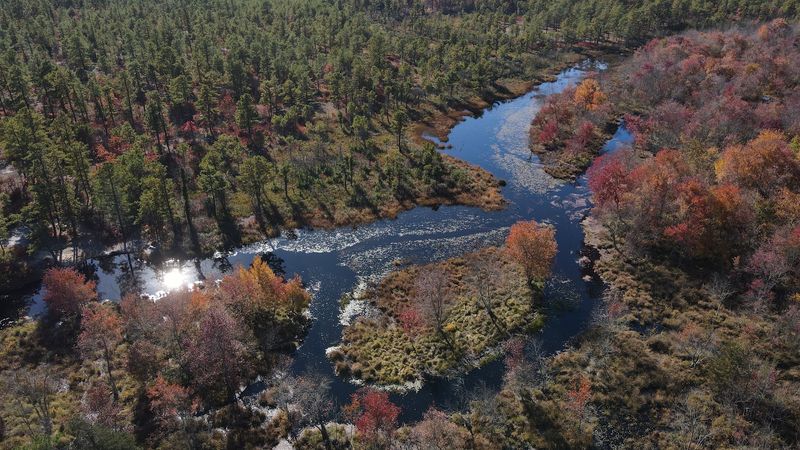
Patience pays off in these woods. Sit quietly for a few minutes and the forest starts to show off.
Wharton State Forest is a key home for many birds and animals. Depending on the season, you might spot bald eagles, red-tailed hawks, or an osprey diving for fish.
Great blue herons tiptoe through wetlands like they own the place.
At night, listen for owls. Screech owls and great horned owls both live here.
On the ground, keep an eye out for wild turkeys, deer, and foxes. Beavers and river otters live along the waterways too, though otters are shy and quick.
Spotting one feels like winning a tiny prize.
The plants are just as interesting. Bracken ferns cover the forest floor, while pitch pine and other pines fill the canopy.
Atlantic white cedar, red maple, blackgum, and several oaks round out the mix.
For the best wildlife luck, go early in the morning or near sunset. Bring binoculars, move slowly, and give every animal plenty of space.
A simple field guide makes the hunt even more fun.
Campfires Under a Pine Ceiling
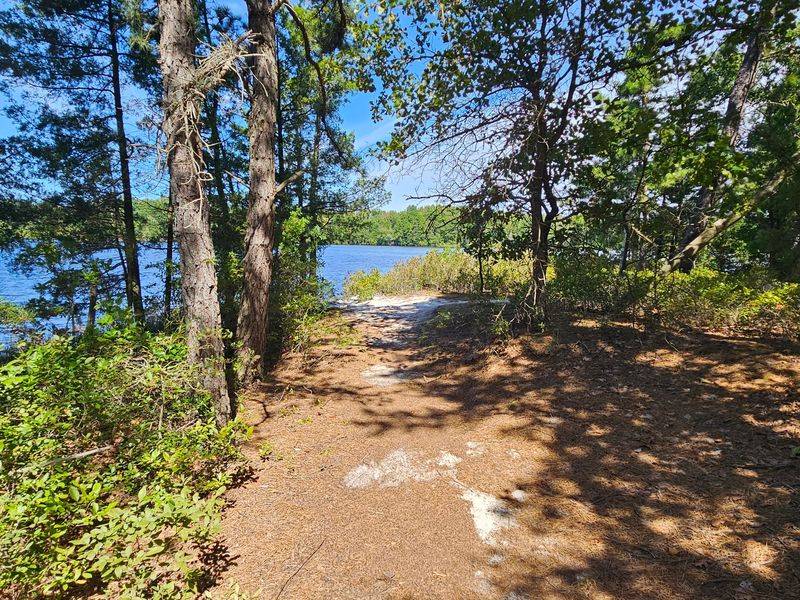
Nothing beats falling asleep to wind moving through pine needles. The woods smell like sap and damp earth, and the quiet feels thick enough to touch.
Camping comes in a few flavors here. Wilderness sites are reachable only by hiking or canoe, so you’ll carry everything in yourself.
That kind of trip is great for people who want real solitude.
Prefer a little comfort? The family-style campground at the Atsion Recreation Area offers more amenities.
It makes a cozy home base for exploring the rest of the forest by day.
Planning matters with camping. Reserve your site ahead of time, especially on busy weekends.
Pack layers too, because nights in the Pinelands can turn cool even after a warm afternoon.
A few small habits keep things nice for everyone. Follow fire rules, store food so critters can’t grab it, and leave no trash behind.
The forest has survived a lot over the years, and a little care helps it stay wild.
Bonus tip: on a clear night, look up. Away from city lights, the stars put on a great show.
A Legacy Worth Exploring
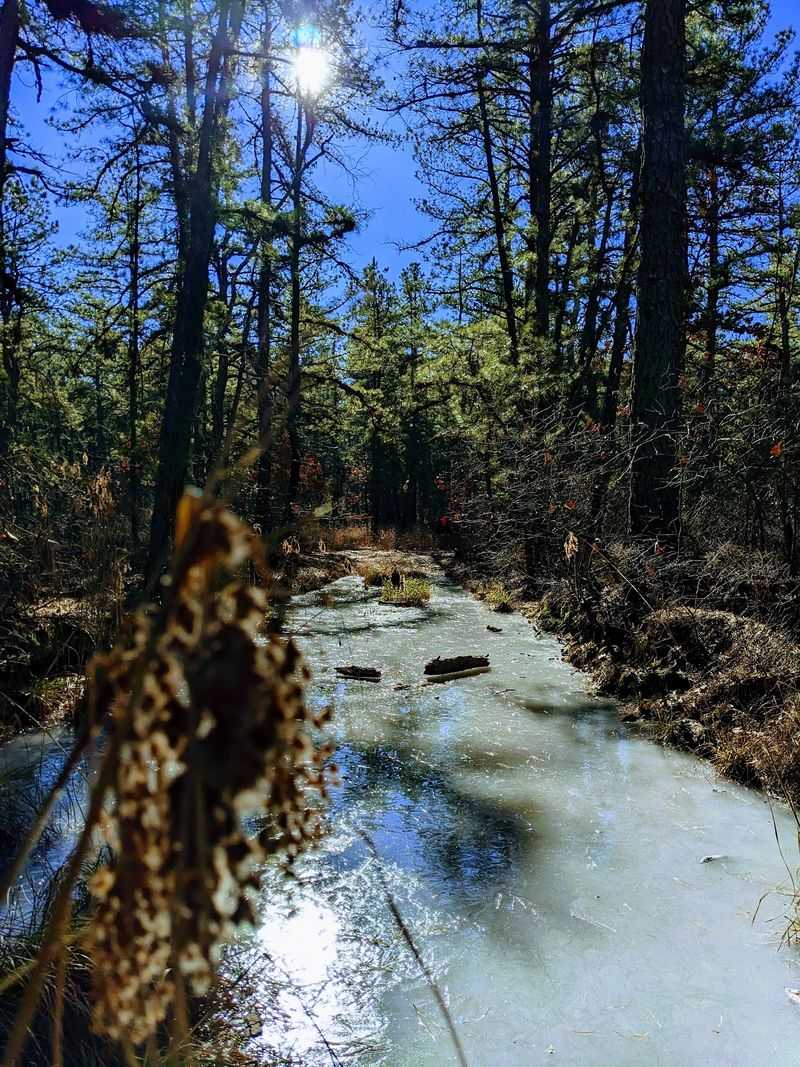
Funny how a failed business plan can turn into something wonderful. Wharton wanted to sell water, and instead the public got a forest bigger than many cities.
That’s the magic of this place. Rare Pine Barrens habitat, old iron towns, and calm rivers all share the same ground.
It’s part of the Pinelands National Reserve, the first National Reserve created in the United States.
Every visit can look different. One day might be all about paddling.
Another could mean a long hike, a history tour, or just a picnic by the lake.
My advice is simple. Start at Batsto Village, grab a map, and ask staff for ideas based on the season.
Then pick one adventure and give it your full attention instead of rushing around.
Spring and fall bring comfortable weather, while summer means more bugs and heat. Plan with that in mind.
Ready to see it for yourself? Head to Wharton State Forest, 31 Batsto Rd, Hammonton, NJ 08037, and let the pines show you why this land was worth saving.
