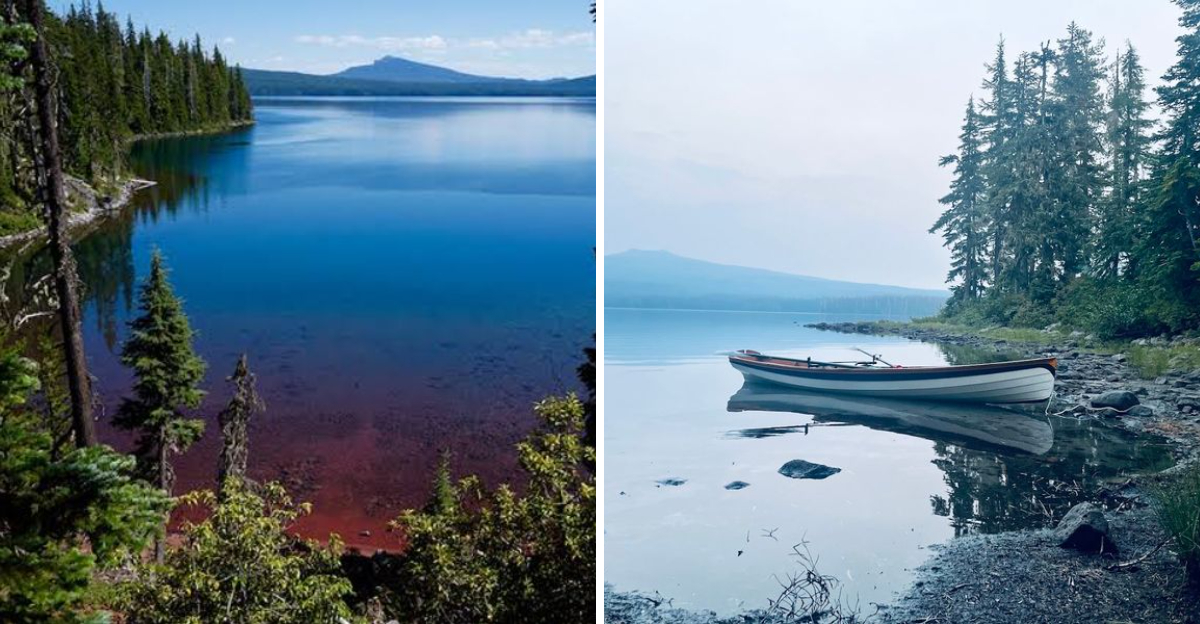
You are paddling across water so clear it feels like you are floating in mid-air. The bottom is visible more than a hundred feet below. The color shifts from deep sapphire to brilliant cobalt. This remote Oregon lake is one of the purest in the world.
Nestled high in the mountains, this glacial gem is nourished solely by rain and snowmelt. There are no permanent streams flowing in to cloud its purity. The water is nearly as clean as distilled water. On a calm day, the clarity is almost disorienting. You can watch fish swim far beneath your kayak.
The surrounding wilderness is just as breathtaking. You can hike the shoreline trail or camp under ancient hemlocks. You can simply sit in silence and watch the indigo water shift with the light. Gas-powered boats are banned, preserving the peace.
For a truly otherworldly experience, Oregon offers no place quite like it.
The Jaw-Dropping Water Clarity You Have to See to Believe
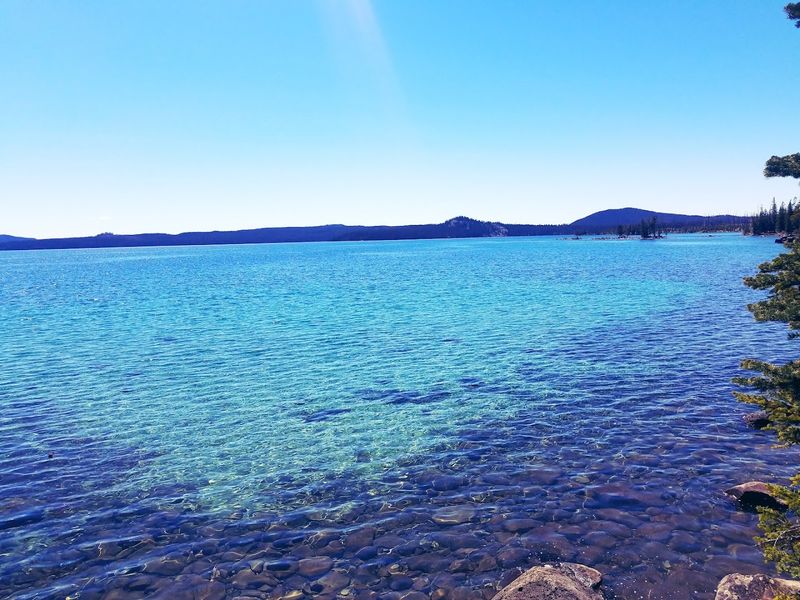
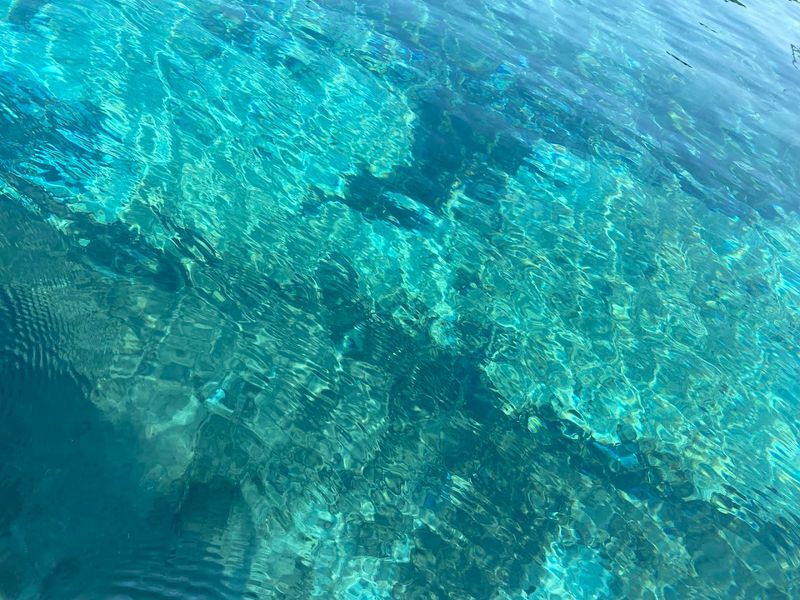
Nothing quite prepares you for the moment you look over the edge of a kayak at Waldo Lake and realize you can see the bottom clearly, way, way down. The water has a turquoise tint that shifts with the light, sometimes looking almost tropical against the dark green of the surrounding forest.
On calm days, visibility can reach depths that most lakes never offer.
Waldo Lake has no permanent inlet stream, which means no nutrients flow in to feed algae or plant growth. That absence of life is actually what makes the water so extraordinarily pure. Scientists have ranked it among the clearest natural lakes on Earth.
Bring a mask and snorkel if you can. Peering into that depth from the surface is one thing, but floating face-down above the sandy bottom is a whole different kind of surreal. It genuinely feels like hovering over something ancient and untouched.
Getting There, The Road Less Traveled
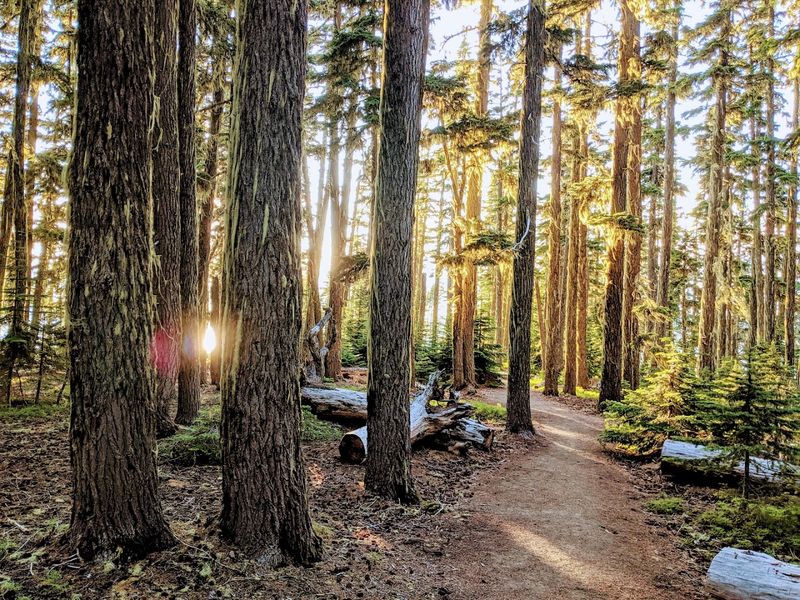
Waldo Lake does not hand itself over easily, and honestly, that is part of its magic. The drive in takes you off Highway 58 and down a forest road that winds through tall conifers, the kind of road where your cell signal disappears and you start to feel genuinely far from everything.
The route is accessible by most vehicles during the warmer months, typically from late June through October, depending on snowpack. Plan your trip outside those windows and you may find the road gated shut. Checking road conditions before you leave is not optional, it is essential.
Fill up your gas tank before you head in, and bring more food and water than you think you need. There are no convenience stores waiting at the end of this road. What is waiting, though, is a lake so remote and so beautiful that the effort of getting there feels like the best decision you ever made.
Kayaking and Paddling on a Motor-Free Lake
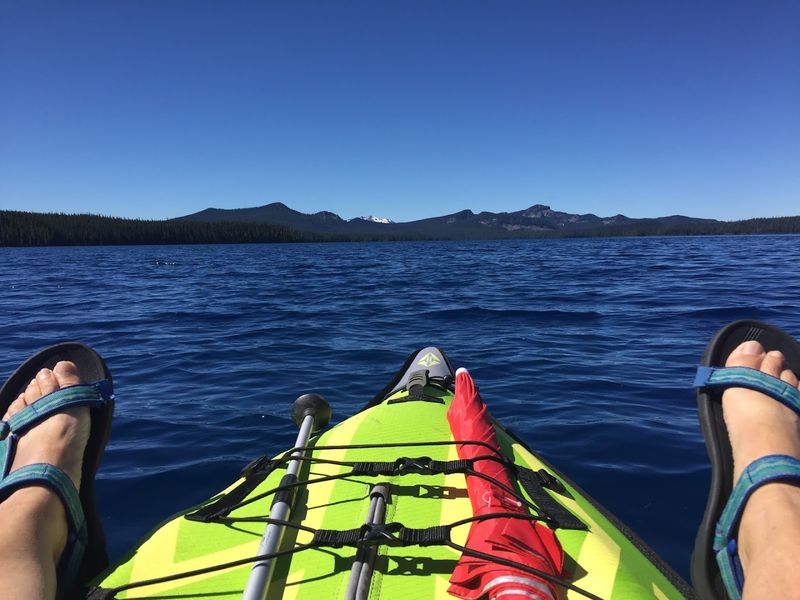
One of the best decisions the forest service ever made was banning gas-powered engines on Waldo Lake. The result is a water surface that stays calm, quiet, and completely yours to explore at a slow, peaceful pace.
Paddling here feels almost meditative. The only sounds are your paddle cutting the water and whatever birds happen to be passing overhead.
Kayaks, canoes, paddleboards, and electric motor boats are all welcome. Launching from one of the boat ramps near the campgrounds is easy, and once you are out on the open water, the scale of the lake becomes clear.
I tried an inflatable paddleboard here for the first time and spent more time staring down into the water than actually paddling anywhere. There is a small island out in the lake that makes for a fun destination if you are up for the challenge.
Bring sunscreen. The reflection off that clear water is intense.
Camping Under the Stars at Three Distinct Campgrounds
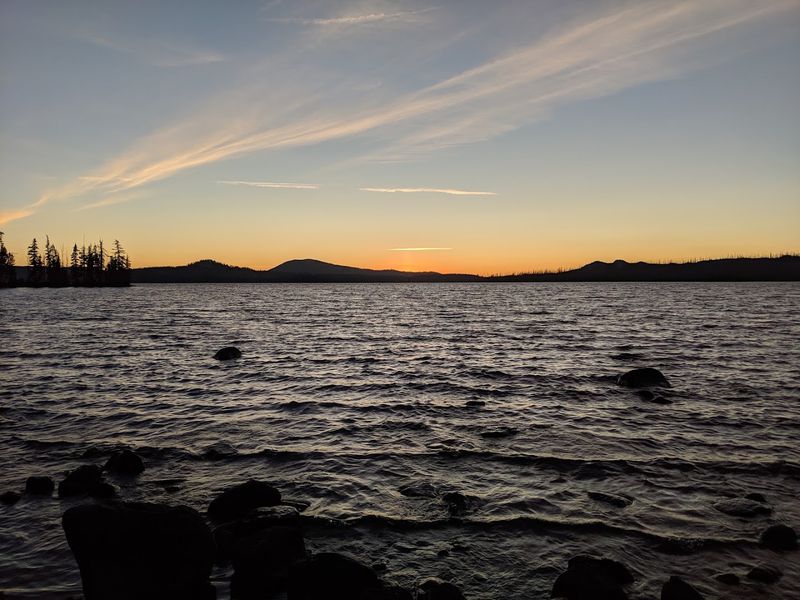
Waldo Lake has three developed campgrounds: Shadow Bay, North Waldo, and Islet. Each one has its own personality, but all three share the same essential quality: they put you right on the edge of one of Oregon’s most spectacular alpine lakes.
Shadow Bay tends to be a good choice for families, with easier access and a boat launch nearby. North Waldo sits on the more exposed northern shore and gets steady afternoon winds that sailors and windsurfers appreciate.
Islet campground has a reputation for being a bit quieter and more forested.
Reservations are strongly recommended, especially for summer weekends. Sites book up fast, and showing up without one is a gamble you probably do not want to take after a long drive.
The vault toilets are well-maintained, which sounds like a small thing until you are actually out here and grateful for it.
Hiking the Waldo Lake Trail Around the Entire Shore
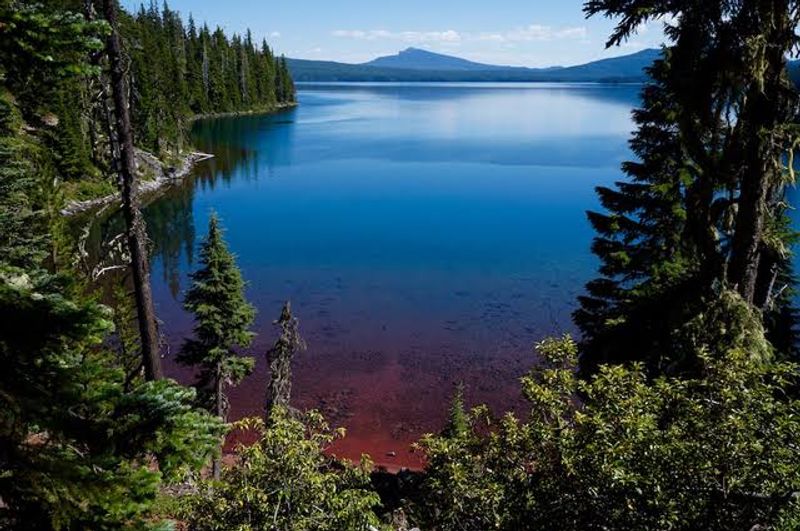
The Waldo Lake Trail circles the entire lake, covering around 22 miles of forested terrain with regular views of the water. Most people break it into a multi-day backpacking trip, but strong hikers have been known to tackle it in one very long day.
The trail passes through stands of Douglas fir and western hemlock, crosses small streams, and occasionally opens up to sweeping views across the water.
Parts of the trail on the north and west sides pass through areas affected by past wildfires. The landscape looks dramatically different there, with standing burned trees and open sky replacing the dense forest canopy. It is stark, but there is a kind of raw beauty to it that feels worth seeing.
Most of the trail is not technically difficult. Good shoes and a solid sense of pace matter more than technical skill. Pack a wilderness permit if you plan to camp along the way, and follow Leave No Trace principles. This place deserves to stay exactly as wild as it is.
The Mosquitoes, An Honest Warning
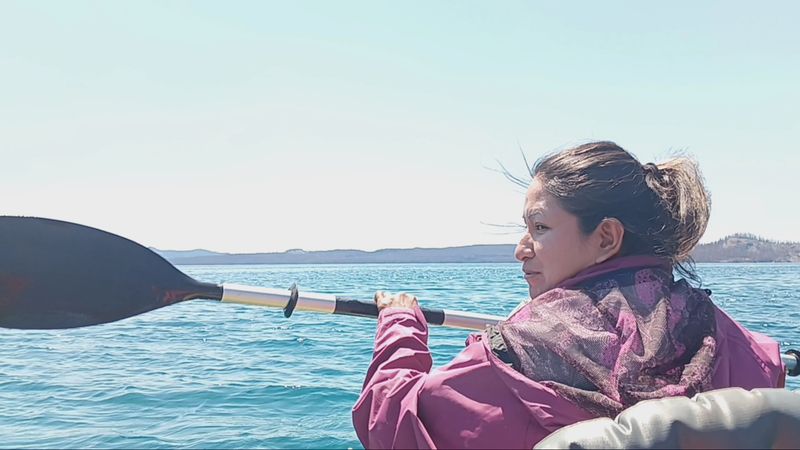
Every visitor of Waldo Lake mentions them, so here it is upfront: the mosquitoes are legendary. In early summer, particularly June and July, they arrive in numbers that genuinely have to be experienced to be understood.
Visitors who forget bug spray have described the experience as relentless, and that description is not an exaggeration.
The good news is that the situation improves significantly as summer progresses. By late August and into September, the swarms thin out considerably, making the lake far more enjoyable for people who are not fans of being a moving buffet.
Timing your visit for late summer is one of the best strategies you can use.
When you do pack, bring a quality DEET-based repellent and consider a head net if you are sensitive to bites. Long sleeves and pants at dawn and dusk help too. The mosquitoes are genuinely the only downside to this place, and even with them, most visitors say they would return without hesitation.
Swimming in One of the Purest Lakes in the World
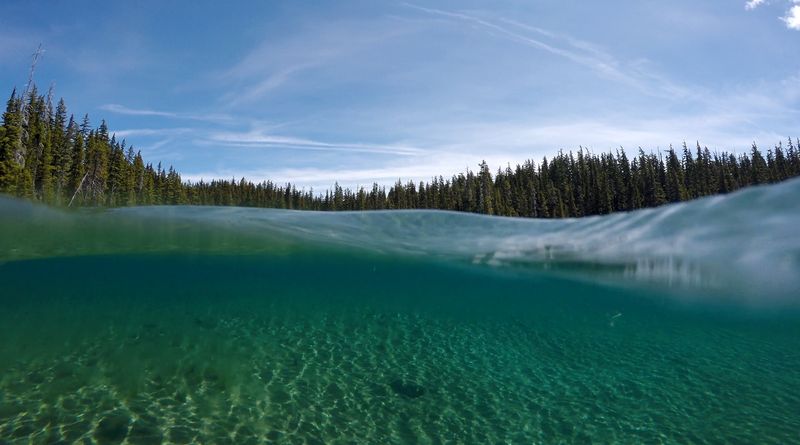
Jumping into Waldo Lake is an experience that is hard to put into words. The water is cold, as mountain lakes tend to be, but it is also startlingly clear. You can see your own feet below you like you are floating in glass.
There is something about swimming in water this pure that feels almost ceremonial, like you have been let in on a secret most people never find.
Sandy beaches dot the shoreline in several spots, making it easy to wade in gradually rather than committing to a full plunge from a dock. Kids tend to love the shallow sandy areas, and the lack of motor boats means the water stays calm and wave-free.
One thing worth knowing: some of the rocks near shore can be mossy and slippery, so water shoes are a smart call. The water temperature peaks in late August, which is also when the bugs are less aggressive. That combination makes late August arguably the single best time to swim here.
Fishing on a High Alpine Lake in the Oregon Cascades
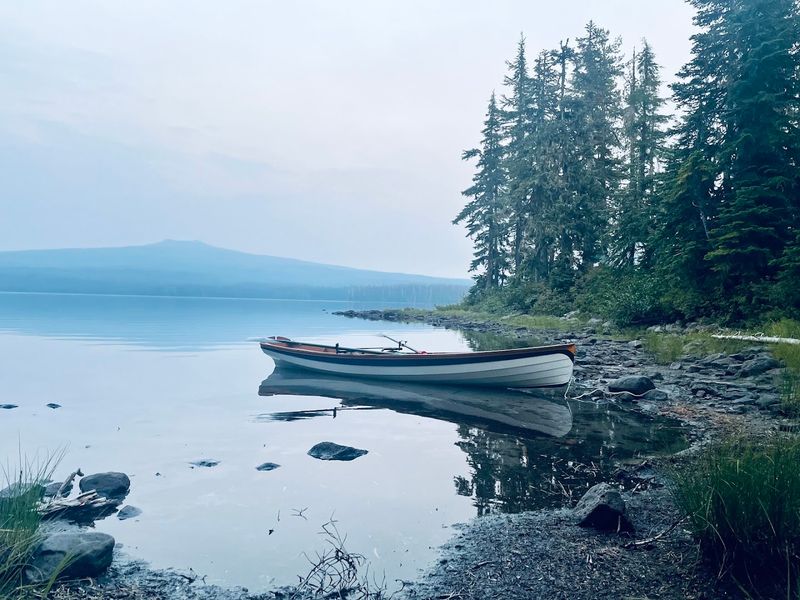
Fishing at Waldo Lake is a quieter, more patient kind of experience than what you might find at more heavily trafficked lakes. The water’s extreme purity actually means it is low in nutrients, which keeps fish populations lean.
That said, kokanee salmon and rainbow trout are present, and the challenge of catching them in such clear water adds a layer of sport that seasoned anglers tend to appreciate.
Because the fish can see so clearly in these conditions, they are naturally warier than fish in murkier water. Light tackle and a careful approach work better here than heavy gear. Early mornings and evenings tend to be the most productive windows.
A valid Oregon fishing license is required, and it is worth checking current regulations before you head out since rules can change seasonally. Even if you do not catch much, spending a few hours drifting on this lake with a line in the water is its own reward. Honestly, it really is.
The Science Behind Why Waldo Lake Looks So Alien
Waldo Lake sits at roughly 5,414 feet in elevation in the Oregon Cascades, which already puts it in rarefied territory. But the thing that makes it truly unusual is its hydrology.
The lake has no permanent inlet stream, meaning no outside water source is constantly flowing in and carrying sediment, minerals, or nutrients. What falls from the sky is essentially what the lake gets.
That isolation from nutrient input creates water of almost unimaginable purity. With nothing to feed algae growth, the water stays optically clear in a way that most freshwater bodies never achieve. On calm, sunny days, visibility reportedly reaches depths of 100 feet or more. That is not a typo.
The lake covers nearly ten square miles and reaches a maximum depth of around 420 feet, making it the second largest natural non-alkali lake in Oregon. The combination of depth, purity, and isolation gives it that otherworldly quality that photographs struggle to fully capture.
You sort of have to stand at the edge of it to understand what all the fuss is about.
Tips for Planning Your First Trip to Waldo Lake
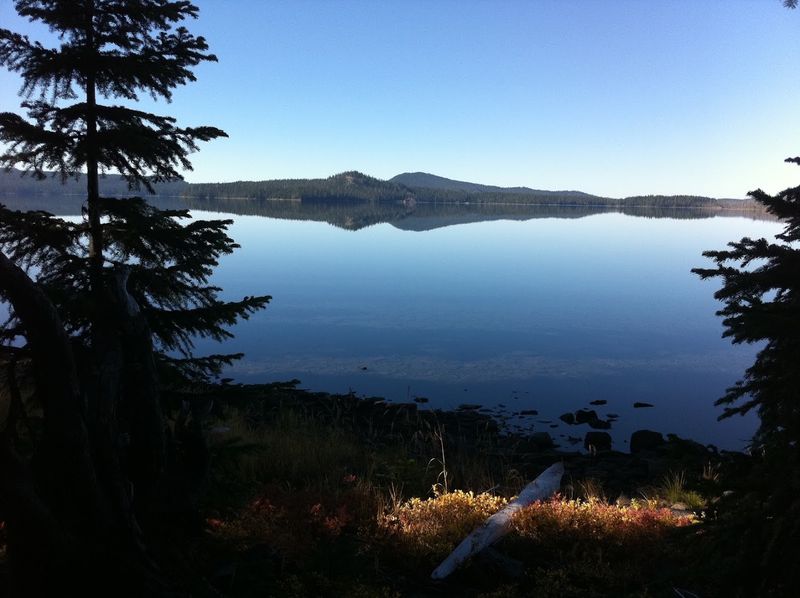
A trip to Waldo Lake rewards people who plan ahead and gently punishes those who wing it. The lake is about 70 miles southeast of Eugene, Oregon, accessible via Highway 58 and then Forest Road 5897.
The drive takes roughly 90 minutes from Eugene, but the last stretch on the forest road adds time and requires attention, especially if you are towing a trailer or driving a large vehicle.
Campsite reservations open months in advance and fill quickly for peak summer weekends. Booking early is the single most important step for anyone who wants a lakeside site rather than a long drive home empty-handed. A Northwest Forest Pass or America the Beautiful pass covers day-use parking fees.
Pack layers regardless of the season. Mountain weather shifts fast, and evenings near the lake can turn cold even in August. A headlamp, solid rain gear, and plenty of food round out the essentials.
Cell service is essentially nonexistent once you are in the area, so download offline maps before you leave home. Waldo Lake rewards the prepared visitor generously.
