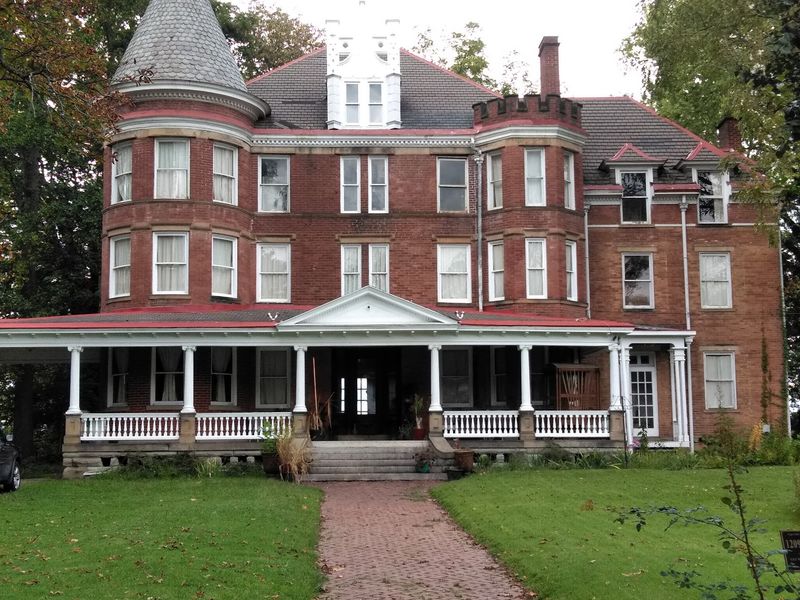
Somewhere between a back road and a hungry stomach, I found a little West Virginia town I almost drove right past. It had brick sidewalks, porches with rocking chairs, and a bakery smell drifting out of nowhere.
By the time I left, I was checking home prices and wondering how far a fixed income could really go here. If you have ever dreamed of a slower, sweeter retirement in the mountains, this one is worth a closer look.
1. First Impressions of an Unhurried Town
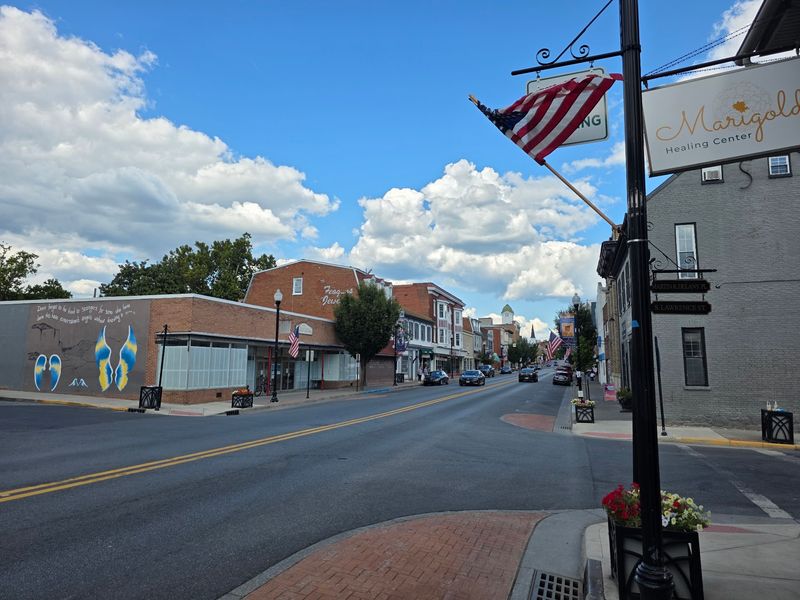
Nobody warned me that the best part of the trip would be the parking. I pulled up to the curb, left the car, and did not need it again for most of the day.
Everything I wanted sat within a pleasant walk.
Small towns in the Mountain State often feel like they are holding their breath, but this one felt more like it was humming. A man in a ball cap waved from a pickup.
A woman sweeping her stoop asked if I was lost, then gave me directions to three places I had not even asked about.
That kind of welcome matters when you are thinking about retirement. Big cities can offer more stuff, yet they rarely offer more neighbors.
Here, the pace seems set by the sun and the seasons rather than the clock on your phone.
Retirees I spoke with described their days in simple terms: coffee, a walk, an errand downtown, a chat that ran long. None of them sounded bored.
Most sounded relieved, like they had finally found the speed they were meant to live at.
Before talking prices or festivals, it helps to know the feeling. And the feeling here, honestly, is calm with a friendly wave attached.
2. The Brick Bungalow on a Tree-Lined Street
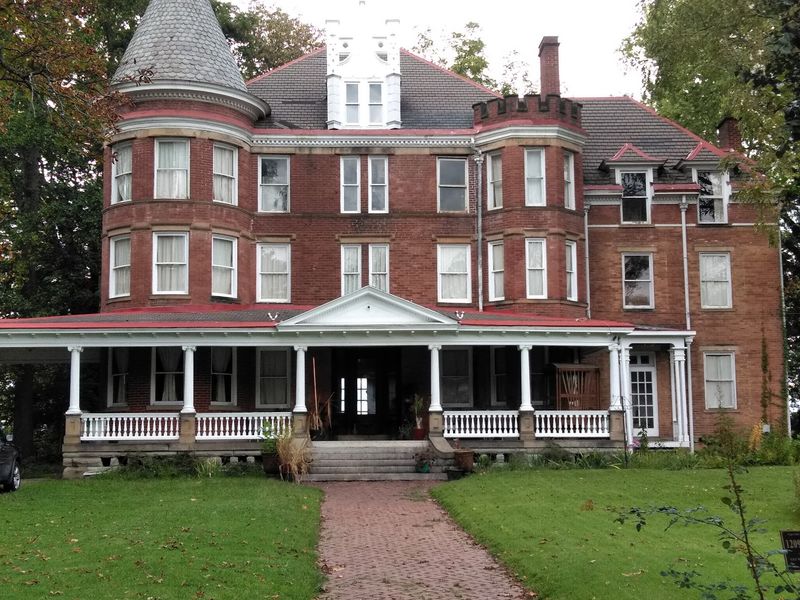
Picture a low brick house with a wide front porch, thick square columns, and a swing that squeaks just enough to be charming. That was the home that stopped me mid-stroll.
A little sign in the yard said it was for sale.
Bungalows like this one went up across American towns in the early twentieth century, and plenty still stand along these shaded streets. Their appeal is easy to understand for older buyers.
Many are single-story or close to it, which can mean fewer stairs, simpler upkeep, and rooms that flow without wasted space.
Brick also tends to age gracefully. Mortar may need attention now and then, but these houses have often weathered a century of mountain winters already.
That sturdiness gives a sense of permanence you do not always get with newer builds.
Walking the neighborhood, I noticed old brick sidewalks heaved gently by tree roots. Mailboxes were painted.
Gardens spilled over fences with tomatoes and zinnias.
For anyone who grew up visiting a grandparent in a house like this, the nostalgia hits hard. You can almost smell pot roast through the screen door.
Owning one in retirement feels less like buying property and more like coming home to a memory.
3. What a Fixed Income Buys in Housing
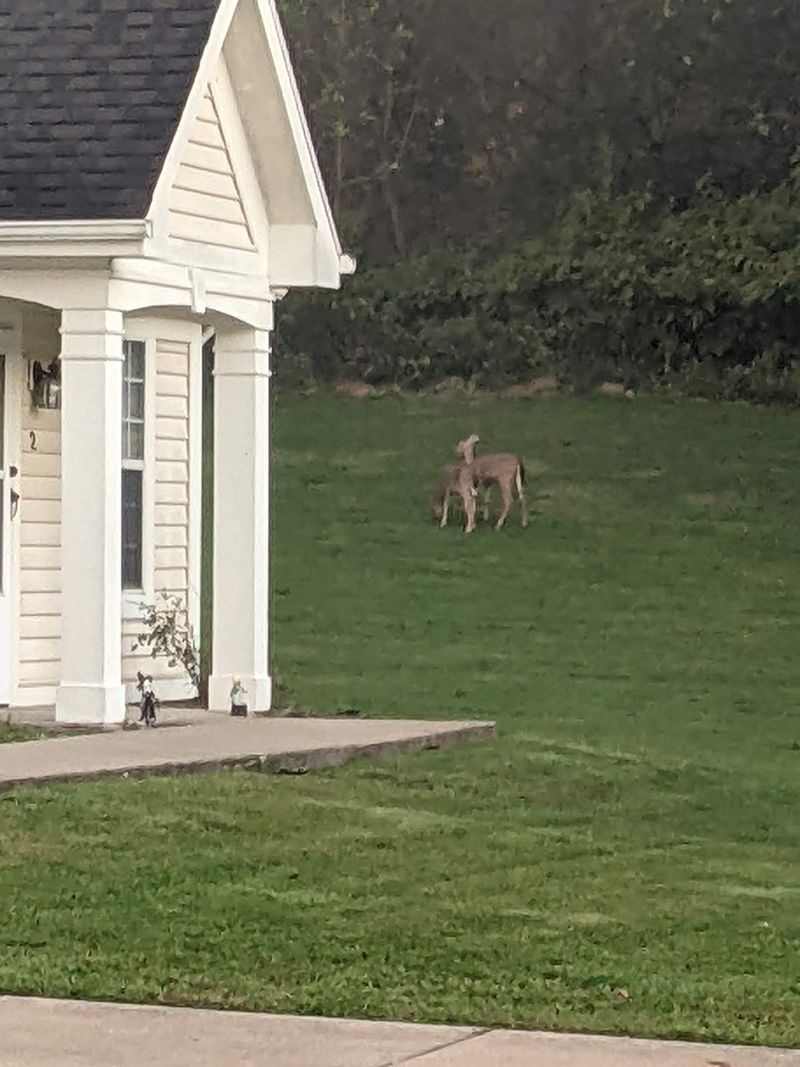
Numbers first, because retirees deserve straight talk. Recent estimates put the median home value in this area somewhere around $151,000 to $158,000.
Many well-maintained houses reportedly list under $160,000, depending on size, condition, and street.
Compare that with national figures, which have climbed well past double that in many markets, and the difference becomes plain. A couple selling a house elsewhere could potentially buy here outright and keep savings in the bank.
No mortgage payment can change how a monthly budget feels almost overnight.
Of course, older homes come with older-home quirks. Budget for a roof check, updated wiring in some cases, and a good look at the furnace before signing anything.
A local inspector who knows regional building styles is worth every dollar.
Beyond housing, everyday costs like groceries, utilities, and transportation often run below the national average in West Virginia. That can leave room for the things that make retirement fun, like a weekly lunch out, a new garden bed, or gas money for visiting grandkids.
Prices shift, so treat these figures as a starting point rather than a promise. Still, for folks living on Social Security and a modest pension, the math here tends to work kindly.
4. Tax Breaks That Help Retirement Dollars Stretch
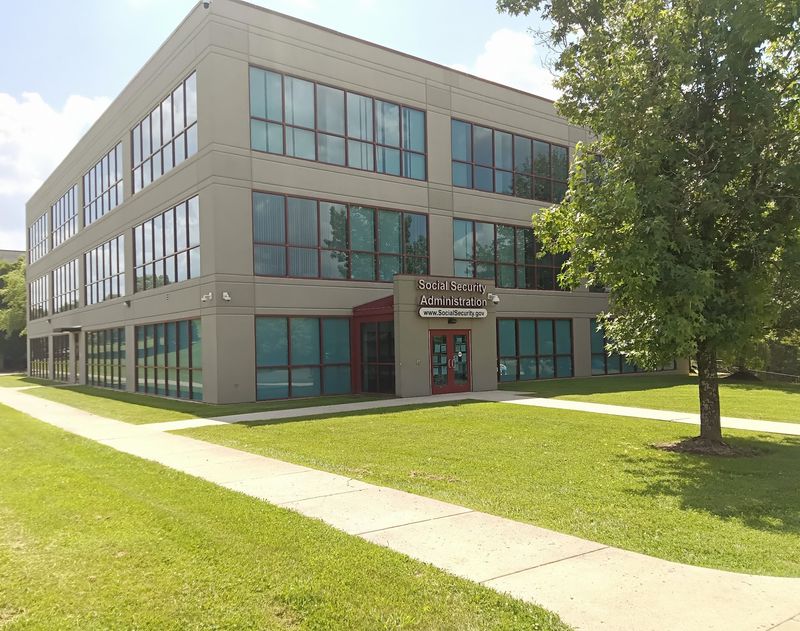
Here is a pleasant surprise for anyone moving in from a higher-tax state. West Virginia does not tax Social Security benefits, joining the large majority of states that leave that income alone.
Over a full retirement, that difference can add up to real money.
Homeowners aged 65 and older may also qualify for the Homestead Exemption. It reduces the assessed value of a primary residence for property tax purposes, which can trim yearly bills noticeably.
You typically apply through the county assessor, so ask about it soon after you move.
Other retirement income can get favorable treatment too. The state has offered exemptions on certain pension and retirement income, with amounts and rules that have changed in recent years.
Checking current guidelines with a tax preparer is the smart move before making a big decision.
Pair those breaks with lower housing and living costs, and the picture gets brighter. A fixed income simply covers more ground here than it might in a suburb outside a big city.
None of this makes money worries vanish entirely. But it can turn tight months into manageable ones, and manageable months leave space for porch sitting, which, as you will see, is a local specialty.
5. Roots Reaching Back to 1770
Long before anyone was shopping for bungalows, settlers were clearing land along a winding river in the Allegheny foothills. Records suggest people made homes here as early as 1770.
The town was formally established in 1816, making it older than the state of West Virginia itself.
Even the name sparks friendly debate. Some say it honors the Lenape leader Buckongahelas.
Others credit a missionary named John Buchannon who reportedly explored the area in the 1780s, and locals seem happy to let both stories live on.
The Civil War years were hard on the community. It served as a staging ground for Union forces and was later captured and damaged by Confederate troops.
Families rebuilt, and that stubborn spirit still shows in the sturdy downtown that rose afterward.
In 1890, a college arrived and changed the town’s direction for good. West Virginia Wesleyan College brought students, teachers, music, and ideas, giving this mountain place a lively, curious edge.
History buffs will find plenty to enjoy. Ask an older resident about how things used to be, and settle in, because the stories of the good old days around here rarely come in short versions.
6. Buckhannon Revealed Along Main Street
Time to spill the secret. The town I almost passed by is Buckhannon, the county seat of Upshur County, sitting roughly in the middle of the state.
And Main Street is where it really shows off.
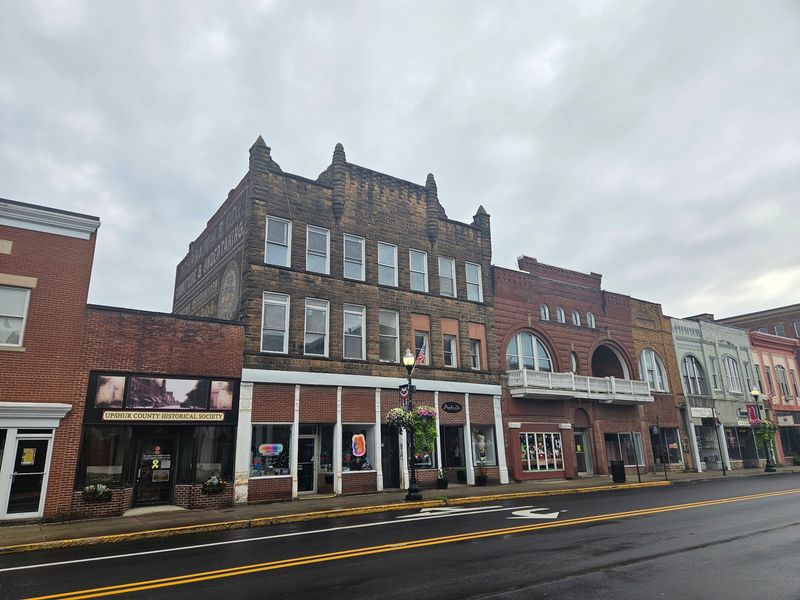
Large stretches of East and West Main Street fall within the Downtown Buckhannon Historic District. Several buildings are listed on the National Register of Historic Places, with handsome brick facades, tall windows, and cornices that have watched generations stroll beneath them.
Summer brings hanging flower baskets on the lampposts. Come winter, twinkling lights turn the whole street into something out of a holiday card.
Locals told me they plan evening walks around those lights every December.
The shops lean local. You will find owners who remember your name, maybe your usual order, and certainly your grandkids if you bring them by once.
That kind of familiarity is hard to buy and easy to love.
Jawbone Park sits just off East Main and hosts gatherings like Festival Fridays during warmer months. Grab a bench, listen to live music, and watch neighbors catch up.
For a retiree, it is basically a free social calendar with fresh air included.
7. The West Virginia Strawberry Festival
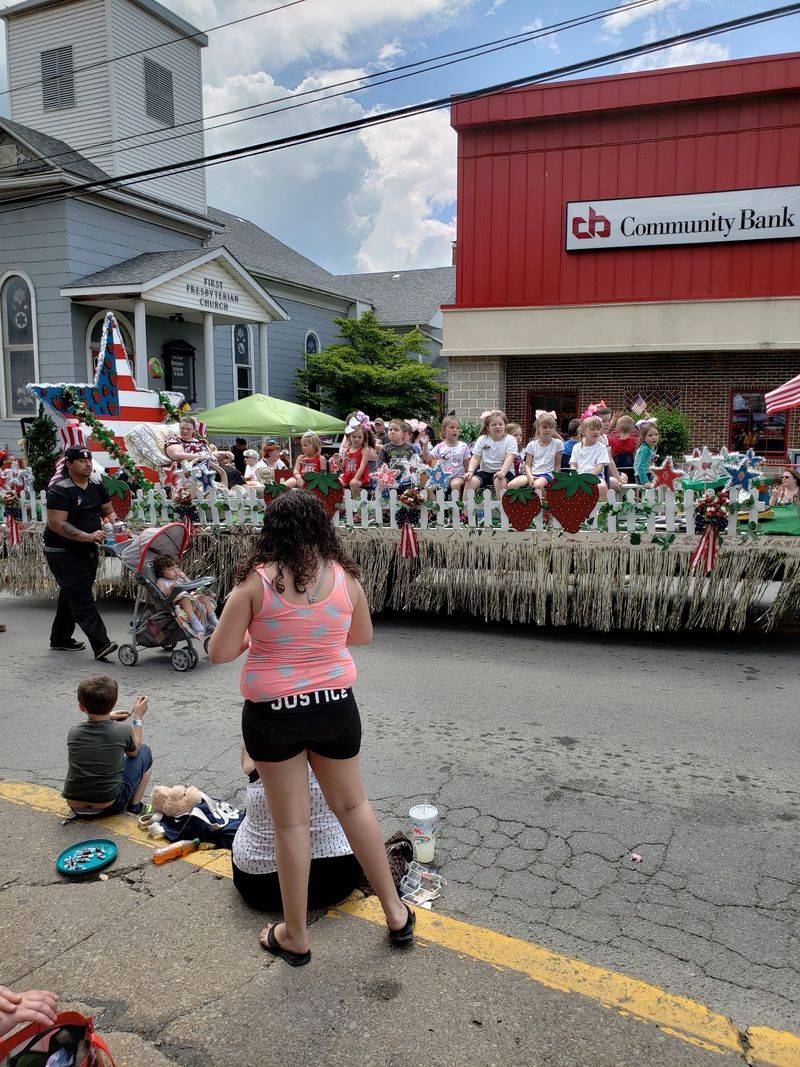
Red, red, and more red. Every May, Buckhannon goes berry crazy for the West Virginia Strawberry Festival, a tradition dating to 1936 with a pause during World War II.
It began as a way to promote local strawberry growing, since the climate and soils here suited the crop nicely. Over the decades it blossomed into a celebration that typically runs around nine days.
Folks who moved away often plan trips home just to catch it.
Parades are the headliners, and there are several, including a horse-and-carriage procession that feels straight out of another century. Carnival rides spin nearby.
Artisan vendors, quilt displays, and photography shows fill in the quieter hours.
Then come the treats. Shortcake piled high with whipped cream, chocolate-dipped berries, strawberry pies, and inventive creations all compete for attention, including in a much-loved recipe contest.
Festival headquarters sits at 5 N. Locust Street, and a gift shop on East Main sells souvenirs year-round.
Volunteers power the whole thing, which says plenty about local pride. For a retiree, joining that crew could be the quickest way to make a hundred friends.
Do you remember your first festival shortcake? Around here, everybody does.
8. Comfort Food That Tastes Like Home
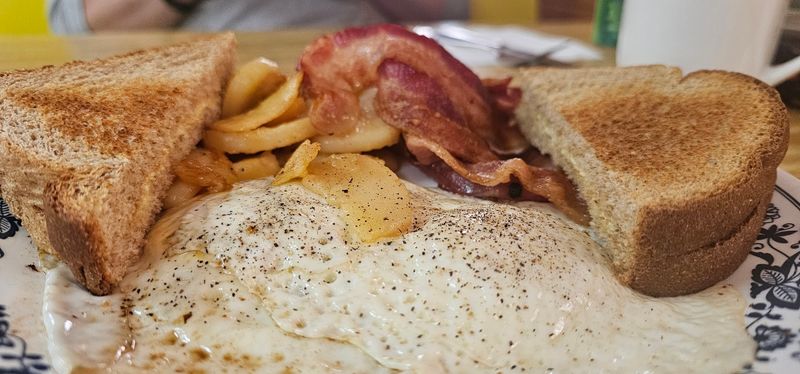
Ask anybody in the hills what they crave, and you will hear the same answers. Pepperoni rolls.
Soup beans and cornbread. Biscuits drowning in sausage gravy.
The pepperoni roll has a special place in state lore. It reportedly grew out of coal country, where miners needed a filling lunch that held up underground without refrigeration.
Today you can find versions at gas stations, bakeries, and church sales, and everybody has a favorite.
Slaw dogs are another must. A hot dog topped with chili, mustard, onions, and creamy coleslaw shows up at diners and county fairs across West Virginia.
Purists argue fiercely about the slaw recipe, and those arguments are half the fun.
Spring brings ramps, the wild leeks that pop up in Appalachian woods. Fried potatoes with ramps are a seasonal treat, though your neighbors may notice the aroma for a day or two afterward.
Retirement here often revolves around shared tables. Potlucks, church suppers, and fundraiser dinners turn up on calendars all year.
Bring a dish, sit beside someone new, and leave stuffed. Food in this town is less about fancy plating and more about feeding people you care about.
9. Riverwalk Trails and Wild Neighbors
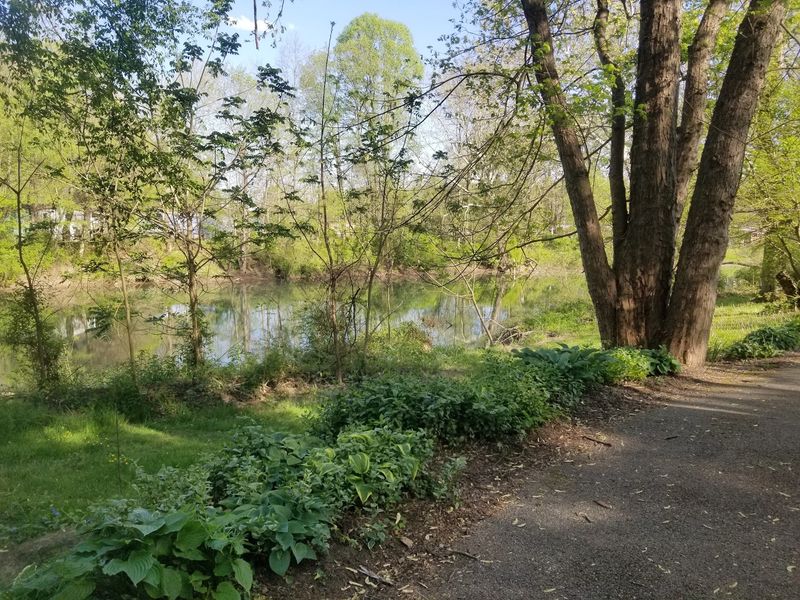
Sneakers on, coffee in hand, and the river murmuring alongside you. Mornings on the Riverwalk Trail set a gentle tone for the whole day.
The path follows the Buckhannon River and stays mostly easy underfoot, good news for knees that have seen a few decades. Benches invite rest stops.
Birds keep you company, and regular walkers start nodding hello by the second week.
Jawbone Park and the Upshur County Recreational Park add more green space for picnics, strolls, and grandkid outings. Bring a blanket, find some shade, and let the afternoon drift.
Nobody is in a hurry here, and you should not be either.
Just south of town, the West Virginia Wildlife Center offers a close look at animals like black bears, bison, elk, and river otters in natural-style enclosures. It makes a terrific outing when family visits.
Kids love it, and grandparents often love it more.
Wider adventures sit a short drive away in the Allegheny highlands. Fishing streams, scenic back roads, and leaf-peeping routes fill the calendar in autumn.
Staying active in retirement feels less like exercise and more like simply living somewhere beautiful.
10. Doctors Nearby and Lectures Down the Street
Peace of mind counts for a lot after 65. A town can be lovely, but if the nearest doctor is two hours away, the charm wears thin fast.
Buckhannon has St. Joseph’s Hospital right in town, offering local care for everyday needs and emergencies. Larger regional medical centers in north-central West Virginia are within driving distance for specialists and bigger procedures.
That combination may help retirees feel covered without sacrificing small-town quiet.
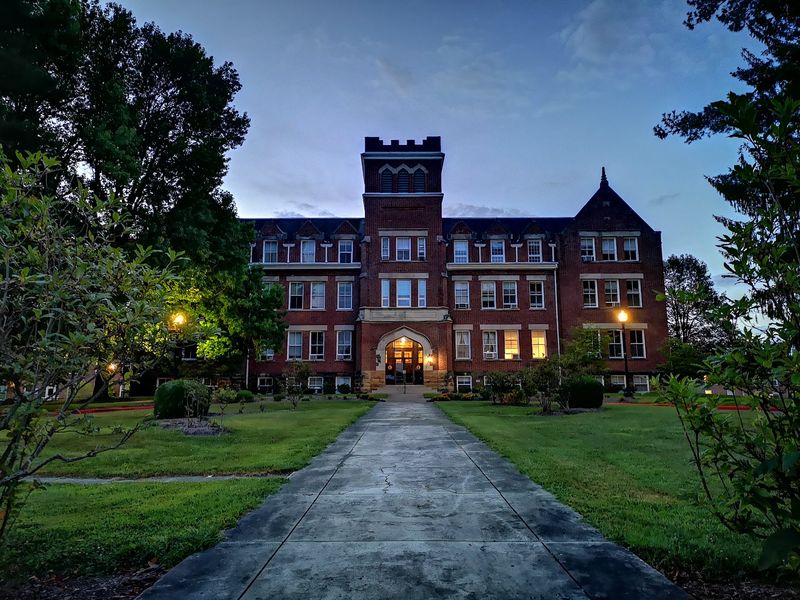
Then there is the brain food. West Virginia Wesleyan College, founded in 1890, keeps a steady calendar of concerts, lectures, theater, and cultural events.
Many are open to the public, and some cost little or nothing.
Imagine catching a choir performance on a Tuesday, a history talk on Thursday, and a ballgame on Saturday. Students bring youthful energy to coffee shops and sidewalks.
Retirees say it keeps them feeling sharp and connected to something forward-looking.
Lifelong learners might audit a class or volunteer on campus. Others simply enjoy the beautiful grounds on an afternoon walk.
Either way, the college gives this mountain town a spark that many places its size simply do not have.
11. Quiet Porch Evenings and Where to Begin
Dusk settles slowly here. Porch lights flick on one by one, fireflies blink over the lawns, and somebody down the block is always rocking.
That old habit of front-porch sitting is alive and well in Buckhannon. Neighbors stroll past, stop to talk about tomatoes or the weather, and sometimes end up staying an hour.
Phones stay in pockets. Conversation does the entertaining.
For retirees, these evenings may be the real payoff. Low costs, tax breaks, and a strawberry festival are wonderful, but the daily reward is a calm sunset shared with people who know your name.
It feels like the good old days, except they are happening now.
If you want to explore further, start at City Hall, located at 70 East Main Street, Buckhannon, WV 26201. Staff can point you toward local resources, events, and neighborhood information.
From there, Main Street, Jawbone Park, and the festival shop are an easy walk.
Come for a weekend. Sit on a bench, eat a pepperoni roll, and watch the light fade over the hills.
Odds are good you will start imagining your own porch, your own rocker, and many quiet evenings ahead.
