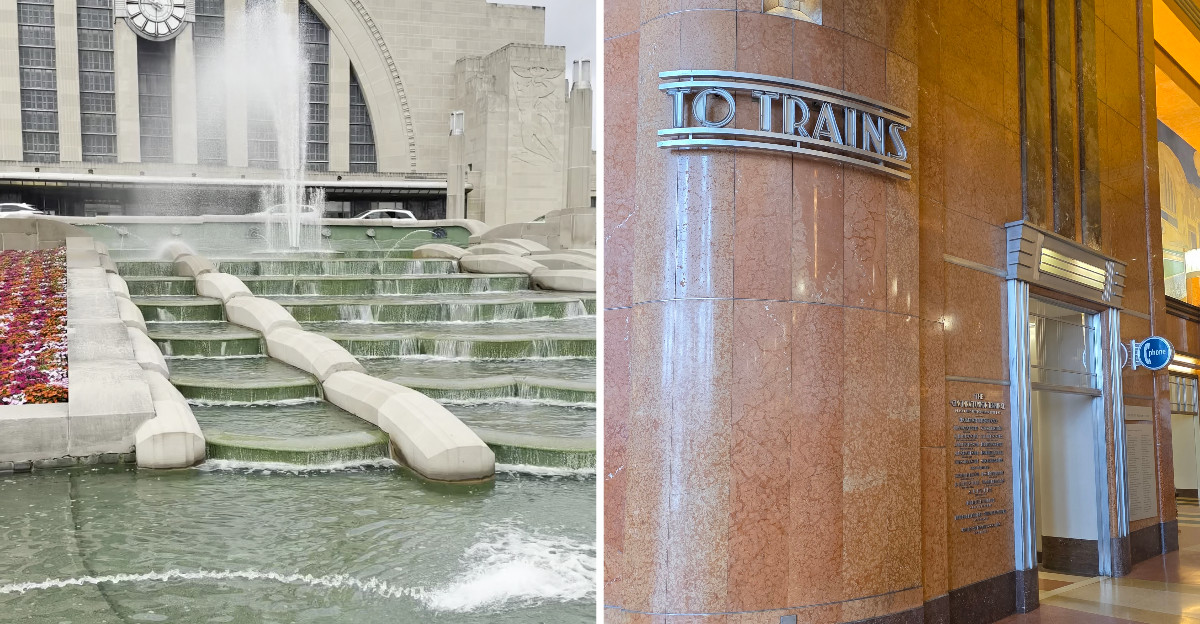
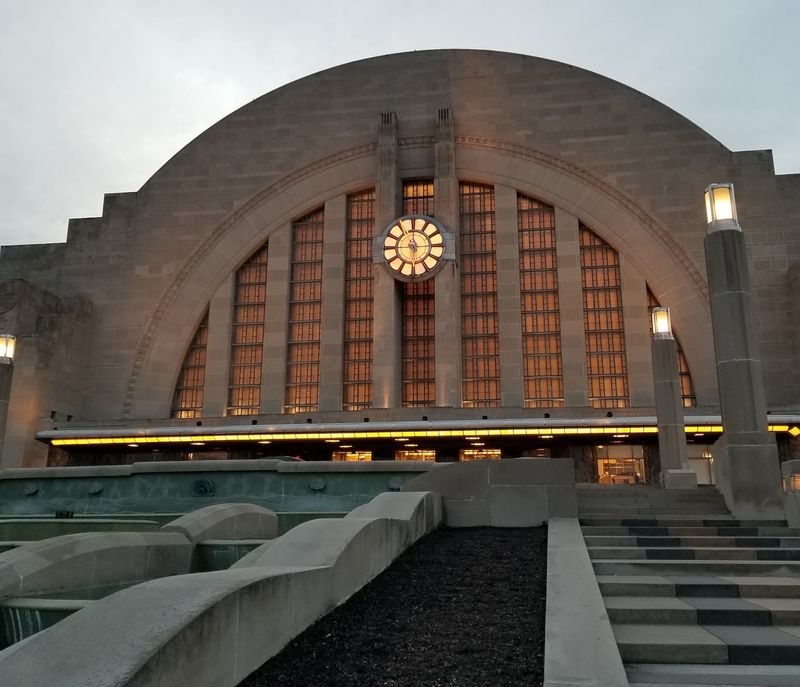
Half-moon facades glowing orange in late afternoon sun stopped the car before the brain caught up. A wild story about a secret wartime code room hidden somewhere inside was the reason for the trip, but the building itself turned out to be the real draw.
Ohio holds a grand train station packed with World War II history, the kind that quietly slipped out of memory for decades. Millions of soldiers once rushed through these halls, and a few forgotten rooms still hold their stories.
A whole day disappeared while wandering, eating ice cream where troops once rested, and peeking into spaces most people walk right past. The truth behind the legend turned out to be even better than the rumor.
Marble floors, soaring archways, and a half-dome that catches the light like a sunset. The code room is gone, but the echoes remain.
Come along, because this station has more to say.
The Real Story Behind the Secret Room Rumor
I love a good mystery, so I went hunting for the famous code room the moment I arrived. The honest answer surprised me more than any spy movie could.
After digging through the history, I found no records showing that a secret decoding room ever existed inside Cincinnati Union Terminal.
So where does the idea come from? Ohio really did play a big part in breaking enemy codes during World War II, but that work happened up the road in Dayton, at a top secret Navy lab run with the National Cash Register company.
Thousands of workers there, many of them women in the Navy WAVES, built machines that helped crack German Enigma messages.
Cincinnati Union Terminal had a different wartime job, and in my opinion it was just as moving. Its rooms were filled with soldiers, families, and volunteers instead of code machines.
Some of those spaces were busy for years and then quietly faded from memory as train travel slowed down.
That is the real hidden history here. Rather than cracking codes, the building helped people survive the war one nap, one meal, and one goodbye at a time.
Once you know that, every hallway looks a little different, and you start wondering which closed doors once led somewhere important.
When 34,000 Travelers Crowded In Every Day
Picture this building on a hectic morning in 1944, when as many as 34,000 passengers moved through in a single day. That number made my head spin.
Today the rotunda feels calm and roomy, but back then it must have buzzed like a beehive.
Millions of American troops traveled through Cincinnati during the war. Trains carried them to training camps, to ports on both coasts, and eventually back home again.
Families packed the platforms to say goodbye, and many returned later hoping for happy reunions.
Sitting on one of the long benches, I tried to imagine the sounds. Announcements bounced off the giant dome while boots clicked across the polished floor.
Kids probably tugged on sleeves as parents checked tickets for the hundredth time.
One detail I really enjoyed is that trains still stop here today. Amtrak uses the station, so the building never completely lost its first purpose, and that gives the place a living heartbeat instead of a frozen, dusty feel.
Give yourself a minute near the center of the rotunda to simply listen. The echo is amazing.
It helps you understand how much noise, worry, and hope this space held during those crowded wartime years, when nearly every face in the room was saying hello or goodbye.
Ice Cream Where the Nation’s First USO Lounge Once Stood
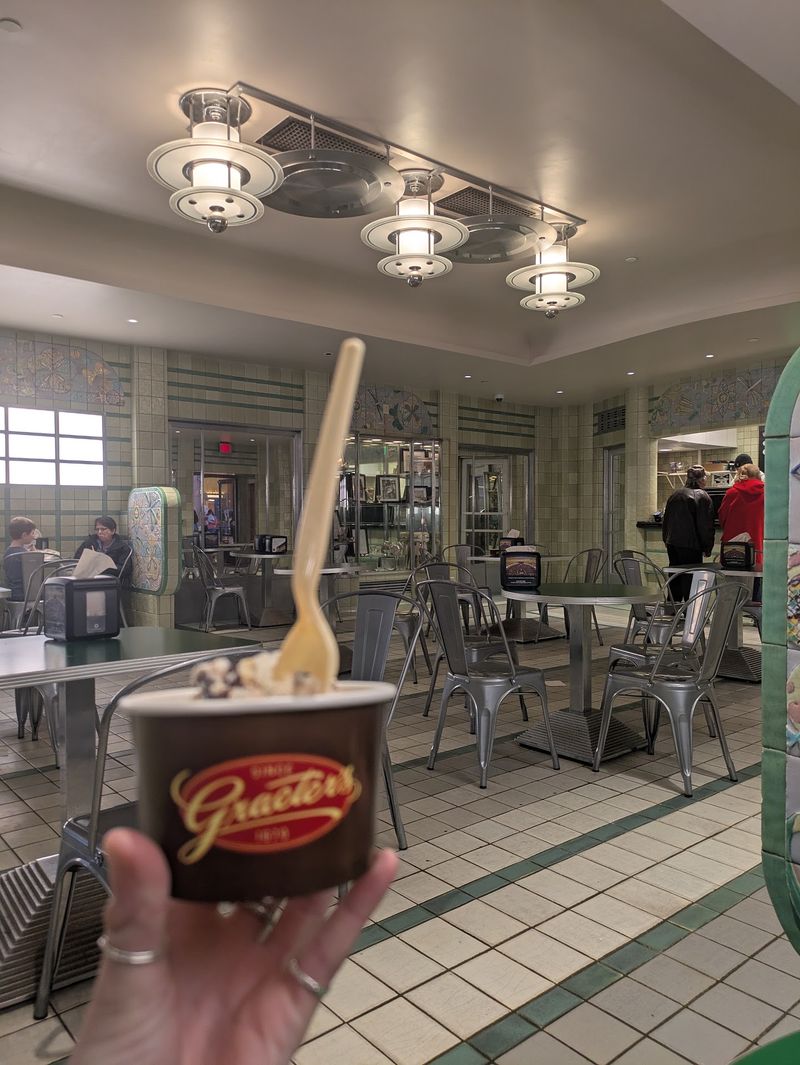
Ice cream was the last thing I expected to connect with World War II. Yet the cheerful Rookwood Ice Cream Parlor sits in the very space where the nation’s first USO Troops-in-Transit lounge opened in June 1941.
I ordered a scoop and felt a little shiver that had nothing to do with dessert.
The USO, short for United Service Organizations, created the lounge as a resting spot for soldiers passing through. Many young men had long waits between trains with nowhere to go.
The lounge gave them a comfortable seat, a quiet moment, and a sense of welcome far from home.
Think about how worn out those travelers must have been. Some had ridden for days on packed train cars with hardly any sleep.
A friendly smile and a calm corner probably meant the world to them.
The parlor walls shine with glazed tiles from Rookwood, a famous Cincinnati pottery company. Their soft greens and warm browns make the room feel snug and homey.
It is easy to see why tired soldiers would have wanted to stay awhile.
My tip is to grab a treat and slow down. Look around and imagine crisp uniforms instead of shorts and sneakers.
The room tells its story best when you sit still and let your imagination wander.
A Welcome That Was Ahead of Its Time
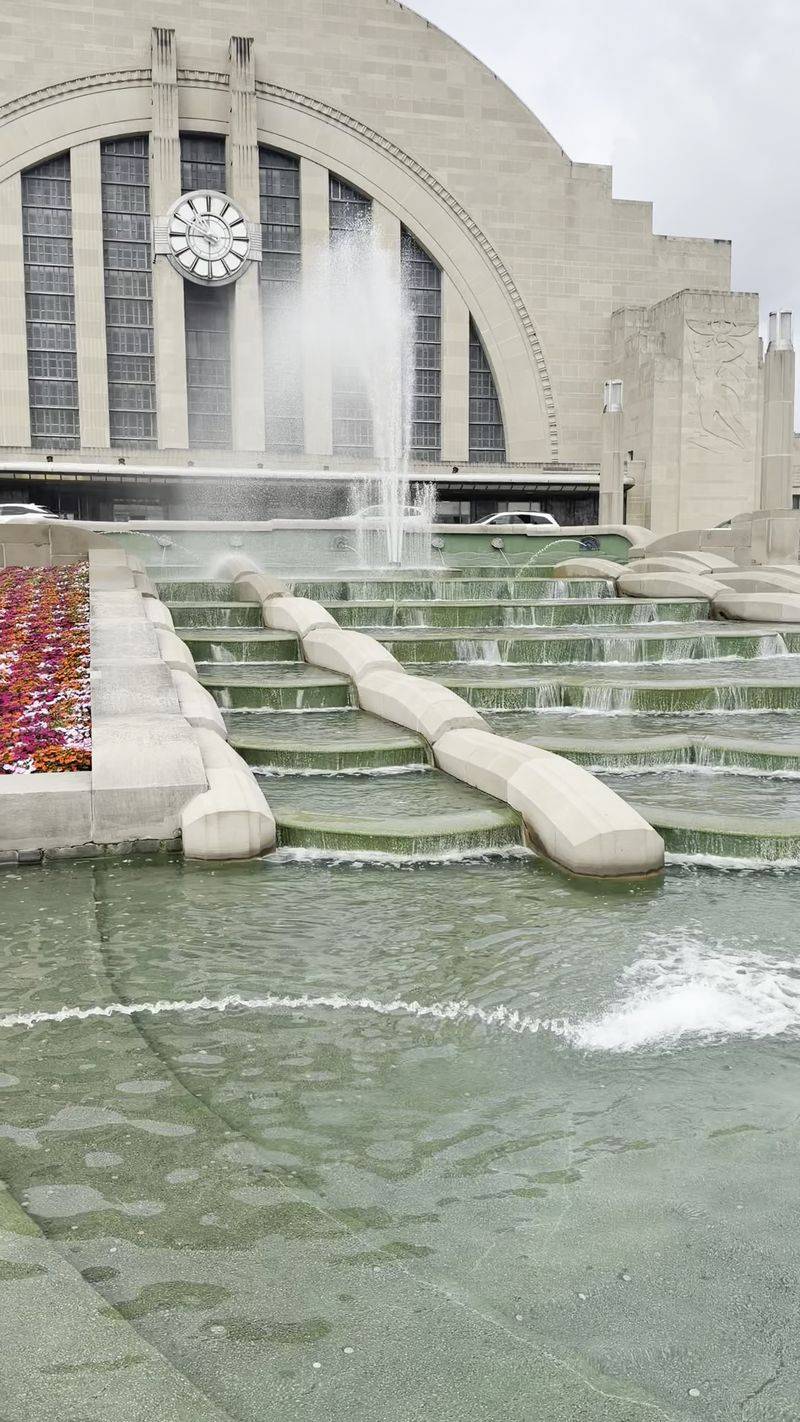
Here is a fact that made me genuinely proud of this place. The USO lounge at Cincinnati Union Terminal offered racially integrated service, which was rare in the early 1940s.
In many parts of the country, Black and white soldiers were kept apart, even while serving the very same nation.
That choice might sound simple today, but it took real courage back then. Soldiers of every background could rest in the same room and receive the same kindness.
For a busy station in a city sitting right on the line between North and South, that meant something.
I kept thinking about how a young Black soldier might have felt being treated with equal respect during such a frightening time. Small moments like that can stay with a person for life.
History books rarely capture those quiet victories, which is exactly why they get forgotten so easily.
Knowing this changes how the building feels. The marble and mosaics are stunning, sure.
But the way people were treated inside these walls is what gives the place its true warmth.
When you visit, share this story with whoever you bring along, especially kids. It is a great conversation starter about fairness and kindness.
Sometimes the most important history is not a battle, but a simple decision to welcome everyone to the same table.
Forgotten Rooms Behind Closed Doors
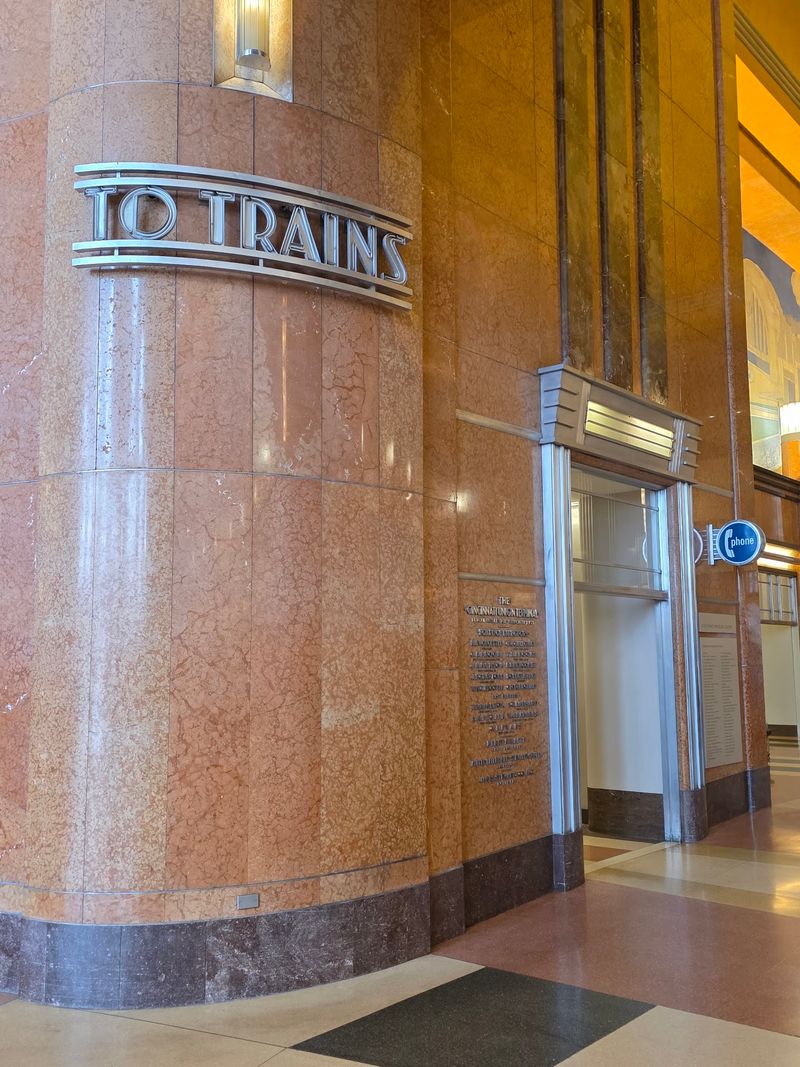
Some of my favorite corners of the terminal were places I never could have found on my own. The free rotunda tours, led by volunteer docents with the Cincinnati Heritage Programs, open doors that stay closed to regular visitors.
Honestly, it felt a bit like being handed a secret map.
During the war, this building held far more than waiting areas. There was a Service Room in the Rookwood Lounge, a casualty room for injured servicemen, and rooms lined with bunk beds where soldiers could finally sleep.
Once the war ended and train travel dropped off, many of these spaces lost their purpose and drifted out of public memory.
That is the part of the story that really got me. A room can be packed with life for years, then sit silent for decades.
Hearing the docents explain what happened in these spaces brought them back to life in my mind.
The tours run regularly during the day, so check the schedule at the information desk when you arrive. Wear comfy shoes, since you will cover plenty of ground.
Bring your questions too, because the guides clearly love sharing what they know.
If you only do one thing here beyond staring at the dome, make it this tour. You will leave seeing the building with brand new eyes.
The Dome and Murals That Stole My Whole Afternoon
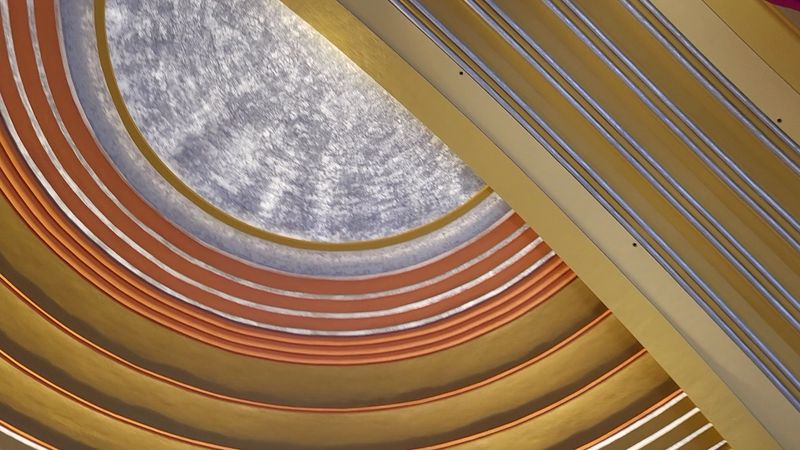
My neck was sore by the end of the day, and the ceiling is completely to blame. Cincinnati Union Terminal opened in 1933, and its rotunda holds one of the largest half domes in the world.
Bands of sunny yellow and orange stretch overhead like a sunrise frozen in place.
Go on a bright day if you can. Light pours through the tall front windows and makes those colors practically glow.
I caught myself grinning at nothing in particular, which I think is the building’s secret power.
Along the walls, huge mosaic murals designed by artist Winold Reiss show the story of Cincinnati and its workers. Tiny pieces of tile form faces, factories, and riverboats in rich detail.
Step close, then back up, and watch the images shift from small squares into full scenes.
Fans of old cartoons might get a jolt of recognition, too. The front of the terminal famously inspired the Hall of Justice, the superhero headquarters from the Super Friends series.
Kids and grown-up comic fans usually spot it instantly.
Entry to the rotunda itself is free, so you can linger as long as you want without a ticket. Find a bench, look up, and let the art deco curves do their thing for a while.
Planning Your Own Trip Back to the 1940s
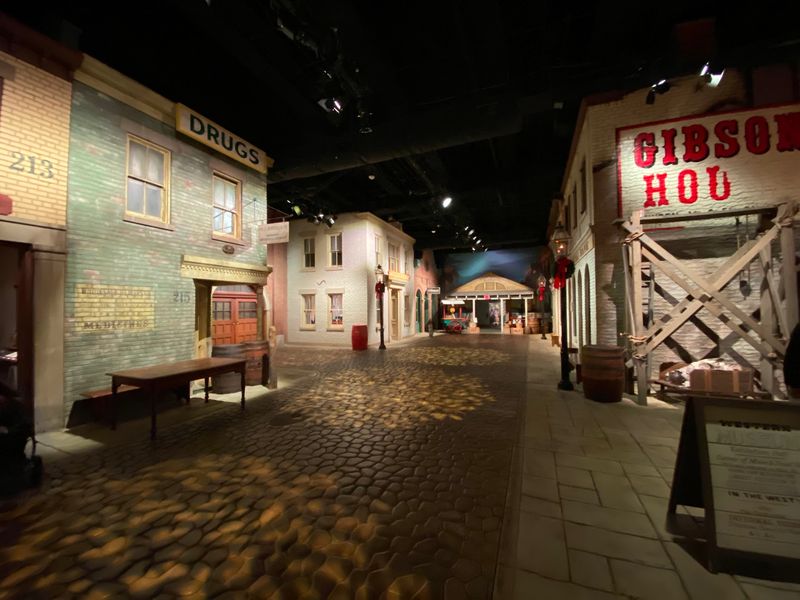
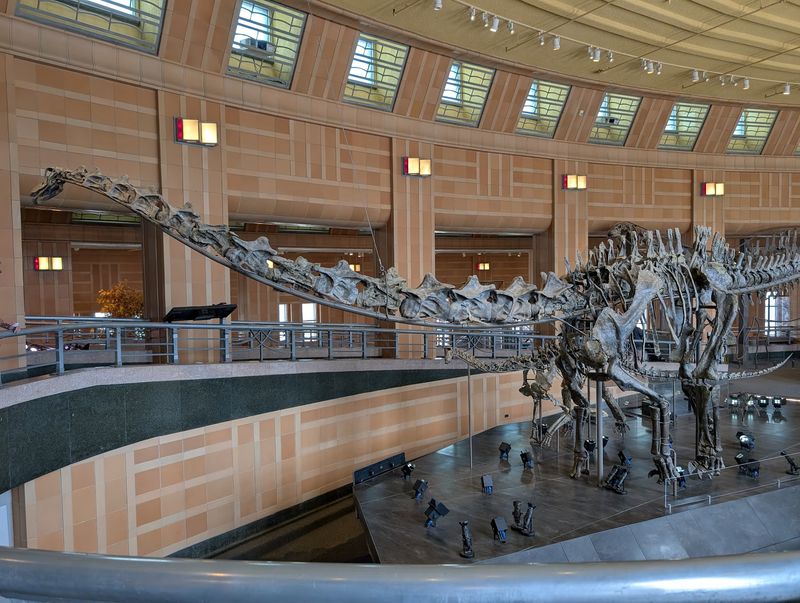
Fair warning, one visit will probably not be enough. The terminal now houses the Cincinnati Museum Center, with a history museum, a natural history and science museum, a children’s museum, the Holocaust and Humanity Center, and a giant domed Omnimax theater.
I planned for a couple of hours and stayed until closing.
History lovers should head straight for the enormous model railroad showing Cincinnati during the 1930s and 1940s. Tiny trains roll past miniature streets and riverfront buildings from the same years soldiers filled the station.
Seeing the city at that scale helped the wartime story click for me.
Keep an eye out for special events like 1940s Day, when the building leans fully into its wartime past with music, costumes, and vintage fun. December is another magical time, since the halls get dressed up beautifully for the holidays.
Checking the museum center website before you go helps you catch these.
Doors open at 10 AM and close at 5 PM, and arriving early means calmer exhibits. One practical tip that saved me a headache: bring your parking ticket inside, because you pay for it there.
Sensitive stomachs may want to sit farther back in the Omnimax, since the curved screen can cause motion sickness.
Address: 1301 Western Ave, Cincinnati, Ohio 45203
