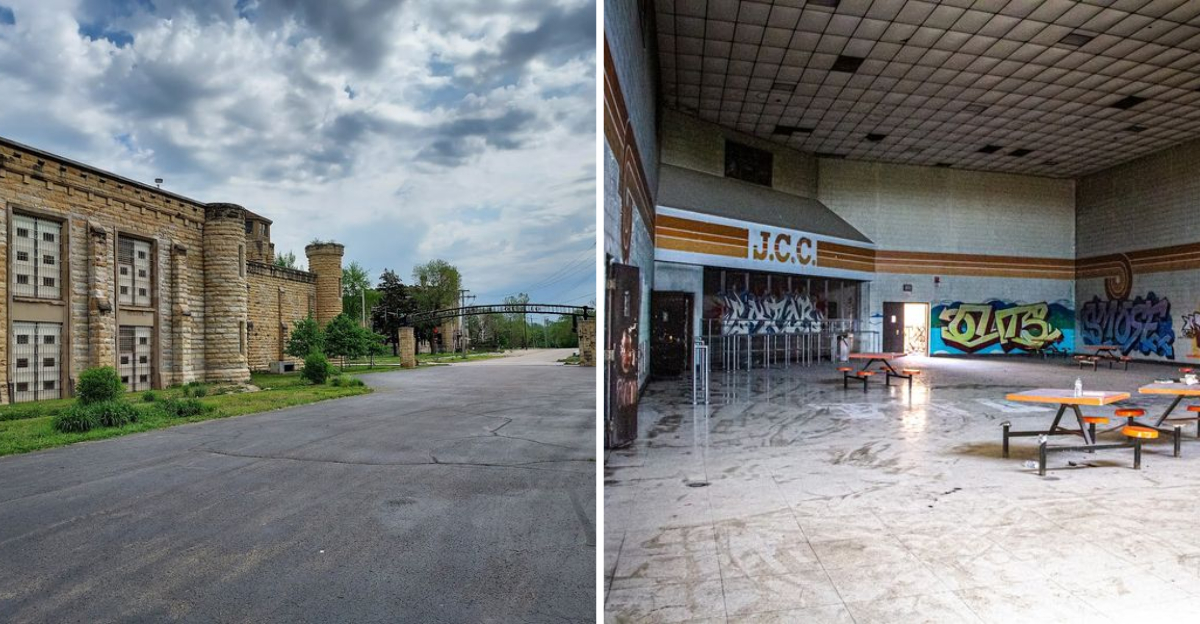
The limestone walls rise above the street like they remember everything.
This Illinois prison opened in 1858 and operated for 144 years, but the most haunting chapter happened one summer when thousands gathered outside, drawn by reports of a mysterious voice singing hymns from an empty cemetery on the hill.
Nobody ever found the singer. I took a tour through the empty cellblocks last fall, and the silence pressed in so heavy I found myself speaking in whispers without realizing it.
The place holds more than 140 years of stories, shadows, and unanswered questions, and you can feel every single one of them the moment you step inside. This is not just a history lesson.
This is a story that refuses to end. Tours run seasonally, and they are worth every minute of the drive.
The Legend That Started in Summer 1932
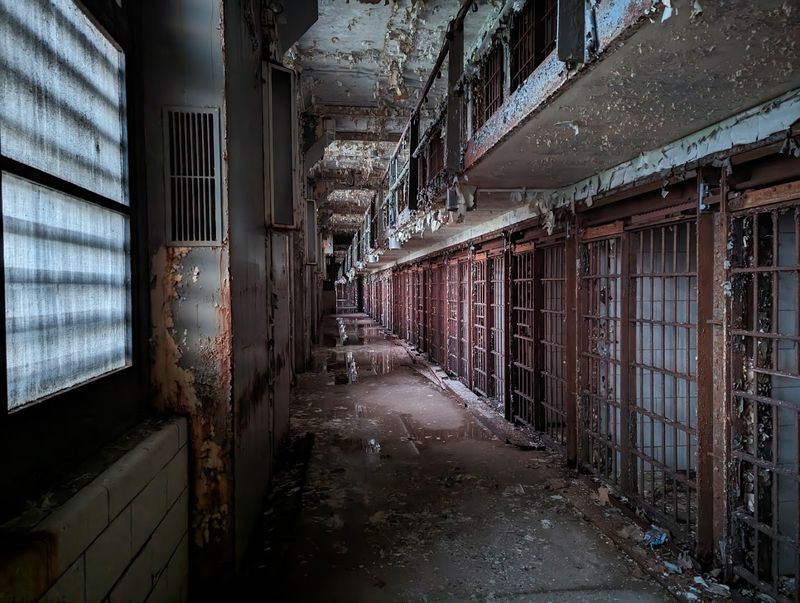
Most ghost stories fade over time, but this one pulled thousands of people out of their homes in the middle of the night.
In the summer of 1932, residents from Joliet and as far away as Chicago started gathering outside Old Joliet Prison after word spread of a mysterious singing voice near the Old Convict Cemetery, a small burial ground perched on a bluff overlooking the prison grounds.
The cemetery, sometimes called Monkey Hill or Fairmont Hill, served as a potter’s field for unclaimed prisoners who passed inside the walls from various causes.
The crowds that showed up were not small. Some nights, as many as 5,000 people gathered hoping to hear the voice or spot its source.
That kind of turnout for a ghost story in 1932 says a lot about how convincing the experience must have been for early witnesses.
What made this legend stick is that it was never neatly resolved. No one was ever caught singing.
No instrument was ever found. The voice simply appeared in the dark and disappeared just as quietly, leaving behind only questions and a story that still gets told today whenever someone visits this remarkable place.
What the Voice Actually Sounded Like
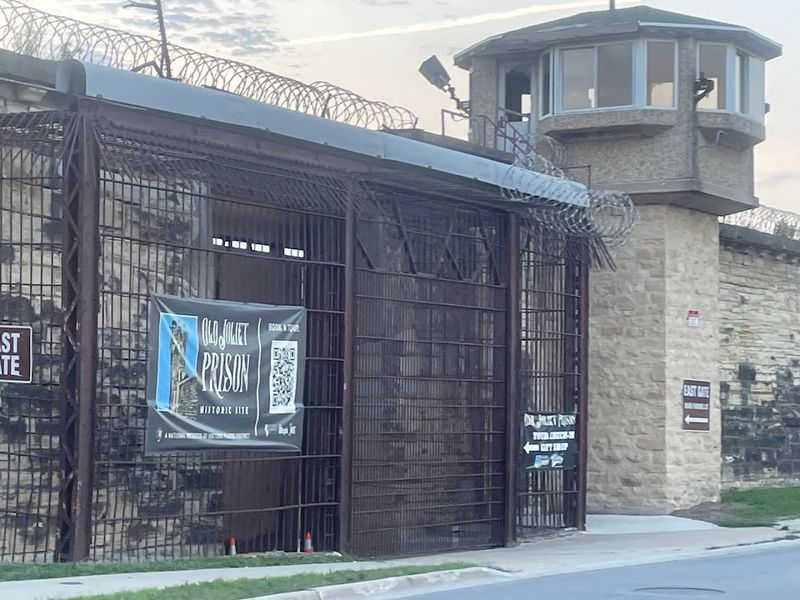
People who claimed to hear the singing were not describing random noise or wind through the trees. The voice was consistently reported as dreamy and ethereal, the kind of sound that made you stop whatever you were doing and just listen.
Witnesses described church hymns, sometimes sung in what sounded like a foreign language or possibly Latin, drifting through the night air near the cemetery bluff.
The timing was oddly consistent too. Reports placed the singing between roughly 11:30 PM and midnight, and it reportedly lasted for over an hour on multiple occasions.
That kind of regularity makes it harder to dismiss as a simple trick of acoustics or an overactive imagination.
There is something genuinely fascinating about the specific details here. A voice singing hymns, in what might be Latin, near a burial ground for forgotten prisoners, at the same time each night.
Whether you believe in the paranormal or not, those details paint a vivid picture. Visitors today who walk the grounds of Old Joliet Prison and look toward that hillside often find themselves listening a little more carefully than they expected to.
The story has a way of making the silence feel louder.
The Official Explanation Nobody Really Believed
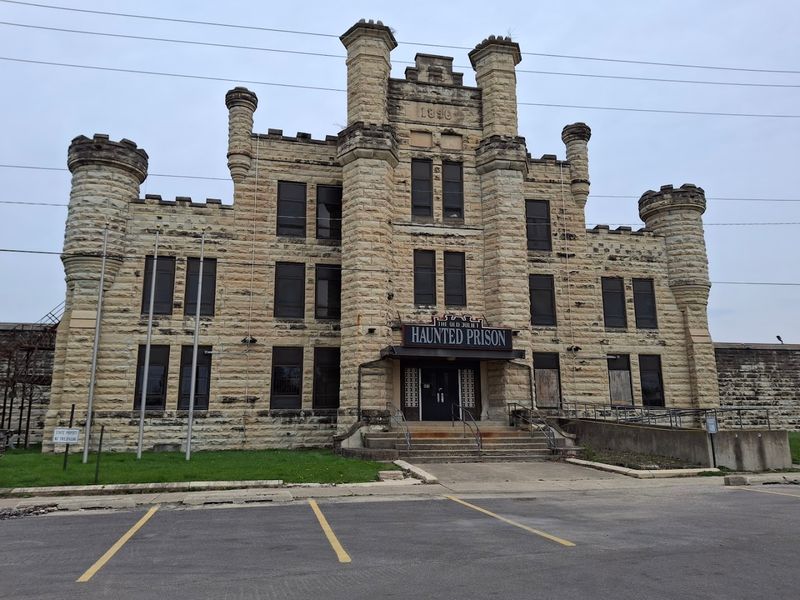
Prison officials eventually had to say something. With thousands of people flooding the area every night, disrupting the neighborhood and creating a logistical headache, an explanation was needed.
Officials pointed to an inmate named William Chrysler, claiming he was responsible for the singing while performing duties at a nearby prison quarry.
The problem was that almost nobody bought it. Critics were quick to point out that inmates were not allowed to travel to the quarry without an escort, and more importantly, Chrysler was never actually located during any of the nightly searches conducted by the massive crowds gathered outside.
Author Dylan Clearfield, who has written about this case, suggests the official story may have been a deliberate move to scatter the large and increasingly disruptive crowds rather than a genuine solution to the mystery.
It is the kind of explanation that raises more questions than it answers. If Chrysler was the singer, why could no one find him during the searches?
Why was the singing so consistent in timing and style? The official account felt rushed, and the public seemed to sense that.
People kept coming back to listen, unconvinced that a quarry worker explained away what they had heard with their own ears.
Other Strange Sounds Reported Inside the Cell Blocks
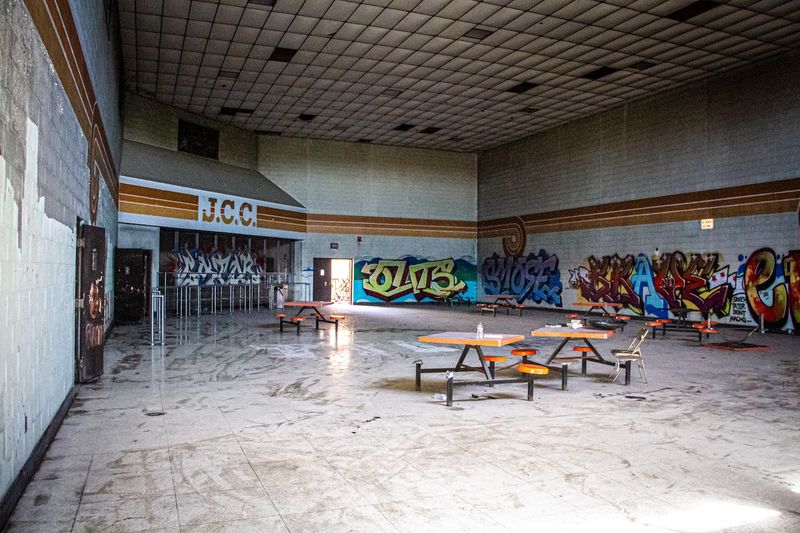
The singing near the cemetery is the most famous story, but it is far from the only one. Visitors and staff have reported other unexplained sounds from inside the cell blocks themselves over the years.
Disembodied voices, cries, wails, and ghostly whistling have all been described coming from areas where no one was present.
Old Joliet Prison operated from 1858 to 2002, which means its walls absorbed well over a century of human experience, not all of it peaceful. The solitary confinement block, where prisoners awaited execution, is described by visitors as particularly heavy in atmosphere.
Several people who have toured that area mention an overwhelming sense of oppression that hits without warning.
Beyond the sounds, there are reports of electronic devices malfunctioning unexpectedly, cameras producing shadowy anomalies in photographs, and sudden temperature drops in specific corridors. Whether those things have rational explanations or not, they contribute to an environment that feels genuinely alive with something.
The self-guided tours available during regular hours let visitors explore many of these areas independently, and more than a few people have come away with experiences they struggled to explain afterward. The prison does not need to oversell its atmosphere.
The place does that work entirely on its own.
The Old Convict Cemetery and Its Forgotten Residents
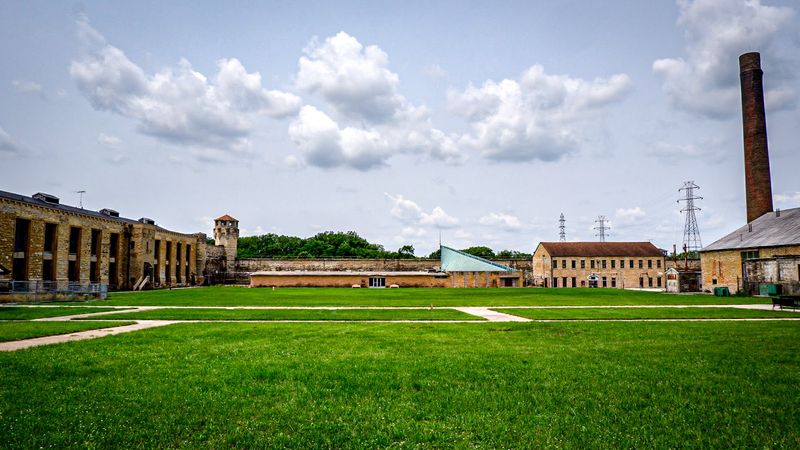
Fairmont Hill, the bluff that overlooks Old Joliet Prison, holds the Old Convict Cemetery, a burial ground that most visitors do not think about until they learn what it actually is. This was the final resting place for prisoners who died inside the prison and whose bodies went unclaimed.
The causes of passing ranged widely, from disease and old age to numerous causes.
Being buried in a potter’s field like this one meant no family came to claim you, no headstone marked your full story, and no ceremony honored your passing. For many of these individuals, the prison was both the place they lived and the place they were ultimately forgotten.
That weight is hard to shake when you look up at that hillside.
It is worth noting that this is the exact location where the mysterious singing was reported in 1932. Whether that connection is meaningful or purely coincidental depends entirely on what you believe.
What is not in question is that the cemetery represents a real and sobering part of the prison’s history. The people buried there were real.
Their stories, largely unrecorded, are part of what makes Old Joliet Prison feel like more than just a historic building. It feels like a place that still holds its past close.
Visiting Old Joliet Prison Today
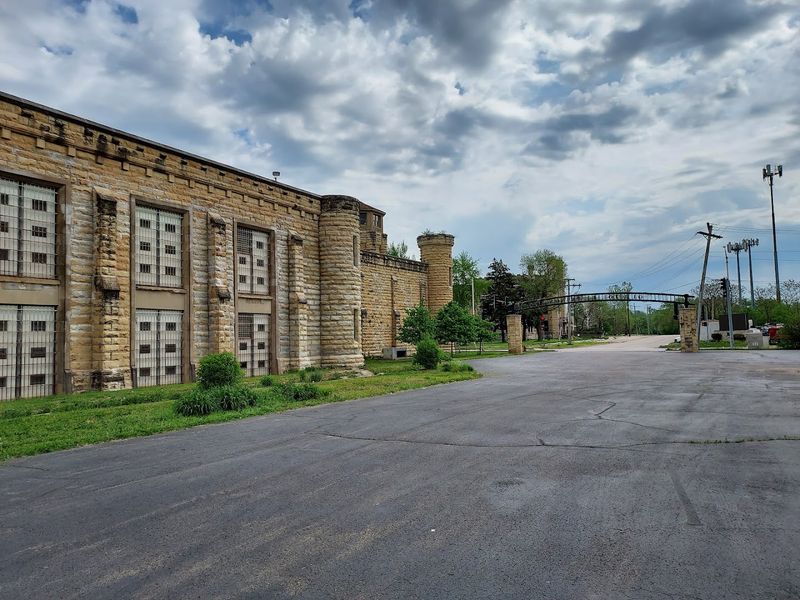
Old Joliet Prison is open to the public and sits at 1125 Collins St in Joliet, Illinois. The facility welcomes visitors Tuesday through Sunday from 10 AM to 4 PM, offering self-guided tours that let you explore the grounds at your own pace.
The self-guided format works surprisingly well here because the prison is large, and having the freedom to linger in certain spots makes a real difference.
A provided map helps orient first-time visitors, and knowledgeable staff members are stationed throughout the property ready to answer questions. Many guests spend between 90 minutes and two and a half hours exploring, depending on how thoroughly they want to take in each area.
The West Cell House, with its actual intact cells, is consistently mentioned as a highlight.
The prison has appeared in films including The Blues Brothers, which draws fans from around the world. Events are held on the grounds throughout the year, from outdoor movie screenings to special tours.
The restoration work is ongoing and visible, with new areas opening as they are made safe for visitors. For anyone drawn to history, architecture, or unexplained phenomena, this place delivers on all three fronts without needing any exaggeration.
It is genuinely one of the more memorable historic sites in the entire Midwest.
Why This Mystery Still Matters Almost 100 Years Later
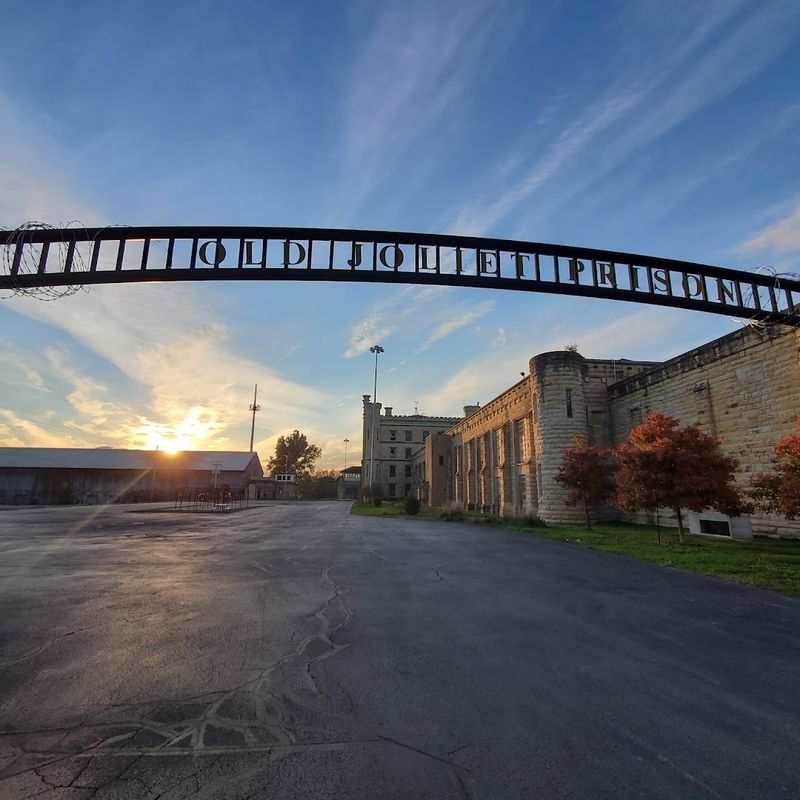
Nearly a century has passed since those summer nights in 1932 when crowds gathered outside this prison hoping to hear a ghost sing. The mystery was never officially solved in any convincing way.
And yet the story keeps circulating, keeps drawing people in, and keeps finding new audiences every time someone first hears about it.
Part of what makes this particular story so durable is how grounded it is in real events. Real crowds gathered.
Real officials issued a real explanation. Real critics challenged that explanation.
There are newspaper accounts from the time. This was not a campfire story passed down through whispers.
It happened in public, at scale, and was documented.
Old Joliet Prison itself has survived long enough to become something genuinely rare: a place where the history is both dark and accessible, where you can stand inside the actual spaces where extraordinary things happened and feel the weight of that. The singing voice from the empty cells remains unidentified.
Maybe that is exactly the point. Some places earn their mystery honestly, through years of real events and real unanswered questions.
This prison is one of those places, and the voice that no one ever found is part of what makes it unforgettable.
Address: 1125 Collins St, Joliet, Illinois 60432
