A $400 million data center was headed for a quiet patch of farm country, and the neighbors said no. They didn’t just grumble about it, either. They organized, showed up, and made enough noise that the developer pulled the plan in July 2024.
The proposal covered about 67 acres near homes in a tiny rural community. Residents worried about humming machines, heavy power demands, and pressure on local water.
Those are big worries for a place with only a few hundred people.
I like how this story flips the usual script. Small towns often feel powerless when big projects arrive.
This one in Virginia proved that a few determined neighbors can change what happens next.
So who are these folks, and what did they actually do? The answer is a lot more interesting than a zoning map.
A Village Of 331 People Took On A Hyperscale Giant
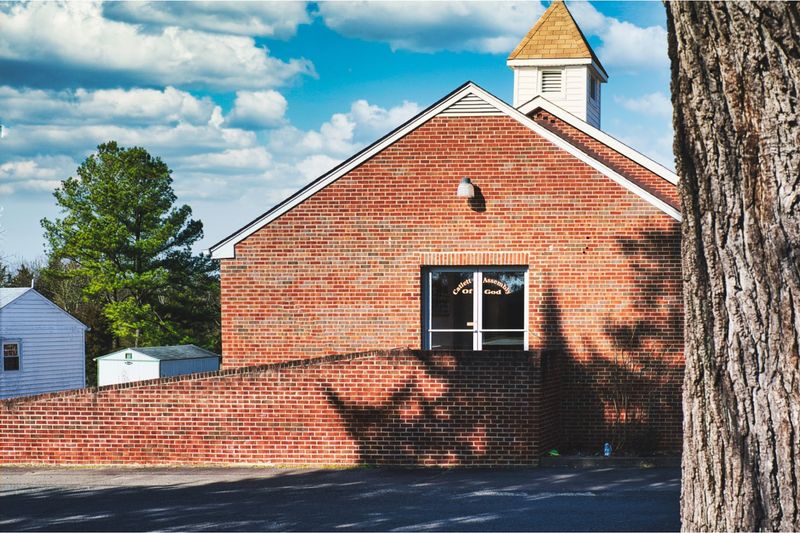
Catlett, VA, counted just 331 residents in the 2020 census. That’s smaller than plenty of high school graduating classes.
Now picture that number facing off against a hyperscale data center project. The proposal carried a price tag of about $400 million.
Those are wildly uneven teams on paper.
Catlett sits in Fauquier County, west of the Prince William County line. It’s a census-designated place, which means it’s a recognized community without a town government of its own.
Residents can’t just hold a council vote and shut a project down.
So they leaned on the county process instead. They studied the plan, raised questions, and spoke up loudly.
That approach turned out to matter more than raw numbers.
Here’s a takeaway worth remembering. Size doesn’t decide who gets heard at a county meeting.
Preparation and persistence often do.
Many rural Virginia communities feel squeezed as Northern Virginia keeps growing outward. Catlett’s story shows that a tiny place can still shape its own future.
The people here simply refused to assume the outcome was already decided.
That stubborn streak is what makes this little spot worth knowing.
Meet The Project Nobody Around Here Asked For
Officially, it was called the Headwaters Site Development. The developer, Headwaters Site Development LLC, wanted to rezone land for a hyperscale facility.
The site covered roughly 67 acres in the Catlett Station area. That’s a lot of ground for a community that prizes open space and rural roads.
Hyperscale data centers are the giant warehouses of the internet. They store and process information for cloud services, streaming, and online apps.
Every video you watch probably passes through a building like that somewhere.
Rezoning was the key step. Land in rural areas usually has rules about what can be built there.
Changing those rules opens the door to very different uses.
For neighbors, that’s where the alarm bells started ringing. A rezoning request signals that a big change could become permanent.
Once the zoning shifts, getting it back is tough.
If a large project ever pops up near your home, start with the zoning application. It often explains the size, purpose, and timeline in plain terms.
Reading it early gives you time to ask smart questions.
Catlett residents clearly did their homework on this one.
Three Local Groups Made Sure Nobody Stayed Quiet
Teamwork carried this fight. Protect Catlett, Citizens for Fauquier County, and Protect Fauquier all pushed back against the plan.
Each group brought its own energy. Protect Catlett focused tightly on this community and its neighbors.
The countywide groups helped connect the issue to bigger land-use concerns.
That combination is smart. A purely local fight can feel easy for officials to dismiss.
A countywide coalition shows the worry stretches beyond one road.
The opposition was described as intense and organized. Organized is the important word there.
Angry voices fade fast, but steady, informed pressure tends to stick around.
Want to borrow a lesson from Catlett? Find people who already care about the same thing.
Pool your knowledge, split up the research, and show up together.
Groups like these often share updates, meeting dates, and talking points with neighbors. That keeps everyone on the same page.
It also helps newcomers jump in without feeling lost.
Honestly, the group names alone tell you plenty. Nobody names an organization Protect Catlett unless they plan to stick around for a while.
Noise Topped The List Of Worries
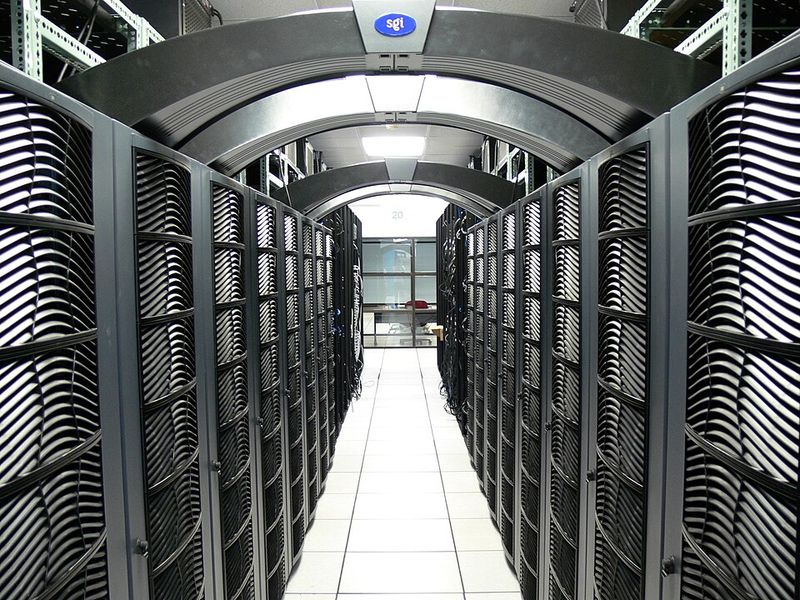
Data centers hum. Big ones can hum around the clock, thanks to cooling equipment and backup systems that keep servers from overheating.
For a quiet rural place like Catlett, that sound was a serious concern. Many people live out here because evenings are peaceful.
Crickets are welcome guests, but a steady mechanical drone is not.
Noise issues have come up in other Northern Virginia communities near data centers. That history gave Catlett residents good reason to ask questions early.
They didn’t want to learn the hard way.
Here’s a practical tip. When a big facility is proposed nearby, ask how sound will be measured and limited.
Ask about nighttime levels, too, since that’s when quiet matters most.
Distance from homes is another fair question. Setbacks and buffers can change how much sound reaches nearby yards.
Those details often hide in planning documents.
Neighbors in Catlett treated quiet as something worth protecting. That’s an easy value to understand.
Anyone who has tried sleeping next to a loud air conditioner knows exactly how they felt.
Peace and quiet rarely gets a spot on a zoning map, but it still counts.
Water, Power, And Open Land Were On The Line Too
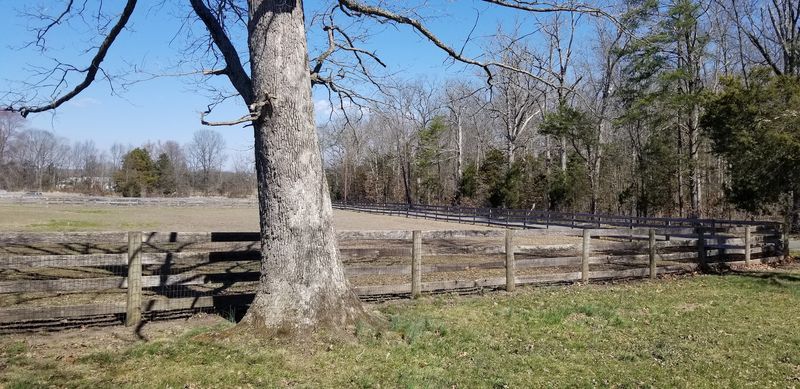
Cooling a giant computer warehouse takes resources. Residents raised concerns about water use and the huge amount of electricity these facilities demand.
Water matters a lot in rural areas. Many households depend on local supplies, so any big new user gets noticed fast.
People wanted to know what this project would mean for them.
Power was another sore spot. Hyperscale facilities need major electrical capacity.
That often brings new transmission lines or other infrastructure into the landscape.
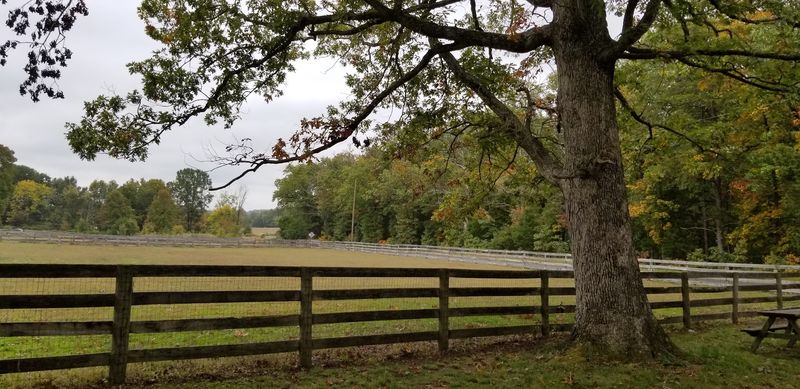
Then there’s conservation. Catlett’s surroundings include farms, fields, and streams like Cedar Run.
Residents wanted to protect that environment instead of trading it away.
These concerns connect in a way that’s easy to miss. One large project can ripple outward into water, power lines, and land use all at once.
Catlett’s neighbors looked at the full picture, not just one building.
You can use the same approach anywhere. When a project is proposed, ask what it needs to run every day.
Then ask where those resources will come from.
Those questions turned a vague worry into a clear case. That clarity helped the community stay focused and convincing.
July 2024 Brought The Moment Everyone Was Waiting For
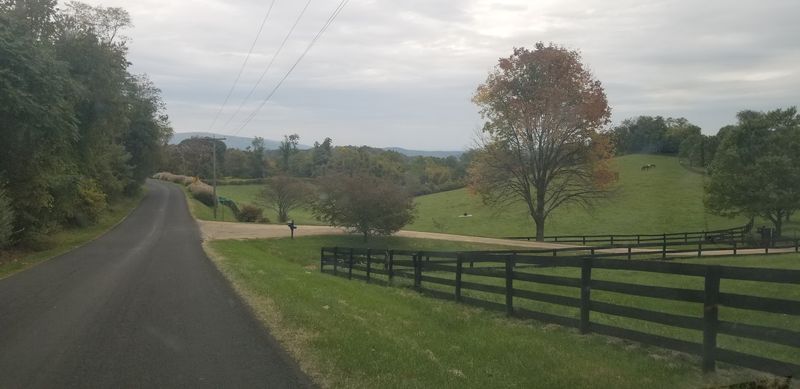
The developer blinked first. In July 2024, Headwaters Site Development LLC voluntarily withdrew its application.
That timing mattered. The project never reached a Planning Commission hearing.
In other words, the plan stopped before it hit a key public decision point.
Withdrawals like this usually happen when a project faces stiff resistance. In Catlett’s case, the organized opposition was a big part of the story.
Neighbors made their concerns impossible to ignore.
It’s a satisfying ending for a community that size. Of course, a withdrawal isn’t the same as a permanent ban.
The land itself was still there, waiting for its next chapter.
Still, Catlett earned a real win in Virginia’s ongoing data center debate. That’s worth celebrating, even quietly.
If you’re following a local issue, keep an eye on hearing schedules. Sometimes the biggest changes happen before any formal vote.
Staying informed early lets you react in time.
Catlett residents clearly kept watching every step. When the application disappeared, they knew exactly what it meant.
A few hundred people had just changed the direction of a $400 million plan.
A Warehouse Plan Popped Up Next
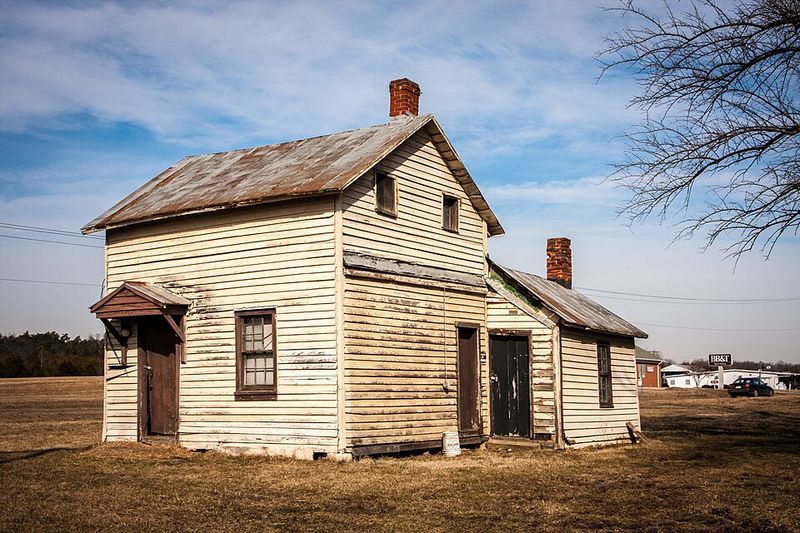
Land rarely sits empty forever. After the data center plan fell apart, preapplication materials filed in December pointed toward a different use.
The new idea was a non-distributing warehouse. That’s a storage-style building rather than a busy hub shipping goods all day.
The difference matters for traffic and activity.
Some community groups saw this as a better outcome for the area. It’s not the same as keeping the land untouched.
Yet it’s a much smaller footprint in terms of power and noise worries.
Compromise like this happens often in land-use fights. Communities don’t always get everything they want.
Sometimes the win is steering toward something more manageable.
Here’s a helpful insight for anyone watching local development. Preapplication filings are early signals, not final plans.
They give neighbors a sneak peek before anything is locked in.
Catlett’s groups stayed engaged even after their big victory. That’s a smart habit.
The first win can disappear fast if everyone stops paying attention.
So the story didn’t end in July. It simply shifted into a new phase, with the community still keeping a close eye on that 67-acre site.
Protect Catlett Hasn’t Hung Up Its Boots
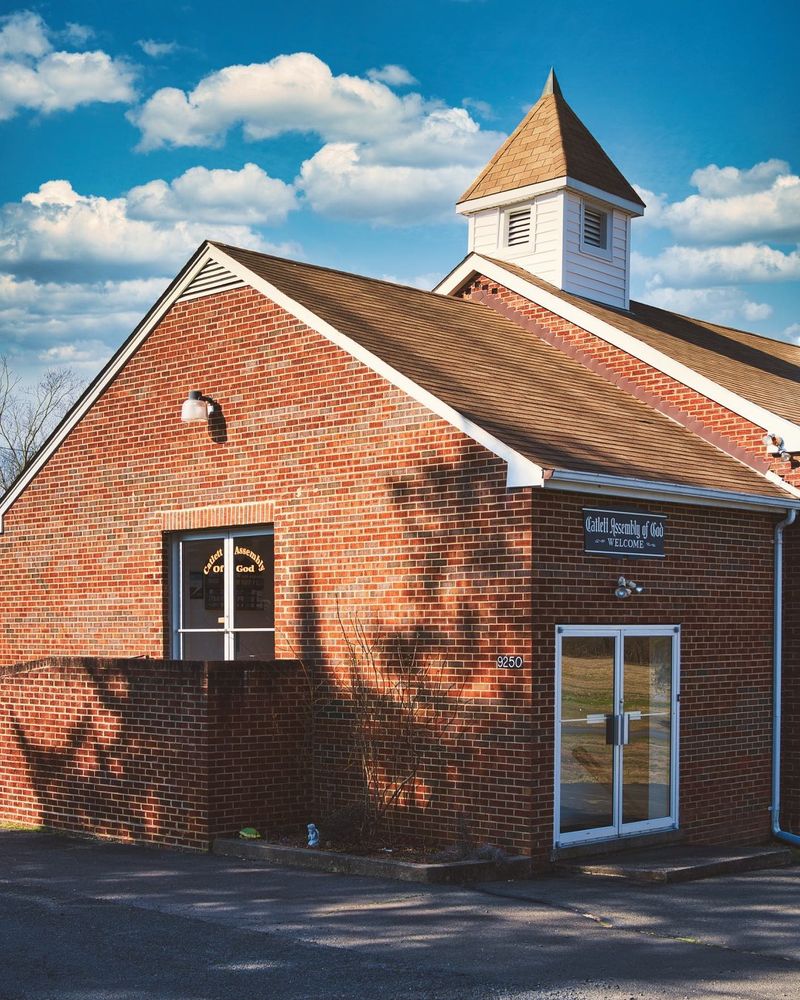
Victory laps are short around here. Protect Catlett remains active and is now discussing a newly proposed gas line near Cedar Run.
The project is called the Power Express Expansion Project, Quantico Lateral. It’s still in its early design phase.
That gives the community time to learn and ask questions.
Cedar Run is a stream that flows through the Catlett area. Waterways like it support wildlife and rural landscapes.
It makes sense that neighbors want to know how a new line might affect it.
Early design is the best time to speak up. Plans are still flexible, and routes can shift.
Waiting until construction starts usually leaves fewer options.
This continued work shows something important about Catlett. The data center fight wasn’t a one-time burst of anger.
It built a community habit of paying attention.
If you live somewhere facing new infrastructure, consider joining an existing local group. They often understand the process better than any single person can.
Plus, sharing the load keeps everyone from burning out.
Catlett’s neighbors seem to understand that protecting a place takes patience. They’re playing a long game, and they’re clearly in it for good.
The Bigger Fight Stretches Across Northern Virginia
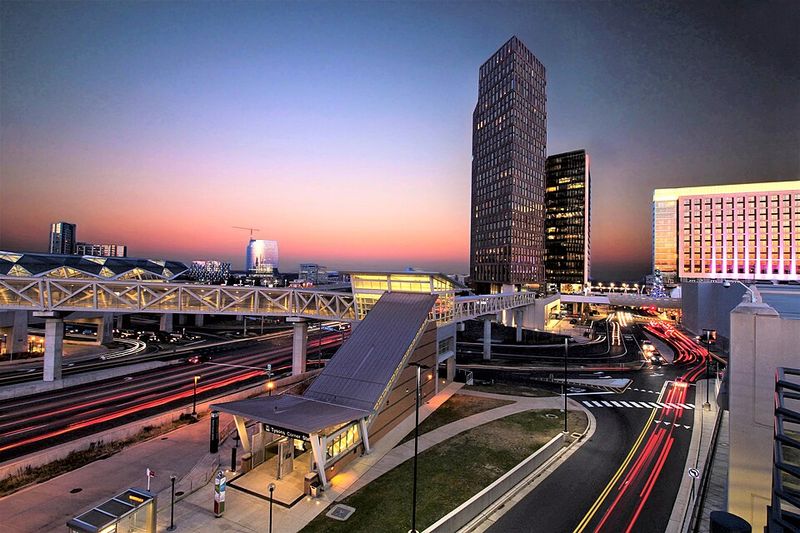
Northern Virginia has become one of the busiest data center regions anywhere. As space fills up closer to the city, developers keep eyeing rural land farther out.
That’s how a place like Catlett ended up in the spotlight. Fauquier County sits right where suburban growth meets farm country.
Land-use battles there feel especially intense.
Catlett’s win didn’t end the larger debate. Data center development remains a major concern across Fauquier County and the wider region.
More proposals will likely keep appearing.
Still, this tiny Virginia community offers a useful example. It showed that early organizing, clear concerns, and teamwork can change outcomes.
Other towns are surely taking notes.
There’s a balance to think about, too. Our phones, streaming shows, and online games all rely on data centers.
The tricky question is where they should go and how they fit near homes.
Every community will answer that differently. Catlett answered with a firm, organized not here.
That choice reflected what neighbors valued most.
Whatever you think about the bigger issue, it’s hard not to respect a group of 331 people who refused to be overlooked. Their small crossroads now carries a surprisingly big story.
