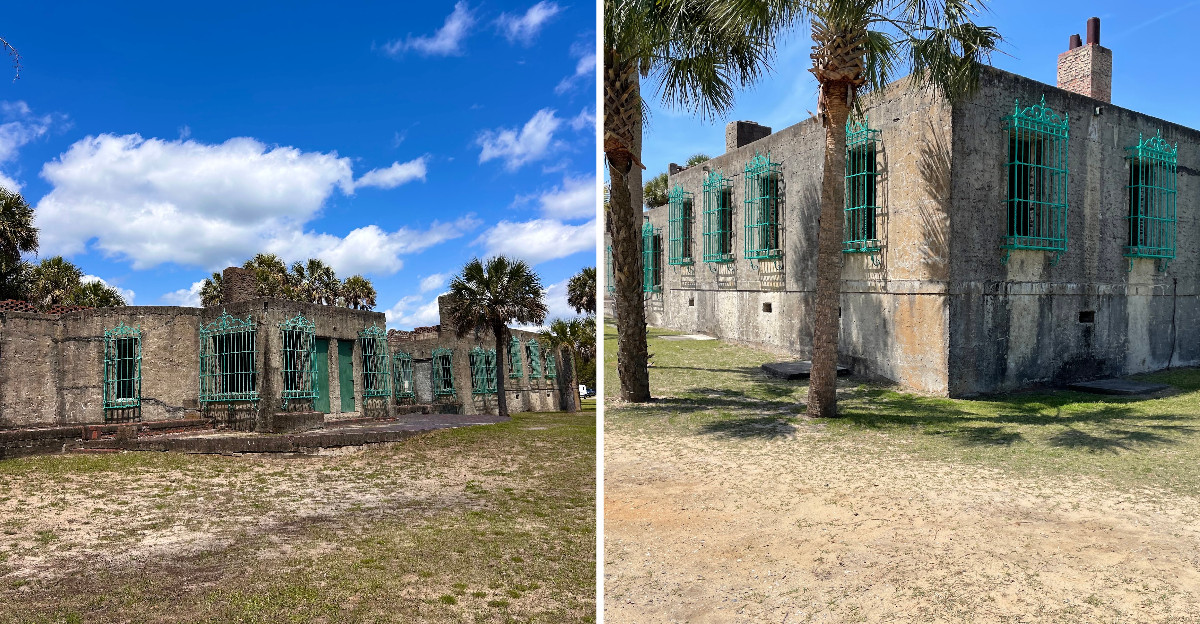
Tall square towers poking above palmettos keep an eye on the beach at this South Carolina park. Sand and sunshine were the plan.
Half an afternoon disappeared instead inside a Spanish-style castle. Built in the early 1930s by a wealthy scholar and a famous sculptor, the home served as a warm winter retreat on the coast.
Thirty rooms, a sunny courtyard, and a studio where the sculptor once worked with live bears and horses as her models fill the property. Picturing a bear lounging a short walk from the Atlantic makes the grin come every time.
The walls are open to the sky in places now, and the breeze moves through the empty rooms. History with a story behind every wall is worth the trip, and this place delivers.
A Winter Home Built for Healing
My first surprise came from learning why this place exists at all. Anna Hyatt Huntington, one of the best known sculptors of her time, was battling tuberculosis in the early 1930s.
Doctors back then often suggested fresh air and a mild climate, so she and her husband Archer went looking for somewhere warm.
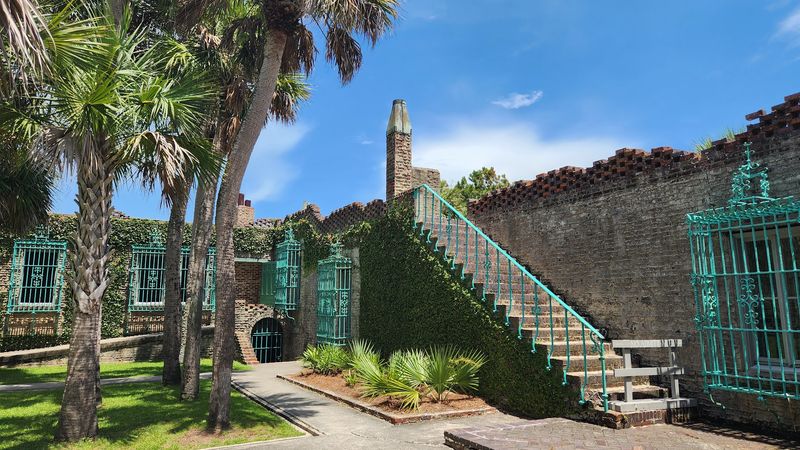
They found it on a quiet stretch of the South Carolina coast near Murrells Inlet. Between 1931 and 1933, the couple built Atalaya as their winter residence, trading cold northern winters for salty breezes and soft sand.
The house sits only about 150 yards from the ocean, close enough to hear the waves when the wind is right.
Knowing that backstory changed how I moved through the rooms. Instead of seeing a fancy mansion, I saw a home shaped around comfort, sunlight, and rest.
Big windows, open hallways, and a sunny courtyard all make more sense once you know someone was trying to get healthy here.
A quick tip before you go: read the signs near the entrance first. They explain the couple’s history in simple terms, and the rest of the visit feels richer when you already know who lived here and why they chose this spot by the sea.
No Blueprints, Just Archer’s Imagination
Here is a detail that made me chuckle: Archer Huntington reportedly designed Atalaya himself, without detailed architectural plans. He was a scholar who loved Spanish culture, not a trained architect.
Somehow, the finished result still turned out bold, sturdy, and full of character.
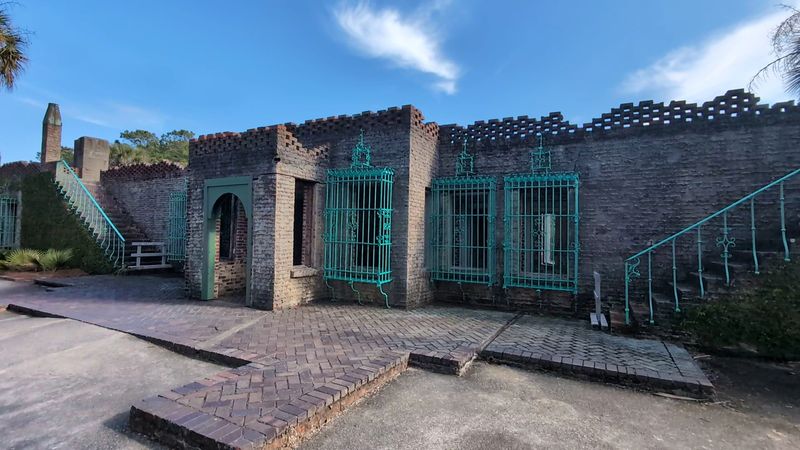
His inspiration came from the Moorish and Mediterranean styles he admired, especially the fortresses along the coasts of Spain and the Andalusian coast of Morocco. You can spot that influence in the thick brick walls, the low profile, and the simple arches.
The name itself fits the theme, since ‘atalaya’ is Spanish for watchtower.
Atalaya is a single-story masonry building, which gives it a grounded, hunkered-down feel. It does not tower over the dunes like a fairy tale castle.
Instead, it spreads out low and wide, almost like it was built to shrug off the weather.
There is also a human side to the story that I found touching. The Huntingtons hired local workers to build the house during the Great Depression, when jobs were very hard to find.
So every brick you pass represents a paycheck that helped a family in a tough time, and that thought stayed with me long after I left.
Thirty Rooms Wrapped Around a Sunny Courtyard
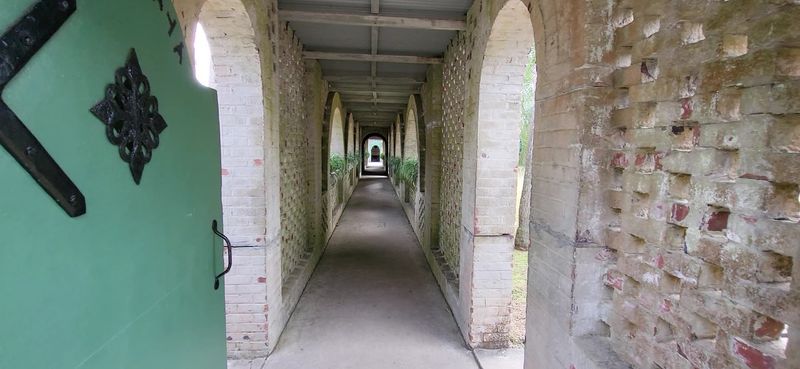
Counting rooms became a little game for me, and I lost track somewhere around the kitchen. Atalaya has 30 rooms in total, arranged along three sides of a large central courtyard.
That layout means you are almost always a few steps from open sky, fresh air, and sunlight.
Moving through the halls, you pass living quarters, bedrooms, service areas, and spaces where staff once lived and worked. Signs explain what each room was used for, so there is very little guessing.
I liked imagining the rooms with furniture, rugs, and the buzz of a busy household.
The courtyard itself was once a green paradise. Creeping fig vines climbed the walls, while Sabal palmettos, which are South Carolina’s state tree, and other palms added shade and texture.
Even today, the palms framing the brick walls make it one of the most photographed corners of the property.
My advice is to slow down here. Find a shady spot, look up at the tower, and listen to the wind rustle the fronds.
Kids tend to love racing through the long corridors, while adults usually end up lingering in the courtyard, snapping photos from every angle.
The Watchtower With a Secret Job
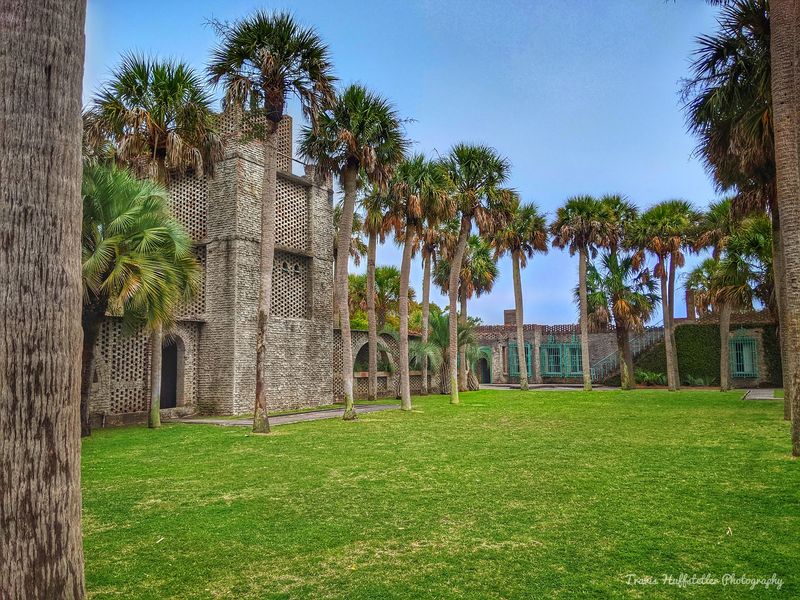
From the parking area, the tower is the first thing that grabs your attention. Rising nearly 40 feet into the air, the square structure splits the inner courtyard right down the middle.
It is the feature that gave Atalaya its name, and honestly, it looks like it should have a lookout guard at the top.
What I did not expect was how practical it is. Inside the tower sat a huge 3,000-gallon water tank.
Gravity pushed water down from that height, giving the whole house steady water pressure without any fancy equipment.
I love when a building hides a clever solution in plain sight. Here, something that looks purely decorative was actually doing hard work every single day.
It is a bit like finding out the fancy lamp in your living room also secretly powers the fridge.
For photos, try standing in the courtyard and shooting upward so the tower fills the frame against the blue sky. Morning light tends to be softer and kinder to the brick.
Take a moment to notice how the tower anchors the entire layout, tying the rooms on each side together like the spine of a book.
Anna’s Studio and Its Giant Skylight
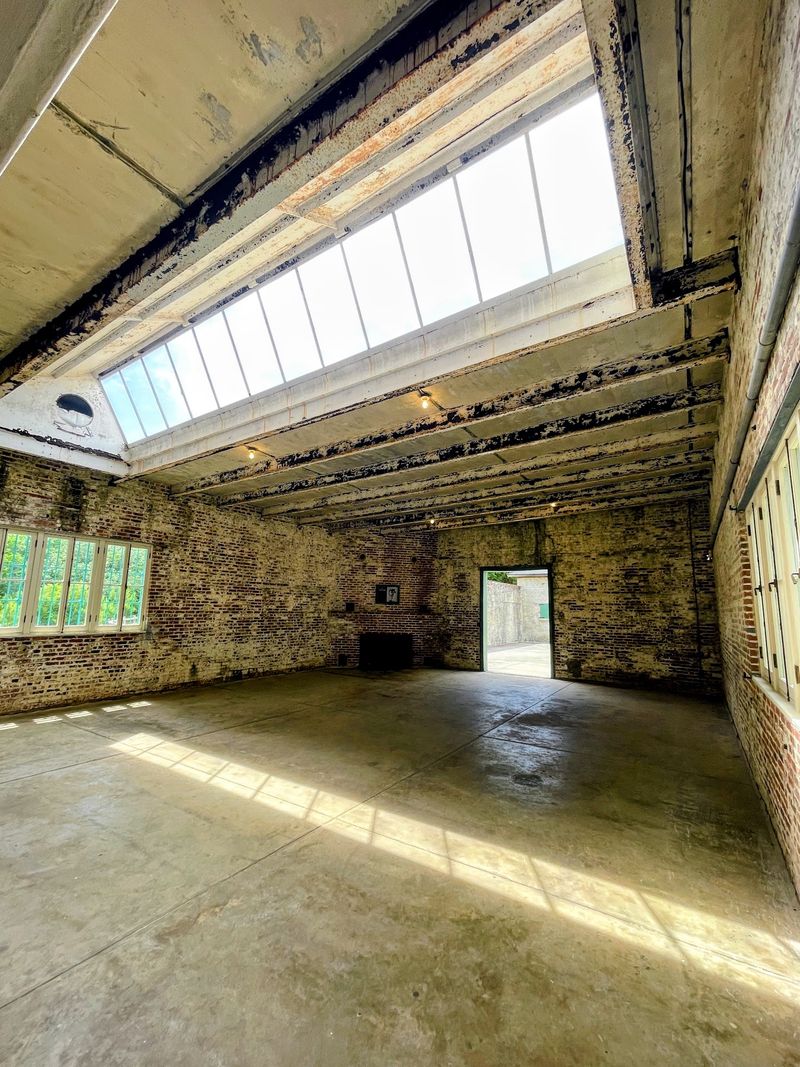
Artists will feel right at home in this part of the house. Anna Hyatt Huntington was famous for her animal sculptures, and she needed serious space to work.
At Atalaya, she had both indoor and outdoor studios, which tells you how central her art was to daily life here.
The indoor studio is the showstopper. A 25-foot skylight stretched overhead, pouring natural light onto her work so she could see every curve, muscle, and shadow clearly.
For a sculptor, good light is everything, and the Carolina sun delivered plenty of it.
I found myself quietly looking up at the ceiling for a long time. It is easy to picture clay, tools, and half-finished figures scattered around the room, with Anna studying a pose from across the floor.
The space feels open and bright, even on a cloudy afternoon.
If her work sparks your curiosity, you are in luck. Many of Anna’s sculptures are displayed at Brookgreen Gardens, which the Huntingtons founded just across the highway from the state park.
Pairing the two stops makes for a fantastic day, since you get to see where she worked and then admire what she created.
Bears, Horses, and a Leopard Next Door
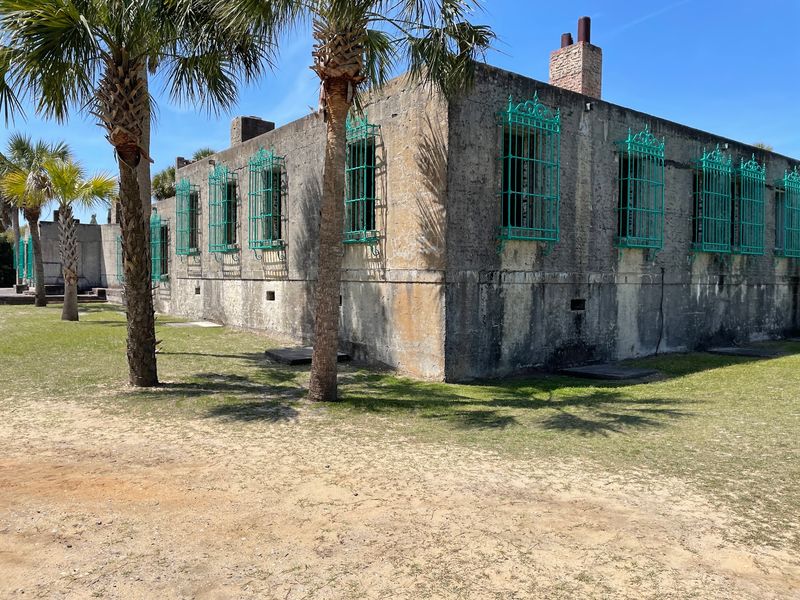
Yes, there were really bears here. Right beside Anna’s studio stood pens and stables built to house live animals that served as her models.
Her roster included horses, dogs, wild cats, monkeys, a leopard, and, of course, bears.
Think about that for a second. Plenty of artists work from photos or sketches, but Anna wanted to watch real muscles move and real animals breathe.
That dedication shows in her sculptures, which are known for feeling alive and full of motion.
I could not stop smiling while reading the signs near the pens. The idea of a bear snoozing a short stroll from the beach, while seagulls squawk overhead, is just wonderfully strange.
It also makes the house feel less like a museum and more like a lively, noisy, slightly wild home.
Families especially seem to enjoy this corner of Atalaya. Kids light up when they learn a real leopard once lived where they are standing, and it is a great way to spark questions about art, animals, and history.
Take a few extra minutes here to imagine the sounds, smells, and daily chores that came with caring for such an unusual group of models.
Iron Grills That Stood Up to Hurricanes
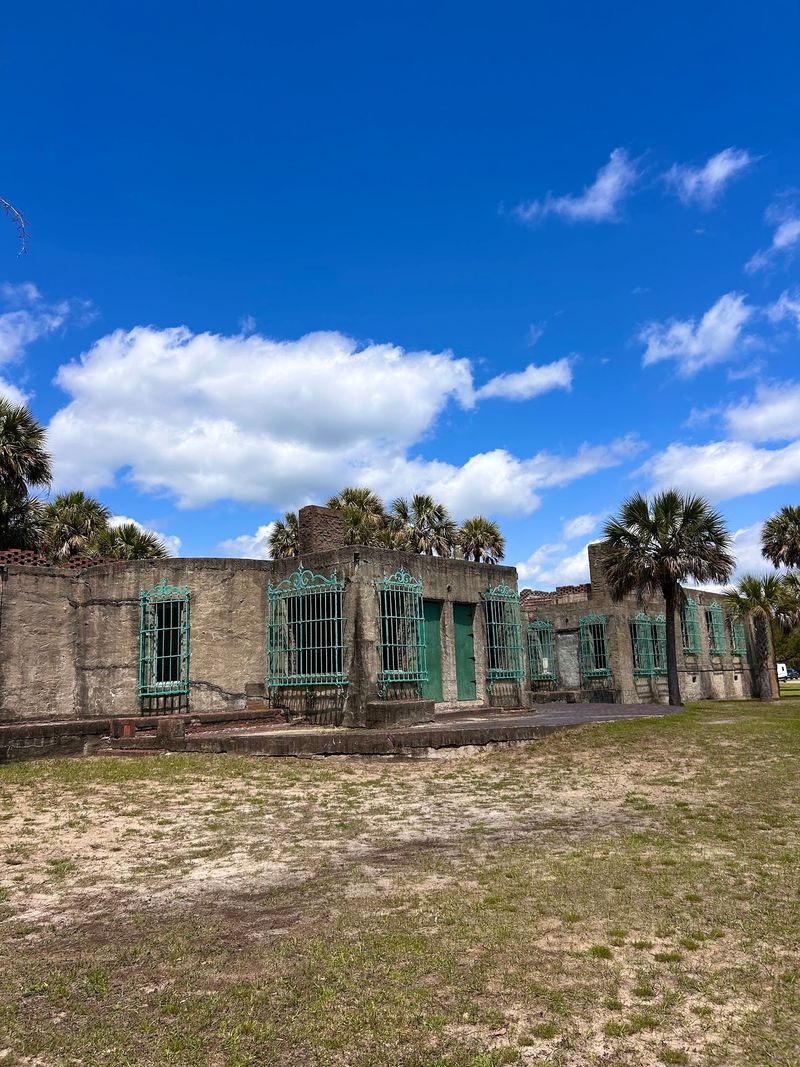
Look closely at the windows, and you will spot some of the prettiest details in the whole house. The hand-wrought iron grills covering them were designed by Anna herself.
Each one adds a lacy, artistic touch to the heavy brick walls.
Beauty was only half the story, though. Living this close to the Atlantic means facing hurricane season, and those grills protected the windows from strong winds and flying debris.
It is a smart blend of art and survival that fits the coastal setting perfectly.
I spent more time than I planned tracing the patterns with my eyes. Some shapes feel playful, while others seem strong and simple, like they mean business.
They also cast lovely shadows across the floors when sunlight streams through, which changes the mood of the rooms as the day goes on.
Here is a small challenge for your visit: try to find your favorite grill and snap a close-up photo. It is a fun way to slow down and really notice the craftsmanship.
Knowing that a famous sculptor shaped these pieces makes even the simplest window feel like part of her art collection, and that detail makes the whole building feel more personal.
Beach, Marsh, and Planning Your Visit
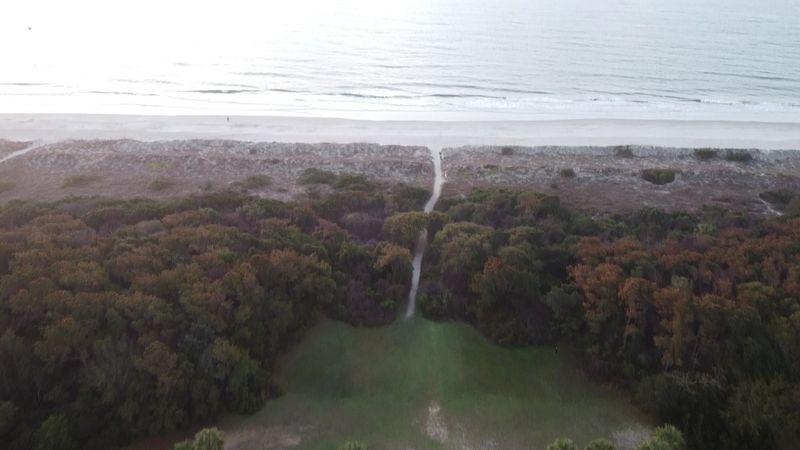
After the castle, I wandered outside and realized the adventure was only half over. Atalaya sits inside Huntington Beach State Park, a sprawling coastal park with beaches, nature trails, and wetlands.
The sand is just a short walk away, so bring a towel and plan to stay a while.
The marsh areas are great for spotting wildlife, and alligators are a common sight for patient visitors. Keep a safe distance, stay on the trails, and enjoy the birds wading through the shallow water.
Early mornings tend to be calmer, cooler, and better for wildlife watching.
Atalaya is a National Historic Landmark and is listed on the National Register of Historic Places. Self-guided tours are offered year-round, and the castle is typically open from 9 am to 5 pm.
Since there is a separate park entrance, arrive with plenty of time so you are not rushing through the rooms near closing.
Comfortable shoes, sunscreen, and a water bottle will make the day much easier, especially in summer. A picnic lunch is a nice idea too.
Address: Atalaya Road, Murrells Inlet, SC 29576
