A survey crew in 1882 looked at a stand of giant pines and wrote down “lake.” That surveying mistake helped protect the ancient pines from logging for nearly eight decades, until the error was corrected in 1960.
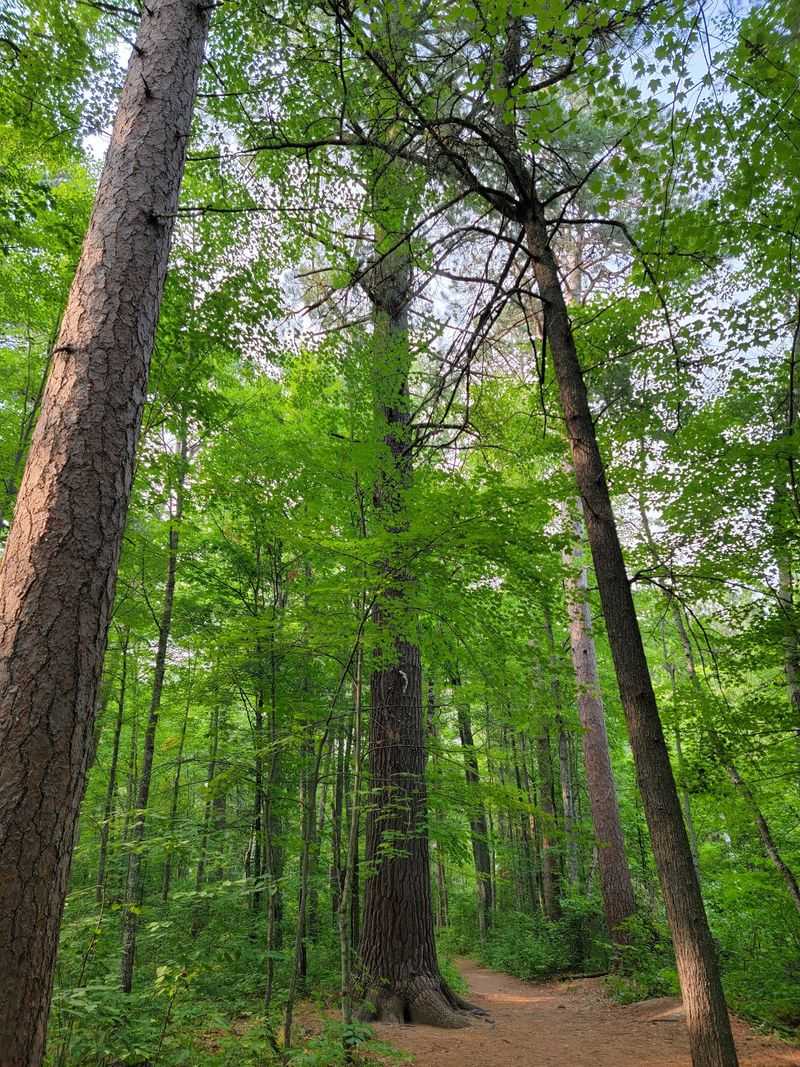
The real lake sat about half a mile away. Meanwhile, red and white pines kept growing on dry ground. Today some of them tower over 100 feet tall. A few are so wide that two or three people must link arms to hug one.
I like how this story flips the usual script. Mistakes rarely save anything, yet this one saved a whole slice of old Minnesota.
The Map Said Lake, The Ground Said Pines
Josiah A. King led a survey crew through northern Minnesota in 1882. His team mapped a big parcel of land as part of Coddington Lake, which actually sits about half a mile away.
That small slip turned into a giant gift. Logging companies trusted the maps, so they figured the area was water or swamp.
Back then, loggers were clearing pine forests across the region at a furious pace. Nobody bothered sending crews to cut trees in a lake. So the pines simply kept growing, year after year, while forests all around them disappeared.
The error stayed on the books for a remarkably long time. Nobody fixed it until the land was re-surveyed in 1960. By then, the trees had enjoyed nearly eight extra decades of peace.
Today the place is called the Lost 40 Scientific and Natural Area. The name nods to the old way land was divided into 40-acre sections. It’s a funny name for a spot that was never really lost, just badly labeled.
Interpretive signs on the trail tell the whole story. Reading them while standing under the very trees that survived makes the history feel close. Few paperwork mistakes in history have aged this gracefully.
Bring Friends, Because These Trunks Need Group Hugs
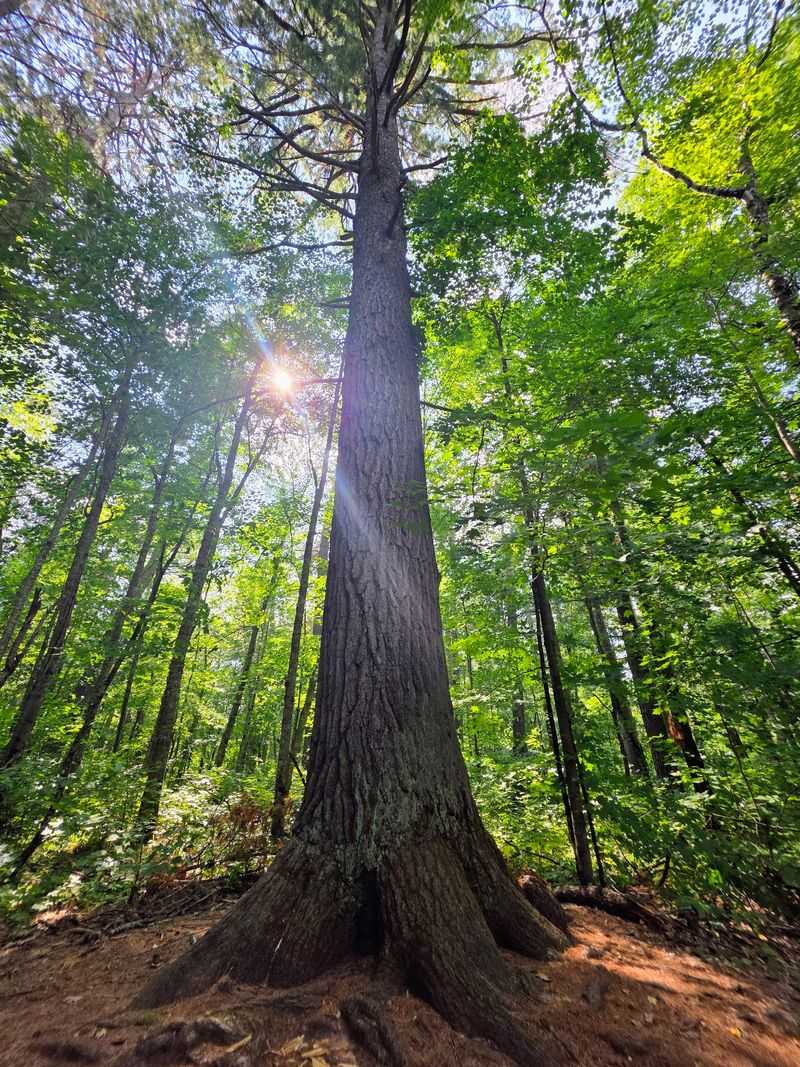
Two or three people linking arms might just reach around the largest pines here. That’s the kind of size we’re talking about.
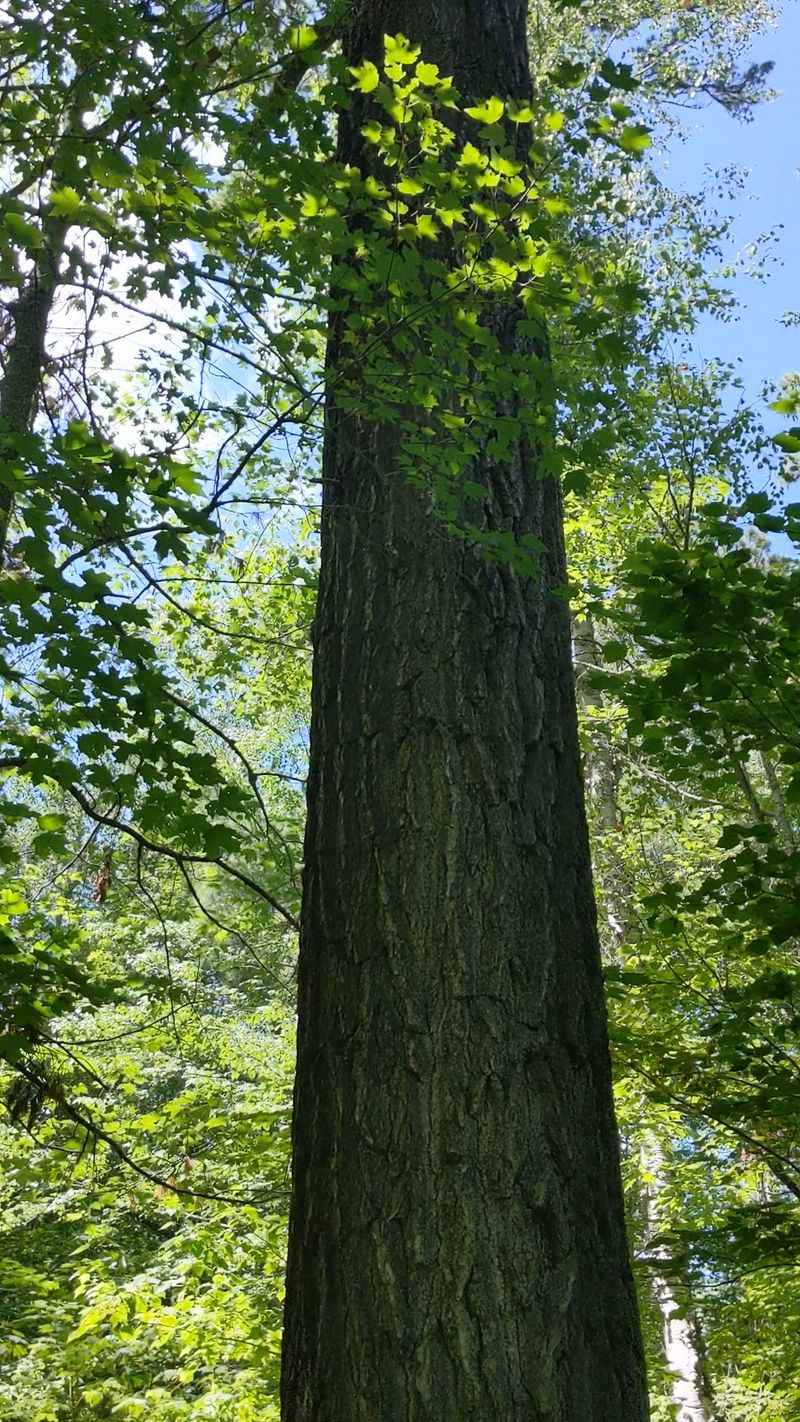
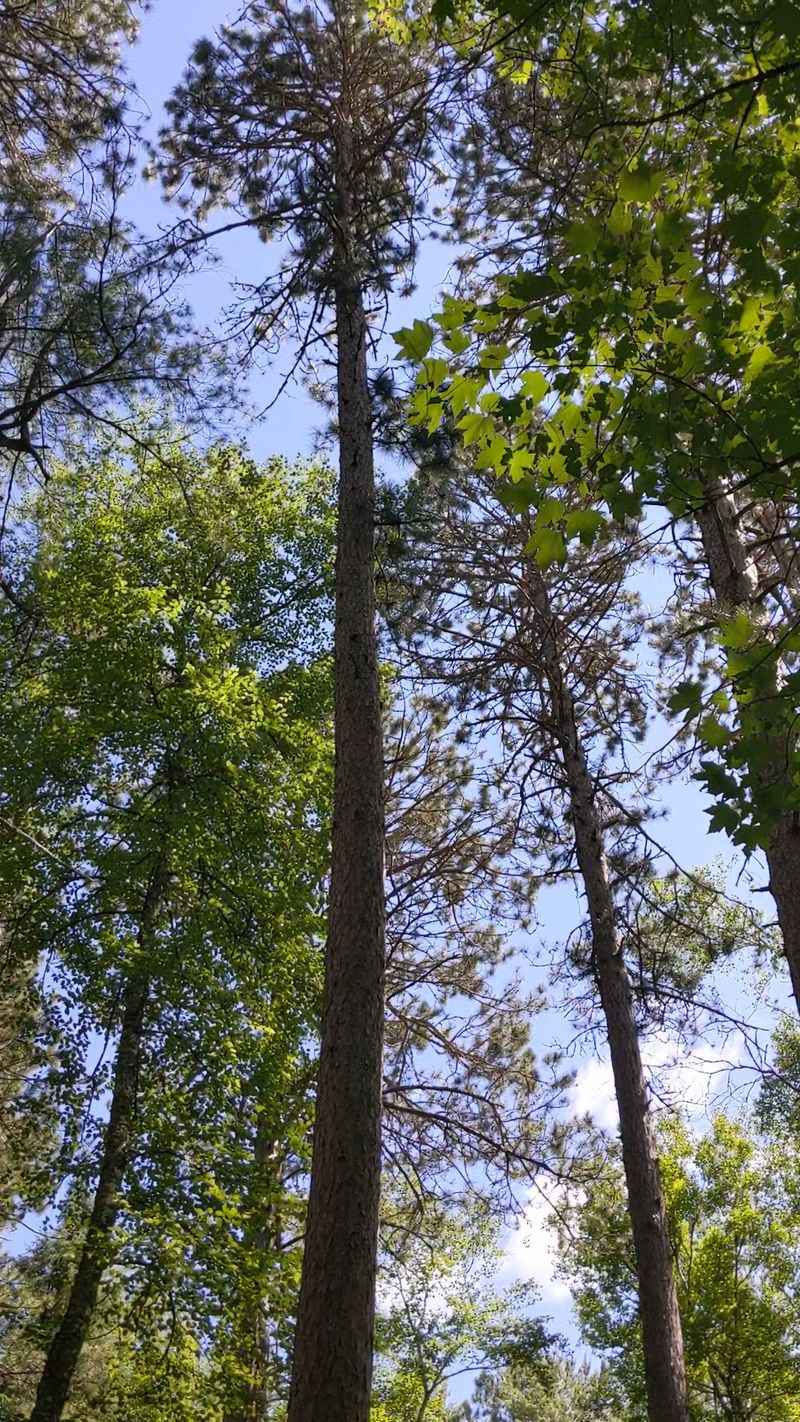
Many of the red and white pines rise more than 100 feet tall. Some trunks measure up to about 4 feet across. Standing next to one makes your backpack feel tiny and your problems even tinier.
One of the highlights is a massive red pine that was once recognized among Minnesota’s largest. It stands about 120 feet tall with a circumference of 115 inches. Craning your neck to see its top counts as a light workout.
Age is part of the wonder too. These trees are believed to be at least 250 years old. A 2009 study found some red pines aged around 230 to 240 years. Some accounts guess even older for certain trees.
Think about everything those trunks have quietly outlasted. Horses gave way to cars, and maps gave way to satellites. The pines just kept adding rings.
Bring a camera with a wide lens, or plan to step back a lot. Getting a whole tree into one photo takes some creativity. Lying on the ground and shooting straight up works surprisingly well.
Take The Easy Loop Or Wander A Little Farther
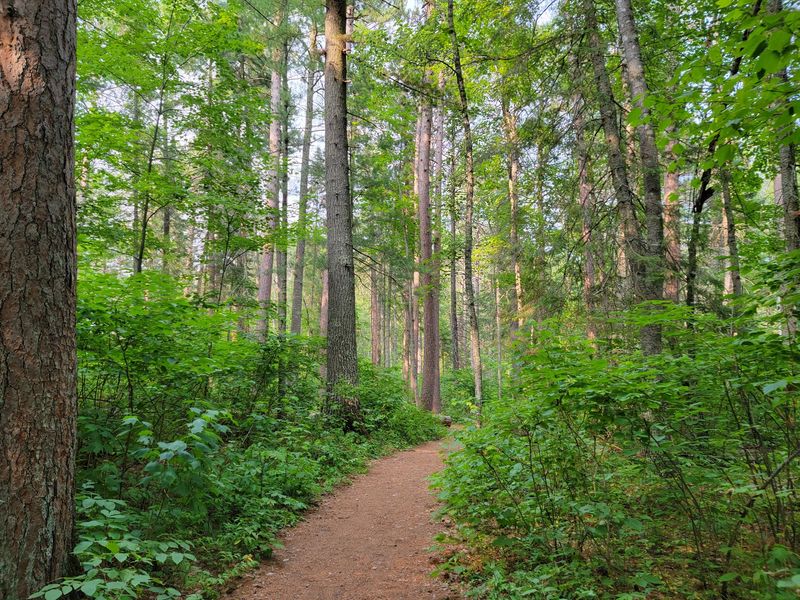
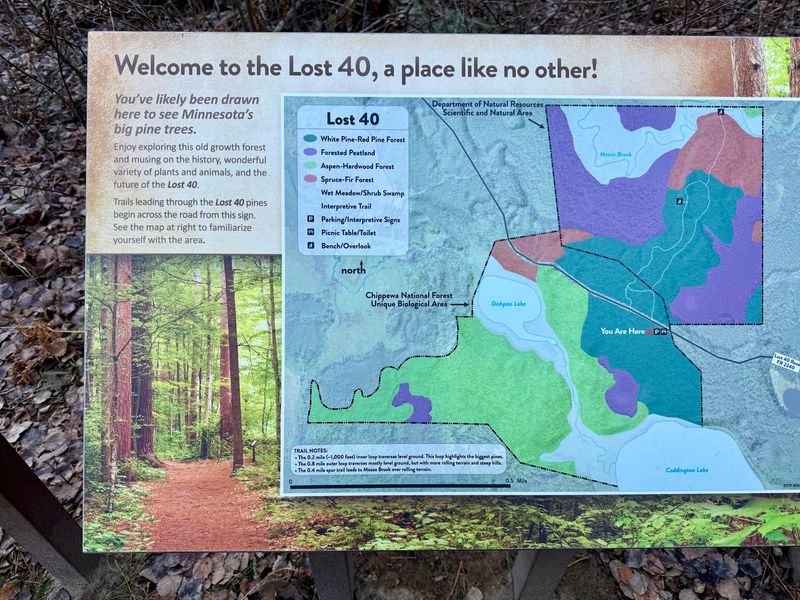
Good news for casual hikers: this adventure won’t wreck your legs. The main path is a self-guided interpretive loop of about one mile.
Signs along the way explain the forest’s history, its ecology, and how to tell tree species apart. It’s basically a science class where the classroom is 100 feet tall.
Short on time or energy? A flatter quarter-mile loop leads past some of the biggest trees. It’s a smart choice for younger kids or anyone who wants maximum giants with minimum effort.
For a bit more exploring, a half-mile offshoot trail heads toward Moose Brook. That route adds variety beyond the big pines.
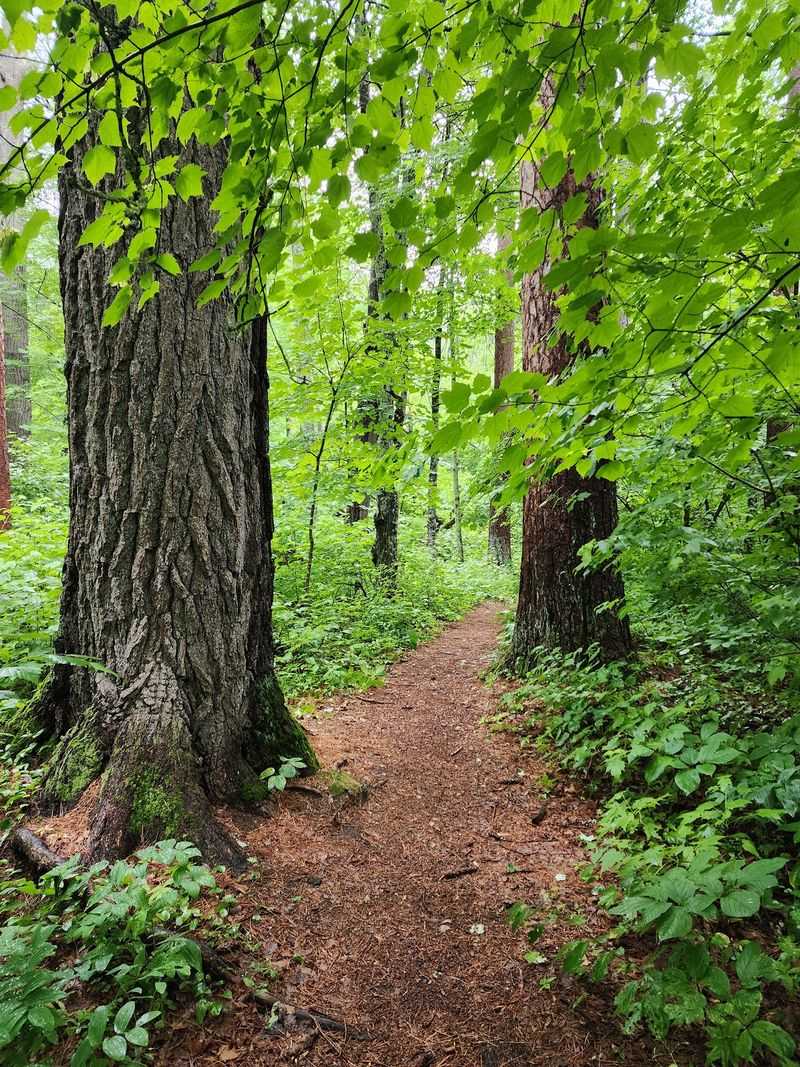
The trails are ungroomed, so expect roots, dips, and a few hilly spots. Watch your feet, since tripping over a root that’s older than your great-grandparents is a strange kind of embarrassing. Sturdy shoes beat sandals here every time.
Strollers can be a struggle on this terrain. A baby carrier is the easier way to bring little ones along.
The beauty of the layout is flexibility. You can spend twenty minutes or a slow afternoon. Either way, the trees won’t rush you.
An Ice Age Ridge Gave These Pines Their Head Start
Luck with a pencil saved these trees, but luck with geology helped them grow. Underneath part of the forest runs an esker about 11,000 years old.
An esker is a long ridge of gravel and sand left behind by glaciers. Meltwater rivers once flowed inside or under the ice, dropping sediment as they went. When the ice melted, the ridge stayed put.
Why does that matter for a pine tree? Gravelly soil drains well, and red and white pines love those conditions. The esker gave them a perfect home to settle down and stretch upward.
So the Lost 40 Scientific and Natural Area really has two origin stories. One involves glaciers grinding across Minnesota. The other involves a survey crew with a confused map.
Walking the trail, you’re crossing land shaped long before any person mapped it. That’s a fun detail to share with kids who think dirt is boring. Tell them the ground was delivered by a glacier and watch their faces.
It’s a good reminder that forests depend on what’s below as much as what’s above. The giants overhead owe a lot to old gravel.
Keep Your Eyes Up For Eagles And Woodpeckers
Birders, pack the binoculars. The forest is designated an Audubon Important Bird Area, which is a big deal for a place this size.
Bald eagles and hawks sometimes cruise above the treetops. Various woodpeckers work the old trunks, including the black-backed woodpecker. Owls live here too, though they tend to keep their own schedule.
The area is also a Watchable Wildlife Viewing Area. Squirrels are the most likely to greet you, and red squirrels can be quite chatty about it. Deer, weasels, and shrews also call this place home.
Every now and then, a skunk or porcupine might wander through. Admire them from a respectful distance. Neither one is known for great first impressions.
Old forests make excellent wildlife homes for a simple reason. Big, aging trees offer cavities, bark insects, and shelter that young forests can’t match yet.
Moving slowly and quietly gives you the best shot at seeing something. Pause near a big trunk and just listen for a minute. Tapping sounds usually mean a woodpecker is at work nearby.
Bug spray is wise in warmer months. The mosquitoes appreciate the forest too.
Look Down Too, Because The Forest Floor Is Showing Off
Ghostly white stems poke out of the shade in some spots. That’s Indian Pipe, a plant with no green color at all, and it looks like something from a fairy tale.
The giant pines get most of the attention. Still, the ground below holds plenty of small treasures worth crouching down for.
Bunchberry, bluebead lily, and wintergreen grow here. So do bearberry, marsh bellflower, and round-lobed hepatica. Each one adds its own color or shape at different times of year.
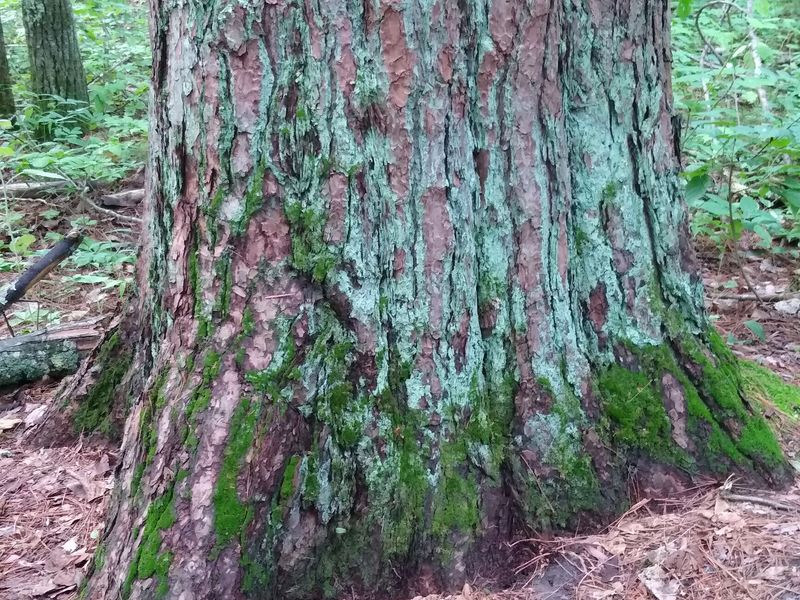
Mosses and lichens cover logs, rocks, and bark in soft patches. They’re easy to overlook, but they’re a quiet sign of a healthy, undisturbed forest.
Photographers love this layer for close-up shots. Mushrooms and tiny flowers make great subjects when the light filters down through the canopy.
Here’s the important rule: look, but don’t pick. Plant harvesting isn’t allowed at the Lost 40 Scientific and Natural Area. The same goes for collecting rocks.
That rule helps keep this rare habitat intact for the next visitor. Take photos instead and leave every bloom exactly where it grew. A phone full of pictures weighs a lot less anyway.
Rarer Than You Think, And Now Nationally Recognized
Only about 4 percent of Minnesota’s forested land remains old-growth, according to Minnesota DNR estimates. That number alone makes this stand feel like a museum piece.
Scientists treat the area as a living snapshot of how north-central Minnesota forests once looked. It gives them a reference point for understanding the past. It also helps guide restoration efforts in forests that were logged.
The area covers 144 acres, with about 32 acres of old-growth red and white pines. Some sources describe the unlogged area differently, but the core stand is the headline.
After the 1960 re-survey, the land joined Big Fork State Forest. It became an official Scientific and Natural Area on June 1, 1995. Today the Minnesota Department of Natural Resources and the USDA Forest Service share management.
In October 2023, the Lost 40 joined the national Old-Growth Forest Network. It was one of the first old-growth forests in Minnesota to earn that spot.
That’s a pretty impressive résumé for land once mistaken for a lake. Protection here isn’t just about pretty trees. It’s about keeping a rare natural record readable for future generations.
Download Your Map Before The Signal Vanishes
Cell service out here is more of a rumor than a fact. Download directions before you leave town, and remember how you got in.
The forest sits inside the Chippewa National Forest in Itasca County, between Bigfork and Northome. From Grand Rapids, it’s roughly 53 miles north. Turn off Highway 26 onto Forest Road 2240, also called Lost 40 Road.
The listed address is Twp, Northome, MN 56661. The trailhead is along Forest Rd 2240 in the Northome area. A small parking lot waits at the start of the trail.
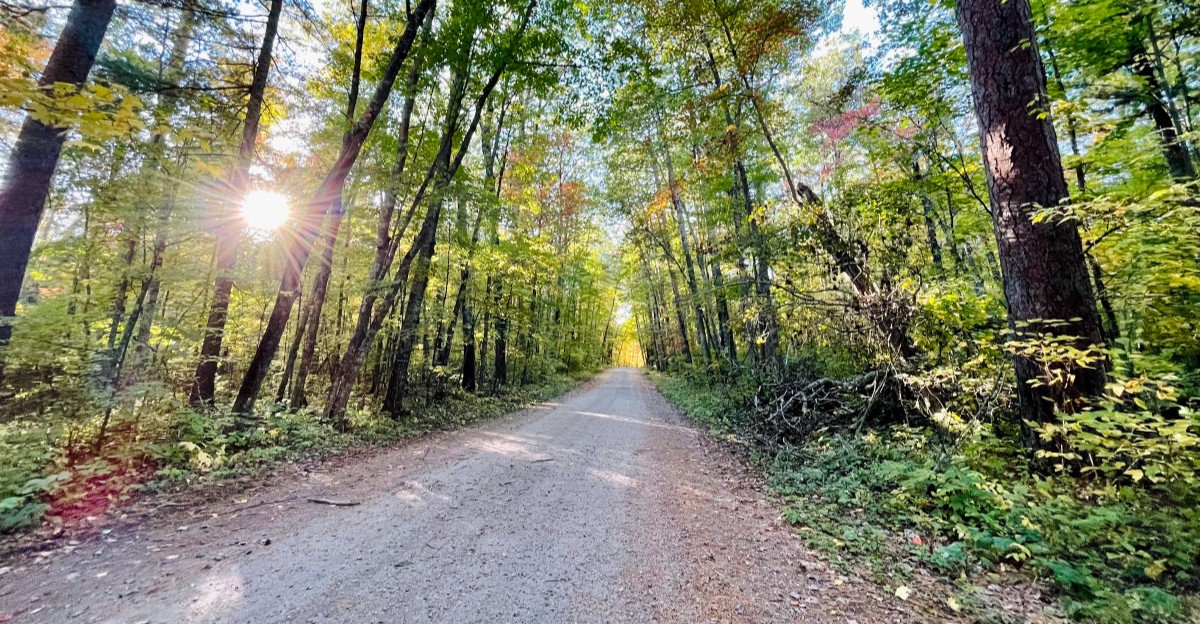
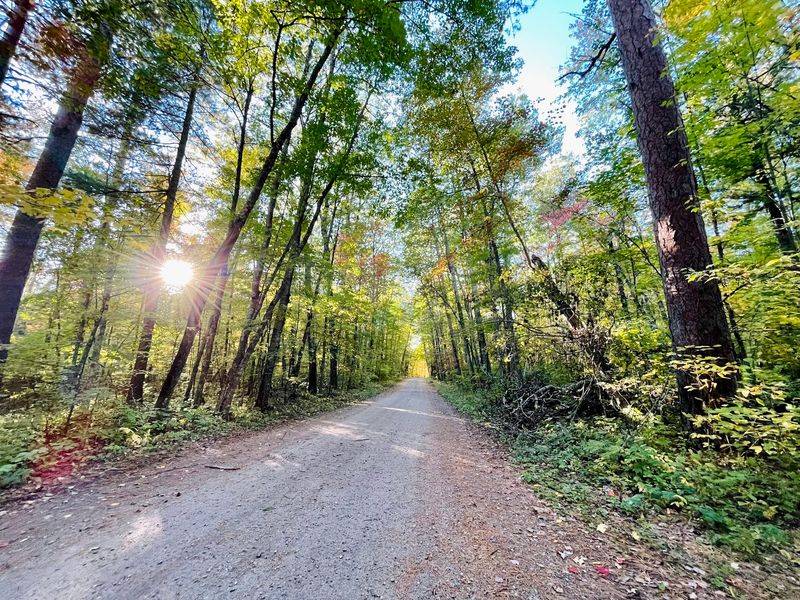
The final stretch follows dirt forest roads. Tall trees often line the route, which makes the drive feel like part of the adventure.
Most cars handle it fine in good weather. Winter snow and mud can be trickier, so a higher-clearance vehicle may help then.
Fill your gas tank and grab snacks beforehand. Services are scarce in this corner of northern Minnesota.
Parking can fill up on nice weekends. Weekdays are usually calmer if you want more breathing room. Either way, the remote location is part of the charm.
Free Entry, Snowshoe-Friendly, And Blissfully Simple
No fee, no permit, no ticket booth. You just park, lace up, and go meet some very old trees.
The trail stays open year-round. Summer brings green shade, autumn adds color, and winter turns the path into snowshoe territory. Skiing is allowed too, though the trails aren’t groomed.
Amenities are kept simple on purpose. The parking area has picnic tables and a seasonal vault toilet. There’s no drinking water or trash service, so bring water and pack out everything you carry in.
Quiet, low-impact fun is the whole idea here. Hiking, birdwatching, photography, and snowshoeing all fit right in.
A few activities are off-limits to protect the habitat. Camping and campfires aren’t allowed, and neither are motorized vehicles. Bikes must stay off the trails.
Those rules might sound strict, but they make sense. This Minnesota forest survived centuries of close calls. A little care from visitors keeps that streak going.
The lack of extras is honestly part of the appeal. No gift shop, no snack stand, no noise. Just enormous pines, soft footsteps, and a story that started with a very lucky mistake.
