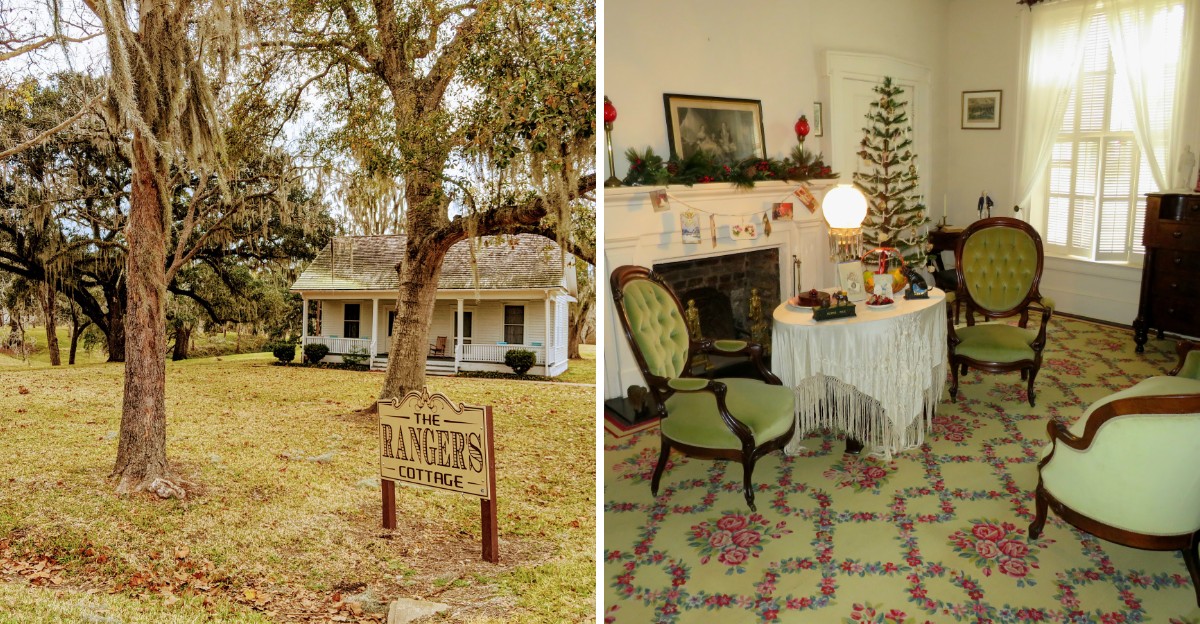
Historic plantation sites used to tell only one side of the story, focusing on the owners and the architecture while leaving out the people whose labor made it all possible.
This Texas site has taken a different approach by preserving and sharing the stories of everyone who lived and worked on the property, including the enslaved people who were so often erased from the record.
The exhibits are thoughtful and honest, giving visitors a fuller picture of what life was actually like on a plantation and who was doing the work that built it.
Tours move through the grounds at a respectful pace, and the interpretive materials encourage reflection rather than celebration, which makes the experience feel both educational and meaningful. This is not an easy history, but it is an important one, and the site handles it with the care it deserves.
Visitors leave with a better understanding of the past and the people who shaped it.
Martin Varner and the First Log Cabin
Every big story starts small, and this one began with a log cabin. In 1824, a Virginian named Martin Varner received a land grant of more than 4,600 acres along a creek that still carries his name.
He was one of Stephen F. Austin’s Old Three Hundred, the first group of American settlers in Mexican Texas.
Life on the homestead was simple and rough. Varner grew corn, raised livestock, and even tried a little sugarcane.
Records show that at least two enslaved people were brought to the land, and their forced work helped clear fields and build the early farm.
That detail matters. From the very first chapter, the success of this property depended on people who had no choice and received no pay.
The site does not skip over that fact, and visitors are better for it.
Varner stayed for about ten years. In 1834 he sold the land to Columbus R.
Patton, and the property was about to change in a dramatic way. Small farm days were nearly over.
For travelers, this early chapter is a helpful starting point. Before heading toward the big house, take a moment to picture the land as it once was, with tall grass, a winding creek, and a lone cabin.
Thinking about those beginnings makes the later growth easier to understand.
Here is a fun bit of trivia. When the state named the site, it honored both its earliest owner and its last.
That is why the Varner name comes first, right before Hogg.
Patton Place and the Hard Truth of Sugar
Sugar brought money to this land, but the cost was paid by enslaved people. After Columbus R.
Patton bought the property in 1834, his family arrived from Kentucky with many enslaved individuals. Some reports count around 60 people in the early years, and at its peak the plantation may have held over 100.
Their days were long and brutal. Workers planted and cut sugarcane, then boiled it down in heat that is hard to imagine.
They also made bricks by hand from Brazos River clay and fired them on the grounds.
Those bricks became the main house, the smokehouse, the sugar mill, and their own quarters. Enslaved people worked as cooks, tanners, shoemakers, maids, builders, and healers too.
Their skill is literally built into the walls.
The Patton years hold other tangled stories. Columbus Patton had a long and open relationship with an enslaved woman named Rachel, which caused conflict in his family.
In 1854, relatives had him declared insane, and a legal fight followed that gave Rachel a yearly payment and the right to choose where she lived.
Even after the Civil War, forced labor did not fully end here. From 1874 to 1882 the plantation used leased convicts, and reports described harsh treatment.
Learning about this era can feel heavy. That reaction is normal.
Give yourself time with the exhibits, read slowly, and let the facts sink in. The goal is understanding, not rushing.
Voices From the Quarters
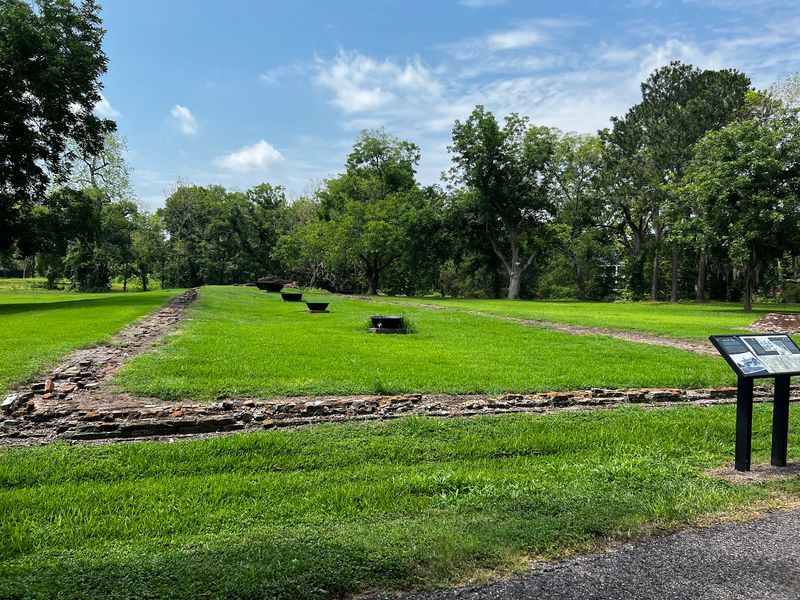
Not much is left standing where the enslaved quarters once were, only low brick foundations in the grass. Somehow, that quiet emptiness speaks loudly.
It invites visitors to fill in the missing walls with real lives.
The site helps with that in a powerful way. Exhibits include firsthand accounts from Anthony Christopher and Sarah Ford, who were enslaved on the plantation as children.
Their words were recorded years later, and they offer something no building ever could.
Hearing a real person describe daily life changes everything. Chores, punishments, family ties, and small moments of survival become personal instead of distant.
Many guests say this is the part of the visit they remember most.
A good tip is to read these accounts slowly. Pause near the foundations afterward and think about how many people once lived in this small space.
Children especially may have questions, and this is a great place to talk openly with them.
Staff and guides here are known for being kind and well informed. Feel free to ask them about the people who lived in the quarters.
They often share extra details that bring the stories even closer.
This part of the site does not try to soften history. It also does not turn pain into a show.
Instead, it treats the enslaved community with respect, as people with names, skills, and voices worth hearing. That balance is rare, and it is worth seeking out.
Ruins of the Old Sugar Mill
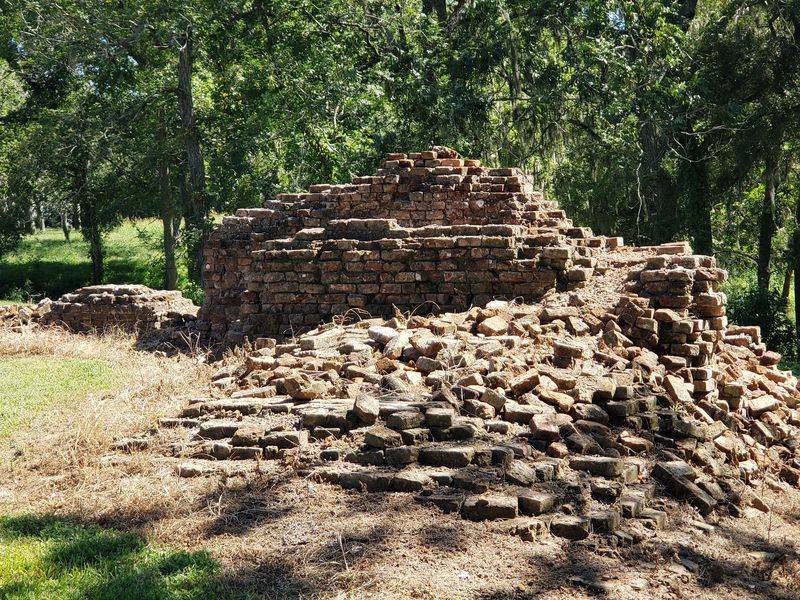
Three giant iron kettles sit near the old sugar mill ruins, and they are bigger than most people expect. These cauldrons once held boiling cane juice.
Up close, their size tells a story about heat, danger, and nonstop labor.
The mill itself was a two-story brick building, built by enslaved workers. Today only the brick outline of its foundation remains.
Even so, it is easy to sense how large the operation was.
Making sugar was not a simple farm job. Cane had to be crushed, and the juice was boiled down in stages until it turned into crystals and syrup.
During harvest season, the work often ran day and night, and it was among the hardest jobs on any plantation.
Families visiting with kids can turn this stop into a mini lesson. Ask them how long they think it took to fill one kettle, or how hot the room might have been.
Questions like these make history feel real without needing a textbook.
Do not expect a fancy rebuilt factory here. The ruins are plain and open to the sky.
That simplicity actually works well, because it keeps the focus on the people who sweated over these kettles rather than on the machinery.
One more detail is worth knowing. The great Galveston hurricane of 1900 badly damaged the sugar house and many other buildings.
That storm helped close the sugar chapter for good and set the stage for something new.
Governor Hogg Bets on Oil
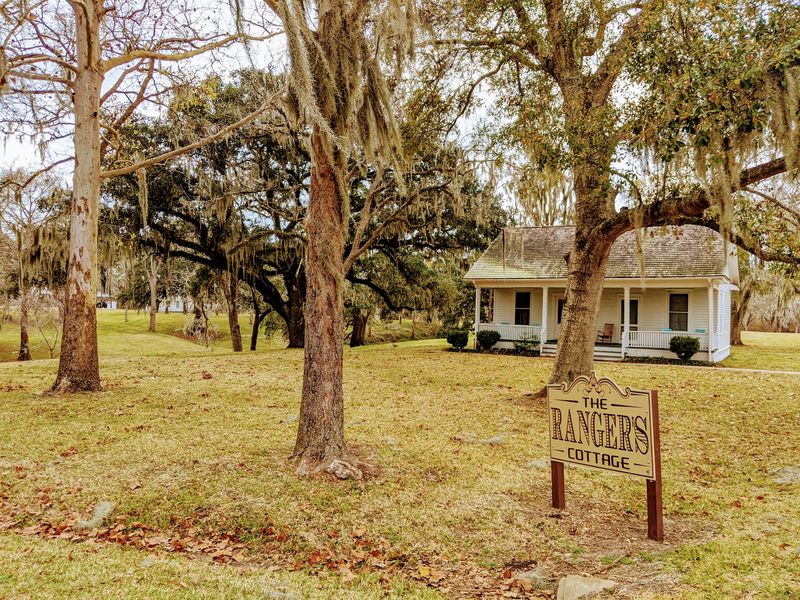
Sometimes a hunch pays off, just not right away. In 1901, former Texas Governor James Stephen Hogg bought the storm-damaged plantation.
He was not dreaming of sugar. He was sure oil lay underground.
Hogg started drilling, but big amounts of oil never showed up while he was alive. He died in 1906.
Then came the clever part of the story.
In his will, Hogg said the mineral rights could not be sold for 15 years after his death. That patience turned out to be brilliant.
Around 1918 and 1919, oil was found on the property, and the West Columbia Oil Field took off.
The boom made the Hogg family very wealthy. It also brought a wave of new workers to the area, including many African American roughnecks who did the tough job of drilling.
Extra housing was built on the land for them, adding yet another group of people to the site’s history.
This chapter shows how one piece of ground can change jobs completely. A sugar plantation became an oil property in just a few decades.
Exhibits help connect those dots, so look for them in the visitor center before heading outside.
It is a fun section for anyone who likes stories about risk and timing. Imagine waiting years for a payoff that came only after you were gone.
Hogg never saw the gushers, but his choice shaped Texas history and set up the next big chapter.
Inside the Greek Revival House
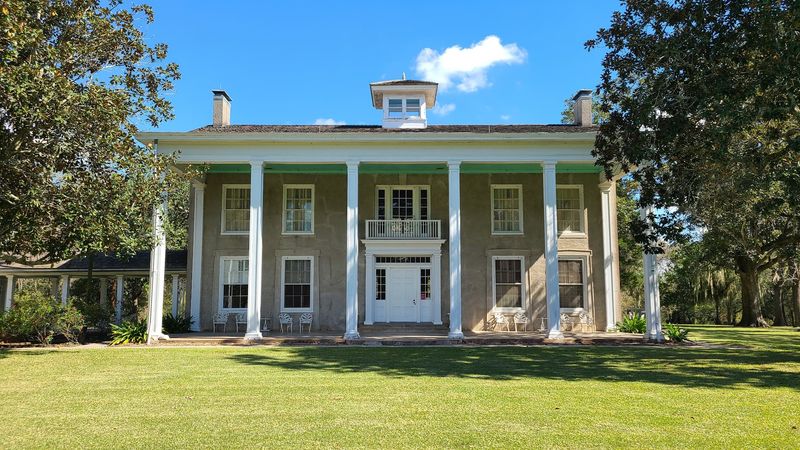
Tall white columns stretch from the ground all the way to the roof, and they catch the eye right away. The house dates to around 1835.
Its red bricks were made by hand by enslaved workers from river clay.
Much of what visitors see today comes from Ima Hogg, the governor’s only daughter. She updated the home, moved the main entrance, and added those grand pillars.
Fun fact, the original front door once faced Varner Creek instead of the road.
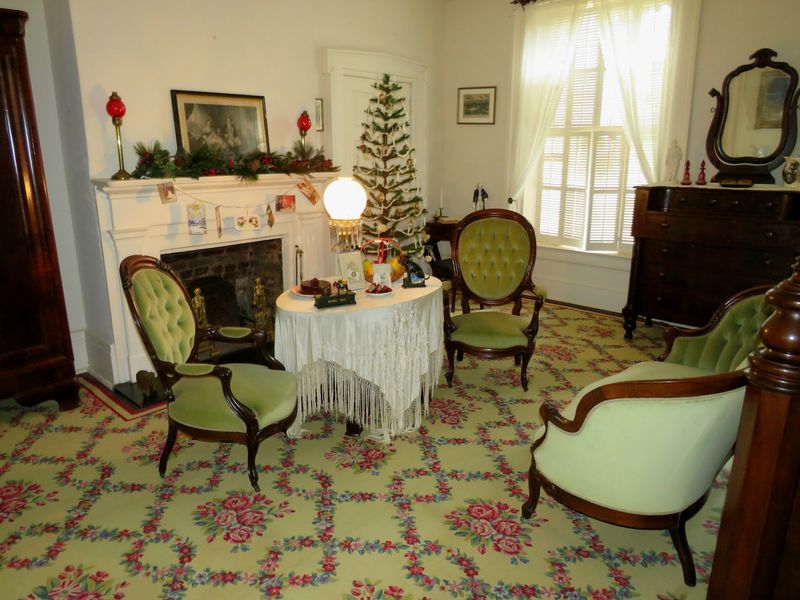
Ima loved antiques, and she filled the rooms with fine furniture from earlier times. Depending on when you go, the inside may look different.
At times parts of the house have been under renovation or shown with fewer furnishings, so it is smart to check the official website before planning.
Guests can usually explore both floors, plus the smokehouse and a 1920s kitchen. Together they show how daily life shifted from one era to the next.
The kitchen is a nice surprise, a bit more modern than many expect.
The address for your map app is 1702 N 13th St, West Columbia, TX 77486. The site is open Wednesday through Sunday, from 9 a.m. to 5 p.m.
Plan at least two hours to see things properly.
While admiring the house, remember who made each brick. Beauty and hardship sit side by side here.
Keeping both in mind makes the visit richer and more honest.
Pecan Trees, Varner Creek, and Governor Hogg’s Tub
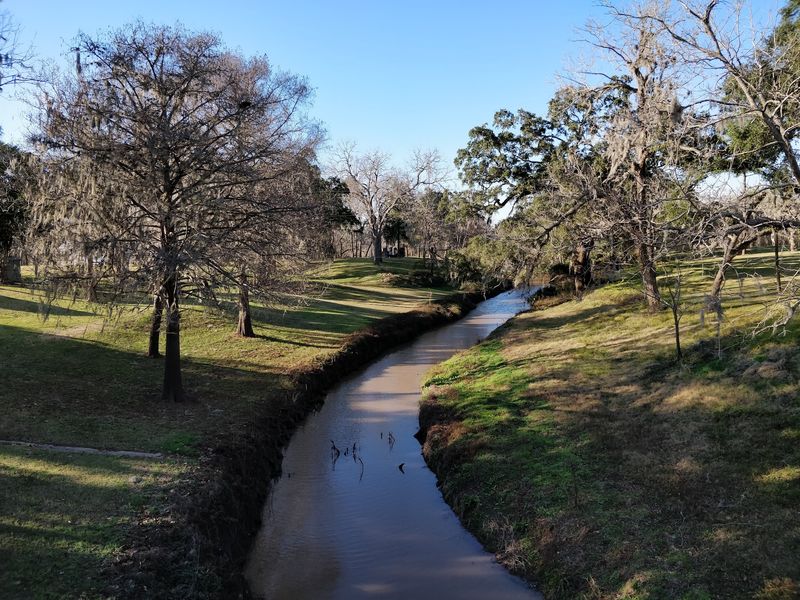
After all that heavy history, the outdoors offers a welcome breath. Varner Creek winds gently through the roughly 66 acres of the site.
Old pecan trees and magnolias throw wide patches of shade across the lawn.
The creek once gave the plantation water and marked a natural border. Today it simply adds calm.
Birds flutter around, and the air often smells green and earthy after rain.
Do not miss Governor Hogg’s Tub. It is a square brick-lined pool fed by a natural spring, with a little fountain that spills into a small lake.
The Hogg family used it for fun, and the name alone makes people smile.
This is a great spot to slow down. A picnic area nearby makes it easy to bring lunch and rest under the trees.
Kids usually enjoy looking for frogs or small fish near the water.
Bring bug spray in warmer months, since this is the humid Texas coast. Comfortable shoes help too, because the grounds are wide and grassy.
A hat is a smart idea on sunny afternoons.
These peaceful spaces are not just pretty extras. They help visitors see the full picture of life here, from hard labor in the fields to family leisure by the spring.
The same land held both, often at the same time. Sitting quietly by the water is a good way to think it all through before heading home.
Tours, Events, and Ima Hogg’s Gift
Ima Hogg could have kept this land for herself. Instead, in 1958, she gave it to the State of Texas so everyone could learn from it.
That generous choice is the reason the gates are open today.
The Texas Historical Commission now runs the site, and the visitor center is the best first stop. Its exhibits lay out the many chapters clearly.
From there, choose a self-guided stroll or join a guided tour.
Guides here get lots of praise for being friendly and knowledgeable. They focus on all the families connected to the land, both enslaved and free.
Ask questions, since their answers often add surprising details.
School groups can book special programs built around Texas history. The site also hosts seasonal events, and some include hayrides, music, and local vendors.
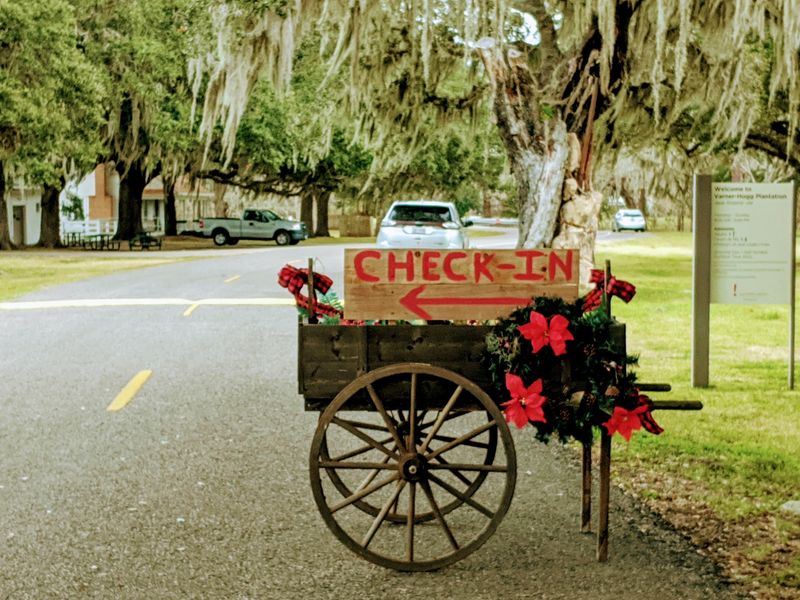
During the holidays, the home and outbuildings may be decorated, which makes for lovely photos.
There is even a virtual book club for people who want to keep learning from home. Keep an eye on the online calendar so nothing slips by.
Event days can get busy, so arriving early helps.
A gift shop and restrooms make longer visits easy. Families with older relatives will find the grounds fairly calm and manageable.
Staff have been known to help guests who need a little extra support getting around.
In the end, this place works because it tells the whole story. Ima Hogg’s gift keeps those many voices alive for the next generation.
