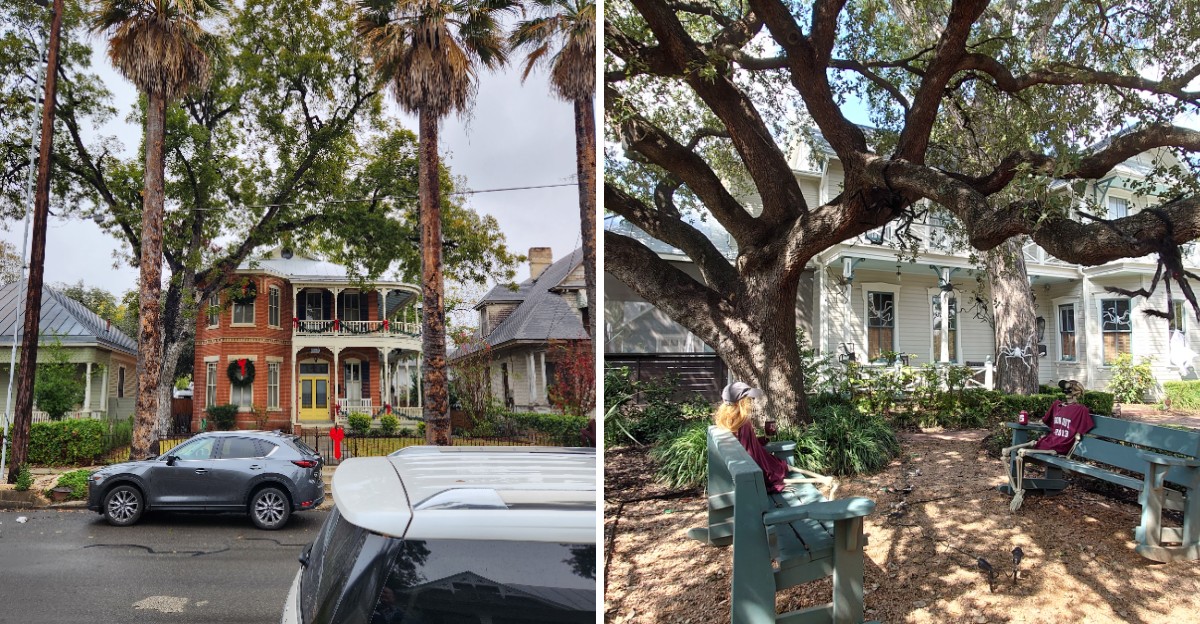
A schoolteacher helped protect an entire neighborhood by recording the stories behind its aging houses. She researched their owners, documented their condition, and helped organize a preservation group.
Those efforts helped keep a remarkable piece of Texas architecture standing.
Today, you can follow a free self-guided walking tour past grand Victorian houses, Italianate details, wrought-iron fences, and shaded sidewalks.
Many of these buildings remain private homes, so the fun comes from noticing their outside features, including elaborate porches, tall windows, and decorative trim.
I’d lose track of time comparing the houses, especially knowing how much work went into saving them. There is even a historic house museum you can tour for a closer look.
What makes this walk appealing is that the neighborhood is still lived in, with stories hiding behind nearly every front gate.
The Woman Who Told the Army Corps of Engineers No
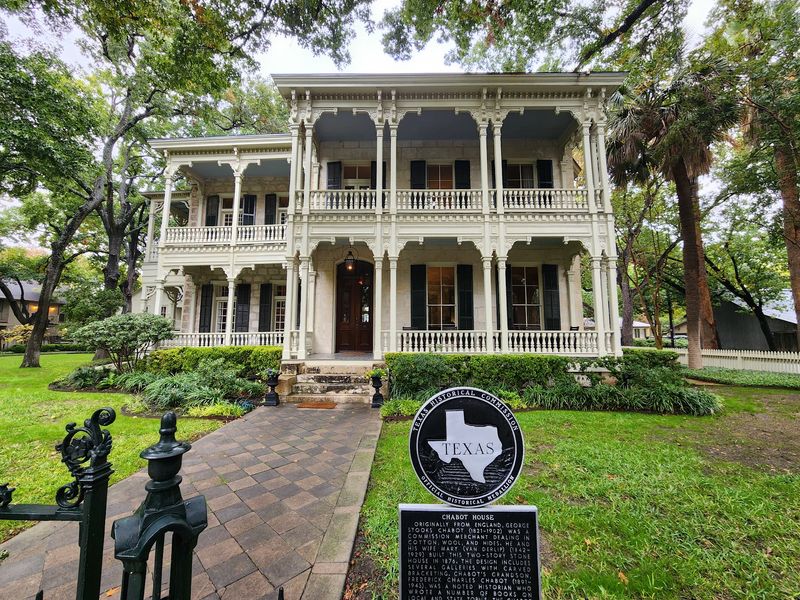
Margaret Gething was not the type to shrug and let things slide. Her efforts helped shape the King William Historic District in San Antonio, Texas, long before preservation was trendy.
In 1947, she was a principal in founding the King William Area Conservation Association. That’s two full decades before the neighborhood earned any official historic title.
Her biggest moment came in 1965. The Army Corps of Engineers planned to remove large cypress trees along the San Antonio River, right next to the neighborhood.
Gething led the fight to keep them standing, and she won. Her personal friendship with Lady Bird Johnson reportedly played a key role in that victory.
Think about that for a second. A local conservationist went up against a federal agency and walked away with the trees still rooted.
I believe that story changes how you see the riverbank today. Those leafy giants are not just pretty scenery, they’re proof that one persistent person can matter.
So when you stroll near the water, give those cypress trees a respectful nod. They’ve earned it, and so did the woman who refused to let them go.
You’re Standing in the Very First Historic District in Texas
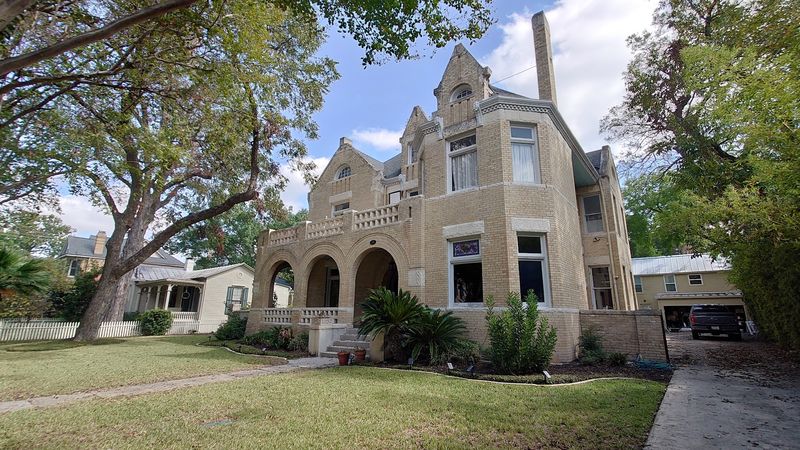
Here’s a bragging right most neighborhoods can only dream about. In 1967, King William became the first designated historic district in Texas.
The City of San Antonio followed up in 1968, officially recognizing it as a residential historic district. Then, in 1972, it landed on the National Register of Historic Places.
Three big milestones in about five years. That’s a busy stretch for a quiet collection of old houses and shady streets.
Those titles weren’t just fancy paperwork either. They gave the area real protection as the city around it kept growing and changing.
Without them, plenty of these grand homes might have been replaced by parking lots or modern buildings. Instead, the streets still look much like they did more than a century ago.
Being first also set an example for the rest of the state. Other Texas communities later followed with historic districts of their own.
Keep that in mind as you wander past the porches and iron gates. You’re not just admiring nice houses, you’re walking through the place where Texas preservation got its start.
Sauerkraut Bend Was a Real Nickname, and It Makes Total Sense
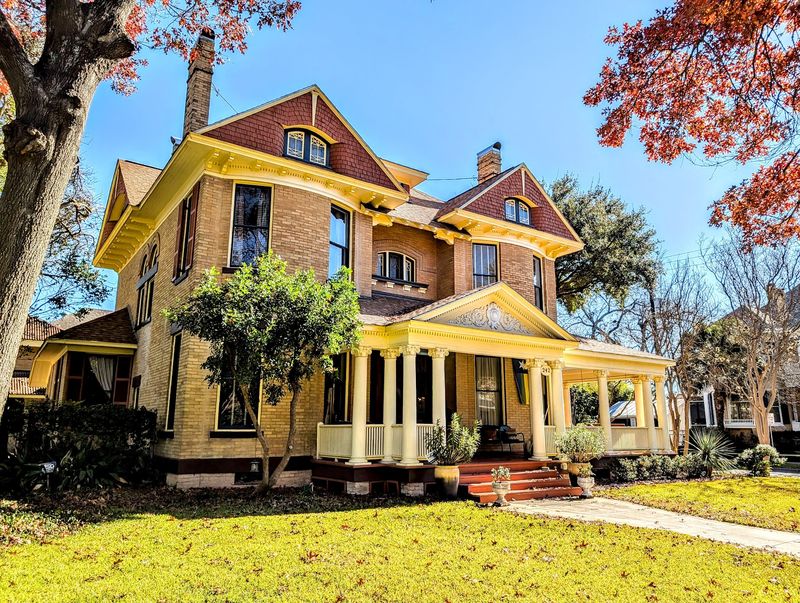
German immigrants, many of them prosperous merchants, began building homes here in the mid-1800s. Their influence was so strong that folks nicknamed the area Sauerkraut Bend during its building boom.
Honestly, that might be the most delicious neighborhood nickname in Texas. It also tells you exactly who shaped these streets.
The main road carries that heritage too. Ernst Hermann Altgelt named King William Street after Wilhelm I, King of Prussia.
Long before the German settlers arrived, this land belonged to the labor de abajo, or lower farmland, of Mission San Antonio de Valero. Yes, that mission is the one better known as the Alamo.
History took some bumpy turns later. During a period of anti-German feeling in the early 20th century, King William Street was temporarily renamed Pershing Avenue.
Eventually the original name returned, along with the neighborhood’s pride. Many homes were later split into apartments during years of decline, before restoration brought them back.
All those layers make a simple walk feel richer. One street name holds mission farmland, Prussian royalty, and a community that refused to forget where it came from.
One Collector Restored a Mansion, Then Kept Going
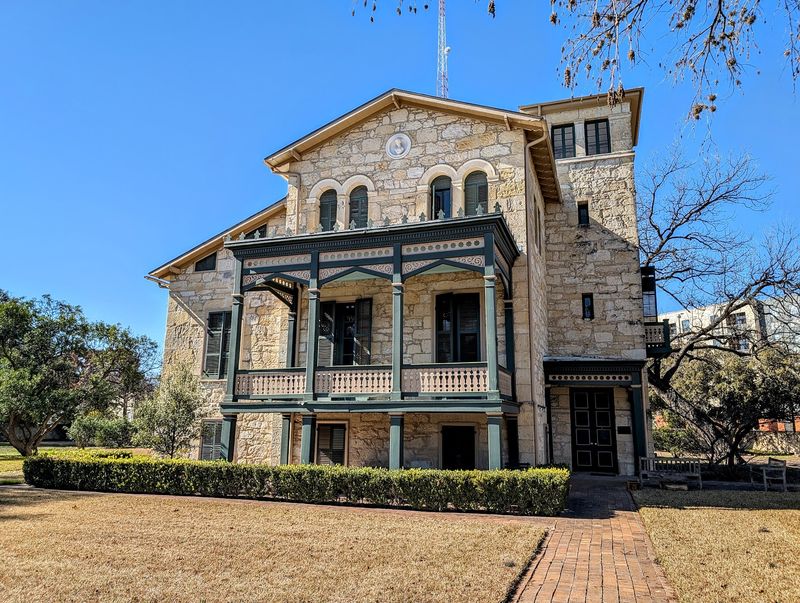
Some people restore one old house and call it a lifetime achievement. Walter Nold Mathis bought Villa Finale in 1967, restored it, and then restored fourteen more properties in the neighborhood.
That’s fifteen homes rescued by one man. Most of us struggle to finish painting a single bedroom.
Mathis is widely recognized as a major catalyst for the district’s architectural revival. Where Margaret Gething focused on natural treasures, he poured energy into the buildings themselves.
Together, their efforts gave the King William Historic District a rare double layer of protection. Trees and houses both got their champions.
Today, Villa Finale is a National Trust for Historic Preservation site. It offers tours and events, so you can see inside instead of just admiring from the sidewalk.
The name itself is pretty charming. Villa Finale means final home, which suggests Mathis knew exactly where he wanted to stay.
I like how his story shows preservation as a personal passion, not just a government project. Check the site’s schedule before you go, since tours and events follow their own calendar.
That Mansard Roof Deserves a Long, Admiring Stare
Built in 1876, the Edward Steves Homestead is a showpiece of French Second Empire architecture. That style is famous for its dramatic mansard roofs, the kind that look like a stylish hat on a house.
Fair warning, you may find yourself stopping mid-sidewalk to stare. It’s a common side effect of good architecture.
The home now operates as a museum. That means you can learn about the family and the era instead of guessing from the front yard.
It’s a great first stop if you’re new to the neighborhood. Seeing one grand home up close helps you notice details on the others as you walk.
Pay attention to the roofline, the tall windows, and the ironwork. Once you spot those features here, you’ll start recognizing them across the district.
The Steves Homestead also shows the wealth that flowed into the area during its peak years. Merchants built big, and they clearly wanted the street to notice.
Plan a little extra time for this one. A quick photo is nice, but the museum gives the neighborhood’s story real faces and names.
Bring Comfortable Shoes, Because the Architecture Keeps Coming
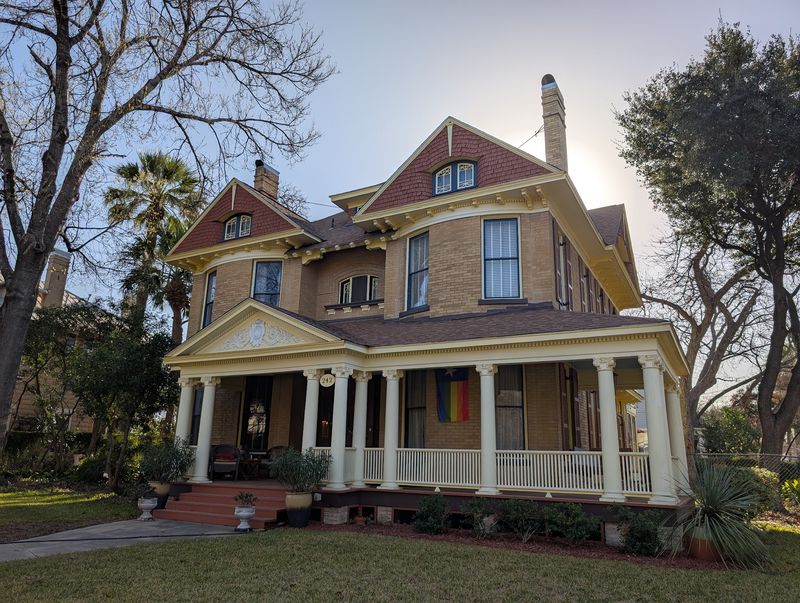
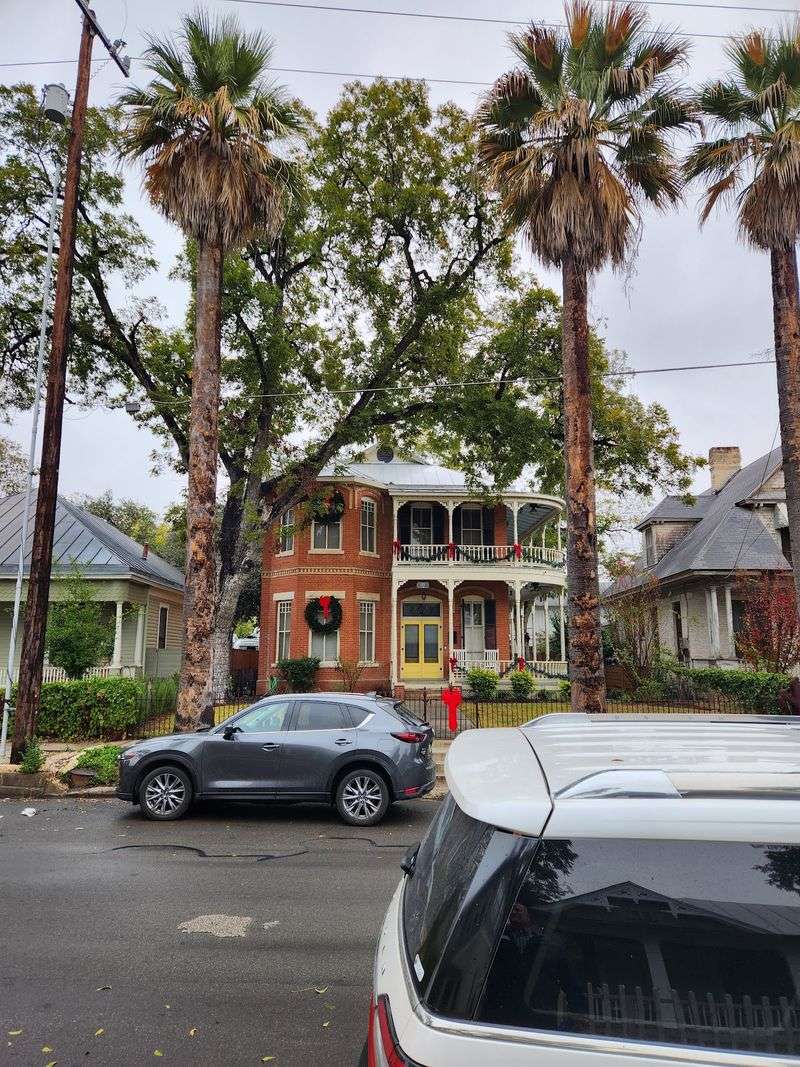
Victorian, Greek Revival, Italianate, and Second Empire styles all share these streets. It’s like an architecture textbook decided to grow porches and move to Texas.
Many homes feature ornate trim, tall windows, wide porches, and intricate wrought-iron fences. Mature shade trees stretch over the sidewalks, which feels wonderful on a warm San Antonio day.
The best way to enjoy it is on foot. The neighborhood is very walkable, and slowing down helps you catch small details you’d miss from a car.
Remember that most of these homes are private residences. Enjoy the views from the sidewalk and give residents their space.
The King William Association is based at 122 Madison St, San Antonio, TX 78204. It’s a handy reference point for starting your exploration.
Gardens and fountains add extra charm to many properties. Some front yards look so polished you’ll wonder if the owners ever get to sit down.
Take your time and pick a few favorite houses. Everyone ends up with one, and arguing over the best porch is half the fun.
Brunch Inside a Flour Mill Founder’s Former Home Sounds About Right
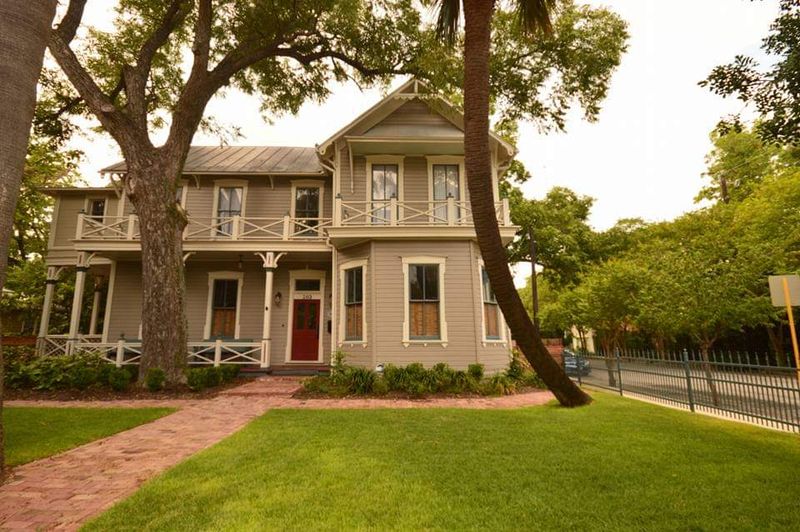
Exploring all that history builds up an appetite. Luckily, the Guenther House is right there to help.
The home originally belonged to the founder of a flour mill. Today it operates as a restaurant, museum, and bakery, and it’s especially known for brunch.
That combination is pretty clever when you think about it. A family tied to flour now feeds visitors in the same house.
The museum side lets you learn about the property while you’re there. So you get a little history lesson before or after your meal, no homework required.
It fits nicely into a neighborhood walk. You can admire the mansions, stop for brunch, and keep exploring with fresh energy.
Other historic homes across the district now hold cafés, galleries, and even inns. That mix keeps the old buildings busy and useful, which is exactly what preservation hopes for.
I believe that’s part of what makes King William feel alive instead of frozen. These houses still welcome people, just in new ways that would probably surprise their original owners.
The River Walk Sneaks Right Up to the Neighborhood
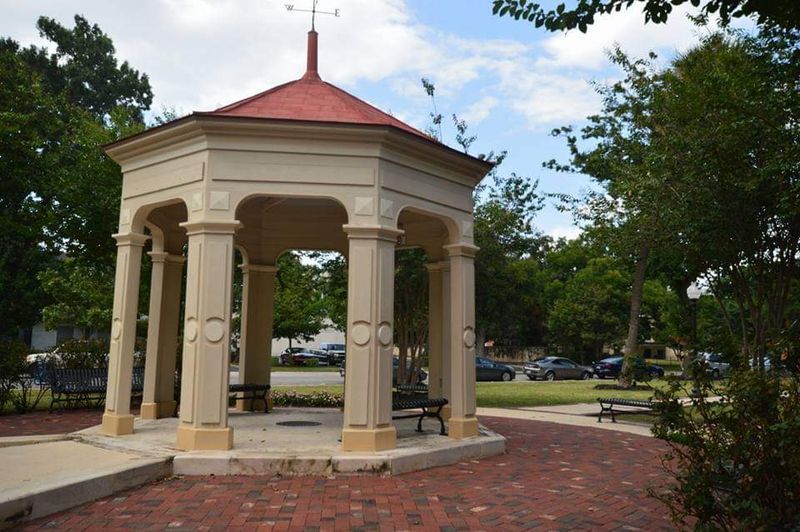
Most visitors know the River Walk for its busy downtown stretch. Fewer realize an extension of it runs right along the King William Historic District.
That connection makes this neighborhood easy to reach. You can follow the river path from downtown and arrive among the mansions without much effort.
The scenery along the way is a treat. Green banks, flowing water, and those famous cypress trees create a calm, shady route.
Remember Margaret Gething’s 1965 victory? This is where you see it pay off, since the trees she defended still frame the river beside the neighborhood.
The walk also gives you a different angle on the district. Some homes sit close to the water, blending riverfront charm with city convenience.
It’s a smart choice if you’d rather skip parking hassles. Start downtown, stroll south, and let the river guide you to the historic streets.
Pack water and wear sun protection, especially in the Texas summer. Shade helps a lot, but San Antonio heat has a strong personality of its own.
Spring Brings a Fair, and Art Lives Just Down the Street
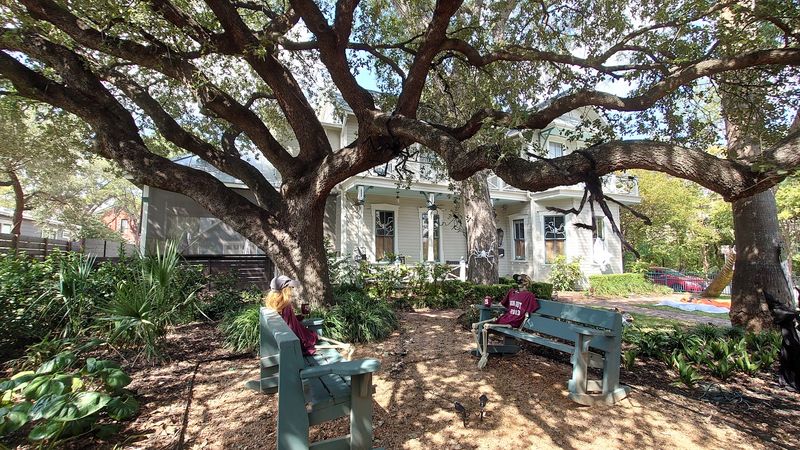
Every spring, the neighborhood throws a party worth planning around. The King William Fair happens during Fiesta San Antonio, with music, a parade, food, and crafts.
It’s a lively contrast to the quiet streets you’ll find on a typical afternoon. Same mansions, very different energy.
The fun isn’t limited to one weekend either. The district also hosts monthly Porch Parties and other community gatherings throughout the year.
Those events say a lot about this place. People here don’t just protect old houses, they actually enjoy living together in them.
Want more to explore? King William sits right next to the Southtown Arts District and the Blue Star Arts Complex.
Both areas offer galleries, restaurants, and cultural venues within easy reach. It’s simple to turn a short neighborhood walk into a full day of art and food.
That’s the real legacy of the people who fought for this place. Thanks to Margaret Gething and others like her, these streets still host parades, porches full of neighbors, and curious visitors from all over Texas.
