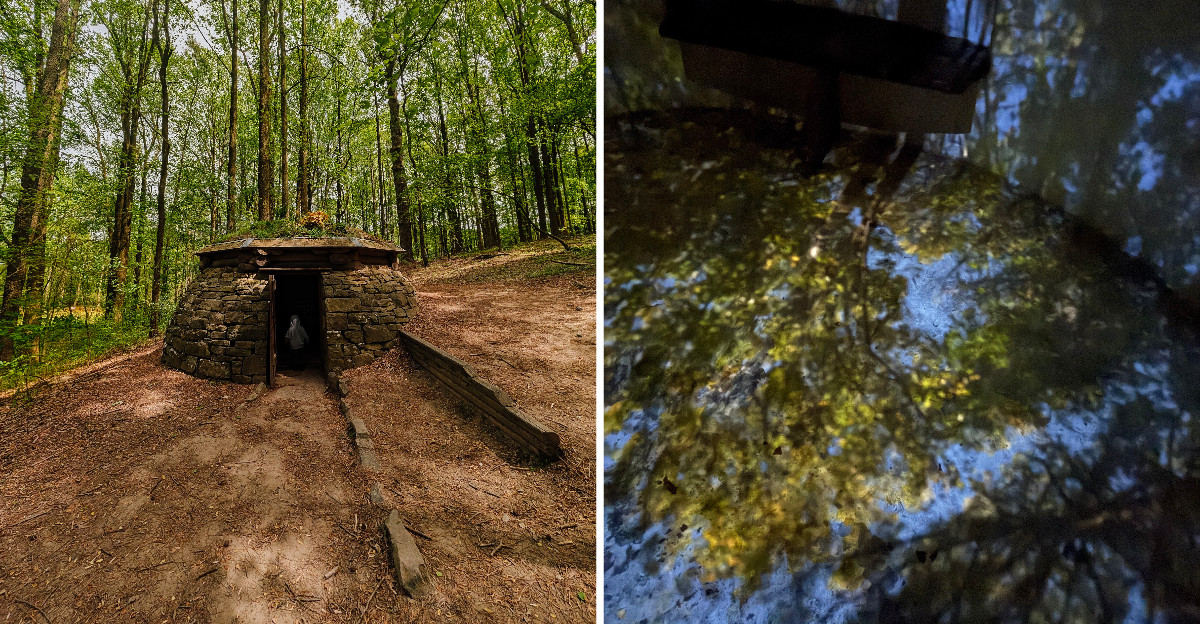
Darkness, then a tiny hole in the roof, and suddenly the whole sky lands on the floor. That is what happens inside a small stone room in North Carolina, where a camera obscura turns the world upside down and paints it across white walls.
No screens, no wires, no plugs. Just a wooden door, a lens, and patience.
Once the door shuts, the dark feels thick for a moment. Then treetops bloom across the walls, clouds drift underfoot, and branches reach down from above like roots.
Laughter comes without warning, because it feels like a magic trick that nature is playing. The room sits in a park, easy to miss, free to enter, and utterly quiet.
Visitors often stay longer than they planned, watching the image shift with the sun. Places with a big surprise inside are worth seeking out, and this one belongs on any North Carolina list.
A Hobbit Hut Hiding in the Trees
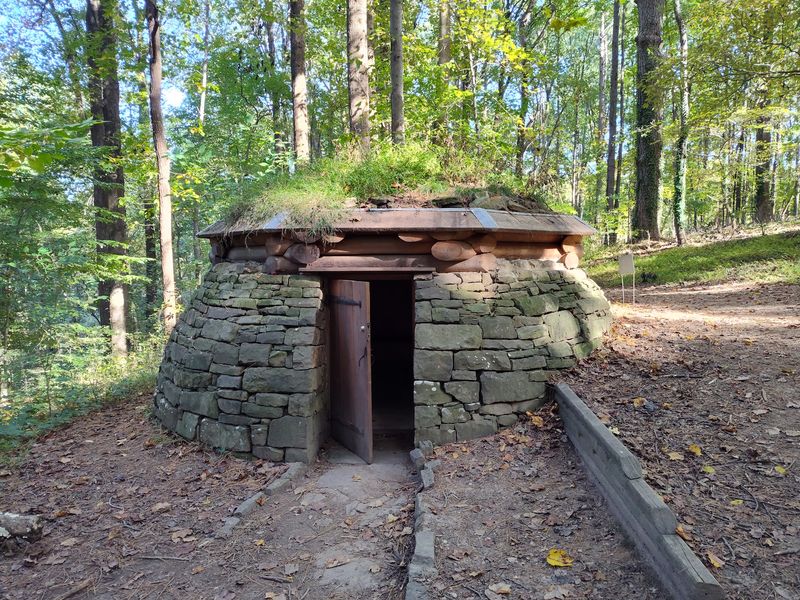
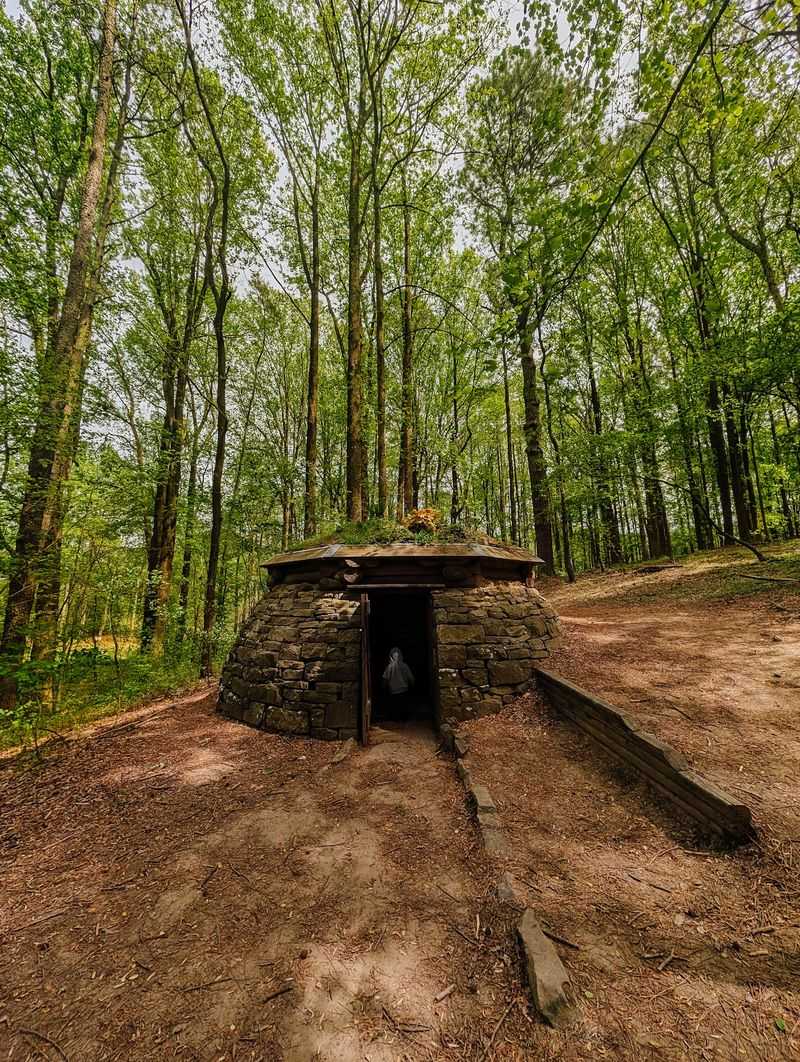
My first glimpse made me slow down and grin, because the chamber looks like something a storybook creature might call home. It sits low in the ground, round and snug, with grass growing right on top of its roof.
The building is only about 12 to 14 feet across. Its walls are made from Virginia fieldstone, cement, and earth, so it blends into the forest almost perfectly.
From a few steps away, you might think it is just a mossy hill with a door stuck in it.
British environmental artist Chris Drury created the piece in 2003. He likes using materials that belong to the land around each artwork, and here that choice really pays off.
The stones feel cool and rough under your fingers, and the turf roof changes color with the seasons.
Plenty of visitors compare it to a hobbit house, and honestly, that is fair. The single wooden door is short enough that some adults will want to duck a little.
Kids tend to love that part most.
Take a moment to circle the outside before going in. Notice how the roof rises gently and how the small opening at the top is barely visible.
That tiny hole is the secret behind everything waiting inside, and spotting it first makes the reveal even sweeter.
Finding the Trail Takes a Little Detective Work
Getting there turned into a small adventure for me, and I kind of loved that. The chamber lives inside the Ann and Jim Goodnight Museum Park, which belongs to the North Carolina Museum of Art.
That campus is considered the largest museum campus in the United States, so there is a lot of ground to cover.
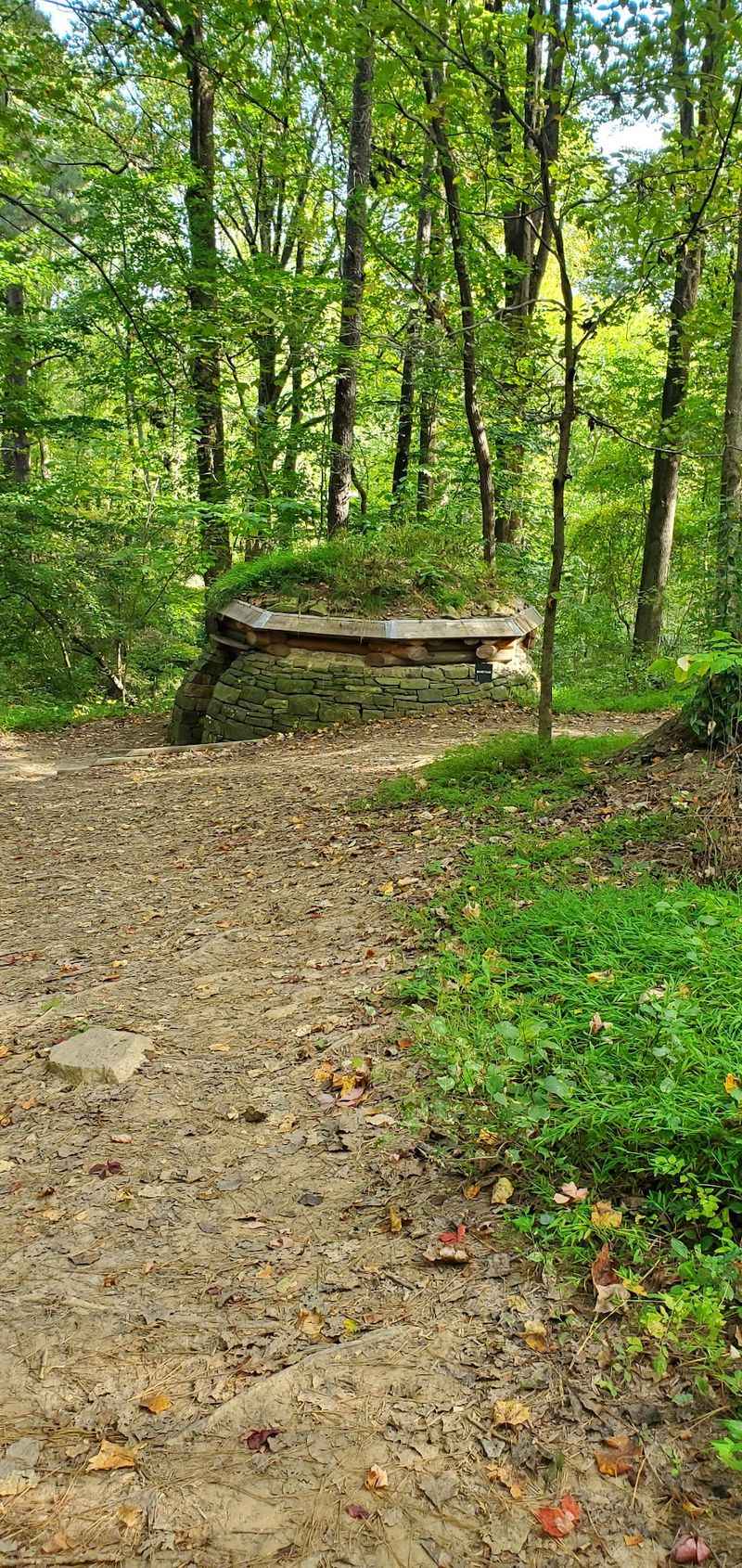
You reach the chamber on woodland paths that branch off the main museum trails. It sits on a small detour, and it is disguised so well that walking right past it is easy.
Keep your eyes open for a low mound with a door.
Download a park map before you head out, since signs can be easy to miss. Some visitors mention the walk takes longer than they expected, so give yourself extra time rather than rushing.
Squirrels will probably keep you company along the way.
Footing can get tricky in a few spots. Roots, loose dirt, and uneven ground show up here and there, so wear comfy sneakers instead of sandals.
People with mobility concerns may want to plan carefully.
Trails in the park sometimes close for maintenance or events. A quick check of the museum website before your trip can save you from a disappointing walk.
Once you finally spot the hut peeking through the trees, the hunt feels completely worth it.
Close the Door and Wait for the Magic
Darkness hit me like a blanket the second that door clicked shut. For a moment I saw absolutely nothing, and I wondered if I had missed something important.
Here is the trick. Your eyes need a few minutes to adjust, so sit down, breathe, and resist the urge to open the door again.
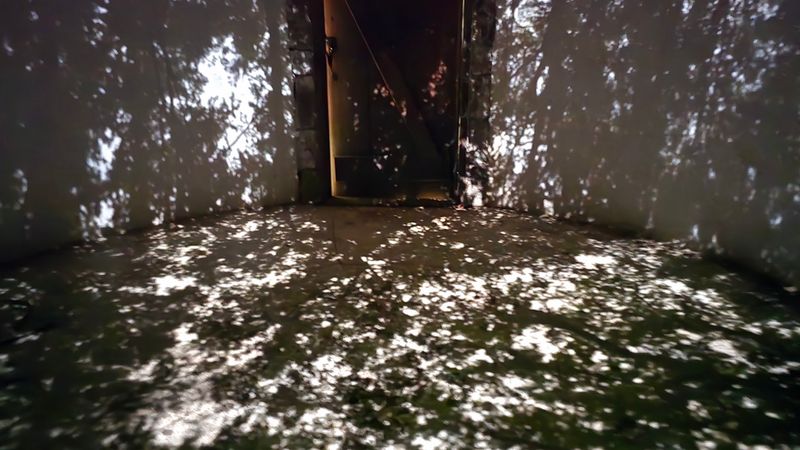
Slowly, shapes start to appear on the white-washed walls and floor. First you notice faint light, then blurry blobs, and then suddenly there are trees.
The whole room becomes light-tight when the door is closed, except for that small round opening in the roof. Light pours through the hole and paints an image of the outside world across the inside.
It happens with zero electricity, which still amazes me.
Reading the plaque outside before you enter helps a lot. It explains what you are about to see, so you know to be patient instead of confused.
Bringing a friend makes the waiting part more fun, since you can whisper about what each of you notices first. Try to keep chatter low, though.
The quiet is part of the experience, and the slow reveal feels a bit like watching a photograph develop right in front of you, one soft shadow at a time.
Clouds on the Floor and Roots in the Sky
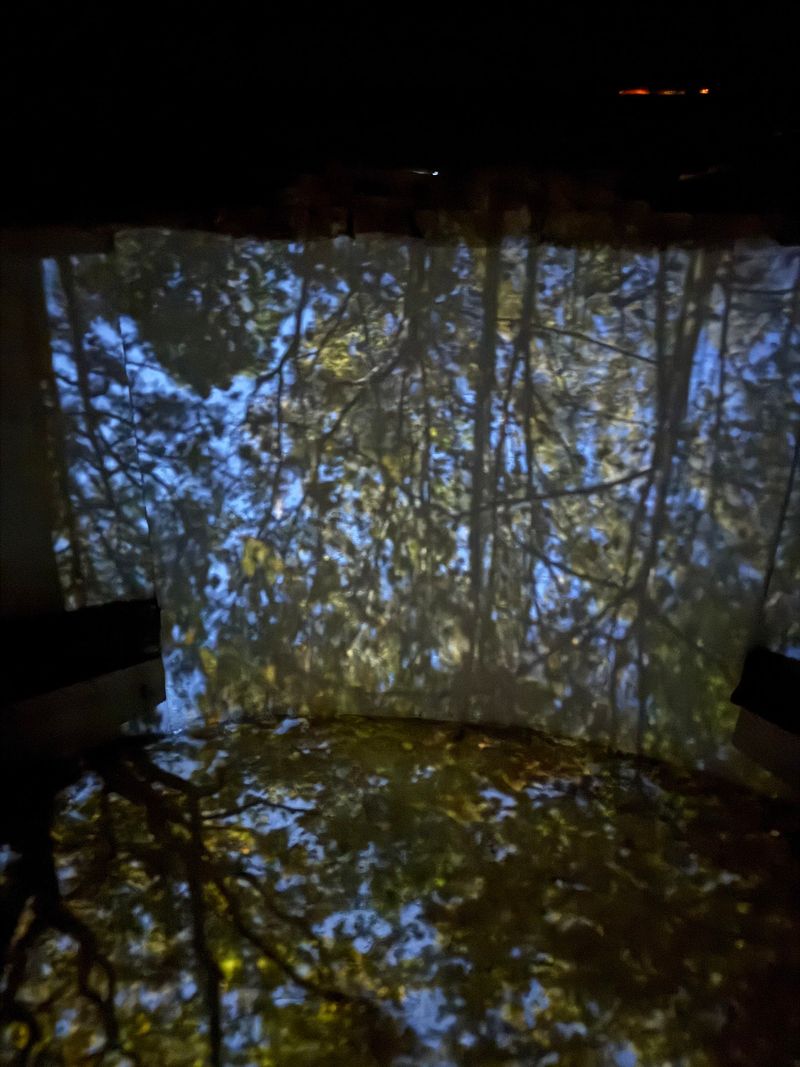
Clouds were drifting across the floor near my shoes, and I actually lifted my foot so I would not step on one. That is how convincing the upside-down world looks once your eyes settle in.
The chamber works as a giant camera obscura, a Latin phrase that means dark chamber. Light traveling through a tiny hole crosses over itself, so the image lands flipped.
The sky shows up below you, while the treetops point downward from the walls. Trunks seem to grow toward the ceiling, almost like roots reaching up into the air.
Movement makes it even better. When wind shakes the branches outside, the projected leaves sway too.
A passing cloud slides slowly across the stone, and a bird might zip by as a quick dark flicker.
Fun fact for curious minds: this same basic idea helped people understand how early cameras work. Your eyes use a similar process too, since images land flipped on the back of your eye and your brain turns them right side up.
Try tilting your head or lying back to see the scene from new angles. Spin slowly in a circle, too.
Every wall holds a slightly different slice of the forest, so there is always another view to find.
Sunny Afternoons Paint the Brightest Picture
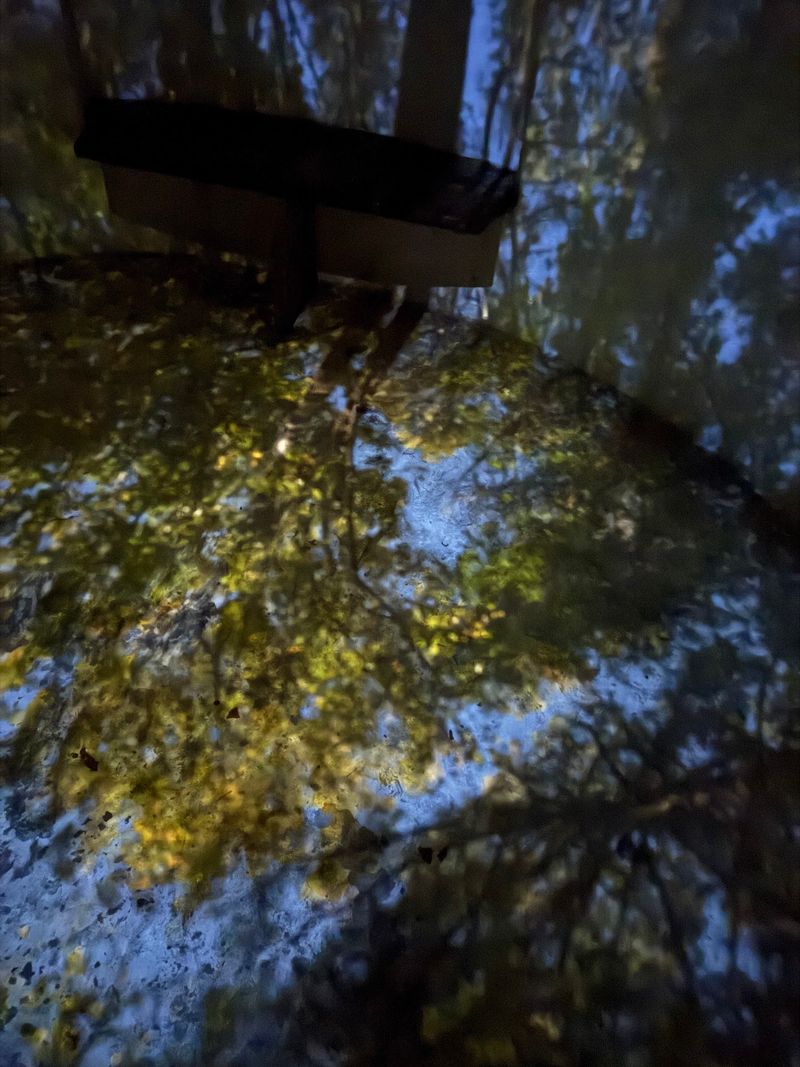
Sunshine is your best friend here, and I learned that fast. On a bright, clear afternoon, the projection inside turns sharp and colorful, with blue sky and green leaves showing up beautifully.
Timing matters because the image depends completely on natural light. More light outside means a stronger picture inside.
Puffy white clouds on a sunny day are the jackpot, since you get to watch them float across the walls.
Cloudy or rainy days still have charm, though. Some visitors have gone on foggy days and still enjoyed the moody, soft scene.
The image just looks dimmer and more dreamlike.
Seasons shift the show too. Spring and summer fill the walls with thick green canopies, while fall brings warm oranges and golds.
Winter branches look bare and lacy, almost like pencil sketches spread across stone.
Here is a handy tip for photo lovers. Your phone camera might pick up the projection even better than your eyes, especially with a longer exposure setting.
Hold still, brace your arms, and snap a few shots.
Plan your walk so you arrive in the early or middle afternoon. That way you have plenty of daylight for the trail back, and you will not be racing the sunset through the trees.
One of Only Two in the Whole Country
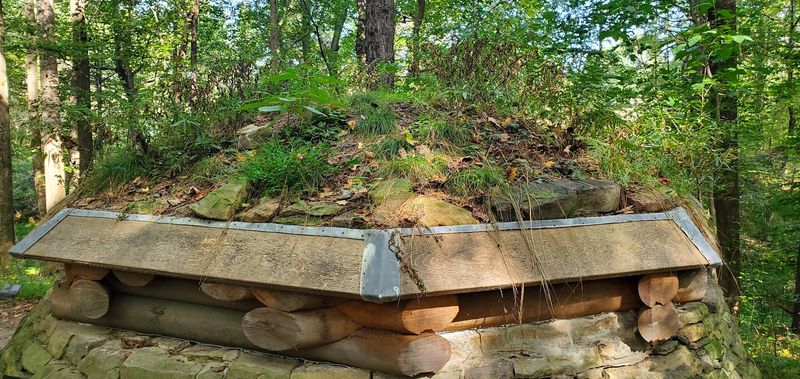
Rare things always make me pay closer attention, and this chamber is truly rare. Chris Drury has built 16 cloud chambers around the world, yet only two sit in the United States.
The other one is at Vanderbilt University in Tennessee.
Raleigh’s chamber was the ninth one Drury ever built. Each chamber uses natural materials from its own surroundings, so no two look exactly alike.
That means the one you visit here truly belongs to North Carolina.
The North Carolina Museum of Art commissioned the piece using funds from the Robert F. Phifer Bequest and the North Carolina State Art Society.
It has been welcoming curious visitors for about two decades now.
Time and weather eventually wore down the original yellow pine roof. After 17 years, the wood showed signs of decay.
In 2021 the roof was restored with the artist’s approval, using black locust logs that grow naturally in the region and resist rot.
Knowing that history made me feel protective of the place. Sadly, some people have tried to damage it over the years.
Please treat the chamber gently, skip any scribbling, and leave everything as you found it, so future visitors can enjoy the same quiet wonder you did.
A Quiet Hideout Worth Coming Back To
Leaving felt a little sad, and I caught myself planning a return trip before I even reached the museum again. Drury designed each chamber to be a calm, thoughtful space that brings the outside in, and that goal really works.
Sitting in the dark gives your busy brain a rest. There are no notifications, no loud noise, just slowly moving light.
Even a few minutes can leave you feeling refreshed, especially on a hot day when the cool stone offers shade.
Families will find plenty to love here. Little ones often think the hut is a secret fort, and parents say the trail works fine for toddlers and many strollers.
Photography students and art fans visit too, since the camera obscura teaches real lessons about light.
Make it part of a bigger day. The museum park stretches across wide lawns, woods, and walking paths filled with outdoor art.
Pack water, bring a snack for later, and explore at an easy pace.
Every visit changes because the sky never repeats itself. Different clouds, new leaves, and shifting sunlight mean the walls always tell a fresh story.
That is a great reason to make this hideaway a regular stop.
Address: 2110 Blue Ridge Road, Raleigh, NC 27607
