You pull off a quiet two-lane road in southeastern Oklahoma expecting maybe a dusty room and a few old photos. Instead, a towering dinosaur stares back at you, and drawers of arrowheads slide open like treasure chests.
The best part is that nobody asks you for a single dollar at the door. Stick around, because this little stop might just rewrite what you think a small-town museum can be.
A World-Class Collection in McCurtain County
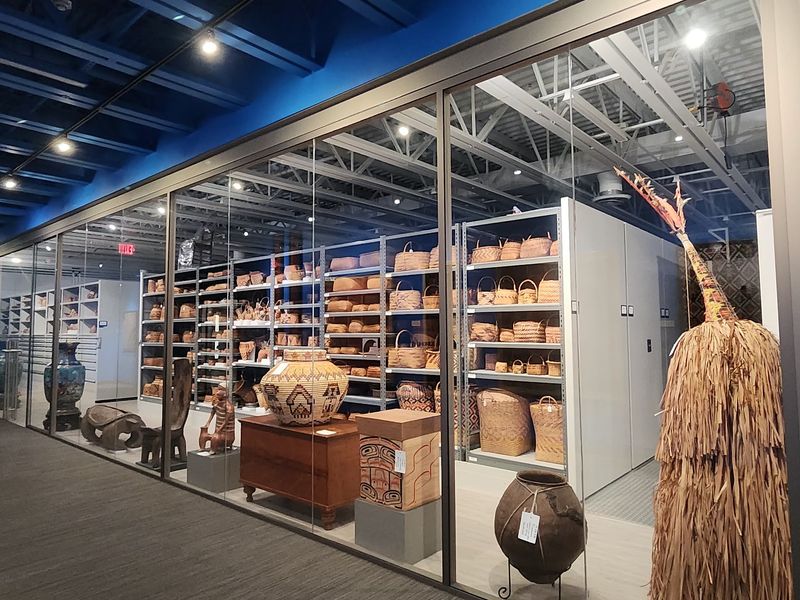
Picture a town of roughly seven thousand people, tucked into the green corner of southeastern Oklahoma. Now picture that same town holding a permanent collection of more than 33,000 objects.
That is the surprise waiting at the Museum of the Red River in Idabel.
Visitors often describe driving past for years before finally pulling in. Once inside, many say they could hardly believe the size and quality of what they found.
The collection stretches from prehistoric stone tools to ceramics, textiles, and art gathered from around the globe.
Better still, admission is free. According to the staff, that free gate is made possible by corporate partners, mostly local small businesses, who back the museum so it can offer learning at little or no cost.
For budget-minded families, that makes the visit an easy yes.
The museum sits at 812 E Lincoln Rd, in a building that guests frequently call unique and interesting before they even step through the door. It works as a cultural and educational hub for the whole region.
Whether you live nearby or are passing through on a road trip, it is the kind of stop that tends to earn a second visit.
Roots Along the Red River Border
Ancient rivers carve more than valleys. They shape the people, animals, and stories that gather along their banks, and the Red River has done exactly that for this corner of the state.
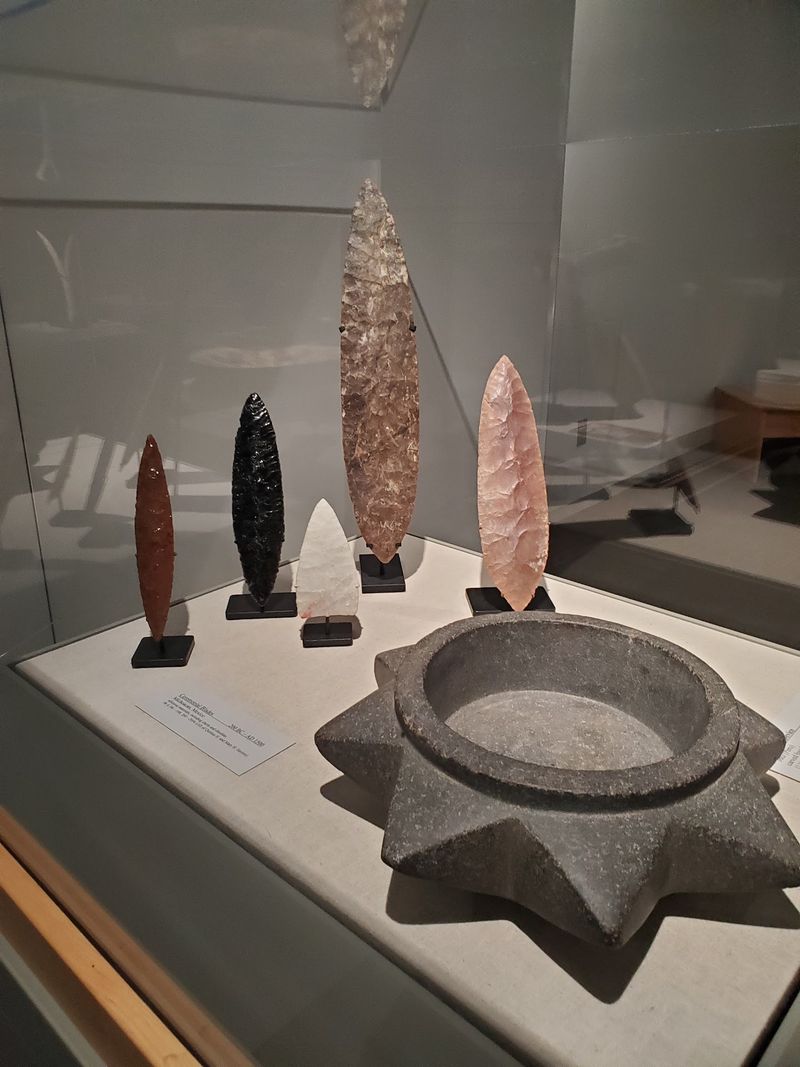
The museum takes its name from that waterway and leans into the deep history of the land around it. Its collections are especially rich in regional archaeological materials, meaning many of the stone tools and points on display tell the story of people who lived in this very area long ago.
That local connection gives the exhibits a sense of place you rarely get in a big-city gallery.
Of course, the museum does not stop at the county line. Donors from around the world have added pieces that stretch its reach across continents.
Guests often point out how nicely the local finds and the global treasures sit side by side.
McCurtain County itself is a lush, wooded region, popular with families renting cabins near Beavers Bend. Some visitors mention making the drive over from their vacation cabins specifically to see the museum.
Pairing a day on the water with an afternoon among artifacts makes for a well-rounded trip, and it gives kids a break from the sun, too.
Oklahoma’s Official State Dinosaur, Up Close
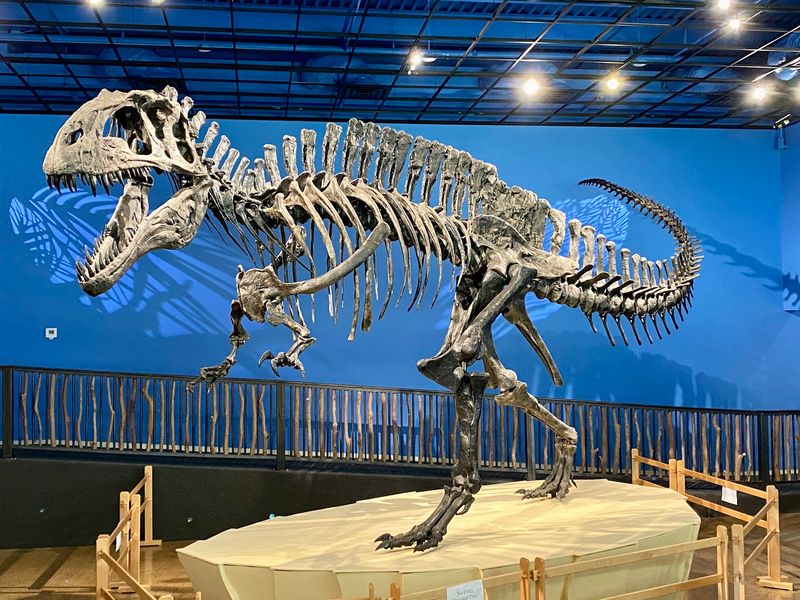
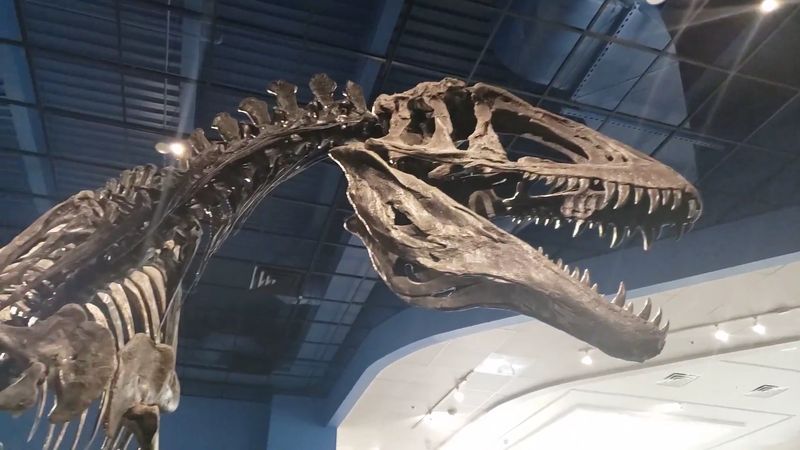
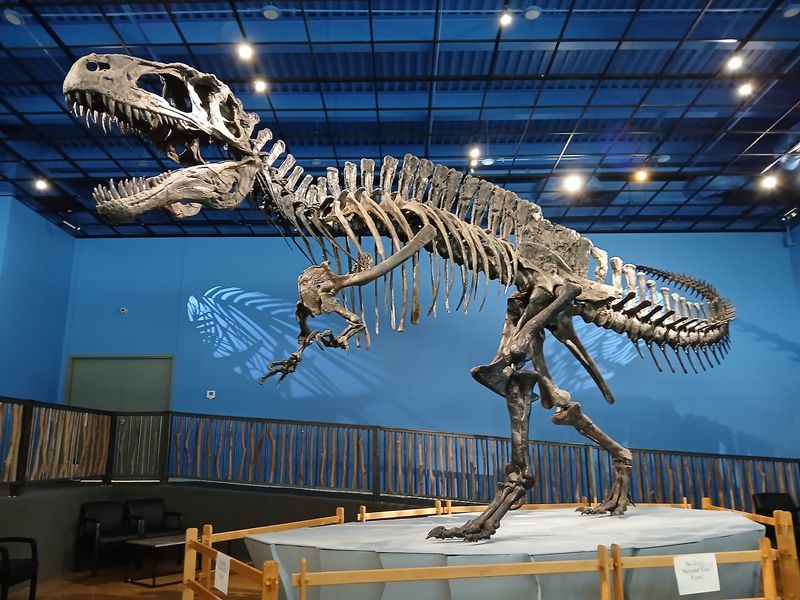
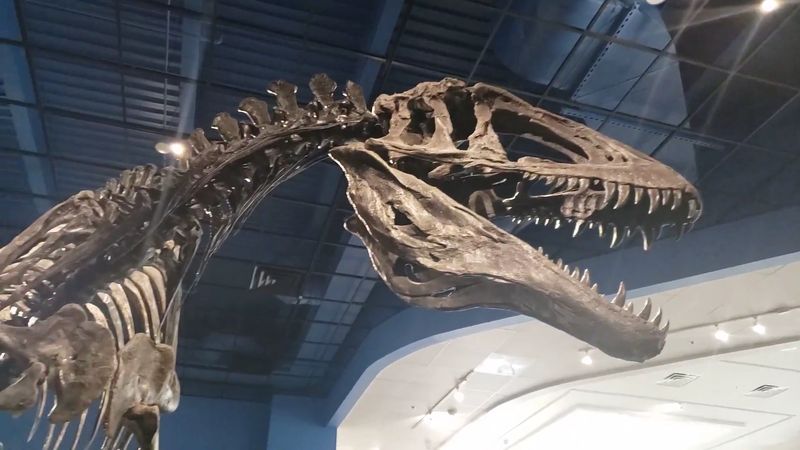
Nearly fourteen feet tall and forty feet long, the star of the show does not exactly blend into the background. Meet the full-size fossil cast of Acrocanthosaurus atokensis, the official state dinosaur of Oklahoma.
Here is the fun part. The most complete specimen of this fierce predator was discovered less than twenty miles from the museum, right here in McCurtain County.
Staff note that the species dates back roughly 110 to 120 million years. Standing beneath it, you get a real feeling for how huge the ancient world must have been.
Kids, predictably, go wild. Many families say the dinosaur was the whole reason they came, and plenty of little ones call it a T-Rex before learning its proper name.
One grandparent shared that the grandkids simply could not stop talking about it.
Did you know? The name atokensis points to Atoka County, Oklahoma, a nod to the state’s own fossil roots.
That kind of detail makes a great conversation starter on the drive home.
Bring a camera and plan to linger. Between the scale, the local backstory, and the gasps from young visitors, this is a moment that sticks.
Drawers Full of Arrowheads
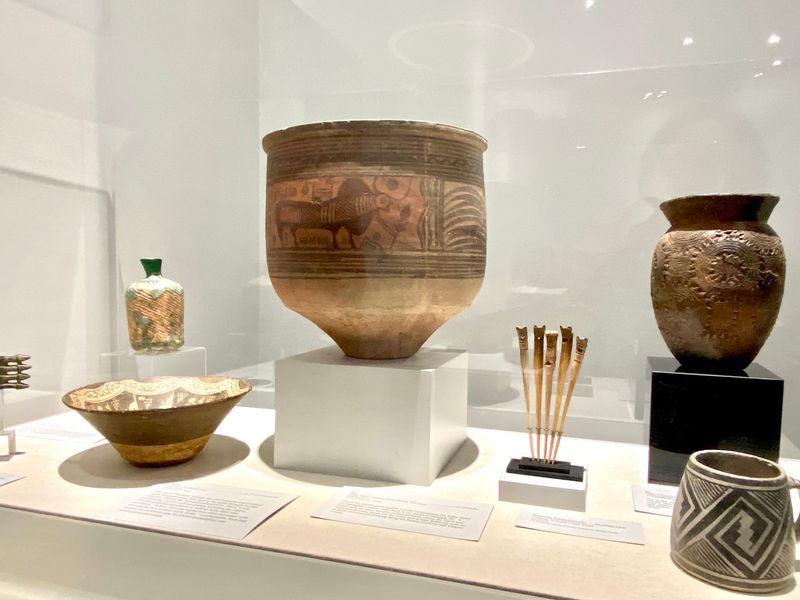
Some treasures hide in plain sight, and others hide in drawers. At this museum, one of the most delightful surprises is the chance to slide open cases packed with arrowheads.
Guests regularly say they have never seen so many types and sizes of points in one spot. Tiny, delicate pieces sit near larger, heavier tools, showing how skillfully ancient craftspeople shaped stone for different tasks.
It is hands-on discovery, even if you are only using your eyes.
Many of these prehistoric stone tools come from the surrounding region, which ties them directly to people who lived near the Red River long before modern roads arrived. That makes each drawer feel less like a textbook and more like a window into daily life here thousands of years ago.
One visitor described the experience as humbling, noting that the makers of these tools were clearly brilliant problem solvers. It is a thought that tends to follow you from drawer to drawer.
For young collectors or anyone who has ever found a point in a creek bed, this section may become a favorite. Take your time, look at the edges, and try to imagine the patience it took to craft each one by hand.
Native American Art and Living Traditions
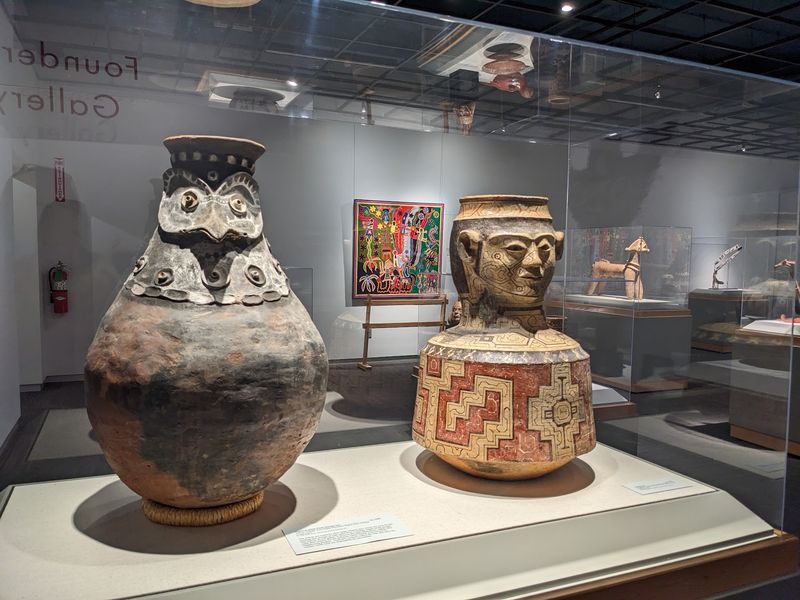
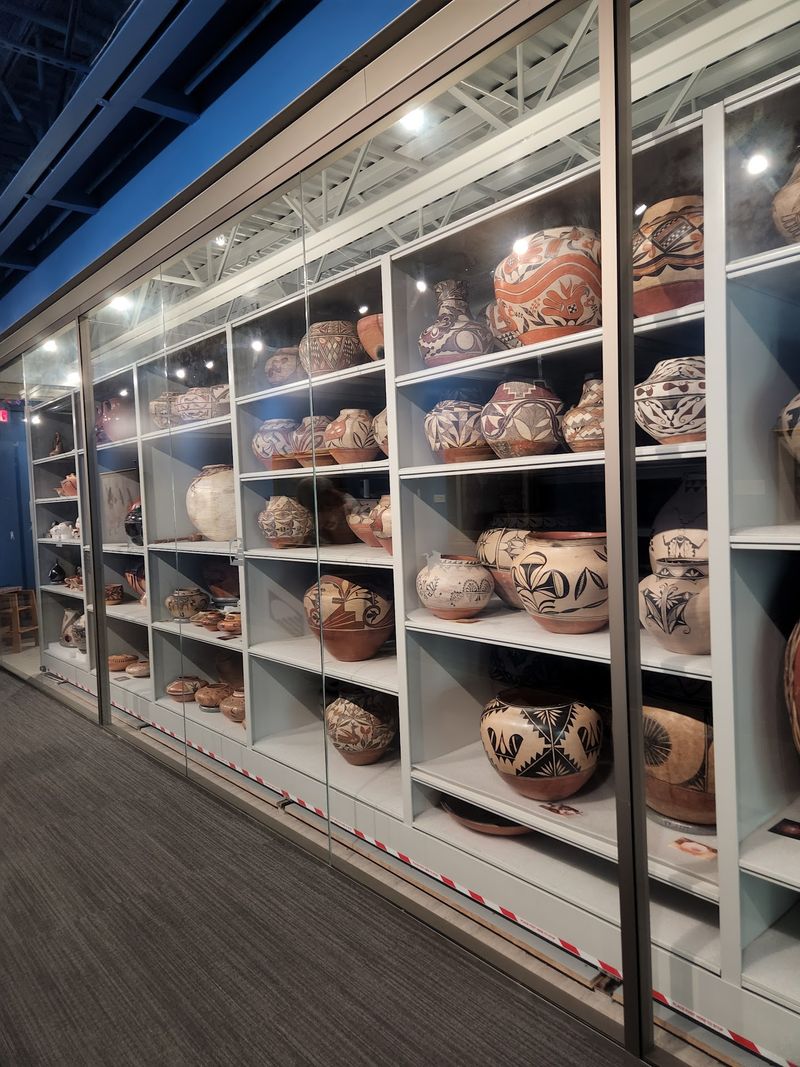
Craftsmanship speaks across generations, and few places in the region let it speak as clearly as these galleries. The museum holds a vast array of Native American art and artifacts, from Plains Indian garments to Southwestern Pueblo ceramics.
Pottery earns a lot of attention from visitors, who often call the pieces both beautiful and educational. The shapes, painted designs, and careful finishes reflect skills passed down through families and communities.
Treated with respect, these works remind guests that Native cultures are ongoing traditions, not just chapters in the past.
Baskets deserve their own shout-out. One guest described a massive collection of woven baskets, and weaving turns up again in the kids area, which neatly connects what children see to what they can try themselves.
Oklahoma is home to 39 federally recognized tribal nations, and southeastern Oklahoma sits within the Choctaw Nation’s reservation. Seeing Indigenous artistry displayed with care in this setting adds meaning to the visit.
Many guests single out these galleries as exceptional, even compared to larger museums. Slow down here.
Read the labels, notice the stitching and the brushwork, and let the artistry sink in before moving on to the next room.
Masks, Helmets and Global Curiosities
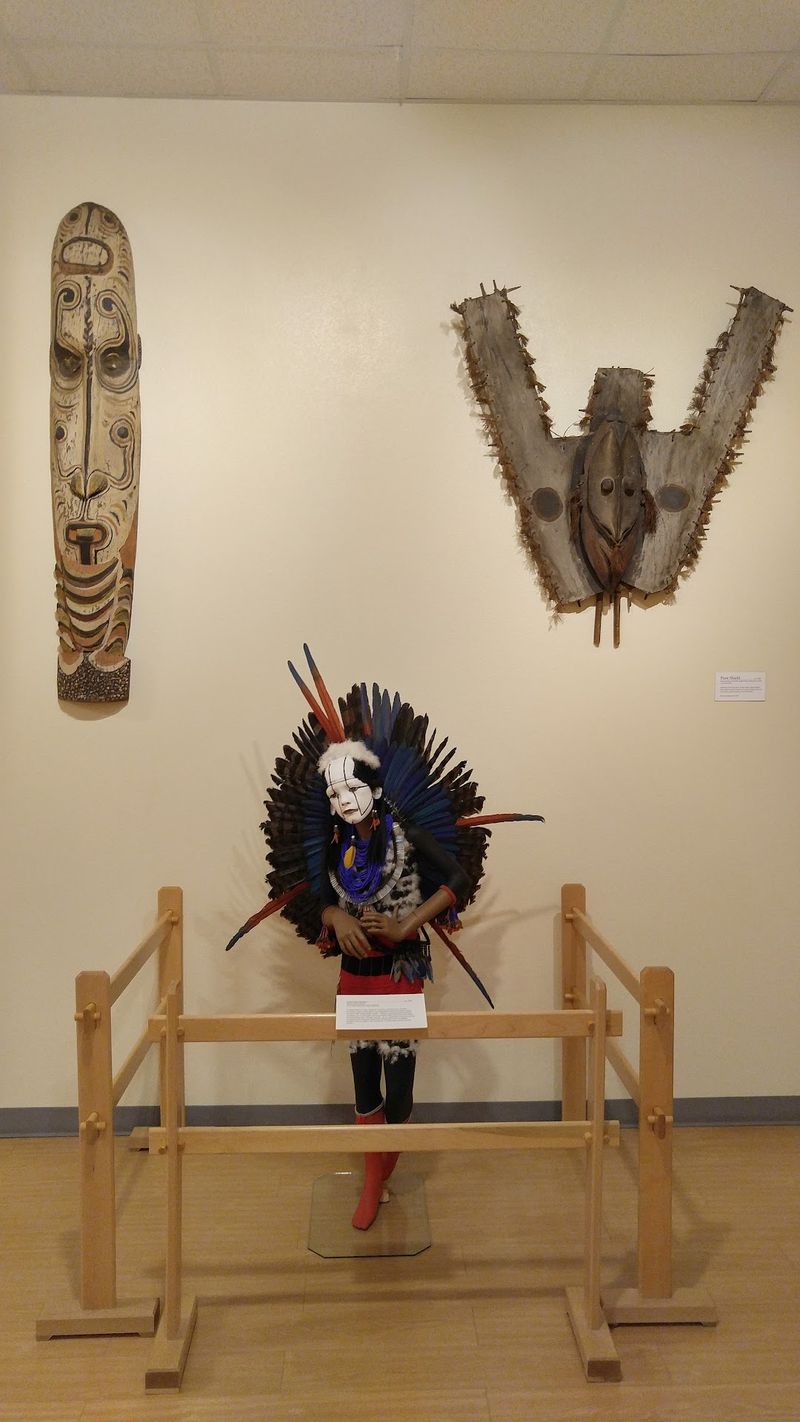
Walk into one particular room and dozens of faces stare right back. The masks of the world gallery is one of those spaces guests mention long after they leave.
Beyond Oklahoma, the museum gathers ethnographic art from Africa, East Asia, and the South Pacific. There are also Precolumbian pieces from Central and South America.
Together, they offer a big-picture look at human creativity, all without a passport.
Then there are the oddities that make a visit memorable. One family raved about a Spanish helmet, a piece that tends to spark imaginations about explorers and long voyages.
Others mention gems, statues, and paintings scattered among the galleries.
Honestly, it is the variety that makes this stop feel so rich. In a single afternoon, you can move from a stone point found nearby to a carved mask from across an ocean.
Visitors often say the collection spans so many cultures that it feels bigger than the building.
Tip for families: turn the mask room into a game. Ask kids which face looks happiest, grumpiest, or silliest, then read about where it came from.
It keeps curiosity high and helps little ones connect with faraway places.
Rotating Exhibits Worth a Return Trip
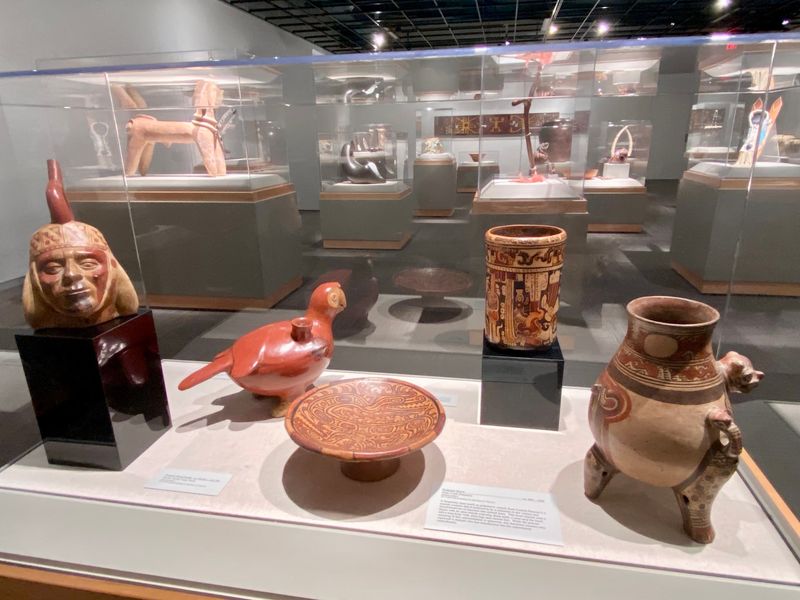
Nine weeks. That is roughly how often the major exhibits change out, according to the museum staff, which means there is almost always something new to see.
For locals, that schedule turns a one-time outing into a habit. You could stop in during spring, come back in early summer, and find a completely different display waiting.
For travelers who pass through the area regularly, it is a solid reason to make this a repeat stop on the route.
Guests who have visited more than once often describe the exhibits as interesting, unique, and colorful. One family even enjoyed a peek at museum storage, a behind-the-scenes angle that shows just how much the collection holds beyond what hangs on the walls.
With more than 33,000 objects, there is plenty to rotate.
Planning a visit around a specific exhibit? A quick call to the museum at 580-286-3616 or a look at its website may help you know what is currently on view.
Schedules can shift, so checking ahead is smart.
Either way, the rotating shows keep the place feeling fresh. It is hard to get bored somewhere that keeps reinventing itself every couple of months.
The Webb Family Learning Center for Little Explorers
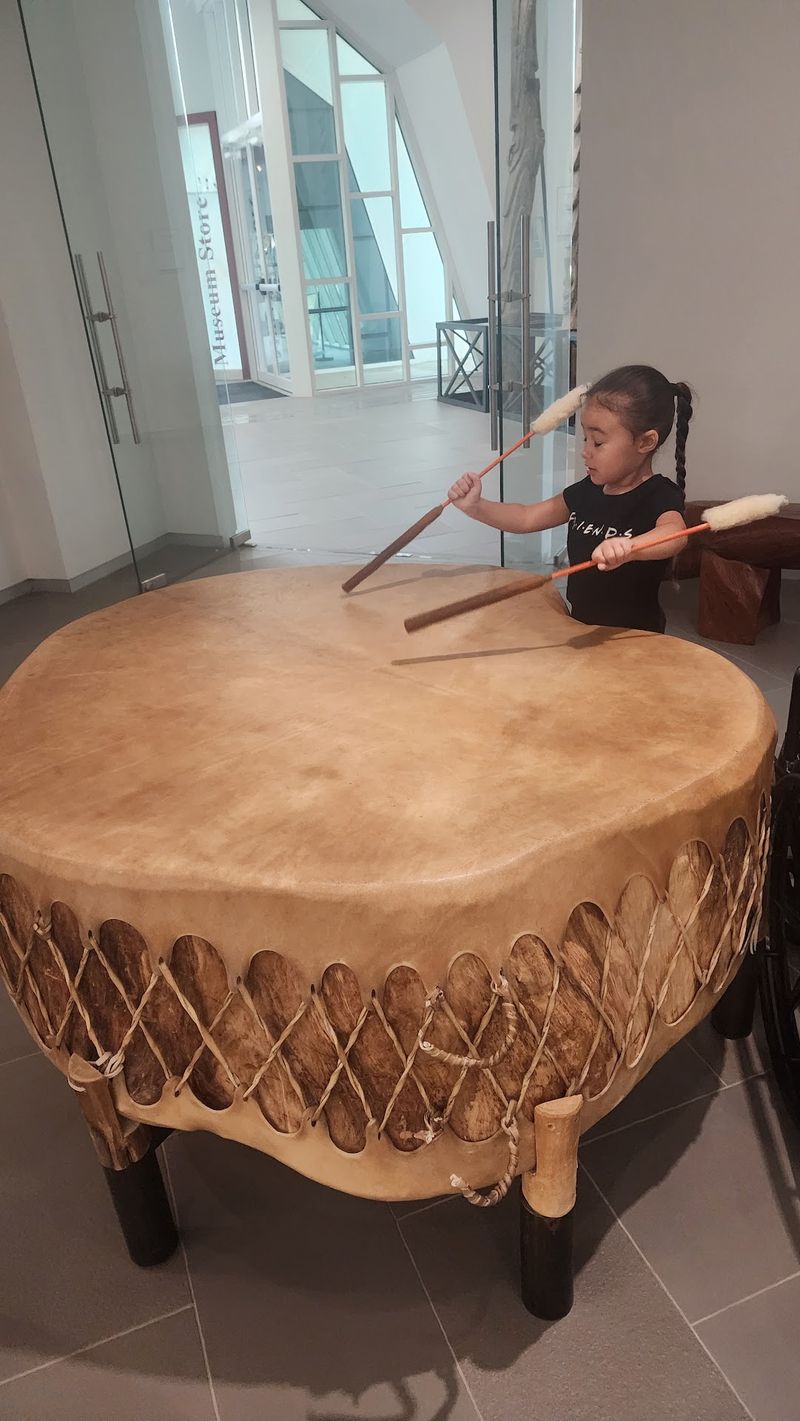
Eight kids, ages three months to eleven years, and still a quiet afternoon. One parent shared exactly that experience, crediting the Holland and Sallie Webb Family Learning Center for keeping everyone happily busy.
This interactive space offers exhibit-related activities during regular hours. Families mention weaving crafts, dinosaur toys, puzzles, books, and coloring stations.
There is also a drum kids can play, which delights youngsters and might test a grown-up’s patience just a little.
Grandparents especially seem to love this room. One described it as one of the best parts of their visit, since the grandchildren got hands-on with activities that tied back to the displays.
Another guest admitted enjoying the learning center as much as the serious galleries.
Some visitors even stumbled into a workshop and joined in, making picture art as a family. The museum has also hosted events like Fun with Clay Day and Dino Camp, with many year-round programs offered at little to no cost.
For parents juggling toddlers and older kids, this room is a real gift. Let the little ones burn off energy here, then head back out to the dinosaur with everyone in a better mood.
Friendly Faces and Outdoor Photo Murals
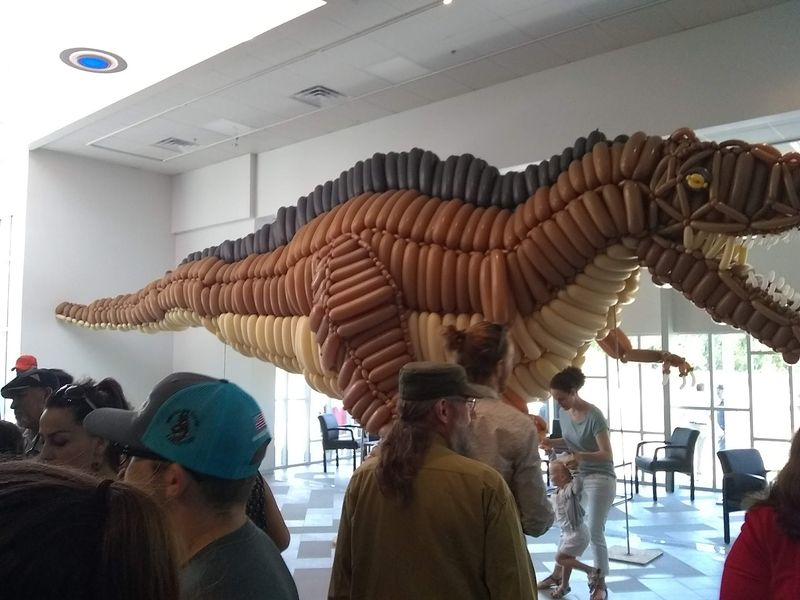
Warm welcomes matter, and guests here keep bringing them up. Staff members are described again and again as knowledgeable, sweet, and friendly.
Several visitors appreciated a quick overview when they first walked in, which made it easier to plan their path through the galleries. One family praised a guide named Leah who answered their kids’ many questions and even showed them fossils up close.
Small moments like that turn a good visit into a great one.
People also notice how clean and well-kept the museum feels. It is tidy without feeling stuffy, a balance that suits families and curious grown-ups alike.
Before you leave, step around back. Near the rear exit, large murals line an outside wall, and standing in front of one creates a photo that looks like you have been transported somewhere else entirely.
Guests love snapping selfies and family shots here.
Fun tip: take turns posing with each mural and see which picture fools friends back home the best. It is a playful, free souvenir that costs nothing but a few minutes and a smile.
Kids especially enjoy hamming it up for the camera before the drive home.
A Gift Shop That Beats Expectations
Plenty of museum shops feel like an afterthought. This one, according to many guests, is better than expected.
Visitors describe a delightful selection of gifts, including a huge range of books. Whether you want a dinosaur title for a young reader or something deeper about regional history and culture, the shelves seem to offer plenty.
Others simply call the merchandise neat and fun to browse.
Here is a thoughtful habit many families share. Since the entrance is free, they make a point of buying souvenirs as a way of giving back.
One guest said exactly that, noting their purchases felt like a thank-you for such a generous experience.
Donations are welcome, too. A visitor encouraged others to leave a little something before heading out to support the museum’s mission.
Even a few dollars can help keep programs running at minimal cost for local kids and families.
So plan an extra fifteen minutes at the end of your visit. Let the kids pick a small dinosaur keepsake, grab a book for the road, or drop a donation in the box.
Your wallet stays happy, and the museum gets a boost that keeps those doors open for everyone.
Hours, Parking and Planning Your Visit
Mondays are the one day to avoid. The museum is closed then, but opens Tuesday through Saturday from 10 a.m. to 5 p.m., and Sunday from 10 a.m. to 3 p.m.
Admission costs nothing, and parking on-site is free as well. That makes it one of the most budget-friendly outings in southeastern Oklahoma.
Hours can change, so calling ahead at 580-286-3616 or checking the website may save you a surprise.
Getting there is simple. The address is 812 E Lincoln Rd in Idabel, near the Texas and Arkansas borders.
From Oklahoma City or Tulsa it is a longer haul, so many travelers fold it into a Beavers Bend cabin weekend or a road trip through the area.
Most families find an hour or two works well, though fans of history could easily stay longer. If kids are along, save energy for the learning center.
Weather counts in this part of the state. Summer heat can be intense, and spring brings storm season, so an indoor stop like this makes a smart backup plan.
Pack water, charge your phone for mural photos, and you are set for an easy, affordable afternoon.
Why the Drive Pays Off
Good surprises are rare, and free ones are rarer still. That combination is exactly what keeps people talking about this little museum in Idabel.
Think about what fits into one visit. A towering state dinosaur cast.
Drawers overflowing with arrowheads. Pueblo pottery, woven baskets, masks from far-off lands, and a learning center where kids actually settle down.
Add friendly staff and a gift shop worth browsing, and the value is hard to beat.
Hungry after exploring? Idabel has comfort food nearby.
Red B Restaurant is known for homemade dishes like a fried egg burger, brisket, homemade pies, and a chicken-fried steak that has been called the best in Oklahoma. Phat Tabb’s BBQ serves smoked beef, pork, and poultry for barbecue lovers.
For families, retirees, and anyone who loves a modest, meaningful stop, this place tends to leave a lasting impression. Many first-timers say they will definitely be back, and with exhibits rotating every nine weeks, that promise is easy to keep.
So next time you are near the Red River, turn off the highway. Grab the grandkids, leave a small donation, and let this unassuming building show you just how much Oklahoma has to offer.
