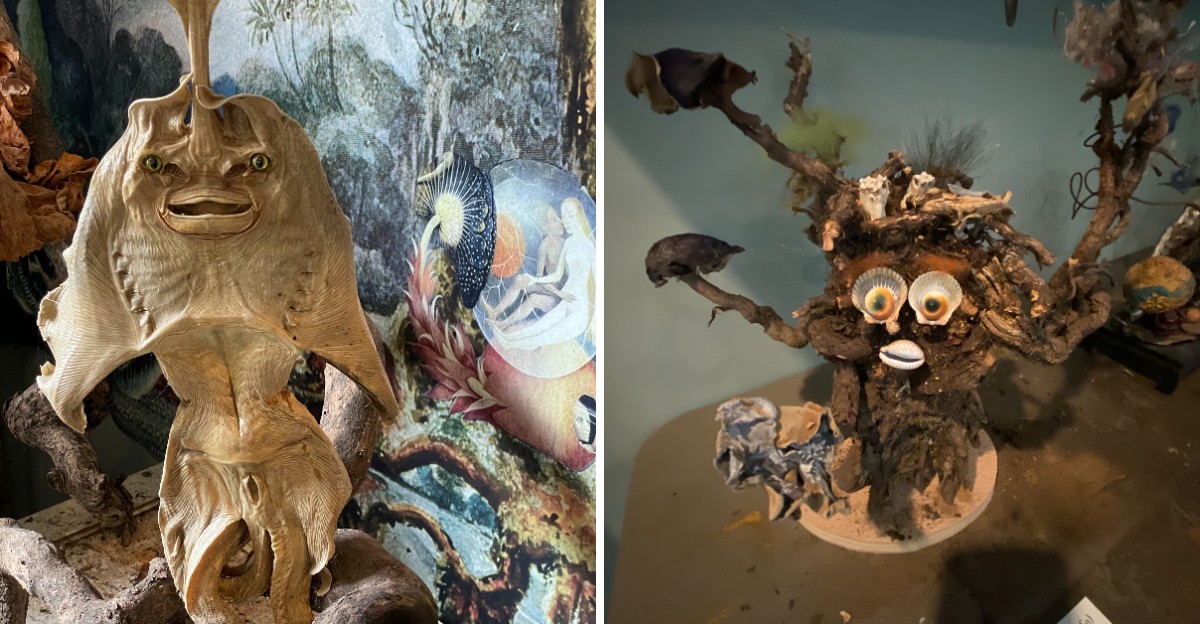
A rusted clock with a crab arm sits in a museum, and its label calls it a self-destroying automaton. That alone made me stop scrolling. The whole collection belongs to a civilization that never existed.
One retired software engineer built every artifact by hand. He used bones, driftwood, seashells, fungi, scrap metal, and antique toys. Then he gave them a made-up history, complete with ages and a mermaid mascot.
The entire museum fits in about 400 square feet in Oregon. That’s roughly a two-car garage. Admission costs nothing, and nobody asks for donations either.
An Entire Lost Civilization Lives Upstairs, And None Of It Is Real
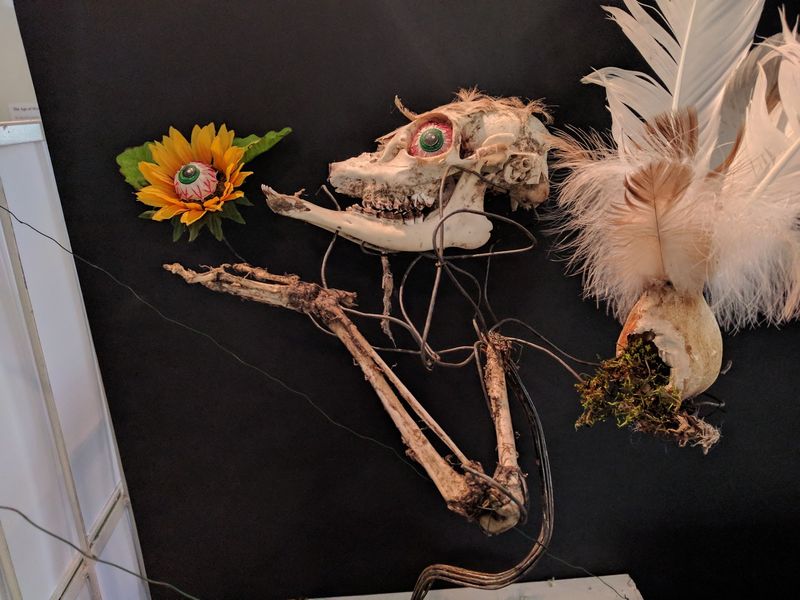
Most museums study real places, but The Zymoglyphic Museum invented its own. It’s the only institution devoted to the art, artifacts, and natural history of the Zymoglyphic region.
That region exists only in the curator’s imagination. Still, the displays treat it with the calm confidence of a serious history museum.
The word zymoglyphic is invented too. Curator Jim Stewart coined it to describe images of fermentation, especially the creative residue left on natural objects.
He also uses it for arranging weathered natural objects for poetic effect. Think of it as a fancy word for turning odd treasures into stories.
The museum calls itself a self-museum and a cabinet of curiosities. That means it blends natural history, rogue taxidermy, and surreal art into one strange package.
Every label adds another piece to a world you slowly figure out. You’re the explorer, and the clues are sitting right behind the glass.
Some visitors want answers about what is real and what is not. Honestly, that question is half the fun, so let it linger.
Oregon has plenty of quirky stops, yet few build a full culture from scratch. This one does it inside a space smaller than many living rooms.
One Retired Engineer Built Every Single Artifact By Hand
Jim Stewart spent his career as a software engineer. In retirement, he became the artist and curator behind this entire imaginary world.
His collecting habit started long before that. He has gathered and arranged objects since childhood, and his personal museum goes back over half a century.
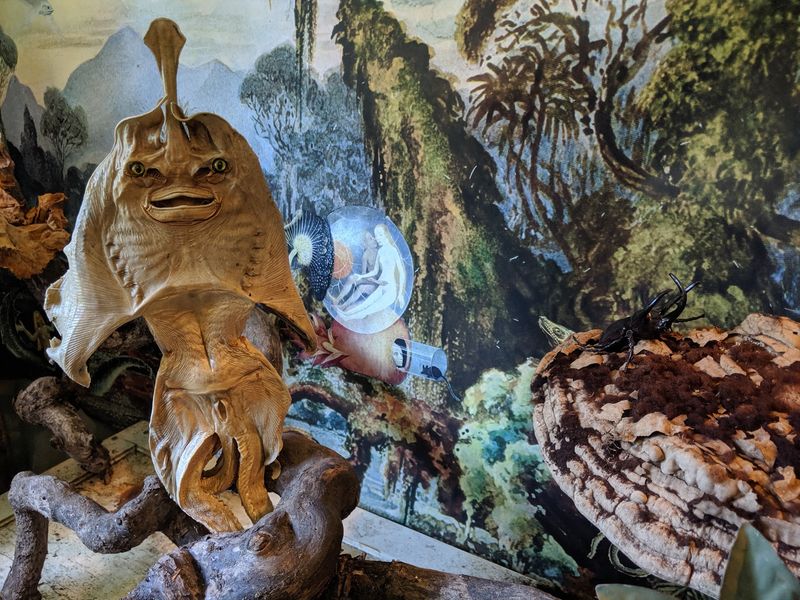
Every artifact and diorama here comes from his hands. He assembles them from found, purchased, or donated parts.
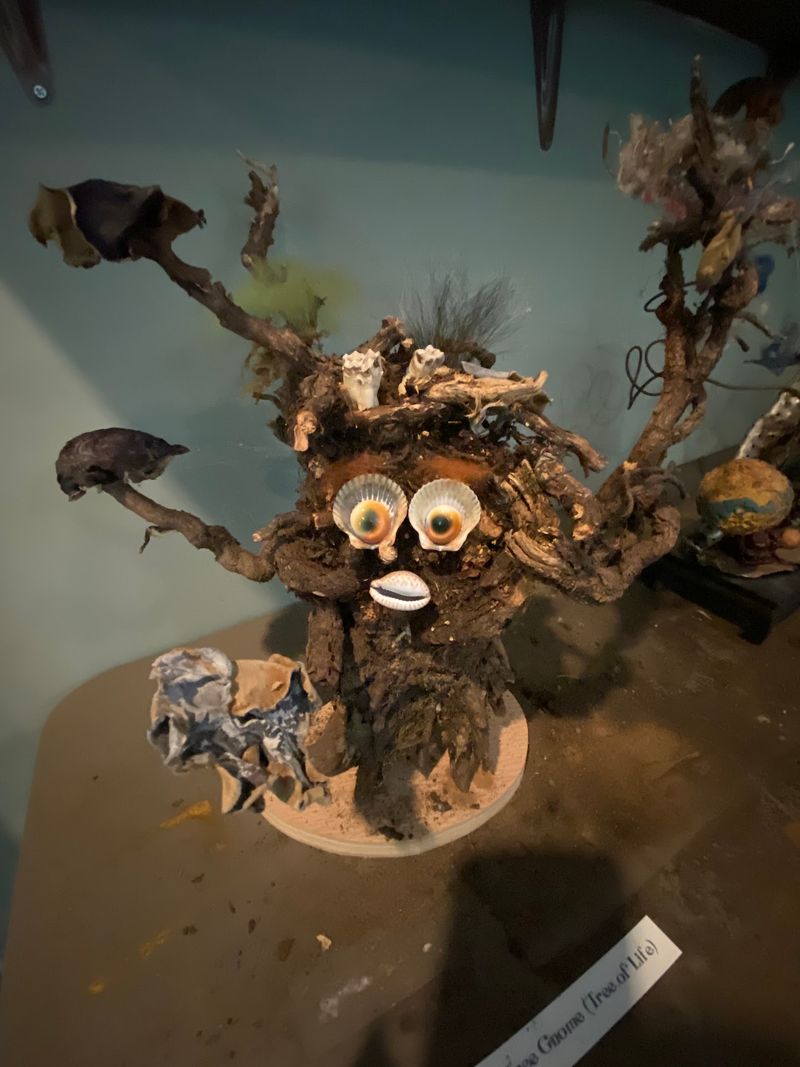
The materials read like a nature walk mixed with a flea market. Bones, horns, seashells, driftwood, dried plants, fungi, and taxidermied animals all show up.
Scrap metal and antique toys join the mix too. Somehow, those pieces turn into ceremonial objects from a culture with its own logic.
Stewart is usually around during open hours to answer questions. He doesn’t lead formal tours, though, so you can explore at your own pace.
That setup feels refreshing. Nobody rushes you past the weird stuff to reach the gift shop.
Got a question about a strange creature or a rusty relic? Ask the person who actually made it, which almost never happens at bigger museums.
Rust, Bones, And Mud Kick Off The Story In Style
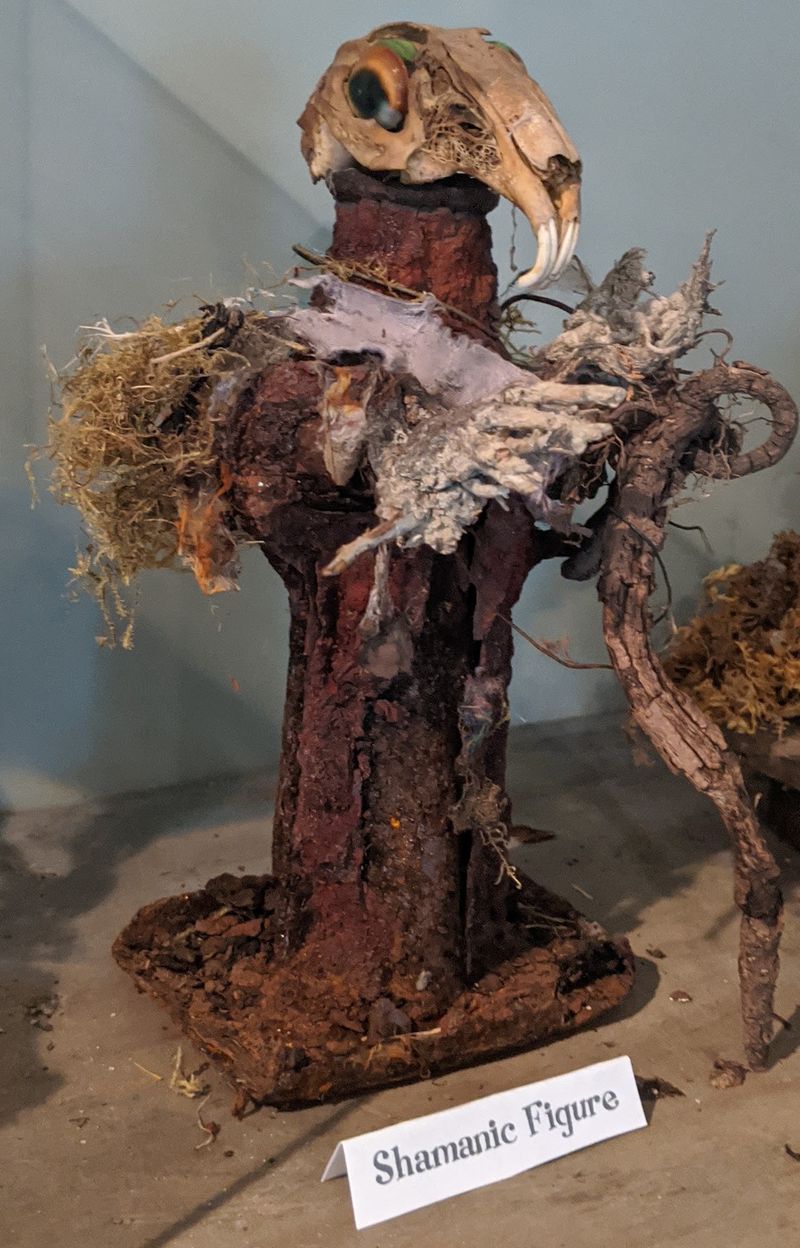
Gears, bones, and mud do not sound like museum material. In the Rust Age, they become the oldest treasures of the Zymoglyphic region.
The museum organizes its imaginary history into four main ages. The Rust Age sets the mood with decaying metal and organic materials.
Figurines here are built from bones, gears, and mud. Many are presented as ceremonial artifacts, as if an ancient people used them in important rituals.
That framing changes how you look at things. A corroded bolt suddenly seems like a sacred relic instead of hardware store leftovers.
Kids and adults can play the same game here. Pick one object and invent the ceremony it belonged to.
Was it for harvest season, or maybe for welcoming a new crab king? The labels give hints, but your imagination does plenty of the work.
Look closely at textures, too. Rust colors and weathered bone surfaces tell their own stories about time and nature.
Remember not to touch anything, since the exhibits are fragile. Lean in with your eyes instead, because the tiniest details often hold the best surprises.
Say Hello To The Mermaid Who Runs The Place Unofficially
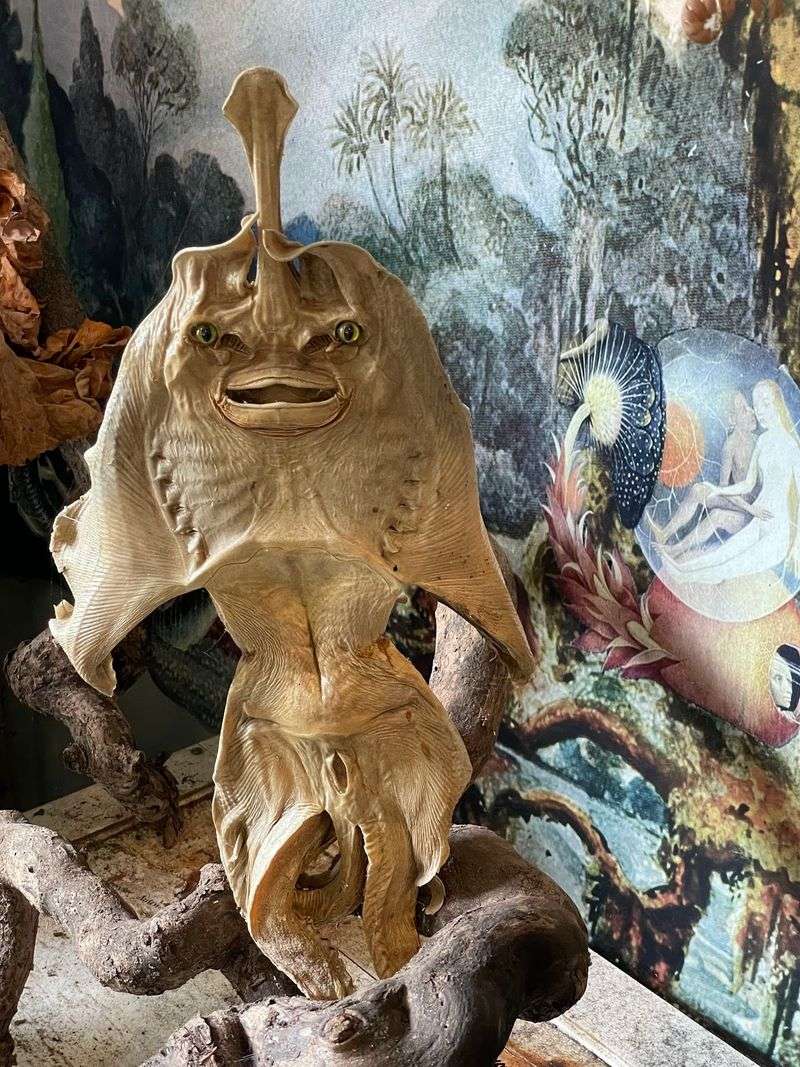
Every great museum needs a mascot. Here, the job belongs to the famous Zymoglyphic Mermaid, the unofficial star of the collection.
She lives in the Age of Wonder section. That area draws inspiration from Renaissance curiosity cabinets and 19th-century natural history museums.
Then it adds a surrealist twist. Dioramas, curiosity cabinets, and touches of alchemy fill the space with an old-world mystery vibe.
Curiosity cabinets were early versions of museums. Wealthy collectors packed them with shells, fossils, and oddities from around the world.
The Zymoglyphic version keeps that crowded, wondrous feeling. It just swaps real exotic lands for an invented one.
Keep an eye out for related sea oddities too. A fisherman’s mermaid, which is a dried fish with eyes, may also show up.
Is it creepy or charming? Probably a bit of both, which is exactly why people remember it.
Photography is encouraged, so the mermaid makes an easy first snapshot. The museum even keeps a page showing selected photos taken by visitors, so your best shot could earn a little fame.
Calm Down, Slow Down, And Let The Driftwood Speak
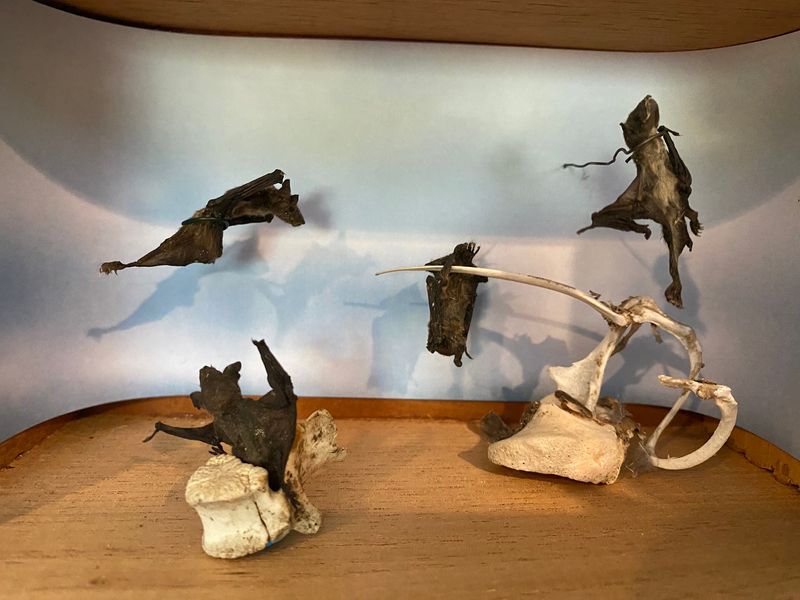
After the rust and mermaids, the mood shifts. The Era of Oriental Influence focuses on natural objects arranged for contemplation.
That means fewer creatures with eyes. Instead, you get quieter pieces that invite you to pause and simply look.
This section works like a breather in the middle of the story. Your brain gets a moment to rest before the next wave of oddities.
Here’s a helpful tip for this part. Pick one arrangement and stay with it for a full minute.
Notice the shapes, the balance, and how pieces lean toward each other. Weathered objects carry marks from wind, water, and time.
Stewart’s own definition of zymoglyphic fits this space perfectly. It’s about arranging things shaped by natural forces for poetic effect.
Small groups enjoy this section best when nobody talks for a bit. The museum is designed for wandering and quiet thinking.
Honestly, a little stillness feels earned here. Few places let you contemplate a twisted stick and feel totally normal doing it, so take full advantage while you can.
Digital Fish And Snail Artists Bring Things Up To Date
Even imaginary civilizations reach the computer age. The Modern Age section proves it with a Cybernetic Aquarium full of digital fish and artificial organisms.
Considering the curator’s software background, that exhibit makes a lot of sense. Code and curiosity finally shake hands.
Biomorphic abstraction also appears in this area. Those are art forms that look like living things without copying any single creature.
Shoebox galleries add another playful layer. Tiny worlds packed into small boxes match the museum’s size perfectly.
Nearby highlights deserve your attention too. The Silicate Garden shows colorful formations made by chemical reactions, then preserved in resin.
Then come the assemblage artist snails. Yes, the museum credits snails as artists, and that idea alone is worth the trip.
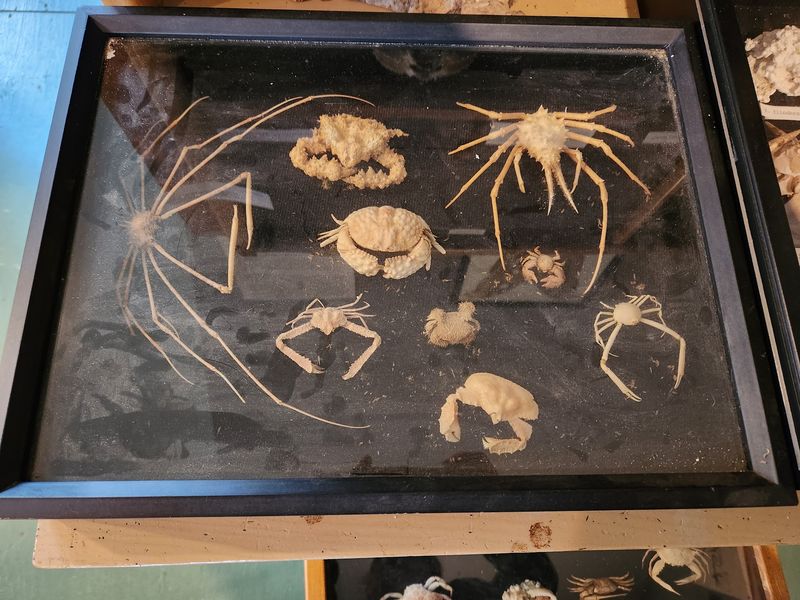
Crab displays look like nature’s steampunk sculptures. Don’t miss the self-destroying automaton, a rusted clock attached to a crab arm.
Science fans will love spotting chemistry and biology hidden inside the art. A root worm might even catch your eye, so save some attention for the corners.
Mark Two Sundays On Your Calendar Before You Go
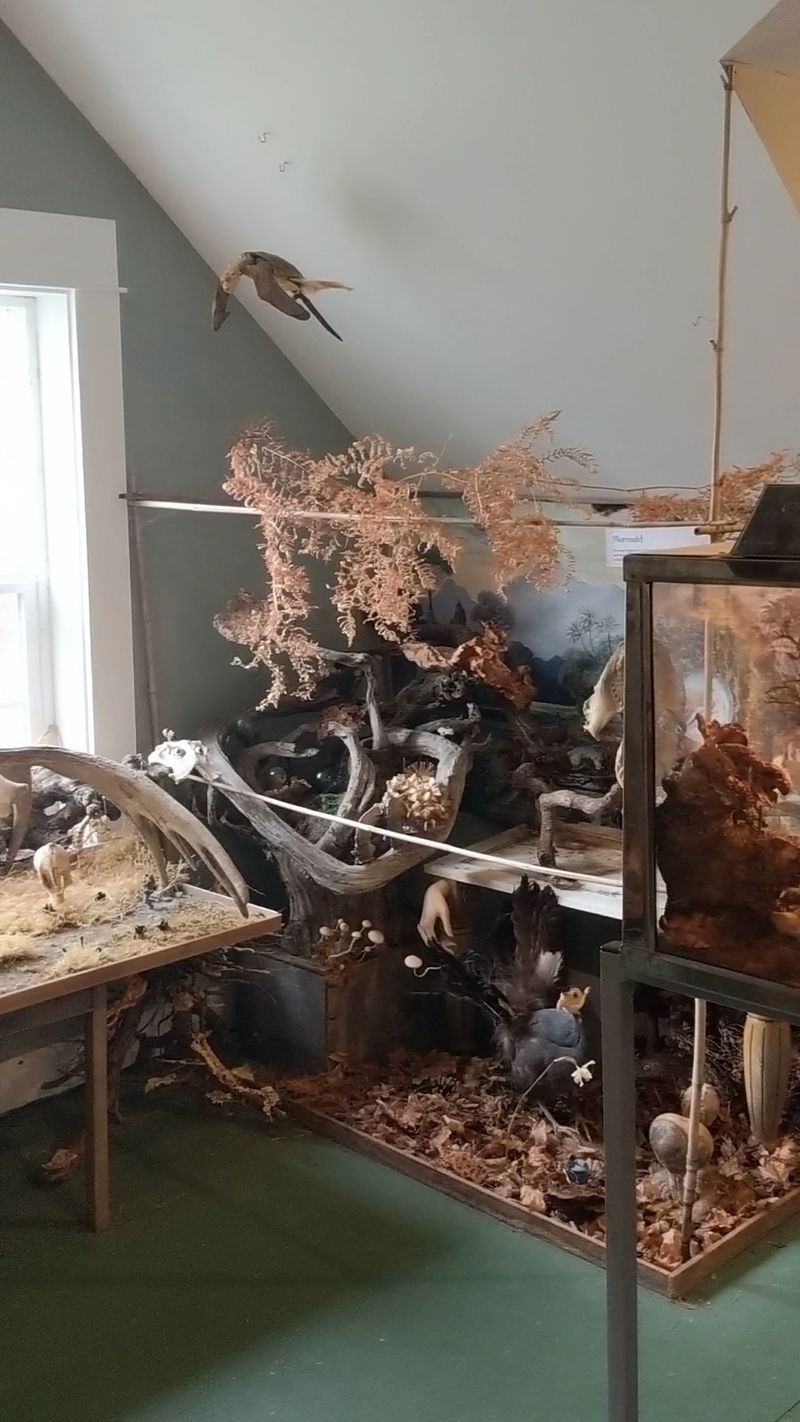
Timing matters more here than at most attractions. The Zymoglyphic Museum opens only on the second and fourth Sunday of each month, from 11 AM to 3 PM.
The museum recently reopened on August 9, 2026. It had closed for six months during an expansion project.
You’ll find it at 6215 SE Alder St, Portland, OR 97215, in the Mount Tabor neighborhood. Type Portland into your GPS, since a similar address exists in nearby Milwaukie.
The #15 bus stops two blocks away. Drivers can usually find plentiful street parking nearby.
Plan around a few practical details. The museum sits on a second floor reached only by stairs.
There are no restrooms on site, so stop somewhere first. Groups should stay at six people or fewer, because the room fills quickly.
Visits often take somewhere between half an hour and an hour. Detail lovers may want even longer.
Portland weather can turn gray fast, especially in Oregon’s rainy months. Luckily, an indoor world of oddities makes a cozy Sunday plan, and you won’t need an umbrella once you’re upstairs.
Free Admission Means The Gift Shop Deserves Some Love
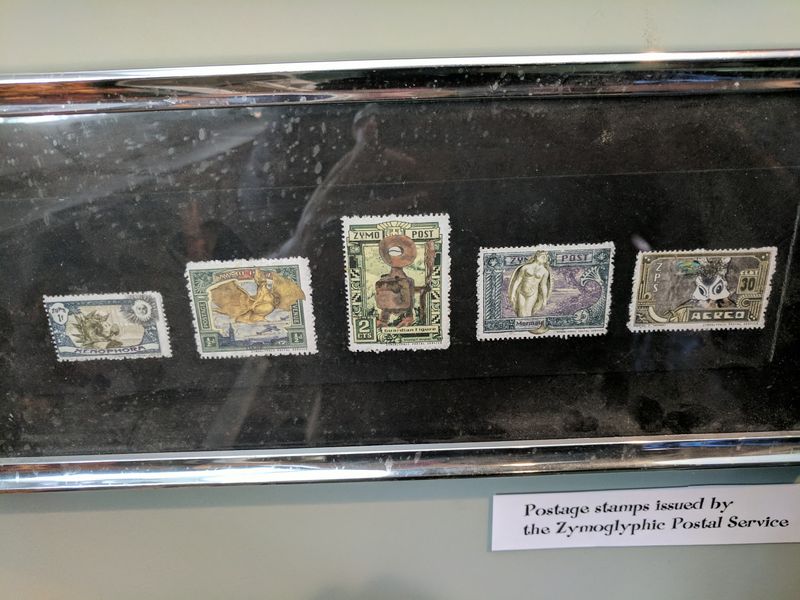
Free entry with no donation request feels almost unheard of. That generosity makes the museum shop a nice way to show support.
Postcards here are sold only at the museum. That makes them a true souvenir rather than something you could grab online later.
Books from the Zymoglyphic Museum Press also fill the shelves. Titles include The Zymoglyphic Museum: A Guide to the Exhibits, The Zymoglyphic Anthology, and Hotel Zymoglyphic.
The guide is a smart pick if you want more backstory. You can revisit the imaginary region long after leaving Portland.
Prints, booklets, and zines round out the selection. There’s even a manifesto, which feels fitting for a place with such a clear point of view.
A small reference library sits nearby too. Its carefully chosen books cover museums, curiosity cabinets, and surrealism.
Flipping through those titles helps explain the museum’s roots. You’ll see how centuries of collectors inspired this tiny modern version.
Picking up even one postcard keeps the experience feeling fair. It’s a cheerful thank-you for a whole civilization served at no cost.
Your Own Weird Art Could Join The Zymoglyphic Universe
Feeling inspired after all those snail artists and crab clocks? The museum welcomes that energy through its relaxed artist residency program.
Visitors can propose creative projects inspired by the museum, its themes, or its exhibits. The idea is wonderfully open-ended.
This residency is loosely defined. There are no application fees, no stipends, and no housing involved.
Artists keep ownership of their work, which is a big plus. You get to play in the Zymoglyphic world without giving up your creation.
Projects usually lead to a group show in late summer. That show is often held at the 1122 Outside Gallery in southeast Portland.
It’s a neat way for the imaginary region to keep growing. New voices add fresh chapters to a story one person started.
Students, hobbyists, and seasoned artists could all find a spark here. Even a small drawing or found-object piece might fit the spirit.
Oregon’s creative scene thrives on projects like this. Few museums invite you to become part of the collection’s world, so this one deserves a spot on your list.
