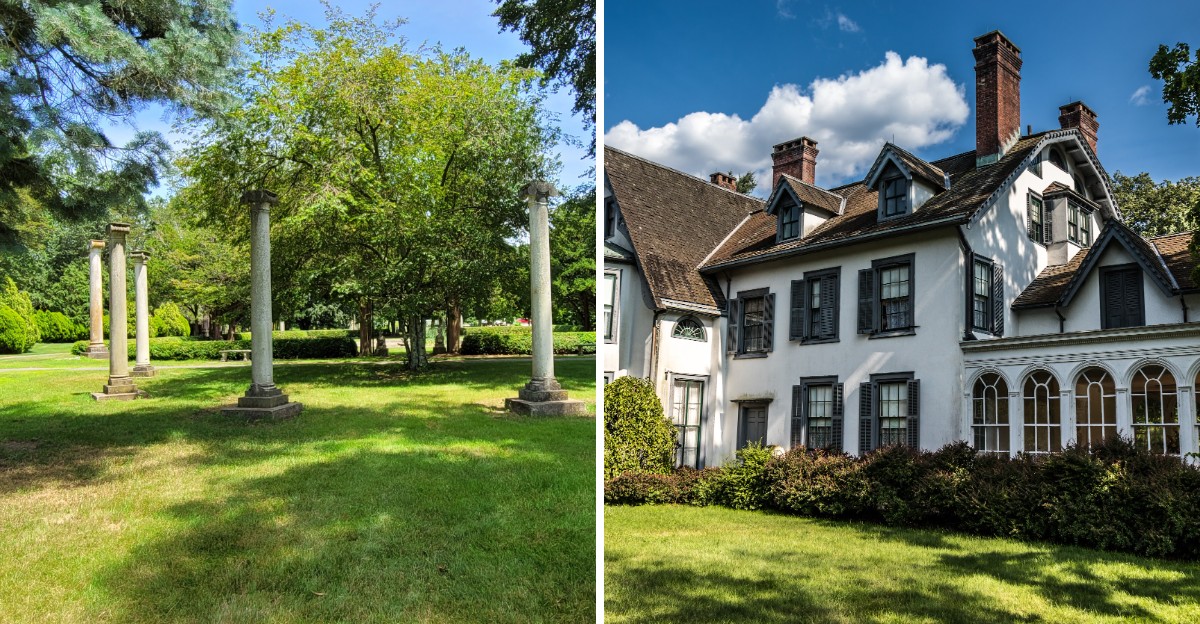
Talk about leaving behind one impressive gift.
Long before hikers and history lovers wandered these grounds, this sprawling property belonged to a wealthy industrial family whose country estate came with forests, gardens, outbuildings, and an imposing manor house.
Then, in 1938, the family donated the historic property to New Jersey so it could be preserved for future generations.
The historic site encompasses 582 acres, and much of its Gilded Age character remains visible today.
Paths weave through the property, old structures hint at its industrial past, and the manor itself holds generations of stories behind its stone walls.
It is the kind of place where a casual walk can quickly turn into a history lesson. Better yet, the estate did not disappear behind private gates.
Decades later, people can still come see what one family left behind.
The Gift That Turned A Private Estate Into Public Land
Most grand estates from the Gilded Age ended up sold off, subdivided, or knocked down. Ringwood Manor took a different path.
In 1938, the Hewitt family handed over the house, everything inside it, and 582 acres of surrounding land to the State of New Jersey. The idea was simple enough.
Keep the place intact, open it to the public, and let it live on as both a museum and a park.
What strikes me most is that the donation included the furnishings. Not an empty shell with borrowed props, but the actual contents the family lived with.
That detail changes how the whole place feels when you walk the grounds. You are not looking at a reconstruction, you are looking at something that was simply left in place and cared for.
The property now sits within Ringwood State Park, which means hiking trails, picnic spots, and history all share the same address. For a state as densely built as this one, having 582 protected acres like this is no small thing.
Fifty-One Rooms And Four Architectural Styles Under One Roof
Here is a fun bit of trivia. The manor did not start out grand at all.
Martin J. Ryerson bought the old ironworks property in 1807 and began building the first section of the present house around 1810.
That original piece was a modest ten-room Federal-style building, the kind of thing you would drive past without blinking.
Then came the additions. Abram S.
Hewitt expanded it through the 1860s and 1870s, with more work in 1900 and 1910, until the house reached fifty-one rooms.
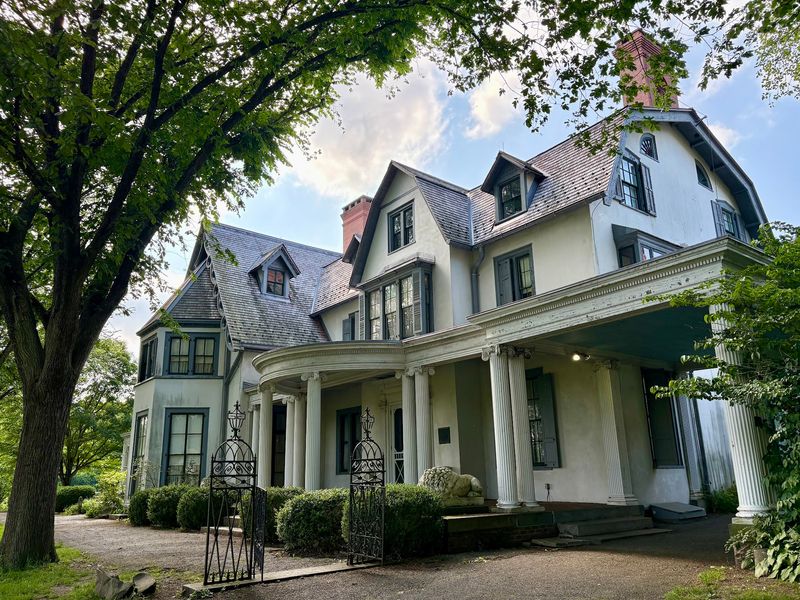
Because it grew in stages, the building carries four different architectural styles at once. Federal, Italianate, Gothic Revival, and Neo-Classical all share the same walls.
Walk the exterior slowly and you can actually spot where one era stops and the next begins. Rooflines shift, window shapes change, porches appear out of nowhere.
The numbers are wild too. Twenty-four fireplaces, thirteen bathrooms, twenty-eight bedrooms, and more than 250 windows.
Iron, Mountains, And Two Centuries Of Industry
Long before anyone thought of summer homes here, this land was about one thing. Iron.
The Ramapo Mountains surrounding the estate are rich in magnetite deposits, and that geology turned the area into a serious iron supplier for well over two hundred years. A succession of ironmasters ran operations here, each leaving their mark on the landscape.
Knowing that changes how the scenery reads. Those peaceful wooded hills were once a working industrial zone, loud and smoky and central to the region’s economy.
Ringwood Manor sits right at the center of that story, which is part of why it carries National Historic Landmark District status. The designation covers a timeline stretching from Native American occupation through the early twentieth century.
I like that the site does not hide the industrial side in favor of the fancy mansion. Both belong to the same place.
If you enjoy history that feels layered rather than tidy, this is a rewarding stop in northern New Jersey.
A Revolutionary War Connection Most People Miss
Ask most visitors what they expect from a mansion tour and Revolutionary War history probably is not on the list. Yet it belongs here.
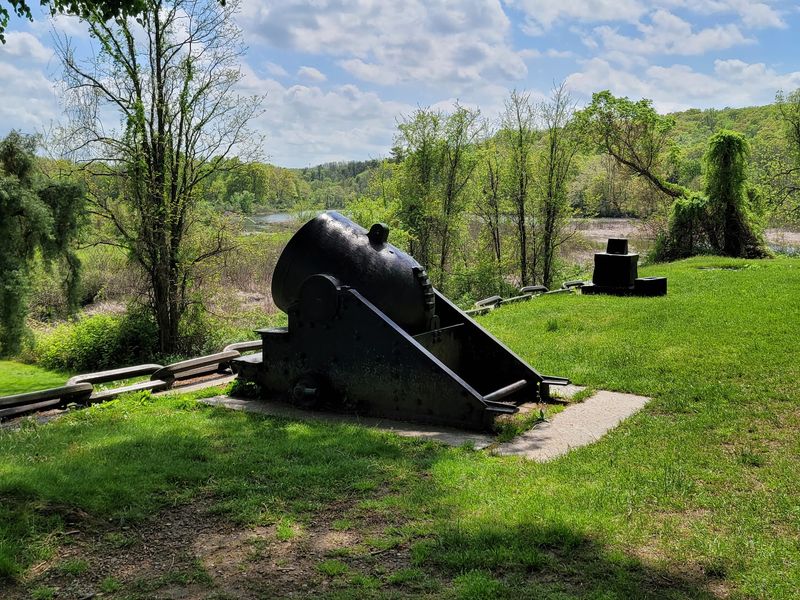
During the American Revolution, the ironworks at Ringwood supplied the Continental Army with tools and hardware. That included links for the Hudson River Chain, the enormous barrier stretched across the river to block enemy ships.
Standing on the lawn with that in mind gives the whole property a different weight. Iron made here traveled north and became part of a defensive strategy that shaped the war.
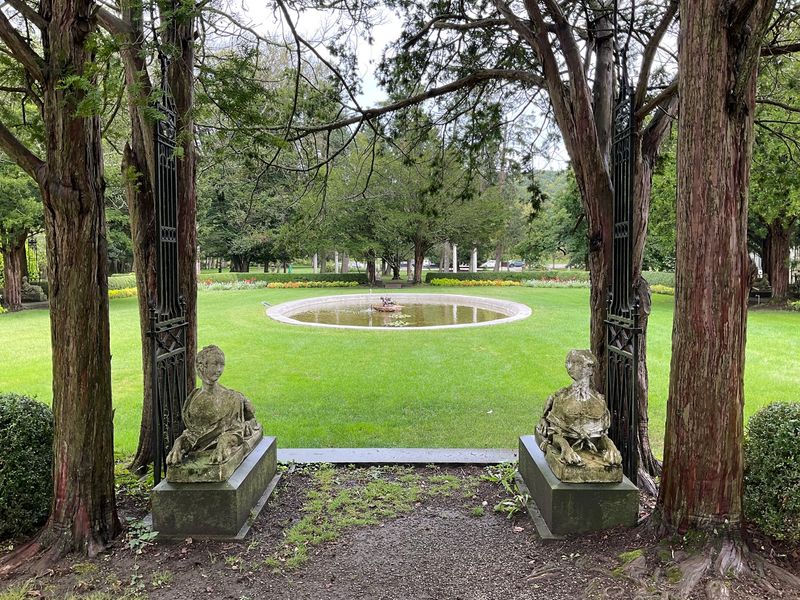
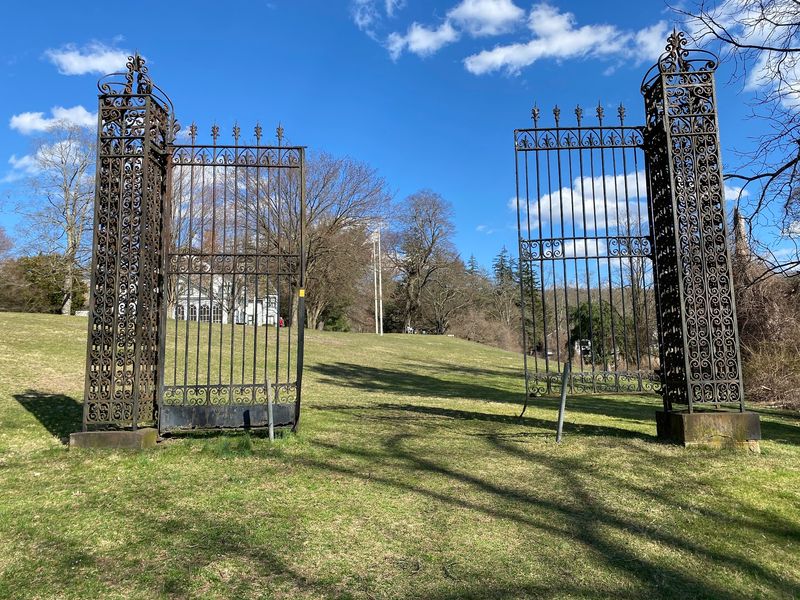
The decorative ironwork scattered around the front of the manor is one of the first things people notice when they arrive. Heavy, dark, and unmistakably old.
It is a good reminder that this estate was never just a pretty retreat. Its value came out of the ground, and that value had national consequences.
History buffs tend to linger here longer than they planned. Fair warning.
Gardens That Feel Borrowed From The English Countryside
The gardens caught me off guard more than the house did. They have that settled, slightly wild look that only comes with age.
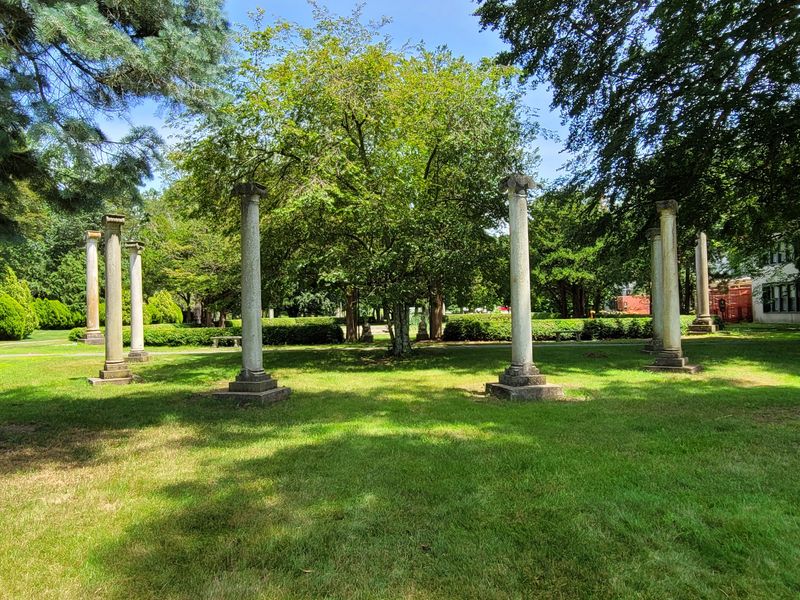
Stone columns frame open garden rooms, pathways wander instead of marching in straight lines, and planting beds spill over their edges in the warmer months. The layout encourages slow wandering rather than quick photos.
Autumn is especially good here. The surrounding trees go gold and red, and the contrast against the manor’s pale walls is honestly worth the trip on its own.
Benches sit tucked in quiet corners, and the whole area stays remarkably peaceful even on pleasant weekends.
Bring a picnic and you can easily lose two hours. Several spots sit near the water, which adds a soft background soundtrack.
The grounds are also pet friendly, so nobody in the family has to stay home. Just keep leashes handy and stick to the paths near the flower beds.
Comfortable shoes make a difference on the gravel.
Guided Tours Through Rooms Still Full Of Original Things
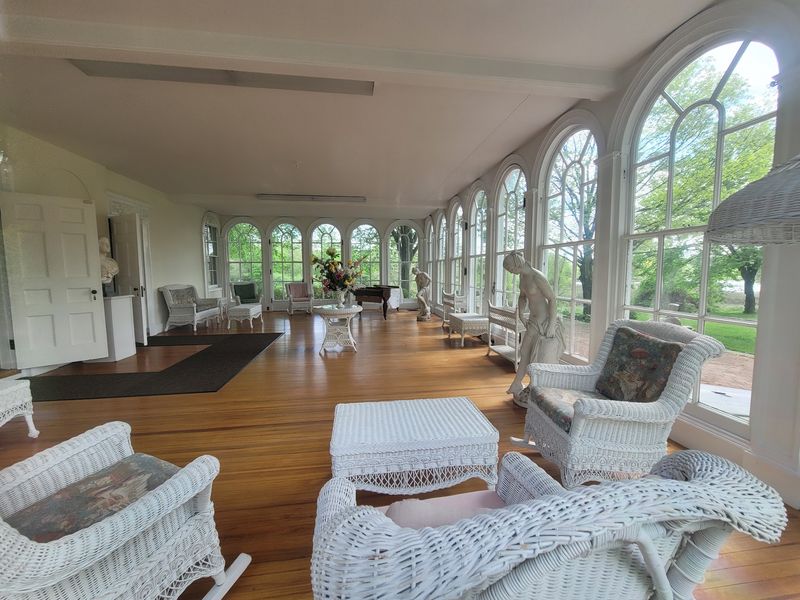
Tours here run through the historic house and its collections, and the contents are the real draw. Because the family donated the furnishings along with the building, rooms are filled with pieces that actually belonged to the household.
Guides walk visitors through family life, the surrounding community, local industry, and the culture of the era. It is less a list of dates and more a picture of how people actually lived in a fifty-one room house.
The woodwork alone deserves attention. Carved details, paneling, and staircases show off craftsmanship that simply is not common anymore.
A tour typically takes a bit over an hour, so plan your visit around it rather than squeezing it in.
Older kids tend to get more out of it than little ones, mostly because artifacts sit out in the open and cannot be touched.
Check the schedule ahead of time. Tour availability shifts by season, and the house occasionally closes for preservation work.
A Working Forge Tucked Into One Of The Outbuildings
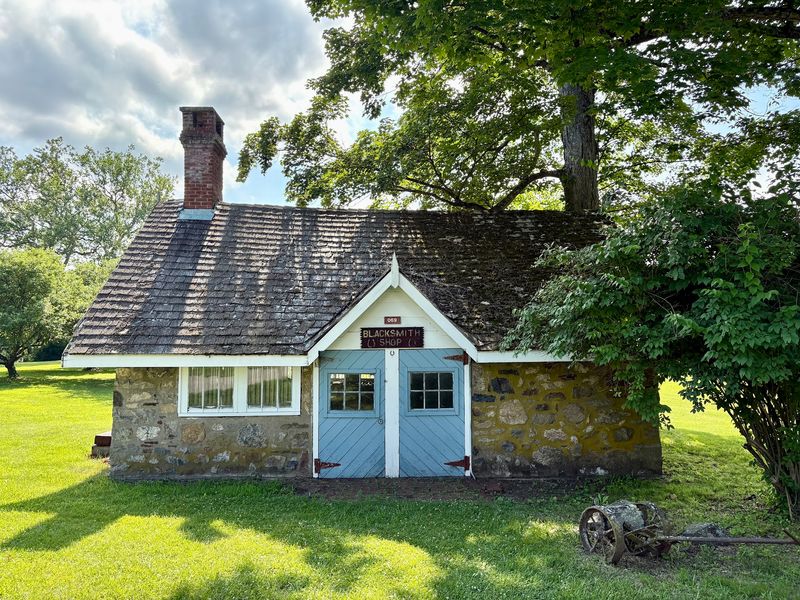
Tucked among the outbuildings sits something genuinely unexpected. A working forge, coal-fired and bellows-fed, kept in operating condition.
Given that this property built its reputation on iron, having a functioning forge on site makes perfect sense. It connects the mansion’s elegance back to the sweaty, hot work that paid for it.
The smell of coal and the sound of metal being worked hit differently than reading a plaque. Demonstrations turn abstract history into something you can actually watch happen.
Kids who lose interest inside the house often perk right up here. Fire and hammering will do that.
The outbuildings themselves are worth circling even when nothing is scheduled. Their rough construction stands in sharp contrast to the polished manor a short walk away.
That contrast is part of what makes the estate interesting. Wealth and labor sat side by side on the same acreage, and the buildings still show it.
Check event listings if you want to catch the forge active.
Trails, Streams, And Wildlife Beyond The Lawns

Past the manicured sections, the property opens into something much looser. Trails thread through woods and open fields, some marked with gravel, others just worn paths across grass.
Streams run through the grounds, shallow and clear, and the sound follows you along parts of the walk. There is a waterfall worth tracking down as well.
Wildlife shows up regularly. Birds, turtles, frogs, and the occasional swan turn a simple stroll into something more interesting.
Finding the trailheads takes a minute on a first visit, so give yourself time to poke around rather than rushing.
Because the estate belongs to Ringwood State Park, the hiking extends well past the historic core. You can make it a short loop or a proper half day depending on your mood.
Winter walks here have their own appeal, with bare trees opening up views you cannot see in summer.
Restrooms and a large parking area sit near the main buildings, which makes logistics easy.
Seasonal Events That Change The Whole Mood
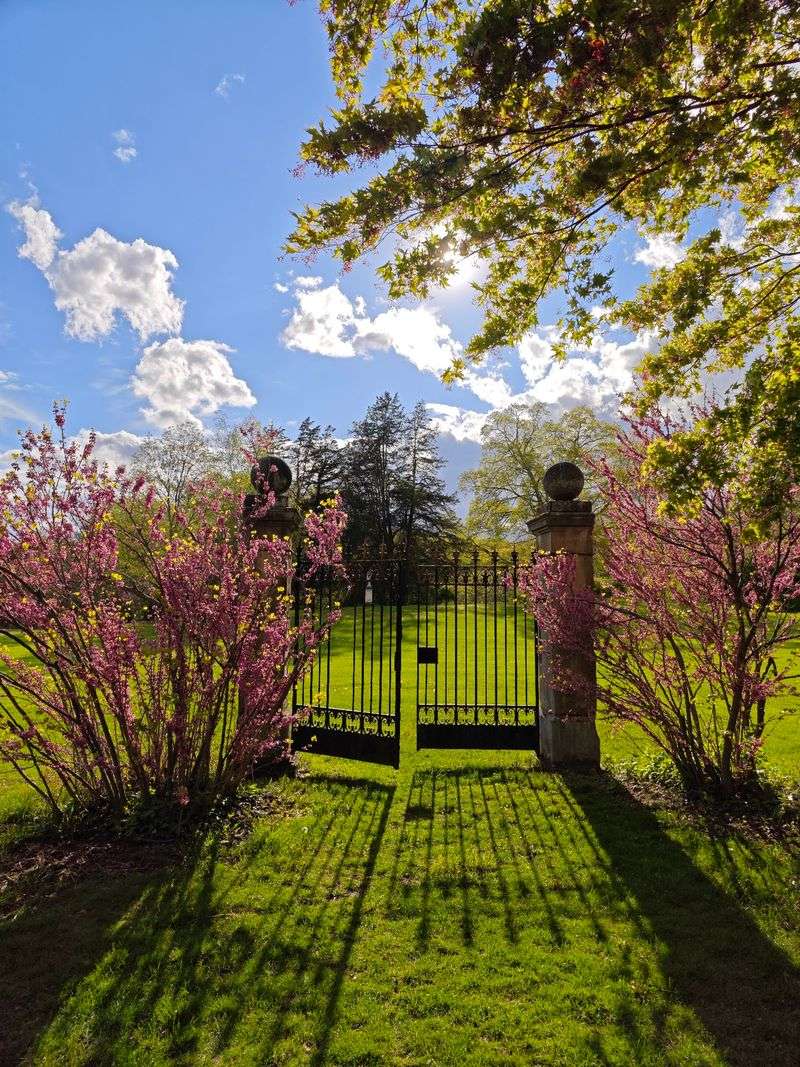
Show up at different times of year and you will swear you visited two separate places. The programming here shifts with the calendar.
Special events and interpretive programs run throughout the year, covering everything from holiday traditions to outdoor concerts on the lawn. Summer evenings sometimes bring live music, with the manor glowing behind the performers.
Winter is the showstopper. The house gets decorated in period style, and seeing those rooms lit up changes the entire atmosphere.
Fourth of July brings historic programming, including a reading of the Declaration of Independence from the manor steps.
Autumn has its own offerings, including evening walks with lanterns out toward the cemetery on the property.
My advice is to pick an event rather than a random Tuesday. The place is lovely either way, but events add a layer you cannot get from a self-guided stroll.
Programs fill up, so checking the calendar before driving out saves disappointment.
Planning A Visit Without The Guesswork
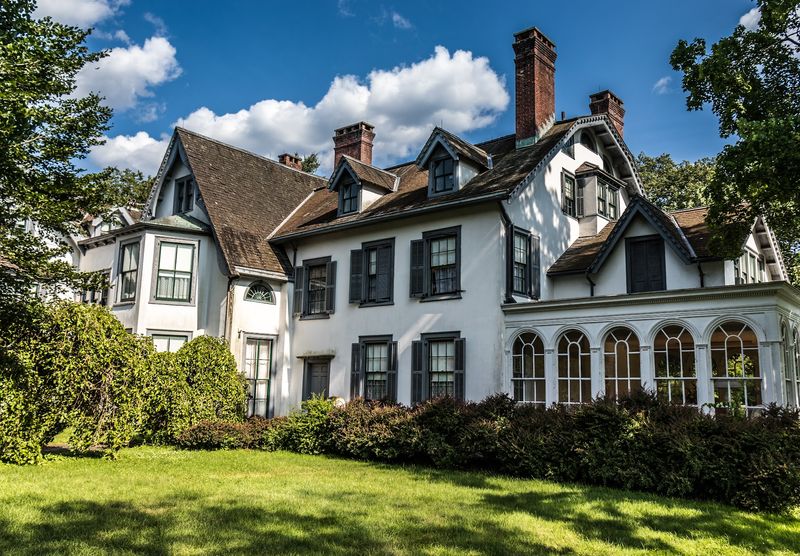
A few practical notes make this trip smoother. The turnoff from the main road looks like an unmarked access lane, so watch for the sign and trust it.
You cross a small bridge and pass an old guard house before reaching the parking area, which is large and rarely full.
Doors open Wednesday through Sunday from ten in the morning until three in the afternoon, with Monday and Tuesday closed. That midday window is short, so arriving early gives you room for both a tour and the grounds.
Seasonal parking fees apply during summer months in the park.
The Skylands section of the park sits about a quarter mile down the road, and people mix the two up constantly. Visiting both in one day works nicely if you have the energy.
Restoration work happens periodically, so confirm the house is open before you commit.
You will find Ringwood Manor at 1304 Sloatsburg Rd, Ringwood, NJ 07456.
